
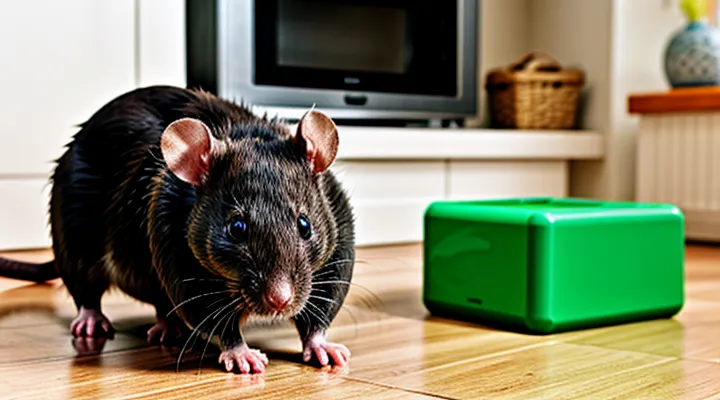
Why Entertainment Is Crucial for Rats’ Well-being
The Intelligent Nature of Rats
Rats possess advanced cognitive abilities that rival many other mammals. Their capacity for spatial navigation, pattern recognition, and rapid learning enables them to adapt to complex environments.
Research demonstrates that rats solve mazes, remember routes for weeks, and imitate the actions of conspecifics. They display flexible problem‑solving, adjust strategies when conditions change, and exhibit curiosity that drives exploratory behavior.
These traits inform the design of enrichment activities. Effective games leverage memory, problem‑solving, and social interaction:
- Puzzle boxes that require a sequence of lever pulls to release a treat.
- Foraging tunnels filled with hidden food particles, encouraging scent tracking.
- Adjustable obstacle courses with varying heights and angles to test agility and decision‑making.
- Mirror or video stations where a rat can observe and mimic movements displayed by another rat.
- Interactive toys equipped with movable parts that respond to bite or paw pressure, reinforcing cause‑and‑effect learning.
Implementing such activities satisfies rats’ intellectual needs, reduces stereotypic behaviors, and promotes overall well‑being.
Preventing Boredom and Destructive Behaviors
Rats left without stimulation quickly develop repetitive chewing, escape attempts, and excessive grooming, which can damage cages and compromise health. Consistent enrichment eliminates these patterns by satisfying natural foraging, climbing, and problem‑solving instincts.
- Rotate a variety of chew‑safe items (wood blocks, cardboard tubes, untreated twine) every two to three days to keep tactile interest fresh.
- Introduce puzzle feeders that require manipulation to release treats, encouraging mental effort and slowing consumption.
- Provide a network of tunnels, ladders, and platforms that mimic burrow systems, allowing vertical movement and exploration.
- Hide small food pieces in shredded paper or hide‑away containers, prompting foraging behavior and reducing idle time.
- Schedule daily interactive sessions using hand‑held toys or gentle tug‑games to reinforce bond and provide predictable social contact.
- Offer scent enrichment by swapping bedding or adding a few drops of rat‑safe essential oil on a cloth, stimulating olfactory curiosity.
Implementing these measures in a structured routine prevents monotony, curtails destructive habits, and promotes overall well‑being for an intelligent companion.
Enhancing Physical and Mental Health
Providing targeted play and enrichment for a pet rat directly influences its physical condition and cognitive state. Structured activity promotes muscular development, joint flexibility, and cardiovascular efficiency while preventing excess weight gain.
- Running wheels with adjustable resistance encourage steady aerobic exercise.
- Climbing ladders and rope bridges stimulate forelimb strength and balance.
- Tunnel systems with varying diameters require navigation that engages core muscles.
- Puzzle feeders that release food only after manipulation increase bite force and chewing activity.
Mental resilience improves through challenges that mimic natural foraging and exploration. Engaging tasks sharpen problem‑solving abilities, reduce stereotypic behaviors, and lower stress hormones.
- Maze layouts with interchangeable sections demand spatial learning and memory recall.
- Hide‑and‑seek games using small objects develop scent tracking and decision‑making.
- Interactive toys that respond to pressure or movement reinforce cause‑and‑effect reasoning.
- Training sessions that reward specific behaviors reinforce attention span and social bonding.
Effective enrichment follows a routine of daily sessions lasting 15–30 minutes, alternating between physical and mental tasks. Gradual escalation of difficulty maintains engagement without causing frustration. All equipment must be constructed from non‑toxic, chew‑safe materials and inspected regularly for wear. Consistent monitoring of weight, activity level, and behavior ensures that the chosen activities continue to support optimal health outcomes.
Enriching the Environment: Cage Setup and Beyond
Multi-Level Habitats
Tunnels and Tubes
Tunnels and tubes offer a three‑dimensional environment that satisfies a rat’s natural urge to explore, hide, and navigate confined spaces. By integrating these structures into a cage, owners create a dynamic arena that encourages physical exercise and mental problem‑solving.
A well‑designed tunnel system should include:
- Varied diameters: Small passages promote squeezing behavior, while larger tubes accommodate rapid movement.
- Multiple entry points: At least two openings prevent dead‑ends and allow continuous circulation.
- Flexible materials: Food‑grade silicone, untreated wood, or clear acrylic resist chewing and are easy to clean.
- Modular connections: Interlocking sections enable rapid reconfiguration, keeping the environment novel.
- Anchoring points: Secure attachments to the cage walls prevent wobbling during vigorous activity.
Placement considerations improve safety and engagement:
- Position tunnels near enrichment items such as wheels, climbing ladders, or foraging stations to create a network of challenges.
- Ensure the lowest tube sits a few centimeters above the cage floor to avoid accidental entrapment.
- Maintain a clear line of sight for observation; transparent sections allow owners to monitor behavior without disturbance.
Regular rotation of tunnel layouts sustains interest. Replace a straight segment with a curved or spiral section weekly, or introduce a detachable “dead‑end” chamber that contains a treat to motivate problem‑solving. Monitoring wear patterns helps identify sections that need replacement before they become hazardous.
Overall, tunnels and tubes transform a static habitat into an interactive playground that promotes agility, curiosity, and cognitive health in intelligent pet rats.
Climbing Structures
Climbing structures provide essential vertical space that satisfies a rat’s natural instinct to explore heights. Incorporating ladders, ramps, and multi‑level platforms encourages muscular development, improves coordination, and reduces boredom.
- Wooden ladders with rungs spaced 1–2 cm apart allow safe ascent and descent. Use untreated, non‑toxic wood and sandpaper edges to prevent splinters.
- Rope or sisal ropes tied securely to the cage ceiling create flexible climbing routes. Replace worn sections regularly to avoid fraying.
- Modular platforms made from acrylic or polycarbonate panels can be stacked at varying heights. Secure each panel with stainless‑steel brackets to maintain stability.
- Inclined ramps constructed from PVC pipe or thick cardboard offer a gentle alternative for younger or less agile rats. Ensure the surface is textured to prevent slipping.
When designing a climbing system, follow these guidelines:
- Load capacity – Verify that each component supports at least twice the rat’s body weight.
- Attachment method – Use zip ties, stainless‑steel screws, or silicone adhesives that do not leach chemicals.
- Spacing – Provide a minimum clearance of 3 cm between structures to allow free movement.
- Cleaning access – Arrange elements so that removable trays or detachable panels can be taken out for routine sanitation.
- Enrichment variety – Combine vertical elements with tunnels, hammocks, and chew toys to create a comprehensive activity zone.
DIY projects are feasible with common household supplies. A simple ladder can be assembled from three wooden dowels and two crossbars, glued with non‑hazardous epoxy. A tiered platform can be built by stacking small wooden crates, securing each layer with metal brackets, and covering surfaces with washable mesh.
Proper placement enhances safety. Install climbing structures near the cage’s upper corners to encourage upward exploration while keeping the base clear for feeding stations and nesting material. Regularly inspect joints, fasteners, and surfaces for wear; replace compromised parts promptly to maintain a secure environment.
Overall, well‑constructed climbing apparatuses transform a standard enclosure into a dynamic playground, promoting physical health and mental stimulation for intelligent rodent companions.
Substrate and Digging Opportunities
A suitable substrate encourages natural foraging behavior and provides a safe outlet for the instinct to excavate. Choose materials that are non‑toxic, dust‑free, and easy to clean. Common options include:
- Untreated paper bedding, shredded newspaper, or recycled paper pellets; these absorb moisture, limit respiratory irritation, and allow gentle digging.
- Aspen shavings, which are lightweight, low‑odor, and free of aromatic oils that can harm rodents.
- Coconut coir blocks, pre‑moistened and cut into manageable pieces; they retain shape, support burrow construction, and decompose without harmful residues.
When configuring a digging area, consider depth and containment. A layer of 2–3 inches (5–7 cm) permits a rat to create tunnels without reaching the cage floor, reducing the risk of injury. Incorporate a shallow trench or a dedicated “dig box” placed on a stable platform to prevent substrate spillage onto the cage base.
Enhance the digging experience by embedding hidden objects. Rotate items such as:
- Small treat‑filled tubes or rolled paper rolls.
- Food‑scented wooden blocks.
- Safe, chew‑resistant plastic toys partially buried.
These elements stimulate problem‑solving while reinforcing the reward‑dig connection. Regularly refresh the substrate to maintain hygiene and prevent compaction, which can impede natural burrowing motions. Replace a portion of the bedding weekly, and sterilize the entire enclosure monthly using a mild, pet‑safe disinfectant.
By selecting appropriate materials, providing adequate depth, and integrating concealed incentives, the digging environment becomes a core component of mental and physical stimulation for an intelligent pet rodent.
Rotating Toys and Accessories
Rotating toys stimulate a rat’s natural curiosity and agility. A motorized platform or a spinny ball encourages climbing, balance, and quick reflexes. When the device turns, the animal must adjust its grip, strengthening forelimb muscles and enhancing spatial awareness.
Key characteristics of effective rotating accessories include:
- Safe, chew‑resistant materials such as untreated wood, hardened plastic, or stainless steel.
- Adjustable speed settings to match the rat’s size and activity level.
- Easy‑to‑remove components for regular cleaning and inspection.
- Secure mounting that prevents the toy from detaching during vigorous play.
Integrating a rotating feeder adds a mental challenge. Food compartments open only when the rat aligns a lever with a specific position on the rotating disc, promoting problem‑solving skills and extending feeding time.
Maintenance considerations:
- Inspect gears and bearings weekly for wear or debris.
- Disassemble removable parts, wash with mild soap, and rinse thoroughly.
- Lubricate moving joints with a pet‑safe silicone spray no more than once a month.
By selecting durable, adjustable, and easily maintained rotating toys, owners provide continuous enrichment that supports physical health and cognitive development in their intelligent companions.
Interactive Games and Activities
Foraging Puzzles and Treat Dispensers
DIY Puzzle Feeders
DIY puzzle feeders provide a practical way to combine nutrition and mental stimulation for an intelligent rodent companion. Constructing these devices requires only basic household items and a clear understanding of the animal’s chewing habits and problem‑solving abilities.
Begin with a sturdy, non‑toxic base such as a small wooden block, thick cardboard, or acrylic sheet. Drill or cut a series of holes just large enough for a single seed or pellet to pass. Arrange the openings in a pattern that forces the rat to maneuver the feeder, rotate it, or apply pressure to release the treat. Secure the components with non‑reactive glue or small screws, ensuring no sharp edges remain.
Key design elements:
- Adjustable difficulty – Vary hole size, add sliding panels, or incorporate detachable lids to increase complexity as the pet’s skills improve.
- Material safety – Use untreated wood, food‑grade plastic, or natural bamboo; avoid painted surfaces, metal filings, or toxic adhesives.
- Cleaning convenience – Build the feeder in separate sections that can be disassembled for regular washing, preventing residue buildup.
Benefits observed in practice include reduced boredom, enhanced foraging instincts, and increased dexterity. Regular rotation of feeder designs prevents habituation and maintains engagement.
Safety considerations are straightforward: inspect the feeder before each use for cracks, loose parts, or splinters; limit the quantity of food placed inside to avoid overconsumption; supervise initial sessions to confirm the rat can manipulate the device without injury.
By integrating DIY puzzle feeders into a daily routine, owners provide structured enrichment that aligns with the natural curiosity and intelligence of their pet rodents.
Commercial Options
Commercial products designed for intelligent rodents address safety, enrichment, and durability. Manufacturers offer modular mazes that connect via snap‑fit joints, allowing owners to reconfigure pathways without tools. These systems use non‑toxic, chew‑resistant plastics and include interchangeable tunnels, ramps, and platforms that stimulate problem‑solving behavior.
A growing segment provides electronic puzzle boxes powered by rechargeable batteries. Sensors detect a rat’s nose or whisker contact, triggering timed releases of treat compartments. Adjustable difficulty settings let owners increase challenge levels as the animal masters each task.
Specialty feeding stations combine automatic dispensing with activity monitoring. Integrated weight sensors record consumption patterns, transmitting data to a smartphone app for real‑time analysis. The app also schedules feeding intervals, encouraging regular activity cycles.
Subscription services deliver curated enrichment kits monthly. Each kit contains a themed set of toys, foraging items, and scent patches, selected to align with seasonal variations and developmental stages. Packaging is biodegradable, and the service includes a QR code linking to instructional videos.
Retailers also stock grooming and health accessories that double as play objects. Silicone chew sticks infused with natural herbs promote dental health while offering tactile stimulation. Interactive tunnels equipped with detachable climbing ropes encourage exercise and provide safe escape routes during play sessions.
These commercial options enable owners to provide structured, mentally stimulating environments without extensive DIY construction, supporting the well‑being of a cognitively active pet.
Agility Courses
Simple Obstacle Races
Simple obstacle races provide physical and mental stimulation for pet rats, encouraging agility, problem‑solving, and confidence. The design relies on low‑cost, safe materials and can be adapted to any living space.
Materials commonly used include cardboard tubes, wooden blocks, plastic tunnels, and non‑slip mats. Ensure all items are free of sharp edges, chemicals, and loose parts that could be ingested. Clean each component before each session to maintain hygiene.
- Arrange a start point and a clear finish line at opposite ends of the enclosure.
- Position obstacles in a linear or zig‑zag pattern, leaving sufficient gaps for the rat to navigate.
- Place a small treat or favorite chew at the finish line to motivate completion.
- Begin with a short course (three to five obstacles) and gradually increase length and complexity as the rat gains proficiency.
- Observe the rat’s movement; adjust obstacle height or spacing if hesitancy or stress appears.
Benefits of regular races include improved coordination, reduced boredom, and reinforcement of positive behaviors. Rotate obstacle configurations weekly to prevent habituation and to keep the challenge fresh. Monitoring the rat’s health and energy levels ensures the activity remains safe and enjoyable.
Tunnels and Mazes
Tunnels and mazes provide essential mental and physical stimulation for intelligent pet rats. The confined passages encourage natural foraging instincts, while the challenge of navigating a maze develops problem‑solving abilities.
Effective designs share three characteristics: dimensions that accommodate the rat’s body without restriction, sturdy yet chew‑resistant materials, and a layout that varies in complexity. Minimum tunnel diameter should exceed 2 cm; length can range from 30 cm for simple runs to several meters for elaborate circuits. Connections must be smooth to prevent injury, and any joints should be sealed to avoid gaps where bedding could accumulate.
Construction options include:
- PVC pipe sections cut to length, joined with non‑toxic silicone; caps create dead‑ends.
- Corrugated cardboard tubes reinforced with non‑painted plywood frames for stability.
- Commercial plastic maze kits that offer interchangeable modules for rapid reconfiguration.
Training begins with a familiar scent or a small treat placed at the maze exit. Repeated exposure builds confidence; once the rat reliably reaches the reward, progressively increase the number of turns and introduce optional shortcuts. Positive reinforcement—brief hand‑off or a favorite snack—strengthens the association between exploration and reward.
Maintenance requires weekly inspection for chew damage, removal of droppings, and replacement of soiled bedding within tunnels. Rotating sections or swapping modules weekly prevents habituation and sustains engagement. Monitoring behavior during play sessions identifies stress indicators such as excessive gnawing on the structure, prompting immediate adjustment of layout or material.
Training and Tricks
Clicker Training Basics
Clicker training offers a reliable way to engage a rat’s intellect while building cooperation. The method pairs a distinct sound with a reward, creating a clear association that the animal can learn quickly.
- Choose a small, hand‑held clicker that produces a sharp, consistent noise.
- Introduce the clicker by pressing it and immediately offering a favorite treat; repeat until the rat anticipates a reward after each click.
- Define a target behavior, such as approaching a hand or touching a cue stick.
- When the rat performs the exact action, activate the clicker, then deliver the treat.
- Gradually increase the complexity of tasks by adding steps, always marking each successful component with a click.
- Shift from continuous reinforcement to a variable schedule once the behavior stabilizes, maintaining motivation without overfeeding.
In practice, clicker training can be woven into daily play. Begin a short session after a regular foraging game; use the clicker to reward precise movements, such as navigating a miniature maze or retrieving a small object. Consistent, brief sessions—five to ten minutes—prevent fatigue and reinforce the learning curve. Over time, the rat develops problem‑solving skills that translate into more elaborate games and self‑directed exploration.
Teaching Simple Commands («come», «spin»)
Teaching a rat simple commands such as “come” and “spin” adds mental stimulation and reinforces the bond between pet and owner. The process relies on positive reinforcement, consistent cues, and short, frequent sessions.
Training “come”
- Choose a distinct verbal cue (“come”) and a hand signal.
- Offer a high‑value treat (e.g., a small piece of fruit or a favorite pellet).
- Position the rat a short distance away, call the cue, and present the hand signal.
- When the rat moves toward you, immediately deliver the treat and a brief praise phrase.
- Repeat the sequence 5‑10 times per session, gradually increasing the distance.
Training “spin”
- Introduce a new cue (“spin”) and a circular hand motion.
- Hold a treat just out of reach, guiding the rat to turn its body to follow the motion.
- As the rat completes a full rotation, reward instantly.
- Practice the cue in short bursts, adding a second rotation once the first is reliable.
Key considerations:
- Keep sessions under five minutes to prevent fatigue.
- Use only food rewards that the rat tolerates; avoid sugary or salty items.
- Conduct training on a stable, non‑slippery surface to reduce the risk of injury.
- Maintain a calm environment; sudden noises can disrupt focus.
Progress is measurable by the rat’s response latency and accuracy. Consistent application of these steps results in reliable execution of both commands, providing engaging mental exercise for a clever companion.
Social Interaction and Bonding
Human-Rat Playtime
Gentle Play and Cuddling
Gentle play and cuddling provide essential social interaction for an intelligent rodent, supporting mental health and strengthening the human‑pet bond. Consistent, low‑stress contact reduces anxiety, encourages exploratory behavior, and reinforces trust.
Safe handling begins with a calm environment, clean hands, and a secure, non‑slippery surface. Approach the rat from the side, allowing it to sniff before lifting. Support the body with both hands, keeping the spine aligned to prevent injury. Observe ear position, whisker tension, and vocalizations; relaxed ears and soft squeaks indicate comfort, while stiff posture or rapid breathing suggest the need to pause.
Typical gentle activities include:
- Soft tunnel chase: Place a flexible fabric tunnel on a flat surface, coax the rat to enter, and gently guide it through with light taps.
- Feather tickle: Use a soft feather or brush to lightly stroke the back, stimulating tactile perception without startling the animal.
- Puzzle treat roll: Roll a small piece of fruit or seed inside a smooth cylinder, encouraging the rat to nudge it with its paws while maintaining close proximity.
- Hand‑held hide‑and‑seek: Hide a favorite chew toy under a shallow cup, then lift the cup slowly while the rat watches, reinforcing curiosity.
Cuddling sessions should last from one to three minutes initially, extending as the rat shows signs of relaxation. Position the rat on a lap or a padded blanket, allowing it to rest on the forepaws while the handler’s palm supports the hindquarters. Maintain a steady, warm hand temperature; sudden temperature changes can startle the pet. Regular short sessions, repeated daily, build a predictable routine that the rat learns to anticipate.
Integrating gentle play with other enrichment—such as climbing structures, foraging puzzles, and auditory stimulation—creates a balanced activity schedule. The combination of tactile interaction and mental challenges maximizes the rat’s well‑being while keeping the pet engaged and responsive.
Interactive Toys with Owners
Interactive toys that require direct participation from the owner create mental challenges and reinforce the bond between a rat and its caretaker. These devices combine problem‑solving elements with tactile feedback, encouraging the animal to engage actively rather than passively observe.
- Puzzle feeders: compartments release a treat only after the rat manipulates a lever or slides a panel, prompting precise movements.
- Treat‑dispensing balls: transparent spheres roll when nudged; each rotation drops a small piece of food, motivating repeated play.
- Modular tunnel systems: interchangeable sections allow the owner to rearrange pathways, presenting novel routes and escape routes.
- Clicker‑training kits: a handheld clicker marks correct actions, followed by an immediate reward, shaping desired behaviors.
- Mirror or reflective panels: positioned at eye level, these surfaces invite the rat to investigate its own reflection under supervision.
Safety and effectiveness depend on adherence to several principles. Toys must be constructed from chew‑safe, non‑toxic materials such as untreated wood, solid acrylic, or stainless steel. All edges should be smooth to prevent injury. Regular cleaning eliminates bacterial buildup; sterilize with mild soap and rinse thoroughly before reuse. Supervision during initial sessions ensures the rat does not become trapped or ingest hazardous parts.
Integrate interactive play into a consistent schedule. Allocate 10–15 minutes twice daily, preferably after feeding when the rat is most motivated. Rotate toys weekly to maintain novelty and prevent habituation. Record the animal’s response to each device; adjust difficulty by modifying lever resistance or tunnel complexity, aligning challenges with the rat’s evolving skill level. This systematic approach maximizes enrichment while fostering a cooperative relationship between pet and owner.
Rat-to-Rat Socialization
Introducing New Companions Safely
Introducing an additional rat can broaden social stimulation and increase the variety of interactive play, but the process must prioritize health and safety.
Before any contact, conduct a thorough health assessment. Verify that both animals are free of respiratory infections, parasites, and skin conditions. Use a veterinarian‑approved health certificate or perform a basic examination that includes checking eyes, ears, and fur for abnormalities.
Isolate the newcomer in a separate cage for a minimum of two weeks. During quarantine, provide identical bedding, diet, and enrichment items to the resident’s environment. This period allows detection of latent illnesses and reduces the risk of pathogen transmission.
Prepare a neutral arena distinct from either rat’s home cage. Use a spacious, escape‑proof enclosure with multiple hiding spots, climbing structures, and chew toys. Ensure the floor is easy to clean and free of sharp objects.
Implement a staged introduction protocol:
- Scent exchange – swap a few pieces of bedding between cages to familiarize each rat with the other’s odor.
- Visual contact – place the cages opposite each other, allowing the rats to observe without physical interaction.
- Supervised meet‑ups – conduct short, 5‑10‑minute sessions in the neutral arena, monitoring for aggressive postures, vocalizations, or avoidance.
- Extended interaction – gradually increase session length and frequency if both rats display calm behavior and mutual investigation.
Observe body language continuously. Signs of stress include excessive grooming, freezing, or repeated attempts to escape. If aggression emerges, separate the rats immediately and revert to an earlier stage of the protocol.
Once consistent, peaceful interactions are recorded over several days, transition the rats to a shared living space. Provide multiple nesting boxes, separate feeding stations, and abundant enrichment to prevent competition. Regular health checks should continue for at least one month after cohabitation begins.
Group Play and Exploration
Group play enhances social competence in rats by encouraging cooperation, hierarchy negotiation, and mutual grooming. When multiple animals interact, they practice communication signals such as squeaks, tail flicks, and body posture, which reduces stress and promotes mental resilience. Providing a spacious enclosure with multiple entry points allows dominant and submissive individuals to move freely, preventing bottlenecks that could trigger aggression.
Exploratory sessions should combine novel stimuli with safe, removable barriers. Rotate maze sections, introduce scent trails, and place climbable platforms at varying heights. These changes compel the colony to map new routes, reinforcing spatial memory and problem‑solving abilities. Regularly resetting the layout preserves curiosity while avoiding habituation.
Practical group activities include:
- Collaborative foraging: Scatter small food pellets across a multi‑level arena; rats must locate and retrieve them together, learning to share limited resources.
- Tunnel network challenge: Connect transparent tubes in a lattice pattern; rats navigate the system, occasionally meeting peers at junctions, which stimulates social interaction.
- Puzzle ball exchange: Hide a treat inside a clear ball that can be rolled; rats pass the ball among themselves, encouraging turn‑taking and cooperative manipulation.
- Scent‑marked territory game: Apply distinct essential‑oil droplets to separate zones; rats explore each area, marking and recognizing scent boundaries, which refines territorial awareness.
Safety measures are essential: all materials must be chew‑resistant, free of toxic coatings, and regularly sanitized. Monitor group dynamics for signs of bullying; intervene by providing additional hiding spots or temporary separation if conflict escalates. Structured group play and systematic exploration together create a stimulating environment that satisfies the innate curiosity and social nature of intelligent pet rats.
Safety Considerations and Best Practices
Choosing Safe Materials
Non-Toxic and Chew-Proof
Safety and durability dominate the selection of toys and enrichment items for intelligent rodents. Materials must resist ingestion of harmful chemicals while withstanding persistent gnawing.
- Approved substrates: untreated hardwoods such as maple, birch, and beech; food‑grade silicone; stainless‑steel wire mesh; polished acrylic.
- Forbidden substances: painted or stained wood, PVC, latex, soft plastics, reclaimed furniture with unknown finishes.
Construction guidelines ensure chew resistance:
- Use wall thickness of at least ¼ inch for plastic and acrylic components.
- Reinforce joints with stainless‑steel screws or rivets; avoid glue that can be chewed away.
- Incorporate metal brackets or wire mesh to protect high‑stress areas.
Maintenance considerations:
- Clean all surfaces with a mild, unscented detergent and rinse thoroughly; avoid harsh chemicals that could linger.
- Inspect items weekly for cracks or splintered edges; replace compromised pieces immediately.
Choosing non‑toxic, chew‑proof supplies eliminates health hazards and prolongs the functional life of enrichment tools, providing consistent mental stimulation for the pet.
Avoiding Small, Chokable Items
When planning enrichment for a pet rat, safety begins with eliminating any objects that could be swallowed whole. Small, loose parts present an immediate choking hazard and should never be left within reach during play sessions.
- Plastic beads larger than a pea, but capable of being bitten off, must be removed.
- Wooden splinters, especially those under 5 mm, pose a risk of airway obstruction.
- Metal fasteners such as tiny screws, nuts, and bolts should be kept away from the enclosure.
- Fabric fragments, including loose threads and loose yarn, can be ingested and block the trachea.
- Small rubber or silicone toys that break into pieces under 3 mm are unsuitable for unsupervised use.
Replace hazardous items with alternatives designed for small rodents. Solid chew blocks, thick natural branches, and dense cardboard tubes provide texture without fragmenting. Toys constructed from durable, non‑breakable polymer, sized to exceed the rat’s head width, reduce the chance of accidental ingestion. Regularly inspect all enrichment objects for cracks, wear, or loose components, and discard any that show signs of degradation. Continuous monitoring during interactive play further ensures that the rat cannot access unsafe material.
Supervision During Play
Supervision during play ensures that rats engage safely with enrichment items and avoid injuries. An observer must remain within arm’s reach, ready to intervene if a rat attempts to chew cords, climb unstable structures, or exhibits signs of distress such as excessive grooming or vocalizations.
Effective oversight includes three core actions. First, inspect the play area before each session: remove small detachable parts, secure loose wires, and verify that tunnels and platforms are stable. Second, monitor the rats continuously, watching for aggressive interactions, overexertion, or attempts to escape the enclosure. Third, intervene promptly by redirecting the animal to a safer activity, replacing damaged equipment, or ending the session if stress indicators appear.
Practical supervision checklist:
- Verify that all toys are made of chew‑safe materials and lack sharp edges.
- Ensure the floor surface provides traction and is free of hazardous debris.
- Keep a hand‑held barrier or a gentle trap nearby to gently separate rats if conflicts arise.
- Observe body language: flattened ears, rapid breathing, or sudden freezing signal discomfort.
- Limit session length to 10‑15 minutes for highly active individuals, extending only when calm behavior persists.
Consistent, attentive supervision maximizes the benefits of interactive enrichment while minimizing health risks, fostering a confident and well‑adjusted pet rat.
Maintaining Hygiene
Regular Toy Cleaning
Regular cleaning of rat toys preserves hygiene, prevents disease, and maintains the appeal of enrichment items.
Rats explore toys with teeth and paws; saliva, food residue, and waste accumulate quickly. Visible grime, lingering odors, or a change in the toy’s texture indicate that cleaning is required. Most owners find a weekly schedule sufficient for frequently used items, while less popular toys may be serviced every two to three weeks.
Effective cleaning follows a simple protocol:
- Disassemble removable parts if possible.
- Rinse the toy under warm running water to remove loose debris.
- Submerge in a solution of mild dish soap and lukewarm water for 5–10 minutes.
- Scrub with a soft brush or cloth, focusing on crevices where fur and droppings collect.
- Rinse thoroughly to eliminate soap residue.
- Air‑dry completely on a clean surface; avoid direct heat that could warp plastic or wood.
Do not use harsh chemicals, bleach, or scented detergents; they can irritate a rat’s respiratory system and damage sensitive materials. Verify that the toy is fully dry before returning it to the cage to prevent mold growth.
Consistent toy sanitation reduces bacterial load, supports respiratory health, and sustains the animal’s enthusiasm for play, thereby enhancing overall welfare.
Cage Sanitation
Maintaining a clean cage directly influences a rat’s willingness to explore toys, solve puzzles, and engage in social play. Dirty bedding harbors parasites, reduces scent cues, and discourages activity, so regular sanitation is essential for a stimulating environment.
- Remove all waste, uneaten food, and soiled bedding at least once daily.
- Perform a complete cage overhaul weekly: discard old substrate, wash surfaces with a mild, rodent‑safe disinfectant, rinse thoroughly, and dry before adding fresh bedding.
- Spot‑clean enrichment items (tunnels, wheels, chew blocks) after each use; soak in warm water, scrub gently, and air‑dry.
- Rotate toys every few days to prevent odor buildup and maintain novelty; store unused items in a sealed container.
Consistent sanitation supports healthy olfactory communication, which enhances problem‑solving games and interactive challenges. A fresh, odor‑free habitat encourages rats to investigate new activities rather than retreat to hidden corners.