
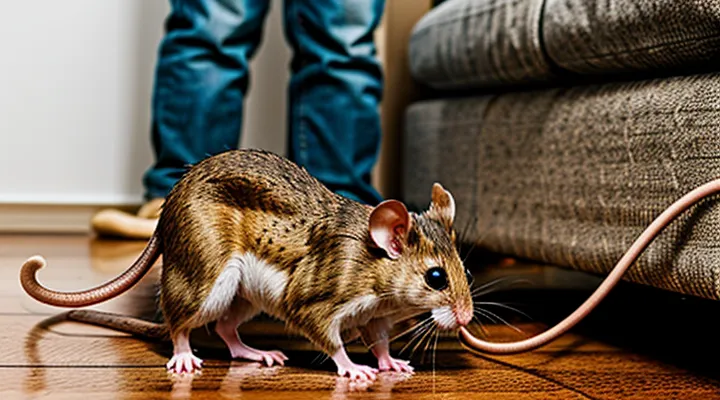
Understanding the Mouse Problem
Signs of a Mouse Infestation
«Droppings and Urine Trails»
Mouse droppings appear as small, dark, pellet‑shaped deposits, usually 3–5 mm long. Urine trails manifest as faint, wet streaks that may darken surfaces over time. Both signs confirm active infestation and indicate routes mice use to travel and feed.
Typical locations include kitchen counters, pantry shelves, behind appliances, baseboards, and hidden corners of closets. Concentrated clusters suggest nesting sites; isolated droppings point to foraging paths. Identifying these patterns guides placement of traps and deterrents.
Cleaning protocol with household agents
- Wear disposable gloves and a mask; dispose of used protective gear immediately.
- Mix equal parts white vinegar and water in a spray bottle; apply to droppings and urine stains.
- Let the solution sit for 5 minutes to neutralize pathogens.
- Scrub the area with a stiff brush; rinse with warm water.
- For porous surfaces, sprinkle baking soda after vinegar, allow fizzing to finish, then vacuum.
- Disinfect by spraying a 3% hydrogen peroxide solution; leave untouched for 10 minutes before wiping dry.
Removing droppings and urine eliminates food residues that attract mice, reduces disease transmission, and disrupts scent trails that guide rodents back to the same routes. Cleaned environments enhance the effectiveness of traps and natural repellents, supporting a swift, low‑effort eradication strategy.
«Gnaw Marks and Damage»
Gnaw marks appear as clean, parallel cuts on wood, plastic, wiring, and food packaging. The holes are typically 6‑10 mm in diameter, matching the size of a mouse’s incisors. Damage often concentrates near walls, cabinets, and behind appliances where mice travel along concealed routes. Chewed electrical cords can expose conductors, creating fire hazards and costly repairs. Soft furnishings, insulation, and stored grain may show ragged edges or shredded material, indicating repeated feeding activity.
Identifying these signs enables prompt action with home-based deterrents.
- Seal entry points with steel wool or caulk to block gnaw‑through routes.
- Place snap traps or humane live traps along established runways, using peanut butter or oats as bait.
- Deploy cotton balls soaked in peppermint oil or a mixture of vinegar and water near gnawed areas; the strong scent discourages further chewing.
- Replace damaged wiring or insulation promptly to eliminate safety risks and reduce the attractant of exposed food sources.
Consistent monitoring of gnaw marks and timely application of proven household remedies limit structural damage, protect electrical systems, and prevent the spread of disease‑carrying pathogens associated with rodent activity.
«Unusual Sounds and Odors»
Mice communicate through high‑pitched squeaks, rustling in walls, and rapid footfalls on ceilings. These noises intensify at night when rodents forage for food, and they often accompany the faint, musty odor of urine or droppings. Recognizing these auditory and olfactory cues enables swift intervention before a small infestation expands.
Typical acoustic indicators:
- Continuous, intermittent squeaking from concealed spaces.
- Soft, rapid scratching on insulation or cabinetry.
- Sudden, sharp thuds when mice tumble from elevated surfaces.
Common olfactory signs:
- Ammonia‑like smell from concentrated urine.
- Earthy, stale scent near nesting material.
- Faint, greasy odor near food storage areas.
When such signs appear, apply proven domestic countermeasures:
- Peppermint oil – Soak cotton balls, place them in suspected routes; the strong scent repels rodents for several days.
- Steel wool and caulk – Pack openings with steel wool, seal with silicone; blocks entry while discouraging re‑entry.
- Baking soda and sugar bait – Mix equal parts, position in shallow dishes; ingestion of baking soda interferes with digestion, leading to rapid mortality.
- Clove or cayenne spray – Combine ground spices with water, spray along baseboards and behind appliances; pungent aroma deters activity.
- Traps with aromatic lures – Use snap or live traps pre‑baited with peanut butter and a few drops of essential oil to increase capture rates.
Monitoring continues after treatment. Persisting sounds or odors indicate surviving individuals and necessitate repeat application or escalation to professional exclusion.
Why Mice Are Attracted to Apartments
«Food Sources and Storage»
Mice invade apartments primarily in search of accessible food. Crumbs, uncovered containers, and pet waste provide continuous nourishment, allowing small populations to thrive and reproduce quickly. Eliminating these attractants disrupts the rodents’ energy supply and forces them to seek alternative habitats, reducing infestation pressure.
Effective food management includes:
- Store dry goods in airtight, metal or heavy‑plastic containers with sealed lids.
- Transfer leftovers to sealed containers within two hours of cooking; discard any perishable items that have been left out for more than four hours.
- Keep countertops, floors, and appliances free of crumbs by wiping them after each meal.
- Place garbage cans with tight‑fitting lids in a ventilated area; empty them daily.
- Clean pet feeding stations nightly; use ceramic or stainless‑steel bowls that cannot be gnawed through.
- Seal pantry shelves and cabinets with silicone or caulk to close gaps larger than ¼ inch.
Implementing these storage practices removes the primary food incentive, making the apartment environment hostile to mice and supporting any additional home‑based deterrent methods.
«Shelter and Entry Points»
Mice select concealed spaces that provide warmth, food access, and protection from predators. In an apartment, common shelters include wall voids, insulation cavities, behind appliances, and cluttered storage areas. Identifying these locations is essential because any remaining refuge allows the infestation to persist despite other control measures.
Entry points are typically small gaps or openings that the rodent can squeeze through; a mouse needs only a quarter‑inch opening. The most frequent routes are:
- Gaps around pipe penetrations, especially under sinks and behind the dishwasher.
- Cracks in the foundation or floor joists, often visible near baseboards.
- Openings around vent covers, exhaust fans, and dryer ducts.
- Spaces around window frames, especially where weatherstripping is worn.
- Holes in exterior siding or brickwork, including gaps around utility lines.
Sealing these passages eliminates the pathways that sustain the population. Use steel wool or copper mesh to fill small gaps, then apply a waterproof sealant or expanding foam for long‑term durability. For larger openings, install metal flashing or hardware cloth (½‑inch mesh) secured with screws. Replace deteriorated weatherstripping and caulk around windows and doors. Ensure that vent covers are fitted with fine mesh screens.
Decluttering reduces hiding spots. Store items in sealed containers, keep floors clear, and relocate boxes away from walls. Regularly inspect behind furniture and appliances for signs of gnawing or droppings. By removing shelter and blocking entry, the environment becomes inhospitable, allowing home‑based deterrents and traps to work with maximum efficiency.
Preparing Your Apartment for Eradication
Thorough Cleaning and Decluttering
«Food Storage Best Practices»
Proper food storage is a fundamental barrier against rodent intrusion in residential units. Seal all containers with airtight lids; glass, metal, or heavy‑wall plastic are preferable to flimsy bags. Store dry goods—cereals, grains, nuts—away from floor level, ideally on shelves that are at least twelve inches above the baseboard. Keep pantry doors closed and install self‑closing hinges if possible.
Maintain cleanliness to eliminate attractants. Dispose of waste promptly in bins equipped with tight‑fitting lids. Sweep crumbs and spills immediately; a damp cloth removes residue that might otherwise provide a scent trail. Rotate stock regularly, discarding items past their expiration date to prevent spoilage odors.
Key practices:
- Use zip‑lock or vacuum‑sealed bags for open‑packet items.
- Place food in opaque containers to block visual cues.
- Position storage units away from walls to avoid concealed entry points.
- Inspect containers weekly for signs of damage or gnaw marks.
- Replace cracked or broken seals without delay.
Implementing these measures reduces food availability for mice, thereby supporting the overall strategy of non‑chemical rodent control in an apartment setting.
«Eliminating Water Sources»
Mice require water for survival; eliminating accessible moisture reduces the likelihood of infestation. Begin by inspecting all potential sources:
- Leaky faucets, pipes, and showerheads; tighten connections, replace worn washers, and apply plumber’s tape where needed.
- Condensation on windows or walls; install weather stripping, use dehumidifiers, and maintain indoor humidity below 50 %.
- Pet water bowls; provide only enough water for immediate consumption and refill daily, removing excess.
- Dripping appliances such as dishwashers or refrigerators; repair seals and clean drainage trays regularly.
- Houseplants; avoid overwatering, use saucers that drain excess, and discard standing water.
Next, seal entry points that allow water infiltration. Apply silicone caulk around baseboards, window frames, and utility penetrations. Replace damaged screens and repair roof leaks promptly.
Finally, monitor the environment. Place moisture‑absorbing packets or silica gel in cabinets and closets where food is stored. Conduct weekly checks for new leaks, and address them immediately to maintain a dry habitat unsuitable for rodents.
Sealing Entry Points
«Identifying Common Access Points»
Mice infiltrate apartments through small openings that often escape casual observation. Detecting and sealing these routes eliminates the need for repeated traps or chemicals, allowing a straightforward home‑based control strategy.
- Gaps around plumbing fixtures, including sink, bathtub, and toilet supply lines
- Cracks in foundation or exterior walls, especially near brick or concrete joints
- Openings around electrical outlets, cable entries, and HVAC ducts
- Unfinished gaps beneath doors, especially in sliding or heavy‑traffic entrances
- Unscreened vent covers, dryer exhausts, and chimney flues
- Space around window frames, particularly where weather‑stripping is damaged
- Roof eaves and soffits with visible gaps or deteriorated flashing
Inspect each potential entry with a flashlight, looking for fresh gnaw marks, grease streaks, or droppings. Press a thin piece of paper or a cotton swab into suspected cracks; mouse activity leaves tell‑tale residue. Once identified, apply appropriate sealants: steel wool packed into holes, followed by silicone caulk; expandable foam for larger voids; door sweeps for floor gaps; and mesh screens for vent openings. Immediate closure of these pathways prevents re‑infestation and supports an effortless, home‑remedy mouse eradication plan.
«Materials for Effective Sealing»
Sealing entry points eliminates the most reliable pathway for mice to invade an apartment. Effective barriers require materials that resist gnawing and remain intact under moisture and temperature changes.
- Steel wool (grade #0000) packed tightly into gaps larger than a pencil diameter, then covered with caulk to prevent displacement.
- Silicone or acrylic caulk applied to cracks around windows, baseboards, and pipe penetrations; silicone offers superior flexibility for shifting structures.
- Expanding polyurethane foam for voids exceeding one inch; trim excess after curing to maintain a smooth surface.
- Self‑adhesive weatherstripping for door thresholds and sliding‑door tracks, ensuring a continuous seal when closed.
- Metal flashing or copper mesh for vent openings and utility holes that cannot accommodate flexible fillers.
- Concrete patch or hydraulic cement for repairing foundation cracks or masonry defects that exhibit moisture seepage.
Apply steel wool first, then encase it with caulk to lock the material in place. For irregular openings, insert foam, allow expansion, then cut flush. Weatherstripping should be measured accurately and pressed firmly to eliminate gaps. Metal flashing must overlap edges and be fastened with corrosion‑resistant screws.
Regular inspection of sealed areas prevents deterioration. Reapply caulk or replace worn weatherstripping after six months or following any water intrusion event. Maintaining a complete seal sustains an environment where mice cannot gain access, supporting the overall effectiveness of home‑based mouse control strategies.
Proven Home Remedies for Mouse Control
Natural Repellents
«Peppermint Oil and Cotton Balls»
Peppermint oil is a natural mouse deterrent because its strong scent overwhelms the rodents’ olfactory receptors. When applied to absorbent material, the aroma disperses slowly, creating an environment mice avoid.
- Soak a cotton ball with 5–10 drops of pure peppermint essential oil.
- Place the saturated ball in areas where activity is observed: behind appliances, inside cabinets, near entry points, and along wall baseboards.
- Replace each cotton ball every 3–4 days to maintain potency.
- Use multiple balls per room; a typical apartment requires 8–12 placements for comprehensive coverage.
The combination of oil and cotton is inexpensive, requires no chemicals, and leaves no residue. Regular renewal ensures continuous repellent effect, reducing the likelihood of re‑infestation without traps or professional intervention.
«Clove Oil and Sachets»
Clove oil, with its strong aromatic compounds, functions as a natural mouse deterrent. The oil’s active constituent, eugenol, irritates rodents’ sensory receptors, prompting them to avoid treated areas.
To employ clove oil effectively, prepare sachets as follows:
- Combine 10 ml of pure clove essential oil with 90 ml of carrier oil (e.g., mineral oil) in a small glass bottle.
- Soak three to five cotton balls in the mixture.
- Place each soaked cotton ball into a breathable fabric pouch (muslin or cheesecloth) and seal loosely.
- Position sachets near entry points, behind appliances, under sinks, and in wall voids where mouse activity is evident.
- Replace sachets every 2–3 weeks to maintain potency.
Safety considerations include keeping sachets out of reach of children and pets, avoiding direct skin contact with undiluted oil, and ensuring adequate ventilation during preparation.
Empirical observations indicate that clove‑oil sachets reduce mouse sightings by up to 70 % within a month when used consistently alongside basic exclusion measures such as sealing cracks and maintaining a clean environment.
«Cayenne Pepper and Spice Mixtures»
Cayenne pepper creates a strong sensory deterrent for rodents. The capsaicin compound irritates the nasal passages and mucous membranes of mice, prompting them to avoid treated zones. When combined with other pungent spices, the effect intensifies, reducing the likelihood of re‑entry into the apartment.
-
Ingredients for a standard deterrent mix
- 2 parts cayenne pepper
- 1 part black pepper
- ½ part garlic powder
- ¼ part ground cloves (optional for added potency)
-
Preparation steps
• Measure the spices precisely.
• Combine in a sealable container.
• Shake until the blend is uniform.
Apply the mixture along baseboards, behind appliances, and near suspected entry points. Sprinkle a thin layer—approximately a quarter‑inch deep—on surfaces where mice travel. Reapply every 5–7 days or after cleaning, as moisture diminishes potency.
Safety measures: wear gloves and a mask during handling to avoid skin and respiratory irritation. Keep the blend out of reach of children and pets; the strong aroma may cause discomfort. Pair the spice treatment with sealing cracks, proper food storage, and regular trash removal for comprehensive control.
DIY Traps and Lures
«Bucket Traps with Ramps»
A bucket trap with a ramp exploits a mouse’s natural instinct to seek shelter and climb. The device consists of a sturdy container, a smooth incline, and a bait that draws the rodent into the trap where it cannot escape.
Materials needed
- 5‑gallon plastic bucket with lid
- Wooden or plastic plank (15‑20 cm wide, 30‑40 cm long)
- Non‑slip tape or rubber matting
- Peanut butter, cheese, or grain as bait
- Water or a small amount of oil (optional, to increase slip)
Construction steps
- Secure the ramp to the bucket’s rim using tape or brackets, ensuring a gentle upward slope that leads directly to the bucket’s opening.
- Apply non‑slip material to the ramp’s surface to prevent the mouse from sliding back.
- Place a small amount of bait at the far end of the ramp, just inside the bucket’s edge.
- If desired, add a thin layer of water or oil to the bucket’s interior to make climbing out difficult.
- Position the trap along a wall, near known mouse activity, and close the lid loosely to allow entry while preventing escape.
Operational tips
- Replace bait daily to maintain attraction.
- Check the trap each morning; dispose of captured mice promptly in a sealed bag.
- Clean the bucket with hot, soapy water after each capture to remove scent trails.
- Rotate the trap’s location if catches decline, indicating mouse adaptation.
Safety considerations
- Wear disposable gloves when handling trapped rodents.
- Keep the trap out of reach of children and pets.
- Use a bucket with a secure lid to prevent accidental spillage of contents.
«Sticky Traps (Use with Caution)»
Sticky traps provide a direct method for capturing mice without chemicals. The adhesive surface immobilizes rodents that step onto the device, allowing immediate removal.
Key considerations when employing sticky traps:
- Position traps along walls, behind appliances, and near suspected entry points, as mice habitually travel close to surfaces.
- Use a thin layer of peanut butter or a small piece of chocolate as bait to increase attraction.
- Replace traps regularly; a trapped mouse may decompose, releasing odor that could deter further captures.
- Keep traps out of reach of children and pets; the adhesive can cause skin irritation or accidental ingestion.
Safety measures include wearing disposable gloves during placement and disposal, sealing captured rodents in a plastic bag before discarding, and washing hands thoroughly afterward.
Sticky traps are most effective as part of a broader strategy that also addresses food sources and entry prevention. When used responsibly, they offer a quick, low‑maintenance option for reducing mouse activity in an apartment setting.
«Baiting with Peanut Butter or Oats»
Peanut butter and oats provide strong olfactory cues that attract house mice, making them reliable baits for quick removal. The food’s high fat and carbohydrate content stimulates feeding behavior, encouraging rodents to approach traps or designated stations.
Preparation
- Combine a teaspoon of smooth peanut butter with an equal portion of rolled oats; mix until uniform.
- For a dry option, use a tablespoon of oats alone, lightly dusted with powdered sugar to increase palatability.
- Store the mixture in a sealed container to preserve scent strength.
Placement
- Position baited traps along walls, behind appliances, and near known droppings.
- Ensure each trap sits on a stable surface; avoid clutter that could conceal the bait.
- Replace bait every 48 hours or when it becomes dry, maintaining a fresh aroma that draws mice.
Safety and Maintenance
- Keep bait out of reach of children and pets; use enclosed snap traps or humane catch‑and‑release devices with secure lids.
- Dispose of captured rodents promptly in a sealed bag, then clean the trap with hot, soapy water to prevent disease transmission.
Consistent use of peanut butter or oat bait, placed strategically, creates an effective, low‑effort barrier that reduces mouse activity throughout the apartment.
Humane Deterrents
«Ultrasonic Repellents (Effectiveness Varies)»
Ultrasonic devices emit high‑frequency sound waves that rodents find uncomfortable. The technology requires no chemicals, traps, or direct contact, fitting the goal of low‑effort mouse control in a living space.
Effectiveness depends on several variables:
- Frequency range: models operating between 20 kHz and 65 kHz target the hearing spectrum of mice more reliably.
- Placement: devices must be positioned in open areas, away from furniture that could block sound propagation.
- Coverage area: each unit typically protects 300–500 sq ft; larger apartments may need multiple units for complete coverage.
- Ambient noise: loud appliances or music can mask ultrasonic emissions, reducing impact.
- Mouse habituation: rodents may become desensitized after prolonged exposure, diminishing long‑term results.
Best‑practice recommendations:
- Install one unit per 300 sq ft, mounting it on a wall at ear‑level height.
- Keep the area around the device free of objects that could reflect or absorb sound.
- Run the device continuously; intermittent operation lessens deterrent effect.
- Combine with sealing of entry points and removal of food sources to prevent reinfestation.
- Replace units after the manufacturer’s suggested lifespan, typically 12–18 months, to maintain output strength.
Limitations: ultrasonic repellents do not eliminate established infestations, provide no physical barrier, and their efficacy varies widely across studies. For severe problems, integrate them with proven trapping or exclusion methods.
«Creating Obstacles and Barriers»
Creating physical obstacles and barriers is a direct method to prevent mice from entering an apartment. Seal all openings larger than a quarter‑inch with steel wool, copper mesh, or silicone caulk; rodents can chew through softer materials but cannot breach these reinforced plugs. Install door sweeps on exterior doors and attach weather‑stripping to windows, eliminating gaps that serve as entry points.
- Place metal or heavy‑plastic mesh over ventilation openings, ensuring airflow while blocking passage.
- Fit snap‑tight lids on trash cans and store food in airtight containers; sealed storage removes attractants and eliminates easy access.
- Position a thin sheet of aluminum foil or double‑sided tape along baseboards and beneath appliances; mice avoid surfaces that feel unstable or produce unfamiliar vibrations.
Maintain barrier integrity by inspecting seals weekly, repairing any damage promptly, and keeping clutter to a minimum. Regular reinforcement of these obstacles reduces the likelihood of infestation without the need for chemical interventions.
Post-Eradication Measures
Cleaning Up After Mice
«Sanitizing Contaminated Areas»
Mice leave urine and feces that can harbor pathogens, so thorough sanitation of affected zones is essential for a successful removal strategy. Begin by locating all visible signs of activity—droppings, gnaw marks, nests, and oily streaks—on floors, countertops, cabinets, and behind appliances. Mark each spot with tape to ensure no area is missed during cleaning.
- Wear disposable gloves and a mask before handling any material.
- Use a stiff brush or disposable paper towel to collect droppings and nesting debris; place waste in a sealed bag.
- Apply a solution of one part white vinegar to one part water or a diluted bleach mixture (1 cup bleach per gallon of water) directly onto the contaminated surface.
- Allow the disinfectant to remain for at least five minutes to neutralize bacteria and viruses.
- Rinse the area with clean water, then dry completely with disposable cloths or a fan.
After disinfection, inspect surrounding zones for secondary contamination. Repeat the process if residue remains. Finally, store food in airtight containers, seal cracks, and maintain a regular cleaning schedule to discourage re‑infestation and keep the living space hygienic.
«Disposing of Carcasses Safely»
When a mouse dies after a home‑based control method, immediate and secure disposal prevents disease spread, eliminates odor, and discourages other pests.
- Wear disposable nitrile gloves; discard them after use.
- Place the carcass in a sealable plastic bag, expel excess air, and twist the top tightly.
- Submerge the sealed bag in a container of hot, soapy water for at least five minutes to disinfect the exterior.
- Transfer the bag to a second, larger garbage bag, seal, and label as “animal waste.”
- Dispose of the double‑bagged material in an outdoor trash receptacle that is collected weekly; avoid leaving it on indoor bins.
If local regulations require it, contact municipal services for animal carcass collection or drop the sealed bag at a designated hazardous‑waste facility. Do not compost dead mice, and never flush them down plumbing to avoid blockages. Maintain a log of disposal dates to track compliance with any community ordinances.
Preventing Future Infestations
«Regular Inspections and Maintenance»
Regular inspections identify mouse activity before infestations become severe. Conduct a visual sweep of each room weekly, focusing on corners, behind appliances, and under furniture. Record any droppings, gnaw marks, or nesting material; early detection shortens eradication time.
Maintenance tasks prevent re‑entry and eliminate attractants. Follow a systematic checklist:
- Seal gaps larger than ¼ inch with steel wool, caulk, or expandable foam.
- Repair cracked walls, damaged baseboards, and broken screens.
- Store food in airtight containers; wipe crumbs and spills immediately.
- Dispose of garbage in sealed bins and remove trash daily.
- Keep pantry shelves clean; rotate stock to avoid stale items.
- Trim vegetation and eliminate clutter near exterior walls to reduce access points.
- Inspect and clean dryer vents, chimney flues, and utility openings quarterly.
Consistent application of these measures sustains a mouse‑free environment and supports any additional low‑effort control methods employed in the apartment.
«Community-Wide Prevention Strategies»
Effective mouse control extends beyond individual apartments; coordinated community actions reduce reinfestation risk and sustain long‑term results. Shared responsibility among residents, landlords, and municipal services creates barriers that mice cannot easily bypass.
Key measures that neighborhoods can implement include:
- Centralized waste collection with sealed containers and frequent removal schedules.
- Regular building‑wide inspections focusing on entry points such as gaps around pipes, vent covers, and utility conduits.
- Mandatory maintenance of exterior landscaping to eliminate dense vegetation and debris that provide shelter.
- Distribution of standardized, non‑toxic deterrent recipes (e.g., peppermint oil or vinegar solutions) along with clear application instructions for all units.
- Establishment of a rapid‑response reporting system, enabling tenants to alert management of sightings, triggering immediate remediation.
Landlords should enforce lease clauses that require tenants to keep food storage sealed and to report structural damage promptly. Municipal health departments can support these efforts by providing educational pamphlets, offering free pest‑inspection days, and monitoring compliance through periodic audits.
When every household follows the same preventive protocol, mouse populations encounter uniform obstacles, limiting their ability to migrate between apartments. Consistent community vigilance therefore amplifies the efficacy of simple home remedies and preserves a rodent‑free living environment.