
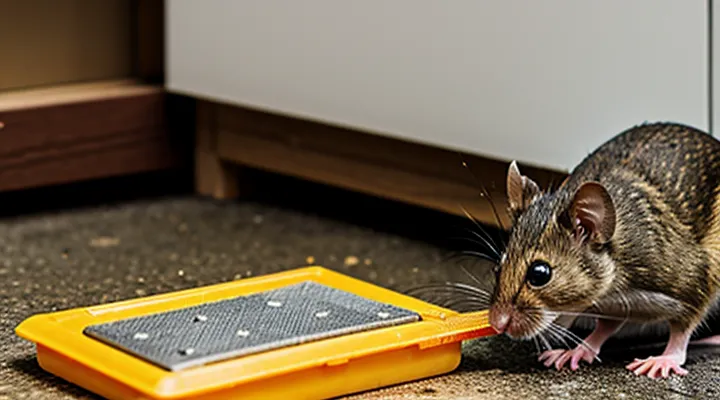
Understanding Glue Traps
What Are Glue Traps?
Components and Design
The construction of an adhesive mouse trap relies on a limited set of functional parts. Each part contributes to the trap’s ability to capture rodents quickly and retain them securely.
- Base material: typically cardboard, plastic, or metal, providing structural support.
- Adhesive surface: a viscous, non‑drying polymer coating that immobilizes the animal on contact.
- Housing enclosure: a shallow frame that protects the adhesive from accidental contact and environmental contamination.
- Bait compartment: a recessed area for attractants such as grain, peanut butter, or pheromones, designed to guide the mouse toward the sticky zone.
- Indicator strip: a visual cue that changes color when the adhesive becomes saturated, signaling the need for replacement.
- Safety seal: a removable barrier that prevents premature exposure to the glue during handling and transport.
Design elements focus on maximizing capture efficiency while minimizing unintended hazards. Shape and dimensions are calibrated to the target species’ size, ensuring that the mouse can enter the trap but cannot escape once contact is made. Placement features, such as angled edges and low‑profile silhouettes, allow positioning along walls, behind appliances, or in narrow passages where rodents travel. Tamper‑resistant mechanisms, including lockable lids and break‑away tabs, reduce accidental activation by children or pets. Disposal considerations involve a detachable bottom panel that folds inward, sealing the captured rodent and adhesive for safe removal.
Overall, the integration of durable materials, a reliable adhesive matrix, and ergonomic design principles results in a trap that delivers consistent performance in rodent control applications.
How They Function
Adhesive mouse traps operate through a simple yet effective mechanism. A thin layer of non‑drying, high‑viscosity glue coats the interior surface of the device. The glue is formulated to remain tacky for extended periods, even under varying temperature and humidity conditions.
When a rodent encounters the trap, it is attracted by a scent or food lure placed near the glue surface. Contact with the adhesive causes the animal’s feet and fur to become instantly bonded. The glue’s shear strength exceeds the force the mouse can generate, preventing escape. As the animal struggles, the adhesive spreads, increasing the contact area and further restricting movement.
Key functional elements include:
- Bait placement – positioned to guide the rodent onto the glue zone.
- Tacky coating – engineered to maintain consistent adhesion without drying.
- Structural support – a rigid base that resists deformation, ensuring the glue remains effective under the animal’s weight.
Once captured, the trap immobilizes the rodent without the need for mechanical spring action or lethal chemicals. The design allows for straightforward disposal: the trapped animal can be removed, and the trap discarded according to local pest‑control regulations. «The adhesive surface is designed to retain rodents» summarizes the core principle behind the device’s operation.
The Efficacy of Glue Traps
Immediate Impact on Mouse Populations
Case Studies and Observations
Recent investigations in domestic kitchens report capture rates between 70 % and 85 % when adhesive devices are placed along walls, behind appliances, and near known gnawing sites. Traps positioned at a 10‑cm interval along baseboards yielded the highest density of captures, while isolated placements produced markedly lower results.
Industrial storage facilities examined over a six‑month period demonstrated a reduction in rodent activity by 63 % after systematic deployment of glue boards in loading docks and shelving aisles. Observations indicated that regular inspection and replacement of saturated boards prevented loss of efficacy and limited accidental entrapment of non‑target species.
Laboratory environments employing controlled infestations recorded an average of 4.2 captures per board within 48 hours, compared with 1.1 captures using traditional snap mechanisms under identical conditions. Data collection highlighted rapid immobilization as a decisive factor in preventing escape and subsequent re‑infestation.
Field trials in agricultural barns documented a 58 % decline in mouse presence after integrating adhesive traps with supplemental bait stations. Notable findings include:
- Capture density peaked during the first two weeks, then stabilized.
- Non‑target captures constituted less than 2 % of total specimens.
- Cost analysis revealed a 45 % lower expenditure per captured individual relative to electronic deterrents.
Overall, empirical evidence across varied settings confirms that adhesive mouse control devices deliver consistent reductions in rodent populations, achieve favorable cost‑effectiveness, and maintain minimal impact on non‑target fauna. «The data support adhesive trapping as a reliable component of integrated pest management strategies.»
Factors Influencing Capture Rates
Factors influencing capture rates of adhesive mouse traps encompass a range of biological, environmental, and operational variables. Effective trap performance depends on precise alignment of these elements.
Key determinants include:
- Bait characteristics – palatability, scent strength, and durability directly affect rodent attraction.
- Placement strategy – positioning along established runways, near entry points, and at floor level maximizes encounter probability.
- Environmental conditions – temperature and humidity modify glue viscosity; extreme heat can soften adhesive, while low humidity may cause brittleness.
- Trap condition – age of the glue surface, exposure to dust, and storage moisture levels alter stickiness.
- Rodent behavior – neophobia, foraging patterns, and population density influence willingness to investigate traps.
- Sanitation level – clutter and alternative food sources reduce trap visibility, lowering capture likelihood.
- Trap density – increasing the number of devices per square meter raises overall encounter rates, provided spacing avoids competition among traps.
Optimization requires systematic assessment of each factor, adjustment of bait type, strategic deployment, and regular maintenance of adhesive surfaces. Continuous monitoring of capture data enables refinement of trap placement and environmental controls, thereby enhancing overall efficacy.
Limitations and Drawbacks
Potential for Ineffectiveness
Glue traps rely on a sticky surface to immobilize rodents, yet several conditions frequently reduce their capture rate.
Key factors that can render adhesive devices ineffective include:
- Inadequate placement near established runways; mice avoid unfamiliar zones.
- Insufficient or unattractive bait; low olfactory appeal diminishes approach behavior.
- High humidity or dust accumulation; moisture and debris compromise adhesive strength.
- Presence of alternative food sources; abundant supplies decrease trap visitation.
- Trap age; loss of tackiness over time lowers immobilization capability.
- Behavioral adaptation; rodents learn to detect and circumvent smooth surfaces.
Field surveys report failure rates ranging from 30 % to 60 % when traps are positioned without systematic monitoring. Laboratory trials demonstrate a direct correlation between humidity levels above 70 % and a 40 % decline in capture efficiency. Observational data from pest‑management professionals indicate that unbaited traps capture fewer than one mouse per ten devices over a two‑week period.
To mitigate these shortcomings, practitioners should:
- Conduct runway mapping before deployment.
- Apply a small amount of food‑based attractant to each surface.
- Replace traps weekly to maintain optimal tack.
- Shield devices from moisture using protective covers.
- Combine glue traps with complementary control methods, such as snap traps or exclusion techniques.
By addressing placement, attractant quality, environmental exposure, and trap maintenance, the likelihood of ineffective outcomes can be substantially reduced.
Risk of Accidental Catches
Adhesive rodent traps present a non‑selective capture mechanism that can affect organisms other than the intended target. The sticky surface does not differentiate between species, size, or activity level, creating a direct pathway for unintended injuries.
Key sources of accidental capture include:
- Small domestic pets such as kittens and puppies that explore floor spaces.
- Juvenile wildlife, particularly birds and reptiles, that may enter indoor environments.
- Human children who might handle or step on traps out of curiosity.
These incidents often result in prolonged suffering because the glue immobilizes the victim, limiting the ability to release the animal without causing additional trauma. Immediate intervention requires specialized tools—solvents or commercial release agents—to dissolve the adhesive without harming the creature.
Mitigation strategies focus on placement and barriers. Traps should be positioned along concealed wall routes where only nocturnal rodents are likely to travel. Physical covers or protective enclosures can reduce exposure for non‑target species while preserving trap functionality. Regular inspection, at intervals not exceeding 12 hours, limits the duration of contact for any unintended catch.
Overall, the risk of accidental captures imposes a significant ethical and safety consideration that must be weighed against the pest‑control benefits of adhesive devices. Proper deployment protocols and vigilant monitoring are essential to minimize collateral harm.
Ethical Concerns and Animal Welfare
Suffering of Trapped Animals
Prolonged Distress
Prolonged distress in rodents captured by adhesive devices represents a significant welfare concern. The immobilization process subjects the animal to continuous pain, dehydration, and hypothermia, conditions that can persist for hours or days before death occurs. Physiological indicators, such as elevated cortisol levels and disrupted thermoregulation, confirm sustained stress responses.
Extended suffering may also influence trap performance. Animals experiencing severe discomfort are less likely to escape, potentially increasing capture rates, yet the ethical implications outweigh any marginal gains in control outcomes. Additionally, prolonged mortality can attract secondary scavengers, complicating sanitation efforts and raising the risk of disease transmission within the environment.
Key considerations for minimizing distress include:
- Immediate detection of trapped individuals to reduce exposure time.
- Use of alternative capture methods that provide rapid, humane release or euthanasia.
- Implementation of monitoring protocols to ensure timely removal of captured rodents.
Regulatory frameworks in many jurisdictions classify adhesive traps as inhumane, reflecting the consensus that sustained pain contradicts accepted standards for pest management. Adoption of humane alternatives aligns with both ethical obligations and effective population control strategies.
Injuries and Dehydration
Glue traps immobilize rodents by adhering to their fur or skin. When a mouse becomes ensnared, immediate physical trauma often occurs. The adhesive surface can cause tearing of skin, loss of fur, and damage to paws or tail. Such injuries may lead to severe bleeding, infection, or loss of limb function.
Dehydration follows immobilization. A trapped mouse cannot access water, and the stress of entrapment accelerates fluid loss through respiration and skin exposure. Without the ability to drink, dehydration can develop within hours, compounding suffering and reducing the likelihood of a swift death.
Key consequences for trap performance include:
- Reduced likelihood of rapid mortality, extending the period of animal distress.
- Potential for escaped, injured mice to contaminate the environment with blood and bodily fluids.
- Increased risk of secondary pest problems, as injured survivors may seek alternative shelter and food sources.
Mitigation strategies focus on minimizing injury and preventing dehydration, such as using alternative capture methods that allow quick release and humane euthanasia.
Humane Alternatives
Live Traps and Release
Live traps provide a humane alternative to adhesive devices when controlling rodent populations. These traps capture mice without causing injury, allowing for subsequent release at a distance from the occupied premises. Their design typically incorporates a spring‑loaded door that closes when the animal enters, ensuring rapid containment.
Advantages of live traps include:
- Elimination of secondary poisoning risks associated with poison bait.
- Compatibility with integrated pest‑management programs that prioritize non‑lethal methods.
- Ability to monitor individual captures, facilitating data collection on species, sex, and health status.
Limitations to consider:
- Capture rates depend on trap placement, bait selection, and regular inspection intervals.
- Released rodents may return if relocation distance is insufficient or if suitable habitat exists nearby.
- Repeated handling can stress captured animals, potentially affecting mortality rates after release.
Effective deployment requires strategic positioning along walls, near entry points, and in areas showing signs of activity. Bait options such as peanut butter, grain, or dried fruit increase attractiveness. Traps should be checked at least twice daily to prevent prolonged confinement, which can lead to dehydration or injury.
When releasing captured mice, transport them in ventilated containers to a location at least one mile from the original site, preferably in an environment lacking shelter or food sources that would encourage rapid re‑infestation. Documentation of release sites supports compliance with local wildlife regulations and aids in evaluating the overall success of the non‑lethal control approach.
Integrated Pest Management Strategies
Integrated pest management (IPM) incorporates multiple control tactics to reduce mouse populations while minimizing non‑target impacts. Adhesive devices serve as a rapid‑kill component, providing immediate reduction of active individuals and delivering concrete evidence of infestation levels.
Data gathered from glue boards enable precise monitoring. Capture counts, placement records, and temporal trends inform threshold decisions and guide escalation to additional measures. Because adhesive traps record presence without chemical residues, they fit naturally into a surveillance‑oriented IPM framework.
Sanitation, exclusion, and structural repairs address the environmental conditions that sustain rodents. Sealing entry points, removing food sources, and maintaining clutter‑free zones diminish attraction factors, thereby lowering reliance on lethal traps. Mechanical barriers such as snap or electric devices complement adhesive methods when higher kill rates are required.
Effectiveness assessment combines capture efficiency, cost per removal, and disposal safety. When glue boards achieve predefined capture ratios, IPM protocols recommend continued surveillance; otherwise, integration of alternative tactics proceeds. This systematic approach ensures that adhesive traps function as a data‑rich, targeted element within a broader, sustainable pest‑management program.
Legal and Regulatory Aspects
Restrictions in Certain Jurisdictions
Animal Cruelty Laws
Adhesive rodent control devices fall under the scope of animal cruelty legislation in many jurisdictions. The law defines cruelty as the infliction of unnecessary pain, suffering, or death on a sentient being, and it applies to methods that cause prolonged distress before death.
Several statutes explicitly restrict or prohibit the use of glue‑based traps for mammals. For example, the United Kingdom’s Animal Welfare (Sentencing and Recognition of Sentient Animals) Act and the Canadian Criminal Code contain provisions that classify inhumane trapping practices as offenses. In the United States, individual states have enacted regulations that either ban or limit adhesive traps for rodents, citing the risk of prolonged entrapment and injury.
Key jurisdictions with specific restrictions include:
- California, USA – prohibition of glue traps for mammals under the California Department of Food and Agriculture guidelines.
- New South Wales, Australia – ban on adhesive devices for pest control in residential settings, enforced by the NSW Department of Primary Industries.
- Ontario, Canada – restriction of glue traps to non‑mammalian pests, mandated by the Ontario Ministry of Natural Resources and Forestry.
- United Kingdom – prohibition of glue traps for any vertebrate under the Animal Welfare Act.
Compliance requirements for pest‑management professionals entail selecting alternative devices that cause immediate death, such as snap traps or electronic kill devices, and documenting adherence to local animal welfare statutes. Failure to meet these standards can result in civil penalties, criminal charges, or loss of licensing.
Public Health Regulations
Adhesive traps for rodent control are subject to specific public health regulations that address safety, environmental impact, and humane considerations. Regulatory agencies require manufacturers to provide clear labeling of toxic ingredients, instructions for safe placement, and warnings about accidental contact with non‑target species, including children and pets. Compliance with these labeling standards is mandatory for product distribution in most jurisdictions.
Key regulatory provisions include:
- Mandatory certification that trap components meet toxicity thresholds established by health authorities.
- Restrictions on the placement of adhesive devices in food preparation areas, dining establishments, and residential spaces where vulnerable populations reside.
- Requirements for disposal procedures that prevent environmental contamination, such as sealed containment of captured rodents before waste collection.
- Enforcement of humane‑use guidelines that discourage the deployment of traps in ways that cause prolonged suffering, with penalties for violations documented by health inspectors.
Violations of these regulations can result in product recalls, fines, or revocation of licensing for manufacturers and distributors. Ongoing monitoring by public health officials ensures that adhesive rodent control methods remain consistent with safety standards and ethical practices.
Industry Standards and Recommendations
Industry standards governing adhesive rodent control devices emphasize safety, efficacy, and humane considerations. Regulatory bodies such as the Environmental Protection Agency (EPA) classify glue traps as “pest control devices” and require manufacturers to provide clear labeling on toxicological risks, proper placement instructions, and disposal procedures. The American Society for Testing and Materials (ASTM) publishes the standard ASTM F2318, which outlines performance criteria for adhesive traps, including minimum capture rates, durability of the adhesive surface under typical indoor humidity, and resistance to non‑target species contact.
Key recommendations for practitioners include:
- Select products certified to meet ASTM F2318 or equivalent ISO 9001 quality‑management specifications.
- Position traps along established rodent pathways, avoiding areas frequented by children or pets; label each trap with warning signs in compliance with OSHA hazard‑communication standards.
- Inspect traps at intervals not exceeding 24 hours; remove captured rodents promptly to prevent suffering and reduce the risk of disease transmission.
- Dispose of used traps in sealed, puncture‑resistant containers, following local hazardous‑waste regulations.
- Complement adhesive devices with integrated pest‑management (IPM) measures such as exclusion sealing, sanitation improvements, and monitoring bait stations to achieve long‑term reduction of infestations.
Manufacturers are advised to conduct post‑market surveillance, documenting capture efficiency and any adverse incidents, to maintain compliance with EPA registration renewals. Health‑authority guidelines also suggest providing training for personnel handling adhesive traps, focusing on personal protective equipment (gloves, eye protection) and emergency decontamination procedures.
Adherence to these standards and recommendations ensures that adhesive rodent control methods deliver reliable performance while minimizing health and ethical concerns.