
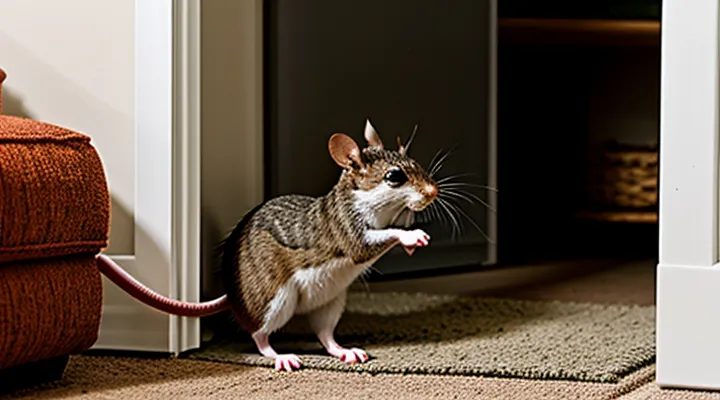
Understanding Mouse Behavior and Infestation Signs
Common Entry Points for Mice
Cracks and Gaps in Foundations
Cracks and gaps in foundations provide direct pathways for mice to infiltrate residential structures. Small openings as narrow as a quarter‑inch permit entry, while larger fissures accommodate rapid movement and nesting. Eliminating these access points reduces the likelihood of rodent presence significantly.
Inspection should focus on visible seams along the perimeter, areas around utility penetrations, and sections where concrete meets exterior walls. Use a flashlight to highlight shadowed fissures and a flexible probe to gauge opening size. Record each defect for prioritized treatment.
- Apply high‑quality caulk or expanding polyurethane foam to gaps under ½ inch.
- Install cement‑based mortar or epoxy filler for cracks exceeding ½ inch.
- Fit metal flashing or stainless‑steel mesh over joints where structural movement is expected.
- Seal utility entry points with specially designed sleeves or conduit collars.
Regular maintenance includes re‑examining sealed areas after seasonal temperature shifts, as expansion and contraction can reopen seams. Prompt repair of newly discovered fissures maintains a continuous barrier, preventing mice from exploiting structural weaknesses.
Gaps Around Pipes and Utility Lines
Gaps surrounding plumbing, electrical conduits, and other utility penetrations create direct pathways for rodents to enter living spaces. Even openings as small as a quarter‑inch permit mice to slip through, granting them access to shelter, food, and water sources.
Identifying and eliminating these entry points involves three actions:
- Inspect all visible pipe and cable entries, focusing on the perimeter of the foundation, basement walls, and crawl‑space ceilings. Use a flashlight and a mirror to view concealed joints.
- Apply a durable sealant such as silicone caulk, expanding foam, or steel wool combined with caulk to close gaps larger than two millimeters. For larger openings, install metal flashing or hardware cloth with a mesh size no larger than one millimeter.
- Conduct a follow‑up check after sealing to verify that no new cracks have formed due to building movement or temperature fluctuations. Reapply sealant as needed to maintain a continuous barrier.
Regular maintenance of utility penetrations reduces the likelihood that mice will establish a foothold within the home, thereby supporting broader rodent‑deterrence measures.
Damaged Screens and Vents
Damaged screens and vents create openings that mice exploit to enter living spaces. Even small tears or gaps provide a pathway for rodents, undermining other deterrent measures.
Typical damage includes:
- Torn mesh in window screens
- Cracked or missing vent covers
- Loose or misaligned vent flaps
- Gaps around vent ducts and exhaust fans
Repairing these vulnerabilities restores a continuous barrier. Steps to eliminate entry points are:
- Inspect all screens and vents regularly; focus on high‑traffic areas such as kitchens and basements.
- Replace torn mesh with heavy‑gauge material; secure edges with stainless‑steel staples.
- Fit vent covers that lock in place; use metal grilles rather than plastic when possible.
- Seal gaps around vent ducts with fire‑rated caulk or foam sealant.
- Verify that vent flaps close fully; adjust hinges or install spring‑loaded mechanisms if needed.
A fully sealed envelope prevents mice from exploiting structural weaknesses, thereby enhancing the overall effectiveness of rodent‑deterrent strategies.
Signs of a Mouse Infestation
Droppings and Urine Stains
Droppings and urine stains provide the most reliable evidence of a mouse presence in a residence. Their appearance signals that rodents have established a foraging route, and they serve as a visual cue for immediate action.
Typical droppings are small, dark, and cylindrical, measuring about 3‑5 mm in length. Urine stains appear as faint yellowish patches, often found along baseboards, behind appliances, or in concealed corners. Both residues persist even after the animal has departed, making them a lasting indicator of infestation.
Health risks arise from pathogens carried in mouse excreta. Bacteria such as Hantavirus, Salmonella, and leptospira can be transmitted through inhalation of aerosolized particles or direct contact with contaminated surfaces. Prompt removal reduces exposure to these agents.
Effective removal follows a systematic approach:
- Wear disposable gloves and a mask to prevent direct contact and inhalation.
- Ventilate the area by opening windows for at least 15 minutes.
- Moisten droppings with a disinfectant solution (e.g., 1 % bleach) to avoid dust liberation.
- Use a damp paper towel or disposable cloth to lift the material, placing it in a sealed bag.
- Apply the same disinfectant to urine‑stained surfaces, allowing it to remain wet for the recommended contact time.
- Dispose of all cleaning materials in a sealed container before discarding them in an outdoor trash bin.
After cleaning, inspect the treated zones regularly. Reappearance of droppings or fresh urine stains indicates ongoing activity, requiring escalation of control measures such as sealing entry points or deploying traps. Continuous monitoring ensures that the environment remains inhospitable to mice, supporting broader deterrence efforts.
Gnaw Marks on Food Packaging and Structures
Gnaw marks on food packaging and structural elements provide direct evidence of rodent presence and activity. Identifying these signs enables swift implementation of deterrent measures, reducing the likelihood of infestation escalation.
Typical characteristics of gnaw marks include:
- Clean, V‑shaped incisions on cardboard, plastic, or wood, indicating incisors at work.
- Parallel chew lines on the edges of containers, often spaced uniformly.
- Small piles of shredded material or sawdust near the damaged area, a byproduct of chewing.
When such evidence appears, immediate actions should focus on disrupting the mice’s access routes and removing attractive resources. Effective steps are:
- Seal all identified entry points with steel wool, copper mesh, or cement‑based filler.
- Transfer exposed food items to airtight, metal containers; discard any product with visible damage.
- Install snap traps or electronic deterrents along walls adjacent to the gnawed surfaces.
- Apply natural repellents, such as peppermint oil–infused cotton balls, in corners where chew marks cluster.
- Conduct a thorough inspection of the entire structure, documenting each gnaw mark to monitor activity patterns.
Regular monitoring of packaging integrity and structural components maintains awareness of rodent behavior, allowing targeted interventions before populations establish permanent footholds.
Squeaking and Scratching Noises
Squeaking and scratching noises create an auditory environment that rodents associate with predators or hostile territories. The sudden, irregular sounds trigger heightened alertness, causing mice to vacate concealed areas and avoid re‑entry.
Mice possess acute hearing; frequencies between 5 kHz and 20 kHz register as threatening. Continuous low‑level rattling mimics the movement of larger animals, while intermittent high‑pitched squeaks simulate distress calls. Both patterns disrupt foraging routines and encourage relocation.
Practical applications include:
- Battery‑operated emitters that produce randomized squeaks at intervals of 30–90 seconds.
- Mechanical devices that generate scratching sounds when activated by floor vibrations.
- Simple DIY rigs: a metal brush attached to a light switch, producing a brief scrape each time the circuit closes.
- Placement near entry points, nesting sites, and along walls where mice travel.
Safety measures require sealing electrical connections, avoiding excessive volume that could affect pets, and ensuring devices are positioned out of reach of children. Regular inspection confirms functional operation and prevents habituation, as mice may adapt to predictable patterns.
Non-Lethal Mouse Repellent Strategies
Natural Deterrents
Peppermint Oil and Other Essential Oils
Peppermint oil contains menthol and linalool, compounds that irritate the olfactory receptors of rodents. The strong, volatile scent overwhelms the sensory pathways that mice use to locate food and shelter, prompting avoidance of treated areas.
Application methods rely on sustained release of the oil’s vapour. Soaking cotton balls in undiluted peppermint oil and placing them in entry points, closets, and pantry corners creates localized barriers. Spraying a solution of 10 ml oil mixed with 250 ml water on baseboards and under appliances extends coverage. Diffusing a few drops in rooms where mice activity is suspected maintains airborne concentration without direct contact.
Other essential oils demonstrate comparable repellent effects. The following list presents the most documented options and recommended usage ratios:
- Eucalyptus oil — 5 ml per 200 ml water; apply to cracks and gaps.
- Citronella oil — 8 ml per 250 ml water; use on floor edges and near trash bins.
- Clove oil — 3 ml per 150 ml water; treat mouse nesting sites.
- Lavender oil — 6 ml per 300 ml water; place in storage areas to deter entry.
Safety considerations include avoiding direct skin contact with undiluted oils and keeping treated materials out of reach of children and pets. Essential oils complement, rather than replace, physical exclusion methods such as sealing holes, installing door sweeps, and maintaining a clutter‑free environment. Combining chemical deterrence with structural barriers maximises the likelihood of sustained rodent exclusion.
Chili Powder and Cayenne Pepper
Chili powder and cayenne pepper act as powerful sensory deterrents for rodents. The intense capsaicin content triggers irritation in the nasal passages and mucous membranes of mice, prompting avoidance of treated areas. When applied along entry points, baseboards, and known travel routes, these spices create an environment that mice find hostile.
Effective deployment includes:
- Sprinkling a thin layer of chili powder in cracks, gaps, and behind appliances; reapplying after cleaning or moisture exposure.
- Mixing equal parts of cayenne pepper with powdered chalk or talc to enhance adherence; spreading the blend in concealed corners.
- Placing sachets of dry spice mixture in concealed containers near suspected nesting sites; replacing sachets weekly to maintain potency.
Both substances are inexpensive, non‑toxic to humans and pets when used appropriately, and decompose without leaving harmful residues. Regular renewal ensures continued effectiveness, reducing the likelihood of mouse re‑infestation.
Ammonia-Soaked Cotton Balls
Ammonia‑soaked cotton balls provide a potent, low‑cost method for deterring mice from indoor spaces. The strong, pungent odor overwhelms the rodents’ sensitive olfactory system, prompting them to vacate treated areas.
Preparation involves the following steps:
- Select unscented cotton balls; avoid those with added fragrances that may mask ammonia.
- Place each cotton ball in a small, sealable container (plastic or glass) with a lid that can be slightly ajar.
- Add a measured amount of household ammonia (approximately 1 ml per cotton ball) to saturate the fibers without flooding them.
- Allow the cotton to absorb the liquid for a few minutes, then position the container in high‑traffic mouse zones such as behind appliances, under sinks, and within wall voids.
Placement guidelines:
- Distribute containers at intervals of roughly 1–2 feet along suspected pathways.
- Replace soaked cotton balls every 3–4 days, as the odor diminishes with exposure to air.
- Keep containers out of reach of children and pets; ammonia vapors can irritate eyes and respiratory passages. Use the warning label «Ammonia can irritate respiratory passages» on storage containers.
Safety considerations:
- Ensure adequate ventilation in rooms where ammonia is used.
- Wear gloves when handling the chemical to prevent skin contact.
- Do not combine ammonia with bleach or other cleaners, as toxic gases may form.
Effectiveness is limited to enclosed spaces; open windows or strong airflow reduce the odor’s reach. For persistent infestations, combine ammonia treatment with sealing entry points and employing snap traps or live‑catch devices.
Ultrasonic Repellents
How Ultrasonic Devices Work
Ultrasonic pest‑control units generate sound waves at frequencies beyond the range of human hearing, typically between 20 kHz and 65 kHz. The emitted waves create a high‑pitch noise that mice perceive as irritating, interfering with their normal auditory communication.
The acoustic pressure produced by the transducers stimulates the mouse’s inner ear, causing disorientation and stress. Continuous exposure disrupts breeding calls, foraging signals, and territorial cues, prompting rodents to vacate the area.
Key technical elements include:
- Piezoelectric or magnetostrictive transducers that convert electrical signals into ultrasonic vibrations.
- Adjustable frequency settings that allow targeting of specific rodent hearing ranges.
- Built‑in timers that cycle emission periods to prevent habituation.
- Specified coverage radius, often expressed in square meters, guiding placement for optimal field overlap.
Effective deployment requires positioning devices near entry points, along walls, and in concealed corners where sound can propagate without obstruction. Solid furniture, thick insulation, and ambient noise can attenuate ultrasonic output, reducing efficacy. In larger dwellings, multiple units may be necessary to achieve uniform coverage.
Performance assessments indicate that ultrasonic devices contribute to a comprehensive rodent‑deterrence program when combined with exclusion methods and sanitation practices. Their non‑chemical nature offers a safe alternative for households seeking to minimize mouse activity without introducing toxins.
Placement and Effectiveness
Placement determines the potency of any mouse‑deterrent method. Devices that emit high‑frequency sound require unobstructed line of sight to the target area; positioning them near walls, beneath cabinets, and behind appliances maximises coverage. Ultrasonic emitters lose intensity after 10‑15 feet, so installing one unit per 100 square‑foot zone prevents gaps in the acoustic field.
Effective locations for scent‑based repellents include entry points such as door thresholds, window sills, and utility openings. Applying the product directly on the perimeter of the home creates a chemical barrier that mice encounter before reaching interior spaces. Replace the material every 30 days to maintain potency.
Physical traps function best when placed along established rodent pathways. Typical routes follow walls, behind furniture, and near food storage. Position snap traps or live‑capture cages:
- 1–2 feet from the wall, with the trigger side facing the anticipated direction of travel.
- Directly adjacent to known gnaw marks or droppings.
- Within concealed areas such as pantry shelves or garage corners.
The efficacy of each method correlates with proximity to mouse activity zones. Devices that combine auditory and olfactory cues, positioned at intersecting pathways, achieve higher success rates than single‑mode solutions. Regular assessment of placement, followed by adjustment based on observed movement patterns, sustains deterrent performance.
Limitations of Ultrasonic Repellents
Ultrasonic devices are marketed as a non‑chemical solution for deterring rodents from residential spaces. Their operation relies on emitting high‑frequency sound waves that mice supposedly find uncomfortable.
The technology exhibits several practical constraints that limit its reliability.
- Effective coverage rarely exceeds a radius of 3 m; walls, furniture and flooring absorb or reflect the waves, creating dead zones.
- Mice quickly habituate to continuous exposure, diminishing the repellent effect after a few days.
- Frequency ranges are tuned to specific species; many devices fail to affect common house mice (Mus musculus) while targeting other pests.
- Battery‑powered units lose output strength as charge declines, requiring frequent monitoring or replacement.
- No independent, peer‑reviewed studies confirm long‑term efficacy under typical household conditions.
Because of these factors, ultrasonic repellents should be considered supplementary rather than primary measures when implementing a comprehensive rodent‑control strategy. Alternative tactics—such as sealing entry points, eliminating food sources and employing mechanical traps—address the limitations inherent to sound‑based devices.
Home Exclusion Techniques
Sealing Cracks and Holes
Sealing cracks and holes blocks the primary pathways mice use to enter a residence. By eliminating these openings, the attraction of a shelter and food source is removed, forcing rodents to seek alternative habitats.
Typical entry points include gaps around utility pipes, openings at baseboards, spaces beneath doors, cracks in window frames, and fissures in the foundation. Each gap, no matter how small, can accommodate a mouse.
- Conduct a thorough visual inspection of interior and exterior walls, paying special attention to areas where different building materials meet.
- Remove debris, dust, and loose material from each opening to ensure proper adhesion of sealing agents.
- Apply a durable filler such as steel wool, expanding foam, or caulk appropriate for the material type; steel wool resists chewing, while foam expands to fill irregular spaces.
- Reinforce the sealed area with a layer of plaster, cement, or weather-resistant tape for added durability.
Regular maintenance reinforces the barrier. Schedule periodic checks, especially after seasonal temperature changes, to identify new cracks caused by settling or weathering. Prompt repair of any discovered openings sustains long‑term exclusion of mice from the home.
Installing Door Sweeps and Gap Fillers
Door sweeps and gap fillers create a physical barrier that prevents rodents from entering through the lower perimeter of doors and windows. By sealing these openings, the likelihood of mice finding a foothold inside the residence is dramatically reduced.
Key benefits include:
- Elimination of entry points commonly used by small pests.
- Reduction of indoor scent trails that attract rodents.
- Improved energy efficiency through decreased drafts.
Installation guidelines:
- Measure the width of the door threshold and the height of the gap beneath the door leaf.
- Select a sweep with a flexible rubber or silicone lip that contacts the floor when the door is closed.
- Cut the sweep to the measured length, ensuring a snug fit without excessive compression.
- Attach the sweep using screws or adhesive strips, following the manufacturer’s torque specifications.
- Inspect adjacent door frames and windows for any remaining gaps; apply foam or weather‑stripping filler to close them completely.
Regular maintenance involves checking the sweep for wear, cleaning debris that may accumulate, and replacing damaged sections promptly. Consistent sealing of all low‑level openings forms a reliable deterrent, complementing other rodent‑control measures within the home.
Repairing Damaged Screens and Vents
Damaged window screens and ventilation openings provide direct pathways for rodents to enter living spaces. Restoring the integrity of these barriers eliminates primary access points and reinforces overall exclusion strategies.
Inspect each screen and vent for tears, gaps, or loose fittings. Look for signs of gnawing, corrosion, or displaced hardware. Document locations that require immediate attention.
Repair actions include:
- Replace torn mesh with stainless‑steel or aluminum screening, securing edges with corrosion‑resistant staples.
- Apply silicone‑based sealant to all gaps larger than ¼ inch, ensuring a continuous, flexible barrier.
- Reattach loose vent covers using self‑drilling screws; tighten until no movement is detectable.
- Install metal flashing around vent frames to prevent future gnawing damage.
After repairs, conduct a follow‑up inspection to verify airtight closure. Schedule quarterly checks, especially after severe weather, to detect emerging wear before rodents exploit new openings. Maintaining functional screens and vents sustains a hostile environment for mice, supporting broader rodent‑deterrent measures.
Humane Trapping and Release
Types of Live Traps
Live traps offer a humane alternative for removing rodents without chemical or lethal methods. These devices capture mice alive, allowing relocation away from the residence. Proper placement near walls, entry points, and active foraging routes maximizes capture rates.
- Multi‑catch cages: metal or plastic enclosures with multiple entry holes; capable of holding several individuals before emptying required.
- Single‑catch snap‑free traps (non‑lethal version): hinged doors close automatically when a mouse triggers a pressure plate, confining one animal at a time.
- Bucket traps: baited platforms rest on a rim above a deep container; when the mouse steps onto the platform, it tips, dropping the animal into the bucket.
- Glue‑free tube traps: clear tubes with a one‑way entry funnel; the mouse enters seeking bait and cannot exit without assistance.
Selection depends on infestation size, ease of monitoring, and intended release distance. Regular inspection, humane handling, and compliance with local wildlife regulations ensure ethical and effective removal.
Proper Baiting and Placement
Choosing the right bait is fundamental for eliminating house mice. Attractive options include peanut butter, dried fruit, and commercial rodent gel. Bait should be fresh, unscented by cleaning agents, and free of competing food sources. When using poison blocks, select formulations with anticoagulant or neurotoxic action approved for indoor use, and keep them out of reach of children and pets.
Placement of bait determines success. Position devices along established runways, typically within 1–2 feet of walls, where mice travel between shelter and food. Install traps perpendicular to the wall, with the entry side facing the runway. Avoid locations with high foot traffic that may disturb the bait. In multi‑room dwellings, distribute bait evenly to cover each potential access point, such as behind appliances, under cabinets, and near entry holes.
Practical guidelines:
- Locate bait stations at least 12 inches from each other to prevent bait saturation.
- Secure bait on a small platform or inside a tamper‑resistant container to reduce spillage.
- Rotate bait types weekly to maintain novelty and prevent habituation.
- Monitor stations daily; replace depleted bait promptly.
- After capture, remove and dispose of dead mice in sealed bags to prevent secondary infestation.
Implementing these baiting and placement tactics creates a hostile environment for rodents, encouraging rapid departure from the residence.
Safe Release Protocols
Capturing rodents without causing injury requires sturdy, escape‑proof traps. Once a mouse is secured, place a breathable cloth over the trap, then transport the animal in a ventilated container to an appropriate release location.
- Verify that the container is sealed yet allows air circulation.
- Keep the animal in a shaded, temperature‑stable environment during transport.
- Release the mouse promptly after arrival at the site.
Suitable release sites must be at least 200 meters from the residence, feature natural cover such as dense vegetation, and provide access to water and food sources. Local wildlife regulations should be consulted to ensure compliance; prohibited areas include protected reserves and private property without permission.
After release, disinfect the trap with a diluted bleach solution and inspect the home for entry points. Seal gaps larger than 6 mm, install metal flashing around vents, and maintain a clutter‑free environment to deter future incursions. «A mouse released far from human habitation is less likely to return».
Professional Mouse Control Options
When to Call an Exterminator
Severe or Persistent Infestations
Severe or persistent mouse infestations indicate multiple breeding sites, extensive gnaw damage, and frequent sightings across several rooms. Evidence includes droppings in large quantities, gnawed wiring or furniture, and audible activity during both day and night.
Immediate measures focus on rapid population reduction and containment:
- Install snap traps or electronic traps along established runways; position devices perpendicular to walls, baited with high‑protein attractants.
- Deploy sealed bait stations containing anticoagulant or bromethalin formulations; place stations out of reach of children and pets, monitor daily for activity.
- Apply exclusion techniques: seal gaps larger than ¼ inch with steel wool, copper mesh, or silicone caulk; reinforce door sweeps and vent covers.
- Contact licensed pest‑control professionals for integrated pest‑management programs that combine chemical treatments, rodent‑proofing, and ongoing monitoring.
Long‑term prevention requires habitat modification and strict sanitation:
- Eliminate food sources by storing dry goods in airtight containers, promptly cleaning crumbs, and repairing leaking pipes.
- Reduce clutter that offers shelter; maintain open storage areas and regularly dispose of waste.
- Conduct periodic inspections of foundation, attic, and crawl spaces; repair cracks, install metal flashing, and ensure proper drainage away from the structure.
«Persistent infestation demands coordinated action, combining immediate eradication tools with sustained exclusion and sanitation practices».
Inability to Locate Entry Points
Failure to pinpoint the routes mice use to enter a residence compromises any deterrent strategy. Without clear knowledge of openings, seal‑up efforts remain ineffective, and rodents continue to find shelter and food.
Key actions to uncover hidden ingress points:
- Inspect the building envelope from the interior, focusing on gaps around pipes, vents, and wiring.
- Examine the exterior for cracks in foundation walls, gaps beneath siding, and damaged flashing.
- Use a flash light to reveal concealed spaces behind appliances, under cabinets, and within crawl spaces.
- Apply a powdered talc or flour line along suspected seams; disturbed trails indicate active passages.
- Conduct a nighttime observation, noting any rodent activity near potential entry zones.
Once entry routes are identified, apply durable materials such as steel wool, copper mesh, or silicone‑based sealants to block access. Regularly reassess the perimeter, especially after seasonal weather changes, to maintain a barrier against new openings.
Addressing the inability to locate entry points thus transforms a vague problem into a concrete, actionable plan, directly supporting successful mouse deterrence.
Health Concerns and Risks
Health concerns arise whenever rodents are driven from living spaces. Exposure to mouse droppings, urine, and saliva can trigger allergic reactions, asthma attacks, and transmission of pathogens such as hantavirus, leptospirosis, and salmonella. Contact with contaminated surfaces increases infection risk for occupants and pets.
Risks associated with common deterrent methods include:
- Chemical repellents: volatile compounds may irritate respiratory tracts, cause skin sensitization, and present toxicity if ingested by children or animals.
- Poison baits: anticoagulant agents can lead to secondary poisoning of non‑target species, including household pets, and may cause prolonged exposure through contaminated meat.
- Ultrasonic devices: emitted frequencies can interfere with hearing, especially for individuals with pre‑existing auditory conditions, and offer limited efficacy, resulting in prolonged infestation.
- Snap traps and glue boards: improper handling can result in accidental puncture injuries, and glue residues may cause skin irritation or allergic dermatitis.
Physical removal actions also generate hazards. Dislodging nests releases accumulated dust and allergenic particles, elevating indoor air contamination. Direct contact with live mice during capture may provoke bites, introducing bacterial infections.
Mitigation strategies focus on minimizing health impacts while eliminating rodents:
- Employ sealed bait stations to restrict access to non‑target organisms and reduce accidental ingestion.
- Use gloves and protective masks when cleaning droppings, employing disinfectants effective against hantavirus and salmonella.
- Opt for live‑capture cages equipped with secure release mechanisms, limiting direct handling of animals.
- Ensure adequate ventilation during and after application of any chemical deterrent, allowing airborne residues to dissipate.
Adhering to these precautions lowers the probability of respiratory irritation, allergic response, and secondary poisoning, supporting a safer environment while addressing rodent intrusion.
Integrated Pest Management (IPM)
Inspection and Assessment
Inspection begins with a systematic search for evidence of rodent activity. Look for droppings, gnaw marks, shredded material, and distinct odor near food storage, cabinets, and hidden corners. Record each finding with location and approximate quantity to gauge infestation severity.
Identify structural vulnerabilities that permit entry. Examine exterior walls, foundation, windows, doors, and utility penetrations. Pay particular attention to gaps larger than ¼ inch, as mice can exploit openings of this size. Seal identified breaches with steel wool, caulk, or hardware cloth to block future ingress.
Assess the level of infestation using a tiered scale:
- Low – occasional droppings, no visible nests.
- Moderate – multiple droppings, signs of gnawing, possible nest sites.
- High – abundant droppings, active nests, frequent sightings.
Prioritize remediation efforts according to the tier. High‑risk zones demand immediate action, while low‑risk areas may be addressed during routine maintenance.
Document the assessment in a concise report. Include:
- List of observed signs with timestamps.
- Map of entry points and recommended sealing methods.
- Infestation tier for each room or zone.
- Suggested timeline for corrective measures.
«Effective rodent deterrence relies on eliminating access and removing attractants». Following a thorough inspection and accurate assessment ensures that subsequent scare tactics target the right locations, reducing the likelihood of repeated incursions.
Combination of Control Methods
Combining several deterrent techniques yields higher success in removing mice from residential environments. Each method addresses a different behavioral trigger, reducing the likelihood that rodents will adapt to a single approach.
- Seal entry points with steel wool, caulk, or metal flashing to block access routes.
- Deploy ultrasonic emitters operating at frequencies above 20 kHz to create an uncomfortable acoustic field.
- Place snap traps or electronic traps along established runways, positioning bait directly on the trigger mechanism.
- Apply natural repellents such as peppermint oil or crushed cloves on perimeter surfaces, renewing applications weekly.
- Install motion‑activated air‑burst devices near hidden zones, delivering short bursts of compressed air when movement is detected.
Integrate these measures in a coordinated schedule: begin with exclusion, follow with acoustic and scent barriers, then introduce physical traps, and conclude with reactive devices. Regularly inspect for new gaps and replace depleted baits to maintain pressure on the mouse population. Continuous monitoring confirms the efficacy of the combined strategy and guides adjustments as needed.
Ongoing Monitoring and Prevention
Continuous vigilance after initial deterrence determines long‑term success. Regular inspection of entry points, food storage areas, and nesting sites reveals early signs of activity. Prompt repair of gaps, sealing of cracks, and installation of door sweeps eliminate access routes.
Implement a schedule for visual checks at least weekly. During each inspection, verify that traps remain functional, bait stations are replenished, and ultrasonic devices retain power. Document findings in a log to track patterns and adjust measures accordingly.
Key preventive actions include:
- Maintaining a clean environment: store dry goods in airtight containers, promptly clean spills, and remove clutter that could conceal debris.
- Managing waste: use sealed garbage bins, empty them frequently, and keep outdoor dumpsters away from building foundations.
- Controlling vegetation: trim shrubs, eliminate ivy, and keep grass short to reduce cover near the perimeter.
- Monitoring humidity: fix leaks, use dehumidifiers in damp areas, and ensure proper ventilation to discourage nesting.
Periodic professional assessment reinforces resident efforts. Pest‑control specialists can conduct thermal imaging, identify hidden burrows, and recommend advanced barriers. Their reports should be incorporated into the household’s monitoring routine.
By integrating systematic observation with proactive maintenance, the risk of re‑infestation diminishes, ensuring a rodent‑free living space.
Maintaining a Mouse-Free Home
Food Storage Practices
Airtight Containers
Airtight containers serve as a direct barrier that eliminates the primary attraction for rodents: accessible food. By sealing pantry items, these containers prevent scent diffusion, thereby removing olfactory cues that guide mice into living spaces.
The mechanism relies on a sealed lid that creates a pressure‑equalized environment, blocking entry points as small as a few millimeters. Materials such as heavy‑wall plastic, tempered glass, or stainless steel provide durability and resistance to gnawing, ensuring long‑term effectiveness.
Practical guidelines for implementation:
- Choose containers with a locking mechanism that requires simultaneous pressure on both lid and base to open.
- Verify that seals are silicone or rubber and remain intact after repeated use.
- Store high‑risk items—cereals, grains, pet food, nuts—in the largest available units to reduce the number of open packages.
- Position containers on elevated surfaces to deter climbing rodents.
- Conduct regular inspections for wear or damage; replace compromised units promptly.
Consistent use of airtight storage eliminates food sources, forcing mice to seek alternative habitats outside the home and thereby supporting broader deterrent strategies.
Prompt Cleanup of Spills and Crumbs
Prompt removal of spills and crumbs eliminates the primary food sources that attract rodents. When food residues persist on countertops, floors, or cabinets, mice detect the scent and are motivated to explore the area. Immediate cleanup disrupts this attraction, reducing the likelihood of entry and lingering.
Effective cleanup requires systematic attention to all potential feeding sites. Wet surfaces should be wiped with a disinfectant‑compatible cloth, ensuring no sticky residue remains. Dry crumbs must be swept or vacuumed thoroughly before they accumulate. Food containers ought to be sealed tightly, and storage areas inspected regularly for accidental spills.
Practical steps for maintaining a mouse‑unfriendly environment:
- Wipe countertops and tables within minutes of any spill.
- Sweep or vacuum floors after each meal preparation.
- Store dry goods in airtight containers.
- Empty trash cans daily, using lids that close securely.
- Inspect pantry shelves weekly for hidden crumbs or moisture.
Consistent application of these measures creates an environment where mice find little incentive to enter, reinforcing broader pest‑deterrent strategies.
Housekeeping Habits
Regular Vacuuming and Decluttering
Regular vacuuming removes food particles, crumbs, and droppings that attract rodents. By eliminating these sources, the environment becomes less inviting, reducing the likelihood of mice establishing foraging routes. Consistent cleaning also disrupts scent trails left by rodents, which they rely on for navigation and communication.
Decluttering creates fewer hiding places and limits access to nesting materials. Removing stacked paper, fabric piles, and unused containers eliminates potential shelters, forcing mice to seek alternative habitats outside the dwelling. Maintaining open floor space also facilitates easier detection of any activity, allowing prompt intervention.
Key actions for maintaining a mouse‑unfriendly interior:
- Vacuum high‑traffic areas daily, focusing on kitchen counters, under appliances, and along baseboards.
- Empty vacuum canisters after each use to prevent re‑contamination.
- Sort and discard items no longer needed; store essential belongings in sealed containers.
- Organize storage spaces to keep items off the floor, using shelves or cabinets with tight‑closing doors.
- Perform a weekly walkthrough to identify and address any accumulation of debris or clutter.
Implementing these practices creates a hostile environment for mice, encouraging them to vacate the premises and seek more suitable habitats elsewhere.
Proper Waste Management
Proper waste management directly reduces attractants that draw rodents into living spaces. Food remnants, organic debris, and improperly stored garbage provide a reliable food source for mice, encouraging them to enter homes in search of sustenance. Eliminating these resources deprives pests of a primary incentive to linger.
Key practices include:
- Secure lids on all indoor and outdoor trash containers; ensure lids close tightly and remain free of cracks.
- Dispose of food waste daily; avoid accumulation by transferring kitchen scraps to sealed bags before placement in bins.
- Separate compostable material from general waste; use compost bins with secure covers and locate them away from the building’s perimeter.
- Clean litter boxes, pet feeders, and food storage areas regularly; remove spilled grains or crumbs promptly.
- Inspect and repair any gaps or holes in waste containers that could permit entry.
Consistent removal of edible waste disrupts the foraging patterns of mice, making a residence less appealing. By maintaining a clean, odor‑free environment, the likelihood of infestation diminishes without reliance on chemical deterrents.
Outdoor Perimeter Management
Trimming Shrubbery and Vines
Trimming shrubbery and vines around a residence reduces shelter and travel routes for mice, forcing them to seek alternative pathways that are easier to monitor and block. Cutting back dense foliage eliminates hidden entry points, limits cover for foraging, and exposes ground-level openings that can be sealed.
Practical steps:
- Cut back all branches that touch the house, creating a clearance of at least 12 inches from the exterior walls.
- Remove vines that climb the foundation, ensuring no plant material contacts the ground near doors or windows.
- Thin overgrown hedges to a height of no more than 3 feet, maintaining a regular shape that discourages nesting.
- Dispose of trimmed material away from the property to prevent re‑establishment of habitats.
- Inspect the trimmed area weekly for new growth, performing additional cuts as needed.
Securing Outdoor Bins and Compost Piles
Outdoor waste containers and compost heaps provide shelter, moisture, and food, making them prime entry points for rodents seeking refuge inside homes. Eliminating these resources forces mice to look elsewhere for sustenance, thereby reducing indoor incursions.
- Use tightly fitting lids with locking mechanisms; ensure no gaps larger than ¼ inch.
- Install metal or heavy‑duty plastic bins; avoid thin‑walled containers that can be chewed through.
- Position bins away from building foundations; maintain a minimum distance of three feet.
- Elevate compost piles on a platform or pallet; keep the surface level and free of loose debris.
- Apply a layer of coarse sand or fine mesh over compost; this creates a barrier that mice cannot easily penetrate.
- Regularly inspect seals and hinges for wear; replace compromised components promptly.
Secure storage deprives mice of easy access to food and nesting material, directly limiting their motivation to infiltrate residential interiors.