
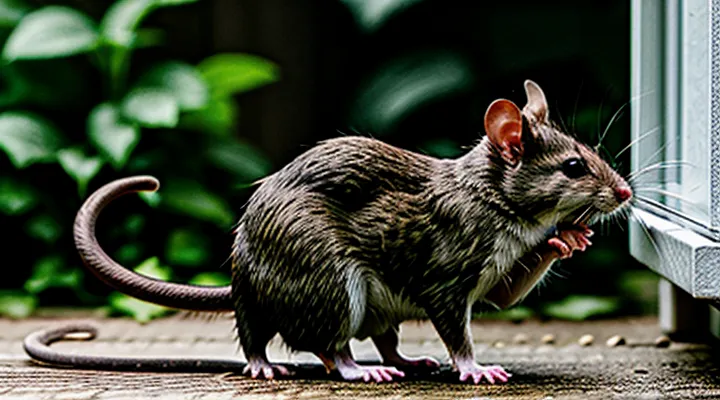
Understanding Rodent Behavior
Signs of Infestation
Droppings and Urine Stains
Rodent droppings and urine stains signal active presence, contaminate surfaces, and attract additional pests. Their detection allows rapid response before damage escalates.
Typical signs include dark, pellet‑shaped feces about half an inch long, found near food sources, nesting sites, or along walls. Urine appears as yellowish discoloration, often accompanied by a strong ammonia odor. Both materials can linger for weeks, especially in hidden corners, insulation, or crawl spaces.
Cleaning protocol:
- Wear disposable gloves and a N‑95 respirator to avoid inhalation of pathogens.
- Ventilate the area for at least 15 minutes before starting.
- Remove solid droppings with a damp paper towel; discard in a sealed bag.
- Apply a 10% bleach solution (1 part bleach to 9 parts water) to all contaminated surfaces; let sit for 10 minutes.
- Rinse with clean water and dry thoroughly.
- Dispose of cleaning materials in a sealed container; wash hands thoroughly after removal of protective gear.
Eliminating droppings and urine eliminates food cues that draw rodents, reduces disease risk, and supports broader deterrence measures such as sealing entry points and maintaining sanitation. Consistent removal of these residues is a critical component of any rodent control program.
Gnaw Marks and Damage
Rats and mice leave unmistakable evidence of their presence through gnaw marks and structural damage. Their incisors continuously grow, prompting the animals to bite into a wide range of materials—wood, plastic, wiring, and insulation. The resulting holes often appear irregular, with jagged edges and chew patterns that match the size of the rodent’s teeth. In electrical systems, gnawed wires can expose live conductors, creating fire hazards and costly repairs.
Identifying gnaw damage early allows homeowners to implement deterrent measures before infestations spread. Common indicators include:
- Rounded bite marks on wooden beams, furniture, or baseboards, typically ¼‑inch wide.
- Shredded insulation or exposed copper in walls and ceilings.
- Nibbled plastic piping, leading to leaks and water damage.
- Chewed holes in food packaging, stored goods, or grain bins.
Effective deterrence relies on eliminating access points and removing attractive conditions. Seal openings larger than ¼ inch with steel wool or cement, repair compromised structures promptly, and maintain a clean environment free of food residues. When gnaw marks are discovered, immediate repair combined with proven rodent control methods—such as snap traps, bait stations, or ultrasonic devices—prevents further destruction and safeguards property integrity.
Unusual Noises and Odors
Unusual sounds and smells are reliable indicators of rodent presence and can be incorporated into a comprehensive deterrence plan.
Rats and mice produce distinct noises that differ from normal household sounds. Scratching behind walls, gnawing on insulation, and rapid scurrying in ceilings create intermittent high‑frequency clicks and thuds. These noises intensify at night when the animals forage.
Odor signatures accompany the auditory clues. Fresh urine leaves a sharp, ammonia‑like scent; droppings emit a musky, stale odor; nesting material releases a faint, musty smell. Detecting these odors early prevents population growth.
Both auditory and olfactory cues serve as bases for active repellent methods.
- Ultrasonic devices emit frequencies above human hearing, disrupting rodent communication and causing avoidance behavior.
- Predator scent products, such as fox or ferret urine, create a chemical environment perceived as threatening.
- Essential oils (peppermint, eucalyptus) provide strong, unpleasant smells that deter feeding and nesting.
- Ammonia solutions mimic urine, prompting rodents to relocate.
Integrating sound and smell monitoring with physical barriers and sanitation amplifies overall effectiveness. Continuous observation of unusual noises and odors enables timely deployment of deterrents, reducing infestation risk.
Why Rodents are Attracted to Your Home
Food Sources
Rats and mice are drawn to readily available nourishment; eliminating food attractants is a primary component of any control strategy. Secure all edible items in airtight containers made of metal or heavy‑grade plastic. Dispose of crumbs, spilled grain, and pet food immediately, and avoid leaving dishes unattended overnight.
Typical food sources that sustain rodent populations include:
- Unsealed pantry items (cereals, flour, nuts)
- Pet feed left on the floor or in open bowls
- Fruit and vegetable waste in trash bins
- Birdseed that spills onto decks or roofs
- Compost piles containing kitchen scraps
Reduce these incentives by:
- Storing dry goods in sealed, rodent‑proof containers.
- Feeding pets from elevated, closed feeders and removing leftovers promptly.
- Using trash cans with tight‑fitting lids; empty them daily.
- Placing bird feeders away from building exteriors and installing catch trays.
- Maintaining compost in enclosed bins and turning it regularly to discourage entry.
Consistent management of food availability diminishes the likelihood of infestation and enhances the effectiveness of broader deterrent measures.
Shelter and Warmth
Rats and mice seek protected, warm areas to nest and survive. Eliminating such conditions reduces the likelihood of infestation.
Sealing entry points removes shelter. Inspect walls, foundations, and roof spaces for gaps larger than a quarter‑inch. Apply steel wool, silicone caulk, or metal flashing to close openings. Reinforce vents with mesh screens. Install door sweeps on exterior doors.
Reducing ambient warmth discourages rodents from establishing nests. Store firewood, compost, and stored items at least three feet from the building’s exterior. Keep indoor heating vents closed when rooms are unoccupied. Use insulated pipe sleeves to prevent heat loss that could attract pests.
Maintain a clean environment to deny rodents materials for nesting. Remove clutter from basements, attics, and garages. Store fabrics, papers, and cardboard in sealed containers. Vacuum regularly to eliminate stray fibers.
Practical steps
- Conduct a comprehensive inspection of the property’s exterior and interior.
- Patch all cracks, holes, and gaps with durable, rodent‑proof materials.
- Relocate potential shelter sources (e.g., firewood, debris) away from the structure.
- Install weather‑tight door and window seals.
- Monitor and repair any water leaks that create damp, warm microclimates.
By systematically denying shelter and warmth, the habitat becomes unsuitable for rodents, thereby supporting an effective rodent‑deterrent strategy.
Water Access
Limiting rodents’ access to water is a fundamental component of any rodent‑deterrent program. Rats and mice require regular hydration; depriving them of reliable sources forces them to relocate or succumb to dehydration, reducing the likelihood of infestation.
Practical measures to eliminate water availability include:
- Repair leaking pipes, faucets, and irrigation systems promptly.
- Seal gaps around sinks, dishwashers, and refrigerators with waterproof caulk.
- Empty pet water bowls nightly and store them in sealed containers when not in use.
- Drain standing water from basements, crawl spaces, and exterior containers.
- Use moisture‑absorbing products, such as silica gel packs, in storage areas prone to humidity.
Maintaining a dry environment also discourages rodents from nesting, because moisture supports the growth of mold and insects that attract them. Regular inspections of the property for hidden leaks and prompt remediation sustain the effectiveness of all other rodent‑prevention tactics.
Prevention and Exclusion Strategies
Sealing Entry Points
Inspecting Exterior Walls
Inspecting exterior walls is a fundamental step in any program aimed at keeping rodents out of a building. Identify gaps, cracks, and holes that could serve as entry points. Pay particular attention to areas where utilities, vents, and pipes penetrate the façade.
- Examine the foundation for fissures larger than ¼ inch; seal with cementitious filler or expanding foam.
- Survey the siding, brickwork, and stucco for loosened mortar, broken panels, or weather‑stripping failures.
- Check roof eaves, soffits, and fascia for gaps that align with wall openings; install metal flashing or mesh where needed.
- Inspect drainage channels and downspouts for overflow that creates damp conditions attractive to rodents; redirect water away from the wall base.
- Verify that screens on vents and vents for HVAC systems are intact and free of tears; replace with rodent‑grade material.
Document each defect, prioritize repairs based on size and proximity to known rodent activity, and schedule immediate remediation. Regular re‑inspection, at least twice a year, ensures that newly formed openings are detected before they become persistent pathways for rats and mice.
Repairing Gaps and Cracks
Sealing openings eliminates the primary pathways rats and mice use to enter buildings. Even narrow cracks around pipes, vents, and foundation joints provide enough space for these pests to infiltrate. By repairing these gaps, you remove the structural advantage that rodents exploit, reducing the likelihood of infestations.
Identify all potential entry points before beginning repairs. Conduct a visual inspection of exterior walls, basement walls, roof eaves, and interior utility penetrations. Use a flashlight and a thin piece of wire or a smoke pencil to detect hidden fissures. Pay special attention to areas where building materials meet, such as where siding meets the foundation or where door frames abut the wall.
Select appropriate sealing materials based on the location and size of the gap. Recommended options include:
- Steel wool combined with expanding polyurethane foam for gaps larger than ¼ inch but smaller than 1 inch. Steel wool deters chewing, while foam fills the void.
- Cement‑based mortar or concrete patch for foundation cracks exceeding 1 inch. Ensure the mixture is compatible with the existing substrate.
- Silicone or acrylic caulk for small interior seams around baseboards, window frames, and door thresholds. Choose a product rated for pest resistance.
Apply the chosen material using a systematic approach:
- Clean the opening to remove debris, dust, and loose material.
- Insert steel wool into the gap, compressing it to fill the space completely.
- Apply expanding foam over the steel wool, allowing it to expand and cure according to manufacturer instructions.
- Trim excess foam flush with the surrounding surface.
- For larger cracks, mix mortar to a workable consistency, press it into the fissure, and smooth the surface.
- Seal the outer edge of the repair with a thin bead of caulk to prevent water ingress.
After completion, inspect the repaired area for gaps or loose sections. Conduct periodic checks, especially after severe weather, to ensure the integrity of the seals remains intact. Maintaining a sealed envelope around the structure sustains the barrier against rodent intrusion and supports broader pest‑control measures.
Securing Vents and Chimneys
Rats and mice frequently enter homes through unprotected vents and chimneys, exploiting gaps that provide direct access to interior spaces. Securing these openings eliminates a primary pathway and reduces the likelihood of infestation.
- Install stainless‑steel mesh (minimum ¼‑inch opening) over vent covers; the material resists gnawing and withstands weather exposure.
- Fit chimney caps with a solid base and a fine mesh screen; ensure the cap sits flush with the chimney crown to prevent rodents from slipping underneath.
- Seal all gaps around vent frames and chimney flues with high‑temperature silicone caulk or expanding foam designed for pest control.
- Apply steel wool or copper mesh to small cracks before applying sealant; the abrasive texture deters chewing.
- Conduct quarterly inspections to verify that screens remain intact, fasteners are tight, and no new openings have formed.
Choosing durable materials such as stainless steel and high‑temperature sealants ensures long‑term protection. Regular maintenance confirms the integrity of barriers and prevents rodents from exploiting wear or damage. Implementing these measures forms a reliable component of an overall rodent‑deterrent strategy.
Maintaining a Clean Environment
Proper Food Storage
Proper food storage eliminates the primary attractant for rodents, reducing the likelihood of infestation. Secure containers made of metal or heavy‑wall plastic prevent gnawing and entry. Seal all openings, including lids and seams, with tamper‑proof closures.
Maintain a clean storage area. Remove spills immediately, sweep floors regularly, and discard expired items. Store food away from walls and corners to avoid hidden access points.
Implement the following practices:
- Use airtight, rodent‑proof containers for grains, cereals, nuts, and pet food.
- Label containers with purchase dates; rotate stock to use older items first.
- Keep storage shelves elevated at least six inches from the floor.
- Install metal shelving; avoid wooden or cardboard structures that can be chewed.
- Conduct monthly inspections for signs of damage or gnaw marks, and replace compromised containers promptly.
Limit exposure by transferring food to storage only when needed. Keep pantry doors closed, and install door sweeps to block gaps. By eliminating accessible food sources, the environment becomes inhospitable to rats and mice, supporting broader pest‑deterrent strategies.
Regular Waste Disposal
Proper waste management directly reduces the likelihood of rodent infestations. Food remnants, organic debris, and unsecured trash create attractive feeding sites; rodents locate these resources through scent trails and visual cues. When waste is removed promptly and stored in sealed containers, the food supply that sustains rats and mice is eliminated, forcing them to seek alternative habitats.
Key practices for maintaining a rodent‑unfriendly environment include:
- Collect household refuse daily, preferably before nightfall when nocturnal rodents are most active.
- Use bins with tight‑fitting lids; inspect seals regularly for damage.
- Position containers away from building foundations and elevate them if possible.
- Clean the surrounding area after each collection, removing spillages and residue.
- Dispose of waste at approved facilities rather than piling it near the property.
Consistent application of these measures interrupts the food chain that supports rodent populations, thereby enhancing the overall effectiveness of any pest‑control program.
Decluttering and Organization
Keeping living spaces tidy directly reduces the attractiveness of a home to rats and mice. Food residues, cluttered storage, and unsealed containers provide shelter and easy access to nourishment, encouraging infestation. Eliminating these conditions removes the primary incentives that rodents seek.
Targeted decluttering focuses on kitchens, pantries, garages, and basements. Remove stacked boxes, discard broken appliances, and organize items so that walls and floor surfaces remain visible. Store all consumables in airtight containers made of metal or heavy‑wall plastic; avoid cardboard boxes that rodents can gnaw through. Clear debris around exterior foundations, trim vegetation that contacts the building, and keep firewood elevated off the ground.
Organizational habits sustain a rodent‑unfriendly environment. Implement regular inspections of food storage areas, wipe down surfaces after each use, and schedule weekly removal of waste from indoor bins. Position trash cans with tight‑fitting lids and empty them frequently. Maintain a routine of sweeping crumbs and vacuuming hidden corners where droppings might accumulate.
Practical steps:
- Sort and discard items that have been unused for more than six months.
- Label containers with dates and contents to prevent overstocking.
- Arrange shelving so that the back of each unit is accessible without moving other items.
- Install door sweeps and seal gaps around pipes, vents, and utility entries.
- Use metal shelving in storage areas; rodents cannot chew through metal.
- Conduct monthly checks for signs of gnawing or droppings and address breaches immediately.
Landscaping Considerations
Trimming Vegetation
Trimming vegetation around a building reduces shelter and travel routes for rodents, directly limiting their ability to establish colonies. Dense shrubs, tall grass, and overgrown trees provide cover from predators and conceal food sources, encouraging rats and mice to nest nearby. By maintaining a clear perimeter, property owners remove these advantages and force rodents into exposed areas where they are more vulnerable to natural enemies and control measures.
Key actions for effective vegetation management include:
- Cutting grass to a height of 2–4 inches and mowing weekly during warm months. Short grass eliminates ground-level hiding spots.
- Pruning shrubs to a width of no more than 12 inches from the trunk. This creates a barrier that rodents cannot easily navigate.
- Trimming tree branches so they do not touch the roof or walls. Direct contact offers a bridge for climbing rodents.
- Removing dead plants, fallen leaves, and compost piles from the immediate vicinity. Decaying material attracts insects, which in turn draw rodents.
- Maintaining a clearance zone of at least 3 feet between the building foundation and any vegetation. This distance prevents rodents from reaching entry points.
Implementing these steps consistently creates an environment hostile to rodent activity while supporting other deterrent methods, such as sealing entry gaps and managing food waste. The result is a measurable decline in sightings and damage, confirming the efficacy of vegetation control as a core component of rodent prevention programs.
Removing Debris
Eliminating clutter around a property reduces shelter and food sources that attract rats and mice. Loose wood, piles of leaves, and discarded packaging create hidden pathways and nesting sites, allowing rodents to establish colonies with minimal disturbance.
Key actions for debris removal:
- Gather and discard all organic waste, such as fallen fruit, vegetable scraps, and compost that is not properly contained.
- Break down and stack firewood away from building foundations, using raised platforms or pallets to keep it off the ground.
- Clear gutters, downspouts, and roof eaves of leaves, twigs, and accumulated litter that could serve as entry points.
- Remove stored items from basements, attics, and crawl spaces, keeping only sealed containers on sturdy shelves.
- Sweep patios, decks, and walkways regularly to eliminate crumbs, seed heads, and other small debris.
Maintain a routine inspection schedule. Check for new debris after storms, landscaping work, or deliveries, and address any accumulation within 24 hours. Seal gaps around utility lines and foundation cracks to prevent rodents from exploiting the cleared space.
By consistently removing potential hideouts and food deposits, the environment becomes inhospitable, encouraging rodents to seek shelter elsewhere and supporting broader pest‑prevention measures.
Elevating Storage Items
Elevating storage items creates a physical barrier that prevents rats and mice from reaching food, nesting material, and shelter. By removing direct ground contact, you reduce the likelihood that rodents will detect and exploit stored goods.
- Place pantry shelves, bins, or boxes on sturdy platforms at least 12 inches above the floor. Use metal or thick plastic supports that rodents cannot gnaw through.
- Install legged racks or pallets made of steel or treated wood. Ensure legs are spaced no more than 6 inches apart to eliminate gaps where rodents could crawl.
- Secure elevated units to walls or ceilings with brackets. Anchoring stops animals from tipping or pulling the structure down.
- Keep the area beneath elevated storage clean and free of debris. Regular vacuuming or sweeping removes droppings and scent trails that attract rodents.
- Combine elevation with airtight containers. Even if a mouse reaches the platform, sealed lids prevent entry.
Elevated storage also facilitates inspection and cleaning, allowing early detection of rodent activity. Integrating this practice with other deterrent measures—such as sealing entry points and maintaining a clutter‑free environment—strengthens overall rodent control.
Repellent Methods
Natural and DIY Repellents
Peppermint Oil
Peppermint oil is a widely cited rodent deterrent because its strong menthol scent overwhelms the olfactory receptors that rats and mice rely on for navigation and foraging. The volatile compounds irritate the nasal passages, causing discomfort and prompting the animals to vacate treated areas.
Application methods include:
- Soaking cotton balls in undiluted oil and placing them in corners, cabinets, and entry points; replace every 2–3 days to maintain potency.
- Mixing 10–15 ml of oil with 1 liter of water, adding a few drops of dish‑soap as an emulsifier, and spraying the solution on baseboards, walls, and outdoor perimeters.
- Using commercially available peppermint oil diffusers that release a continuous mist in enclosed spaces such as basements or storage rooms.
Effectiveness depends on concentration and exposure time. Studies report a reduction in rodent activity of 30–60 % when oil is applied consistently in infested zones. Results diminish after the scent fades, typically within 48 hours for open environments and up to a week for sealed areas.
Safety considerations:
- Pure oil can cause skin irritation; wear gloves when handling and avoid direct contact with pets.
- Inhalation of high concentrations may trigger respiratory discomfort in humans; ensure adequate ventilation.
- Do not apply near food preparation surfaces or on surfaces that may be ingested by children.
Limitations:
- Peppermint oil does not eradicate established colonies; it functions as a repellent, not a lethal control.
- Weather exposure reduces efficacy outdoors; reapplication after rain or high humidity is required.
- Some rodent populations develop habituation, diminishing the deterrent effect over prolonged use.
Integrating peppermint oil with complementary tactics—such as sealing entry points, removing food sources, and employing snap traps—creates a comprehensive approach that maximizes the likelihood of sustained rodent exclusion.
Cayenne Pepper and Chili Flakes
Cayenne pepper and chili flakes deter rodents through the irritant properties of capsaicin, a compound that triggers a strong sensory reaction in the nasal passages and mucous membranes of rats and mice. The acute burning sensation discourages entry and foraging, making these spices a practical component of a broader rodent‑control strategy.
Application methods focus on direct contact with areas rodents frequent. Typical practices include:
- Sprinkling a thin layer of chili flakes along baseboards, behind appliances, and around entry points.
- Mixing equal parts cayenne powder and water, allowing the solution to steep for several minutes, then spraying the mixture onto surfaces where droppings or gnaw marks appear.
- Incorporating a small amount of the spice into bait stations to make the bait unpalatable while still attracting attention for monitoring purposes.
Effectiveness depends on regular reapplication, as capsaicin degrades when exposed to moisture, dust, or sunlight. A maintenance schedule of every 3–5 days in high‑traffic zones preserves potency. Combining the spice treatment with sealing cracks, eliminating food sources, and using traps enhances overall results.
Safety considerations require wearing gloves and eye protection during preparation, and ensuring that pets or children cannot ingest the treated areas. Capsaicin poses minimal risk to humans when handled correctly, but excessive concentrations may cause skin irritation. Use the lowest effective amount to balance deterrence with safety.
Dryer Sheets
Dryer sheets contain fragrances and chemicals that emit odors rodents find unpleasant. When placed in areas where rats or mice travel, the scent creates a deterrent barrier that can reduce activity.
- Position a sheet behind appliances, under sinks, and in pantry corners.
- Replace sheets every two weeks to maintain potency.
- Use unscented sheets only if strong fragrances cause irritation to humans or pets.
The method relies on volatile compounds dispersing into the air, interfering with rodents’ olfactory cues. It does not kill or trap, so it poses no direct hazard to non‑target animals. However, effectiveness varies with species, infestation level, and environmental conditions; heavy infestations typically require additional measures such as traps or professional extermination.
Safety considerations include avoiding direct contact with food surfaces and keeping sheets out of reach of children. Some dryer sheets contain allergens that may trigger respiratory reactions in sensitive individuals; selecting hypoallergenic products mitigates this risk.
In summary, dryer sheets offer a low‑cost, easy‑to‑apply option for discouraging rodent presence, best employed as part of a broader integrated pest management strategy.
Electronic Repellents
Ultrasonic Devices
Ultrasonic devices emit high‑frequency sound waves that rodents find uncomfortable. The sound frequency typically ranges from 20 kHz to 65 kHz, a range beyond human hearing but audible to rats and mice. Continuous emission creates an environment that discourages habitation and foraging.
Effectiveness depends on several factors:
- Frequency modulation – devices that vary frequencies prevent rodents from adapting to a single tone.
- Coverage area – manufacturers specify square footage; placement should ensure overlapping zones without dead spots.
- Power source – mains‑connected units provide constant output, while battery‑powered models may lose efficacy as voltage drops.
- Environmental conditions – open spaces, high ceilings, and dense furnishings absorb ultrasonic waves, reducing reach.
Proper installation maximizes impact:
- Position units at least 12 inches above the floor, where rodents travel.
- Install one device per 500 sq ft, adding extra units in larger rooms or multi‑level structures.
- Avoid placing devices near large metal objects, mirrors, or thick walls that reflect or block sound.
- Ensure uninterrupted power; use surge protectors for mains units.
Limitations include:
- Habituation – rodents may become desensitized if the signal remains static; devices with frequency‑sweeping technology mitigate this risk.
- Obstructions – solid barriers diminish propagation; multiple units compensate for complex layouts.
- Non‑target species – some pets, such as hamsters or gerbils, may experience distress; relocate them before activation.
Safety considerations:
- Humans are not affected by frequencies above 20 kHz, but children’s toys and some pets can perceive lower ultrasonic ranges; verify device specifications.
- Regularly clean speaker grills to prevent dust accumulation that can alter output quality.
Maintenance involves:
- Checking indicator lights for power status.
- Replacing batteries annually for cordless models.
- Verifying that the unit remains securely mounted and unobstructed.
When integrated with sanitation measures, sealing entry points, and trapping, ultrasonic devices contribute to a comprehensive rodent‑deterrence strategy. Their non‑chemical nature offers a low‑risk option for indoor and outdoor applications, provided that proper selection, placement, and periodic monitoring are observed.
Electromagnetic Devices
Electromagnetic devices emit high‑frequency sound waves that rodents find uncomfortable. The sound is directed at frequencies above the human hearing range, typically between 20 kHz and 65 kHz, which disrupts the auditory nerves of rats and mice and encourages them to vacate the area.
Effectiveness depends on placement, power, and environmental factors. Devices must be positioned where rodents travel, such as along walls, near entry points, and in concealed spaces. Continuous operation provides the most consistent deterrent effect; intermittent use reduces efficacy.
Key characteristics
- Frequency range: 20 kHz–65 kHz, tailored to rodent hearing sensitivity.
- Power source: mains‑connected units offer constant output; battery‑operated models require regular replacement.
- Coverage area: manufacturers specify a radius, usually 30–50 ft; overlapping units expand protection.
- Safety: ultrasonic emissions do not affect humans or most pets; however, some small animals with high‑frequency hearing may experience discomfort.
Advantages
- No chemicals, eliminating risk of poisoning or residue.
- Silent to humans, allowing use in residential and commercial settings.
- Low maintenance; periodic cleaning of speaker grills prevents dust buildup.
Limitations
- Effect diminishes in open spaces with high airflow, as sound dissipates quickly.
- Rodents may habituate after prolonged exposure, reducing long‑term impact.
- Effectiveness varies with species; some mice are less sensitive to ultrasonic frequencies.
Installation requires mounting the unit at least 12 inches from walls to avoid sound reflection, securing it away from direct water exposure, and ensuring an unobstructed line of sight to target areas. Regular verification of operation—listening for a faint hum or checking indicator LEDs—confirms functionality.
When integrated with other deterrent measures such as sealing entry points and eliminating food sources, electromagnetic devices contribute to a comprehensive rodent control strategy. Their non‑toxic nature and ease of deployment make them a viable component of modern pest‑management programs.
Professional Repellent Solutions
Baits and Traps
Bait selection determines the success of rodent control. Palatable options include grain‑based mixes, peanut butter, and commercial rodenticides formulated as blocks or pellets. Non‑food attractants such as scented oils or pheromone lures can increase uptake when food sources are scarce. Rotate formulations regularly to prevent habituation.
Trap deployment follows precise guidelines. Mechanical devices—snap traps, kill‑boxes, and multi‑capture cages—require positioning along wall edges, behind appliances, and near known runways. Set each trap with the trigger face outward, aligning the bait at the rear to compel the animal to enter fully. Electronic traps deliver a rapid voltage pulse, reducing handling time and minimizing secondary exposure.
Maintain effectiveness through systematic inspection. Check traps daily; remove captured rodents promptly, disinfect surfaces, and replenish bait before depletion. Record locations, capture dates, and trap types to identify activity patterns and adjust placement. Ensure compliance with local regulations regarding toxic baits and disposal procedures.
Professional Exterminators
Professional exterminators provide a systematic approach to preventing rodent infestations. Their work begins with a thorough inspection that identifies entry points, harborages, and signs of activity. The inspection informs a customized plan that combines structural repairs, sanitation measures, and targeted control tactics.
Key components of the exterminator’s strategy include:
- Exclusion – sealing gaps around foundations, doors, windows, and utility penetrations to block access.
- Sanitation – removing food sources, eliminating water leaks, and organizing waste disposal to reduce attractants.
- Trapping and Baiting – deploying snap traps, electronic devices, and regulated bait stations in locations verified by the inspection. Placement follows safety standards to protect non‑target species and occupants.
- Monitoring – installing detection devices and conducting regular follow‑up visits to assess efficacy and adjust tactics as needed.
- Integrated Pest Management (IPM) – integrating chemical and non‑chemical methods, emphasizing minimal pesticide use while maintaining control effectiveness.
Exterminators adhere to local regulations governing pesticide application and bait handling, ensuring compliance with health and environmental guidelines. Their expertise reduces the risk of rodent‑borne diseases, property damage, and costly reinfestations. Clients benefit from documented action plans, clear timelines, and measurable outcomes that demonstrate long‑term rodent deterrence.
Integrated Pest Management (IPM)
Integrated Pest Management (IPM) provides a systematic framework for reducing rat and mouse populations while minimizing risks to humans, pets, and the environment. The approach combines accurate assessment, preventive measures, and targeted interventions to achieve long‑term control.
Effective IPM implementation begins with thorough inspection of the property. Identify entry points, food sources, water availability, and harborage areas. Document findings to guide subsequent actions.
Monitoring relies on visual checks, tracking plates, and motion‑activated devices. Data collection establishes activity patterns and confirms the impact of control measures.
Prevention focuses on habitat modification. Seal cracks and gaps larger than ¼ inch, install door sweeps, and repair broken screens. Store food in sealed containers, eliminate standing water, and maintain clean waste disposal areas. Reduce clutter and remove debris that can serve as nesting sites.
Control tactics follow a hierarchy:
- Cultural methods – modify practices that attract rodents, such as adjusting feeding schedules for pets or securing compost bins.
- Mechanical methods – deploy snap traps, electronic devices, or live‑catch traps positioned along walls, behind appliances, and near identified runways.
- Biological methods – encourage natural predators, for example by installing owl nesting boxes where appropriate.
- Chemical methods – apply rodenticides only after non‑chemical options have been exhausted, using bait stations that limit exposure to non‑target species and comply with regulatory guidelines.
Evaluation occurs after each intervention cycle. Compare monitoring data to baseline levels, adjust strategies, and record outcomes to refine the program.
A well‑executed IPM plan reduces reliance on poisons, lowers the likelihood of resistance, and promotes sustainable rodent management. Continuous documentation and periodic review ensure that the system adapts to changes in rodent behavior and environmental conditions.