
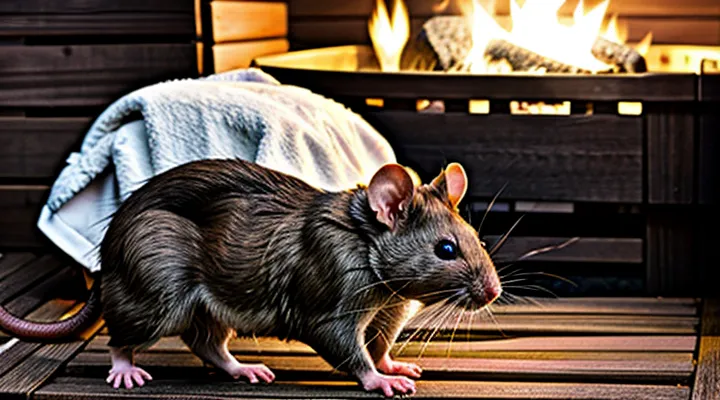
Understanding the Problem: Why Rats Are in Your Sauna
Identifying Entry Points
Cracks and Gaps
Cracks and gaps in a sauna’s structure provide direct access points for rats seeking shelter and food. Even narrow openings as small as a quarter‑inch allow rodents to enter, establish burrows, and contaminate the interior with urine and droppings. Identifying these openings eliminates the primary route of infestation.
Inspection should focus on:
- Wall and ceiling seams where panels meet.
- Floor joints, especially around the drain and heating elements.
- Door and window frames, including weather‑stripping gaps.
- Ventilation ducts and pipe penetrations.
Sealing procedures include:
- Clean each opening to remove debris and residual moisture.
- Apply a high‑temperature silicone sealant for gaps up to ¼ in.
- Use expanding polyurethane foam for larger voids, trimming excess once cured.
- Install metal flashing or steel wool behind sealant in areas prone to chewing.
- Verify seal integrity after the sauna reaches operating temperature; reapply if shrinkage occurs.
Regular maintenance involves a visual check after each heating cycle, documenting any new fissures and repairing them immediately. Consistent elimination of structural openings removes the environmental conditions that support rat habitation, thereby sustaining a hygienic and safe sauna environment.
Openings Around Pipes and Vents
Openings surrounding plumbing and ventilation systems provide direct pathways for rodents to enter a sauna. Even gaps as narrow as a quarter‑inch can accommodate a rat, allowing it to navigate through walls, ceilings, or floor joists. Unsealed joints, loose pipe collars, and vent covers that lack proper fit create persistent entry points that undermine any pest‑control effort.
- Inspect all pipe sleeves, flues, and vent ducts before the sauna is commissioned; mark any visible gaps.
- Apply high‑temperature silicone or expanding polyurethane foam to fill irregular spaces around pipe penetrations.
- Install stainless‑steel pipe collars with a minimum inner diameter of 1 inch; secure them with corrosion‑resistant screws.
- Replace vent grilles with mesh screens rated for rodent exclusion; ensure the mesh opening does not exceed ¼ inch.
- Conduct quarterly visual checks after each heating cycle; reapply sealant where wear or heat exposure has caused deterioration.
Regular maintenance of these sealed areas prevents re‑infestation and supports a comprehensive rodent‑management program tailored to sauna environments.
Signs of Rat Infestation
Droppings and Urine
Rat excrement and urine appear as dark, granular pellets and faint, ammonia‑laden stains on wooden benches, walls, and ventilation ducts. Their presence confirms infestation and creates a health hazard for users, as pathogens such as Leptospira and hantavirus can survive in moist residues.
Recognizing these signs enables prompt intervention. Visual inspection should focus on corners, beneath floorboards, and behind heat exchangers. Contact with contaminated material may cause skin irritation, respiratory discomfort, and gastrointestinal upset.
Sanitation procedure
- Wear disposable gloves, a mask with a particulate filter, and goggles.
- Vacuum dry droppings with a HEPA‑rated unit; avoid shaking to prevent aerosolization.
- Apply a solution of 1 part bleach to 10 parts water to all wet stains; let stand for 10 minutes.
- Scrub with a stiff brush, then rinse with clean water and dry thoroughly.
- Dispose of all waste in sealed, puncture‑proof bags; treat as biohazard material.
Eliminating residual waste removes food sources and breeding sites, decreasing rat attraction and interrupting the population cycle. Regular cleaning, combined with trapping and exclusion measures, forms a comprehensive approach to rodent control in sauna environments.
Gnaw Marks
Gnaw marks indicate active rodent presence and reveal entry points, nesting sites, and food sources. Inspect all wooden benches, frame members, and insulation for V‑shaped bite patterns; these marks are typically 2–5 mm deep and may appear on corners or edges. Identify the direction of the scratches to trace the animal’s movement path.
Once gnaw marks are located, take the following actions:
- Clean the area with a detergent solution, then apply a rodent‑resistant sealant to fill holes and smooth surfaces.
- Install metal flashing or steel mesh over vulnerable wood to prevent future chewing.
- Place snap traps or electronic devices near the damaged zones, ensuring bait is positioned at the gnaw site’s edge.
- Deploy a concentrated rodent‑repellent spray on the markings; the strong odor deters further biting.
- Schedule weekly inspections to verify that marks do not reappear, adjusting control measures as needed.
Eliminating gnaw marks removes visual evidence of infestation, blocks access routes, and discourages rats from re‑establishing activity within the sauna environment.
Unpleasant Odors
Rats in a sauna produce strong, lingering smells that signal contamination and reduce the facility’s appeal. The odor originates from urine, feces, and decomposing food, which can penetrate wood, insulation, and ventilation ducts. Persistent foul scents indicate that rodent activity has reached a level where simple cleaning will not suffice.
Identifying the source quickly prevents deeper absorption into sauna structures. Inspect corners, hidden panels, and drainage channels for dark stains and droplet buildup. Use a handheld UV light to reveal urine spots invisible to the naked eye. Record all findings before proceeding with remediation.
Effective odor removal follows a three‑stage protocol:
- Physical removal: Scrape, vacuum, and discard all soiled material. Replace damaged insulation and seal gaps where rodents entered.
- Sanitization: Apply an enzymatic cleaner designed for organic waste. Ensure the product contacts all surfaces for the recommended dwell time, then rinse thoroughly with hot water.
- Air purification: Install activated‑carbon filters in the exhaust system. Run the sauna’s ventilation at maximum capacity for at least 30 minutes after cleaning to flush residual vapors.
After treatment, monitor the environment for any return of the smell. A persistent odor after the three‑stage process suggests hidden nests or residual waste, requiring a repeat of the inspection and cleaning cycle. Maintaining regular deep‑cleaning schedules and sealing entry points eliminates both the rodents and the associated unpleasant odors, preserving the sauna’s hygiene and reputation.
Immediate Measures: Trapping and Removal
Types of Traps
Snap Traps
Snap traps provide a rapid, humane solution for rat infestations in sauna settings. Their mechanical action delivers an instantaneous kill, eliminating the need for chemical agents that could contaminate the humid environment.
Proper placement maximizes effectiveness. Position traps along walls, near entry points, and behind steam generators where rats travel for shelter and food. Secure each trap on a flat surface to prevent movement caused by vibrations from sauna equipment.
Bait selection influences capture rates. Use high‑protein items such as dried fish, peanut butter, or small pieces of meat. Apply a thin layer to the trigger mechanism, ensuring the scent remains potent despite the sauna’s heat and moisture.
Maintenance procedures are straightforward. After a capture, wear disposable gloves, dispose of the carcass in a sealed container, and reset the trap with fresh bait. Inspect traps daily to prevent decomposition, which could attract additional pests.
Advantages of snap traps include:
- Immediate results without residual toxins
- Low cost and reusability
- Compatibility with high‑temperature, high‑humidity conditions
- Minimal impact on sauna structural components
Limitations to consider:
- Requires regular monitoring to maintain efficacy
- May be less effective in large, cluttered spaces where rats can avoid contact
- Necessitates careful handling to avoid accidental activation by personnel
Integrating snap traps with complementary measures—such as sealing cracks, installing door sweeps, and maintaining strict sanitation—creates a comprehensive rat control program tailored to sauna environments. This multi‑layered approach reduces reinfestation risk while preserving the sauna’s cleanliness and safety standards.
Live Traps
Live traps provide a humane option for removing rats from sauna spaces. The devices consist of a cage that closes automatically when a rodent triggers a pressure plate or chew sensor. Once captured, the animal remains unharmed, allowing relocation away from the facility.
Key considerations when employing live traps in a sauna:
- Material selection: Choose stainless‑steel or heavy‑gauge wire cages resistant to moisture and heat, preventing rust and deformation.
- Bait choice: Peanut butter, dried fruit, or fish paste attract rats effectively; place bait on the trigger platform to ensure activation.
- Placement strategy: Position traps along walls, near entry points, and behind sauna equipment where rodent activity is visible. Arrange traps perpendicular to the wall to align with typical rat travel routes.
- Check frequency: Inspect traps at least twice daily. Prompt removal reduces stress on the captured animal and prevents odor buildup.
- Release protocol: Transport the rat at least 500 meters from the sauna, preferably into a wooded area with natural cover. Release during daylight to discourage immediate return.
Advantages of live traps include:
- No chemical exposure for sauna users.
- Compliance with regulations that restrict poison use in public facilities.
- Ability to monitor infestation levels through captured counts.
Limitations to acknowledge:
- Requires ongoing labor for checking and releasing.
- Ineffective if bait is inaccessible due to high humidity or if rats develop trap avoidance behavior.
- May not address hidden nests; supplemental methods such as sealing entry gaps remain necessary.
Integrating live traps with other control measures—such as sealing structural openings, maintaining low humidity, and regular cleaning—creates a comprehensive approach to rat management in sauna environments.
Electronic Traps
Electronic traps provide a direct, non‑chemical method for removing rats from sauna environments. The devices detect rodent activity through motion or infrared sensors and deliver a high‑voltage shock that kills the animal instantly. This approach eliminates the risk of poisoning other wildlife or contaminating the sauna’s interior surfaces.
Key advantages include:
- Immediate mortality, preventing disease transmission.
- No reliance on toxic baits, preserving the sauna’s hygiene standards.
- Low‑maintenance design; most models require only periodic battery replacement or connection to a stable power source.
- Resistance to moisture; sealed housings protect electronic components from steam and humidity typical of sauna operation.
Effective deployment follows several practical steps. Position traps along walls, near entry points, and away from direct water sources to avoid accidental contact with steam. Ensure the device is mounted at a height that discourages human interaction while remaining accessible for inspection. Connect the unit to a reliable power supply, using a surge protector if the sauna’s electrical system is subject to fluctuations.
Routine upkeep involves checking indicator lights or audible alerts that signal a captured rodent, cleaning the interior chamber with a mild disinfectant, and verifying battery health or power cord integrity. Records of each inspection help track trap performance and identify any gaps in coverage.
Safety considerations are essential. Verify that the trap’s voltage level complies with local regulations for pest‑control equipment. Install protective covers if children or maintenance personnel might inadvertently approach the device. Regularly test the sensor’s functionality to ensure reliable activation.
When integrated with complementary measures—such as sealing entry gaps, maintaining proper ventilation, and removing food sources—electronic traps become a cornerstone of a comprehensive rat‑management program tailored to the unique conditions of sauna facilities.
Effective Baiting Strategies
Foods Rats Prefer
Rats are drawn to high‑energy, easily digestible foods that survive the heat and moisture typical of sauna environments. Grain‑based products, such as wheat, oats, barley and corn, provide carbohydrates that rats quickly metabolize. Protein sources like dried fish, meat scraps, and pet food contain amino acids that support rapid growth and reproduction. Sweet items—honey, syrup, sugary pastries—offer immediate caloric spikes and are especially attractive when left near sauna benches or changing rooms.
Common attractants found in sauna facilities include:
- Bread, crackers, and other baked goods
- Nuts and seeds, particularly peanuts and sunflower seeds
- Dried fruit and fruit leathers
- Cheese and other high‑fat dairy products
- Cooked leftovers, especially rice or pasta
- Pet treats and canned pet food
Eliminating these food sources reduces the incentive for rodents to enter the sauna. Secure storage, regular cleaning of spills, and prompt disposal of waste deprive rats of the nutrients they seek, supporting long‑term control efforts.
Placement of Bait
Place bait where rats are most active and where it will not be exposed to excessive heat or steam. Position stations along walls, behind sauna benches, and near entry points such as ventilation ducts or service doors. Ensure each bait station is at least 12 inches from the floor to avoid water damage and to stay out of the reach of cleaning equipment.
Select bait that remains effective at temperatures typical for a sauna (70‑90 °C). Use heat‑resistant blocks or pellets formulated for high‑temperature environments. Secure bait in sealed, tamper‑proof containers to prevent contamination of the sauna interior and to protect users from accidental ingestion.
Distribute bait evenly, spacing stations 3‑5 feet apart to create an overlapping coverage zone. In high‑traffic zones, add an extra station to increase encounter probability. Rotate bait locations weekly to prevent rats from learning a fixed route and to maintain pressure across the entire space.
Monitor bait consumption daily. Record the amount removed and note any signs of activity, such as gnaw marks or droppings. Replace depleted stations promptly and adjust placement if certain areas show little activity, indicating that rats may be using alternative pathways.
Maintain a log of bait types, placement coordinates, and consumption rates. Use the data to refine the baiting strategy, focusing on zones with the highest removal rates while eliminating ineffective spots. This systematic approach maximizes the likelihood of eliminating the rodent problem without compromising sauna safety or hygiene.
Trap Placement Considerations
Along Walls
Rats habitually use wall cavities, baseboards, and the space between insulation and siding as protected travel routes. Inspect all seams where the sauna wall meets the floor, ceiling, and adjoining rooms; any gap larger than ¼ inch provides entry. Apply stainless‑steel mesh or cement‑based sealant to close openings, focusing on pipe penetrations, vent flues, and wiring chases.
Install snap‑type or electronic kill traps directly against the wall surface, positioning them perpendicular to the rodent’s line of movement. Bait with high‑fat items such as peanut butter or bacon, securing the trap to prevent displacement by humidity. Replace traps every 48 hours and dispose of captured rodents according to local health regulations.
Deploy ultrasonic repellent devices at regular intervals along the perimeter walls. Place units at least 12 inches from the sauna’s interior surface to avoid moisture damage. Operate continuously; most models emit frequencies that deter rodents without affecting human occupants.
Maintain a dry environment by sealing any water sources near the walls. Repair leaks in steam pipes, check condensation traps, and install a dehumidifier if moisture levels exceed 60 percent. Dry conditions reduce the attractiveness of wall spaces for nesting.
Perform routine sanitation: sweep debris from baseboards, vacuum rodent droppings with a HEPA‑filtered unit, and store cleaning agents in sealed containers. Regular removal of food residues and nesting material eliminates the incentive for rats to linger along walls.
Finally, schedule periodic professional inspections. Certified pest‑control specialists can conduct infrared scans to locate hidden activity within wall assemblies and recommend advanced barriers such as rodent‑proof steel plates. Consistent monitoring ensures long‑term exclusion of rodents from the sauna’s structural edges.
Near Entry Points
Rats enter a sauna primarily through gaps, cracks, and openings surrounding doors, windows, vents, and utility lines. Identifying these vulnerable points is the first step toward effective eradication.
Inspect all perimeter walls and the floor for signs of gnaw marks, droppings, or fresh burrows. Pay particular attention to the following locations:
- Door frames: gaps larger than ¼ inch allow entry; install metal door sweeps and weather‑stripping.
- Ventilation ducts: seal joints with stainless‑steel mesh; replace damaged grilles.
- Utility penetrations: wrap pipes and cables with copper conduit or heavy‑duty steel plates.
- Floor seams: apply epoxy or concrete filler to eliminate cracks.
- Window sills and shutters: fit tight-fitting screens or replace broken glass.
After sealing, apply a rodent‑resistant barrier such as steel wool combined with expanding foam to reinforce the seal. Conduct a final walkthrough to confirm that no openings exceed the ¼‑inch threshold. Continuous monitoring—checking for new gnaw marks weekly—ensures that any breach is addressed before rats can re‑establish access.
Safety Precautions with Traps
Protecting Pets and Children
When rats infest a sauna, the methods used to eradicate them must not endanger the health of children or household pets. The first priority is to eliminate any toxic substances from the environment. Choose rodent‑control products that are EPA‑approved for indoor use and specifically labeled as safe around non‑target animals. Avoid anticoagulant baits; instead, opt for snap traps or live‑catch devices placed in inaccessible areas.
Secure the sauna’s entry points before treatment. Seal cracks, gaps around vents, and any openings around the door frame with steel wool and silicone caulk. This prevents re‑entry and reduces the need for repeated chemical applications, limiting exposure risk.
During the removal process, keep children and pets out of the sauna and adjacent rooms. Close doors and activate a temporary barrier, such as a plastic sheet, to contain any debris or bait. After setting traps, inspect them regularly and dispose of captured rodents in sealed bags.
Maintain proper ventilation after any rodent‑control activity. Open windows and run the sauna’s exhaust fan for at least 30 minutes to disperify any residual odor or fumes. Clean all surfaces with a diluted bleach solution (1 part bleach to 10 parts water) to destroy pathogens left by the rodents.
Key safety practices:
- Use non‑chemical traps whenever possible.
- Store all rodent‑control products in locked cabinets out of reach of children and pets.
- Wear disposable gloves and a mask when handling traps or cleaning contaminated areas.
- Conduct a final inspection to confirm no bait or trap components remain accessible.
Following these steps ensures that rat eradication in a sauna proceeds without compromising the safety of vulnerable family members.
Handling Captured Rats
When a rat is trapped inside a sauna, immediate and systematic handling prevents disease spread and protects the facility’s integrity. First, wear disposable nitrile gloves and a mask to shield against droppings, urine, and potential pathogens. Place the live or dead rodent into a sealable, puncture‑resistant bag, expel excess air, and secure the closure.
Next, transport the bag to an outdoor trash receptacle that is emptied regularly by a licensed waste service. If local regulations require, label the container as “hazardous wildlife waste” and record the date of removal for compliance audits.
After removal, disinfect the trap and surrounding area. Apply a broad‑spectrum sanitizer—such as a 1 % bleach solution—directly to surfaces, allowing a minimum of ten minutes contact time before wiping clean. Follow with a dry, absorbent cloth to eliminate moisture that could attract additional pests.
Finally, inspect the sauna for entry points. Seal gaps larger than ¼ inch with steel wool, silicone caulk, or metal flashing. Install a continuous perimeter barrier around the building’s foundation to deter future incursions. Document all actions in a maintenance log, noting observations, materials used, and dates, to support ongoing pest‑management protocols.
Long-Term Prevention: Sealing and Sanitation
Sealing All Entry Points
Repairing Structural Damage
Rats compromise sauna integrity by gnawing wood, damaging insulation, and creating entry points that facilitate reinfestation. Restoring the structure eliminates shelter and reduces attraction, forming a critical component of any rodent‑control program.
- Conduct a thorough inspection to locate chewed beams, compromised panels, and deteriorated insulation.
- Remove all damaged wood, replacing it with moisture‑resistant, heat‑tolerant material.
- Install steel‑wool or metal mesh at gaps larger than ¼ inch to block future access.
- Apply a rodent‑deterrent sealant to seams, joints, and vent openings.
- Re‑insulate with non‑cellulose products that resist rodent chewing.
- Treat surrounding surfaces with a non‑toxic repellent to discourage lingering activity.
After repairs, maintain a dry interior, schedule periodic visual checks, and keep the perimeter clear of vegetation or debris that could shelter rodents. Consistent monitoring ensures that structural integrity remains intact and that the sauna stays inhospitable to rats.
Using Steel Wool and Sealants
Steel wool acts as a physical barrier that rodents cannot chew through, especially when it is tightly packed into gaps around pipes, vent openings, and door frames. The fibrous texture damages their incisors, discouraging repeated attempts to breach the closure.
Sealants complement the barrier by locking the steel wool in place and sealing any remaining micro‑cracks. Silicone‑based or polyurethane sealants adhere to both metal and wood, creating a durable, waterproof seal that resists moisture—a critical factor in a sauna environment where condensation can weaken weaker materials.
Application steps
- Identify all potential entry points: gaps larger than ¼ in, holes around plumbing, vent ducts, and seams in the sauna walls or ceiling.
- Insert steel wool into each opening, pressing firmly to fill the space completely.
- Apply a continuous bead of sealant over the wool, smoothing it with a putty knife to eliminate air pockets.
- Allow the sealant to cure according to the manufacturer’s instructions, typically 24 hours, before re‑exposing the area to heat or humidity.
- Conduct a follow‑up inspection after the first sauna session to verify that the seal remains intact and no new gaps have formed.
Regular maintenance includes checking the integrity of the sealant after each cleaning cycle and replacing any compromised steel wool sections. By combining a chew‑resistant filler with a resilient seal, the method provides a long‑lasting solution that prevents rats from re‑entering the sauna.
Maintaining Sauna Cleanliness
Regular Cleaning Schedules
A disciplined cleaning timetable removes food residue, moisture, and shelter that attract rodents to sauna facilities. By scheduling daily sweeps of benches, floors, and changing rooms, staff eliminate crumbs and spilled water that provide sustenance. Weekly deep cleans, including steam‑cleaning upholstery and disinfecting walls, destroy hidden nests and deter re‑entry.
Implement the schedule with clear assignments and documented completion times. Consistent records enable rapid identification of lapses and allow corrective action before infestations develop.
- Daily tasks: sweep and mop all surfaces, empty trash bins, wipe down benches, inspect drainage trays.
- Weekly tasks: steam‑clean upholstery, sanitize walls and corners, clean ventilation ducts, replace worn seals.
- Monthly tasks: inspect structural gaps, apply rodent‑proof sealant, review pest‑monitoring logs.
Adhering to this routine creates an environment where rats cannot find food, water, or refuge, thereby supporting long‑term rodent‑free operation of the sauna.
Proper Storage of Items
Proper storage of items directly influences rodent activity in sauna environments. When belongings are left unsecured, they provide shelter and potential food sources, encouraging rats to inhabit the space.
Key storage practices include:
- Place all towels, robes, and personal effects on elevated racks rather than on the floor. Elevated surfaces reduce accessible hiding places.
- Seal loose clothing and accessories in airtight plastic containers. Impermeable packaging prevents rats from detecting scent trails.
- Remove any food remnants, such as snacks or protein powders, from the sauna area. Even small crumbs can attract foraging behavior.
- Store cleaning supplies in locked cabinets. Open containers of chemicals or detergents may lure rodents seeking moisture.
- Conduct weekly inspections of storage units for signs of gnaw marks, droppings, or nesting material. Early detection allows prompt remediation.
Implementing these measures minimizes available refuge and sustenance for rats, thereby supporting broader pest‑control strategies within the sauna.
Eliminating Food and Water Sources
Securing Food Containers
Securing food containers is a critical component of any rat‑control program in sauna facilities. Open or improperly sealed containers provide a reliable food source, encouraging rodents to enter the heated space. By eliminating this attractant, the likelihood of infestation drops dramatically.
- Use airtight, metal or heavy‑duty plastic containers with sealed lids for all food items, including snacks, beverages, and cleaning supplies.
- Store containers on shelves that are not directly adjacent to walls or ventilation openings, preventing rats from reaching them from hidden routes.
- Label containers with “Rat‑Proof” signs to remind staff of proper handling procedures.
- Inspect containers regularly for damage; replace compromised lids or seals immediately.
- Keep the storage area clean; remove crumbs and spills promptly, and dispose of waste in sealed bins.
Implementing these measures removes a primary incentive for rodents, supporting broader efforts to eradicate rats from sauna environments.
Addressing Leaks and Moisture
Leaks and excess moisture create ideal conditions for rats to enter and thrive in a sauna. Moist environments soften wood, degrade seals, and conceal entry points, allowing rodents to exploit structural weaknesses.
Typical sources of water intrusion include cracked or improperly sealed pipe joints, roof or wall penetrations lacking flashings, and condensation accumulating on poorly insulated surfaces. Failure to address these sources leaves continuous dampness that attracts rats seeking shelter and food.
Effective inspection begins with a visual survey of all joints, seams, and connections. Use a moisture meter to locate hidden saturation behind panels. Perform a pressure test on water lines to detect hidden leaks. Record all findings before proceeding with repairs.
Remediation steps:
- Replace damaged pipe sections and tighten fittings; apply approved pipe sealant.
- Install or repair flashing around roof penetrations; seal gaps with high‑temperature silicone.
- Apply waterproof membrane to exterior walls; reinforce with vapor‑proof barrier where insulation is insufficient.
- Treat softened wood with a preservative that resists rot and deters rodents.
- Install drip edges and proper drainage to divert runoff away from the sauna foundation.
Ongoing maintenance requires periodic moisture readings, routine checks of seals after each heating cycle, and prompt repair of any new condensation paths. Consistent control of leaks and humidity eliminates the habitat that encourages rat activity, supporting a long‑term rodent‑free environment.
Professional Intervention
When to Call an Exterminator
Severe Infestations
Severe rat infestations in a sauna demand immediate, systematic intervention. High population density accelerates damage to wooden structures, contaminates heat‑absorbing surfaces, and creates health hazards for users. Prompt identification of entry points—such as gaps around ventilation ducts, damaged seals, and improperly installed lighting fixtures—prevents further spread.
Effective control proceeds in three phases:
-
Assessment and containment
- Conduct a thorough inspection during off‑hours to locate nests, droppings, and gnaw marks.
- Seal all identified openings with stainless‑steel mesh or cement‑based sealant.
- Install temporary barriers around the sauna to restrict rodent movement.
-
Eradication
- Deploy professional‑grade snap traps or electronic kill devices at established runways, spacing them 1–2 feet apart.
- Use bait formulated with high‑protein attractants; replace baits every 48 hours to maintain potency.
- For inaccessible areas, apply rodenticide blocks in sealed containers, following local safety regulations.
-
Sanitation and restoration
- Remove all contaminated material, including insulation, wood shavings, and bedding.
- Clean surfaces with a disinfectant solution containing 1 % sodium hypochlorite; allow a minimum of 30 minutes of contact time.
- Re‑treat the sauna with a rodent‑repellent coating that contains natural essential oils, then reinstall any damaged components.
Monitoring continues for at least four weeks after treatment. Place motion‑activated cameras at strategic points to verify the absence of activity. If sightings persist, repeat the containment and eradication steps before considering structural renovation. This disciplined approach eliminates entrenched populations and safeguards the sauna’s functionality and hygiene.
Persistent Problem
Rats continue to infest sauna environments despite routine cleaning and occasional pest‑control measures. Their persistence stems from several interrelated factors.
The sauna’s high humidity creates a favorable microclimate for rodents seeking water and shelter. Concrete walls and wooden benches develop cracks and gaps that serve as entry points, while the heat‑resistant construction materials resist standard rodent‑proofing methods. Food residues—such as oil, sweat, and occasional snacks—provide a reliable food source, encouraging repeated visits. Additionally, the low‑traffic nature of many saunas limits human disturbance, allowing rats to establish hidden nests beneath floor panels or within ventilation ducts.
Key contributors to the ongoing infestation include:
- Structural openings larger than ¼ inch that remain unsealed.
- Accumulated moisture on surfaces and in drainage systems.
- Inadequate waste management leading to residual organic matter.
- Limited frequency of professional inspections and monitoring devices.
- Warm interior temperatures that sustain rodent activity year‑round.
Addressing each element is essential for breaking the cycle of re‑infestation. Ignoring any single factor allows the problem to resurface, undermining even the most aggressive extermination attempts.
What to Expect from Professional Services
Inspection and Assessment
A thorough inspection is the first prerequisite for any successful rat control program in a sauna. Begin by turning off all heating elements and allowing the space to cool, which prevents disturbance of rodent activity and protects personnel. Examine the interior walls, ceiling, and floor for gnaw marks, droppings, and urine stains. Use a flashlight at oblique angles to reveal subtle signs such as shredded insulation or burrow entrances. Extend the search to adjacent rooms, storage closets, and utility shafts, because rodents exploit any contiguous area.
Document each observation with precise location, type of evidence, and estimated severity. Classify infestation levels as low (isolated droppings), moderate (multiple gnaw marks and active nests), or high (extensive damage and frequent sightings). This categorization guides the intensity of subsequent remediation measures.
Identify all potential ingress points. Inspect door seals, ventilation ducts, pipe penetrations, and foundation cracks. Measure openings; any gap larger than ½ inch (12 mm) warrants immediate sealing. Record material type and accessibility to prioritize repairs.
Assess the sauna’s environmental conditions that may encourage rodent habitation. Measure humidity, temperature fluctuations, and moisture accumulation on wood surfaces. Verify that cleaning protocols remove food residues and that waste containers are sealed. Note any structural deficiencies, such as rotted wood or compromised insulation, that could provide shelter.
Summarize findings in a concise report that includes:
- Location‑specific evidence
- Infestation classification
- List of entry points with dimensions
- Environmental risk factors
- Recommended immediate actions (e.g., sealing gaps, repairing damage)
The completed assessment establishes a factual baseline, enabling targeted elimination tactics and measurable progress tracking.
Treatment Options
Effective rat control in sauna facilities requires a combination of physical, chemical, and environmental measures. Selecting appropriate treatments depends on the sauna’s construction, occupancy schedule, and local regulations.
- Snap or electric traps positioned near entry points, feeding stations, and warm zones; check and reset daily.
- Rodenticides applied in tamper‑proof bait stations; use anticoagulant or bromethalin formulations according to label instructions and safety guidelines.
- Exclusion techniques: seal cracks, gaps around doors, ventilation ducts, and pipe penetrations with metal flashing, steel wool, or silicone caulk.
- Sanitation improvements: remove food debris, store towels in sealed containers, and maintain dry surfaces to reduce attractants.
- Heat or steam treatment: raise sauna temperature beyond tolerable limits for rodents for a sustained period; ensure proper ventilation to avoid damage to equipment.
- Ultrasonic emitters: install devices that emit frequencies uncomfortable to rodents; verify coverage area and monitor efficacy.
- Professional pest‑management services: engage licensed exterminators for comprehensive assessments, customized action plans, and ongoing monitoring.
When implementing these options, prioritize non‑toxic methods first, verify that traps and baits are placed out of reach of children and non‑target species, and document all actions for regulatory compliance. Regular inspections confirm that exclusion measures remain intact and that rodent activity has ceased.
Follow-up and Prevention
After the initial eradication effort, a systematic follow‑up program is essential to keep the sauna rat‑free. Begin with a comprehensive inspection within 48 hours of treatment. Record any signs of activity—droppings, gnaw marks, or fresh burrows—and map their locations for future reference.
Seal all potential ingress points identified during the inspection. Use stainless‑steel mesh or cement‑based sealants on gaps around pipes, vents, and door frames. Replace damaged weatherstripping and install self‑closing doors to eliminate accidental openings.
Implement a rigorous sanitation routine. Remove food residues, mop floors with a rodent‑deterrent disinfectant, and store towels and linens in sealed containers. Dispose of waste in tightly closed bins and schedule daily removal to prevent attractants.
Deploy a monitoring system that includes:
- Passive snap traps placed along walls and near previous activity zones, checked weekly.
- Motion‑activated cameras covering blind spots, reviewed monthly for unexpected movement.
- Rodent‑proof bait stations, inspected bi‑weekly for tampering or depletion.
Maintain a logbook documenting inspection dates, sealed openings, sanitation actions, and trap results. Review entries quarterly to identify trends and adjust preventive measures accordingly.
Train all personnel on proper waste handling, inspection techniques, and immediate reporting procedures. Conduct brief refresher sessions every six months to reinforce responsibilities and update protocols based on the latest findings.