
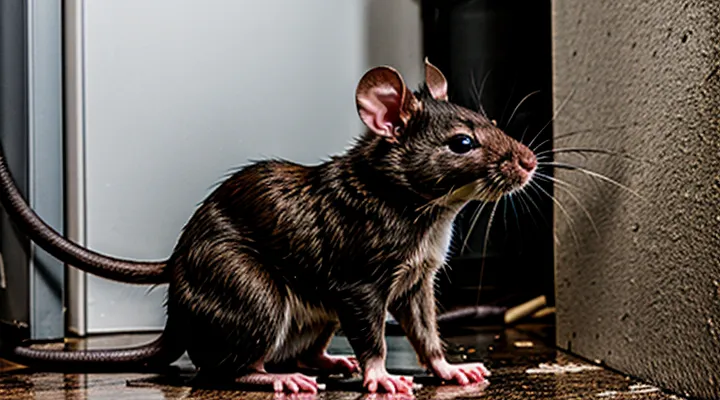
Understanding the Problem: The Unique Challenges of a Multi-Apartment Basement
Why Basements Attract Rats
Food Sources
Rats in shared basement areas are drawn to readily available nutrition. Common attractants include unsecured pantry items, improperly sealed trash bins, pet food left outdoors, spilled grain or flour, and organic waste from recycling stations. Even occasional food crumbs on concrete floors can sustain a small population, allowing rapid expansion under favorable conditions.
Effective control of these sources relies on disciplined practices:
- Store all consumables in metal or heavy‑duty plastic containers with airtight lids.
- Position trash receptacles away from wall openings, equip them with tight‑fitting lids, and empty them at least twice daily.
- Relocate pet feeding stations to elevated platforms, remove leftovers after each meal, and clean feeding areas thoroughly.
- Conduct daily sweeps of the floor, focusing on corners, stairwells, and utility alcoves; mop any liquid spills immediately.
- Implement a scheduled inspection of recycling bins, discarding food residues before they accumulate.
Eliminating accessible nutrition deprives rodents of the energy needed for breeding, markedly reducing their presence in multi‑unit basement environments.
Shelter and Entry Points
Rats exploit any area that offers protection from predators, temperature extremes, and human activity. In a multi‑unit basement, the most common shelters are voids behind walls, stored‑item piles, and utility spaces where moisture accumulates. Identifying these locations allows targeted intervention rather than indiscriminate treatment.
Typical shelter sites include:
- Gaps between floor joists and concrete slabs
- Unfinished crawl‑space sections
- Stacks of cardboard, firewood, or discarded furniture
- Areas around plumbing stacks and HVAC ducts where condensation forms
Entry points provide the pathway from the building envelope to these shelters. Primary access routes are:
- Cracks around foundation walls and pier footings
- Gaps surrounding pipe penetrations, cable conduits, and vent pipes
- Openings around utility chases and electrical boxes
- Unsealed doors, windows, and basement stairwells
Sealing methods must be durable and resistant to rodent gnawing. Effective actions comprise:
- Filling cracks with steel‑wool backed by cement or epoxy sealant
- Installing copper mesh or hardware cloth (¼‑inch openings) around pipe sleeves
- Applying expanding polyurethane foam to small fissures, followed by metal flashing for reinforcement
- Replacing deteriorated door sweeps and weatherstripping on basement access doors
- Ensuring all vent covers are fitted with tight‑closing louvered screens
Regular inspection of shelter zones and entry points, combined with prompt repair of identified breaches, reduces the likelihood of infestation and supports long‑term control in shared underground living spaces.
Water Access
Rats need a reliable water source to maintain hydration, reproduce, and navigate a basement environment. Eliminating accessible water disrupts their survival and reduces the likelihood of infestation.
Identify and seal all points where water can accumulate. Typical sources include leaking pipes, condensation on cold surfaces, and standing water in floor drains. Conduct a systematic inspection of plumbing fixtures, roof penetrations, and utility shafts. Repair any active leaks promptly and apply waterproof sealants to joints and seams that show signs of moisture ingress.
Implement preventive measures:
- Install drip‑stop valves on all water lines serving the basement.
- Fit drain covers with tight‑fitting lids to prevent entry.
- Store cleaning agents, mop buckets, and other containers in sealed, elevated locations.
- Use absorbent mats or dehumidifiers in areas prone to condensation.
- Schedule regular maintenance checks for HVAC condensate lines and ensure proper slope of floor drains to promote flow away from living spaces.
By removing water access, the habitat becomes inhospitable, compelling rodents to seek alternative locations and decreasing the overall population density within the building. «No water, no rats» encapsulates the principle governing this control strategy.
Health and Safety Risks Associated with Rat Infestations
Disease Transmission
Rats inhabiting the lower levels of multi‑unit residential buildings serve as reservoirs for numerous pathogens that can be transferred to occupants through direct contact, contaminated surfaces, and vectors such as fleas and mites. The confined environment of a basement amplifies exposure risk because food storage, waste disposal, and ventilation systems often converge in a limited space, facilitating the movement of infectious agents.
Key diseases associated with rodent presence include:
- Leptospirosis – transmitted via urine‑contaminated water or surfaces; can enter through skin abrasions or mucous membranes.
- Hantavirus pulmonary syndrome – spread by inhalation of aerosolized droppings, urine, or saliva; severe respiratory illness.
- Salmonellosis – caused by ingestion of food or water contaminated with feces; results in gastrointestinal distress.
- Rat‑borne plague – vectored by fleas that feed on infected rodents; can progress to fatal septicemia if untreated.
- Lymphocytic choriomeningitis virus – transmitted through exposure to rodent excreta; may cause meningitis and encephalitis.
Effective control measures reduce these transmission pathways. Strategies focus on eliminating shelter, cutting off food sources, and preventing movement of rodents and their parasites. Physical barriers such as sealed entry points, concrete flooring, and mesh screens block access. Sanitation protocols that remove waste, store food in rodent‑proof containers, and maintain dry conditions deter habitation. Integrated pest management combines trapping, baiting, and targeted rodenticide application, while regular monitoring ensures early detection of re‑infestation.
Implementing a comprehensive eradication program in the basement environment directly limits pathogen reservoirs, decreasing the probability of disease outbreaks among residents and safeguarding public health.
Structural Damage
Rats inhabiting a shared underground parking or storage area cause extensive structural deterioration. Their incisors continuously gnaw on wooden joists, steel supports, and concrete reinforcing bars, creating fractures that compromise load‑bearing capacity. Damage to insulation and drywall creates gaps through which moisture penetrates, accelerating rot and mold growth that further weakens walls and ceilings.
Electrical systems suffer when rodents chew insulation on wiring, exposing conductors and increasing the risk of short circuits and fire. Compromised wiring often leads to overheating of surrounding structural components, exacerbating material degradation. Plumbing is vulnerable as rats tunnel through pipe insulation, creating leaks that erode surrounding concrete and steel, potentially undermining the foundation.
Typical manifestations of structural impairment include:
- Cracked or splintered support beams
- Dislodged or broken reinforcement bars in concrete slabs
- Deteriorated insulation and drywall with visible chew marks
- Exposed or frayed electrical cables
- Leaking pipes with surrounding concrete erosion
Early detection relies on routine visual inspections, infrared scanning for hidden voids, and monitoring of acoustic activity. Prompt repair of gnawed elements restores integrity and prevents cascading failures. Reinforcing vulnerable areas with rodent‑resistant materials, such as steel plates or concrete sealants, reduces future damage. Sealing entry points and maintaining a clean environment limit access to food and shelter, thereby mitigating structural threats associated with rodent activity.
Contamination
Contamination in a multi‑apartment basement arises from rat urine, feces, and saliva, which introduce pathogens such as leptospira, hantavirus, and salmonella. These agents survive on surfaces for weeks, creating health hazards for residents and complicating pest‑management efforts. Accumulated waste also attracts insects and molds, further degrading indoor air quality and increasing the risk of allergic reactions.
Effective mitigation focuses on eliminating sources of contamination and preventing re‑infestation:
- Remove all visible droppings and urine stains using disposable gloves, a HEPA‑filtered vacuum, and a detergent‑based disinfectant proven against rodent‑borne pathogens.
- Apply an EPA‑registered rodent‑specific sanitizer to hard surfaces after debris removal; allow proper contact time before rinsing.
- Seal cracks, gaps, and utility openings with steel wool, concrete caulk, or metal flashing to block entry points.
- Install sealed, lockable trash containers to prevent food spillage that fuels rodent activity.
- Deploy snap traps or electronic devices in strategic locations, monitoring and disposing of captured rodents promptly to avoid secondary contamination.
- Conduct quarterly inspections of drainage systems and sump pumps, clearing blockages that create damp environments conducive to rat habitation.
Consistent implementation of these steps reduces microbial load, safeguards resident health, and supports long‑term rodent control in shared underground spaces.
Assessment and Preparation
Identifying Signs of Infestation
Droppings
Droppings serve as primary evidence of rodent activity in a shared basement environment. Their presence confirms infestation, guides placement of traps, and indicates areas requiring immediate sanitation.
Health risks stem from pathogens carried on droppings, including hantavirus, leptospirosis, and salmonella. Inhalation of dried particles or direct contact can trigger respiratory illness and gastrointestinal infection. Prompt removal reduces exposure for residents and maintenance staff.
Detection relies on visual inspection of surfaces, corners, and concealed spaces. Fresh droppings appear dark, moist, and glossy; older specimens turn grayish‑brown and crumble. Concentrations near food storage, waste receptacles, and utility shafts suggest high traffic routes.
Cleaning protocol:
- Wear disposable gloves, N‑95 respirator, and protective eyewear.
- Wet droppings with a disinfectant solution (minimum 10 % bleach) to prevent aerosolization.
- Scrape softened material into a sealed plastic bag.
- Decontaminate the area with the same disinfectant, allowing a five‑minute dwell time.
- Dispose of waste according to local hazardous‑material guidelines.
Preventive actions focus on eliminating conditions that attract rats and facilitate droppings accumulation:
- Seal cracks, gaps, and utility openings with cement or steel mesh.
- Install sealed waste containers and enforce regular removal of trash.
- Maintain low humidity by repairing leaks and using dehumidifiers.
- Conduct routine inspections, documenting any new droppings for swift response.
Gnaw Marks
Gnaw marks indicate rodent presence and provide direct evidence of feeding or nesting activity. Their characteristic chewed edges, typically 6‑10 mm wide, differentiate them from damage caused by insects or mechanical wear.
In multi‑unit basement environments, gnaw marks pinpoint pathways used by rats to access utilities, waste lines, and structural voids. Recognizing these signs enables targeted placement of control measures, reduces unnecessary interventions, and prevents further structural compromise.
Typical locations include:
- Edges of electrical conduit and pipe sleeves
- Corners of insulation panels
- Seams of concrete flooring and foundation walls
- Openings around vent stacks and drainage grates
Inspection should focus on these areas, noting the depth and direction of the bites. Deeper, parallel scratches suggest sustained activity, while shallow, random nibbles may indicate occasional foraging.
Effective response steps:
- Clean each gnaw‑marked surface with a rodent‑safe disinfectant to remove saliva residues.
- Apply durable sealing material—steel wool, copper mesh, or cement‑based filler—to close entry points identified by the marks.
- Install snap traps or electronic devices adjacent to the damaged zones, aligning bait placement with the observed chewing direction.
- Monitor installed devices weekly, recording new gnaw marks as indicators of residual activity.
Addressing gnaw marks promptly limits population growth, protects infrastructure, and supports comprehensive rat‑control programs in shared basement spaces.
Tracks and Runways
Tracks and runways in a basement serve as preferred routes for rodent movement. Rats exploit gaps under doors, along utility conduits, and within drainage pipes to travel between units and access food sources. Identifying these pathways requires visual inspection of flooring seams, wall joints, and exposed piping. Evidence such as gnaw marks, droppings, or greasy tracks confirms active use.
Sealing tracks eliminates the primary means of inter‑unit travel. Recommended actions include:
- Installing stainless‑steel mesh or cement‑based sealant over floor cracks larger than ¼ inch.
- Wrapping plumbing penetrations with heavy‑duty steel wool followed by acrylic caulk.
- Closing gaps around vent pipes using expandable foam that resists chewing.
- Fitting door sweeps on basement entry doors to block the space beneath the threshold.
Continuous monitoring of sealed runways ensures long‑term effectiveness. Regular visual checks, combined with periodic maintenance of sealants, prevent re‑establishment of rodent pathways and support overall pest‑reduction strategies in multi‑apartment underground spaces.
Nests
Rats establish nests in concealed areas of a basement, creating a focal point for infestation. Effective control begins with precise identification of these sites.
Typical nesting locations include:
- Void spaces behind walls or under floor joists
- Pipe chases and conduit runs
- Insulation piles within crawl‑space openings
- Storage boxes, pallets, and discarded debris
Elimination methods focus on disrupting and removing the nesting environment:
- Remove all organic material, debris, and excess insulation that could serve as bedding
- Disassemble and clean storage containers, then relocate items to sealed, elevated storage
- Apply rodent‑grade bait or contact insecticide directly to identified nest sites, following safety regulations
- Install snap or electronic traps within 1‑2 feet of the nest, positioning them perpendicular to runways
- Seal entry points with steel wool, cement, or metal flashing to prevent re‑entry
Preventive maintenance maintains a nest‑free basement:
- Conduct quarterly visual inspections of structural gaps, plumbing penetrations, and storage zones
- Repair cracks, holes, and damaged vent screens promptly
- Ensure waste containers feature tight‑fitting lids and are emptied regularly
- Maintain low humidity levels to reduce suitability of the environment for nesting
By targeting «nests» with thorough removal, strategic placement of control devices, and ongoing structural upkeep, rat populations in multi‑apartment basements can be suppressed effectively.
Inspection and Entry Point Identification
Cracks and Gaps in Foundations
Cracks and gaps in foundation walls provide direct pathways for rats to infiltrate basement levels shared by multiple apartments. Small openings as narrow as a quarter‑inch allow rodents to squeeze through, while larger fractures accommodate whole individuals and enable repeated access. Unsealed joints around utility penetrations, pipe sleeves, and expansion gaps further increase vulnerability.
Effective sealing requires a systematic approach:
- Conduct a visual inspection of all foundation surfaces, paying particular attention to areas where walls meet floors, around vent stacks, and at the base of support columns.
- Use a flashlight and mirror to locate hidden fissures behind stored items or insulation.
- Clean each opening of debris, dust, and moisture to ensure adhesion of sealants.
- Apply a two‑part epoxy or polyurethane foam specifically rated for rodent exclusion; these materials expand to fill irregular shapes and harden into a durable barrier.
- For larger cracks, install steel mesh or metal flashing before applying sealant to prevent future structural movement from reopening the gap.
- Re‑inspect sealed areas after a 48‑hour curing period and again after two weeks to verify integrity.
Regular maintenance includes monitoring foundation settlement, repairing water intrusion that can widen gaps, and scheduling bi‑annual inspections. Prompt remediation of newly formed cracks eliminates emerging entry points before rats can exploit them, thereby supporting broader pest‑control efforts throughout the building’s underground environment.
Utility Openings
Utility openings—such as pipe penetrations, electrical conduit sleeves, HVAC ducts, and cable trays—provide direct pathways for rodents to access basement spaces shared by multiple apartments. These apertures often lack adequate sealing, allowing rats to navigate between utility rooms, storage areas, and tenant units with minimal resistance.
Effective control of rodent ingress through utility openings requires a systematic approach:
- Inspect all penetrations for gaps larger than ¼ inch; rats can squeeze through openings as small as ½ inch.
- Apply stainless‑steel mesh or heavy‑duty hardware cloth to seal gaps around pipes and ducts.
- Use expanding polyurethane foam formulated for pest exclusion to fill irregular voids, ensuring the foam remains durable under moisture exposure.
- Install metal flashing or removable access plates with tight‑fit latches to maintain serviceability while preventing entry.
- Conduct periodic re‑inspection after maintenance work, as temporary removal of seals can create new entry points.
In addition to physical barriers, integrate monitoring devices at utility openings. Passive infrared sensors or motion‑activated cameras placed near sealed apertures can detect rodent activity early, prompting immediate remedial action before populations establish.
Finally, coordinate utility maintenance schedules with pest‑management plans. When contractors perform repairs, require the use of rat‑proof gaskets and the reinstatement of exclusion measures before work completion. Consistent enforcement of these practices reduces the likelihood that utility openings serve as conduits for rat movement throughout the building.
Drains and Pipes
Drains and pipes provide direct pathways from street sewers to the basement of a multi‑unit building, allowing rodents to travel unhindered. Gaps around pipe penetrations, cracked drain covers, and unsealed vent stacks create entry points that are difficult to detect without systematic inspection.
Inspection should begin with a visual survey of all visible pipe openings, followed by a smoke test or infrared camera scan to reveal hidden voids. Inspectors must verify that each drain cover is intact, that pipe sleeves are flush with the surrounding concrete, and that vent pipes terminate above the roofline without gaps.
Sealing measures include:
- Inserting stainless‑steel mesh or copper flashing around pipe sleeves, then applying a cementitious sealant to eliminate voids.
- Replacing damaged drain covers with heavy‑duty, tamper‑resistant models equipped with rat‑proof latches.
- Installing expandable foam insulation in gaps between pipe collars and concrete walls, ensuring full coverage without compromising pipe function.
Regular maintenance reduces re‑infestation risk. Schedule quarterly checks of seal integrity, replace worn components promptly, and monitor for fresh gnaw marks or droppings near plumbing fixtures. Prompt remediation of any breach preserves the barrier that prevents rodents from exploiting the drainage system.
Pre-Elimination Cleaning and Sanitation
Removing Clutter
Removing clutter reduces hiding places and food sources for rodents, directly lowering infestation risk in shared underground spaces. Loose boxes, cardboard, and unused furniture create pathways that facilitate rat movement; eliminating these items disrupts their ability to establish colonies.
Effective decluttering follows a systematic approach:
- Survey all storage zones and identify items that are unused, damaged, or infrequently accessed.
- Separate objects into three categories: retain, donate/sell, discard.
- Dispose of waste promptly in sealed containers; avoid leaving debris on the floor or in corners.
- Store retained items on elevated shelving, leaving at least six inches of clearance beneath each platform.
- Seal storage containers with tight‑fitting lids; avoid using open‑top bins that allow rodent entry.
Regular maintenance prevents re‑accumulation. Schedule monthly inspections to verify that no new clutter develops, and ensure that cleaning crews keep floors free of dust, crumbs, and other attractants. By maintaining an organized basement environment, the structural advantages that rats exploit are substantially reduced, supporting long‑term pest‑control success.
Securing Food and Waste
Securing food and waste eliminates primary attractants for rodents inhabiting basement storage areas of multi‑unit buildings. Proper containment prevents scent diffusion, which otherwise guides rats to potential feeding sites.
- Store all consumables in containers featuring airtight lids and reinforced seals.
- Position containers on elevated shelves to avoid direct floor contact.
- Label containers with clear identification to discourage accidental exposure.
Effective waste management requires immediate removal and secure containment. Use bins equipped with lockable lids that close tightly after each deposit. Empty bins at least twice daily in high‑traffic periods, and transport waste to exterior collection points promptly. Regularly inspect lids for damage and replace compromised units without delay.
Maintain a rigorous cleaning schedule to eradicate residual crumbs and spills. Sweep and mop floors after each use, focusing on corners and hidden crevices. Deploy enzymatic cleaners on surfaces where food residues may accumulate, ensuring complete breakdown of organic matter that could serve as a food source.
Implement routine inspections of storage and waste areas. Document any signs of rodent activity, such as droppings or gnaw marks, and address identified breaches in food security immediately. Consistent enforcement of these practices sustains an environment inhospitable to rats, supporting long‑term pest‑free conditions.
Eliminating Water Sources
Rats thrive where water is readily available; eliminating moisture reduces the likelihood of infestation in a shared basement environment.
Identify all potential water sources. Common contributors include leaking pipes, condensation on cold surfaces, standing water in floor drains, and excess humidity from laundry equipment.
Take corrective actions:
- Repair pipe leaks and seal joints promptly.
- Install drip‑free faucets and ensure showerheads are turned off after use.
- Insulate cold water lines and pipe walls to prevent condensation.
- Verify that floor drains have functional traps and clear any blockages.
- Deploy dehumidifiers to maintain relative humidity below 50 %.
- Position laundry machines on raised platforms to keep the floor dry.
Implement routine inspections. Conduct visual checks weekly for signs of moisture, such as damp spots, mold growth, or water stains. Record findings and address issues within 24 hours.
Maintain structural integrity. Seal cracks in walls and foundations that allow groundwater infiltration. Apply waterproofing membranes to exterior walls where water seepage is observed.
By removing water availability, the habitat becomes unsuitable for rats, limiting their ability to establish colonies and reducing the need for more aggressive control measures.
Integrated Pest Management Strategies
Non-Toxic and Humane Approaches
Trapping Techniques
Rats in a multi‑unit basement require reliable mechanical control. Trapping provides immediate reduction of activity and allows verification of infestation scope.
• Snap traps positioned along walls, behind stored items and near known runways capture rodents quickly. Bait with high‑protein attractants such as peanut butter or dried fish, and place traps perpendicular to the wall, with the trigger end facing the expected travel direction.
• Live‑capture cages equipped with a secure latch enable humane removal. Position cages in dark corners, use fresh fruit or meat as bait, and check them at least twice daily to prevent stress‑induced mortality.
• Multi‑capture glue boards serve as supplementary devices in inaccessible crevices. Apply boards on vertical surfaces where rats travel, replace them promptly once activity ceases to avoid secondary infestations.
• Electronic kill traps deliver instantaneous electrocution. Install units near electrical panels or utility shafts, program a delay to allow entry, and dispose of carcasses according to local regulations.
Effective deployment demands consistent monitoring. Record capture dates, locations and species to identify hotspots, then adjust trap density accordingly. Regular maintenance, including trap cleaning and bait replenishment, sustains efficacy throughout the infestation cycle.
Live Traps
Live traps capture rats without killing them, allowing subsequent removal from the premises. The device consists of a cage with a trigger mechanism that closes the door once the animal enters to reach bait.
Advantages in a shared underground residence include:
- No toxic substances, reducing health risks for occupants and pets.
- Immediate containment, preventing disease spread.
- Compliance with humane‑pest‑control regulations often required by property managers.
Selection criteria focus on size, trigger sensitivity, and durability. Cages must accommodate adult rats (up to 30 cm body length) and feature a spring‑loaded latch that activates with minimal force to avoid injury. Construction from rust‑resistant metal ensures longevity in damp basement environments.
Deployment guidelines:
- Position traps along walls, near known runways, and adjacent to food storage areas.
- Secure traps to the floor or wall to prevent displacement by other tenants.
- Use bait that appeals to rats, such as peanut butter, dried fruit, or small pieces of meat.
- Check traps at least twice daily to minimize stress on captured animals.
Maintenance involves resetting the trigger after each capture, cleaning cages with mild detergent, and disinfecting to eliminate scent trails. Captured rats should be released at a minimum distance of 2 km from the building, preferably in a wooded area with natural cover. Documentation of trap locations, check times, and release sites supports accountability and aids in evaluating the effectiveness of the control program.
Snap Traps
Snap traps offer rapid, humane termination of rodent activity in shared basement environments. Their mechanical action eliminates the need for chemical agents, reducing exposure risk for residents and maintenance staff.
- Simple operation: trigger mechanism activates upon bite pressure, delivering instantaneous impact.
- Low cost: disposable units priced competitively, allowing widespread deployment across multiple units.
- Minimal maintenance: once triggered, the trap can be removed, cleaned, and reset without specialized tools.
- Reusability: sturdy construction permits multiple cycles of use, extending service life.
Effective placement maximizes capture rates. Position traps along established runways, such as behind storage boxes, near wall junctions, and adjacent to utility conduits. Secure traps to surfaces to prevent displacement by other occupants or pets. Deploy a minimum of one trap per 10‑square‑meter segment of the basement floor, adjusting density based on observed activity levels.
Safety considerations include wearing protective gloves during handling, disposing of captured rodents in sealed containers, and labeling traps to alert maintenance personnel. Regular inspection, at least once daily, ensures prompt removal of caught specimens and maintains trap readiness.
Integration with complementary control measures—such as sealing entry points, managing waste, and maintaining proper sanitation—enhances overall efficacy. Snap traps, when employed systematically, form a critical component of a comprehensive rat‑management program in multi‑apartment basement settings.
Exclusion and Sealing Entry Points
Exclusion and sealing of entry points constitute the primary barrier against rodent intrusion in multi‑unit basements. By eliminating pathways, rat populations are unable to establish footholds, reducing the need for chemical or trap‑based interventions.
Typical ingress routes include gaps around utility lines, cracks in foundation walls, vent openings, floor drains, and unsealed service doors. Structural deficiencies such as deteriorated concrete or displaced masonry provide additional access.
Effective sealing procedures:
- Inspect all perimeter walls and floors for openings larger than ¼ inch; document locations.
- Apply steel wool or copper mesh to fill gaps, then overlay with high‑grade cement or epoxy sealant.
- Install self‑closing hinges on service doors and secure latch mechanisms.
- Fit metal flashing around vent pipes and conduit sleeves; seal joints with silicone‑based rodent‑proof caulk.
- Replace damaged floor drain covers with reinforced, lockable grates; ensure a tight seal around the drain housing.
Routine maintenance involves quarterly re‑inspection of sealed areas, prompt repair of new cracks, and verification that all vent and drain covers remain intact. Continuous monitoring sustains the integrity of the exclusion system and prevents re‑infestation.
Mesh and Sealants
Mesh and sealants provide a physical barrier that prevents rats from entering basement spaces shared by multiple apartments. A properly installed barrier eliminates access points, reduces population growth, and limits damage to infrastructure.
Key considerations for mesh selection:
- Material: stainless‑steel hardware cloth (½‑inch openings) or galvanized steel mesh resists corrosion and chewing.
- Thickness: gauge 20 or heavier ensures durability under pressure.
- Placement: cover vent openings, utility shafts, and any gaps larger than ¼ inch.
Sealant application must complement the mesh:
- Choose a rodent‑resistant caulk, such as silicone‑based formula with a minimum 30 psi tensile strength.
- Apply sealant to all seams where mesh meets structural elements, ensuring a continuous, airtight seal.
- For larger voids, use expanding polyurethane foam, then trim excess and cover with mesh to prevent gnawing.
Installation sequence:
- Inspect the basement perimeter, noting all penetrations, cracks, and openings.
- Cut mesh to fit each opening, allowing a 2‑inch overlap on all sides.
- Secure mesh with stainless‑steel screws or rivets, maintaining tension to avoid sagging.
- Apply sealant along the entire edge of the mesh, pressing it into the joint to fill gaps.
- Verify continuity of the barrier by probing with a thin rod; any residual openings must be resealed.
Regular maintenance includes visual checks for mesh tears, sealant degradation, and new construction gaps. Prompt repair preserves the integrity of the barrier and sustains long‑term rodent control.
Steel Wool
Steel wool provides a reliable physical barrier against rodent intrusion in basement levels shared by multiple apartments. Its dense, fibrous structure resists chewing, allowing it to seal gaps around pipes, vents, and foundation cracks where rats commonly gain access.
When applying steel wool, follow these steps:
- Choose grade # 000 or finer; the tighter the weave, the more difficult it is for rodents to gnaw through.
- Compress the material into the opening until it fits snugly, leaving no visible voids.
- Cover the packed steel wool with a layer of silicone or acrylic caulk to prevent displacement and protect against moisture.
- Inspect sealed points quarterly; replace any worn sections promptly.
Advantages include immediate effectiveness, low cost, and compatibility with existing sealants. Steel wool does not emit chemicals, making it safe for occupants and pets when properly encased. Limitations involve susceptibility to rust in damp environments; combining it with corrosion‑resistant sealants mitigates this risk.
Integrating steel wool into a broader rat‑control program—such as trap placement and sanitation measures—enhances overall efficacy, especially in complex basement layouts where numerous small entry points exist.
Chemical and Professional Solutions
Baits and Rodenticides
Baits and rodenticides constitute a primary component of rat control programs in shared basement environments. Effective deployment reduces population density while limiting exposure to non‑target occupants.
- Anticoagulant baits — warfarin‑type compounds (e.g., bromadiolone, brodifacoum) interfere with blood clotting, leading to delayed mortality.
- Non‑anticoagulant baits — zinc phosphide releases phosphine gas upon ingestion, producing rapid death.
- Combination products — incorporate attractants and secondary agents to enhance palatability and efficacy.
Placement must follow a systematic pattern. Stations should be positioned within 1–2 m of walls, adjacent to known gnawing sites, and secured in tamper‑resistant containers. Distribution across multiple access points prevents rats from bypassing treated zones. In multi‑unit structures, coordination with property management ensures uniform coverage and reduces the risk of cross‑contamination.
Safety considerations are mandatory. All formulations require child‑resistant packaging and clear labeling indicating toxic hazards. Personnel handling «baits» must receive training on proper placement, disposal of uneaten material, and emergency response. Local health ordinances often prescribe permissible active ingredients and concentration limits; compliance documentation should be maintained on site.
Monitoring involves regular inspection of stations for consumption levels and signs of avoidance. Rotating active ingredients every 6–12 months mitigates resistance development. Detailed logs of bait type, location, and observation dates support accountability and facilitate adjustments to the control strategy.
Safe Placement Considerations
Safe placement of control devices is critical to protect residents, preserve property, and comply with health regulations. Devices must be installed where they remain effective against rodents while minimizing exposure to occupants and pets.
Key considerations include:
- Position traps and bait stations along walls, behind piping, and near known gnawing points; rodents prefer concealed routes.
- Mount devices at least 12 inches above floor level to deter children and pets, yet low enough for rats to access.
- Avoid locations near food preparation areas, waste receptacles, or ventilation openings that could spread contaminants.
- Ensure secure anchoring to prevent displacement by building vibrations or accidental contact.
- Label each unit with clear warnings, for example «Keep out of reach of children and pets», and place signage at entry points.
- Conduct regular inspections to verify that devices remain correctly positioned and functional; adjust as necessary after building maintenance activities.
Installation must follow local pest‑control guidelines and building codes, using materials resistant to moisture and corrosion common in basement environments. Proper placement reduces the risk of secondary infestations and supports long‑term rodent management in multi‑unit residential basements.
Types of Baits
Effective rat control in shared basement environments relies on selecting appropriate baits that match rodent behavior and safety requirements.
Anticoagulant baits contain compounds such as warfarin, brodifacoum, or bromadiolone. These substances interfere with blood clotting, leading to delayed mortality after ingestion. Anticoagulants are available in first‑generation (e.g., warfarin) and second‑generation formulations, the latter requiring lower dosages and offering greater potency against resistant populations.
Non‑anticoagulant baits provide alternative mechanisms of action. Zinc phosphide releases phosphine gas in the stomach, causing rapid fatality. Bromethalin disrupts neuronal energy pathways, resulting in paralysis and death without affecting clotting. Cholecalciferol (vitamin D₃) induces hypercalcemia, leading to organ failure. These options are valuable when anticoagulant resistance is documented or when secondary poisoning risks must be minimized.
Bait composition influences acceptance. Grain‑based matrices appeal to rats foraging on cereals, while protein‑rich blocks attract individuals seeking higher nitrogen content. Adding attractants such as peanut butter or dried fruit can enhance palatability, especially in areas where food sources are limited.
Placement considerations ensure maximum exposure while reducing hazards to non‑target species. Bait stations should be secured in wall voids, crawl spaces, or behind insulated piping, positioned at least 2 feet above floor level. Stations must be tamper‑resistant, labeled, and inspected regularly for consumption rates and degradation.
A concise overview of bait categories:
- «Anticoagulant» (first‑ and second‑generation)
- «Zinc phosphide»
- «Bromethalin»
- «Cholecalciferol»
- Grain‑based attractants
- Protein‑based attractants
Choosing the correct bait type, formulation, and placement strategy enhances the probability of rapid population reduction while maintaining compliance with health and safety regulations in multi‑unit residential basements.
Professional Exterminator Intervention
Professional exterminator intervention provides a systematic approach to rat control in a multi‑unit basement. Specialists begin with a thorough inspection to locate activity hotspots, assess structural vulnerabilities, and identify entry points. Precise documentation of findings guides targeted actions and prevents unnecessary treatment.
Key components of the intervention include:
- Sealing of all identified ingress routes using durable materials such as steel wool, cement, and metal flashing.
- Placement of bait stations equipped with rodenticide formulations approved for residential use. Stations are positioned at least 10 feet apart and positioned out of reach of non‑target occupants.
- Installation of monitoring devices (e.g., motion‑activated cameras, tracking powder) to verify activity levels and adjust bait density.
- Execution of a scheduled follow‑up inspection within 7‑10 days to evaluate efficacy, replace depleted stations, and implement additional sealing if required.
Documentation of each step, along with a clear timeline, ensures accountability and facilitates communication with property management. The professional’s expertise reduces the risk of recurrence by addressing underlying conditions rather than relying on ad‑hoc measures.
When to Call Professionals
In a shared basement environment, the presence of rats can quickly become a health and safety concern that exceeds the capacity of DIY measures. Recognizing the point at which expert assistance is required prevents escalation and protects the building’s structural integrity.
- Signs of widespread activity, such as droppings in multiple units, gnaw marks on pipes, or visible nests throughout the basement.
- Evidence of damage to electrical wiring, insulation, or load‑bearing components.
- Reports of illness among residents that can be linked to rodent‑borne pathogens.
- Repeated failure of traps, bait stations, or sealing attempts despite proper placement.
- Legal or lease obligations that mandate professional pest control for multi‑unit properties.
- Situations demanding coordinated treatment across several apartments, where individual actions could interfere with each other.
Professional pest controllers bring specialized tools for thorough inspection, accurate identification of entry points, and safe deployment of rodenticides that comply with local regulations. Their expertise ensures comprehensive eradication while minimizing exposure risks for occupants and maintenance staff.
When any of the listed indicators appear, immediate engagement of a licensed exterminator is advisable. Prompt professional intervention curtails infestation growth, safeguards property value, and upholds the health standards expected in multi‑resident dwellings.
Understanding Professional Methods
Professional pest‑control firms rely on a systematic approach that begins with thorough inspection. Technicians identify entry points, assess population density, and map activity patterns using infrared cameras and tracking powders. The data guide the selection of control measures that minimize disruption to residents while ensuring long‑term efficacy.
Key components of the professional methodology include:
- Exclusion – sealing cracks, gaps around utility lines, and vent openings with steel‑wool, cement, or metal flashing to prevent re‑infestation.
- Sanitation – removing food sources, securing waste containers, and eliminating standing water to reduce attractants.
- Baiting – deploying anticoagulant or bromadiolone baits in tamper‑proof stations, positioned along walls and near known runways. Monitoring devices record consumption rates and adjust dosage accordingly.
- Trapping – installing snap or live traps in high‑traffic zones, checking and resetting them daily to maintain pressure on the population.
- Integrated Pest Management (IPM) – combining chemical, mechanical, and environmental tactics, supported by regular follow‑up inspections to verify success and adapt strategies as needed.
Professional teams also implement a documentation protocol. Each intervention is recorded in a digital log, noting product type, placement coordinates, and observed outcomes. This traceability enables regulatory compliance and facilitates communication with property managers regarding required maintenance actions.
Continuous monitoring concludes the process. Sensors detect rodent movement, and periodic visual checks confirm the absence of new activity. When data indicate a sustained drop in sightings, the program transitions to a preventive maintenance schedule, preserving a rat‑free environment in the basement of multi‑apartment complexes.
Long-Term Prevention and Maintenance
Ongoing Monitoring and Inspection
Regular Basement Checks
Regular inspections of the basement are essential for early detection and control of rodent activity in a shared building environment.
Inspections should occur at least once every two weeks, with additional checks after heavy rain, construction work, or any reported sightings. Inspectors must focus on the following areas:
- Entry points: gaps around utility pipes, vent covers, and foundation cracks; seal openings with steel‑wool or metal mesh.
- Food sources: improperly stored waste, pet food, and uncovered trash; ensure containers are sealed and waste is removed promptly.
- Water sources: standing water, leaky pipes, and condensation; repair leaks and maintain proper drainage.
- Nesting sites: piles of cardboard, insulation, or stored items against walls; keep storage off the floor and organized.
- Droppings and gnaw marks: look for dark, pellet‑shaped feces along walls, in corners, and near food sources; document locations for targeted treatment.
Document each inspection with date, observed signs, and corrective actions taken. Use a standardized log accessible to building management and maintenance staff to track trends and prioritize interventions.
Coordinating regular checks with pest‑control professionals enhances effectiveness. Professionals can verify findings, apply baits or traps in identified hotspots, and advise on structural improvements.
Consistent monitoring reduces the likelihood of infestation spreading to individual apartments, minimizes health risks, and supports long‑term rodent management in multi‑unit basements.
Utilizing Monitoring Devices
Monitoring devices deliver objective evidence of rodent activity, allowing targeted intervention in shared‑building basements. Sensors placed at known travel routes record entry times, movement patterns, and population density, providing data that supports precise placement of traps and bait stations.
- Electronic traps equipped with infrared beams register each capture and transmit alerts to a central console.
- Motion‑activated cameras capture nocturnal activity, revealing preferred pathways and nesting sites.
- Smart bait stations incorporate weight sensors that log consumption events and indicate bait depletion.
- Ultrasonic detectors emit frequency sweeps and log audible disturbances, indicating presence in concealed voids.
Data collected from these tools should be reviewed daily to identify hotspots and adjust control measures accordingly. Integration with a pest‑management schedule ensures that interventions occur before breeding cycles intensify, reducing the likelihood of reinfestation.
Best practices for device deployment:
- Calibrate sensors according to manufacturer specifications before installation.
- Position devices at least 30 cm above floor level to avoid interference from debris.
- Conduct weekly maintenance checks, replacing batteries and cleaning lenses to preserve accuracy.
- Record all alerts in a centralized log, correlating timestamps with environmental variables such as temperature and humidity.
- Align device data with chemical or mechanical control actions, ensuring each response targets verified activity zones.
By systematically employing monitoring technology, property managers can reduce reliance on indiscriminate extermination methods, achieve faster response times, and maintain a documented trail of evidence that supports compliance with health‑safety regulations. «Effective surveillance translates into measurable reductions in rodent populations».
Community Involvement and Cooperation
Educating Residents
Educating residents is a cornerstone of any comprehensive rat‑control program for shared basements. Clear communication reduces behaviors that attract rodents and empowers tenants to cooperate with preventive measures.
Key components of an effective resident‑education initiative include:
- Distribution of concise fact sheets outlining signs of infestation, safe food storage practices, and waste‑disposal protocols.
- Mandatory orientation sessions for new occupants, covering sealing of entry points, proper use of traps, and reporting procedures.
- Regular reminder notices posted in common areas, emphasizing routine inspections and immediate notification of maintenance staff when evidence of activity appears.
- Availability of a digital portal containing instructional videos, FAQs, and a contact form for pest‑control inquiries.
Monitoring the impact of these efforts involves tracking the number of resident‑reported sightings, compliance rates with waste‑management guidelines, and the frequency of maintenance requests related to rodent activity. Adjustments to the educational content are made when data indicate gaps in understanding or adherence.
Establishing a Basement Maintenance Schedule
A systematic maintenance schedule is indispensable for preventing rodent activity in shared basement spaces. Regularly timed inspections identify entry points, moisture accumulation, and food residues before they become attractants.
Key elements of an effective schedule include:
- Monthly visual inspections of walls, floors, and utility openings.
- Weekly removal of debris, spilled liquids, and discarded packaging.
- Quarterly sealing of cracks, gaps around pipes, and foundation fissures.
- Bi‑weekly waste‑container checks to ensure lids close securely and liners are intact.
- Documentation of findings, repairs performed, and responsible personnel.
Implementation requires assigning a maintenance coordinator, establishing a calendar with clear deadlines, and integrating checklists into existing building‑management software. Compliance monitoring should involve periodic audits and corrective‑action reports.
Consistent adherence to this timetable reduces food sources, limits shelter availability, and supports compliance with health‑code regulations, thereby sustaining a rat‑free environment throughout the building’s lower levels.
Sustainable Prevention Practices
Proper Waste Management
Proper waste management directly influences rodent activity in a multi‑apartment basement. Food residues, organic debris, and improperly sealed trash provide a reliable food source, encouraging rats to establish nests and travel between units.
Key practices include:
- Use airtight containers for all food waste; lids must seal without gaps.
- Store waste in designated bins that are kept away from walls and ventilation openings.
- Schedule collection at least twice weekly to prevent accumulation.
- Separate recyclables, hazardous materials, and bulk waste according to local regulations.
- Clean spillages immediately and disinfect surfaces after removal of trash.
Building management should enforce clear policies: residents receive written instructions, signage displays the requirement «All waste must be stored in sealed containers», and periodic inspections verify compliance. Violation reports trigger corrective action, such as fines or mandatory clean‑up.
Consistent implementation reduces attractants, limits rat movement, and supports overall sanitation standards, thereby lowering the probability of infestation throughout the complex.
Landscaping and Exterior Maintenance
Proper landscaping directly influences rat activity around basement entries. Overgrown shrubs create sheltered pathways that rodents exploit; regular trimming eliminates concealment and forces movement to open, exposed ground. Ground‑level vegetation should be kept at least six inches from building walls to prevent climbing.
Exterior maintenance reinforces these measures. All foundation cracks larger than a quarter‑inch require sealant application. Concrete steps and walkways must slope away from the structure to promote drainage and discourage burrowing. Gutters and downspouts need frequent cleaning to avoid water accumulation that attracts pests. Trash containers should feature tight‑fitting lids and be positioned at least ten feet from the building façade.
Key actions for property managers include:
- Trim hedges and trees to a minimum height of three feet.
- Remove leaf litter and compost piles within ten feet of the foundation.
- Install metal flashing around utility penetrations.
- Apply rodent‑proof mesh to vent openings larger than one inch.
- Conduct quarterly inspections of exterior walls for new entry points.
Combining disciplined landscaping with diligent exterior upkeep reduces the likelihood of rats accessing basement corridors, supporting overall pest‑management objectives for multi‑unit residences.