
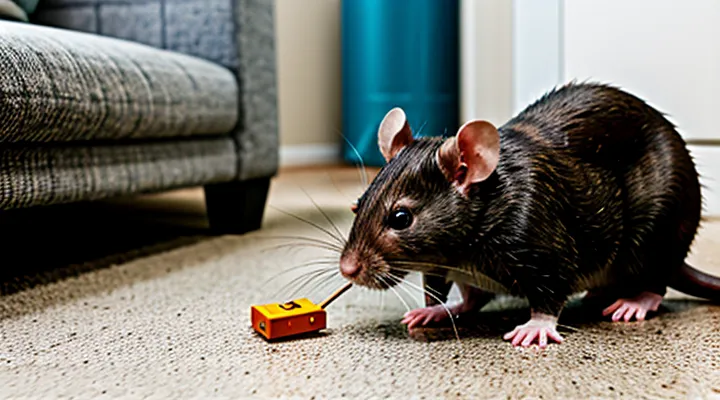
Understanding the Rat Problem in Apartments
Signs of Rat Infestation
Droppings and Urine Trails
Rodent droppings appear as small, dark, pellet‑shaped deposits, typically 0.5–1 cm in length, found along walls, under furniture, and near food sources. Urine trails manifest as faint, damp stains or a lingering ammonia odor, often concentrated in concealed corners, behind appliances, and in crawl spaces. Both signs indicate active foraging routes and territorial marking, providing direct evidence of infestation intensity and movement patterns.
Accurate identification of these indicators guides the strategic placement of repellents. Detecting droppings pinpoints high‑traffic zones where scent‑based deterrents or ultrasonic devices should be concentrated. Recognizing urine trails reveals scent‑marking pathways; disrupting these with enzymatic cleaners or targeted repellent sprays reduces the rats’ sense of ownership and encourages relocation.
Effective sanitation reduces attractants and enhances repellent efficacy. Follow a systematic cleaning protocol:
- Wear disposable gloves and a mask; avoid inhaling dust.
- Collect droppings with a damp paper towel; seal in a plastic bag.
- Apply an enzymatic cleaner to urine‑stained surfaces; allow the solution to remain for the manufacturer‑specified dwell time.
- Dispose of cleaning materials in a sealed container; wash hands thoroughly after removal.
Integrating cleaned environments with repellent methods maximizes control. After eliminating droppings and urine, deploy bait stations, natural scent repellents, or electronic deterrents in the previously marked zones. Continuous monitoring for new deposits confirms the persistence of the solution and informs timely adjustments to the repellent layout.
Gnaw Marks and Damage
Rats leave distinctive gnaw marks that indicate active infestation. The bite pattern is typically clean, with semicircular notches on the outer edge of the material. Chewed edges often show splintered fibers and a shallow groove that deepens with repeated activity. These signs appear on wood, plastic, drywall, and wiring, allowing early identification of problem areas.
Damage caused by chewing poses safety and financial risks. Common consequences include:
- Compromised structural integrity of cabinets, doors, and support beams.
- Exposed electrical conductors that can trigger short circuits or fire hazards.
- Punctured plumbing pipes leading to leaks and water damage.
- Loss of insulation efficiency, resulting in higher heating and cooling costs.
- Contamination of stored food and surfaces with urine and droppings, creating health concerns.
Recognizing gnaw marks promptly guides the selection of appropriate rat deterrent methods for apartment living. Products that target scent, sound, or tactile discomfort become effective only after the infestation’s scope is mapped through visible damage. Accurate assessment reduces unnecessary chemical use and focuses preventive measures on the most vulnerable points in the dwelling.
Strange Noises
Strange noises in a flat often signal rodent activity, and recognizing these sounds is essential for selecting appropriate deterrent measures. Scratching on walls or ceilings typically occurs at night when rats explore vertical pathways. High‑pitched squeaking, especially near concealed openings, indicates young or stressed individuals. Thumping or heavy footfall sounds from behind cabinets suggest larger rats moving through hidden chambers. Continuous rustling within insulation or ceiling tiles points to nesting behavior.
Identifying the source guides the choice of repellent strategy. For audible signs of active movement, ultrasonic devices positioned near the origin can disrupt communication and deter further intrusion. When scratching persists along structural joints, sealing gaps with steel wool and expanding foam eliminates travel routes, reducing noise generation. Persistent squeaking near entry points benefits from natural deterrents such as peppermint oil or ammonia‑based sprays applied to door thresholds and vent grates. Heavy thumping noises often accompany established colonies; in such cases, bait stations containing anticoagulant blocks, placed away from food preparation areas, provide a definitive reduction method.
Monitoring noise patterns after implementing these actions confirms efficacy. A decline in scratching and squeaking within 48 hours suggests successful blockage of pathways. Continued thumping may require additional bait placement or professional extermination. Regular auditory inspections, combined with targeted repellents, maintain a quiet living environment and prevent rat infestations from escalating.
Why Rats Choose Apartments
Food Sources
Rats enter apartments primarily to access food. Common attractants include uncovered trash cans, open pantry bags, pet food left out overnight, compost containers on balconies, and residue on countertops or floors. Even small crumbs provide enough nutrition for a rodent population to establish a foothold.
Eliminating these sources requires airtight storage, prompt waste removal, and rigorous surface cleaning. Specific measures are:
- Store dry goods in sealed, rigid containers; avoid cardboard boxes that rats can gnaw through.
- Keep pet feeding stations empty after each meal; use metal bowls that can be washed daily.
- Transfer kitchen waste to a sealed bin with a tight‑fit lid; empty the bin before it fills.
- Sweep and mop countertops, floors, and appliances after every cooking session; wipe up spills immediately.
- Freeze bulk purchases for long‑term storage; thaw only the portion needed for immediate use.
Consistent application of these practices removes the nutritional incentive that underlies rat infestations, thereby enhancing the overall effectiveness of any repellent strategy employed in an apartment setting.
Shelter and Warmth
Rats seek out apartments that provide reliable shelter and consistent warmth. Unsealed gaps under doors, cracked walls, and attic access points create hidden refuges where rodents can nest undisturbed. Heat generated by appliances, radiators, or poorly insulated rooms maintains a temperature that supports breeding cycles and accelerates population growth. Eliminating these conditions reduces the attractiveness of a dwelling to rats and enhances the efficacy of any repellent strategy.
- Seal all openings larger than ¼ inch with steel wool, caulk, or metal flashing.
- Install door sweeps and weather stripping to block entry beneath entryways.
- Repair cracked plaster, drywall, and damaged flooring to remove concealed cavities.
- Insulate exposed pipes and ducts to prevent heat loss that creates localized warm zones.
- Relocate pet bedding, stored fabrics, and cardboard boxes away from walls; store them in sealed containers.
By removing structural shelters and minimizing heat sources, the environment becomes inhospitable to rodents, allowing chemical or ultrasonic deterrents to function without competing with favorable habitat features. This integrated approach streamlines pest management in multi‑unit residences.
Access Points
Identifying and sealing access points is the first step in any rat control strategy for apartment dwellings. Rats exploit any opening larger than a quarter of an inch, using gaps around pipes, vents, and structural joints to move between exterior and interior spaces. Regular inspection of the building envelope reveals these vulnerabilities before they become active pathways.
Typical entry routes include:
- Gaps around utility penetrations (water, gas, electrical lines)
- Uncapped vent openings and exhaust fans
- Cracks in foundation walls, floor joists, and stairwells
- Openings beneath sliding doors and window frames
- Damaged or missing weatherstripping and door sweeps
Sealing methods must match the material and location of each opening. Expandable polyurethane foam works well for irregular gaps, while cement mortar or steel mesh provides durable coverage for larger structural cracks. Metal flashing and silicone sealant secure pipe sleeves and vent flues. Installing brush strips or door sweeps on all entry doors eliminates the low‑profile gaps rats use to crawl under.
Maintenance routines reinforce the barrier. Schedule quarterly visual checks of sealed areas, reapply sealant where wear appears, and ensure that trash containers have tight-fitting lids. Promptly repair any damage caused by building settlement or pest activity to prevent re‑establishment of access routes.
By eliminating all viable entry points, the effectiveness of chemical or ultrasonic repellents increases dramatically, as rats are forced to encounter the deterrent devices directly rather than bypassing them through hidden passages.
Types of Effective Rat Repellents
Natural and DIY Repellents
Peppermint Oil and Other Essential Oils
Peppermint oil deters rats by overwhelming their sensitive olfactory receptors with a strong menthol scent. When applied to entry points, baseboards, and hidden corners, the oil creates an environment rats find hostile, prompting them to avoid treated areas. A typical concentration of 10‑15 % peppermint essential oil diluted in water or a carrier such as almond oil provides sufficient potency without leaving excessive residue.
Effective deployment includes:
- Spraying a diluted solution on door thresholds, window sills, and behind appliances.
- Soaking cotton balls in undiluted oil and placing them in concealed spaces, replacing them weekly.
- Using a timed diffuser in rooms where rat activity is suspected, ensuring ventilation to prevent buildup.
Other essential oils with documented repellent properties include:
- Eucalyptus – high‑cineole content disrupts rat scent trails.
- Citronella – strong citrus aroma masks food odors and irritates respiratory pathways.
- Clove – eugenol component acts as a neurotoxic irritant for rodents.
- Lavender – linalool interferes with rat pheromone communication.
When combining oils, maintain a total concentration below 20 % to avoid damage to painted surfaces and furniture. Conduct a spot test on inconspicuous areas before full application. Avoid use near food preparation zones and ensure pets are not exposed to undiluted oils, as some compounds can be toxic.
Regular monitoring of treated zones, coupled with proper sanitation—sealed waste containers, eliminated food sources, and repaired structural gaps—enhances the overall effectiveness of essential‑oil based rat deterrence in multi‑unit dwellings.
Cayenne Pepper and Spicy Ingredients
Cayenne pepper and other pungent ingredients deter rodents by irritating their sensory receptors. Capsaicin, the active compound in cayenne, triggers a strong burning sensation when rats contact treated surfaces, prompting avoidance of the area.
Application methods:
- Sprinkle a thin layer of cayenne powder along baseboards, behind appliances, and in entry points. Reapply after cleaning or when moisture reduces potency.
- Mix cayenne with powdered garlic and black pepper, then dust the blend onto wooden blocks or cardboard pieces placed near suspected pathways.
- Prepare a spray by dissolving a tablespoon of hot sauce in a cup of water, adding a few drops of dish‑soap, and misting cracks and crevices. Reapply weekly.
Safety considerations:
- Wear gloves and a mask to prevent skin and respiratory irritation.
- Keep treated areas inaccessible to children and pets; capsaicin can cause severe discomfort if ingested.
- Avoid use on food‑preparation surfaces; label treated zones clearly.
Effectiveness factors:
- High concentration of capsaicin yields faster deterrence; low‑grade powders may require larger amounts.
- Moist environments diminish potency; dry, well‑ventilated spaces preserve the irritant effect longer.
- Rats may habituate to weak concentrations; rotating between cayenne, chili powder, and mustard seed maintains aversion.
Additional spicy agents:
- Chili powder provides similar capsaicin levels with a finer texture for hard‑to‑reach gaps.
- Ground mustard seeds release allyl isothiocyanate, a volatile irritant effective in enclosed cavities.
- Horseradish powder delivers a rapid, pungent scent that discourages gnawing activity.
Integrating these ingredients into a comprehensive rodent‑control plan—combined with sealing entry points and eliminating food sources—enhances the likelihood of long‑term exclusion in apartment settings.
Ammonia and Bleach (Cautionary Use)
Ammonia and bleach are sometimes suggested as improvised rodent deterrents in residential units. Both chemicals emit strong, irritating vapors that can discourage rats from entering confined spaces. Ammonia’s pungent odor mimics the scent of urine from predatory animals, while bleach releases chlorine gas that irritates the respiratory system of mammals.
Effectiveness is limited to short‑term exposure. Rats quickly habituate to low concentrations, and the vapors dissipate within hours, leaving no lasting barrier. Moreover, the chemicals do not address underlying attractants such as food residues or shelter, so they should not replace comprehensive control measures.
Cautionary use requires strict adherence to safety protocols:
- Apply only in well‑ventilated areas; open windows and use fans to disperse fumes.
- Wear gloves, goggles, and a respirator rated for chemical vapors.
- Keep solutions away from children, pets, and food preparation surfaces.
- Do not mix ammonia with bleach; the reaction produces toxic chloramine gases.
- Store containers tightly sealed and label them clearly to prevent accidental misuse.
Because of health hazards and limited deterrent duration, ammonia and bleach are best regarded as temporary, supplemental tools rather than primary solutions for rodent management in apartments. Safer, more durable options—such as sealed food storage, regular waste removal, and approved bait stations—provide lasting protection without the risks associated with these chemicals.
Steel Wool and Caulk for Sealing
Sealing gaps eliminates the most common routes rats use to enter an apartment. Steel wool, when tightly packed into holes, creates a barrier that rodents cannot chew through. Caulk applied over the steel wool locks the material in place and adds a smooth, airtight finish.
- Choose a gauge of steel wool that fits snugly into the opening.
- Insert the wool until it fills the gap completely, leaving no exposed space.
- Apply a generous bead of silicone or acrylic caulk over the wool, smoothing it with a finger or tool.
- Allow the caulk to cure according to the manufacturer’s instructions before exposing the area to moisture or cleaning.
Regular inspection of sealed points prevents deterioration; reapply caulk if cracks appear. Combining steel wool with caulk provides a durable, low‑maintenance solution that significantly reduces the likelihood of rat intrusion in residential units.
Commercial Repellent Products
Ultrasonic Devices
Ultrasonic devices emit high‑frequency sound waves that rodents cannot hear but find uncomfortable. The emitted frequencies typically range from 20 kHz to 65 kHz, creating a hostile acoustic environment that discourages rats from entering or remaining in a living space.
Key characteristics to evaluate when choosing an ultrasonic rat deterrent for an apartment:
- Frequency range: Broader spectra cover more rodent hearing sensitivities, increasing deterrence.
- Coverage area: Measured in square meters; select a unit that matches the size of the target room or install multiple devices for larger apartments.
- Power source: Plug‑in models provide continuous operation, while battery‑powered units offer flexibility for placement but require regular replacement.
- Adjustable settings: Ability to vary frequency or cycle intervals reduces the risk of rodents habituating to a constant tone.
- Safety certifications: Look for CE, UL, or FCC markings to ensure electromagnetic compliance and minimal interference with other electronics.
Effectiveness depends on proper placement. Devices should be positioned at ceiling height, away from walls and furniture that could block sound waves. Overlapping coverage zones eliminate dead spots where rats might find refuge. Regularly rotate units or adjust frequencies every few weeks to prevent acclimation.
Limitations include reduced impact on adult rats that have already established burrows, and diminished performance in heavily insulated or sound‑proofed rooms. Ultrasonic devices do not eliminate existing infestations; they function best as part of an integrated pest‑management plan that includes sealing entry points and maintaining cleanliness.
Maintenance requires periodic cleaning of the speaker grille to prevent dust accumulation, which can attenuate sound output. Battery‑operated models should be inspected monthly for voltage loss. Firmware updates, when available, may improve frequency algorithms and should be applied according to manufacturer instructions.
In summary, ultrasonic repellents provide a non‑chemical, silent method to deter rats in multi‑unit dwellings. Selecting units with appropriate frequency range, coverage, and safety certifications, installing them correctly, and integrating them with structural exclusion measures maximizes their contribution to rodent control in apartments.
Scent-Based Repellents
Scent-based repellents rely on odors that rats find intolerable, creating an inhospitable environment within living spaces. Commonly used aromas include peppermint oil, eucalyptus, cinnamon, and clove. These substances interfere with the rodents’ olfactory receptors, prompting avoidance behavior.
- Peppermint oil: Apply a few drops to cotton balls and place them in concealed corners, behind appliances, and near entry points. Replace every 2–3 days to maintain potency.
- Eucalyptus oil: Mix with water in a spray bottle; mist along baseboards, under sinks, and around garbage containers. Reapply weekly or after cleaning.
- Cinnamon and clove powders: Sprinkle thin layers in crevices, pantry shelves, and around pipe openings. Refresh when the scent fades, typically after a week.
- Citronella: Use scented candles or plug‑in diffusers in rooms where rodent activity is suspected. Ensure ventilation to prevent buildup of strong odors.
Effectiveness depends on consistent application and coverage of all potential pathways. Scent repellents do not eliminate established infestations; they are most successful as preventive measures or when combined with traps and sanitation practices. Regular monitoring for signs of activity—droppings, gnaw marks, or urine odor—helps adjust placement and frequency of scent treatments.
Electronic Repellents
Electronic rat repellents rely on emitted signals that disrupt rodent nervous systems, deterring entry and activity within living spaces. Ultrasonic devices produce high‑frequency sound waves beyond human hearing, while electromagnetic units generate low‑frequency fields that interfere with rats’ sensory perception. Both technologies claim non‑chemical, silent operation suitable for confined dwellings.
Effectiveness depends on several factors. Proper placement is critical: devices must be positioned at least 30 cm from walls, furniture, or other obstacles that block signal propagation. Coverage area varies by model; manufacturers typically list a square‑meter radius, but real‑world performance often declines near corners or behind solid barriers. Continuous operation is required; intermittent use reduces deterrent impact.
Key considerations when selecting an electronic solution:
- Frequency range: ultrasonic models usually operate between 20 kHz and 70 kHz; higher frequencies may affect smaller pests but have limited reach.
- Power source: plug‑in units ensure constant output, whereas battery‑powered options offer flexibility but may experience signal loss as voltage drops.
- Safety certifications: look for UL, CE, or equivalent marks to confirm compliance with electromagnetic emission standards.
- User feedback: independent reviews provide insight into durability and long‑term efficacy.
Advantages:
- No toxic chemicals, protecting residents and pets.
- Quiet operation, preserving indoor comfort.
- Easy installation, requiring only a power outlet.
Limitations:
- Signal attenuation through dense materials reduces effectiveness in multi‑room layouts.
- Some rodent populations may habituate, diminishing deterrence over time.
- Lack of standardized testing makes comparative performance data scarce.
For optimal results, combine electronic devices with complementary measures such as sealing entry points, maintaining cleanliness, and employing physical traps. This integrated approach maximizes deterrent pressure while minimizing reliance on any single method.
Trapping Methods
Snap Traps
Snap traps provide a rapid, humane method for eliminating rats in apartment settings. The device consists of a spring‑loaded bar that delivers a lethal strike when the rodent triggers a baited latch. Because the mechanism kills instantly, there is no prolonged suffering, and the risk of disease transmission is minimized.
Key characteristics that make snap traps suitable for multi‑unit dwellings include:
- Compact size fits under cabinets, behind appliances, and in wall voids.
- No electrical power required; operation continues during outages.
- Low purchase cost and reusable components reduce long‑term expense.
- Immediate visual confirmation of capture simplifies monitoring.
Effective deployment follows a systematic approach:
- Identify active pathways: run inspections along baseboards, plumbing stacks, and utility penetrations to locate gnaw marks and droppings.
- Position traps perpendicular to travel routes, with the trigger side facing the expected direction of approach.
- Use high‑protein bait such as peanut butter, dried fruit, or canned meat, applied sparingly to avoid contaminating surfaces.
- Secure traps on stable platforms to prevent displacement by foot traffic or cleaning activities.
- Check traps daily; dispose of captured rodents in sealed bags and reset with fresh bait.
Safety considerations are essential in occupied buildings. Select traps with enclosed trigger mechanisms to reduce accidental activation by children or pets. Wear disposable gloves when handling captured rodents and disinfect the trap surface with a bleach solution before reuse.
Regulatory compliance varies by jurisdiction, but most residential codes permit snap traps without special permits. Landlords should document trap placement and removal dates to demonstrate adherence to pest‑control policies and to address tenant inquiries.
When integrated with sanitation measures—such as sealing food containers, repairing leaks, and eliminating clutter—snap traps become a core component of an apartment‑focused rat management program. Their immediacy, affordability, and ease of use support rapid population reduction while limiting exposure to chemical repellents.
Glue Traps
Glue traps are a passive method for capturing rats in residential units. The adhesive surface immobilizes rodents that step onto the board, allowing for immediate identification and removal.
Key characteristics include:
- Mechanism: A non‑toxic, high‑strength glue adheres to the rat’s paws and tail, preventing escape.
- Placement: Position traps along walls, behind appliances, and near suspected entry points where rats travel close to surfaces.
- Effectiveness: Success rates rise when traps are spaced 1–2 feet apart in high‑traffic zones.
- Safety: Traps pose minimal risk to humans but can harm non‑target pets; locate them out of reach of cats and dogs.
- Disposal: Encapsulated traps should be sealed in a plastic bag and discarded according to local waste regulations to avoid accidental exposure.
Advantages of glue traps:
- No chemicals, eliminating concerns about residue or inhalation hazards.
- Low cost, enabling coverage of multiple locations without significant expense.
- Immediate visual confirmation of capture, facilitating rapid response.
Limitations:
- Captured rats may suffer prolonged distress before death, raising ethical considerations.
- Traps do not prevent new infestations; they address only existing individuals.
- Moisture or dust can degrade adhesive performance, requiring regular inspection.
Best practices for integrating glue traps into an apartment‑wide rat control plan:
- Conduct a thorough inspection to locate activity hotspots.
- Deploy traps in identified areas, ensuring each is anchored securely to a flat surface.
- Monitor traps daily; replace any that have lost tackiness or contain a capture.
- Combine glue traps with exclusion measures such as sealing cracks, installing door sweeps, and maintaining cleanliness to reduce attractants.
When used correctly, glue traps contribute to a comprehensive strategy for managing rat problems in multi‑unit dwellings, offering a quick, chemical‑free solution while complementing preventive actions.
Live Traps
Live traps provide a humane option for managing rat infestations in multi‑unit dwellings. The devices capture rodents without killing them, allowing residents to relocate the animals away from the building.
The trap consists of a concealed compartment with a trigger mechanism. When a rat enters to reach bait, the door snaps shut, preventing escape. Models vary from simple wooden cages to plastic cages equipped with spring‑loaded doors and transparent walls for easy monitoring.
Effective placement follows three principles: locate traps along walls, near known runways, and close to food sources; position them at ground level or slightly above, matching the rat’s typical travel height; avoid areas with high human traffic to reduce accidental closures. A minimum of one trap per 100 sq ft of infested space yields consistent capture rates.
Regular maintenance ensures trap efficacy. Check traps at least twice daily; remove captured rats promptly, wearing gloves and following local wildlife‑relocation regulations. Clean and disinfect cages after each use to prevent disease transmission and scent buildup that could deter further captures.
Pros and cons guide selection:
- Pros: humane capture, no poison residues, immediate verification of activity, suitability for tenants with health concerns.
- Cons: requires ongoing monitoring, potential for repeated releases if relocation sites are unsuitable, limited capacity for large infestations.
Integrating live traps with exclusion measures—sealing entry points, removing food sources, and maintaining cleanliness—creates a comprehensive strategy for rat control in apartments. This layered approach reduces population pressure while adhering to safety and ethical standards.
Implementing Repellent Strategies
Apartment-Wide Prevention
Sealing Entry Points
Sealing entry points removes the most reliable pathway for rats to access an apartment, directly reducing the likelihood of infestation. Identify gaps larger than a quarter‑inch in walls, floors, ceilings, and around utilities; these dimensions accommodate adult rodents and allow juveniles to follow.
- Inspect exterior walls for cracks, damaged siding, and gaps around vents; fill with cement‑based mortar or expanding foam.
- Close openings around pipes, cables, and plumbing stacks using steel wool wrapped in caulk or purpose‑made pipe sealants.
- Repair gaps beneath doors and windows with weatherstripping or door sweeps; ensure thresholds sit flush with the floor.
- Seal holes surrounding HVAC ducts and exhaust fans with metal mesh and silicone sealant to prevent chewing.
- Apply rodent‑resistant materials, such as copper mesh, to larger openings that cannot be completely closed, creating a barrier that rats cannot gnaw through.
Regularly reassess sealed areas after renovations, moving furniture, or seasonal changes. Prompt repair of new cracks maintains the integrity of the barrier and supports long‑term rodent deterrence in apartment settings.
Proper Food Storage
Proper food storage eliminates the primary attractant that draws rodents into apartment units. When edible waste is sealed and inaccessible, rats lose the incentive to explore walls, cabinets, and hidden corners.
Key practices for securing food:
- Store dry goods in containers with lockable lids made of plastic or metal; verify that seals remain intact after each use.
- Keep perishable items refrigerated or frozen; discard spoiled products promptly.
- Transfer leftovers to sealed containers before placing them in the trash; use bins equipped with tight‑fitting lids.
- Clean spills and crumbs immediately; wipe countertops, floors, and appliance surfaces after meals.
- Rotate pantry stock regularly; place newer items behind older ones to prevent expiration and subsequent decay.
Consistent application of these measures reduces the scent trails and visual cues that rats follow, thereby strengthening the overall effectiveness of rodent deterrent strategies in residential settings.
Waste Management
Effective waste handling directly reduces rat attraction in residential units. Proper disposal practices limit food sources, limit shelter opportunities, and lower population growth rates.
Key actions include:
- Seal all trash containers with tight‑fitting lids; replace damaged lids promptly.
- Empty indoor bins daily, especially those containing organic waste.
- Store compostable material in a separate, airtight container until it can be removed from the building.
- Keep garbage collection areas clean; sweep debris and rinse containers to eliminate residual odors.
- Use designated recycling bins to separate paper, plastic, and metal, preventing accidental food residue accumulation.
Additional measures reinforce these basics:
- Install motion‑activated lights or ultrasonic devices near waste zones to deter nocturnal foraging.
- Conduct monthly inspections of storage closets, pantry shelves, and behind appliances for hidden food scraps.
- Educate occupants on the importance of immediate spill cleanup and proper food packaging disposal.
When waste management aligns with other rat deterrent methods—such as sealing entry points and maintaining clutter‑free interiors—the overall effectiveness of pest control in apartments improves markedly.
Targeted Repellent Application
Kitchen and Pantry Areas
Rats are attracted to food residues, crumbs, and unsecured storage, making kitchens and pantries the most vulnerable zones in a residential unit. Maintaining a barrier between rodents and consumables requires strict sanitation, structural sealing, and targeted deterrents.
- Eliminate all visible food waste; dispose of trash nightly in sealed bags.
- Store dry goods in airtight containers made of glass, metal, or heavy‑wall plastic.
- Wipe countertops and shelves after each use; avoid standing water in sinks or drip trays.
- Inspect cabinets, baseboards, and wall voids for gaps larger than ¼ inch; seal openings with steel wool combined with expanding foam or silicone caulk.
- Apply non‑toxic rodent repellent pads or sprays containing peppermint oil, capsaicin, or clove extract to the interior surfaces of cabinets and under pantry shelves; reapply according to manufacturer guidance.
- Position snap traps or electronic kill devices along the perimeter of the kitchen, especially near entry points identified during inspection; use bait that mimics typical pantry items (e.g., peanut butter, dried fruit) for maximum efficacy.
- Install motion‑activated ultrasonic emitters at ceiling height; verify that devices cover the full length of the pantry aisle and do not interfere with household electronics.
Implementing these measures creates a hostile environment for rats while preserving food safety and hygiene standards in apartment kitchens and pantry spaces.
Under Sinks and Appliances
Rats frequently seek refuge beneath kitchen and bathroom sinks and behind appliances because these locations provide moisture, food particles, and concealed pathways. The confined spaces make it difficult to detect activity until damage appears.
Sealing entry points eliminates the most common access routes. Use steel wool or copper mesh to fill gaps around pipe penetrations, then apply a silicone-based sealant for a durable barrier. Install tight-fitting door sweeps on cabinets that house appliances to prevent rodents from slipping through.
- Rodent‑deterrent sprays: Apply a commercially formulated, non‑toxic spray to the underside of sink cabinets and the rear of refrigerators. Reapply every two weeks or after cleaning.
- Ultrasonic emitters: Place a compact unit on the floor beneath the sink or behind the dishwasher. Devices should emit frequencies above 20 kHz; verify that the model covers the full square footage of the area.
- Peppermint oil pads: Soak cotton pads with peppermint oil and tuck them into the gaps between appliance legs and the wall. Replace pads every ten days to maintain potency.
- Boric acid powder: Lightly dust a thin layer along the base of the sink cabinet and the floor crawl space behind the stove. Keep the powder away from food surfaces and children.
Regular cleaning removes food residues that attract rodents. Wipe the underside of sinks, clean drip pans, and vacuum the floor behind appliances weekly. Inspect seals and deterrent devices monthly; replace worn components promptly to sustain an effective barrier.
Basements and Storage Areas
Rats exploit the low‑traffic, damp conditions of basements and storage spaces, making these areas critical for any apartment‑wide rodent‑deterrent plan. Their presence often stems from easy access points, abundant food residues, and clutter that offers shelter. Effective control therefore requires sealing entryways, eliminating attractants, and deploying proven repellents directly where activity concentrates.
- Seal cracks, gaps around utility lines, and foundation walls with steel wool followed by caulk or expanding foam.
- Install door sweeps on basement entry doors; ensure they close tightly against the floor.
- Store food in airtight containers; discard packaging promptly.
- Keep stored items off the floor, using pallets or shelving to improve airflow and reduce hiding spots.
- Apply ultrasonic repellent units at ceiling height, covering the entire basement length; replace batteries annually.
- Place sealed bait stations with anticoagulant or non‑chemical attractants in corners, away from human traffic, and monitor weekly.
- Use natural deterrents such as peppermint oil‑infused cotton balls or sachets of dried cloves, refreshed every two weeks, to complement mechanical methods.
Regular inspections should focus on signs of gnawing, droppings, and burrows. Document findings, repair any new openings immediately, and rotate repellent devices to prevent habituation. Integrating these measures creates a hostile environment for rodents while preserving the functional use of basement and storage zones within the apartment complex.
Safety and Best Practices
Pet and Child Safety
Non-Toxic Options
Rats in multi‑unit residences require control methods that do not compromise indoor air quality or pose risks to children and pets. Non‑toxic solutions meet building codes, lease agreements, and health standards while deterring rodent activity.
- Ultrasonic emitters: generate high‑frequency sound waves intolerable to rodents; install near walls, cabinets, and entry points.
- Peppermint oil preparations: apply diluted oil on cotton balls or spray around gaps; strong scent disrupts rat sensory pathways.
- Capsaicin‑based powders: sprinkle cayenne or chili powder in concealed crevices; irritation discourages movement.
- Humane live traps: capture individuals without poison; release at least five miles from the building to prevent re‑infestation.
- Sealing gaps: use steel wool and caulk to close holes around pipes, vents, and baseboards; eliminates primary access routes.
- Electronic motion sensors with flashing LEDs: activate deterrent lights when movement detected; visual stimulus deters nocturnal activity.
- Food‑grade deterrent gels: apply bitter‑tasting gel on surfaces where rats travel; reduces foraging behavior.
Effective deployment combines several tactics. Position ultrasonic units in each room, focus oil or powder applications at known travel corridors, and reinforce structural barriers. Inspect seals quarterly and replace deterrent materials as they lose potency. Monitor trap captures weekly to assess population decline and adjust placement accordingly.
When executed consistently, these non‑chemical measures achieve sustained reduction of rodent presence without introducing hazardous substances into the living environment.
Placement of Repellents
Place repellents at every potential entry point. Seal gaps around pipes, vents, and door frames, then position a repellent device directly adjacent to each opening. Install units along interior walls, preferably within 12‑18 inches of the floor, where rodents travel close to surfaces. Position additional units behind appliances such as refrigerators and stoves, where food residues attract activity. Locate repellents in corners of rooms, especially near cabinets, pantry shelves, and trash receptacles. In multi‑level apartments, mount devices in basement crawl spaces, attic hatches, and utility closets. Ensure each unit is unobstructed; furniture, cords, or décor should not block the emitted signal. Space devices evenly, maintaining a minimum of 8 ft between units to prevent overlap and maximize coverage. Rotate placement every 3–4 months to prevent habituation, moving units to alternate walls or corners while preserving the strategic positions listed above.
Combining Repellent Methods
Integrated Pest Management
Integrated Pest Management (IPM) provides a structured framework for reducing rat activity in multi‑unit dwellings while minimizing reliance on toxic chemicals. The approach combines several complementary actions that together create an environment hostile to rodents.
First, systematic monitoring establishes the presence and extent of infestation. Placement of snap traps, electronic detectors, or motion‑sensing cameras along known pathways yields data on population size, activity periods, and preferred routes. Records of captures guide subsequent interventions and allow verification of control efficacy.
Second, sanitation eliminates food and water sources that sustain rats. Residents must store dry goods in sealed containers, promptly dispose of garbage in tightly closed bins, and repair leaks that generate moisture. Regular inspection of pantry shelves, refrigerator seals, and bathroom fixtures reduces attractants that encourage colonization.
Third, exclusion blocks entry points. Inspection of walls, floors, utility shafts, and vent openings identifies gaps as small as ¼ inch. Application of steel wool, cement, or copper mesh, followed by caulking or metal flashing, creates a physical barrier. Door sweeps and weatherstripping on exterior doors further limit ingress.
Fourth, mechanical control targets existing rodents. Placement of snap traps, live‑catch traps, or multi‑catch devices in concealed locations—behind appliances, within wall voids, or near waste chutes—provides immediate reduction. Bait selection should favor high‑protein attractants such as peanut butter or dried fish, avoiding scented lures that lose potency in cluttered environments.
Fifth, targeted chemical use serves as a supplemental measure when other tactics prove insufficient. Low‑dose rodenticides, applied in tamper‑proof stations, restrict exposure to non‑target occupants and pets. Integration with monitoring ensures that chemical deployment corresponds to verified activity zones, reducing overall pesticide load.
Finally, continuous evaluation maintains long‑term success. Monthly review of trap counts, sanitation compliance, and structural repairs identifies resurgence early. Adjustments to the IPM plan—such as reinforcing new cracks or rotating trap locations—prevent population rebound.
By adhering to these six components—monitoring, sanitation, exclusion, mechanical control, judicious chemical use, and ongoing assessment—apartment managers can implement a comprehensive rat management program that aligns with public health standards and reduces reliance on hazardous substances.
Long-Term Solutions
Effective, lasting rat control in residential units relies on structural, behavioral, and chemical measures that prevent re‑infestation. The first priority is exclusion: seal cracks, gaps around pipes, vents, and utility penetrations with steel wool, metal flashing, or silicone‑based sealants. Install door sweeps and repair damaged window screens to eliminate entry points.
Maintain an environment unattractive to rodents by reducing food sources and shelter. Store dry goods in airtight containers, promptly clean spills, and keep garbage in sealed bins. Remove clutter, especially cardboard and fabric piles, which provide nesting habitats.
Implement integrated deterrent systems that combine passive and active components:
- Ultrasonic emitters placed in key rooms, calibrated to emit frequencies above 20 kHz; replace units every 2–3 years as efficacy declines.
- Electronic snap traps with high‑voltage discharge; position along walls where gnaw marks appear, check and reset weekly.
- Bait stations containing anticoagulant or bromethalin blocks; lockable designs prevent accidental exposure, replace according to manufacturer’s schedule.
- Rodent‑proof landscaping: trim tree branches away from the building, keep compost away from foundations, and maintain a clear perimeter of at least 30 cm.
Adopt a monitoring protocol: install motion‑sensing cameras or sticky boards near suspected pathways, record activity weekly, and adjust measures based on observed patterns. Document all interventions in a maintenance log to track effectiveness over months and years.
Finally, engage professional pest‑management services for periodic inspections, especially after construction work or seasonal changes. Certified technicians can conduct thorough assessments, apply targeted rodenticides where necessary, and certify compliance with local health regulations. This combination of exclusion, sanitation, technology, and expert oversight constitutes a sustainable strategy that minimizes rat presence in apartment settings for the long term.
When to Seek Professional Help
Persistent Infestations
Persistent rat problems in multi‑unit dwellings often stem from hidden entry points, abundant food sources, and inadequate sanitation. Cracks around pipes, gaps under doors, and unsealed utility openings allow rodents to move freely between units. Even when a single apartment receives treatment, neighboring spaces can reinfest the treated area within days if these pathways remain open.
Effective control requires a layered approach that combines exclusion, sanitation, and targeted repellents. Exclusion involves sealing all potential ingress with steel wool, caulk, or metal flashing; the material must resist gnawing. Sanitation eliminates attractants by storing food in airtight containers, promptly disposing of waste, and cleaning spills. Only after these measures are in place do repellents achieve lasting impact.
Key components of a reliable repellent regimen include:
- Ultrasonic devices placed in each room, set to operate continuously; verify that walls and doors do not block the sound waves.
- Natural deterrents such as peppermint oil or ammonia, applied to entry points and corners on a weekly schedule.
- Commercial rodent‑specific granules or sprays containing capsaicin or predator urine, applied along baseboards and behind appliances, re‑applied according to manufacturer guidelines.
Monitoring and maintenance are essential. Install motion‑activated traps to confirm activity levels, record sightings, and adjust the repellent schedule as needed. Conduct quarterly inspections of seals and replace any compromised material promptly. Consistent application of these practices prevents re‑establishment of colonies and reduces the likelihood of future outbreaks.
Large-Scale Problems
Rats thriving in high‑density residential blocks create challenges that extend beyond individual apartments. Population density accelerates spread, allowing a single breach to affect dozens of units within days. Shared ventilation and plumbing systems provide concealed pathways, making detection and localized treatment ineffective.
Mass deployment of repellents introduces additional concerns. Chemical formulations, when applied indiscriminately, can accumulate in common areas, posing health risks to vulnerable occupants such as children and the elderly. Persistent residues may also trigger allergic reactions or interfere with medical devices. Regulatory compliance becomes complex as building managers must balance pest control efficacy with local safety standards and environmental regulations.
Economic impact escalates when large‑scale interventions are required. Bulk purchasing of products reduces unit cost but increases upfront expenditure for property owners. Ongoing maintenance—regular reapplication, monitoring, and equipment calibration—adds recurring financial pressure. Failure to address the problem promptly often results in structural damage, increased utility consumption, and higher insurance premiums.
Coordination among tenants, landlords, and service providers is essential for consistent coverage. Misaligned schedules, varied acceptance of chemical methods, and inconsistent reporting undermine collective effort, allowing pockets of infestation to persist and repopulate treated zones.
Key large‑scale problems:
- Rapid infestation propagation through shared infrastructure
- Health hazards from cumulative chemical exposure in common spaces
- Compliance with diverse safety and environmental statutes
- Significant capital outlay and ongoing operational costs
- Necessity for synchronized actions among multiple stakeholders
Understanding these systemic issues informs the selection and implementation of rat control strategies that remain effective across entire residential complexes.