
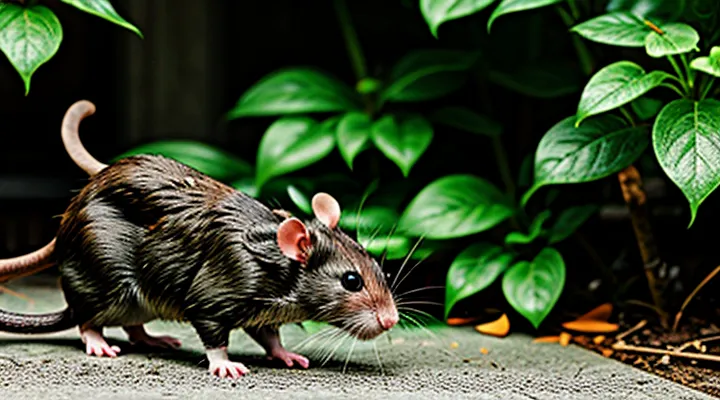
Understanding the Challenges of Rat Control in Open Areas
Identifying Common Rat Species in Open Environments
Rats that thrive in open environments differ in morphology, behavior, and geographic distribution, making accurate identification essential for targeted control measures.
The most prevalent species encountered in fields, parks, and agricultural settings include:
- Norwegian rat (Rattus norvegicus) – robust body, weight 300–500 g, short tail roughly equal to body length, coarse dark brown fur; prefers low‑lying vegetation and burrows near water sources.
- Roof rat (Rattus rattus) – slender build, weight 150–250 g, long tail exceeding body length, smooth blackish fur; occupies higher ground, climbs trees and fence posts, often found in orchards and riparian zones.
- Australian bush rat (Rattus fuscipes) – medium size, weight 120–250 g, dark gray to brown coat, moderately long tail; inhabits dense grasslands and shrublands, creates shallow surface nests.
Key identification criteria are:
- Body proportion – compare tail length to head‑body length; a tail shorter than the body suggests R. norvegicus, while a tail longer than the body points to R. rattus.
- Fur texture and color – coarse, brown fur indicates R. norvegicus; sleek, darker fur indicates R. rattus; gray‑brown fur with a softer texture suggests R. fuscipes.
- Ear size and shape – larger, rounded ears are typical of R. rattus; smaller, less prominent ears belong to R. norvegicus.
Understanding these distinguishing features allows practitioners to select the most effective anticoagulant or bait formulation for the specific rat population present in open areas, thereby improving control outcomes while minimizing non‑target exposure.
Factors Affecting Poison Efficacy in Outdoor Settings
Environmental Impact on Bait Longevity
Environmental conditions dictate how long rodent toxic baits remain effective in exposed settings. Temperature fluctuations accelerate chemical breakdown; high heat increases volatilization of active ingredients, while low temperatures slow degradation but may cause crystallization that reduces palatability. Humidity influences moisture absorption, leading to clumping or dissolution of bait matrices, which diminishes dose consistency.
Ultraviolet radiation from sunlight catalyzes photolysis of many anticoagulants and neurotoxins, shortening usable life by up to 50 % after 48 hours of direct exposure. Precipitation—rain, snow, or dew—introduces water that dilutes or washes away bait, especially when placed on porous surfaces. Wind disperses fine particles, lowering bait density and increasing the risk of non‑target exposure.
Soil composition and pH affect bait stability when placed on the ground. Alkaline soils can neutralize acidic active compounds, while high organic content may bind toxins, reducing bioavailability. Seasonal vegetation growth can conceal bait, altering exposure to sunlight and moisture.
Key environmental factors affecting bait longevity:
- Ambient temperature extremes
- Relative humidity levels
- Direct sunlight and UV intensity
- Rainfall or moisture deposition
- Wind speed and direction
- Soil pH and organic matter content
- Vegetative cover density
Mitigation measures for prolonged efficacy:
- Use weather‑resistant formulations with UV‑absorbing additives.
- Apply protective coatings (e.g., wax or polymer shells) to limit moisture ingress.
- Deploy bait stations that shield contents from precipitation while allowing rodent entry.
- Schedule placement during periods of low forecasted rain and moderate temperatures.
- Select bait substrates with low absorbency to prevent clumping.
- Position baits under natural or artificial shade to reduce photodegradation.
- Rotate bait locations to avoid accumulation of degraded residues.
Implementing these strategies aligns bait performance with the demands of open environments, ensuring sustained rodent control while minimizing waste and environmental contamination.
Weather Conditions and Bait Degradation
Weather impacts bait performance in exposed settings. High temperatures accelerate chemical breakdown, reducing toxicity and causing rapid loss of attractant scent. Direct sunlight induces photodegradation of anticoagulant compounds, diminishing lethal potency. Heavy rain or moisture saturates dry baits, diluting active ingredients and promoting mold growth, which deters rats and shortens shelf life.
Key factors to consider:
- Temperature: Select formulations with heat‑stable carriers; store in insulated containers; replenish baits during peak heat periods.
- UV exposure: Use opaque or UV‑blocking packaging; choose baits containing UV‑resistant pigments or encapsulated toxins.
- Moisture: Deploy water‑resistant bait stations; prefer gel or wax‑based baits that repel water; inspect for clumping after rain.
- Humidity: Opt for low‑moisture granules; monitor for fungal contamination in high‑humidity zones.
Effective management requires aligning bait choice with local climate patterns. In regions with frequent precipitation, schedule bait placement after dry intervals and rotate to fresh stock weekly. In hot, sunny areas, replace baits every 3–5 days to maintain potency. Regular inspection of stations ensures that degradation does not compromise control objectives.
Types of Effective Rat Poisons
Anticoagulant Rodenticides
First-Generation Anticoagulants («FGARs»)
First‑generation anticoagulant rodenticides (FGARs) comprise warfarin, chlorophacinone, diphacinone, and coumatetralyl. They inhibit vitamin K epoxide reductase, preventing blood clotting and causing fatal internal hemorrhage after a single lethal dose.
In open environments, FGARs achieve high control rates because rodents readily consume bait placed on the ground or in low‑profile stations. Single‑dose formulations reduce the need for repeated applications, lowering labor costs.
Resistance to warfarin emerged in several urban and agricultural populations. Cross‑resistance to other FGARs is documented but generally lower than to second‑generation compounds. Monitoring bait acceptance and mortality trends guides adjustments in product choice and dosage.
Effective deployment follows these practices:
- Distribute bait at a density of 0.5 kg per 100 m² in areas with visible activity.
- Position stations near runways, burrow entrances, and food sources.
- Apply bait during cooler periods to prevent rapid degradation.
- Rotate active ingredients quarterly to mitigate resistance buildup.
Safety considerations include secondary poisoning of predators and scavengers. Tamper‑resistant stations, biodegradable bait matrices, and compliance with local pesticide regulations reduce non‑target exposure. Personal protective equipment is required for handlers during mixing and placement.
FGARs remain a primary option for rat control in expansive, uncovered sites, offering reliable efficacy when applied with calibrated baiting strategies and resistance management protocols.
Second-Generation Anticoagulants («SGARs»)
Second‑generation anticoagulant rodenticides (SGARs) are synthetic compounds that inhibit vitamin K epoxide reductase, disrupting blood clotting and causing fatal hemorrhage in rats after a single ingestible dose. Their high potency and prolonged biological half‑life enable effective control in outdoor settings where repeated baiting is impractical.
Key characteristics include:
- Mode of action: irreversible blockage of vitamin K recycling, leading to cumulative toxicity after one feeding.
- Persistence: strong lipophilicity results in tissue accumulation, extending lethal effect for several days.
- Single‑dose efficacy: designed to kill target rodents without requiring multiple consumptions.
Common SGAR active ingredients:
- Brodifacoum – 0.0025 % to 0.005 % concentration, longest rodent‑kill period.
- Difethialone – 0.002 % to 0.005 % concentration, rapid onset of action.
- Bromadiolone – 0.025 % to 0.05 % concentration, balanced potency and safety.
- Difenacoum – 0.025 % to 0.05 % concentration, effective against resistant populations.
In open environments, SGARs maintain efficacy through:
- Bait stability: formulations resist weathering, allowing placement on ground or elevated platforms for weeks.
- Low bait shyness: palatable carriers mask bitter taste, encouraging consumption by wary rats.
- Reduced re‑baiting: prolonged lethality minimizes need for frequent reapplication.
Resistance management requires rotating active ingredients and integrating non‑chemical measures such as habitat modification and exclusion. Monitoring bait uptake and mortality rates helps detect early signs of reduced susceptibility.
Regulatory frameworks in many jurisdictions classify SGARs as restricted-use products. Users must adhere to label instructions, employ tamper‑resistant bait stations, and limit non‑target exposure. Proper disposal of unused bait and contaminated material prevents secondary poisoning of wildlife and domestic animals.
Non-Anticoagulant Rodenticides
Cholecalciferol
Cholecalciferol, a synthetic form of vitamin D₃, functions as a single‑dose anticoagulant rodenticide. Ingested by rats, it induces hypercalcemia, leading to cardiac arrest and death within 2–5 days. The delayed onset of mortality reduces bait avoidance, allowing consumption of the full dose.
For outdoor rat control, cholecalciferol offers several operational benefits:
- Stability: Resistant to UV degradation and moisture, maintaining potency in exposed conditions for months.
- Low secondary toxicity: Toxicity to non‑target wildlife and domestic animals remains modest when exposure is limited to small quantities.
- Regulatory acceptance: Approved in many jurisdictions for use in open fields, parks, and agricultural perimeters, provided label instructions are followed.
Effective deployment requires adherence to precise dosage guidelines. Typical formulations contain 0.05 %–0.1 % active ingredient, delivering a lethal dose of 0.5 mg kg⁻¹ body weight. Bait stations should be placed along runways, near water sources, and at the periphery of structures, spaced 30–50 m apart to maximize coverage. Regular monitoring of bait consumption and rat activity informs replenishment cycles and prevents over‑exposure.
Limitations include reduced attractiveness in cold weather, when rats favor high‑energy foods, and potential resistance development if used exclusively. Integrating cholecalciferol with habitat modification, exclusion techniques, and alternative toxicants mitigates these risks.
Safety protocols mandate personal protective equipment during handling, secure storage away from feed sources, and prompt removal of uneaten bait after the control period. Documentation of application dates, locations, and quantities supports compliance with environmental regulations.
Bromethalin
Bromethalin is a second‑generation, non‑anticoagulant rodenticide widely employed for controlling rats in open environments such as fields, parks, and industrial sites. The active ingredient disrupts mitochondrial oxidative phosphorylation, leading to gradual depletion of ATP and eventual central nervous system failure. This delayed action reduces the likelihood of bait aversion, as rats ingest the poison and return to the nest before symptoms appear.
Key characteristics for outdoor deployment include:
- High potency: effective at concentrations of 0.005 %–0.025 % in bait, providing lethal doses after a single ingestion.
- Broad spectrum: active against both Rattus norvegicus and Rattus rattus, with documented efficacy in populations resistant to anticoagulants.
- Stability: formulation tolerates temperature fluctuations and UV exposure, maintaining toxicity for several weeks when placed in weather‑resistant stations.
- Low secondary toxicity: mammals metabolize bromethalin poorly, and the compound exhibits limited bioaccumulation, though precautionary measures remain essential.
Application guidelines for open areas:
- Distribute bait in secure, weather‑proof stations spaced 30–50 m apart in high‑traffic corridors.
- Position stations away from food‑production zones, water sources, and non‑target wildlife habitats.
- Monitor stations weekly, replenishing bait to maintain consistent concentration.
- Record removal rates and adjust station density based on observed activity patterns.
Safety considerations demand the use of personal protective equipment during handling, proper labeling of stations, and adherence to local regulatory limits on total bromethalin quantity per hectare. Disposal of unused bait must follow hazardous waste protocols to prevent environmental contamination.
Overall, bromethalin delivers reliable, rapid control of rat populations in exposed settings while minimizing risks to non‑target species when applied according to best‑practice standards.
Bait Formulations and Application Strategies
Bait Stations for Open Areas
Tamper-Resistant Stations
Tamper‑resistant stations provide secure delivery of outdoor rodent control agents while preventing accidental exposure and unauthorized interference. The units are constructed from hardened polymer or metal housing, incorporate lockable access panels, and feature sealed bait compartments that remain closed unless opened with a calibrated key or combination lock. These design elements maintain bait potency by shielding it from rain, sunlight, and dust, which are common degradative factors in open environments.
Key characteristics of effective tamper‑resistant stations include:
- Weather‑sealed enclosures meeting IP‑66 standards
- Lock mechanisms compliant with ANSI B156.1 for restricted access
- Internal bait trays that lock in place, eliminating spillage during handling
- Integrated signage slots for clear, legally required warnings
- Modular construction allowing rapid replacement of depleted bait containers
Installation guidelines recommend mounting stations at least 3 feet above ground level on sturdy posts or walls, positioning them along established rodent pathways, and spacing units 100–150 feet apart to ensure coverage without overlapping territories. Routine inspection schedules should verify lock integrity, bait condition, and structural soundness, with maintenance performed quarterly or after severe weather events.
Weather-Resistant Stations
Weather‑resistant stations are essential for deploying rodent control agents in exposed environments. Durable housings protect bait from rain, snow, UV radiation, and temperature fluctuations, preserving toxicity and preventing premature degradation. Polyethylene or UV‑stabilized polypropylene enclosures resist cracking and warping, while sealed seams block moisture ingress.
Material selection influences longevity. High‑density polyethylene (HDPE) offers chemical inertness, reducing the risk of bait contamination. Powder‑coated steel frames provide structural strength without rusting, even after prolonged exposure to humidity. Gaskets made of silicone maintain airtight seals, preventing rodents from accessing bait through gaps.
Placement strategy maximizes efficacy. Stations should be positioned along established runways, near water sources, and at the periphery of open fields where rats forage. Elevating units 12–18 inches off the ground deters flooding and reduces interference from non‑target wildlife. Anchoring stations with ground spikes or concrete footings prevents displacement by wind or passing equipment.
Maintenance considerations include easy access panels, lockable doors, and modular components. Quick‑release latches allow field crews to replace bait without dismantling the entire unit, minimizing exposure time. Regular inspection intervals—weekly during wet seasons, bi‑weekly in dry periods—ensure seals remain intact and bait remains potent.
Key features of effective weather‑resistant stations:
- UV‑protected polymer or coated metal construction
- Silicone gasketed doors with tamper‑proof locks
- Elevated mounting brackets to avoid ground moisture
- Modular bait trays compatible with granular, pellet, and block formulations
- Integrated drainage channels to divert runoff
By combining robust materials, strategic placement, and streamlined servicing, weather‑resistant stations sustain rodent control performance across open, climate‑exposed sites.
Bait Placement Techniques
Perimeter Baiting
Perimeter baiting positions rodent toxicants along the outer boundary of a property to intercept rats before they enter structures. This method exploits the natural tendency of rats to travel along edges and concealment routes, increasing encounter rates with bait stations while limiting exposure of non‑target wildlife.
Key elements of an effective perimeter baiting program:
- Site selection – Identify natural travel corridors such as fence lines, drainage ditches, and vegetation strips. Place bait stations at intervals of 15‑20 m where rats are likely to pause.
- Bait formulation – Use anticoagulant or bromethalin products formulated for outdoor durability. Choose concentrations that deliver a lethal dose after a single feeding, reducing bait shyness.
- Station design – Employ weather‑proof, tamper‑resistant containers with a single entry hole sized for rats. Ensure the design prevents access by birds, pets, and other mammals.
- Placement height – Position stations 5‑10 cm above ground to align with rat foraging height and discourage ground‑dwelling non‑target species.
- Monitoring schedule – Inspect stations weekly for bait consumption, station integrity, and signs of non‑target activity. Replace depleted bait promptly to maintain continuous pressure.
- Integration with other tactics – Combine perimeter baiting with interior trapping, habitat modification, and exclusion measures to achieve comprehensive control across the site.
By concentrating toxicant delivery at the property’s edge, perimeter baiting maximizes mortality among invading rats while minimizing environmental impact. Consistent application of the outlined practices yields reliable reductions in rat populations across open‑area settings.
Burrow Baiting
Burrow baiting delivers toxicants directly into the subterranean network that rats use for shelter and movement, making it a practical approach for controlling populations across fields, orchards, and other exposed sites.
Effective implementation depends on selecting a poison that retains potency in damp soil, provides rapid anticoagulant action, and resists degradation from ultraviolet exposure. Common choices include second‑generation anticoagulants such as brodifacoum or difethialone, formulated in hardened blocks or gel matrices that withstand moisture and prevent premature disintegration.
Placement follows a systematic pattern: identify active burrow entrances, insert a bait station that shields the poison from rain and non‑target species, and position the toxicant 2–4 cm inside the tunnel to ensure consumption during nocturnal foraging. Stations should be anchored with weighted bases or buried anchors to avoid displacement by wind or livestock.
Dosage guidelines prescribe a single 0.025 g pellet per entrance for anticoagulants, with a maximum of 0.1 g per square meter to limit cumulative exposure. Baiting occurs in early evening when rats emerge, and stations are refreshed every 3–5 days until activity declines.
Safety measures include:
- Tamper‑resistant containers that lock automatically after bait insertion.
- Clear signage indicating the presence of toxicants.
- Exclusion of stations from areas frequented by wildlife, pets, or children.
Monitoring involves weekly inspection of stations for consumption, recording fresh gnaw marks, and counting fresh droppings near burrow mouths. A reduction of ≥70 % in these indicators within two weeks signals successful control; persistent activity warrants additional bait placement or alternative toxicants.
Burrow baiting, when executed with precise poison selection, protected stations, and disciplined monitoring, provides a reliable method for reducing rat numbers in open environments while minimizing risk to non‑target organisms.
Factors Influencing Bait Palatability
Attractants and Flavors
Attractants are the primary driver of bait acceptance in outdoor rodent control. Effective formulations combine a palatable base with specific flavor enhancers that stimulate feeding behavior in rats that forage over large, exposed surfaces.
Key attractant categories include:
- Grain‑derived components: wheat germ, cornmeal, and milled oats provide familiar carbohydrate sources that rats readily consume.
- Protein sources: dried fish meal, meat hydrolysate, and soy protein appeal to omnivorous instincts and increase bait attractiveness during cooler months.
- Fatty additives: rendered animal fat, peanut oil, and sunflower oil improve texture and release volatile cues that draw rats from a distance.
- Synthetic flavor enhancers: phenylacetyl chloride, methyl anthranilate, and certain amino‑acid derivatives mimic natural scents while remaining stable under UV exposure.
Flavor selection must align with environmental conditions. In warm, sunny areas, fats oxidize quickly; therefore, use antioxidants such as tocopherols or choose oil‑free protein blends. In damp climates, moisture‑resistant carriers like wheat flour or cellulose prevent bait clumping and maintain palatability.
Dosage guidelines recommend a bait concentration of 0.025 % to 0.05 % active ingredient, blended uniformly with attractants to ensure each pellet delivers a lethal dose when fully consumed. Uniform mixing prevents rats from detecting “dead zones” within the bait matrix.
Safety considerations dictate that attractants and flavors be non‑toxic to non‑target wildlife. Preference for plant‑derived proteins and inert carriers reduces secondary poisoning risks. Packaging in sealed, weather‑proof containers preserves potency and limits accidental exposure.
In summary, successful outdoor rodent control relies on a balanced combination of carbohydrate, protein, and fat attractants, complemented by stable synthetic flavors. Proper formulation, environmental adaptation, and precise dosing create bait that rats readily ingest across open spaces.
Resistance to Bait Shyness
Rats that have learned to avoid poisoned bait develop a physiological and behavioral tolerance known as bait‑shyness resistance. This condition reduces the efficacy of standard toxicants in outdoor settings where rats have frequent exposure to sub‑lethal doses.
Key contributors to resistance include repeated low‑dose ingestion, exposure to non‑target food sources, and genetic adaptations that enhance detoxification enzymes. Environmental factors such as abundant natural forage and high temperatures accelerate the avoidance response.
Effective countermeasures focus on formulation and deployment:
- Combine at least two active ingredients with different modes of action to prevent metabolic adaptation.
- Incorporate high‑palatability attractants (e.g., grain, fruit extracts) that mask the toxicant’s taste.
- Use delayed‑action compounds that allow consumption of a lethal dose before symptoms appear.
- Add anti‑shyness agents such as mild irritants that discourage selective feeding on non‑poisoned food.
Operational practices that sustain control include rotating toxicant classes every 4–6 weeks, employing pre‑baiting periods with non‑lethal attractants to establish trust, and positioning bait stations in concealed but accessible locations away from competing food sources. Regularly inspect bait stations for depletion and replace with fresh formulations to avoid habituation.
Continuous monitoring of capture rates and bait consumption patterns provides data to adjust rotation schedules and detect early signs of resistance. Prompt analysis of dead specimens confirms active ingredient effectiveness and informs future formulation choices.
Safety Considerations and Environmental Impact
Minimizing Risks to Non-Target Animals
Secondary Poisoning Prevention
Effective rodent control agents used in open environments present a risk that predators, scavengers, and domestic animals may consume poisoned rats and suffer secondary toxicity. Mitigating this risk requires precise application methods, product selection, and ongoing surveillance.
Primary measures include:
- Deploying tamper‑resistant bait stations that restrict access to target rodents while shielding non‑target species.
- Selecting anticoagulant formulations with low secondary toxicity, such as second‑generation compounds that exhibit rapid metabolism in mammals other than rats.
- Positioning bait stations away from water sources, feeding sites, and travel corridors used by wildlife.
- Using biodegradable bait matrices that disintegrate after consumption, reducing residual poison in the environment.
- Scheduling bait placement during periods of low predator activity, for example early morning or late evening, to limit incidental exposure.
Complementary actions involve:
- Conducting regular field inspections to detect non‑target mortality and adjust bait density accordingly.
- Maintaining detailed records of bait locations, quantities, and product identifiers to facilitate traceability.
- Coordinating with wildlife agencies to align control operations with local conservation guidelines.
Implementing these protocols minimizes secondary poisoning incidents while preserving the efficacy of rodent control efforts in open settings.
Use of Repellents
Repellents provide a non‑lethal component of rodent management in outdoor environments where poison deployment alone may be insufficient. By creating an unfavorable sensory landscape, they reduce the likelihood of rat activity around structures, storage sites, and pathways.
Effective repellent options include:
- Chemical deterrents: granules or sprays containing capsaicin, naphthalene, or piperidine. Apply at entry points, perimeters, and along travel corridors. Reapply after rainfall or every 30 days for sustained efficacy.
- Ultrasonic devices: emit frequencies above 20 kHz that rodents find uncomfortable. Position units at ground level, covering a radius of 15–20 ft. Ensure unobstructed line of sight; obstacles diminish acoustic reach.
- Biological agents: predator urine or feces (e.g., fox, ferret). Distribute in bait stations or on surfaces frequented by rats. Replace weekly to maintain odor potency.
- Plant‑based extracts: essential oils such as peppermint, clove, or eucalyptus. Dilute to 5 % concentration and spray on fences, mulch, and equipment. Reapply after heavy dew or irrigation.
Integration with toxic baits follows a strategic sequence. First, establish repellent barriers to limit rat ingress into targeted zones. Next, place bait stations beyond the repellent perimeter where rats must traverse to access food sources. This approach concentrates foraging activity, increasing bait consumption rates while minimizing non‑target exposure.
Safety considerations demand that chemical repellents comply with local environmental regulations and that application personnel wear protective gloves and eye protection. Ultrasonic units should be mounted out of reach of children and pets to prevent inadvertent exposure.
Monitoring remains essential. Conduct weekly visual inspections and motion‑sensor counts to verify reduced activity. Adjust repellent placement or dosage promptly if rat presence resurfaces. Combining repellents with appropriately formulated rodenticides enhances overall control success in open, exposed settings.
Proper Handling and Storage of Rodenticides
Proper handling and storage of rodenticides are essential for safe and effective pest management in outdoor settings. Users must treat these chemicals as hazardous materials, applying strict controls to prevent accidental exposure, environmental contamination, and legal violations.
Before application, inspect the product label for active ingredient, concentration, and specific safety instructions. Verify that the formulation is approved for use in open environments and that the intended species is targeted. Keep the original container sealed until use; do not transfer the poison to unmarked vessels.
Key practices for handling and storage
- Wear chemical‑resistant gloves, goggles, and protective clothing during mixing and placement.
- Use a calibrated dispenser to avoid over‑application and reduce residue spillage.
- Place bait stations on stable platforms, out of reach of non‑target wildlife and children.
- Store unused product in a locked, ventilated cabinet away from food, feed, and cleaning agents.
- Maintain an inventory log that records product name, batch number, quantity received, and disposal dates.
Disposal procedures must follow local regulations. Empty containers should be triple‑rinsed with water, then punctured or crushed before recycling or landfill disposal. Do not burn or incinerate rodenticides, as combustion can release toxic fumes.
Training requirements include a documented safety briefing for all personnel handling rodenticides, covering personal protective equipment, emergency response, and spill control. Conduct periodic audits of storage areas to confirm compliance with containment standards and to identify potential breaches.
By adhering to these protocols, operators safeguard human health, protect non‑target species, and maintain the efficacy of rodent control programs in expansive outdoor locations.
Environmental Regulations and Best Practices
Local Laws and Permits
When applying rodent‑control chemicals in public or privately owned open spaces, compliance with local statutes is mandatory. Each jurisdiction classifies toxic rodent products as restricted pesticides, requiring registration with the appropriate environmental or agricultural agency before distribution or use. Registration documents must list active ingredients, concentration limits, and approved application methods.
- Obtain a pesticide license from the county or municipal authority; the license confirms completion of a certified training program covering safe handling, personal protective equipment, and emergency procedures.
- Submit a permit application specifying the intended treatment area, target species, product label, and projected quantity. The application often includes a map of the site and a risk‑assessment summary.
- Retain a copy of the permit on site during all operations; inspectors may request it at any time.
Failure to secure the required license or permit can result in fines, suspension of the pest‑control business, or criminal charges for unlawful pesticide use. Enforcement agencies—typically the state department of agriculture, local health department, or environmental protection office—conduct periodic audits and may require detailed usage logs, including dates, locations, product batch numbers, and disposal records for unused material.
Before purchasing any rodent‑control formulation, verify that the product is approved for outdoor use in the specific county, as some formulations are restricted to indoor environments or require additional buffer zones near water bodies, schools, or residential dwellings. Compliance with these regulations ensures legal operation and reduces the risk of environmental contamination.
Disposal of Carcasses and Unused Bait
Proper disposal of dead rodents and surplus bait is essential for maintaining safety and preventing secondary poisoning. Compliance with local wildlife and environmental regulations determines the acceptable methods and required documentation. Records must include date, location, quantity, and disposal technique for each incident.
Carcass handling follows a defined sequence:
- Collect the carcass using gloves and a sealed container to avoid contamination.
- Store the container in a refrigerated environment if immediate disposal is not possible.
- Transfer the sealed container to an authorized rendering facility, incineration service, or licensed landfill.
- Obtain a disposal receipt and file it with the pest‑management log.
Unused bait requires secure storage and controlled elimination. Store bait in a locked, weather‑proof cabinet separate from food supplies. When the product reaches expiration or excess inventory, apply one of the following disposal options:
- Return unopened packages to the supplier for credit or proper recycling.
- Dilute liquid bait according to manufacturer instructions and discharge into a municipal waste system that accepts hazardous chemicals.
- Render solid bait unusable by crushing, mixing with non‑toxic absorbent material, and disposing of the mixture in a designated hazardous‑waste container.
Implementing these procedures eliminates attractants for non‑target wildlife, reduces environmental contamination, and upholds public health standards in outdoor rat‑control programs.
Integrated Pest Management («IPM») for Open Areas
Combining Poison with Non-Chemical Methods
Trapping and Exclusion Techniques
Effective control of rodent populations in open settings requires integration of capture devices and physical barriers alongside chemical measures. Traps provide immediate reduction of active individuals, while exclusion prevents new incursions, extending the impact of toxic baits.
Key trapping practices include:
- Placement of snap or electronic traps along runways, identified by fresh gnaw marks and droppings.
- Use of live‑capture cages baited with high‑fat food, positioned near water sources to maximize catch rates.
- Regular inspection and reset of devices every 12 hours to maintain efficacy and reduce non‑target exposure.
Exclusion strategies focus on sealing entry points and limiting habitat suitability:
- Installation of durable metal or reinforced plastic mesh over gaps larger than ¼ inch in fences, culverts, and building foundations.
- Application of concrete or metal flashing at roof eaves, vent openings, and utility penetrations.
- Maintenance of clear zones around structures, removing debris, vegetation, and stored feed that attract foraging rats.
Combining these mechanical methods with appropriately selected rodenticides creates a layered defense, ensuring rapid population decline and sustained protection of open areas.
Habitat Modification
Habitat modification reduces the need for repeated bait applications by limiting the resources and shelter that attract rats to open environments. Removing debris, trimming vegetation, and sealing entry points create conditions where rodents cannot establish foraging routes or nesting sites.
Key actions include:
- Clearing litter, fallen branches, and excess mulch within a 30‑meter radius of bait stations.
- Maintaining short grass and low ground cover to improve visibility and discourage nocturnal movement.
- Installing physical barriers such as wire mesh or concrete edging around storage piles, compost heaps, and irrigation lines.
- Compacting soil in high‑traffic zones to eliminate burrowing opportunities.
- Relocating food waste to sealed containers and positioning them away from open fields.
Implementing these measures before deploying anticoagulant or bromethalin baits enhances poison uptake, lowers non‑target exposure, and extends the interval between control cycles. Regular inspection and prompt repair of compromised areas sustain the deterrent effect and support long‑term population suppression.
Monitoring and Evaluation of Control Programs
Tracking Rat Activity
Monitoring rat movement is a prerequisite for deploying appropriate rodent control agents in open environments. Accurate data on activity patterns enables precise bait placement, reduces waste, and minimizes non‑target exposure.
Key indicators of presence include fresh droppings, gnaw marks on vegetation or structures, burrow entrances, and established travel corridors. Each sign provides information on colony size, foraging routes, and preferred feeding times.
Practical tracking techniques:
- Visual sweeps along edges, fences, and waste zones to locate fresh signs.
- Tracking powder or fluorescent dust applied to suspected pathways; footprints become visible under low‑light conditions.
- Motion‑activated cameras positioned at runways; recorded footage reveals peak activity periods.
- Chew cards containing non‑lethal attractants; bite marks indicate active individuals.
- Live‑capture traps equipped with timestamped tags; captured rats supply species, sex, and health data.
Collected observations should be plotted on a site map, noting density clusters and temporal trends. This spatial analysis directs bait stations to high‑traffic nodes, determines optimal concentration levels, and informs rotation schedules to prevent bait avoidance.
Implement a routine surveillance schedule—weekly during peak seasons, bi‑weekly in cooler months—and maintain a log of all findings. Consistent record‑keeping supports trend analysis, facilitates regulatory compliance, and enhances overall efficacy of rodent control programs in open areas.
Assessing Bait Consumption
Evaluating how much bait is taken by rats is essential for determining the efficacy of rodent control agents deployed in open environments. Accurate consumption data reveal whether the formulation attracts target species, informs dosage adjustments, and prevents unnecessary exposure of non‑target wildlife.
Field assessment begins with pre‑deployment baseline surveys that record rat activity levels, feeding patterns, and habitat use. Deploy bait stations at standardized intervals, ensuring each station contains a known weight of product. After a fixed exposure period—commonly 24, 48, or 72 hours—collect remaining bait, measure weight loss, and calculate the percentage consumed. Repeat the process across multiple sites to capture spatial variability.
Key factors influencing consumption measurements include:
- Weather conditions; rain or high humidity can degrade bait and skew weight loss.
- Competition from alternative food sources; abundant natural forage reduces bait uptake.
- Station design; open‑top stations may allow scavenger removal, while protected designs limit access to rats only.
- Bait palatability; formulations with strong attractants typically show higher removal rates.
When interpreting results, differentiate between true ingestion and removal by non‑target species. Use motion‑activated cameras or track plates to verify species identity at each station. Apply statistical analysis—such as ANOVA or mixed‑effects modeling—to compare consumption across treatment groups, locations, and time frames. Significant differences indicate relative performance of the poison formulations under field conditions.
Documenting consumption trends supports adaptive management. If a product consistently yields low uptake, consider reformulating attractants, increasing placement density, or selecting an alternative active ingredient better suited to the open setting. Continuous monitoring ensures that rodent control programs remain effective while minimizing ecological impact.