
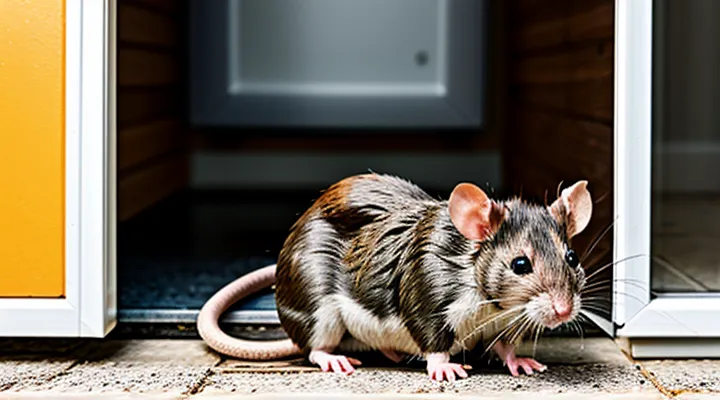
Understanding the Rat Problem at Home
Signs of a Rat Infestation
Recognizing a rat problem early allows homeowners to select appropriate control measures and prevent extensive damage. Accurate identification of infestation indicators eliminates guesswork and directs the use of effective domestic rodent management products.
- Dark, pellet‑shaped droppings near food sources, walls, or concealed areas.
- Gnaw marks on wood, plastic, cables, or insulation, often with fresh, clean edges.
- Nests built from shredded paper, fabric, or insulation, typically hidden in attics, walls, or under appliances.
- Scratching or scurrying sounds occurring at night, especially within walls, ceilings, or crawl spaces.
- Visible tracks or footprints in dusty corners, along baseboards, or on smooth surfaces.
- Streaks or stains of urine on surfaces, accompanied by a strong, musky odor.
- Chewed food packaging, spilled grain, or unsealed containers.
- Direct sightings of rats, especially during dusk or early morning.
Each sign provides specific information about the infestation’s size, location, and activity pattern, enabling the selection of targeted bait stations, snap traps, or electronic devices that address the problem efficiently while minimizing exposure to non‑target species.
Risks Associated with Rats in Homes
Rats in residential environments pose significant health, structural, and economic threats. Their presence introduces pathogens, contaminates food, damages building components, and creates conditions conducive to further infestations.
- Disease transmission – Rats carry bacteria (e.g., Salmonella, Leptospira), viruses (e.g., Hantavirus), and parasites (e.g., fleas, mites) that can infect occupants through direct contact, bites, or aerosolized droppings.
- Food contamination – Gnawing and nesting activities introduce urine, feces, and hair into pantry items, compromising food safety and prompting costly disposal.
- Structural damage – Continuous chewing compromises electrical wiring, insulation, and plumbing, increasing fire risk and water leakage.
- Sewer and pipe infiltration – Burrowing into drainage systems creates blockages, backups, and costly repairs.
- Allergic reactions – Proteins in rat urine and dander trigger respiratory sensitivities and exacerbate asthma.
- Psychological impact – Sightings and noises generate anxiety, sleep disruption, and reduced perceived security.
These hazards underscore the necessity for prompt identification and elimination of rodent activity within homes. Effective mitigation requires integrated strategies that combine sanitation, exclusion, and targeted control agents to reduce exposure and prevent recurrence.
Factors Attracting Rats
Rats invade residences when conditions satisfy their nutritional, shelter, and reproductive needs. Recognizing these conditions enables precise selection of control measures.
- Readily available food sources: unsecured garbage, pet food left out, spilled grains, and fruit remnants.
- Access to water: leaky pipes, damp basements, condensation on appliances.
- Cluttered environments: piles of cardboard, stacked firewood, unused furniture that provide nesting sites.
- Structural gaps: cracks in foundations, openings around utility lines, unscreened vents, and poorly sealed doors.
- Warm temperatures: heated interiors during colder months create a comfortable habitat.
- Proximity to vegetation: overgrown shrubs, ivy, and garden debris that connect outdoor habitats to the building envelope.
Each factor creates a pathway for infestation. Effective home rat control products must address food containment, moisture elimination, exclusion of entry points, and reduction of clutter. Traps and baits perform best when placed in areas where these attractants converge, while sealants and barriers prevent reentry. Eliminating the underlying attractors reduces reliance on chemical interventions and sustains long‑term protection.
Choosing the Right Rat Control Products
Baits and Traps: A Comprehensive Guide
Types of Rat Traps
Snap traps employ a spring‑loaded bar that delivers a rapid, lethal strike when a rat contacts the trigger. They are inexpensive, reusable, and suitable for areas where quick elimination is required. Proper placement along walls and near gnaw marks maximizes capture rates; baiting with peanut butter or dried fruit improves effectiveness.
Electronic traps use a high‑voltage shock to kill rodents instantly. The device detects movement, activates a circuit, and delivers a fatal pulse. Advantages include humane kill, containment of the carcass, and reduced risk of accidental human injury. Models vary in power source—plug‑in units for kitchens and battery‑operated units for garages.
Live‑catch traps consist of a cage with a trigger mechanism that closes the door once the rat enters. They allow relocation of captured animals away from the residence. Success depends on frequent monitoring and compliance with local wildlife regulations; otherwise, stress and mortality rates increase.
Glue boards are adhesive sheets that immobilize rodents upon contact. They are discreet, easy to deploy under appliances, and useful for detecting low‑level infestations. Limitations include slow kill, potential for non‑target captures, and disposal challenges.
Bait stations combine a sealed container with poisoned bait, protecting humans and pets while delivering a lethal dose to rodents. They are effective for hidden infestations and can be placed in wall voids or attics. Proper labeling, secure mounting, and adherence to safety guidelines are essential.
Choosing the appropriate trap type depends on the infestation’s severity, location, and safety considerations. Integrating multiple mechanisms often yields the most reliable control outcome in a residential setting.
Snap Traps
Snap traps are a mechanical solution designed to kill rats instantly through a spring‑loaded bar. The device requires no electricity, chemicals, or ongoing maintenance beyond occasional bait replacement, making it suitable for residential environments where power sources may be limited.
Key characteristics of effective snap traps include:
- Heavy‑duty steel construction that withstands repeated strikes.
- Adjustable trigger sensitivity to accommodate varying rat sizes.
- Secure, tamper‑proof housing that reduces accidental contact with children or pets.
- Compatibility with a range of baits such as peanut butter, dried fruit, or commercial attractants.
When selecting a snap trap for home use, consider the following criteria:
- Placement flexibility – models with a low profile fit under appliances, along baseboards, and in tight corners.
- Reset mechanism – a quick‑release latch allows multiple captures without disassembly.
- Disposal design – a hinged door or removable cage enables safe removal of captured rodents.
Proper deployment enhances effectiveness: position traps perpendicular to walls, set the trigger to a light tension, and use a small amount of fresh bait. Regular inspection ensures timely removal of dead rats, preventing odor buildup and secondary infestations.
Live Traps
Live traps provide a humane option for managing rodent infestations inside residential environments. The devices consist of a cage or box that captures rats without causing injury, allowing owners to release the animals far from the property.
Key characteristics of effective live traps include:
- Sturdy construction, typically metal or heavy‑duty plastic, to resist gnawing.
- A trigger mechanism that activates when a rat enters, closing the door instantly.
- Sufficient interior space (minimum 12 × 8 × 6 inches) to accommodate adult rats comfortably.
- Easy‑to‑open latch for safe release without handling the animal directly.
When selecting a live trap, consider the following factors:
- Bait choice – high‑protein foods such as peanut butter, cooked meat, or dried fruit attract rats more reliably than grain alone.
- Placement – position traps along walls, behind appliances, or near known activity signs; rats prefer concealed routes.
- Monitoring frequency – check traps at least twice daily to prevent stress or dehydration of captured rodents.
- Release protocol – transport traps to a location at least five miles from the residence, preferably a wooded area with natural predators.
Maintenance requirements are minimal. Clean the interior with mild detergent after each capture, inspect the latch for wear, and replace any damaged components promptly. For households with children or pets, choose models with lockable doors to prevent accidental opening.
Live traps complement other control measures such as sealing entry points and eliminating food sources, creating a comprehensive strategy for reducing rat populations without resorting to lethal chemicals.
Glue Traps
Glue traps are flat, adhesive‑coated boards designed to capture rats upon contact. The sticky surface immobilizes the animal, allowing for immediate removal without the need for poison or live‑catch devices.
Key characteristics
- Immediate capture: Rats are trapped within seconds of stepping onto the board.
- No chemical exposure: Absence of toxic baits eliminates risk of contaminating food preparation areas.
- Compact design: Small size permits placement in concealed locations such as behind appliances, under cabinets, or along wall edges.
Considerations for effective use
- Placement: Position traps perpendicular to known travel routes, near walls, and close to entry points.
- Surface preparation: Ensure the area is clean and dry; moisture reduces adhesive strength.
- Safety: Keep traps out of reach of children and non‑target pets; some products include bittering agents to deter accidental contact.
- Monitoring: Check traps daily. Captured rats should be disposed of promptly, following local regulations for dead pest removal.
Advantages
- Rapid action without waiting for delayed toxicity.
- Simple deployment—no wiring, no calibration.
- Suitable for indoor environments where chemical control is undesirable.
Limitations
- Only effective for individual rodents; large infestations may require additional methods.
- Traps do not provide ongoing control; new rats can re‑enter if entry points remain open.
- Visual presence may be unsettling for occupants.
When integrated with sealing of entry gaps, sanitation, and, if necessary, complementary bait stations, glue traps contribute to a comprehensive home rat management strategy. Proper selection, strategic placement, and regular inspection maximize their effectiveness while minimizing unintended impacts.
Types of Rat Baits
Rat baits form a core component of indoor rodent management, delivering toxicants directly to the target species while minimizing exposure to non‑target animals.
Common categories include:
- First‑generation anticoagulants (e.g., warfarin, diphacinone). These interfere with blood clotting, require multiple feedings, and are reversible with vitamin K therapy.
- Second‑generation anticoagulants (e.g., brodifacoum, bromadiolone). Highly potent, effective after a single ingestion, and exhibit prolonged activity in the body.
- Neurotoxins such as bromethalin. Disrupt neuronal function, cause rapid paralysis, and present low risk of secondary poisoning.
- Vitamin D₃ compounds (cholecalciferol). Induce hypercalcemia, leading to organ failure after a single dose; they are environmentally stable and have limited impact on predators.
- Zinc phosphide. Releases phosphine gas in the stomach, producing immediate toxic effects; suitable for outdoor use but requires careful handling due to gas emission.
Selection criteria focus on active ingredient potency, latency of action, risk of secondary poisoning, and compatibility with the home environment. Products with delayed mortality allow rats to return to nesting sites, increasing distribution of the toxicant within the colony. Non‑anticoagulant options are preferred when secondary exposure to pets or children is a concern. Placement near gnawing evidence, concealed pathways, and food storage areas maximizes encounter rates while reducing accidental contact.
Chemical Baits «Rodenticides»
Chemical baits, often referred to as rodenticides, constitute a primary method for eliminating house rats. Formulations combine an anticoagulant or neurotoxic active ingredient with a palatable matrix, encouraging consumption by target rodents while minimizing attraction to non‑target species.
Common rodenticide categories include:
- First‑generation anticoagulants – warfarin, chlorophacinone, diphacinone. Require multiple feedings; resistance observed in some rat populations.
- Second‑generation anticoagulants – bromadiolone, difenacoum, brodifacoum. Effective after a single dose; higher toxicity mandates strict placement restrictions.
- Metal phosphides – zinc phosphide, aluminum phosphide. Release phosphine gas upon ingestion, causing rapid mortality; unsuitable for indoor use due to odor and fumes.
- Bromethalin – a neurotoxin that disrupts mitochondrial function; effective against anticoagulant‑resistant rats, but toxic to birds and pets.
Effective deployment follows these principles:
- Position baits within concealed, tamper‑proof stations placed along walls, near gnaw marks, and close to suspected runways.
- Maintain a minimum of 1 g of bait per station; replace stations when bait is depleted or after 30 days of exposure.
- Record placement dates, locations, and observed activity to evaluate efficacy and adjust distribution patterns.
- Keep stations out of reach of children, domestic animals, and wildlife; use lockable containers where required by regulation.
- Follow label instructions for disposal of unused bait and dead rodents to prevent secondary poisoning.
Safety considerations demand compliance with local pesticide regulations, proper personal protective equipment during handling, and thorough documentation of usage. Integration with sanitation measures—such as sealing entry points, eliminating food sources, and reducing clutter—enhances overall control success and reduces reliance on chemical interventions.
Natural and Non-Toxic Baits
Natural, non‑toxic baits provide a safe alternative for indoor rodent management while maintaining effectiveness. They rely on ingredients that attract rats without introducing hazardous chemicals, allowing households with children or pets to implement control measures confidently.
Key characteristics of suitable baits include:
- Attractive food base – peanut butter, honey, or dried fruit, which rats find irresistible.
- Low‑risk active agents – diatomaceous earth, powdered garlic, or essential‑oil blends (e.g., peppermint, clove) that disrupt feeding behavior without toxic residues.
- Stable formulation – moisture‑resistant packaging that preserves potency for several weeks.
- Ease of placement – pre‑measured sachets or disposable trays that fit into concealed corners, wall voids, or beneath appliances.
When deploying natural baits, follow these practices:
- Identify active pathways: locate droppings, gnaw marks, and runways to position bait where rats travel.
- Secure bait stations: use sealed containers or tamper‑proof boxes to prevent accidental contact.
- Rotate formulations: alternate between garlic‑based and essential‑oil baits every 7‑10 days to discourage habituation.
- Monitor and replace: inspect stations daily, discard depleted units, and refresh with fresh bait to sustain attraction.
- Combine with exclusion: seal entry points, repair damaged wiring, and eliminate food sources to enhance overall control.
Safety considerations remain paramount. Natural baits should be stored out of reach of children and pets, and any spillage must be cleaned promptly to avoid unintended ingestion. Though non‑toxic, some essential oils can cause irritation; handle with gloves and avoid direct skin contact.
Effective implementation of these baits aligns with integrated pest‑management principles, delivering rodent suppression while minimizing health risks and environmental impact.
Repellents and Preventative Measures
Electronic Repellents
Electronic repellents are devices that emit ultrasonic or electromagnetic waves intended to deter rats from entering or remaining in a residential environment. The emitted frequencies exceed the hearing range of humans but fall within the sensitivity range of rodents, creating an uncomfortable sensory field that encourages avoidance.
Effectiveness depends on proper placement, continuous operation, and environmental conditions. Devices should be positioned at ground level, away from walls that block wave propagation, and installed in each room where activity is observed. Manufacturers typically specify a coverage radius of 30–50 feet; overlapping zones may be required in larger homes. Continuous power supply ensures consistent emission, as intermittent operation reduces deterrent impact.
-
Advantages
- No chemicals, eliminating poisoning risks for pets and children.
- Silent operation, preserving household comfort.
- Low maintenance; most units require only occasional cleaning of speaker grills.
-
Limitations
Integrating electronic repellents with complementary strategies—such as sealing entry points, removing food sources, and employing snap traps—maximizes control outcomes. Regular inspection of device positioning and functional testing ensures the system remains active and effective over time.
Natural Repellents
Natural repellents provide a non‑chemical option for managing rats in residential settings. They rely on odors, tastes, or textures that rats find aversive, reducing the likelihood of infestation without introducing toxic substances.
Common natural repellents include:
- Peppermint oil (10 ml diluted in 1 liter water, applied to baseboards and entry points)
- Ammonia solution (equal parts water and ammonia, sprayed near nesting sites)
- Cayenne pepper or crushed red pepper flakes (scattered around cupboards and crawl spaces)
- Garlic powder (sprinkled in attics and storage areas)
- Dryer sheets (placed in closets and drawers to emit a lingering scent)
Application guidelines:
- Prepare each repellent according to the recommended dilution ratio.
- Apply directly to surfaces where rats travel or hide; reapply weekly or after cleaning.
- Combine multiple repellents to cover diverse entry points and increase deterrence.
- Monitor activity with snap traps or motion‑activated cameras to assess effectiveness.
Safety considerations:
- Keep oil‑based solutions away from pets and children; use sealed containers.
- Ventilate areas treated with ammonia to avoid respiratory irritation.
- Rotate repellents every two weeks to prevent rats from habituating to a single scent.
Natural repellents complement mechanical controls and can lower reliance on rodenticides, supporting a safer indoor environment while maintaining effective rat management.
Exclusion and Sealing Entry Points
Effective rat control in residential settings begins with exclusion—preventing rodents from entering the structure. Sealing gaps eliminates the primary pathway rodents use to locate food, water, and shelter.
Key entry points and recommended sealing methods:
- Gaps around utility pipes: wrap with steel wool, then cover with copper mesh or silicone sealant.
- Cracks in foundation walls: fill with hydraulic cement or epoxy resin.
- Openings beneath doors and windows: install door sweeps, weatherstripping, and replace damaged screens with fine mesh.
- Roof eaves and soffits: close vent openings with metal flashing or mesh, ensuring ventilation remains functional.
- Attic and crawl‑space penetrations: seal with expanding polyurethane foam, reinforced with metal or rigid board where needed.
Select materials that resist gnawing. Steel wool alone can be displaced; combine with metal mesh or hardware cloth for durability. Silicone and polyurethane sealants provide airtight closure, resist moisture, and adhere to diverse substrates. For larger structural gaps, use cement‑based fillers that harden to a rock‑like consistency.
Implement a systematic inspection schedule. Examine exterior walls, foundation, and roof quarterly, focusing on recent weather damage or renovations. Document sealed locations and reapply sealants after movement or settlement. Consistent maintenance preserves the integrity of exclusion measures and reduces reliance on chemical or trap‑based interventions.
Safe and Effective Product Application
Placement Strategies for Baits and Traps
Strategic placement determines the success of rodent bait stations and mechanical traps. Position devices where rats travel, hide, or feed, while minimizing exposure to children and pets.
- Near walls, behind appliances, and under sinks
- Adjacent to known droppings or gnaw marks
- In dark corners of basements, crawl spaces, and attics
- Along the perimeter of the building, especially at entry points such as utility openings and vent shafts
- Close to stored food, garbage containers, and compost bins
When setting traps, align them with the same pathways but position the trigger end facing the wall to exploit rats’ habit of running along surfaces. Secure traps on flat surfaces, ensuring stable contact with the floor to prevent avoidance. Use multiple traps spaced 2–3 feet apart in high‑traffic zones to increase capture probability.
Safety considerations include:
- Mounting bait stations on elevated platforms or using tamper‑resistant containers
- Selecting snap or electric traps with enclosed mechanisms in homes with children
- Rotating bait types and locations every 2–3 weeks to counter bait shyness
Routine inspection involves checking stations for depletion, replacing expired bait, and resetting traps after each capture. Document placement maps to track coverage gaps and adjust locations seasonally as rodent activity shifts.
Safety Precautions for Product Use
When applying rodent‑control agents inside a residence, strict adherence to safety protocols prevents accidental exposure and protects occupants.
- Read the label before use; follow manufacturer‑specified dosage and application method.
- Wear appropriate personal protective equipment: disposable gloves, eye protection, and a mask rated for aerosol particles if the product is sprayed.
- Keep the area well‑ventilated during and after application; open windows and use fans to disperse vapors.
- Store all containers out of reach of children and pets, preferably in a locked cabinet.
- Do not mix different rodenticides or combine them with cleaning agents; chemical interactions can produce toxic gases.
- Apply bait stations or traps only in locations inaccessible to non‑target animals, such as behind appliances or in wall voids.
- After treatment, wash hands thoroughly with soap and water, even if gloves were used.
- Dispose of empty containers according to local hazardous‑waste regulations; do not recycle or reuse them for other purposes.
- Monitor the treated area for signs of contamination; if residue is detected on surfaces that contact food, clean with a detergent solution and rinse well before reuse.
Compliance with these measures ensures effective pest management while minimizing health risks for residents and pets.
Monitoring and Follow-Up
Monitoring after deploying rodent control measures determines whether products are achieving the intended reduction in activity. Place snap traps, glue boards, or electronic sensors in high‑traffic zones and record captures daily. Compare counts with baseline data collected before treatment; a decline of 70 % or more within two weeks typically indicates efficacy.
Follow‑up actions should be systematic:
- Inspect bait stations for depletion; replenish only when consumption exceeds 80 % of the load.
- Rotate active ingredients every 30 days to prevent resistance buildup.
- Conduct a secondary sweep with non‑chemical tools (e.g., ultrasonic devices) if trap counts plateau.
- Document all observations in a log, noting location, date, and product type, to support future decision‑making.
If monitoring reveals persistent activity, increase trap density, replace ineffective products, and reassess entry points. Consistent record‑keeping and timely adjustments sustain long‑term control and minimize re‑infestation risk.
Post-Control Measures
Cleaning and Sanitation After Rat Removal
After rats are removed, thorough cleaning eliminates health hazards and prevents re‑infestation. Begin by ventilating the area for at least 30 minutes, then wear disposable gloves and a mask to protect against pathogens.
Remove all visible droppings, urine stains, and nesting material. Use a disposable cloth or paper towel for each contaminated spot; discard them in a sealed bag. Disinfect surfaces with a solution containing at least 1 % sodium hypochlorite or an EPA‑approved rodent disinfectant. Apply the solution, allow the recommended contact time, then wipe dry with a clean disposable rag.
Sanitize hard-to‑reach areas such as wall voids, crawl spaces, and behind appliances. Spray the disinfectant into these spaces, let it soak, then vacuum with a HEPA‑rated filter to capture residual particles.
Dispose of any food containers, pet food, or stored items that show signs of contamination. Seal them in heavy‑duty trash bags before removal.
Finally, implement a regular sanitation schedule:
- Weekly inspection for new droppings or damage.
- Bi‑weekly deep cleaning of kitchens, pantries, and storage rooms.
- Monthly disinfection of hidden areas identified during inspections.
Consistent execution of these steps restores a safe environment and supports the effectiveness of any rodent‑control measures employed in the home.
Preventing Future Infestations
Preventing future rat infestations requires systematic actions that complement the use of household rat control solutions.
- Seal all openings larger than ¼ inch with steel wool, concrete, or metal flashing.
- Store food in airtight containers; dispose of waste in sealed bins and remove garbage regularly.
- Eliminate clutter, especially in basements, attics, and storage areas, to reduce shelter opportunities.
- Maintain landscaping by trimming vegetation away from the building and keeping grass short.
- Conduct monthly visual inspections of walls, ceilings, and utility penetrations for signs of activity.
- Install snap traps or electronic monitoring devices in identified hot spots; replace or reset them promptly.
- Repair water leaks and ensure proper drainage to deny rats access to moisture.
Consistent application of these measures creates an environment that discourages rodent entry, thereby extending the effectiveness of any rat control products deployed in the home.