
«Understanding the Threat»
«Identifying Rat Species»
«Common House Rat»
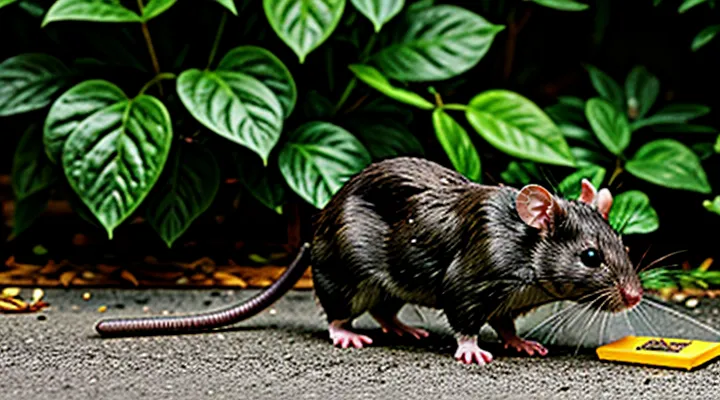
The rodent known as «Common House Rat» (Rattus norvegicus) exhibits a robust body, typically 20–25 cm in length excluding the tail, and a weight of 300–500 g. Dark brown or gray fur, a blunt snout, and a relatively short tail distinguish it from other urban rodents. This species thrives in proximity to human habitation, exploiting food sources, water, and shelter within structures.
Infestations cause structural damage through gnawing on wood, insulation, and electrical wiring. Pathogen transmission includes leptospirosis, hantavirus, and salmonellosis, posing significant health hazards to occupants. Rapid reproduction—up to five litters per year, each containing 5–10 offspring—accelerates population growth under favorable conditions.
Effective management relies on a coordinated approach:
- Sanitation: Eliminate accessible food, store waste in sealed containers, and maintain regular cleaning schedules.
- Exclusion: Seal entry points larger than 1 cm using steel wool, cement, or metal flashing; repair damaged screens and vents.
- Trapping: Deploy snap or electronic traps along established runways; check and reset traps daily to prevent secondary mortality.
- Baiting: Apply anticoagulant or non‑anticoagulant rodenticides in tamper‑resistant stations, adhering to label instructions and local regulations.
- Monitoring: Conduct periodic inspections, record activity signs, and adjust control tactics based on observed efficacy.
Integrating these measures reduces the likelihood of re‑infestation and minimizes reliance on chemical controls alone, thereby enhancing long‑term rodent suppression in residential environments.
«Norway Rat»
The species «Norway Rat» (Rattus norvegicus) is the largest urban rodent, reaching lengths of 20–25 cm and weighing up to 500 g. Individuals prefer sewers, basements, and ground‑level structures where moisture and food are abundant. Their burrowing ability creates extensive tunnel networks that facilitate rapid colonisation of new sites.
Reproductive capacity drives population growth: females can produce up to seven litters per year, each containing 6–12 offspring. Nighttime activity, omnivorous diet, and strong swimming skills enable exploitation of diverse food sources, from waste to stored provisions. These traits increase the difficulty of eradication without targeted interventions.
Effective control measures include:
- Physical exclusion: sealing entry points with steel mesh, concrete, or metal flashing to prevent ingress.
- Trapping: deploying snap or electronic traps along runways, walls, and near burrow entrances; regular checking minimizes non‑target capture.
- Anticoagulant baiting: placing rodenticide blocks in tamper‑resistant stations; rotation of active ingredients mitigates resistance.
- Sanitation: removing food residues, securing waste containers, and repairing leaks to reduce attractants.
- Habitat modification: eliminating clutter, flattening soil around foundations, and maintaining vegetation at a distance from structures.
- Biological agents: introducing predatory birds or employing rodent‑specific viruses where regulatory approval exists.
Implementation requires systematic placement, continuous monitoring, and documentation of capture rates. Adjustments based on observed activity patterns improve long‑term suppression and reduce reinfestation risk.
«Roof Rat»
Roof rats (Rattus norvegicus) are agile climbers that favor elevated habitats such as attics, eaves, and roof spaces. Their slender bodies and long tails enable rapid movement along rafters and wiring, allowing access to food sources stored in upper levels of buildings. Typical diet includes fruits, nuts, seeds, and human food waste, which makes them frequent occupants of residential and commercial structures with exposed roofing materials.
Reproductive capacity contributes to rapid population growth: a single female can produce up to five litters per year, each containing three to seven offspring. Juveniles reach sexual maturity within 60 days, accelerating infestation cycles. Signs of presence include gnaw marks on wood, droppings measuring 0.5–0.75 inches, and audible scurrying in roof voids during nighttime hours.
Effective control measures focus on exclusion, sanitation, and targeted removal. Key actions include:
- Sealing entry points larger than ¼ inch with metal flashing, steel wool, or cement, especially around vents, chimneys, and roof penetrations.
- Trimming tree limbs and vegetation that contact the roof, reducing bridge pathways for ascent.
- Eliminating food attractants by storing grain, fruit, and waste in sealed containers and maintaining clean gutters.
- Deploying snap traps or electronic traps within active runways, positioned perpendicular to walls to intersect travel routes.
- Applying rodenticides in tamper‑resistant bait stations placed in concealed roof cavities, following label instructions and local regulations.
Monitoring remains essential: regular inspection of trap catches, droppings, and structural damage informs adjustments to the control program. Integrated approaches that combine physical barriers, habitat modification, and selective lethality achieve sustained reduction of roof‑rat populations while minimizing non‑target impacts.
«Signs of Infestation»
«Droppings»
Rat droppings are small, dark, cylindrical feces typically measuring 0.5–1 cm in length. Their shape, size, and coloration help differentiate species and indicate activity levels.
Health hazards linked to droppings include bacterial pathogens such as Leptospira spp., Salmonella, and E. coli, as well as viral agents like hantavirus. Inhalation of aerosolized particles from dried droppings can cause respiratory illness; direct contact may lead to gastrointestinal infection.
Detection relies on visual inspection of surfaces, food storage areas, and nesting sites. Consistent patterns of fresh droppings suggest recent activity, while accumulated piles indicate long‑term infestation. Monitoring droppings provides quantitative data for evaluating the effectiveness of rat management approaches.
Cleaning procedures require wetting droppings with a disinfectant solution before removal to prevent aerosolization. Recommended steps:
- Apply a 10 % bleach solution to the affected area.
- Allow the solution to soak for at least five minutes.
- Use disposable gloves and a damp mop or paper towels to collect material.
- Dispose of waste in a sealed, puncture‑proof container.
- Follow with a secondary disinfectant rinse.
Incorporating droppings analysis into rat control programs enhances early detection, guides bait placement, and validates intervention outcomes. Regular sanitation, combined with exclusion techniques and targeted baiting, reduces food sources and habitat suitability, thereby lowering droppings prevalence and overall rodent pressure.
«Gnaw Marks»
«Gnaw marks» indicate active rodent presence and provide essential information for targeted intervention. The depth, width, and pattern of the marks reveal species size, health, and feeding behavior, allowing professionals to prioritize treatment zones.
Key diagnostic features:
- Width of 2–4 mm suggests juvenile rats; 4–6 mm points to mature individuals.
- Parallel grooves imply repeated chewing on structural elements such as beams, pipes, or insulation.
- Presence of fresh shavings indicates recent activity, while dry, powdery residue signals older infestations.
Interpretation of these signs guides the selection of control tactics. Areas with extensive fresh gnawing merit immediate placement of bait stations and snap traps, whereas zones showing only historical damage may require monitoring devices and exclusion measures. Sealing entry points eliminates future access, and replacing compromised materials reduces shelter availability.
Integrating gnaw‑mark analysis with sanitation improvements enhances overall efficacy of rat management programs. Regular inspections detect new markings early, preventing population escalation and associated health risks.
«Nests and Burrows»
Rats construct nests in concealed locations such as wall voids, attic insulation, and cluttered storage areas. Nests consist of shredded material, food remnants, and urine, providing warmth and protection. Burrows extend from exterior entry points into the ground, creating a network of tunnels that facilitate movement and shelter.
Identification relies on visual cues: fresh droppings, gnaw marks, and the presence of nesting material. Signs of burrowing include soil mounds, displaced vegetation, and audible scratching. Early detection enables timely intervention before populations expand.
Control actions focus on disruption and exclusion:
- Remove nesting material by cleaning and reorganizing storage spaces.
- Seal entry points with steel wool, metal flashing, or concrete to prevent burrow access.
- Apply targeted bait stations near burrow entrances, ensuring placement complies with safety regulations.
- Employ mechanical traps in active tunnel sections, monitoring placement regularly.
Preventive measures maintain an inhospitable environment. Keep food sources secured, eliminate water leaks, and maintain landscaping to reduce ground cover that encourages burrowing. Regular inspections of structural gaps and foundation cracks sustain long‑term effectiveness.
«Noises»
Noise‑based deterrents form a measurable component of rat control strategies. Devices emitting ultrasonic frequencies target the auditory range of rodents, causing disorientation and avoidance of treated zones. Continuous operation maintains pressure on populations, while intermittent cycles reduce habituation.
Key acoustic approaches include:
- Ultrasonic emitters calibrated to 20–65 kHz, positioned near entry points and food storage areas.
- Broadband sound generators producing irregular pulses at 10–30 kHz, disrupting communication pathways.
- High‑decibel alarms triggered by motion sensors, delivering sudden bursts above 80 dB to startle active individuals.
Effectiveness depends on proper placement, power supply reliability, and periodic verification of output levels. Integration with physical barriers and sanitation measures enhances overall outcomes.
«Prevention Strategies»
«Sanitation Practices»
«Proper Food Storage»
Proper food storage is a critical component of any rodent mitigation program. Secure containers, airtight seals, and elevated shelving prevent rodents from accessing nutritional sources, reducing population growth and infestation risk.
Key practices include:
- Use metal or heavy‑duty plastic containers with lockable lids; avoid cardboard or paper packaging.
- Store dry goods in sealed bins located off the floor and away from walls.
- Keep pet food in separate, sealed containers and remove leftovers promptly.
- Clean spills immediately; any residual crumbs become attractants.
- Rotate stock regularly, discarding expired items to eliminate long‑term food sources.
Implementing these measures limits the availability of sustenance, thereby enhancing the overall effectiveness of rat control strategies.
«Waste Management»
Effective waste management directly reduces food availability for rodents, thereby lowering the likelihood of infestation. Properly sealed containers prevent scavenging, while timely removal of refuse eliminates breeding sites.
Key practices include:
- Storing waste in tamper‑proof, rodent‑proof bins equipped with tight‑fitting lids.
- Scheduling collection at intervals that prevent accumulation beyond 24 hours.
- Segregating organic material from general trash to limit attraction; compost piles should be covered and turned regularly.
- Positioning disposal units away from building foundations, with a clearance of at least two meters to deter entry.
Integrating these measures with habitat modification and monitoring programs enhances overall rodent suppression. Consistent enforcement of waste protocols sustains a hostile environment for rats, supporting long‑term population control.
«Decluttering»
Decluttering reduces the availability of food, shelter, and nesting sites for rodents, thereby strengthening any rat management strategy.
Clutter creates concealed pathways, accumulates waste, and provides insulated spaces that protect rats from predators and weather. Removing unnecessary items eliminates these advantages, limiting population growth and encouraging rats to seek less hospitable environments.
Practical decluttering actions include:
- Disposing of cardboard boxes, paper piles, and fabric scraps that can serve as bedding.
- Storing food containers in sealed, elevated cabinets rather than open shelves.
- Maintaining a clear perimeter around building foundations, eliminating debris and vegetation within a two‑meter radius.
- Regularly cleaning under appliances, in basements, and behind furniture to expose hidden entry points.
Implementing these measures decreases rodent activity, simplifies inspection of structural vulnerabilities, and enhances the effectiveness of traps, bait stations, and exclusion techniques. The result is a more controllable environment where rat populations are less likely to establish permanent colonies.
«Exclusion Techniques»
«Sealing Entry Points»
Sealing entry points is a critical component of comprehensive rat mitigation techniques. Identifying potential openings prevents rodents from accessing interior spaces, reduces population growth, and limits damage to structures and food supplies.
Typical entry points include:
- Gaps around utility pipes and cables
- Cracks in foundation walls and floor joists
- Openings beneath doors and windows
- Holes in vent covers and exhaust fans
- Unsealed gaps around HVAC ducts
To secure these vulnerabilities, follow a systematic approach:
- Conduct a thorough inspection of the building envelope, noting all openings larger than a quarter‑inch.
- Use durable materials such as stainless‑steel mesh, cement‑based sealants, or expanding foam designed for pest exclusion.
- Apply sealant to cracks and gaps, ensuring complete coverage and adherence to substrate.
- Install metal flashing around pipe penetrations and reinforce door sweeps to eliminate gaps.
- Verify the integrity of each seal after curing, and document the locations for future maintenance.
Regular monitoring of sealed areas detects wear or new damage, allowing prompt repairs and sustaining the effectiveness of the overall rat control program.
«Ventilation and Pipe Guards»
Proper ventilation reduces humidity and temperature gradients that attract rodents, creating an environment less favorable for their habitation. Installing vent covers that prevent entry while allowing airflow maintains structural integrity and deters nesting.
«Ventilation and Pipe Guards» combine two functions:
- Airflow regulation limits condensation in concealed spaces, eliminating moisture sources that rats seek.
- Physical barriers on sewer and drainage pipes block access points without impeding waste flow.
- Integrated screens with mesh sizes ≤ ¼ inch prevent rodent passage while resisting corrosion.
Material selection influences durability. Galvanized steel or stainless‑steel guards resist rust in moist conditions; polymer coatings add an extra barrier against gnawing. Regular inspection schedules identify damage early, allowing prompt replacement before infestation escalates.
Integration with broader rat management strategies enhances efficacy. Sealing gaps around vent openings, maintaining clearances around pipe shields, and ensuring proper slope of drainage systems collectively reduce entry opportunities. Coordinated implementation of these measures contributes to sustained reduction of rodent activity in residential and commercial facilities.
«Door and Window Screens»
Door and window screens provide a physical barrier that prevents rats from entering interior spaces while allowing ventilation. Selecting appropriate mesh size—typically ¼ inch (6 mm) or smaller—ensures exclusion of juvenile and adult rodents. Durable materials such as stainless steel or reinforced aluminum resist gnawing and corrosion, extending service life in humid or outdoor environments.
Installation requires securing the screen tightly to the frame, eliminating gaps larger than a few millimeters. Overlap seams with reinforced tape and use weather‑resistant caulking to seal edges. Regular inspection should focus on:
- Tears or punctures caused by debris
- Loose fasteners or warped frames
- Accumulated vegetation that may provide climbing assistance
Prompt repair of identified damage restores barrier integrity and maintains overall effectiveness of rodent mitigation programs. Integrating screens with other control measures—such as bait stations placed outside the screened area—creates a layered defense that reduces reliance on chemical interventions. Properly maintained screens contribute to long‑term reduction of rodent activity in residential and commercial settings.
«Active Control Methods»
«Trapping»
«Snap Traps»
Snap traps («Snap Traps») operate by delivering an instantaneous mechanical force that kills rodents instantly upon contact. The device consists of a spring‑loaded bar that snaps shut when the animal triggers a trigger plate, ensuring rapid mortality without the use of toxins.
Key benefits include immediate result, minimal expense, and absence of chemical residues. Because the mechanism relies solely on physical force, snap traps avoid secondary poisoning risks for non‑target species and do not contribute to rodent resistance.
Effective placement follows several principles:
- Position traps along walls, where rats travel habitually.
- Target known runways, burrow entrances, and feeding stations.
- Install at a height of 2–4 inches above the floor to align with the animal’s body.
- Use multiple traps spaced 1–2 feet apart in high‑activity zones.
Safety measures are essential to protect occupants and pets. Deploy traps in concealed locations, handle with gloves, and secure the trigger mechanism when not in use. After capture, wear protective equipment to remove the carcass, seal it in a disposable bag, and discard according to local regulations.
Regular maintenance optimizes effectiveness. Inspect traps daily, reset sprung bars, replace bait if used, and clean the mechanism to prevent rust and ensure reliable operation. Consistent monitoring maintains a high capture rate and reduces the likelihood of population rebound.
«Live Traps»
«Live traps» provide a humane alternative for reducing rat populations while allowing relocation of captured animals. The devices consist of a cage or enclosure with a trigger mechanism that closes the door once the rodent enters, preventing escape.
Key characteristics include:
- Trigger sensitivity – calibrated to respond to the weight of a rat without activating from debris or small non‑target species.
- Construction material – stainless steel or heavy‑duty plastic ensures durability and resistance to gnawing.
- Ease of cleaning – removable floors and smooth surfaces facilitate sanitation between uses.
Advantages over lethal options:
- Non‑lethal outcome – supports ethical pest management policies and complies with regulations restricting killing in certain jurisdictions.
- Data collection – captures provide evidence of infestation size, activity patterns, and species identification, informing targeted interventions.
- Reduced secondary poisoning – eliminates risk to predators and scavengers that might consume poisoned carcasses.
Considerations for effective deployment:
- Bait selection – high‑protein foods such as peanut butter, dried fruit, or fish paste increase attraction; bait should be secured to prevent removal without triggering the mechanism.
- Placement strategy – locate traps along walls, near burrow entrances, and in dark, concealed areas where rats travel; avoid open spaces that encourage avoidance.
- Monitoring frequency – check traps at least twice daily to minimize stress on captured rodents and to maintain trap efficacy.
- Release protocol – transport captured rats to a suitable release site at least 5 km from the original location, ensuring compliance with local wildlife regulations.
Integrating live traps within a comprehensive rat management program enhances control outcomes while adhering to humane standards. Proper selection, strategic placement, and diligent monitoring maximize capture rates and support long‑term population reduction.
«Electronic Traps»
Electronic traps provide a rapid, humane solution for rodent suppression. These devices emit a high‑frequency shock or a lethal electric pulse when a rat contacts the trigger plate, ensuring immediate incapacitation. Their operation eliminates the need for poisons, reducing secondary poisoning risks for non‑target wildlife and pets.
Key advantages include:
- Immediate results; rats die within seconds of activation.
- Minimal maintenance; most models require battery replacement only once a year.
- Reusability; trap bodies can be cleaned and redeployed after each catch.
- Data collection; many units feature built‑in counters that record capture numbers, aiding population monitoring.
Installation guidelines emphasize placement along established runways, near walls, and close to food sources. Ensure the device is positioned on a non‑conductive surface to prevent false triggers. Regular inspection of battery status and trigger sensitivity maintains optimal performance.
Electronic traps integrate seamlessly with broader pest‑management programs, complementing exclusion techniques and sanitation measures. Their reliability and low environmental impact make them a preferred choice for residential, commercial, and industrial settings.
«Trap Placement and Baiting»
Effective rat control programs rely on precise positioning of traps and appropriate bait selection. Proper placement maximizes catch rates while minimizing non‑target interference.
Key considerations for trap placement:
- Position traps along established runways, typically within 1–2 feet of walls, where rats travel for safety.
- Install devices at a height of 6–12 inches above the floor, matching the average body height of Norway rats.
- Locate traps near sources of food, water, and shelter, but avoid areas with heavy foot traffic that could disturb the device.
- Use multiple traps spaced 3–5 feet apart to cover a single activity corridor.
Baiting guidelines for «Trap Placement and Baiting»:
- Choose high‑protein items such as peanut butter, dried fish, or commercial rodent attractants.
- Secure bait to the trigger mechanism to prevent removal by cautious rats.
- Refresh bait every 24 hours in warm climates; in cooler conditions, a 48‑hour interval suffices.
- Rotate bait types weekly to prevent habituation and maintain attraction.
Regular inspection of trap sites, prompt removal of captured rodents, and systematic repositioning of devices ensure sustained efficacy throughout the control effort.
«Baiting (Rodenticides)»
«Types of Rodenticides»
The discussion of «Types of Rodenticides» focuses on the chemical categories employed in rat management programs.
Anticoagulant rodenticides are divided into first‑generation and second‑generation compounds. First‑generation agents, such as warfarin, require multiple feedings to achieve lethal effect. Second‑generation agents, including bromadiolone, difenacoum, and brodifacoum, are effective after a single ingestion and exhibit higher potency.
Non‑anticoagulant rodenticides provide alternatives where resistance to anticoagulants is documented. Zinc phosphide releases phosphine gas upon contact with gastric acid, producing rapid mortality. Cholecalciferol (vitamin D₃) induces hypercalcemia, leading to organ failure. Bromethalin disrupts neuronal ion transport, causing cerebral edema.
Formulation formats adapt to various application scenarios:
- Bait blocks and pellets for indoor or sheltered locations.
- Loose granules and dusts for outdoor burrows and runways.
- Gel baits for confined spaces where rodents exhibit neophobic behavior.
Selection criteria consider target specificity, resistance patterns, secondary poisoning risk, and regulatory restrictions. Proper placement, dosage control, and integration with sanitation measures enhance efficacy while minimizing non‑target exposure.
«Safe Bait Station Placement»
Safe bait station placement is a critical component of any comprehensive rat management program. Proper positioning reduces non‑target exposure, maximizes bait accessibility for rodents, and supports long‑term population suppression.
Key considerations for placement include:
- Locate stations along established rodent pathways, such as wall voids, utility lines, and near food sources.
- Position devices at a height of 10–15 cm above the floor to align with rat travel routes while preventing access by children and pets.
- Install stations within sheltered areas that protect bait from rain, wind, and direct sunlight, preserving efficacy.
- Ensure a minimum distance of 3 m from food preparation surfaces, waste containers, and human traffic zones to mitigate accidental ingestion.
- Use tamper‑resistant enclosures that meet regulatory standards for rodent bait containment.
Regular inspection schedules verify station integrity and bait consumption rates. Replace depleted or compromised units promptly, and record observations to adjust placement strategy based on activity patterns. Consistent monitoring sustains effectiveness while maintaining safety for non‑target species.
«Handling and Disposal Precautions»
The implementation of rodent mitigation programs demands strict adherence to safety protocols when dealing with live captures, carcasses, and used materials. The following procedures ensure protection for personnel, occupants, and the environment.
- Wear disposable gloves, protective eyewear, and sealed footwear before contacting traps or dead rodents.
- Secure traps in sealed, puncture‑resistant containers immediately after removal.
- Disinfect gloves and tools with a 10 % bleach solution or an EPA‑registered sanitizer after each use.
- Store contaminated materials in a locked, ventilated area away from food preparation zones.
Disposal of hazardous waste must comply with local health regulations and environmental guidelines:
- Place deceased rodents in double‑bagged, rigid plastic containers; seal each bag tightly.
- Label bags with the phrase «Handling and Disposal Precautions» and the date of collection.
- Transfer sealed containers to a licensed biohazard disposal service or municipal hazardous waste program.
- Clean and disinfect all equipment used in the disposal process before storage or reuse.
Regular documentation of handling steps and disposal records supports accountability and facilitates audit compliance. Maintaining these standards reduces the risk of disease transmission and environmental contamination throughout the rat control effort.
«Natural Predators and Repellents»
«Domestic Animals»
Domestic animals can serve as biological agents in rodent management programs. Their predatory instincts and territorial behavior create a deterrent effect that reduces rat activity in residential and agricultural settings.
Commonly employed species include:
- Cats, especially those with strong hunting drive
- Small‑to‑medium sized dogs, such as terriers, trained for pursuit
- Ferrets, utilized for their agility in confined spaces
- Barn owls, positioned in lofts or barns for nocturnal hunting
Predatory animals provide continuous pressure on rat populations, limiting nesting and foraging. However, effectiveness depends on factors such as animal health, training, and environmental compatibility. Uncontrolled predation may lead to collateral damage to non‑target wildlife, while reliance on animals alone cannot eliminate infestations in the absence of sanitation and structural controls.
Integrating domestic animal deployment with complementary tactics—regular waste removal, sealing of entry points, placement of mechanical traps, and targeted use of anticoagulant baits—produces a comprehensive approach. Monitoring of animal performance and periodic assessment of rat activity ensure that the combined strategy remains effective and humane.
«Essential Oils and Ultrasonic Devices»
Essential oils and ultrasonic devices constitute two non‑chemical approaches frequently incorporated into comprehensive rodent management programs. Both methods target rat behavior rather than relying on toxic baits, thereby reducing secondary poisoning risks and facilitating deployment in sensitive environments such as food‑processing facilities or residential dwellings.
Essential oils function as olfactory repellents. Commonly used compounds include peppermint (Mentha piperita), eucalyptus (Eucalyptus globulus), and citronella (Cymbopogon nardus). Their volatile constituents overwhelm the rodent’s sensory receptors, prompting avoidance of treated areas. Effective application requires:
- Saturating cotton pads or cloth strips with undiluted oil and positioning them along known travel routes, entry points, and nesting sites.
- Replacing pads every 7–10 days to maintain potency, as volatilization reduces concentration over time.
- Avoiding direct contact with food surfaces to prevent flavor contamination.
Ultrasonic devices emit high‑frequency sound waves (typically 20–50 kHz) that are inaudible to humans but perceived as distressing by rats. Devices operate continuously or on programmable cycles, creating a hostile acoustic environment that discourages habitation. Critical deployment considerations include:
- Installing units at least 1 m from walls or furniture to prevent sound reflection, which diminishes effective coverage.
- Covering the entire target area with overlapping fields; a single unit protects a radius of roughly 3 m in open space.
- Recognizing that habituation may occur; periodic relocation or supplemental repellents can sustain efficacy.
Integrating essential oils with ultrasonic emitters enhances overall deterrence. Oils address close‑range olfactory cues, while ultrasonic fields provide a broader sensory barrier. Best‑practice protocols advise:
- Conducting a site survey to identify primary ingress points and high‑traffic corridors.
- Placing oil‑infused pads at each identified entry, complemented by ultrasonic units spaced to ensure complete acoustic overlap.
- Monitoring activity through visual inspections or motion sensors, adjusting placement as needed to maintain pressure on rat populations.
When applied according to these guidelines, essential oils and ultrasonic devices together contribute a reliable, low‑toxicity component to modern rat control strategies.
«Integrated Pest Management (IPM) for Rats»
«Assessment and Monitoring»
Effective rat management relies on systematic assessment and monitoring to gauge population levels, identify activity zones, and evaluate intervention outcomes. Accurate data collection informs resource allocation and prevents unnecessary pesticide use.
Key elements of assessment and monitoring include:
- Baseline surveys that map burrow density and signs of activity.
- Trap and bait station counts recorded at regular intervals.
- Photographic documentation of gnaw marks, droppings, and damage.
- Environmental sampling for rodent DNA to confirm species presence.
Monitoring schedules should match infestation severity; high‑risk sites warrant weekly checks, while low‑risk areas may suffice with monthly reviews. Data analysis compares current metrics with baseline values, highlighting trends such as population increase, migration patterns, or seasonal fluctuations.
Results from «Assessment and Monitoring» directly guide adjustments to control tactics, trigger supplemental baiting, or prompt habitat modification. Continuous feedback loops ensure that rat management remains responsive, cost‑effective, and compliant with regulatory standards.
«Implementation of Multiple Methods»
Integrating several control techniques increases the probability of suppressing rodent populations effectively. The approach combines habitat modification, physical barriers, lethal devices, chemical agents, and biological agents to address different aspects of infestation.
- Habitat modification: removal of food sources, regular waste management, and elimination of clutter that provides shelter.
- Physical exclusion: sealing entry points with steel mesh, concrete, or weather‑resistant materials.
- Trapping: placement of snap traps or multi‑catch devices in high‑activity zones, with regular inspection and disposal.
- Chemical control: strategic deployment of anticoagulant baits, ensuring placement away from non‑target species and compliance with safety regulations.
- Biological control: introduction of predatory species such as owls or use of rodent‑specific pathogens under professional supervision.
- Monitoring: systematic tracking of activity through tracking powders, motion sensors, or periodic visual surveys.
Coordinating these actions requires a schedule that aligns sanitation efforts with trapping cycles and bait placement, preventing reinfestation during gaps. Data collected during monitoring informs adjustments to trap density, bait concentration, and exclusion measures, ensuring the program remains responsive to changes in rodent behavior.
Evaluation of the integrated scheme focuses on measurable outcomes: reduction in sighting reports, decline in droppings, and decreased damage incidents. Continuous refinement based on these metrics sustains long‑term control and minimizes reliance on any single method. «Implementation of Multiple Methods» thus delivers a resilient framework for managing rat problems across residential, commercial, and industrial settings.
«Ongoing Evaluation and Adjustment»
«Ongoing Evaluation and Adjustment» constitutes a systematic process that monitors the performance of rat management interventions and refines tactics in response to observed outcomes. Continuous data collection—such as trap counts, bait consumption rates, and infestation mapping—provides quantitative benchmarks for assessing efficacy.
The evaluation cycle follows three core stages:
- Measurement – record baseline activity, implement control measures, gather post‑intervention metrics.
- Analysis – compare results against predetermined thresholds, identify trends, isolate underperforming zones.
- Modification – adjust placement density, rotate toxicants, alter habitat‑reduction practices, and re‑deploy resources where needed.
Feedback loops ensure that each adjustment is validated by subsequent measurements, preventing stagnation and reducing resistance development. Integration of this iterative framework within broader rodent management programs enhances adaptability, sustains low population levels, and optimizes resource allocation.
«Safety and Environmental Considerations»
«Protecting Children and Pets»
Effective rat control techniques must incorporate measures that safeguard vulnerable household members. Children and pets are particularly at risk from rodent‑borne diseases, accidental ingestion of poison, and injuries caused by bites or scratches. Implementing barriers, safe baiting practices, and vigilant monitoring reduces these hazards.
Key actions for protecting young family members and animals include:
- Install sealed entry points using metal flashing, concrete, or steel mesh; rodents cannot penetrate openings narrower than ½ inch.
- Store food in airtight containers; eliminate accessible crumbs and spills that attract foraging behavior.
- Choose non‑toxic bait stations designed with tamper‑resistant locks; place units out of reach of children and pets, preferably on elevated surfaces or within locked cabinets.
- Employ traps that fire inward, preventing accidental contact; locate devices behind appliances or in concealed spaces inaccessible to non‑target occupants.
- Conduct regular inspections of crawl spaces, attics, and basements; remove nesting material and maintain dry conditions to discourage habitation.
- Educate caregivers about signs of rodent activity, such as droppings, gnaw marks, and audible scurrying, to facilitate early intervention.
When poison is unavoidable, select formulations with low secondary toxicity and apply them exclusively in secured bait stations. Record placement locations and monitor for unintended exposure. Integrating these practices into a comprehensive pest management plan ensures that rat mitigation efforts do not compromise the health and safety of children and pets.
«Minimizing Environmental Impact»
Environmental stewardship is a core consideration when implementing rodent management strategies. Selecting interventions that reduce collateral damage to non‑target species and ecosystems preserves biodiversity while addressing infestation problems.
Key principles for minimizing ecological disruption include:
- Preference for mechanical capture devices that eliminate the need for chemical agents.
- Deployment of bait stations containing biodegradable, low‑toxicity formulations designed for species‑specific action.
- Modification of habitats to remove food sources and shelter, thereby lowering population pressure without direct killing.
- Integration of natural predators or microbial agents that target rodents while maintaining ecological balance.
- Continuous monitoring to adjust tactics promptly, preventing unnecessary exposure.
Regulatory compliance requires proper disposal of captured specimens and residual materials. Waste should be processed according to local environmental guidelines, ensuring that contaminants do not enter soil or water systems. Documentation of all actions supports transparency and facilitates audits.
Adhering to the framework of «Integrated Pest Management» guarantees that each control measure aligns with sustainability objectives, delivering effective results with minimal environmental footprint.
«Professional Pest Control Services»
The term «Professional Pest Control Services» denotes a structured approach to rodent management that combines expertise, regulatory compliance, and specialized equipment. Service providers conduct thorough site assessments, identify infestation hotspots, and recommend targeted interventions aligned with the latest scientific guidelines.
Key components of a professional engagement include:
- Detailed inspection of interior and exterior structures.
- Species identification and activity pattern analysis.
- Deployment of bait stations, traps, or exclusion measures.
- Ongoing monitoring and data collection to verify efficacy.
Benefits of employing certified technicians are measurable reductions in population density, minimized health risks, and documented proof of corrective actions for regulatory bodies. Integrated solutions often incorporate sanitation improvements and structural repairs to prevent re‑infestation.
When selecting a provider, prioritize firms with:
- State‑issued licenses and pest‑control certifications.
- Proven experience in large‑scale rodent projects.
- Transparent service contracts that outline performance guarantees and post‑treatment follow‑up.