
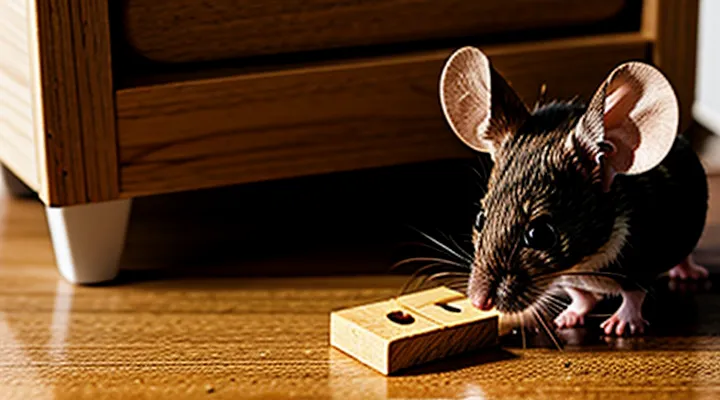
Understanding Mouse Behavior
What Attracts Mice
Mice are driven by a narrow set of sensory cues that can be exploited when constructing homemade traps. Their primary motivators are:
- High‑energy carbohydrates (seeds, grains, cereal flakes)
- Fatty proteins (peanut butter, cooked meat scraps, pet food)
- Sweet substances (sugar, honey, chocolate)
- Strong aromatic compounds (vanilla, cinnamon, citrus peels)
- Moisture sources (fruit, damp bread, cheese)
Mice also respond to environmental factors that suggest a safe habitat. Dark, confined spaces, warm corners, and cluttered areas provide the shelter they seek. Adding a small amount of soft material—such as shredded paper or cotton—enhances the perceived nesting potential.
When selecting bait for a DIY trap, combine at least two of the above categories to create a multi‑sensory lure. A typical effective mixture includes a pea‑sized dab of peanut butter topped with a few grains of oats. This combination supplies fat, protein, and carbohydrate signals, increasing the likelihood of capture.
The placement of the bait matters as much as its composition. Position traps along established mouse pathways: behind appliances, near walls, and within 12 inches of known activity signs. Ensure the trap is level and the bait is securely attached to prevent premature removal.
By focusing on these attractants—nutrient‑dense foods, strong aromas, moisture, and shelter cues—homemade mouse traps achieve higher success rates without reliance on commercial products.
Signs of Infestation
Early identification of a mouse problem allows a homemade trap system to be positioned before the colony expands, reducing damage and control costs.
Typical indicators of a rodent presence include:
- Small, dark droppings about the size of a grain of rice, often found near food sources, along walls, or in cupboards.
- Gnaw marks on wood, plastic, or wiring, characterized by clean, crescent‑shaped bite edges.
- Scratching or scurrying sounds within walls, ceilings, or attic spaces, especially at night.
- Visible tracks or smudge trails on dusty surfaces, indicating movement paths.
- Nests constructed from shredded paper, fabric, or insulation, commonly located in hidden corners or behind appliances.
- Chewed or contaminated food packaging, indicating direct feeding activity.
- Persistent, musky odor that intensifies as the population grows.
- Direct sightings of mice during daylight or in traps set in high‑traffic areas.
Confirming one or more of these signs justifies the deployment of a DIY mouse‑trap network, targeting the identified activity zones for maximum effectiveness.
Essential Principles of Effective Traps
Trap Placement Strategies
Placement determines trap success. Mice travel along concealed routes, avoid open spaces, and exploit structural gaps. Positioning a homemade device where activity concentrates maximizes capture probability.
- Identify runways by observing droppings, gnaw marks, or grease trails; place traps perpendicular to the path, with the bait side nearest the entry point.
- Install traps near walls, because rodents instinctively follow edges; attach devices 1–2 inches from the baseboard to intersect their natural corridor.
- Target entry points such as gaps around pipes, vents, or door frames; position traps directly in front of these openings to intercept newcomers.
- Use multiple traps in a staggered line when a single device fails to engage; spacing of 12–18 inches creates overlapping coverage along the runway.
- Relocate traps after each capture; mice quickly learn avoidance patterns, so shifting devices forces them to encounter fresh placements.
Consistent monitoring and adjustment maintain pressure on the infestation, ensuring that each DIY trap remains effective over time.
Baiting Techniques
Choosing the right attractant determines whether a homemade rodent trap will capture or miss its target. Effective bait must combine strong scent, high palatability, and durability to withstand weather and handling.
- Peanut butter – dense, aromatic, adheres to trap surfaces, resists drying.
- Chocolate chips – sweet, oily, appealing to both mice and rats.
- Sunflower seeds (shelled) – natural grain scent, easy to attach with a dab of adhesive.
- Dried fruit pieces – strong fermenting odor, useful for nocturnal foragers.
- Commercial rodent lures – formulated with pheromones, provide consistent potency.
Placement influences success. Position bait at the trap’s trigger mechanism, ensuring the mouse must disturb the attractant to activate the device. Secure the lure with a small amount of non-toxic glue or a toothpick to prevent removal without triggering. Align the trap along walls, behind appliances, or near known gnaw marks; rodents travel close to surfaces for safety.
Preparation tips:
- Warm peanut butter briefly to improve spreadability; apply a thin, even layer to avoid excess mass that could tip the trap.
- Melt chocolate briefly, dip a small piece of bread, then cool to create a solid, mess‑free lure.
- Soak seeds in a mild broth for 10 minutes, pat dry, then attach with a single dab of adhesive to maintain scent without excess moisture.
Maintain bait freshness. Replace attractants every 48 hours in warm climates, or weekly in cooler environments, to prevent loss of aroma. Store unused bait in airtight containers to preserve potency and avoid contamination. Regularly inspect traps for spoilage or mold, discarding any compromised lures before re‑deployment.
DIY Trap Designs: Simple and Effective
The Bucket Trap: A Humane Option
The bucket trap provides a low‑cost, humane solution for capturing house mice without lethal force. A standard 5‑gallon plastic bucket, a wooden dowel, a smooth plastic lid, a piece of cardboard, and a small amount of food bait are sufficient.
Construction steps
- Cut a 2‑inch opening near the top of the bucket rim.
- Attach the dowel horizontally through the opening so it forms a perch that allows a mouse to step onto the lid.
- Secure the lid on the bucket’s interior edge, leaving a narrow gap for the mouse to enter but preventing escape once the lid tilts.
- Place a thin strip of cardboard or paper on the lid as a trigger surface; when the mouse steps forward, the weight tips the lid, causing the bucket to spin.
- Add a few pea‑sized pieces of dry food at the far edge of the cardboard to entice the mouse.
Operation principles
- The mouse climbs the dowel, reaches the bait, and the added weight shifts the lid’s balance.
- The sudden tilt sends the bucket into a controlled spin, dropping the mouse into the container.
- The smooth interior walls prevent injury; the mouse remains unharmed until release.
Placement recommendations
- Position traps along walls, near known gnawing sites, or behind appliances where mice travel.
- Keep the bait fresh; replace every 48 hours to maintain attraction.
- Check the bucket twice daily; release captured mice at least 200 feet from the building to discourage immediate return.
Maintenance considerations
- Clean the bucket with mild soap after each capture to remove scent trails.
- Inspect the dowel and trigger surface for wear; replace cardboard pieces regularly.
- Store the trap in a dry area when not in use to prevent rust or deformation.
Materials Needed
To construct reliable DIY rodent control devices, gather the following components. Choose items that are readily available, inexpensive, and safe for indoor or outdoor use.
- Sturdy base: plywood panel (½‑inch thick) or thick cardboard.
- Trigger mechanism: spring‑loaded bar, clothespin, or wooden dowel with a tension spring.
- Capture element: a small wire cage, plastic container with a lid, or a bucket with a smooth interior.
- Bait holder: shallow dish, piece of foil, or disposable cup.
- Adhesive surface (optional): double‑sided tape or non‑toxic glue for securing the trigger.
- Fasteners: nails, screws, or zip ties to assemble components.
- Protective gloves: disposable nitrile gloves to handle bait and avoid contamination.
Select a base that can support the trap’s weight without warping. The trigger must release cleanly when the mouse contacts the bait. The capture element should prevent escape but allow easy disposal of the rodent. Use non‑poisonous bait such as peanut butter, seeds, or dried fruit to attract mice while maintaining safety for pets and children. Assemble the parts according to the design plan, ensuring all connections are tight and the mechanism operates smoothly before deployment.
Step-by-Step Assembly
Building a functional rodent trap from readily available materials requires precise sequencing. Gather the components before beginning: a sturdy wooden base (approximately 12 × 6 cm), a spring‑loaded bar, a thin metal wire, a small piece of cardboard, and a bait holder. Ensure each item is clean and free of rust.
- Attach the spring to the wooden base using two screws placed 4 cm apart; tighten until the bar moves freely but returns with sufficient force.
- Bend the metal wire into a U‑shape; secure one end to the bar’s rear edge with a rivet, leaving the opposite end free to serve as the trigger.
- Cut the cardboard into a 5 × 5 cm square; create a shallow groove along one side to hold bait without slipping.
- Position the bait holder on the base, aligning it with the trigger wire so that the slightest disturbance releases the bar.
- Test the mechanism by applying gentle pressure to the trigger; the bar should snap back instantly, closing the trap’s jaws. Adjust tension if the response is sluggish.
- Place the assembled trap in the target area, ensuring the bait faces outward and the base remains stable on the floor.
The completed device operates reliably when each step is executed with exact measurements and secure fastenings. Regular inspection of the spring and wire prevents wear that could compromise performance.
Baiting and Placement Tips
Choosing the right attractant and positioning the trap correctly determine capture success. Fresh, high‑protein foods such as peanut butter, cooked bacon, or dried insects release strong odors that mice cannot ignore. For homes with children or pets, use non‑toxic options like sunflower seeds mixed with a few drops of vanilla extract; the scent remains potent while posing minimal risk.
- Apply a pea‑sized amount of bait directly on the trigger mechanism to prevent spillage.
- Rotate bait types weekly to avoid habituation.
- Secure bait with a thin layer of wax or silicone to keep it from drying out.
Placement should target the mouse’s natural routes. Identify walls, baseboards, and concealed openings where droppings or gnaw marks appear, then set traps perpendicular to the wall, with the entry side facing the wall. Position traps a few inches from each other along a continuous line to create a barrier. Avoid high‑traffic human areas; mice prefer hidden corners and low‑light zones.
After deployment, inspect traps at dawn and dusk. Replace captured devices promptly, refresh bait, and relocate any unchanged traps to new hotspots. Consistent monitoring and incremental adjustments sustain high capture rates.
The Rolling Log Trap: An Ingenious Design
The Rolling Log Trap combines simplicity with kinetic efficiency, offering a reliable option for homemade rodent control. A cylindrical wooden dowel rests on a sloped platform; when a mouse triggers a release mechanism, the dowel rolls down, pulling a taut cord that closes a snap‑back cage.
Materials
- 1 × 2 inch wooden dowel, 12 inches long
- 2 × 4 inch plywood sheet, 12 × 12 inches
- Small spring‑loaded snap trap or spring steel strip
- Thin nylon cord, 6 inches
- Screws, nails, and wood glue
- Bait (peanut butter, dried fruit, etc.)
Construction steps
- Cut the plywood into a right‑angled wedge: a 6‑inch high base and a 12‑inch long ramp with a 30‑degree incline.
- Secure the dowel at the high end of the ramp using a pivot pin that allows free rotation.
- Attach the snap mechanism to a shallow box positioned at the low end of the ramp; the cord connects the dowel to the snap’s trigger arm.
- Thread the cord through a small eyelet on the dowel, ensuring tension when the dowel rests at the top.
- Apply bait inside the box, close the lid, and test the release by gently pushing the dowel down the ramp; the cord should pull the trigger and snap the lid shut.
When a mouse steps on the ramp, its weight displaces the dowel, causing it to roll downhill. The cord shortens, pulling the trigger and sealing the cage instantly. The design eliminates the need for complex wiring or electricity, relying solely on gravity and stored spring energy.
Key advantages include rapid reset (simply lift the dowel back to the start), low material cost, and minimal maintenance. The trap performs best in dry environments; moisture can weaken wood joints and reduce friction needed for smooth rolling. Regular inspection of the pivot and cord prevents wear that could impair operation.
Gathering Components
When constructing a homemade mouse trap, begin by assembling all necessary items to ensure smooth execution.
The core components include:
- A sturdy base such as a wooden block or thick cardboard piece, providing stability.
- A triggering mechanism, typically a spring‑loaded lever, a bent coat hanger, or a simple wooden toggle.
- A bait holder, often a small cup, tube, or perforated container that secures food without allowing escape.
- A capture element, which can be a metal cage, a plastic container with a lid, or a folded piece of sturdy paper forming a funnel.
Additional supplies that improve reliability:
- Adhesive tape or glue for securing joints.
- Wire or zip ties to reinforce connections.
- A sharp knife or scissors for cutting materials to precise dimensions.
- Protective gloves to handle sharp edges safely.
Select materials that are readily available at hardware stores or household inventories, prioritizing durability and ease of assembly. Once gathered, verify that each part functions as intended before proceeding to construction.
Construction Guide
A practical guide for constructing homemade rodent capture devices focuses on durability, safety, and efficiency.
Materials commonly required include sturdy wood or acrylic for the base, a spring‑loaded lever, a trigger mechanism (such as a thin wire or fishing line), a bait compartment, and fasteners. Optional items are a release latch, a protective shield, and a disposal container.
- Cut the base to a length of 12–15 cm and a width of 5 cm; sand edges to prevent splinters.
- Drill a central hole 1 cm in diameter to accommodate the trigger wire.
- Attach the spring to the lever arm, ensuring the tension provides a quick snap when released.
- Secure the lever to the base with a pivot pin, allowing free movement while maintaining alignment with the trigger.
- Thread the trigger wire through the central hole, connect it to a bait platform positioned 2 cm from the lever’s resting position.
- Test the mechanism by applying gentle pressure to the trigger; adjust spring tension or lever length until the snap occurs within 0.2 seconds.
- Install a shield behind the capture area to protect users from accidental contact.
- Place the assembled trap near known activity zones, positioning the bait platform close to walls or entry points.
- After capture, activate the release latch, transfer the rodent to a sealed container, and reset the trap.
Maintenance involves inspecting the spring for fatigue, replacing worn wires, and cleaning the base with mild detergent after each use. Proper placement and regular checks maximize capture rates while minimizing non‑target interference.
Optimization for Success
When building homemade rodent capture devices, success hinges on systematic refinement rather than trial‑and‑error. Each component—placement, lure, trigger mechanism, and durability—must be calibrated to maximize capture rates while minimizing waste of time and materials.
Effective placement follows three principles. First, identify high‑traffic zones by observing droppings, gnaw marks, and pathways. Second, position traps perpendicular to walls, where mice naturally run. Third, keep devices away from clutter that could obstruct the trigger.
Bait selection benefits from consistency and appeal. Use a small amount of high‑fat food such as peanut butter, cheese, or dried fruit. Apply bait directly to the trigger point to ensure the mouse contacts the mechanism when feeding. Rotate bait types weekly to prevent habituation.
Trigger mechanisms require precise tension. A spring‑loaded bar should release with a force just enough to snap shut when a mouse applies pressure of 0.5–1 N. Test the trigger with a calibrated weight before deployment; adjust the spring or lever arm length until the desired sensitivity is achieved.
Material choice influences durability and safety. Opt for hardwood or thick plywood for the base to resist chewing. Use stainless‑steel springs and pins to avoid corrosion. Seal all edges with non‑toxic silicone to prevent splintering and to simplify cleaning.
Maintenance practices sustain performance. Inspect traps daily, remove captured rodents, and reset the trigger. Clean surfaces with a diluted vinegar solution to eliminate scent traces that could deter further activity. Replace worn springs after ten cycles or when the snap action diminishes.
A concise optimization checklist:
- Map rodent pathways; place traps perpendicular to walls.
- Apply a consistent, high‑fat bait directly on the trigger.
- Calibrate trigger force to 0.5–1 N; adjust spring tension as needed.
- Construct with hardwood base and stainless‑steel hardware; seal edges.
- Perform daily inspection, cleaning, and spring replacement.
Applying these targeted adjustments transforms simple DIY capture devices into reliable, high‑efficiency tools for rodent management.
The Snap Trap Alternative: A DIY Approach
A snap‑type mechanism can be replicated with common household items, delivering a fast, humane kill without purchasing commercial units. The design relies on a spring‑loaded lever that closes a metal bar over a baited chamber, ensuring immediate immobilization.
Materials required:
- Stiff steel or aluminum strip (approximately 15 cm long, 1 cm wide)
- Small compression spring (suitable for a 2 kg‑force)
- Thin wooden or plastic base (10 × 5 cm)
- Wire or small hinge pin
- Nail or thumbtack for bait holder
- Glue or epoxy for reinforcement
Construction steps:
- Cut the metal strip to size; bend one end upward to form a trigger arm.
- Drill a hole near the opposite end of the strip; insert the spring, securing it with the hinge pin so the strip can pivot.
- Attach the strip to the base, positioning the pivot point 2 cm from the base edge; ensure the spring is tensioned when the arm is raised.
- Secure the bait holder on the trigger arm using the nail; calibrate the trigger sensitivity by adjusting spring tension.
- Test the trap by applying gentle pressure to the trigger arm; observe rapid closure of the metal bar.
Placement guidelines:
- Position traps along walls, behind appliances, or near known gnawing signs.
- Set traps perpendicular to the mouse’s travel path, with the trigger arm facing the anticipated entry direction.
- Replace bait daily to maintain attraction.
Safety and disposal:
- Wear gloves when handling the trap to avoid accidental closure.
- After capture, use a disposable bag to transport the rodent; seal the bag before discarding.
- Reset the mechanism by depressing the trigger arm until the spring locks into place.
This DIY approach delivers a reliable, low‑cost alternative to store‑bought snap devices, suitable for homeowners seeking effective rodent control without specialized equipment.
Repurposing Household Items
Many households contain objects that can be transformed into efficient rodent capture devices. Plastic bottles, wooden spoons, and cardboard tubes provide structural components, while elastic bands, peanut butter, and steel wool serve as triggers and baits.
- A 2‑liter soda bottle, cut in half, forms a funnel. Place bait at the narrow end, position the wide opening on a flat surface, and secure the bottle with tape. The mouse enters, cannot reverse due to the angled interior.
- A wooden spoon, split lengthwise, creates a snap trap. Insert a piece of steel wool as a spring, attach bait to the tip, and anchor the base to a countertop edge. When the mouse pulls the bait, the spoon snaps shut.
- A cardboard tube, such as a paper towel roll, acts as a tunnel. Insert a small piece of string across the tube, tie a weight to the string, and attach bait at the far end. The mouse’s movement pulls the string, releasing the weight to block the exit.
Key considerations ensure reliability: use non‑toxic bait, position traps along walls where mice travel, and check traps daily. After capture, release the animal outdoors or dispose of it according to local regulations. Regularly replace bait and inspect structural integrity to maintain performance.
Safety Considerations
When constructing homemade rodent capture devices, safety must be addressed at every stage. Use materials that are non‑toxic and resistant to breakage; avoid brittle plastics that can shatter under tension. Secure all sharp edges with protective tape or sandpaper to prevent accidental cuts during assembly or handling. Ensure that any spring or tension mechanism is anchored to a sturdy base so that sudden release does not generate hazardous projectile motion.
Before placement, inspect the trap for loose components, confirming that all fasteners are tightened and that the trigger operates smoothly without excessive force. Position traps away from high‑traffic areas, especially where children or pets may encounter them. If bait is employed, select edible substances that are safe for humans and domestic animals, and keep them sealed in a container when not in use.
Maintain a clean work environment: clear the work surface of clutter, wear gloves to protect skin from potential irritants, and use eye protection when cutting or shaping materials. After each capture, deactivate the trap by removing tension, then dispose of the mouse according to local health regulations. Clean and disinfect the device before storage to prevent bacterial growth.
Regularly review the trap’s condition; replace worn springs, corroded metal parts, or degraded wood to preserve functional reliability and reduce the risk of malfunction.
Maximizing Catch Rate
When constructing a homemade rodent catcher, the primary objective is to increase the number of captures per unit of effort. Achieve this by focusing on three critical factors: trap design, bait selection, and strategic placement.
A well‑engineered trap must balance sensitivity and durability. Use a spring‑loaded or snap‑type mechanism with a trigger calibrated to the weight of an average mouse (approximately 20 g). Reinforce the trigger arm with a thin piece of metal or stiff plastic to prevent premature release while ensuring quick closure on contact. Incorporate a smooth interior surface to reduce escape chances once the animal is restrained.
Bait effectiveness directly influences catch rate. Opt for high‑protein, low‑fat foods such as peanut butter, sunflower seeds, or small pieces of cooked meat. Apply bait to a small, detachable platform that can be removed after each catch, preventing scent buildup that may deter further visits. Rotate bait types every few days to maintain novelty.
Placement determines exposure to mouse pathways. Identify walls, baseboards, and corners where rodents travel, then position traps perpendicular to these routes, with the trigger facing the expected direction of movement. Keep traps at a height of 2–3 inches above the floor, matching the mouse’s natural foraging level. Avoid clutter around the trap; a clear line of approach reduces hesitation.
Maintenance sustains high performance. Inspect traps after each capture, clean residue with mild detergent, and reset the trigger mechanism. Replace worn springs or trigger arms promptly to avoid loss of sensitivity. Store unused traps in a sealed container to preserve bait freshness and prevent accidental activation.
By integrating precise trigger calibration, optimal bait, and evidence‑based positioning, a DIY mouse catcher can consistently achieve a higher catch rate, reducing the need for multiple devices and minimizing the duration of an infestation.
Maintenance and Safety
Regular upkeep is essential for any self‑made rodent trap to retain its catching efficiency and to prevent accidental injury.
- Inspect the trigger mechanism before each use; replace bent springs or worn pivots.
- Clean the bait platform with mild soap and water after each capture; dry thoroughly to avoid rust.
- Sharpen or replace cutting edges on snap‑type devices every few weeks, depending on usage frequency.
- Store disassembled components in a sealed container to protect them from moisture and dust.
Safety protocols protect both the handler and non‑target animals.
- Position traps away from child‑accessible areas and pet pathways; use barriers or elevated platforms when necessary.
- Wear thick gloves when setting or resetting traps to shield hands from sudden closure.
- Keep a first‑aid kit nearby; treat any puncture or pinch wound immediately with antiseptic and bandaging.
- Dispose of captured rodents in sealed bags and follow local regulations for waste handling.
Schedule a weekly inspection cycle: check trigger tension, verify structural integrity, and replenish bait. Consistent maintenance and strict adherence to safety measures ensure reliable performance and minimize risk.
Ethical Considerations and Trap Release
Homemade mouse capture devices raise moral questions that must be addressed before construction. The primary concern is the welfare of captured rodents; designs should avoid lethal outcomes and minimize stress. Materials such as smooth plastic or metal, combined with a gentle spring mechanism, allow the animal to be held without injury. Incorporating a ventilation opening prevents suffocation, while a smooth interior surface discourages self‑inflicted wounds.
A responsible user follows a clear protocol when a mouse is caught. Immediate assessment determines the animal’s condition; any sign of injury requires veterinary attention rather than release. If the mouse appears healthy, it should be transported promptly to a suitable outdoor location, preferably a wooded or field area at least 200 meters from the building to reduce the likelihood of return. Release should occur during daylight hours when predators are less active, and the animal should be placed near natural cover such as brush or fallen logs.
Steps for ethical release
- Verify the mouse is unharmed.
- Prepare a transport container with ventilation.
- Carry the container to a remote, natural habitat.
- Open the container on the ground, allowing the mouse to exit voluntarily.
- Observe from a distance to confirm the animal has left the trap area.
Compliance with local wildlife regulations is mandatory; some jurisdictions require permits for relocating rodents. Documenting each capture and release helps maintain transparency and supports ongoing evaluation of humane practices.