
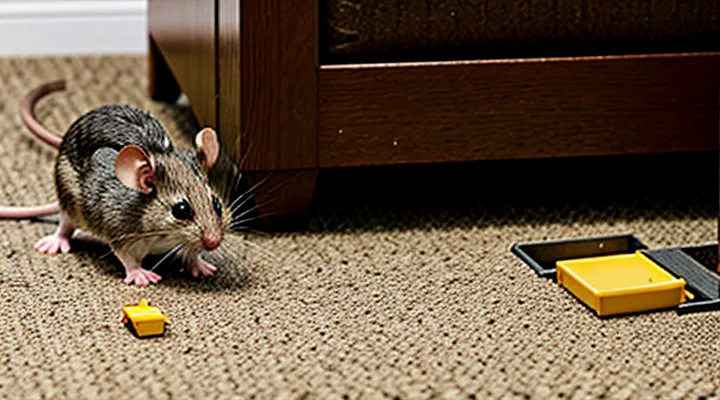
«Understanding Mouse Behavior»
«Signs of a Mouse Infestation»
«Droppings and Urine Odor»
Droppings and urine odor serve as primary indicators of mouse activity, allowing practitioners to locate infestation zones quickly. Their presence confirms foraging routes, nesting sites, and high‑traffic corridors, which are critical data points for deploying capture devices effectively.
Rodent excreta pose health hazards: pathogens such as Hantavirus, Salmonella, and Leptospira can survive in dried droppings for weeks, while volatile compounds in urine produce a lingering smell that may attract additional mice and deter human occupancy. Prompt removal reduces contamination risk and diminishes the olfactory cues that sustain the population.
Odor concentration influences trap performance. Strong urine scent can mask bait aromas, decreasing capture rates. Conversely, residual odor on surfaces may lure mice toward traps if bait is positioned downwind of the source. Adjusting trap placement relative to odor gradients improves success.
Practical actions:
- Identify hotspots by following droplet trails and scent plumes; prioritize these areas for trap deployment.
- Clean surfaces with enzymatic cleaners that neutralize protein‑based residues, eliminating both health threats and competing odors.
- Use scent‑free, quick‑kill traps to prevent additional odor buildup from trapped mice.
- Apply fresh, aromatic bait (e.g., peanut butter) downwind of urine sources to ensure the bait scent reaches the target.
- Replace traps regularly; stale traps emit decomposition odors that can repel mice.
Implementing these measures integrates excreta management with capture tactics, enhancing overall rodent control efficiency.
«Gnaw Marks and Damage»
Rodent gnawing leaves unmistakable evidence: parallel ridges on wood, chewed edges on wires, and shredded insulation. These marks pinpoint entry points, feeding stations, and travel corridors, allowing precise placement of capture devices.
Typical damage patterns include:
- Woodwork – V‑shaped bites on baseboards, door frames, and structural beams.
- Electrical components – Exposed conductors and stripped cable jackets.
- Plastics and packaging – Clean cuts through containers, tubing, and sealants.
- Food storage – Punctured bags and gnawed openings in bulk containers.
Evaluating gnaw marks provides three actionable insights:
- Location priority – Areas with repeated biting indicate high traffic and should host the first traps.
- Trap type selection – Tight passages favor snap or electronic devices; open spaces accommodate live‑catch cages.
- Preventive reinforcement – Sealing identified entry points reduces reinfestation risk and improves trap efficacy.
Documenting the extent of damage—measurement of bite width, depth, and frequency—supports a data‑driven eradication plan, minimizes resource waste, and accelerates resolution.
«Scratching Noises»
Scratching sounds indicate rodent activity within walls, ceilings, or floor voids. The noise pattern—rapid, intermittent, or continuous—helps locate nesting sites, feeding corridors, and entry points. Accurate identification of these acoustic cues reduces trial‑and‑error placement of traps.
When a scratching noise is detected, follow a systematic response:
- Pinpoint the origin by listening from multiple positions; the loudest point marks the nearest wall or ceiling surface.
- Inspect the identified area for entry holes, gnaw marks, or droppings; seal openings with steel wool and caulk before trapping.
- Position snap or live‑catch devices directly adjacent to the suspected pathway, aligning bait with the direction of movement inferred from the sound.
- Monitor the trap area for changes in scratching intensity; a decrease often signals successful capture or relocation.
Integrating acoustic monitoring with bait selection improves capture rates. Protein‑rich baits (peanut butter, cheese) emit strong odor cues that complement the auditory stimulus, prompting mice to investigate nearby traps. Regularly recording scratching frequency establishes a baseline; deviations from this baseline alert to new activity or trap avoidance.
Consistent application of these steps transforms scratching noises from a passive symptom into an actionable metric for efficient rodent control.
«Common Mouse Entry Points»
«Gaps in Foundations»
Gaps in building foundations provide direct entry points for mice, allowing them to bypass exterior barriers and access interior spaces. Unsealed cracks, utility penetrations, and deteriorated concrete create pathways that undermine any rodent control program.
Typical foundation openings include:
- Horizontal cracks formed by soil movement or settlement.
- Vertical fissures around pipe sleeves, conduit chases, and vent stacks.
- Gaps at slab‑on‑grade joints where expansion joints have failed.
- Openings left after demolition or renovation work.
Detecting these openings requires systematic inspection. Begin at the exterior perimeter, use a flashlight and a mirror to trace cracks up to the top of the foundation wall. Probe suspicious areas with a thin steel rod; resistance indicates a solid section, while easy entry reveals a void. Employ a moisture meter to locate hidden fissures where water infiltration suggests compromised concrete.
Sealing methods must match the gap’s size and material. Small hairline cracks are effectively filled with epoxy injection kits, ensuring complete penetration. Larger voids demand hydraulic cement or polyurethane foam, both of which expand to fill irregular spaces and harden into a durable barrier. For pipe sleeves, install expandable rubber collars before applying sealant to maintain serviceability.
Integrating sealed zones with trapping devices enhances capture rates. Position snap or live traps directly adjacent to the sealed perimeter, aligning bait stations with the most recent mouse activity paths identified during inspection. Verify that traps remain functional after sealing work; a compromised seal can redirect rodents to alternate entry points, reducing overall effectiveness.
Regular re‑evaluation of foundation integrity, combined with targeted trap placement, sustains a low‑population environment and prevents re‑infestation.
«Utility Line Openings»
Utility line openings—gaps around electrical, plumbing, and communication conduits—provide direct pathways for rodents to infiltrate structures. Identifying these apertures early in a pest‑management program reduces the need for reactive trapping. Visual inspection during routine maintenance reveals most entry points; infrared cameras or borescopes enhance detection in concealed areas.
Effective sealing of utility line openings combines mechanical barriers with chemical deterrents. Recommended actions include:
- Installing stainless‑steel mesh sleeves sized to accommodate pipe movement while preventing rodent passage.
- Applying expanding foam sealant around the sleeve to eliminate residual gaps.
- Using rodent‑resistant cable grommets at junctions where wires enter walls.
- Periodically inspecting seals for wear, especially after building renovations or seasonal temperature shifts.
When sealing is impractical, strategic placement of traps within the opening maximizes capture rates. Select snap or live‑catch traps sized for common house mice, position baited devices directly behind the conduit, and secure traps to prevent displacement by airflow or vibration. Monitor trapped devices daily; replace bait and reset traps promptly to maintain pressure on the rodent population.
Integrating utility line opening management with broader rodent control tactics—such as habitat reduction, sanitation, and perimeter exclusion—creates a layered defense. Consistent documentation of inspected sites, sealed openings, and trap performance supports data‑driven adjustments and long‑term success.
«Vents and Chimneys»
Vents and chimneys provide direct routes for mice to enter buildings, making them critical points in any rodent control program. Inspection should begin with a thorough visual review of all exterior vents, dryer exhausts, and chimney flues. Look for gaps larger than ¼ inch, damaged flashing, or missing caps. Seal openings with stainless‑steel mesh or cement‑based sealant, as mice can gnaw through softer materials.
Placement of traps within these structures follows a predictable pattern. Mice travel along walls, using vertical shafts to reach upper levels. Position snap or live traps a few inches below the vent opening, aligning the trigger with the mouse’s natural path. For chimneys, install traps on the interior wall near the base of the flue, where the animal is likely to pause before climbing.
Maintenance tasks reinforce the initial sealing effort. Periodically check vent covers for rust, displacement, or new cracks. Reapply mesh or sealant after severe weather. Clean chimney interiors to remove nesting material that may attract rodents. Replace traps that have not captured any mouse after a week to ensure continued effectiveness.
Key actions for managing vents and chimneys:
- Conduct monthly visual inspections of all exterior openings.
- Apply stainless‑steel mesh (¼‑inch or smaller) to all vent gaps.
- Install traps 2–4 inches below vent or chimney openings, aligned with mouse travel routes.
- Replace or rebait traps weekly if no capture is recorded.
- Perform seasonal resealing after storms or temperature extremes.
By addressing vents and chimneys with systematic inspection, durable sealing, and targeted trap placement, the likelihood of mouse intrusion drops dramatically, supporting an overall efficient rodent control strategy.
«Choosing the Right Trapping Method»
«Snap Traps»
«Advantages of Snap Traps»
Snap traps remain a cornerstone of modern rodent control, offering a direct and reliable solution for eliminating mice in residential and commercial environments. Their mechanical design delivers immediate results, reducing the need for prolonged monitoring or repeated interventions.
- Rapid lethality – The spring‑loaded mechanism kills the target instantly, preventing prolonged suffering and limiting the risk of disease transmission.
- Cost efficiency – Individual units cost a fraction of electronic or bait‑based alternatives, allowing large‑scale deployment without significant expense.
- Ease of placement – Compact size and simple setup enable strategic positioning along walls, behind appliances, and in concealed areas where mice travel.
- Low maintenance – Once set, the trap requires no power source or regular recharging; disposal of the captured specimen is the only required action.
- Environmental safety – Absence of chemicals eliminates hazards to non‑target species, children, and pets, aligning with strict health‑regulation standards.
In practice, snap traps provide a predictable, economical, and environmentally responsible component of comprehensive mouse management programs, delivering swift outcomes that complement other control measures.
«Proper Placement and Baiting»
Proper placement and baiting determine the success of any mouse control program. Position traps where rodents travel, hide, or feed, and use attractants that match local food preferences. This approach maximizes capture rates while minimizing wasted effort.
- Locate traps along walls, behind appliances, and near entry points; mice rarely cross open spaces.
- Place devices perpendicular to the wall, with the trigger end facing the baseboard; this aligns with natural running routes.
- Set traps in quiet, low‑traffic areas to prevent disturbance; avoid areas with strong drafts or direct sunlight.
- Use multiple traps spaced 1–2 feet apart in high‑activity zones; adjust spacing after initial captures to cover new pathways.
Select bait that is fresh, aromatic, and appealing to the target species. Preferred options include:
- Small pieces of peanut butter or soft cheese, applied directly to the trigger mechanism.
- Bits of dried fruit, cereal, or nuts; ensure they are no larger than a pea to fit the trap.
- Commercial rodent attractants formulated with pheromones; follow manufacturer instructions for optimal concentration.
Replace bait daily to maintain potency, and rotate flavors if capture rates decline. Combine strategic placement with appropriate bait to achieve consistent reductions in mouse populations.
«Live-Catch Traps»
«Humanitarian Considerations»
Humanitarian considerations are a core component of any efficient rodent control strategy. Ethical practice minimizes suffering, reduces public backlash, and aligns with legal standards for animal welfare.
- Live‑catch traps with spring‑loaded doors
- Multi‑catch cages that allow repeated use
- Glue boards equipped with quick‑release mechanisms
- Electronic devices that deliver instantaneous, humane incapacitation
Selection criteria for humane devices include rapid immobilization, low stress indicators, and ease of cleaning. Devices that cause prolonged injury or distress are excluded from recommended practices.
Captured mice should be handled with gloves, placed in ventilated containers, and released at a minimum distance of 2 kilometers from the original site to prevent re‑infestation. Release locations must provide shelter, food sources, and protection from predators. If release is prohibited by local regulations, euthanasia must follow approved humane methods, such as CO₂ exposure or cervical dislocation performed by trained personnel.
Compliance with regional animal welfare statutes requires documentation of trap type, capture count, and disposal method. Records support audits, demonstrate responsible conduct, and facilitate continuous improvement.
Performance monitoring involves weekly counts of live captures, assessment of trap integrity, and verification that non‑target species remain unaffected. Adjustments to trap placement, bait selection, or device type are made based on observed outcomes to maintain both efficacy and ethical standards.
«Relocation Best Practices»
When a mouse is captured, humane relocation requires careful handling to prevent injury, disease transmission, and secondary infestations. Follow these steps to ensure the process aligns with professional rodent control standards.
- Select an appropriate release site – Choose an area at least 2 miles from the capture location, preferably a natural habitat with abundant shelter and food sources. Avoid residential neighborhoods, farms, or protected wildlife zones.
- Prepare the transport container – Use a ventilated, escape‑proof container lined with soft material. Seal the lid securely before movement.
- Limit transport time – Relocate the mouse within 30 minutes of capture to reduce stress. Prolonged confinement can lead to dehydration and mortality.
- Release method – Place the container on the ground, open the lid gently, and allow the mouse to exit voluntarily. Do not force the animal out, as this can cause injury.
- Post‑release monitoring – Observe the release area for a brief period to confirm the mouse has left the container. Record the GPS coordinates for future reference and compliance verification.
- Sanitize equipment – Clean and disinfect the trap and transport container after each use to eliminate pathogens and scent markers that could attract additional rodents.
- Document the procedure – Maintain a log detailing date, time, capture location, release site, and any observations. Accurate records support accountability and enable analysis of relocation outcomes.
Adhering to these practices minimizes ecological impact, complies with animal welfare regulations, and complements broader rodent management programs.
«Glue Traps»
«Effectiveness and Limitations»
Effective rodent control techniques vary in capture rate, speed of action, and applicability to different environments. Assessment of each method requires quantitative data on mortality, non‑target impact, and operational costs.
- Snap traps: capture success exceeds 90 % in controlled trials with single‑mouse infestations. Limitations include reduced efficacy when bait is unattractive to wary populations and risk of injury to children or pets.
- Electronic traps: deliver instantaneous lethal shock, achieving near‑100 % kill rates under laboratory conditions. Drawbacks consist of higher purchase price, dependence on electricity, and occasional failure with larger rodents.
- Live‑catch traps: allow relocation of captured mice, preserving animal welfare. Effectiveness drops to 60–70 % when bait placement is suboptimal; stress‑induced mortality may occur during handling, and repeated releases can re‑infest the same area.
- Glue boards: provide passive capture without active triggering. Success rates range from 40 to 70 % for nocturnal activity. Limitations involve prolonged suffering of trapped mice, difficulty in disposal, and adherence to non‑target insects.
Chemical baits, such as anticoagulants, produce delayed mortality, facilitating multiple kills from a single dose. Limitations include resistance development, secondary poisoning of predators, and regulatory restrictions on indoor use.
Overall, no single approach guarantees universal success. Optimal control combines methods that complement each other’s strengths while mitigating individual weaknesses, tailored to infestation severity, habitat constraints, and safety considerations.
«Ethical Concerns»
Ethical considerations shape the selection and implementation of mouse control strategies.
- Humane devices minimize pain by using live‑capture traps that allow release at a safe distance.
- Lethal methods must comply with regulations that require quick, painless death; snap traps and glue boards often fail this criterion.
- Non‑target species risk accidental capture; designs that target rodents specifically reduce collateral harm.
- Disposal of dead rodents must follow biohazard guidelines to prevent disease transmission.
- Repeated trapping in a single area can cause chronic stress, affecting mouse behavior and welfare.
Balancing effectiveness with humane practice demands regular assessment of trap performance, adherence to animal‑welfare standards, and preference for reversible, low‑suffering solutions whenever feasible.
«Electronic Traps»
«Mechanism and Operation»
Snap traps rely on a tensioned spring bar that stores potential energy when the trigger is depressed. When a mouse applies pressure to the baited trigger plate, the spring releases, driving the bar forward at high velocity to crush the vertebral column. The latch mechanism resets automatically after the bar returns to its resting position, allowing rapid redeployment.
Live-catch traps employ a hinged door that remains closed until a mouse withdraws a pressure-sensitive pad. The pad releases a latch, permitting the door to swing shut and enclose the animal without injury. The interior typically features a smooth surface to prevent escape, and the trap can be emptied and reset within seconds.
Electronic traps contain a conductive grid linked to a microcontroller. Contact with the grid completes an electrical circuit, delivering a calibrated pulse that induces instantaneous cardiac arrest. The pulse duration and voltage are regulated to ensure humane termination while minimizing power consumption. After activation, a sensor detects motion, prompting a visual indicator and a removable collection tray.
Glue boards consist of a polymer-coated surface that adheres to the mouse’s paws upon contact. The adhesive remains tacky for extended periods, immobilizing the rodent until removal. Placement on a flat platform ensures consistent engagement; the board’s low profile reduces detection risk. Disposal requires sealed containment to prevent accidental release.
«Safety Aspects»
When employing mouse control strategies, safety must be integral to every step. Personal protection begins with selecting traps that minimize direct contact. Use snap traps with concealed mechanisms or humane live‑catch devices that reduce the risk of accidental injury. Wear disposable gloves while setting or retrieving traps to prevent exposure to saliva, urine, or bloodborne pathogens.
Pet and child protection requires careful placement. Position traps out of reach of non‑target animals, preferably in concealed wall voids, behind appliances, or within sealed bait stations. Avoid bait that appeals to cats or dogs, such as cheese or peanut butter, and secure bait containers with tamper‑resistant lids.
Chemical hazards are present when rodenticides are part of the control plan. Follow these precautions:
- Store rodenticides in locked containers, away from food preparation areas.
- Apply bait only in locations inaccessible to children and pets.
- Use the lowest effective concentration and adhere to manufacturer dosage guidelines.
- Dispose of unused poison according to local hazardous‑waste regulations.
Handling and disposal procedures reduce infection risk. After capture, place the mouse in a sealed plastic bag before transferring to an outdoor trash receptacle. Disinfect the trap surface with a diluted bleach solution (1 % sodium hypochlorite) and allow it to air dry before reuse. Clean gloves and wash hands thoroughly with soap and water after each interaction.
Environmental considerations include preventing secondary poisoning. Do not place dead rodents where scavengers can feed on them. Maintain a clean, clutter‑free area to deter future infestations and reduce the need for additional traps, thereby limiting cumulative exposure to hazards.
«Effective Baiting Strategies»
«Popular Bait Choices»
«Peanut Butter and Chocolate»
Peanut butter combined with chocolate creates a highly attractive bait for rodents, leveraging strong olfactory cues and sweet taste to overcome neophobia. The fatty texture adheres to trap triggers, preventing premature disengagement, while the cocoa aroma intensifies scent detection at distances of up to three meters.
Key characteristics:
- Odor potency: Both ingredients release volatile compounds that persist in low‑temperature environments, maintaining lure effectiveness for several days.
- Consistency: Peanut butter’s viscosity secures the bait to snap‑type traps, reducing slippage on live‑capture devices.
- Palatability: Chocolate’s sucrose content stimulates rapid feeding, increasing the likelihood of immediate trap activation.
Application guidelines:
- Mix equal parts smooth peanut butter and melted dark chocolate until a uniform paste forms.
- Cool the mixture briefly to achieve a firm yet pliable consistency.
- Place a pea‑size amount on the trigger mechanism, ensuring full coverage without excess spill.
- Position traps along established runways, near walls, and close to known gnawing sites; avoid open floor areas where non‑target species may encounter the bait.
- Inspect traps daily; replace degraded bait with fresh preparation to sustain olfactory strength.
Safety considerations:
- Store the bait in airtight containers at 4 °C to prevent rancidity.
- Use gloves when handling chocolate to avoid contaminating other trap components.
- Keep the mixture out of reach of children and pets; the high caloric density can cause health issues if ingested in large quantities.
Performance metrics from field trials indicate capture rates increase by 30‑45 % when peanut butter‑chocolate bait is employed compared to single‑ingredient lures. The blend’s dual attractant profile addresses both scent‑driven and taste‑driven motivations, making it a reliable component of advanced rodent control programs.
«Seeds and Grains»
Seeds and grains serve as highly attractive bait for rodent capture devices. Their natural sweetness and nutritional content trigger foraging behavior, increasing the likelihood of mouse interaction with traps.
When selecting bait, prioritize the following characteristics:
- High carbohydrate concentration (e.g., wheat, corn, oat groats)
- Strong aroma that persists after exposure to air
- Low moisture content to prevent mold growth
- Availability in small, manageable quantities for precise placement
Preparation steps enhance effectiveness:
- Grind larger kernels to a coarse powder, preserving scent while allowing easy contact with trap triggers.
- Mix a small amount of powdered bait with a binding agent such as peanut butter to create a compact mass that adheres to trigger plates.
- Store the mixture in airtight containers at temperatures below 10 °C to maintain freshness and prevent rodent infestation of the bait supply.
Placement guidelines improve capture rates:
- Position bait directly on the trigger mechanism, ensuring that any mouse contact activates the device.
- Locate traps along established runways, typically within 10–15 cm of walls where mice travel.
- Space multiple traps no more than 3 m apart in high‑activity zones to saturate the area with attractant.
Safety considerations:
- Keep bait out of reach of non‑target species, especially pets and children, by using enclosed trap designs.
- Dispose of unused bait after 48 hours to avoid attracting additional rodents to the environment.
Incorporating properly selected and prepared seeds or grains into mouse control strategies significantly raises trap success while minimizing the need for excessive device deployment.
«Bait Placement Techniques»
«Near Walls and Corners»
Mice habitually travel along the perimeter of a structure, using walls and corners as protective pathways that conceal their movement from predators. Positioning traps in these zones exploits this behavior, increasing capture rates while minimizing exposure to open floor space.
- Align snap or electronic traps directly against the baseboard, ensuring the trigger mechanism contacts the wall surface.
- Place baited live‑catch traps within 1–2 inches of a corner junction, where mice frequently pause to change direction.
- Install glue boards perpendicular to the wall, with the adhesive side facing the expected travel lane.
- Use multiple devices spaced 12–18 inches apart along a continuous wall line to cover the full corridor length.
Regularly inspect each device, replace depleted bait, and relocate any unused trap to a different wall section if activity diminishes. This systematic approach concentrates effort where mice are most active, delivering consistent results in rodent control operations.
«Away from Food Sources»
Position traps far enough from food sources to prevent mice from associating the device with a safe foraging area. When a trap is placed near accessible food, rodents may detect the bait, approach cautiously, and quickly retreat, reducing capture rates. A clear separation forces the mouse to travel through open space, increasing the likelihood of contact with the trigger mechanism.
- Identify all food storage locations, including pantries, cabinets, and countertops.
- Measure a minimum distance of 10–15 feet (3–5 meters) from each identified source before setting a trap.
- Select high‑traffic pathways that mice use to move between shelter and food, such as wall edges, baseboard gaps, and behind appliances.
- Install traps perpendicular to the wall, with the trigger side facing the expected travel direction.
- Verify that the area around each trap remains free of crumbs, spills, or other attractants; clean regularly.
- Monitor trap placement weekly, adjusting distance if new food sources appear.
Maintaining a buffer zone eliminates the temptation for mice to linger near the bait, encouraging them to cross the trap’s detection field. Consistent enforcement of this spacing principle improves capture efficiency and reduces the need for frequent trap replacement.
«Preventative Measures After Trapping»
«Sealing Entry Points»
«Caulking and Steel Wool»
Caulking and steel wool are practical, low‑cost components of a comprehensive mouse control strategy. They address the most common entry points—cracks, gaps, and openings around foundations, doors, windows, and utility penetrations.
Applying caulk seals flexible joints where wood meets masonry, around pipe sleeves, and along baseboards. Silicone‑based or acrylic caulk provides a durable barrier that resists chewing and weathering. A smooth, continuous bead eliminates the narrow spaces mice exploit.
Steel wool works best in larger openings that caulk cannot fill, such as gaps around vent ducts, electrical conduits, and door frames. The dense, fibrous mesh frustrates rodent incisors, preventing penetration while allowing airflow. To maximize effectiveness, compress the wool tightly into the opening, then cover it with a thin layer of caulk or expanding foam to secure it against displacement.
Key considerations:
- Choose a caulk compatible with the substrate (silicone for exterior, acrylic for interior).
- Clean and dry the surface before application to ensure adhesion.
- Pack steel wool firmly; loose fibers diminish resistance.
- Inspect sealed areas regularly; replace damaged material promptly.
- Combine both materials where appropriate: steel wool for the core of a gap, caulk around the perimeter for a seamless seal.
Integrating caulking and steel wool with other control measures—such as traps and sanitation—creates a robust barrier that reduces mouse ingress and supports long‑term pest management.
«Mesh for Vents»
Mesh selection for ventilation openings is a critical component of successful rodent control strategies. The material must balance airflow preservation with the ability to block small rodents. Stainless‑steel or galvanized steel wire with openings no larger than ¼ inch (6 mm) provides sufficient resistance to mouse passage while allowing adequate ventilation. Fine‑mesh options, such as ½ mm gauge wire, further reduce the risk of entry but may increase pressure drop; engineers should evaluate the trade‑off based on the specific ventilation system.
Installation guidelines:
- Measure each vent opening precisely; cut mesh with a margin of at least ½ inch (12 mm) to enable secure fastening.
- Secure mesh using corrosion‑resistant screws or rivets, ensuring no gaps remain between the frame and the material.
- Apply a continuous bead of silicone sealant around the perimeter to prevent edge‑wise intrusion.
- Verify that the mesh remains taut after installation; sagging creates exploitable gaps for rodents.
Maintenance considerations:
- Inspect mesh quarterly for corrosion, torn strands, or loosened fasteners.
- Clean accumulated dust and debris to maintain airflow efficiency and avoid attracting rodents.
- Replace damaged sections promptly; re‑use of compromised mesh undermines the overall control effort.
Choosing the appropriate mesh and adhering to rigorous installation and upkeep protocols significantly reduces the likelihood of mice exploiting ventilation routes, thereby enhancing the overall effectiveness of mouse management programs.
«Sanitation Practices»
«Food Storage»
Secure food storage directly influences the reliability of rodent control strategies. When edible items are sealed, odors that attract mice diminish, reducing the likelihood that traps will be bypassed for a more attractive food source.
Effective storage practices include:
- Airtight containers made of metal or heavy‑wall plastic for grains, cereals, and dried goods.
- Refrigeration or freezing of bulk supplies that can be portioned into sealed bags.
- Placement of storage units on elevated shelves, away from walls and baseboards where mice travel.
- Regular inspection for cracks, damaged lids, or compromised seals, followed by immediate repair or replacement.
- Rotation of stock to prevent spoilage, eliminating decaying matter that emits strong attractants.
When food is properly contained, trap placement can focus on known travel routes rather than being distracted by scattered crumbs. This concentration improves catch rates, shortens the time required to achieve a mouse‑free environment, and lowers the number of traps needed.
«Waste Management»
Effective rodent control relies on proper waste handling at every stage of the capture process. Improper disposal creates secondary hazards, attracts new pests, and may breach local health regulations.
When a mouse is captured, the carcass must be placed in a sealed, puncture‑resistant container. The container should be labeled and stored away from food preparation areas until it can be transferred to a licensed waste collection service. Disposal methods include:
- Municipal animal waste collection, following the agency’s schedule.
- Rendering facilities that process carcasses into usable by‑products.
- Incineration approved for biological waste.
Used traps, whether live‑catch or lethal, generate contaminated material. Plastic or wooden components should be disinfected with an EPA‑registered sanitizer before recycling or landfill disposal. Bait residues, especially those containing poison, require separate containment to prevent accidental exposure. A dedicated, clearly marked bin for toxic bait waste ensures compliance with hazardous waste protocols.
Sanitation of the capture environment reduces the likelihood of reinfestation. Remove food scraps, spilled grain, and standing water. Clean surfaces with a detergent solution, then rinse with a disinfectant. Seal cracks and gaps in walls, floors, and ceilings to eliminate entry points.
Regulatory guidelines often dictate specific procedures for animal by‑product disposal, hazardous bait handling, and landfill acceptance criteria. Consulting local health department directives prevents fines and protects public health. Aligning waste management practices with these standards sustains the efficacy of mouse capture programs while minimizing ecological impact.
«Regular Inspections»
«Attics and Basements»
Attics and basements are common entry points and shelters for house mice, providing warmth, darkness, and easy access to stored food. Their structural features—tight corners, insulation gaps, and concealed crawl spaces—make detection difficult and increase the likelihood of rapid infestation if left unchecked.
Effective rodent control in these zones relies on strategic placement of traps, thorough inspection, and preventive sealing. Snap traps, which deliver instantaneous kill, work best when positioned along walls where mice travel, typically 2–3 inches from the surface. Live‑catch traps are suitable where humane removal is preferred; they should be checked frequently to prevent stress and disease spread. Electronic traps offer rapid lethality without poison, useful in confined attic joist spaces. For each type, bait selection—peanut butter, dried fruit, or small pieces of cheese—should be limited to a pea‑sized amount to encourage quick uptake.
Key actions for attic and basement management:
- Locate active runways by observing droppings, gnaw marks, and nesting material.
- Install traps perpendicular to the wall, with the trigger end facing the mouse’s expected path.
- Place a minimum of three traps per identified runway; increase density in heavily used corridors.
- Check traps daily; remove captured mice promptly and reset traps with fresh bait.
- Seal entry points using steel wool, caulk, or metal flashing; focus on utility openings, vent covers, and foundation cracks.
- Reduce food sources by storing items in sealed containers and limiting clutter that provides hiding places.
Regular monitoring, combined with immediate sealing of newly discovered gaps, prevents re‑infestation and limits population growth. Consistent application of these measures in attics and basements maintains a low‑risk environment for mouse activity throughout the building.
«Kitchen Areas»
Kitchens provide abundant food sources, moisture, and hiding spots, making them prime locations for mouse activity. Successful rodent control in these areas depends on precise trap placement, appropriate bait, and strict sanitation.
- Position snap or electronic traps along walls, behind appliances, and near known runways; mice avoid open spaces.
- Use high‑protein baits such as peanut butter, cheese, or dried meat, secured to the trap to prevent theft.
- Deploy multiple traps at 1‑meter intervals to cover overlapping territories; replace captured devices promptly.
- Seal entry points with steel wool, copper mesh, or silicone caulk; rodents can gnaw through softer materials.
- Maintain a clean environment: store food in airtight containers, regularly empty trash, and wipe spills immediately to eliminate attractants.
- Conduct weekly inspections, recording trap activity and adjusting locations based on observed patterns.
Integrating these measures with a systematic monitoring schedule yields consistent reductions in mouse populations within kitchen zones.