
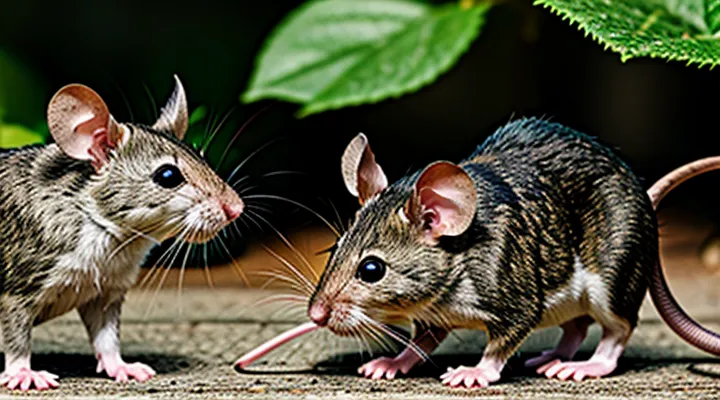
«Understanding Mouse Poisons»
«Types of Rodenticides»
«Anticoagulants»
Anticoagulant rodenticides interrupt the blood‑clotting cascade, causing internal hemorrhage in mice after a single or multiple feedings. They are classified as first‑generation (e.g., warfarin, chlorophacinone) and second‑generation compounds (e.g., brodifacoum, difenacoum). Second‑generation agents require lower exposure levels but persist longer in the environment, increasing secondary‑poisoning risk.
When selecting an anticoagulant, consider the following factors:
- Target species susceptibility and local resistance patterns.
- Desired speed of action: first‑generation products typically act within 3–5 days, whereas second‑generation agents may require 5–7 days.
- Regulatory status: many jurisdictions restrict or ban specific second‑generation compounds due to wildlife impact.
- Application setting: indoor use favors low‑residue formulations; outdoor use may permit bait stations with weather‑resistant matrices.
Safe use demands strict adherence to dosage and handling protocols:
- Measure the exact amount prescribed per bait unit; avoid over‑filling to prevent accidental ingestion by non‑target animals.
- Place baits in tamper‑proof stations, positioned at least 1.5 m from food preparation areas and 2 m from child‑accessible zones.
- Wear disposable gloves when handling, and wash hands thoroughly after each session.
- Store unopened containers in a locked, temperature‑controlled cabinet, away from pets and wildlife.
- Dispose of expired or unused bait according to local hazardous‑waste guidelines; never discard in regular trash.
Resistance management requires rotating active ingredients annually and integrating non‑chemical measures such as exclusion, sanitation, and trapping. Monitoring mouse activity after bait deployment helps assess efficacy; a decline of ≥70 % in capture rates within two weeks indicates successful control.
Documentation of product batch numbers, application dates, and locations supports compliance audits and facilitates rapid response if secondary poisoning incidents arise.
«Non-Anticoagulants»
Non‑anticoagulant rodenticides represent a class of mouse poisons that act through mechanisms other than blood clot disruption. They provide alternatives when anticoagulant resistance is documented or when rapid lethal action is required.
Typical active ingredients include:
- Bromethalin – disrupts mitochondrial function, leading to cerebral edema.
- Cholecalciferol – induces lethal hypercalcemia.
- Zinc phosphide – releases phosphine gas upon ingestion, causing cellular respiration failure.
- Diphacinone (low‑dose anticoagulant used in combination formulations) – acts on vitamin K cycles but at sub‑therapeutic levels to avoid resistance.
Mechanisms differ markedly from clotting inhibitors. Bromethalin interferes with ATP production, cholecalciferol elevates serum calcium beyond physiological limits, and zinc phosphide produces a toxic gas that penetrates tissues rapidly. These pathways produce swift mortality, often within 24–48 hours, reducing the window for bait avoidance.
Safety considerations demand strict adherence to personal protective equipment, avoidance of bait placement near food preparation areas, and prevention of access by non‑target species. Secondary poisoning risk is lower for bromethalin and cholecalciferol compared with anticoagulants, yet remains present for scavengers that consume carcasses. Secure bait stations mitigate accidental ingestion by children and pets.
Selection criteria encompass:
- Documented resistance patterns in the target population.
- Indoor versus outdoor deployment.
- Desired speed of kill.
- Regulatory restrictions governing active ingredient use.
- Compatibility with integrated pest management practices.
Application guidelines prescribe measured bait quantities per station, regular inspection for consumption, and prompt removal of dead rodents. Maintaining a log of bait locations and dates supports compliance with safety protocols and facilitates evaluation of efficacy. Continuous monitoring determines whether replacement or escalation to alternative control methods is necessary.
«How Rodenticides Work»
Rodenticides act by disrupting vital physiological processes in mice, leading to rapid incapacitation and death. The most common categories include anticoagulants, neurotoxins, and metabolic inhibitors, each targeting a specific system.
-
Anticoagulants interfere with vitamin K recycling, preventing blood clot formation. Mice ingest the bait, experience internal bleeding, and die within 24–72 hours. First‑generation compounds (e.g., warfarin) require multiple doses; second‑generation agents (e.g., brodifacoum) are effective after a single ingestion.
-
Neurotoxins such as bromethalin block the release of neurotransmitters, causing paralysis of the central nervous system. Symptoms appear within hours, and death follows due to respiratory failure.
-
Metabolic inhibitors like zinc phosphide react with stomach acid to release phosphine gas, which impairs cellular respiration. The gas penetrates tissues, resulting in systemic toxicity and death within a few hours.
Effective application demands precise dosing, secure placement of bait stations, and isolation from non‑target species. Use tamper‑resistant containers, label each station with active ingredient and concentration, and monitor consumption to avoid overexposure. Personal protective equipment (gloves, eye protection) should be worn during handling, and any spills must be cleaned with absorbent material followed by proper disposal according to local regulations. Regular inspection of bait stations ensures continued efficacy and minimizes risk to pets, wildlife, and humans.
«Choosing the Right Mouse Poison»
«Factors to Consider»
«Infestation Severity»
Infestation severity quantifies the number of active mice, their distribution, and the speed of population growth. Common indicators include frequent sightings, droppings per square meter, gnaw marks, and damage to stored goods. Precise assessment provides a baseline for selecting an appropriate toxic control method.
Higher severity levels demand stronger formulations, larger bait quantities, and broader placement coverage. Considerations include:
- Toxin potency: Heavy infestations often require anticoagulants with lower lethal dose thresholds, while light infestations may be managed with milder compounds.
- Bait size and composition: Larger groups respond better to bait that mimics natural food sources and can be distributed in multiple stations.
- Application density: Increase the number of bait stations proportionally to the estimated mouse count to ensure sufficient exposure.
Safety protocols must scale with severity. In dense infestations, the risk of accidental ingestion by non‑target animals rises, requiring:
- Enclosed bait stations with lock‑away mechanisms.
- Placement away from child‑accessible areas and food preparation zones.
- Use of tamper‑resistant formulations that activate only after ingestion by rodents.
Continuous monitoring after deployment allows adjustment of bait density and type as the infestation declines. Record mortality rates and residual activity signs weekly; reduce bait concentration gradually to prevent secondary poisoning and to align with the diminishing mouse population. This systematic approach ensures effective control while maintaining a safe environment.
«Location of Infestation»
Understanding where mice are active determines bait placement, exposure risk, and effectiveness. Identify entry points by inspecting walls, baseboards, and utility openings. Look for gnaw marks, droppings, and fresh chew paths; these indicate travel routes and nesting zones. Record the exact rooms, corners, and concealed spaces that show consistent activity.
When selecting poison formulations, match the delivery method to the environment. In open floor areas, use tamper‑resistant stations that can be secured on countertops or shelves. In wall voids or crawl spaces, opt for sealed gel or pellet bait that can be inserted into crevices without attracting non‑target animals. Place bait no higher than 12 inches off the ground to align with mouse foraging height.
Safety considerations depend on proximity to humans and pets. Avoid positioning bait near food preparation surfaces, children's play zones, or pet feeding stations. If infestation occurs in kitchens, use enclosed bait stations that prevent accidental contact. In attics or garages, label bait locations clearly and restrict access with barriers or signage.
Monitoring after deployment confirms coverage adequacy. Check stations daily for consumption and replace depleted units promptly. Document any shifts in activity patterns; mice may relocate bait if initial sites become saturated. Adjust placement to newly identified hotspots until capture rates stabilize.
«Presence of Children and Pets»
When children or pets share a home, the choice and handling of rodent control agents require strict safeguards. Toxic baits must be inaccessible to non‑target occupants; otherwise, accidental ingestion can cause severe health consequences.
- Store all bait in locked containers placed out of reach of anyone younger than 12 years or any animal not intended to be targeted.
- Position traps and stations at ceiling height or behind appliances where children cannot climb and pets cannot crawl.
- Use tamper‑resistant bait stations that close automatically after a single use, preventing further exposure.
- Label each container with clear warnings that include symbols recognized by children and pet owners.
Select products formulated for environments with vulnerable individuals. Options include:
- Anticoagulant pellets with low secondary toxicity, designed to deter secondary poisoning of pets that might consume a dead mouse.
- Non‑chemical traps (snap or electronic) that eliminate the need for poison altogether, eliminating ingestion risk.
- Baits containing bittering agents that discourage accidental tasting by curious children or animals.
After deployment, monitor stations regularly. Remove any uneaten bait within 24 hours and replace it only if necessary. Clean up any spillage immediately using gloves and a disposable cloth, then dispose of waste in a sealed bag.
Educate all household members about the locations of bait stations and the importance of not handling them. Establish a routine inspection schedule to verify that barriers remain intact and that no new access points have been created as the home layout changes.
«Environmental Impact»
Effective rodent control agents can introduce toxic substances into ecosystems, affecting biodiversity and soil health. Acute toxicity may kill birds, predatory insects, and small mammals that consume bait directly or ingest contaminated prey. Sublethal exposure can impair reproduction and behavior in non‑target species, leading to population declines.
Persistent chemicals may remain in the environment for months or years, leaching into groundwater and surface water. Runoff from treated areas can introduce anticoagulants and neurotoxins into aquatic habitats, where they disrupt fish respiration and invertebrate communities. Soil microorganisms that decompose organic matter may experience reduced activity, altering nutrient cycling.
Improper disposal of unused poison increases risk of accidental contamination. Landfills receiving sealed containers can release residues during leachate formation, while household waste may expose children and pets to hazardous material. Regulations typically mandate secure packaging, label warnings, and collection programs for excess product.
Mitigation strategies include:
- Selecting bait formulations with rapid degradation profiles.
- Applying targeted placement techniques to minimize exposure of non‑target organisms.
- Using alternative control methods such as traps or exclusion devices where feasible.
- Conducting regular monitoring of surrounding flora and fauna to detect early signs of ecological disturbance.
«Assessing Product Labels»
When evaluating a mouse‑control product, the label provides the only reliable source of safety and efficacy data. Read it in full before purchase or application.
- Active ingredient: Identify the chemical name (e.g., bromadiolone, difenacoum) and verify that it is approved for rodent control in your jurisdiction.
- Concentration: Note the percentage or milligrams per gram; higher concentrations increase potency but also raise risk of accidental exposure.
- Toxicity classification: Look for EPA or local hazard categories (e.g., “Category I – highly toxic”) to gauge relative danger.
- Application instructions: Follow dosage recommendations, target placement, and timing precisely as described.
- Safety warnings: Observe required protective equipment, restrictions on use around children, pets, or non‑target wildlife, and any mandatory posting of warning signs.
- Expiration date: Discard any product past its listed shelf life; potency degrades over time.
- Regulatory identifiers: Presence of registration numbers, CE marks, or other compliance symbols confirms official oversight.
- Storage guidelines: Store in a locked, temperature‑controlled area, away from food sources and unauthorized persons.
- Disposal procedures: Adhere to manufacturer‑specified methods for unused bait and contaminated containers to prevent environmental contamination.
Cross‑reference the label information with reputable databases or extension services to confirm that the product matches the intended control scenario. Failure to comply with label directives constitutes a legal violation and increases the likelihood of accidental poisoning.
«Safe and Effective Use of Mouse Poisons»
«Preparation Before Placement»
«Identifying Mouse Activity»
Detecting mouse presence is the first step toward applying any rodent control agent responsibly. Accurate observation prevents unnecessary exposure of non‑target animals and reduces the amount of toxic material required.
Typical indicators of mouse activity include:
- Small, dark droppings about 0.2 inches long, often found along walls, behind appliances, or near food sources.
- Gnaw marks on wood, plastic, or electrical wiring, usually 0.25 inches wide and shallow.
- Grease or smudge trails left by oily fur on baseboards, cabinets, or behind furniture.
- Nest material such as shredded paper, insulation, or fabric fragments gathered in concealed corners.
- Audible sounds, especially scratching or scurrying, heard during nighttime hours.
To confirm these signs, employ one or more of the following techniques:
- Sprinkle a thin layer of non‑toxic tracking powder in suspected pathways; inspect for footprints after several hours.
- Set up motion‑activated cameras or infrared sensors focused on entry points; review footage for consistent movement patterns.
- Place temporary, non‑lethal bait stations equipped with a monitoring pad; record any contact without releasing poison.
Understanding the extent and location of activity guides the selection of an appropriate rodenticide. Targeted placement near confirmed pathways minimizes drift into pet or child zones, while choosing a formulation (e.g., anticoagulant versus acute toxin) aligned with the infestation level reduces environmental impact.
A practical workflow:
- Survey the premises for the listed signs.
- Document each finding with photos or notes, marking exact locations.
- Apply a verification method to eliminate false positives.
- Choose a poison type compatible with the identified hotspots and local regulations.
- Deploy the product in sealed bait stations positioned only where activity has been verified.
Following this systematic approach ensures that mouse control measures are both effective and safe for occupants and non‑target species.
«Removing Competing Food Sources»
Eliminating alternative food sources forces rodents to seek the bait, increasing the likelihood of poison ingestion. When mice have access to crumbs, spilled pet food, or garden produce, they often ignore treated stations, reducing control efficiency.
To remove competing foods, follow these actions:
- Secure all food containers with tight‑fitting lids; inspect for cracks or gaps.
- Clean floors, countertops, and shelves daily, sweeping or vacuuming to eliminate crumbs.
- Store pet meals in sealed containers; feed pets only at designated times and remove leftovers promptly.
- Install rodent‑proof bins with hinged lids; empty waste regularly to prevent spillage.
- Trim vegetation and clear fallen fruit or seeds around the property, denying outdoor foraging options.
After implementation, observe mouse activity for at least 48 hours. A noticeable decline in sightings or droppings indicates reduced access to alternative nourishment. If activity persists, reassess cleaning frequency, inspect hidden storage areas, and adjust bait placement accordingly. Continuous vigilance maintains bait attractiveness and supports safe, effective rodent control.
«Placement Strategies»
«Using Bait Stations»
Bait stations provide a controlled environment for delivering rodent toxicants while limiting exposure to children, pets, and non‑target wildlife. Their sealed design prevents accidental ingestion and concentrates the poison where mice are active.
When choosing a station, consider:
- Construction material that resists weather and chewing (e.g., heavy‑gauge plastic or metal).
- Tamper‑resistant lock mechanisms that meet regulatory standards.
- Capacity appropriate for the infestation level; larger units reduce refill frequency.
- Compatibility with the selected poison formulation (gel, block, or pellet).
Placement follows a pattern of targeting mouse pathways:
- Install stations along walls, behind appliances, and near known gnawing sites.
- Position each unit 1–2 feet from the wall to align with mouse travel routes.
- Keep stations at least 10 feet from food preparation surfaces, pet feeding areas, and child‑accessible zones.
- Secure stations to a fixed surface to prevent displacement by wind or other animals.
Safe handling procedures include:
- Wearing disposable gloves and, where required, eye protection during installation and maintenance.
- Inspecting each station weekly for damage, moisture intrusion, or depleted bait.
- Recording refill dates, bait type, and location to track efficacy and compliance.
- Using only the recommended dosage per manufacturer instructions; avoid over‑loading.
Disposal must follow local hazardous‑waste regulations:
- Place dead rodents in sealed, labeled containers before removal.
- Decontaminate used stations with an approved disinfectant before discarding or recycling.
- Document disposal actions in accordance with environmental health guidelines.
«Strategic Location of Baits»
Strategic placement of rodent baits maximizes exposure to mice while minimizing risk to non‑target species. Position baits along established mouse pathways: close to walls, behind appliances, under cabinets, and near entry points such as gaps around pipes. Mice prefer concealed routes; placing bait within 2‑3 inches of these routes forces contact during regular foraging.
Locate bait stations near sources of food and water that attract rodents, but keep them out of reach of children and pets. Use tamper‑resistant containers and position them at a height of 4‑6 inches above the floor to match mouse travel level. Avoid placement on open surfaces where birds or other wildlife might access the poison.
Consider environmental factors. In damp areas, select baits formulated for moisture resistance and place them on dry substrates to preserve efficacy. During hot weather, store bait stations in shaded locations to prevent rapid degradation of active ingredients.
Maintain a monitoring schedule. Inspect stations weekly for consumption, relocate any untouched units, and record activity patterns. Adjust placement based on observed mouse movement, shifting baits toward newly identified routes.
Key placement guidelines:
- Align with wall edges and baseboards.
- Position within 12 inches of suspected entry points.
- Use sealed, child‑proof stations.
- Keep away from food preparation surfaces.
- Rotate locations every 2‑3 weeks to prevent bait aversion.
«Post-Placement Procedures»
«Monitoring and Replenishment»
Effective rodent control programs rely on continuous observation of bait deployment and timely restoration of active stations. Monitoring involves regular inspection of each trap or bait box, recording the amount of poison consumed, and noting any signs of mouse activity such as fresh droppings or gnaw marks. Data gathered during these visits informs decisions about when to add fresh material, ensuring that the toxicant remains lethal without excessive waste.
Key steps for systematic surveillance:
- Establish a fixed inspection schedule (e.g., every 24–48 hours during peak activity periods).
- Use a standardized log sheet to capture location, date, quantity of bait present, and evidence of rodent presence.
- Compare recorded consumption against expected intake rates to detect anomalies such as bait avoidance or rapid depletion.
- Adjust inspection frequency if consumption spikes, indicating heightened infestation levels.
Replenishment follows the same data‑driven approach. When the recorded bait level falls below a predefined threshold (commonly 25 % of the original load), add fresh poison to restore optimal potency. Replace any compromised containers, seal openings, and verify that the new bait matches the formulation used previously to maintain consistent efficacy. Document each refill event in the same log to preserve a complete history of product usage.
Safety considerations remain integral throughout the process. Personnel must wear protective gloves, handle poison with tools that prevent direct contact, and store unused material in a locked cabinet. After each refill, confirm that the station is securely closed to prevent accidental exposure by non‑target animals or humans. Regular audits of monitoring records help verify compliance with regulatory guidelines and support effective, responsible rodent management.
«Disposal of Rodent Carcasses»
When a rodent dies after exposure to a poison, immediate removal prevents secondary poisoning, disease spread, and environmental contamination. Wear disposable nitrile gloves and a face mask; discard protective gear in a sealed bag after use. Place the carcass in a rigid, leak‑proof container, such as a heavy‑duty plastic box with a tight‑closing lid.
- Seal the container with tape to prevent accidental opening.
- Label the package with “Poisoned Rodent – Hazardous Waste.”
- Store the sealed package in a cool, dry area away from food preparation zones.
Disposal options depend on local regulations:
- Municipal hazardous‑waste collection – contact the city’s waste management office for scheduled pick‑up or drop‑off locations. Provide the label and any required documentation.
- Professional pest‑control service – many licensed operators include carcass removal in their contracts; request a written receipt for compliance records.
- Authorized landfill – some jurisdictions permit disposal in a landfill that accepts toxic waste. Verify acceptance criteria before transport.
If burial is permitted, follow these guidelines:
- Dig a pit at least 12 inches deep, away from water sources, utility lines, and vegetable gardens.
- Place the sealed container in the pit, cover with soil, and mark the site for future reference.
- Record the burial location, date, and method in a pest‑control log.
After disposal, decontaminate the work area:
- Clean surfaces with a detergent solution, then apply a disinfectant approved for zoonotic pathogens.
- Launder gloves and masks if reusable, otherwise dispose of them with the carcass container.
- Wash hands thoroughly with soap and water for at least 20 seconds.
Maintain a written record of each incident, including poison type, dosage, date of death, and disposal method. This documentation supports regulatory compliance and facilitates trend analysis for future control strategies.
«Risks and Safety Precautions»
«Potential Hazards to Non-Target Animals»
«Secondary Poisoning»
Secondary poisoning occurs when a non‑target animal consumes a rodent that has ingested poison, potentially leading to adverse health effects or death. The risk is highest for predators, scavengers, and pets that encounter poisoned rodents in the same environment.
The mechanism involves the toxin remaining active in the rodent’s tissues after death. When a secondary consumer eats the carcass, the poison is transferred through the digestive system, often at concentrations sufficient to cause clinical signs. Some anticoagulant rodenticides, for example, persist for weeks in liver tissue, creating a prolonged hazard.
Mitigation measures:
- Choose rodenticides with rapid degradation in carcasses, such as first‑generation anticoagulants or non‑anticoagulant formulations, when wildlife exposure is a concern.
- Deploy bait stations that restrict access to target rodents, preventing accidental consumption by larger animals.
- Remove dead rodents promptly; regular inspection and disposal in sealed containers reduces the chance of secondary ingestion.
- Locate bait placements away from known predator pathways, feeding sites, and pet roaming areas.
- Employ alternative control methods—traps, exclusion, habitat modification—to lower reliance on chemical agents.
When evaluating a product, consider its half‑life in animal tissue, the documented secondary toxicity profile, and regulatory classifications that indicate relative safety for non‑target species. Selecting a poison with a short biological half‑life and low bioaccumulation potential directly limits secondary poisoning incidents while maintaining efficacy against rodents.
«Preventing Accidental Ingestion»
When rodent toxicants are placed in homes or workplaces, the risk of unintended consumption by children, pets, or wildlife must be addressed through strict control measures. Secure containers, child‑proof caps, and tamper‑resistant packaging keep the product out of reach. Store the poison in a locked cabinet or a high shelf, away from food preparation areas, and label the storage location clearly with hazard warnings.
Preventive actions during application focus on limiting exposure. Place bait stations that lock the poison inside a reinforced shell, allowing only target rodents to enter. Position stations along walls, behind appliances, or in concealed corners where non‑target animals are unlikely to travel. Avoid scattering loose granules or pellets on open surfaces; instead, use measured doses within the station to reduce accidental contact.
Key practices to minimize ingestion incidents:
- Keep all poison products out of sight and locked when not in use.
- Use bait stations that meet regulatory standards for safety features.
- Inspect stations regularly; remove any that become damaged or displaced.
- Educate household members about the presence of rodent control agents and the importance of not handling them.
- Maintain a clear separation between food storage, preparation zones, and bait locations.
If accidental ingestion is suspected, activate emergency protocols immediately: call local poison control, provide details about the product’s active ingredient, and follow medical guidance without delay. Prompt response reduces health risks and ensures compliance with safety regulations.
«Human Safety Guidelines»
«Handling Precautions»
When working with rodent control agents, strict handling protocols protect both the operator and non‑target organisms. Begin each application by confirming that the product’s label matches the intended species and environment; any discrepancy requires immediate correction.
Personal protection must include chemical‑resistant gloves, safety goggles, and, when aerosolized formulations are used, a properly fitted respirator. Clothing should be dedicated to pest‑control tasks and laundered separately after use to prevent cross‑contamination.
Storage practices reduce accidental exposure:
- Keep containers sealed and upright on a stable shelf.
- Store in a locked cabinet away from food, animal feed, and children’s areas.
- Maintain ambient temperature and humidity within the ranges specified on the label.
- Record batch numbers, expiration dates, and safety data sheet locations.
During application, follow these steps:
- Verify ventilation; open windows or use exhaust fans when indoors.
- Apply only the measured amount; avoid excess that could increase toxic risk.
- Position bait stations or sprays out of reach of pets and wildlife.
- Clean equipment with soap and water after each use; dispose of rinse water according to local hazardous‑waste guidelines.
If exposure occurs, act promptly:
- Remove contaminated clothing and wash skin with plenty of water.
- Seek medical attention and present the product’s safety data sheet.
- Document the incident and review procedures to prevent recurrence.
After treatment, monitor the area for signs of unintended poisoning and remove any leftover bait or residue once the effectiveness period ends. Proper disposal of empty containers follows local regulations for hazardous waste, typically involving sealed transport to an authorized facility.
«First Aid for Accidental Exposure»
When a person contacts rodent toxicant, immediate action reduces health risks. Remove the source of exposure, then follow these steps:
- Assess the situation – Identify the specific poison, concentration, and route of contact (skin, eyes, ingestion, inhalation). If the label is unavailable, treat as a potent anticoagulant or neurotoxic agent.
- Protect yourself – Wear disposable gloves and, if available, eye protection before assisting the victim.
- Skin contact – Flush the affected area with running water for at least 15 minutes. Do not use solvents or harsh soaps that could increase absorption.
- Eye exposure – Irrigate eyes with sterile saline or clean water, maintaining a continuous flow for a minimum of 15 minutes while keeping the eyelids open.
- Ingestion – Do not induce vomiting. If the person is conscious and able to swallow, give a small amount of water or milk (approximately 200 ml). Contact emergency services immediately.
- Inhalation – Move the individual to fresh air. Loosen tight clothing and monitor breathing. Seek medical help if respiratory distress develops.
- Seek professional care – Call local poison‑control center or emergency medical services, providing details about the product, amount, and time of exposure.
- Document the incident – Record the victim’s symptoms, actions taken, and product information for medical personnel and future safety reviews.
After initial care, keep the exposed area clean and covered with a sterile dressing if irritation persists. Follow all instructions from healthcare providers, and review safety protocols to prevent repeat incidents.
«Emergency Protocols»
When a mouse toxin is mishandled, rapid response prevents severe health outcomes. The first step is to secure the area, removing any uninvolved persons and ventilating the space if fumes are present. Direct contact with the substance requires immediate decontamination: flush skin or eyes with running water for at least 15 minutes, then remove contaminated clothing. If ingestion is suspected, do not induce vomiting; instead, give a small amount of water or milk and seek professional medical advice without delay.
The following actions constitute a complete emergency protocol:
- Call the local poison‑control center or emergency services, providing the product name, active ingredient, and amount involved.
- Administer first‑aid measures as instructed, maintaining airway, breathing, and circulation.
- Transport the affected individual to a medical facility, carrying the product label or safety data sheet for reference.
- Isolate the spilled poison, contain it with absorbent material, and place it in a sealed container for proper disposal according to hazardous‑waste regulations.
- Document the incident, noting time, location, exposure route, and individuals involved; report the event to occupational‑health authorities if the setting is a workplace.
Post‑incident, review storage practices to eliminate future exposure. Store poisons in locked, clearly labeled cabinets away from food, water, and high‑traffic areas. Keep a current copy of the safety data sheet accessible, and ensure all personnel are trained in the emergency steps outlined above. Regular drills reinforce readiness and reduce response time during real incidents.
«Alternatives to Chemical Poisons»
«Trapping Methods»
«Snap Traps»
Snap traps remain a primary mechanical solution for rodent control, offering rapid incapacitation without reliance on chemical agents. Their design consists of a spring‑loaded bar that triggers when a mouse applies pressure to a baited trigger plate, delivering a swift, lethal force to the animal’s neck or spine. This method eliminates the risk of secondary poisoning, a common concern with anticoagulant baits, and reduces exposure to household occupants and pets when proper handling procedures are followed.
When selecting a snap trap, consider the following factors:
- Trigger sensitivity: Adjustable mechanisms allow calibration for small or larger rodents, minimizing false activations caused by debris.
- Bar strength: High‑tension steel bars produce sufficient force to ensure immediate death, preventing prolonged suffering.
- Bait compartment design: Enclosed chambers protect bait from contamination and limit access by non‑target species.
- Safety shield: Integrated guards prevent accidental closure during placement and disposal.
- Durability: Corrosion‑resistant finishes extend service life in humid environments such as basements or kitchens.
Safe deployment requires adherence to specific protocols. Position traps along established mouse pathways—near walls, behind appliances, or within concealed corners—where rodents exhibit consistent traffic. Use a small amount of attractive bait, such as peanut butter or dried fruit, placed directly on the trigger plate to encourage contact. Avoid excessive bait that may obscure the trigger mechanism. Wear disposable gloves when handling traps to prevent transfer of scent cues that could deter mice.
After capture, immobilize the trap on a stable surface, then carefully lift the dead rodent using a sealed bag or container. Dispose of the carcass in accordance with local regulations, typically by placing it in a double‑bagged waste package and discarding it with regular trash. Clean the trap with a mild detergent solution, rinse thoroughly, and allow it to dry before resetting. Store unused traps in a locked cabinet out of reach of children and pets.
Regular monitoring enhances effectiveness. Inspect traps daily, replace bait as needed, and rotate trap locations to prevent mice from learning avoidance patterns. Combining snap traps with preventive measures—such as sealing entry points, maintaining cleanliness, and reducing clutter—creates a comprehensive, low‑risk strategy for controlling mouse populations without resorting to hazardous poisons.
«Live Traps»
Live traps provide a non‑lethal alternative for managing mouse infestations. They capture rodents intact, allowing relocation or humane euthanasia without chemical exposure.
Key factors when selecting a live trap:
- Size and entry dimensions – must accommodate adult mice while preventing escape.
- Trigger mechanism – spring‑loaded, treadle, or drop‑door designs; reliability influences capture rate.
- Construction material – sturdy plastic or metal resists gnawing and weathering.
- Ease of cleaning – smooth interior surfaces simplify sanitation between uses.
Safe operation requires disciplined procedures:
- Position traps along walls, behind appliances, and near known activity corridors; mice rarely cross open spaces.
- Use attractive bait such as peanut butter, oats, or dried fruit; apply a small amount to the trigger area to encourage entry.
- Inspect traps at least twice daily; prolonged confinement increases stress and mortality risk.
- Wear disposable gloves when handling captured rodents; seal them in a bio‑hazard bag before release or disposal.
- Comply with local wildlife regulations; some jurisdictions restrict relocation of captured mice.
Integrating live traps with complementary measures enhances overall efficacy. Combine traps with targeted bait stations to reduce population pressure, reinforce structural gaps to prevent re‑entry, and maintain rigorous sanitation to eliminate food sources.
When employed correctly, live traps contribute to a balanced rodent management program that minimizes reliance on toxic substances while protecting human health and property.
«Exclusion Techniques»
Exclusion techniques focus on preventing rodents from entering structures, thereby reducing the need for toxic interventions and limiting exposure risks. Effective exclusion begins with a thorough inspection of the building envelope to identify entry points larger than a quarter‑inch. Seal gaps using steel wool, silicone caulk, or cement, prioritizing doors, windows, utility penetrations, and foundation cracks. Install door sweeps and weather stripping to block gaps beneath entry doors. Replace damaged vent covers with mesh screens rated for rodent protection. Ensure that all exterior openings, including crawl‑space vents and attic hatches, are fitted with appropriately sized hardware cloth.
Maintain a clear perimeter to discourage nesting. Trim vegetation within two feet of the foundation, remove mulch piles, and store firewood away from the building. Keep debris, compost, and garbage containers sealed tightly. Eliminate interior clutter that provides hiding places, and store food in airtight containers. Regularly clean spills and crumbs to remove attractants that may compromise exclusion measures.
When exclusion is combined with bait deployment, follow these safety guidelines:
- Position baits behind sealed entry points to limit non‑target access.
- Use tamper‑resistant bait stations that can be locked after placement.
- Label stations clearly with hazard warnings and keep them out of reach of children and pets.
- Conduct periodic inspections to verify that seals remain intact and that bait stations are not compromised.
Documentation of all exclusion actions supports accountability and facilitates future maintenance. Record locations of sealed openings, materials used, and dates of installation. Review the log before each baiting cycle to confirm that the environment remains secure. Consistent application of these practices minimizes reliance on poisons while enhancing overall rodent control efficacy.
«Natural Repellents»
Natural repellents offer a non‑lethal option for managing mouse activity while reducing reliance on chemical poisons. Common agents include peppermint oil, crushed garlic, dried cayenne pepper, and plant‑based powders such as diatomaceous earth. Their strong odors or irritant properties discourage rodents from entering treated zones.
When selecting a repellent, verify that the product is labeled for rodent control and that the concentration meets the manufacturer’s specifications. Choose formulations that are stable at the ambient temperature of the target environment and that do not pose a fire hazard.
Safe application requires precise placement and minimal exposure to humans and pets. Follow these steps:
- Identify entry points and high‑traffic pathways.
- Apply the repellent directly to gaps, vents, and the perimeter of storage areas.
- Re‑treat after cleaning or when the scent fades, typically every two weeks.
- Keep containers sealed and store them out of reach of children and animals.
Integrating natural repellents with targeted rodent toxins can enhance overall effectiveness, limiting the amount of poison needed and lowering the risk of accidental ingestion. Continuous monitoring of mouse activity ensures that the chosen strategy remains appropriate and that adjustments are made promptly.