
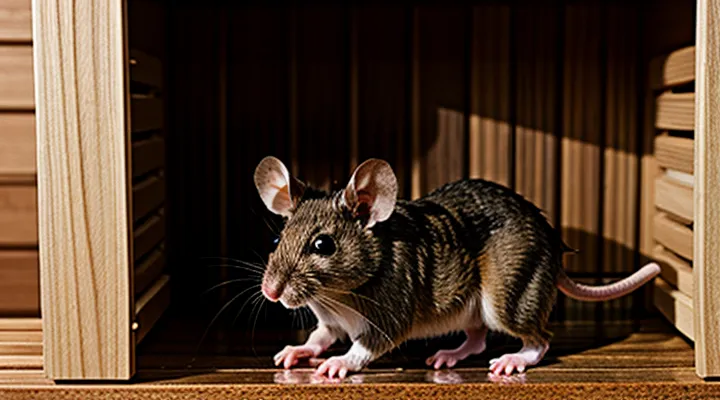
«Understanding the Mouse Problem in Saunas»
«Why Mice Are Attracted to Saunas»
«Food Sources and Shelter»
Mice are drawn to saunas by residual food particles, spilled beverages, and organic debris that accumulate on benches, floors, and heating elements. Even minute crumbs from snacks or protein powders provide sufficient nutrition for rodent populations to thrive. The high humidity and warm temperatures accelerate decomposition, creating a persistent odor that further entices foraging behavior.
The structure of a sauna offers multiple concealment options. Gaps between wooden panels, openings around ventilation ducts, and the space beneath floor grates serve as nesting sites. Loose insulation, discarded towels, and stored cleaning supplies add layers of protection, allowing mice to establish colonies without exposure to cleaning staff.
Actions to remove food sources and shelter:
- Remove all consumables from the sauna interior; store snacks, beverages, and supplements in sealed containers outside the facility.
- Clean surfaces after each use with a high‑temperature, detergent‑based solution to eliminate residues.
- Inspect and seal gaps larger than ¼ inch with heat‑resistant caulk or metal flashing.
- Install solid covers on ventilation openings; use mesh screens rated for high temperature.
- Eliminate stored items beneath benches; keep the area clear of towels, cloths, and insulation scraps.
- Perform routine deep cleaning of the floor and walls using steam‑cleaners to eradicate hidden organic matter.
By systematically denying nutrition and eliminating all potential nesting cavities, the environment becomes inhospitable, preventing mouse establishment and supporting long‑term eradication in sauna facilities.
«Warmth and Seclusion»
The high temperature inside a sauna creates an environment that mice cannot tolerate for long periods. Sustained heat accelerates dehydration and disrupts the rodents’ metabolic processes, leading to rapid mortality when they are trapped within the heated space. However, the same warmth can attract mice seeking shelter if the sauna is left idle, because the insulated structure offers a stable microclimate during cooler seasons.
To leverage warmth and seclusion for permanent mouse eradication, follow these actions:
- Raise the sauna temperature to at least 60 °C for a minimum of 30 minutes; repeat weekly until no activity is observed.
- Install heat‑resistant, sealed doors that close automatically after each use, preventing re‑entry.
- Apply rodent‑proof caulking to all seams, joints, and vent openings; prioritize gaps larger than 3 mm.
- Place non‑chemical heat traps (metal plates with concealed heating elements) in corners where mice are likely to hide; monitor and replace as needed.
- Conduct a quarterly inspection of insulation layers, ensuring no gnawed fibers or concealed burrows remain.
Maintaining a consistently hot, isolated interior eliminates viable habitats and removes any surviving rodents, thereby providing a lasting solution.
«Risks Associated with Mice in Saunas»
«Health and Hygiene Concerns»
Mice in a sauna introduce pathogens that thrive in warm, humid environments. Their droppings and urine contain bacteria such as Salmonella and Hantavirus, which can survive on wood, stone, and metal surfaces for weeks. Contact with contaminated benches or steam rooms poses a direct ingestion risk for patrons.
The presence of rodents compromises overall hygiene. Accumulated feces attract insects, promote mold growth, and corrode metal components. Urine stains create slippery surfaces, increasing the likelihood of falls. These conditions reduce the effectiveness of routine cleaning protocols and elevate maintenance costs.
Health implications for sauna users include respiratory irritation from inhaled dust and allergens, skin infections from contact with contaminated surfaces, and heightened allergic reactions in sensitive individuals. Chronic exposure can exacerbate asthma and trigger immune responses to rodent‑derived proteins.
Effective mitigation requires a comprehensive approach:
- Seal all gaps, vents, and pipe penetrations to block entry.
- Install traps or bait stations in concealed areas, monitoring placement to avoid user contact.
- Apply rodent‑resistant materials (e.g., metal flashing) around structural joints.
- Conduct quarterly inspections, focusing on droppings, gnaw marks, and nesting signs.
- Perform deep sanitation after any detection, using disinfectants approved for high‑temperature environments.
Addressing these health and hygiene concerns is essential to preserve the sauna’s sanitary standards and protect user wellbeing.
«Structural Damage»
Mice inhabiting a sauna create direct threats to the building’s integrity. Their incisors can chew through wooden benches, wall panels, and structural beams, compromising load‑bearing capacity. Insulation fibers are shredded, allowing heat loss and moisture penetration that accelerates rot. Electrical wiring, often routed behind walls, is vulnerable to gnawing, creating short‑circuit risks and fire hazards. Ventilation ducts become clogged with droppings and nesting material, reducing airflow and promoting condensation that corrodes metal components.
Preventing these failures requires eradication techniques that remove rodents and deter re‑infestation. Effective permanent solutions include:
- Integrated bait‑station network: strategically placed, tamper‑resistant stations deliver anticoagulant or non‑anticoagulant pellets, ensuring high mortality while limiting exposure to humans.
- Sealed entry control: thorough inspection followed by closure of gaps larger than ¼ inch using steel wool, silicone caulk, or metal flashing eliminates access points.
- Electronic monitoring: motion‑activated sensors linked to a central alarm log activity, allowing immediate response before damage expands.
- Environmental sanitation: removal of food residues, regular cleaning of surfaces, and storage of towels in sealed containers reduce attractants.
When these measures are applied consistently, the risk of structural compromise diminishes markedly, preserving the sauna’s safety and longevity.
«Prevention Strategies»
«Sealing Entry Points»
«Identifying Common Access Points»
Identifying the routes through which mice enter a sauna is the first step toward lasting eradication. Without locating these pathways, any treatment remains temporary.
Typical entry points include:
- Cracks in walls, floor joists, or foundation
- Gaps around plumbing, electrical conduits, and ventilation ducts
- Undersized or warped door seals
- Openings around heat‑exchanger pipes and steam lines
- Floor seams and tiled grout lines
- Drainage or overflow holes lacking covers
- Unsealed attic or roof access points above the sauna
Inspection should combine visual examination with tools that reveal hidden gaps. Use a high‑intensity flashlight to expose minute fissures, a mirror on an extendable pole to view behind fixtures, and a portable smoke generator to trace airflow patterns that indicate unseen openings. Conduct the survey when the sauna is cool to prevent thermal distortion of materials.
Sealing methods must resist heat, moisture, and rodent chewing. Apply stainless‑steel wool or copper mesh to fill larger voids, then overlay with heat‑resistant silicone caulk. Install metal flashing around pipe penetrations and reinforce door frames with weatherstripping designed for high‑temperature environments. Cover drainage openings with stainless‑steel grates secured by screws.
By systematically locating and fortifying every access point, the sauna becomes an impermeable barrier, eliminating the need for recurring rodent control measures.
«Materials for Sealing»
Sealing gaps eliminates entry points that mice exploit in sauna structures. Materials must resist high temperatures, humidity, and occasional condensation while maintaining structural integrity.
- High‑temperature silicone caulk – Remains flexible up to 260 °F (127 °C), adheres to wood, metal, and tile, forms a waterproof barrier.
- Stainless‑steel wool – Withstands heat, deters chewing, fits into irregular cracks before being covered with sealant.
- Expanding polyurethane foam – Expands to fill larger voids, cures to a rigid, moisture‑resistant core; select a formulation rated for temperatures above 200 °F (93 °C).
- Metal flashing (aluminum or stainless steel) – Provides a permanent seal over joints and seams; install with overlapping edges and secure with heat‑resistant screws.
- Concrete patching compound – Suitable for floor and wall penetrations; cures to a hard, non‑porous surface that tolerates sauna heat cycles.
Apply sealants after thorough cleaning and drying of surfaces. Press steel wool or flashing into gaps, then coat with silicone or foam to create a continuous barrier. Verify that all seams around doors, vents, and pipe entries are sealed before re‑commissioning the sauna.
«Eliminating Attractants»
«Food Storage and Sanitation»
Proper management of food supplies and hygiene directly reduces the likelihood of rodent activity in sauna facilities. Mice are attracted to accessible food residues and improperly sealed containers; eliminating these resources removes a primary incentive for infestation.
Storage recommendations
- Keep all edible items in metal or heavy‑wall containers equipped with airtight lids.
- Position storage units away from walls, heating elements, and moisture sources to prevent concealment opportunities.
- Conduct weekly inventory checks; discard expired or damaged goods promptly.
- Label containers with dates of receipt and use a first‑in‑first‑out system to avoid prolonged exposure.
Sanitation practices
- Clean all surfaces after each use with a detergent that removes grease and protein residues.
- Sweep and vacuum floors daily to eliminate crumbs and droppings.
- Disinfect high‑traffic zones, such as benches and changing areas, with an EPA‑approved rodent‑safe sanitizer.
- Empty trash receptacles at the end of each shift; use bins with tight‑fitting lids and line them with reinforced bags.
Integrating strict food storage and rigorous cleaning routines with physical barriers, traps, and exclusion techniques creates a comprehensive strategy that prevents mouse colonization and sustains a hygienic sauna environment.
«Maintaining Cleanliness»
Maintaining a sanitary environment is essential for preventing mouse infestations in sauna facilities. Residue, spilled water, and accumulated debris provide food sources and nesting material that attract rodents.
Effective cleaning routines include:
- Removing all personal items, towels, and mats after each use; store them in sealed containers.
- Sweeping and vacuuming the floor, benches, and walls to eliminate crumbs and hair.
- Disinfecting surfaces with a solution containing at least 70 % isopropyl alcohol or a commercial sanitizer approved for high‑temperature areas.
- Draining and drying water trays, steam generators, and drainage pipes daily to avoid standing moisture.
- Inspecting and cleaning behind equipment, such as heaters and ventilation ducts, where droppings may accumulate.
Regular inspection complements cleaning. Verify that seals around doors and windows are intact, and replace worn gaskets promptly. Replace any damaged flooring or wood panels that could harbor burrows.
Documenting each cleaning cycle creates accountability and helps identify lapses before they become infestations. A log should record date, time, cleaning agents used, and any observations of rodent activity.
By adhering to these practices, a sauna remains inhospitable to mice, supporting long‑term rodent‑free operation.
«Regular Inspection and Maintenance»
Regular inspection and maintenance are essential for preventing mouse infestations in sauna facilities. Inspections should be scheduled weekly during low‑traffic periods to allow thorough examination of all accessible areas. During each inspection, personnel must verify that doors, windows, and ventilation openings are sealed with weather‑strip or metal mesh, and that any gaps larger than ¼ inch are repaired immediately.
Maintenance tasks include:
- Cleaning debris and food residues from the sauna floor, benches, and surrounding rooms to eliminate attractants.
- Checking and replacing worn or damaged insulation, especially around piping and heating elements where rodents can create nests.
- Inspecting drainage systems for blockages; clear standing water that could provide a water source.
- Ensuring that trap and bait stations, if used, are functional, correctly positioned, and serviced according to manufacturer guidelines.
- Verifying that fire‑safety devices and electrical panels remain unobstructed, as mouse activity can compromise safety systems.
Document each inspection with a checklist that records date, inspector, observed conditions, and corrective actions taken. Retain records for at least one year to identify patterns and adjust maintenance frequencies accordingly. By adhering to a disciplined schedule and addressing deficiencies promptly, sauna operators sustain a hostile environment for mice and reduce the likelihood of re‑infestation.
«Effective Eradication Methods»
«Non-Lethal Trapping»
«Types of Live Traps»
Live traps are essential when a non‑lethal approach is required for long‑term mouse control in a sauna environment. The traps must withstand high temperatures and moisture while allowing safe release of captured animals away from the facility.
- Single‑catch cage trap – a sturdy metal or plastic enclosure with a spring‑loaded door. The door closes when a mouse triggers a pressure plate or treadle. Ideal for low‑traffic areas because each capture requires manual resetting.
- Multi‑catch cage trap – similar construction to a single‑catch model but equipped with a hinged entry panel that allows several mice to enter before the door seals. Suitable for hotspots where activity is heavy, reducing the need for frequent checks.
- Humane glue board with release mechanism – a coated surface that immobilizes the mouse without injury. Some designs incorporate a detachable backing that can be removed and released outdoors. Works in humid conditions but must be inspected regularly to prevent prolonged distress.
- Electronic live trap – a battery‑powered unit that detects movement and activates a door latch. The enclosure is insulated against heat, making it reliable in sauna temperatures. Offers automatic shut‑off after capture, limiting energy consumption.
Selection criteria include heat tolerance (minimum 70 °C operating range), rust‑resistant materials, and ease of cleaning to prevent odor buildup. Position traps along walls, near entry points, and close to food sources, ensuring they are out of reach of sauna users. After capture, release mice at least 1 km from the sauna to discourage immediate return, and sanitize traps before redeployment. Continuous monitoring and timely reset of traps sustain permanent mouse eradication in sauna facilities.
«Proper Trap Placement and Baiting»
Effective mouse control in sauna facilities depends on strategic trap deployment and appropriate bait selection. Place snap traps or electronic devices along walls where rodents travel, typically within 12‑18 inches of baseboards, near entry points, and behind equipment that generates heat. Position traps perpendicular to the wall, with the trigger end facing the expected travel path, to ensure immediate contact.
Select bait that remains attractive in high‑humidity, high‑temperature conditions. Preferred options include:
- Small pieces of dried fruit or nuts, sealed in waxed paper to prevent moisture loss.
- Peanut butter or canned fish, applied to a thin layer of cotton to avoid dripping.
- Commercial rodent lures formulated for humid environments, adhering to safety guidelines.
Replace bait daily, monitor trap activity at least twice per shift, and relocate inactive devices to new corridors after 48 hours. Consistent inspection and adjustment prevent trap avoidance and sustain long‑term eradication.
«Releasing Trapped Mice»
Releasing captured mice does not reduce the population that can re‑enter a sauna. The confined, heated environment quickly attracts new rodents, and a released animal can return or attract others from nearby habitats.
- Wear disposable gloves before handling a trap.
- Place the mouse in a sturdy container with ventilation.
- Transport the container to a location at least one kilometer from the sauna, preferably in a woodland area where natural predators exist.
- Open the container, allow the mouse to exit, then seal the trap and clean it with a disinfectant solution.
After release, seal all entry points, eliminate food sources, and maintain low humidity levels. Combining humane release with structural exclusion and sanitation creates a lasting reduction of rodent activity in the sauna.
«Lethal Trapping»
«Snap Traps»
Snap traps provide a rapid, mechanical solution for removing rodents from a sauna environment. Their design relies on a spring‑loaded bar that delivers a lethal force instantly when triggered by a mouse’s movement.
When selecting a trap, prioritize models with a robust steel bar, a secure trigger mechanism, and a deep, insulated base to prevent heat damage. Plastic‑coated traps are preferable because they resist moisture and steam that are common in sauna settings.
Effective placement follows a pattern of targeting mouse pathways:
- Along walls where droppings or gnaw marks are visible.
- Near entry points such as ventilation ducts, pipe openings, and gaps around doors.
- In corners adjacent to warm surfaces, because mice seek out heat sources.
Bait selection influences capture rates. Use high‑protein items that retain scent despite heat, such as peanut butter, dried fish, or small pieces of cheese. Apply a minimal amount to the trigger plate to avoid obstructing the mechanism.
Installation steps:
- Wear disposable gloves to prevent scent transfer.
- Position the trap with the trigger plate facing the anticipated travel direction of the mouse.
- Secure the trap to a stable surface using the built‑in bracket or a non‑slip mat to counteract steam condensation.
- Check the trap daily; dispose of captured rodents in a sealed container and reset the device with fresh bait.
Maintenance considerations include inspecting the spring for fatigue, replacing rusted components, and storing unused traps in a dry, cool location to preserve functionality. Regular monitoring and strategic repositioning of traps sustain high capture efficiency and reduce the likelihood of reinfestation.
«Electronic Traps»
Electronic traps provide a reliable solution for mouse control in sauna environments. They operate by delivering a brief high‑voltage shock that incapacitates rodents instantly, eliminating the need for poisons or manual removal. The design typically includes a sealed housing that protects the circuitry from humidity and heat, ensuring consistent performance in the high‑temperature conditions of a sauna.
Key characteristics of effective electronic traps for sauna use:
- Heat‑resistant enclosure – insulated casing tolerates temperatures up to 120 °C without degradation.
- Moisture‑proof sealing – gasketed joints prevent steam ingress, preserving electrical safety.
- Sensitive trigger mechanism – detects the weight of a mouse (approximately 20 g) and activates the shock within milliseconds.
- Power source flexibility – options for mains connection, battery operation, or solar panels accommodate varied installation sites.
- Easy maintenance – removable collection compartment allows quick disposal of dead rodents and cleaning without exposing the user to hazards.
Installation guidelines emphasize placement along known rodent pathways, such as near ventilation ducts, pipe entries, and the perimeter of the sauna floor. Position traps at a height of 2–4 cm above the surface to align with mouse movement patterns while remaining out of reach of human occupants. Connect the device to a dedicated circuit with a ground‑fault interrupter to comply with electrical safety standards.
Long‑term effectiveness relies on regular inspection. Verify that the trigger sensor remains responsive and that the collection tray is emptied before it reaches capacity. Replace batteries or check the power supply monthly to avoid interruptions. When these practices are followed, electronic traps maintain a continuously lethal barrier, reducing mouse populations without recurring chemical applications or recurring manual trapping efforts.
«Safe Disposal of Captured Mice»
Proper disposal of captured mice is a critical component of any program aimed at eradicating rodent activity in a sauna environment. Mishandling can re‑introduce pathogens, compromise the sauna’s sanitary standards, and undermine control efforts.
- Wear disposable nitrile gloves and, if available, a face shield to prevent direct contact with saliva, urine, or feces.
- Transfer the mouse into a rigid, sealable container (plastic box with a snap‑tight lid).
- Immediately place the sealed container in a freezer set to –18 °C (0 °F) for at least 24 hours; this ensures humane death and eliminates disease agents.
- After freezing, double‑bag the carcass in heavy‑duty polyethylene bags, expel excess air, and seal each bag securely.
- Dispose of the sealed bags according to local wildlife or waste‑management regulations, typically by delivering them to a licensed animal‑carcass disposal service or a municipal hazardous‑waste collection point.
Following the disposal, clean the work area with a EPA‑approved disinfectant, paying special attention to surfaces that may have been contaminated during handling. Allow the disinfectant to remain on surfaces for the manufacturer‑specified contact time before rinsing or wiping dry. Document each disposal event in a log that includes date, method, and disposal location to maintain compliance and provide traceability for future inspections.
«Exclusion Devices»
«One-Way Exclusion Doors»
One‑Way Exclusion Doors provide a mechanical barrier that permits rodents to leave a sauna but blocks their return. The device consists of a hinged flap that opens outward under mouse pressure and closes automatically, creating a one‑direction passage.
Installation requires mounting the door at every identified entry point, typically where walls meet the floor or ventilation ducts. The opening must be no larger than 2 cm in height and 3 cm in width to match mouse dimensions. Sealant compatible with high humidity should be applied around the frame to eliminate gaps. Position the flap so that gravity and the mouse’s forward motion drive it inward, while a spring or weighted hinge forces it shut when the animal attempts to reenter.
Key benefits include:
- Permanent reduction of mouse activity without chemical agents.
- Safe for occupants and sauna equipment because no toxins are introduced.
- Durable construction tolerates temperature fluctuations and moisture.
- Minimal visual impact; the door blends with existing wall or ceiling finishes.
Routine checks are essential. Inspect the latch mechanism weekly for rust or deformation, clean debris that could jam the flap, and replace worn hinges annually. Confirm that the door remains fully functional after each sauna heating cycle, as thermal expansion can affect alignment.
When integrated with complementary measures—such as sealing structural cracks and maintaining low food availability—One‑Way Exclusion Doors achieve lasting mouse control in sauna environments.
«Professional Pest Control Services»
Professional pest‑control firms address mouse infestations in saunas through a systematic approach that combines inspection, exclusion, and targeted treatment. Technicians begin with a thorough survey of the facility, identifying entry points, nesting sites, and food sources. Findings are documented in a detailed report that outlines required actions and compliance with health regulations.
Key components of the service include:
- Structural sealing – sealing gaps around doors, vents, and piping to prevent re‑entry.
- Sanitation measures – removing debris, cleaning spills, and storing towels in sealed containers to eliminate attractants.
- Bait placement – deploying rodenticide baits in concealed stations, calibrated to the size of the sauna and positioned away from user areas.
- Mechanical trapping – installing snap or live traps in concealed locations to capture any remaining individuals.
- Monitoring – installing electronic sensors or visual stations to track activity and verify eradication over a defined period.
Professional operators follow integrated pest‑management (IPM) protocols, selecting low‑toxicity products compatible with high‑temperature environments and ensuring that treatments do not compromise sauna safety. They also provide staff training on preventive practices, schedule follow‑up inspections, and maintain records required for regulatory audits.
Engaging a licensed service eliminates the need for trial‑and‑error attempts, reduces the risk of contamination, and guarantees a permanent solution backed by industry standards and warranty agreements.
«Post-Eradication Measures»
«Sanitization and Disinfection»
«Cleaning Contaminated Areas»
Cleaning contaminated zones is a prerequisite for any lasting rodent‑control program in a sauna environment. Residues left by mice provide food, shelter, and scent trails that encourage re‑infestation; thorough decontamination removes these incentives.
First, isolate the affected area. Shut off heating elements, disconnect electrical circuits, and seal doors to prevent rodent escape. Wear protective gloves, goggles, and a respirator rated for particulate and chemical exposure. Remove all visible debris, droppings, and nesting material using disposable tools that can be sealed and discarded.
Next, apply a systematic sanitation protocol:
- Sweep or vacuum loose matter with a HEPA‑filtered unit; empty the collection bag into a sealed plastic container.
- Scrub surfaces (walls, benches, floor tiles, and insulation) with a detergent solution to dissolve organic matter.
- Rinse with clean water and allow surfaces to dry completely.
- Apply an EPA‑approved rodent‑specific disinfectant; ensure contact time meets manufacturer specifications.
- For porous materials (foam, wood, insulation) that cannot be fully sanitized, replace them outright.
After chemical treatment, ventilate the sauna for at least 30 minutes to disperse fumes. Conduct a visual inspection and use a UV flashlight to detect residual urine or feces. Record findings and verify that no trace remains before re‑activating the sauna.
Finally, package all used cleaning implements, waste bags, and contaminated replacement parts in double‑sealed containers for disposal according to local hazardous‑waste regulations. Document the entire process, noting dates, products, and personnel involved, to maintain a traceable record for future audits and to support the permanence of the mouse‑elimination effort.
«Odor Removal»
Odor removal is a critical component of any comprehensive rodent control program in a sauna environment. Persistent smells indicate residual waste, urine stains, and microbial growth, which can attract new infestations and compromise the health standards of the facility.
Effective odor mitigation involves three sequential actions:
- Deep cleaning of all surfaces. Use a high‑temperature steam cleaner on benches, walls, and flooring to dissolve organic residues. Follow with a neutral‑pH detergent and rinse thoroughly to prevent chemical reactions with sauna wood.
- Enzymatic treatment of contaminated zones. Apply an enzyme‑based cleaner to areas where urine or feces have penetrated porous materials. Enzymes break down odor‑causing compounds at the molecular level, eliminating the source rather than masking the scent.
- Ventilation and moisture control. Install an exhaust system that maintains a steady airflow of at least 6 air changes per hour. Incorporate a dehumidifier to keep relative humidity below 50 %, inhibiting mold and bacterial proliferation that contribute to foul odors.
Additional measures include sealing cracks and crevices with heat‑resistant silicone to block odor migration, and scheduling periodic inspections to verify that cleaning protocols remain effective. Consistent application of these steps ensures a sanitary, odor‑free sauna that deters future rodent activity.
«Long-Term Monitoring»
«Ongoing Vigilance»
Ongoing vigilance ensures that any re‑entry of rodents into a sauna is detected and addressed before populations can re‑establish. Continuous monitoring complements initial extermination measures, creating a feedback loop that validates the effectiveness of sealing, sanitation, and trapping protocols.
Practical vigilance actions include:
- Installing infrared motion sensors at entry points and near heat sources; configure alerts to trigger when movement is detected after operating hours.
- Conducting visual inspections of walls, ceilings, and pipe junctions weekly; look for gnaw marks, droppings, or fresh burrows.
- Maintaining a log of temperature and humidity readings; sudden fluctuations may indicate compromised insulation that rodents could exploit.
- Rotating snap traps and bait stations on a bi‑weekly schedule; replace or reposition devices after each capture to avoid trap fatigue.
- Engaging a qualified pest‑control professional for quarterly audits; request a detailed report on structural integrity and any signs of infestation.
A disciplined schedule—daily sensor checks, weekly visual surveys, and monthly data reviews—provides measurable evidence that the sauna remains rodent‑free. Immediate corrective actions, such as resealing gaps or intensifying trap deployment, prevent minor incursions from escalating into full‑scale infestations.
«Signs of Re-infestation»
Mice that return to a sauna leave clear evidence that previous control measures have failed. Recognizing these indicators early prevents renewed damage to wooden panels, insulation, and heating elements.
- Fresh droppings, usually 3‑5 mm long, darkened by exposure, found near corners, beneath benches, or inside ventilation ducts.
- Gnaw marks on wood, plastic, or wiring, often at a 45‑degree angle, indicating active chewing.
- Nests constructed from shredded towels, insulation, or paper, typically hidden behind wall panels or under steam generators.
- Unusual odors, a musky scent caused by urine accumulation, especially near damp areas.
- Audible scratching or scurrying sounds, most noticeable during quiet periods or after the sauna has cooled.
- Tracks of oily footprints on smooth surfaces, visible when light reflects off the floor or walls.
Presence of any of these signs warrants immediate reassessment of the eradication strategy. Failure to act promptly can lead to structural degradation, increased fire risk, and compromised hygiene standards. Continuous monitoring, combined with sealed entry points and targeted baiting, ensures lasting protection against mouse resurgence in sauna facilities.