
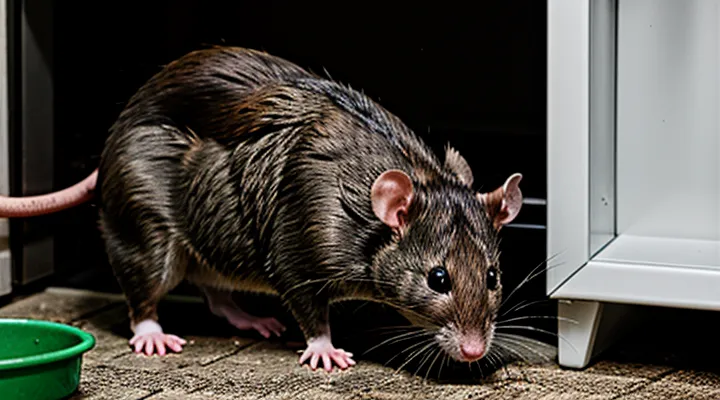
Understanding the Rat Problem
Identifying Rat Infestations
Common Signs of Rats
Rats reveal their presence through distinct indicators that can be identified without specialized equipment. Recognizing these signs promptly enables effective control measures within a residential setting.
- Dark, cylindrical droppings, ½‑inch long, typically found along baseboards, behind appliances, or in food storage areas.
- Gnawed materials, including wood, plastic, and wiring, exhibiting irregular bite marks with a clean, sharp edge.
- Visible pathways: faint, parallel tracks in dusty corners, along walls, or on low‑lying furniture.
- Nests constructed from shredded paper, fabric, insulation, or dried vegetation, often located in concealed spaces such as wall voids, attic corners, or under sinks.
- Fresh urine stains, glossy and darkened, frequently appearing near food sources or entry points.
- Audible activity during nocturnal hours, described as scratching, scurrying, or squeaking sounds emanating from walls, ceilings, or crawl spaces.
Additional observations include unexplained food depletion, occasional bites on stored grains, and the presence of a musky odor resulting from secretions. Each of these elements, when documented, confirms an active infestation and justifies immediate implementation of targeted rodenticides or alternative eradication strategies.
Locating Entry Points
Identify all potential openings through which rodents can access the interior. Begin at the foundation and move outward, inspecting the perimeter for gaps larger than ¼ inch. Examine exterior walls, rooflines, and eaves for cracks, damaged siding, and missing flashing. Pay special attention to areas where utilities enter the structure; seal gaps around pipes, cables, and vent pipes with steel wool or metal mesh before applying caulk.
Check doors and windows for misalignment, warped frames, or worn weatherstripping. Install tight-fitting sweeps on the bottom of doors and ensure that window screens are intact. Verify that garage doors close fully and that the garage‑to‑house wall is sealed.
Survey the attic and crawl spaces. Look for holes around ventilation fans, chimney flues, and insulation openings. Use a flashlight to detect hidden voids behind stored items. Seal any openings with expanding foam or metal plates, avoiding materials that rats can chew through.
Inspect the exterior for overgrown vegetation, stacked firewood, and debris that provide cover near the foundation. Trim shrubs, remove wood piles, and keep the lawn mowed to reduce concealment.
Create a checklist of inspected locations, mark each sealed entry, and retest the building after a few days for new activity. This systematic approach limits the routes rats can travel, increasing the likelihood that bait stations placed inside will be the sole accessible option.
Dangers of Rats in a Home
Health Risks
Rodent control agents used inside a residence pose significant health hazards to humans and domestic animals. Toxic compounds such as anticoagulants, metal phosphides, and neurotoxins can be absorbed through ingestion, inhalation, or dermal contact, leading to systemic effects.
Acute exposure manifests as:
- Uncontrolled bleeding, bruising, or hematoma (anticoagulants)
- Severe abdominal pain, vomiting, and respiratory distress (metal phosphides)
- Muscle weakness, seizures, or paralysis (neurotoxins)
Chronic exposure increases the risk of:
- Liver and kidney dysfunction
- Hematological disorders, including anemia
- Neurobehavioral deficits and cognitive impairment
Non‑target occupants are vulnerable:
- Children may ingest bait or contaminated surfaces out of curiosity.
- Pets can chew bait packets or consume poisoned prey.
- Pregnant individuals experience heightened sensitivity to teratogenic effects.
Preventive actions include:
- Store rodenticides in locked containers away from living areas.
- Place bait in tamper‑proof stations inaccessible to children and pets.
- Use the minimum effective dose and limit application to concealed entry points.
- Ventilate rooms after placement and avoid aerosolizing dust.
- Keep detailed records of product type, quantity, and location for emergency reference.
Property Damage
Rats attracted to bait stations can cause direct damage to furnishings, wiring, and structural components when the poison is mishandled. Spillage of anticoagulant granules onto carpets or upholstery results in staining that is difficult to remove, especially on light‑colored fabrics. Liquid rodenticides, if accidentally poured, may seep into woodwork, corroding finishes and compromising integrity of doors and cabinets.
Improper placement of bait near food preparation areas introduces contamination risk. Residue on countertops or cutting boards can persist despite routine cleaning, leading to potential health violations and the need for costly replacement of surfaces. Additionally, dead rodents that have ingested poison may decompose within walls or insulation, producing foul odors and encouraging mold growth, which often requires professional remediation.
When using snap traps loaded with toxic pellets, broken glass or plastic fragments can scatter, creating hazards for occupants and pets. These fragments may embed in flooring or carpet fibers, necessitating replacement of affected sections. Moreover, repeated exposure of metal fixtures to certain rodenticides can accelerate rust formation, weakening hinges, hinges, and lock mechanisms.
Key considerations to minimize property damage:
- Seal bait containers tightly and store them out of reach of children and pets.
- Position bait stations on non‑absorbent surfaces such as metal trays to contain spills.
- Inspect walls and attics regularly for signs of carcasses; remove and disinfect promptly.
- Choose rodenticides with minimal corrosive properties when possible, and follow manufacturer disposal instructions.
By adhering to these practices, homeowners can control rodent populations while preserving the condition and value of their residences.
Choosing the Right Rat Poison
Types of Rodenticides
Anticoagulants
Anticoagulant rodenticides disrupt blood clotting, leading to fatal internal bleeding in rats after ingestion. The compounds mimic vitamin K antagonists, preventing regeneration of clotting factors II, VII, IX, and X. This delayed action allows rodents to consume multiple bait pieces before symptoms appear, increasing overall mortality.
Common anticoagulants for residential use include:
- First‑generation (e.g., warfarin, chlorophacinone): effective at low concentrations, rapid onset of resistance in some populations.
- Second‑generation (e.g., brodifacoum, bromadiolone, difenacoum): higher potency, longer half‑life, lower likelihood of resistance development.
- Third‑generation (e.g., difethialone, flocoumafen): extreme potency, recommended only when other agents fail due to heightened secondary‑poisoning risk.
Proper placement maximizes exposure while minimizing accidental contact. Bait stations should be concealed in wall voids, under appliances, or within sealed containers that allow rat entry but restrict access by children and pets. Each station typically holds 0.5 g of bait, sufficient for several feeding events. Replace stations every two weeks or when visible consumption exceeds 50 % of the bait.
Safety protocols require wearing disposable gloves during handling, storing unused bait in locked containers, and disposing of dead rodents in sealed bags. Secondary poisoning risk can be reduced by removing carcasses promptly and avoiding use of highly potent second‑generation compounds in homes with non‑target wildlife.
Resistance monitoring involves periodic inspection of live captures for reduced bait uptake. If resistance is detected, rotate to a different chemical class or integrate non‑chemical measures such as exclusion sealing and habitat modification.
Legal compliance varies by jurisdiction; many regions restrict the concentration of second‑generation anticoagulants in private residences. Verify local regulations before purchase and maintain records of product type, batch number, and application dates.
Non-Anticoagulants
Non‑anticoagulant rodenticides provide an alternative to blood‑coagulation inhibitors for controlling rats inside a residence. These compounds act by disrupting the nervous system, metabolic pathways, or cellular respiration, causing rapid death without the delayed hemorrhagic effects typical of anticoagulants.
Common non‑anticoagulant agents include:
- Bromethalin – a mitochondrial uncoupler that interferes with ATP production, leading to paralysis and death within 24–48 hours.
- Cholecalciferol (Vitamin D₃) – induces hypercalcemia, resulting in renal failure and cardiac arrest after several days of exposure.
- Zinc phosphide – releases phosphine gas in the acidic environment of the stomach, producing acute toxicity and death within hours.
- Sodium fluoroacetate (1080) – blocks the citric‑acid cycle, causing systemic metabolic collapse.
When applying these products, follow these guidelines:
- Position bait stations in concealed, rodent‑active zones such as behind appliances, under sinks, and along baseboards.
- Use tamper‑resistant containers to prevent accidental exposure by children or pets.
- Replace bait regularly to maintain potency, especially in warm or humid conditions that accelerate degradation.
- Record placement locations and monitor for signs of consumption, adjusting distribution as needed to cover all activity areas.
Safety measures are mandatory. Wear disposable gloves, avoid direct skin contact, and store the chemicals in locked cabinets. Dispose of dead rodents according to local hazardous‑waste regulations to prevent secondary poisoning of non‑target species. Selecting a non‑anticoagulant formulation that matches the infestation severity and environmental constraints maximizes efficacy while minimizing risk to household members.
Factors to Consider When Selecting Poison
Safety for Pets and Children
When rodent control is applied inside a residence, protecting pets and children from toxic bait is mandatory.
- Place poison in sealed, tamper‑resistant containers that lock out small paws and hands.
- Locate bait stations at least 6 feet above floor level and out of reach of furniture, toys, or pet beds.
- Use bait stations with built‑in sensors that deactivate when opened, preventing accidental exposure.
- Select anticoagulant or bromethalin formulas labeled for indoor use only; avoid products with secondary attractants that appeal to animals.
- Keep a detailed inventory of all bait locations; mark each station with a non‑toxic warning sign visible to caregivers.
Additional precautions:
- Store unused poison in a locked cabinet, separate from food, cleaning supplies, and pet medication.
- Label the storage area with a clear hazard symbol and a brief instruction to keep children and animals away.
- Provide household members with a concise emergency protocol: call poison control, identify the product, and monitor the affected individual for symptoms such as vomiting, lethargy, or bleeding.
- After successful rodent eradication, remove all bait stations, clean the surrounding area with mild detergent, and dispose of used containers according to local hazardous‑waste regulations.
By adhering to these measures, the risk of accidental poisoning remains minimal while maintaining effective rodent control within the home.
Environmental Impact
Home‑based rodent control using toxic baits introduces chemical agents into a confined domestic ecosystem. When a poisoned rat is consumed by a predator, such as a cat or a bird of prey, the toxin can be transferred up the food chain, leading to secondary poisoning. Residual bait fragments may leach into soil and drainage systems, contaminating groundwater and affecting microbial communities.
Key environmental consequences include:
- Bioaccumulation of anticoagulant compounds in non‑target species.
- Disruption of local predator‑prey dynamics due to loss of secondary consumers.
- Persistent residues that alter soil chemistry and reduce biodiversity of invertebrates.
Mitigation measures involve selecting baits with rapid degradation profiles, securing placement to limit access by pets and wildlife, and employing integrated pest management practices that prioritize non‑chemical controls.
Resistance in Rat Populations
Rats develop resistance through genetic mutations that alter target sites, enhanced detoxification enzymes, and learned avoidance of bait. These mechanisms reduce mortality when conventional anticoagulant baits are used repeatedly.
Resistance lowers the success rate of indoor rodent control programs, leading to persistent infestations and increased exposure to disease vectors.
Effective mitigation relies on integrated tactics:
- Rotate baits containing different active ingredients every 6‑8 weeks to prevent selection pressure.
- Employ baits that combine anticoagulants with secondary toxins (e.g., bromethalin) to target multiple physiological pathways.
- Incorporate mechanical traps and exclusion measures to reduce reliance on poison alone.
- Conduct periodic susceptibility testing on trapped specimens to detect emerging resistance trends.
- Ensure bait stations are placed in concealed, high‑traffic areas and loaded with sufficient quantity to prevent sublethal consumption.
- Eliminate alternative food sources by securing waste containers and sealing entry points.
Consistent application of these practices sustains efficacy of domestic rat control efforts despite evolving resistance.
Effective Poisoning Strategies
Strategic Bait Placement
High-Traffic Areas
High‑traffic zones are the routes rats use most often within a residence. Typical locations include gaps beneath doors, along baseboards, behind appliances, around kitchen counters, and near utility conduits that connect to the outside. These pathways provide easy access to food, water, and shelter, making them prime targets for bait placement.
Positioning poison where rats travel maximizes the likelihood of ingestion while minimizing the amount of product required. Direct exposure to active rodents also reduces the chance that non‑target animals will encounter the bait.
- Identify all visible runways, noting fresh droppings, gnaw marks, and urine stains.
- Remove food residues and clean surfaces to eliminate competing scents.
- Place measured doses of anticoagulant or fast‑acting rodenticide in tamper‑resistant stations at each identified point.
- Secure stations behind appliances, under sinks, and inside wall voids to protect children and pets.
- Inspect stations daily; replenish only when consumption is evident.
Continuous observation confirms effectiveness and reveals new activity corridors. Adjust placement promptly if rats shift to alternative routes, ensuring that bait remains within the most frequented passages until the infestation is eliminated.
Hidden Locations
Rats conceal themselves in areas that are difficult to see, making bait placement essential for successful eradication within a residence. Effective control requires locating these concealed sites and positioning poison where rodents encounter it during routine movement.
- Behind appliances such as refrigerators, stoves, and dishwashers
- Inside wall cavities and ceiling joists
- Under floorboards and in crawl spaces
- Within insulation material in attic corners
- In utility closets, especially near water heaters and HVAC units
- Behind baseboards and trim molding
- Inside furniture cushions, cabinets, and pantry shelving
- In drainage pipes, sink traps, and garbage disposal chutes
Place tamper‑resistant bait stations directly in each identified spot, ensuring the stations are secured to prevent accidental contact by children or pets. Use a minimum of one station per concealed area, spacing them no more than 10 feet apart to intersect typical rat pathways. After deployment, monitor stations daily, replace depleted bait, and maintain a clean environment to discourage alternative food sources. Continuous observation and timely replenishment sustain the lethal exposure needed to eliminate the infestation.
Securing Bait Stations
Securing bait stations is essential for safe and effective rodent control in a residential setting. Position stations in concealed locations such as behind appliances, under cabinets, or within wall voids where rats travel, while keeping them out of reach of children and pets. Use tamper‑resistant containers that lock with a key or combination, ensuring only authorized individuals can access the poison.
Maintain the integrity of each station by:
- Inspecting seals weekly for cracks or wear.
- Replacing damaged units immediately.
- Labeling stations with clear hazard warnings visible to adults only.
Document placement coordinates and inspection dates in a logbook. Record any signs of tampering or accidental exposure, and adjust station locations if activity patterns shift. Consistent maintenance reduces the risk of secondary poisoning and maximizes the efficacy of the rodent control program.
Monitoring and Replenishment
Frequency of Checks
Regular monitoring of rodent control devices is essential for maintaining efficacy and safety. Checks should be performed at consistent intervals that correspond to the type of bait or trap used, environmental conditions, and the severity of infestation.
- Immediate inspection: Within 30 minutes after placement of snap traps or glue boards, verify capture status to prevent prolonged suffering and to adjust placement if no activity is observed.
- Daily review: For stations containing anticoagulant or acute toxic baits, examine each day for signs of consumption, spillage, or tampering. Replace depleted bait promptly to sustain lethal dosage.
- Bi‑daily assessment: In moderate infestations, conduct checks every 48 hours for both traps and bait stations to track trends in capture rates and adjust density of devices accordingly.
- Weekly audit: Perform a comprehensive inspection of all control points, including hidden or hard‑to‑reach areas, to identify new activity, clean debris, and document any changes in rat behavior.
Record each inspection with date, time, and observations. Consistent documentation enables rapid response to declining effectiveness and ensures compliance with safety regulations for household occupants and pets. Adjust the schedule if environmental factors, such as temperature fluctuations or increased food availability, alter rodent activity patterns.
Recognizing Successful Baiting
Recognizing that a bait station has achieved its purpose is essential for maintaining a safe and effective home‑based rodent control program. The following indicators confirm successful bait uptake and allow timely adjustment of the control strategy.
- Visible reduction in rodent activity – fewer droppings, gnaw marks, and sightings over several days.
- Depleted bait quantity – measured decrease in the amount of poison remaining in the station, confirmed by a calibrated scoop or scale.
- Presence of carcasses – intact or partially consumed bodies found within a reasonable radius of the station, indicating lethal ingestion.
- Absence of bait avoidance – no evidence of rodents circumventing the station, such as fresh tracks leading around rather than through the device.
- Consistent monitoring data – recorded observations from daily inspections match expected consumption patterns based on the bait’s potency and the infestation level.
When these signs appear, the current bait placement can be considered effective. Conversely, if activity persists, bait is untouched, or rodents exhibit avoidance behavior, relocate stations to alternative pathways, adjust bait type, or increase placement density. Continuous documentation of observations ensures that the control effort remains data‑driven and minimizes unnecessary exposure to non‑target organisms.
Handling Deceased Rodents
When a rodent dies after exposure to poison, immediate and safe handling prevents secondary poisoning and disease transmission. Use disposable nitrile gloves and a face mask to protect skin and respiratory pathways. Avoid direct contact with the carcass; instead, grasp it with a sealed plastic bag or a disposable grabber.
- Containment – Place the dead animal in a heavy‑duty, sealable plastic bag. Expel excess air, seal tightly, then place the sealed bag inside a second bag for double containment.
- Labeling – Mark the outer bag with “Poisoned Rodent – Hazardous” to alert anyone handling the waste.
- Disposal Options
- Municipal hazardous waste – Deliver the double‑bagged carcass to a local hazardous‑waste collection point, following municipal guidelines.
- Secure trash – If regulations permit, place the sealed bags in a rigid, sealed container (e.g., a metal trash can with a lock) and dispose of it with regular household waste.
- Professional pest service – Contact a licensed pest‑control provider for removal and disposal; they possess the appropriate permits and equipment.
- Sanitization – After removal, clean the area with a detergent solution, then apply an EPA‑registered disinfectant. Allow the surface to remain wet for the contact time specified on the product label. Dispose of cleaning materials in a sealed bag.
Maintain a log of each incident, noting the date, location, type of poison used, and disposal method. The record supports compliance with local health regulations and assists in evaluating the effectiveness of the overall control program.
Safety Precautions and Best Practices
Protecting Non-Target Animals
Child-Proof Bait Stations
Child‑proof bait stations provide a secure delivery system for rodent toxicants while preventing accidental exposure by children. The units are constructed from rigid, tamper‑resistant materials and incorporate locking mechanisms that require a deliberate two‑step action to open. Placement at floor level, behind appliances, or within concealed wall cavities reduces visibility to non‑target occupants and limits access for curious hands.
Key characteristics of an effective child‑safe station include:
- Locking latch that cannot be disengaged by squeezing or pulling; often a sliding or twist‑lock activated only with a coin‑sized tool.
- Secure interior compartment that holds the bait tightly, eliminating spillage even if the station is tipped.
- Clear labeling with standardized hazard symbols and dosage instructions, complying with local pesticide regulations.
- Durable construction resistant to chewing, drilling, or prying, ensuring long‑term integrity in active rodent zones.
- Easy maintenance through removable trays that can be replaced without exposing the toxin.
When deploying these devices, locate them along established rat pathways, maintain a minimum distance of 10 feet from food preparation areas, and inspect the stations weekly for damage or depletion. Proper integration of child‑proof bait stations enhances safety for household members while sustaining an effective control strategy against indoor rat populations.
Pet-Friendly Alternatives
Pet owners who need to manage a rodent problem must choose solutions that do not endanger dogs or cats. Non‑chemical methods provide effective control while eliminating the risk of accidental poisoning.
- Snap traps equipped with a shielded trigger reduce the chance of a pet stepping on the mechanism. Place them along walls, behind appliances, and in concealed corners.
- Electronic traps deliver a rapid, humane shock and lock the dead rodent inside a sealed chamber. Models with a safety cover prevent paw access.
- Live‑catch cages allow removal of rats without killing them. Check the trap frequently and release the animal far from the residence.
- Ultrasonic repellers emit frequencies intolerable to rodents but inaudible to most pets. Position units in each room, ensuring no obstacles block the sound waves.
- Sealant and steel‑wool plugs close entry points such as holes, cracks, and gaps. Reinforce with expanding foam that pets cannot chew.
Implementing these measures removes the need for toxic baits, safeguards household animals, and maintains long‑term rodent deterrence. Regular inspection of trap locations and prompt disposal of captured rats complete the protocol.
Safe Handling and Disposal
Personal Protective Equipment
When applying rodent control agents inside a residence, the operator must wear protective gear that prevents skin contact, inhalation, and accidental ingestion. The equipment forms a barrier against toxic substances and limits exposure to hazardous fumes.
Essential items include:
- Nitrile or neoprene gloves, puncture‑resistant, changed after each use.
- Full‑face respirator equipped with a P100 filter, ensuring filtration of aerosolized poison particles.
- Disposable coveralls or long‑sleeved chemical‑resistant gowns, sealed at cuffs and wrists.
- Safety goggles or sealed eye shields to protect against splashes.
- Slip‑resistant, closed‑toe shoes or boots with chemical‑resistant overshoes.
Each piece must be inspected for damage before use, donned in the correct order, and removed following decontamination procedures. Proper disposal of contaminated PPE prevents secondary contamination within the household.
Proper Disposal of Carcasses and Unused Poison
After a rodent control operation, immediate attention to the remains and surplus toxicants prevents secondary poisoning and environmental contamination.
The carcass must be isolated, sealed, and removed according to local hazardous‑waste regulations. Recommended actions include:
- Place the dead rodent in a heavy‑duty, leak‑proof bag; double‑bag for added protection.
- Label the package with “rodent carcass – hazardous waste.”
- Store the sealed bags in a secure, ventilated area until collection by an authorized disposal service.
- If a licensed waste contractor is unavailable, contact the municipal health department for guidance on temporary storage and pickup.
Unused poison requires strict containment to avoid accidental exposure. Follow these steps:
- Transfer remaining bait into the original container, ensuring the lid is tightly sealed.
- Affix a warning label indicating the product’s toxic nature.
- Store the container in a locked cabinet out of reach of children and pets.
- When the product reaches its expiration date or is no longer needed, arrange for disposal through a pesticide‑recycling program or a hazardous‑waste facility.
- Document the disposal date, method, and receiving agency for future reference.
Adhering to these procedures eliminates risks of unintended ingestion, protects household members, and complies with public‑health mandates.
Prevention Measures After Poisoning
Sealing Entry Points
Sealing entry points prevents rats from accessing a residence, reducing the need for extensive poison deployment and limiting exposure risk to occupants and pets. By eliminating gaps, cracks, and openings, the environment becomes inhospitable, forcing rodents to seek alternative shelter and making bait stations more effective when they are used.
Identify all potential ingress locations through systematic inspection. Examine the foundation, walls, roof eaves, utility penetrations, and ventilation ducts. Use a flashlight to reveal hidden cracks and a piece of tissue or smoke to test airflow around suspected gaps. Record each finding before proceeding to repair.
Apply durable, rat-resistant materials to close each opening. Common solutions include:
- Steel wool packed tightly into small cracks, then covered with expanding foam.
- Cement or mortar for larger foundation fissures.
- Sheet metal flashing around pipe entries and vent openings.
- Weatherstripping on doors and windows.
- Silicone or polyurethane sealant for gaps around cabinets and appliances.
After sealing, re‑inspect the perimeter to confirm that no gaps remain. Maintain the barrier by periodically checking for wear, especially after seasonal temperature changes or building renovations. Consistent upkeep sustains the effectiveness of any subsequent rodent control measures.
Maintaining Sanitation
Maintaining sanitation directly influences the success of rodent control using poison in a residence. Clean surfaces eliminate food residues that attract rats, reducing the likelihood that they will avoid bait stations. Regular removal of garbage prevents accumulation of organic matter that serves as a secondary food source.
- Store food in sealed containers; metal or heavy‑plastic boxes provide a barrier against gnawing.
- Sweep crumbs and spills immediately; use a damp mop to remove trace particles that rodents can detect.
- Dispose of waste in bins with tight‑fitting lids; empty the bins daily and keep them away from walls.
- Clean pet feeding areas after each meal; wash bowls and remove leftover food promptly.
- Wash dishes and kitchen utensils without delay; avoid leaving dishes in the sink overnight.
Clutter creates hiding places and alternative routes to bait. Decluttering reduces travel time for rats, increasing their exposure to poison. Seal gaps around pipes, vents, and baseboards with steel wool and caulk to block entry points, limiting the need for rodents to seek shelter in concealed spaces.
Proper disposal of dead rodents prevents secondary poisoning and disease spread. Place carcasses in sealed bags and discard them according to local regulations. Disinfect areas where poison is applied with a solution of bleach and water to remove residue that could deter further bait uptake.
Consistent sanitation, combined with strategic bait placement, creates an environment where poison remains the most attractive option for rats, thereby enhancing overall control effectiveness.
Regular Inspections
Regular inspections are essential for maintaining an effective rodent control program in a private residence. Systematic observation identifies entry points, nesting sites, and feeding trails before the population reaches a level that requires extensive poisoning.
Conduct inspections according to the following protocol:
- Survey each room, focusing on corners, behind appliances, and storage areas.
- Examine walls, baseboards, and utility openings for gnaw marks or droppings.
- Record all findings in a log, noting location, evidence type, and severity.
- Seal identified gaps with steel wool, caulk, or metal mesh to prevent re‑entry.
- Apply bait stations only after confirming active pathways and hotspots.
Repeating this process weekly during active seasons and monthly during dormant periods sustains the efficacy of poison deployment and reduces the likelihood of secondary infestations.