
Understanding the Enemy: Ground Rats
Identifying Ground Rats vs. Other Pests
Visual Identification
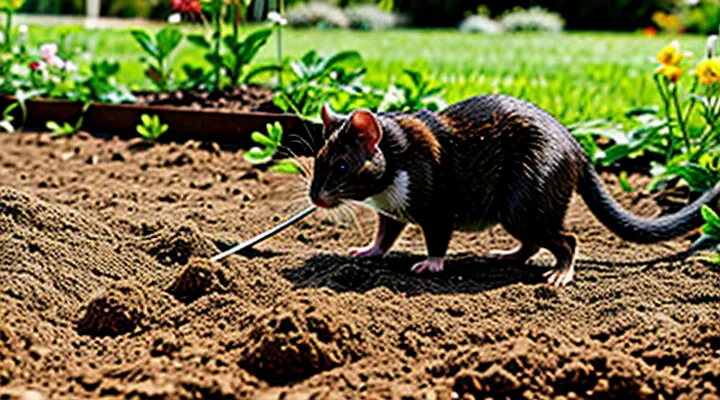
Visual identification of burrowing rodents in a garden plot provides the first reliable step toward effective control. Accurate recognition prevents unnecessary interventions and focuses resources on the true target.
Key physical traits include:
- Length of body + tail typically 15–20 cm; tail shorter than body.
- Fur ranging from reddish‑brown to gray, uniformly dense.
- Small, rounded ears hidden in fur.
- Eyes modest in size, positioned laterally.
Observable evidence of activity consists of:
- Fresh soil mounds 2–5 cm high, often clustered near plant roots.
- Parallel runways forming a lattice across the surface, usually 2–3 cm wide.
- Dark, cylindrical droppings 5–7 mm long, found near burrow openings.
- Gnawed seedlings, especially at the base of young plants.
Distinguishing features from similar species:
- House mice possess longer, hairless tails and larger ears.
- Shrews display pointed snouts and lack significant burrowing behavior.
Confirmation of identification should precede any control measure. Photographic documentation of the described characteristics aids verification and supports targeted action plans.
Damage Signs
Recognizing the physical evidence of burrowing rodent activity is essential for any garden‑plot pest‑management plan. Accurate identification of damage allows prompt implementation of control measures before plant loss escalates.
Key indicators of ground‑rat damage include:
- Chewed or gnawed stems and leaves, often near ground level.
- Small, open burrow entrances with loose soil mounds.
- Displaced or missing soil around the base of plants, forming shallow depressions.
- Bark stripped from young shrubs or stems.
- Seedlings absent or wilted despite adequate watering.
- Dark, pellet‑shaped droppings near plant crowns.
- Fresh gnaw marks on garden tools, trellises, or irrigation tubing.
Early detection of these signs enables targeted DIY interventions such as trap placement, habitat modification, and natural repellent application, thereby reducing the need for extensive remediation.
Ground Rat Behavior and Habits
Burrowing Patterns
Burrowing activity of ground‑dwelling rodents in a vegetable plot follows predictable spatial and temporal patterns that directly affect the efficacy of control measures.
Tunnels are typically located 5‑15 cm below the soil surface, with occasional deeper chambers reaching 30 cm for food storage. Primary shafts run perpendicular to the garden edge, creating a grid of secondary passages that connect to a central nest zone. Seasonal shifts modify this architecture: spring brings extensive exploratory tunnels, summer concentrates activity around moisture sources, autumn expands storage chambers, and winter consolidates the network for insulation.
Visible indicators of active burrowing include fresh soil mounds, chewed plant stems near tunnel entrances, and faint soil depressions where rodents retreat. Monitoring these signs allows precise placement of barriers and traps.
Effective counter‑strategies rely on disrupting the established pattern:
- Install metal or plastic mesh (minimum 1 mm gauge) at a depth of 20 cm around the perimeter, sealing all primary shafts.
- Apply a layer of coarse mulch (≈5 cm thick) over the soil surface; the texture deters tunnel excavation and masks scent trails.
- Position snap traps or live‑catch devices at the intersection of secondary passages, where rodents frequently travel.
- Use targeted bait stations near nest zones, ensuring they are placed at the depth of storage chambers for maximal uptake.
Understanding the depth, orientation, and seasonal variation of burrowing systems enables precise intervention, reduces collateral damage to crops, and improves long‑term suppression of garden rodents.
Feeding Preferences
Ground rats in garden beds show a strong preference for high‑energy plant parts. Young shoots, tender leaves, and seed heads constitute the primary attractants. Roots and tubers also attract foraging activity, especially when above‑ground foliage is scarce.
Key food sources include:
- Germinating seeds of cereals, legumes and grasses
- Fresh shoots of lettuce, spinach, and other leafy vegetables
- Flower buds of ornamental species such as roses and petunias
- Underground storage organs of carrots, beets and potatoes
Seasonal shifts modify intake patterns. In early spring, newly emerged seedlings dominate the diet; mid‑summer sees increased consumption of flowering structures; autumn brings heightened root foraging as above‑ground vegetation declines.
Understanding these preferences enables targeted deterrence. Placement of physical barriers around seed beds, removal of fallen fruit, and timely harvesting of tender shoots reduce available food. Applying repellents to root zones and employing trap baits formulated with preferred seeds enhance control efficiency. Continuous monitoring of feeding activity informs adjustments to barrier depth and bait composition, ensuring sustained protection of the garden plot.
DIY Prevention Strategies
Garden Plot Design and Maintenance
Elevated Garden Beds
Elevated garden beds create a physical barrier that discourages ground rats from entering planting zones. By raising soil above ground level, rodents encounter a vertical obstacle that limits burrowing opportunities and reduces direct contact with root systems.
Key advantages include:
- Soil isolation above the surface prevents rats from tunneling directly beneath crops.
- Improved visibility allows rapid detection of gnaw marks, droppings, or activity signs.
- Easier integration of deterrent materials such as hardware cloth or metal mesh beneath the bed frame.
- Enhanced drainage reduces moisture accumulation, a factor that attracts rodent populations.
Construction guidelines for optimal rodent resistance:
- Build frames from sturdy, non‑rotating materials (e.g., cedar, recycled plastic).
- Install a minimum ¼‑inch galvanized hardware cloth on the underside, extending at least 6 inches beyond the bed perimeter.
- Secure the mesh with stainless‑steel staples to prevent gaps.
- Elevate beds 12–18 inches above ground to balance accessibility for gardeners and difficulty for rats.
- Use a layer of coarse sand or gravel beneath the soil to further deter burrowing.
Maintenance practices reinforce protection:
- Inspect mesh edges weekly for wear or displacement.
- Remove fallen fruit, seeds, and debris promptly to eliminate food sources.
- Rotate crops annually to disrupt established rodent foraging routes.
When combined with complementary tactics—such as predator-friendly habitats and regular trap placement—elevated garden beds become a central component of an effective, DIY ground‑rat management strategy.
Regular Weed Control
Regular weed control is a critical element in any plan to suppress ground‑rat populations within a garden plot built by the DIY enthusiast. Weeds provide cover, food sources, and nesting material for rodents; eliminating them reduces habitat suitability and forces rats to seek alternative, less accessible areas.
Effective weed management combines mechanical, cultural, and chemical tactics:
- Hand‑pull or use a hoe to remove young weeds before seed set, preventing regrowth and limiting shelter.
- Apply a thick layer of organic mulch (e.g., straw, wood chips) to suppress germination, retain soil moisture, and create a barrier that discourages burrowing.
- Rotate crops and interplant with competitive species such as clover or marigold, which outcompete weeds and reduce open ground.
- Employ targeted, low‑toxicity herbicides only when necessary, following label instructions to avoid harming non‑target organisms and to maintain a safe environment for manual pest control.
Consistent implementation of these measures diminishes the structural complexity of the garden floor, directly lowering the attractiveness of the site to ground rats and supporting broader integrated pest‑management objectives.
Protecting Composts and Bins
Ground rats frequently target garden composts and waste bins, drawn by food residues, moisture, and shelter. Effective protection requires eliminating access points, reducing attractants, and employing deterrent strategies.
- Install hardware cloth or fine‑mesh screen (¼‑inch openings) around the perimeter of each compost bin; secure edges with staples or zip ties.
- Fit lids with tight‑closing hinges and rubber gaskets to prevent gaps.
- Elevate containers on sturdy platforms at least 12 inches off the ground; attach a smooth metal base to deter climbing.
Position composts away from dense vegetation, structures, and known rodent pathways. Maintain a clear buffer zone of at least three feet, using gravel or crushed stone to discourage burrowing. Regularly turn compost material to disrupt nesting sites and distribute moisture evenly; avoid excess water by covering fresh kitchen waste with dry carbon sources such as shredded newspaper or straw.
Apply natural repellents—e.g., crushed mint leaves, dried lavender, or commercially available rodent‑deterrent granules—around the exterior of bins. Encourage predators by installing owl boxes or raptor perches nearby, creating an environment less favorable for rodent habitation.
Consistent adherence to these measures secures composts and bins, minimizing damage and disease risk while preserving garden productivity.
Natural Deterrents
Plant-Based Repellents
Plant‑based repellents provide a non‑chemical option for reducing ground rat activity in garden beds. Their effectiveness relies on strong odors, irritant compounds, or deterrent textures that discourage foraging and nesting.
- Garlic cloves crushed and mixed with water create a pungent spray; repeat every five days after rain.
- Peppermint essential oil diluted 1 % in water forms a volatile barrier; apply to mound edges and plant bases.
- Hot pepper (capsaicin) solution, prepared from crushed chilies and soap, irritates mucous membranes; mist foliage and soil surface.
- Marigold (Tagetes spp.) seedlings emit thiophenes that repel rodents; plant in rows surrounding vulnerable crops.
- Lavender sachets placed near burrow entrances release scent that reduces rodent traffic; replace monthly.
Preparation demands clean equipment and consistent dilution ratios to avoid phytotoxicity. Apply sprays in early morning or late afternoon when rodents are most active. Target soil surface, plant stems, and entry points to burrows. Avoid direct contact with edible plant parts during fruiting periods.
Integration with other DIY measures—such as habitat modification, physical barriers, and regular monitoring—enhances overall control. Plant‑based repellents pose minimal risk to beneficial insects and humans when used according to label‑free guidelines. Regular reapplication maintains deterrent potency throughout the growing season.
Scent-Based Barriers
Scent‑based barriers exploit the acute olfactory sensitivity of ground rats, creating an environment that discourages burrowing and foraging without physical confrontation. The approach relies on volatile compounds that trigger aversion, reducing the likelihood of rodents entering treated zones.
- « peppermint oil » – dilute 1 % in water, apply to the perimeter of beds with a spray bottle; repeat weekly after rain.
- « garlic powder » – mix 250 g with 5 L of water, soak burlap strips, place near entry points; replace every 10 days.
- « cayenne pepper » – sprinkle a thin layer on soil surfaces, especially along raised‑bed edges; reapply after irrigation.
- « citronella pellets » – embed 2–3 g per square foot in the topsoil, cover with mulch; refresh monthly.
Effective implementation requires uniform coverage along the full boundary of the garden plot, avoidance of direct contact with edible plants, and monitoring of scent potency. Soil moisture accelerates volatilization, so reapplication schedules must align with irrigation frequency. Compatibility with beneficial insects is maintained when concentrations remain below phytotoxic thresholds.
Advantages include low cost, ease of preparation, and minimal impact on soil structure. Limitations involve temporary efficacy, potential habituation by rodents, and the need for regular maintenance. Integrating scent barriers with physical exclusion methods enhances overall deterrence, providing a comprehensive, DIY‑friendly solution for managing ground rat activity in cultivated areas.
DIY Active Control Methods
Trapping Techniques
Choosing the Right Traps
Choosing the appropriate trap determines the success of garden rat control. An unsuitable device can allow rodents to evade capture, waste bait, and increase damage to plants.
• Snap traps – provide immediate kill, require precise placement near runways, and demand regular checking to prevent decay of captured rodents.
• Live‑catch traps – allow relocation, suitable for areas where humane treatment is required, but need secure containment and prompt release to avoid stress.
• Electric traps – deliver rapid lethal shock, reduce mess, and are effective for high‑traffic zones; however, they require a power source and periodic cleaning of electrodes.
• Baited box traps – combine attractant with a sealed chamber, useful for nocturnal activity; must be positioned away from non‑target wildlife and children.
Key criteria for selection:
- Size of entry – match the trap opening to the average body width of the target species to prevent escape.
- Placement – position traps along established pathways, near burrow entrances, and low to the ground where rats travel.
- Safety – ensure mechanisms are shielded to avoid accidental injury to pets or humans.
- Maintenance – choose models that allow easy removal of carcasses or live catches and simple resetting.
- Target specificity – opt for designs that minimize by‑catch of beneficial insects or small mammals.
Deploy traps in a staggered pattern, spacing devices 1–2 meters apart to cover the entire plot. Rotate bait types weekly to maintain attraction, using high‑protein options such as peanut butter or dried fish. Monitor traps daily; replace or reset any that have been triggered, and record capture locations to identify hotspot activity. Adjust placement based on observed movement patterns to concentrate effort where rats are most active.
Baiting Strategies
Baiting provides a direct, measurable approach to suppressing ground‑rat populations in a garden plot. Selecting the appropriate bait type determines both efficacy and safety.
- Pelletized anticoagulants, such as bromadiolone or difenacoum, deliver a single lethal dose; they require secure placement to prevent non‑target exposure.
- Non‑anticoagulant options, including zinc phosphide or chlorophacinone, act rapidly and are less prone to secondary poisoning.
- Natural attractants, for example, grain‑based mixes with added peanut butter, can enhance uptake when rodents are wary of synthetic scents.
Timing influences success. Deploy baits in the early evening when ground rats are most active, and repeat placement every 3–4 days until signs of decline appear. Monitor consumption rates; a reduction in bait removal often signals diminished activity.
Safety measures protect humans, pets, and beneficial wildlife. Use bait stations constructed of sturdy material with entrance holes sized for target rodents only. Position stations at least 2 m from vegetable rows and 5 m from water sources. Label each station with «ground‑rat bait» to ensure clear identification during garden maintenance.
Regular inspection supports ongoing control. Remove uneaten bait after 48 hours to limit environmental residue, and replace stations if damage occurs. Document bait locations and observations to refine future deployments and maintain an effective, DIY‑friendly rat management program.
Trap Placement and Monitoring
Effective rat control in a DIY garden requires precise trap positioning and systematic observation. Proper placement maximizes capture rates while minimizing disruption to plants and soil structure.
- Identify active runways by locating fresh burrow entrances and fresh soil piles.
- Position snap‑type or live‑capture traps perpendicular to runways, with trigger side facing the anticipated entry direction.
- Place traps 10‑15 cm beneath the surface to align with the rats’ head level.
- Use bait such as peanut butter or dried fruit, secured to the trigger mechanism to prevent spillage.
- Space traps no more than 1 m apart in high‑traffic zones; increase density to 0.5 m in heavily infested sections.
- Install temporary protective covers to shield traps from rain and non‑target wildlife.
Monitoring follows a strict schedule. Check traps at sunrise and sunset; record each capture, noting location, time, and trap condition. Replace triggered traps promptly, resetting bait and ensuring proper alignment. Log data in a simple table to reveal patterns, allowing adjustments to trap density and placement. Regular inspection of burrow activity, combined with documented capture rates, provides measurable feedback on the efficacy of the control strategy.
Exclusion Fencing
Material Selection
Choosing appropriate materials determines the success of a garden‑scale rat mitigation system. Durable barriers prevent burrowing, while non‑toxic deterrents reduce attraction without harming beneficial organisms.
Metal mesh with apertures no larger than 6 mm creates a physical shield around the planting area. Stainless‑steel or galvanized steel resists corrosion, maintains structural integrity, and withstands repeated handling. Secure the mesh to a rigid frame using stainless‑steel staples or self‑drilling screws; avoid plastic fasteners that degrade under soil moisture.
Concrete edging offers a permanent, impermeable boundary. A 2‑inch‑thick slab poured around the plot eliminates gaps, and a smooth finish discourages rodents from gaining purchase. For smaller budgets, compacted gravel mixed with a binding agent provides a similar seal while allowing drainage.
Natural repellents complement mechanical barriers. Crushed diatomaceous earth applied to the soil surface acts as a desiccant, damaging the exoskeleton of rodents upon contact. Sprinkle a thin layer before planting and reapply after heavy rain. Essential‑oil‑infused mulch, such as cedar or pine, releases volatile compounds that rodents find unpleasant; replace the mulch annually to maintain potency.
Traps constructed from wood or plastic must incorporate reinforced hinges and a smooth interior to prevent escape. Use spring‑loaded or live‑capture designs, positioning them along established runways identified by fresh burrow casts. Check traps daily to minimize suffering and to remove captured individuals promptly.
All selected materials should be compatible with the garden’s existing infrastructure. Verify that metal components do not interfere with irrigation lines, and that any chemical‑free deterrents do not alter soil pH beyond acceptable limits. Proper material selection creates a resilient, low‑maintenance defense against ground rats, safeguarding the productivity of the garden plot.
Proper Installation Techniques
Proper installation determines the success of any ground‑rat control effort in a garden plot. Incorrect placement allows burrows to bypass barriers, while secure mounting ensures long‑term effectiveness.
Installation of underground barriers requires precise depth and alignment. First, excavate a trench 30 cm deep along the perimeter of the planting area. Second, line the trench with hardware cloth of 1 mm mesh, overlapping sections by at least 10 cm. Third, backfill with compacted soil, ensuring no gaps remain at the surface. Fourth, anchor the mesh with stainless‑steel staples placed every 30 cm to prevent displacement by rodents or weather.
Setting up trap stations follows a systematic layout. • Identify high‑activity zones by observing fresh runways and droppings. • Position snap traps or live‑capture cages at least 20 cm apart, aligning them with the direction of burrow entry. • Secure each trap to the ground using galvanized brackets, inserting screws at a 45° angle for maximum hold. • Bait traps with a small amount of peanut butter or grain, avoiding excess that could attract non‑target species.
Routine inspection sustains functionality. Inspect barriers weekly for signs of rust, mesh tears, or soil erosion. Replace compromised sections immediately. Test traps bi‑weekly by triggering a single device to verify spring tension and release mechanism. Record findings in a simple log, noting dates of maintenance and any observed rodent activity.
By adhering to these installation practices, garden owners create a robust physical deterrent and a reliable capture system, dramatically reducing ground‑rat populations without reliance on chemical controls.
Home Remedies and Repellents
DIY Sprays and Powders
DIY sprays and powders provide practical, garden‑scale solutions for suppressing ground rat populations without professional chemicals. Formulations rely on readily available ingredients that create an unfriendly environment for rodents while remaining safe for plants and beneficial insects.
A typical spray combines a strong odor with a mild irritant. Recommended components include:
- 1 L of water
- 2 tbsp of liquid dish soap (surfactant)
- 1 cup of white vinegar (acidic deterrent)
- ½ cup of crushed garlic or onion (olfactory repellent)
- Optional: a few drops of peppermint essential oil for added scent
Mix ingredients thoroughly, transfer to a spray bottle, and apply to the perimeter of the garden plot, the base of plant stems, and known burrow entrances. Reapply after rainfall or every 3–4 days during peak activity periods.
Powders function by irritating the rats’ respiratory system and masking plant scents. Effective blends consist of:
- 1 part diatomaceous earth (mechanical abrasive)
- 1 part powdered cayenne pepper (capsaicin irritant)
- ½ part powdered rosemary (natural repellent)
Spread the mixture lightly over soil surfaces, around mulch, and directly into burrow openings. Light dusting after irrigation prevents clumping and maintains efficacy.
Safety considerations demand precise handling. Wear gloves when mixing powders, avoid inhalation of fine particles, and keep formulations away from edible plant parts destined for harvest. Store containers in a sealed, labeled container out of reach of children and pets. Regular monitoring of rodent activity will indicate when retreatment is necessary, ensuring continuous protection without excessive chemical buildup.
Ultrasonic Devices: Effectiveness and Limitations
Ultrasonic devices emit high‑frequency sound waves that rodents cannot hear but find uncomfortable. The emitted frequencies typically range from 20 kHz to 65 kHz, creating an invisible barrier around the garden plot.
Effectiveness:
- Laboratory tests show temporary avoidance behavior when rodents are exposed to continuous ultrasonic emission.
- Field observations report reduced activity during the first two weeks after installation, especially in open, flat areas with minimal vegetation cover.
- Devices placed near entry points, such as fence gaps or irrigation channels, concentrate the acoustic field where rats are most likely to approach.
Limitations:
- Sound attenuation increases with distance and foliage density; dense planting can diminish the audible zone to a few meters.
- Rodents may habituate after repeated exposure, resuming activity once the novelty of the noise wanes.
- Weather conditions affect performance; heavy rain or strong wind disperses ultrasonic waves, reducing coverage.
- Power supply requirements limit placement to areas with accessible electricity or reliable battery solutions.
Practical recommendations:
- Install multiple units to create overlapping zones, ensuring continuous coverage across the entire plot.
- Combine ultrasonic devices with physical barriers, such as mesh fencing, to compensate for acoustic gaps.
- Rotate device positions every 10–14 days to disrupt habituation patterns.
- Monitor rodent activity with motion‑activated cameras to assess device impact and adjust placement accordingly.
«Ultrasonic repellents can deter ground rats, but they should not be relied upon as the sole control method». Integration with habitat modification and trap placement yields the most consistent reduction in rodent presence.
Safety and Ethical Considerations
Protecting Pets and Children
Non-Toxic Alternatives
Non‑toxic options provide effective protection for garden beds without compromising safety for children, pets, or beneficial insects. Physical exclusion prevents burrowing and foraging by creating an impermeable surface around planting zones. Materials such as fine mesh, hardware cloth, or rigid plastic edging can be installed at a depth of at least 10 cm to block entry paths.
Habitat alteration reduces attraction. Removing dense ground cover, excess mulch, and standing water eliminates shelter and food sources. Regular mowing and trimming maintain a tidy perimeter that discourages nesting.
Natural repellents exploit sensory aversion. Plantings of strong‑scented herbs—mint, rosemary, thyme, and lavender—release volatile compounds that deter «ground rats». Sprays made from diluted garlic or hot pepper extract can be applied to foliage and soil surfaces, renewing potency after rainfall.
Encouraging predators supports biological control. Installing birdhouses for owls, raptor perches, or habitat shelters for foxes and hedgehogs creates a self‑sustaining deterrent network. Avoiding the use of rodenticides preserves these allies.
Humane traps capture individuals for relocation. Live‑capture cages constructed from wire mesh with a bait station allow safe removal. Traps should be checked frequently to prevent stress.
Implementing these strategies in combination maximizes efficacy while maintaining an environmentally responsible garden ecosystem.
Secure Trap Placement
Secure trap placement maximizes capture efficiency while minimizing disturbance to desirable plants. Position traps at the periphery of active runways, directly adjacent to freshly excavated burrow openings. Ensure traps rest on level ground; uneven surfaces allow rats to bypass mechanisms.
- Locate traps within 30 cm of the entrance to each tunnel system.
- Anchor traps with stakes or heavy stones to prevent displacement by wind or animal interference.
- Orient trigger mechanisms toward the direction of rat traffic, identified by fresh soil displacement.
- Cover trap bases with a thin layer of mulch to conceal placement without obstructing trigger sensitivity.
- Space multiple traps at intervals of 1–2 m along a single runway to create a continuous capture zone.
After deployment, inspect traps daily at dawn. Remove captured rodents promptly, reset triggers, and replenish bait if necessary. Rotate trap locations weekly to discourage avoidance behavior and to address shifting burrow activity. Regular maintenance preserves trap stability and sustains effective control of ground rat populations.
Humane Extermination Practices
Live Trapping and Release
Live trapping provides a humane alternative for managing ground‑rat populations in garden beds without chemicals. The method captures individual rodents, allows temporary containment, and enables relocation to a suitable habitat away from cultivated areas.
- Choose a trap size that accommodates adult rats; snap‑type cages or multi‑catch models work well.
- Bait the trap with attractive foods such as peanut butter, oats, or dried fruit.
- Position traps near active runways, burrow entrances, or feeding zones, aligning them with the natural flow of the rodents.
- Check traps at least twice daily to reduce stress and prevent injury.
- Transport captured rats in a secure, ventilated container to a release site at least five miles from the garden, preferably in a wooded or field area with ample cover and food sources.
- Release each animal gently, placing it near vegetation that offers immediate shelter.
Proper trap maintenance extends effectiveness. Clean the interior after each capture to remove scent markers that could deter further activity. Rotate trap locations regularly to prevent habituation. Use gloves when handling traps and rodents to avoid disease transmission.
When selecting a release site, verify that local regulations permit the introduction of captured wildlife. Avoid areas near agricultural fields or residential properties to minimize the risk of re‑infestation. Monitoring the garden after each release helps assess the impact of the intervention and informs adjustments to trap placement or density.
Live trapping and release, when executed with attention to trap selection, baiting strategy, and responsible relocation, offers a practical, environmentally sound solution for gardeners seeking to protect their plots from ground‑rat damage.
Understanding Local Regulations
Understanding the legal framework is a prerequisite for any garden‑based rodent control project. Compliance protects property owners from fines, safeguards non‑target wildlife, and ensures that control measures remain effective over time.
Regulatory considerations typically include:
- Authorization status of chemical or biological agents; only products listed by the relevant agricultural authority may be applied.
- Application limits defined by concentration, timing, and distance from edible crops.
- Restrictions protecting protected species; many jurisdictions classify ground‑dwelling rodents as wildlife, requiring non‑lethal methods in certain habitats.
- Disposal requirements for unused or residual materials to prevent environmental contamination.
- Local ordinances governing the use of traps, barriers, or habitat modification within residential zones.
To achieve full compliance, follow a systematic approach:
- Review municipal codes or homeowner‑association rules that address pest control in private gardens.
- Access state or provincial agricultural department databases for approved products and usage guidelines.
- Verify that each selected method carries a current registration number and conforms to label instructions.
- Obtain any necessary permits before deploying chemical or biological controls, especially in protected areas.
- Document all actions, including product batch numbers, application dates, and quantities, for potential inspection.
Adhering to these steps eliminates legal risk and reinforces the credibility of a DIY rodent‑management strategy.
Maintaining Garden Ecosystem Balance
Impact on Non-Target Species
Effective rat control in a garden plot inevitably interacts with organisms that are not the intended target. Toxic baits, traps, and habitat modifications can affect insects, earthworms, small mammals, birds, and amphibians that share the same environment.
Common interventions and their typical non‑target impact:
- Anticoagulant rodenticides: secondary poisoning of predatory birds and mammals that consume poisoned rats.
- Snap traps: accidental capture of juvenile birds or hedgehogs when traps are placed near ground cover.
- Glue boards: entanglement of insects and reptiles that walk across adhesive surfaces.
- Habitat disruption: removal of dense vegetation reduces shelter for beneficial insects and soil fauna.
Mitigation measures reduce collateral harm:
- Deploy bait stations with entrance size limited to «ground rats» to exclude larger mammals and birds.
- Position snap traps within concealed, low‑profile locations inaccessible to non‑target wildlife.
- Use biodegradable glue strips only on surfaces lacking insect pathways.
- Schedule applications during periods of low activity for vulnerable species, such as early morning for many amphibians.
Monitoring protocols support adaptive management:
- Conduct fortnightly visual surveys of insect populations, earthworm activity, and small‑mammal sightings.
- Record any non‑target captures or mortalities, adjust trap density, and modify bait placement accordingly.
- Maintain documentation of pesticide usage, including active ingredient, concentration, and application date, to correlate with observed ecological changes.
Integrated Pest Management Principles
Integrated Pest Management (IPM) is a systematic approach that combines preventive, cultural, mechanical, biological, and chemical tactics to maintain pest populations below damaging levels while minimizing environmental impact.
Application of IPM principles to ground‑rat control in a garden bed begins with habitat modification. Reducing shelter by eliminating dense vegetation, debris, and excess mulch deprives rats of nesting sites. Maintaining proper irrigation prevents water accumulation that creates attractive foraging conditions.
Effective tactics can be organized as follows:
- Cultural controls: rotate crops, plant species that are less palatable to rodents, and schedule planting to avoid peak rat activity periods.
- Mechanical controls: install sturdy underground barriers such as hardware cloth, set snap traps or live‑catch traps along established runways, and regularly inspect for burrow openings.
- Biological controls: encourage natural predators by providing perches for owls, nesting boxes for barn owls, and habitats for feral cats, while avoiding practices that harm beneficial wildlife.
- Chemical controls: apply rodenticides only as a last resort, selecting products with low secondary toxicity and adhering strictly to label instructions.
Monitoring involves systematic inspection of trap catches, burrow counts, and signs of gnawing. Data collected weekly allow rapid adjustment of tactics, ensuring that interventions remain proportionate and effective. Documentation of results supports long‑term planning and compliance with local regulations.