
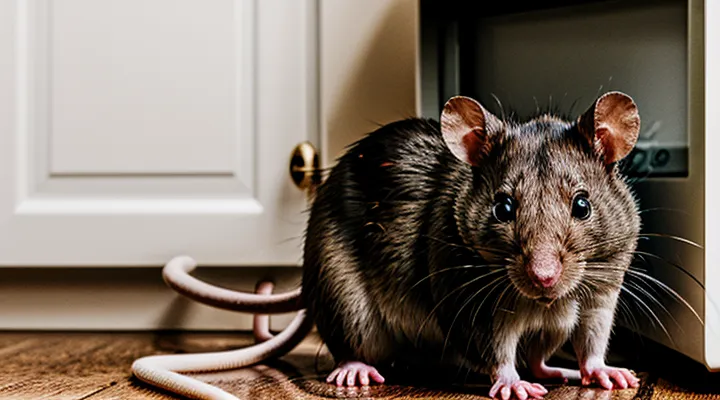
Understanding the Rodent Problem
Identifying Rodent Infestation
Common Signs of Rodents
Recognizing rodent activity early prevents infestations from becoming severe. Visible evidence indicates where pests travel, nest, and feed, allowing targeted intervention.
- Droppings: Small, dark pellets about ¼‑inch long; rats produce larger, cylindrical droppings, mice leave finer, rice‑shaped ones. Accumulation near food sources, cabinets, or hidden corners signals presence.
- Gnaw marks: Fresh, clean cuts on wood, plastic, or wiring. Rat incisor marks are up to ¼‑inch deep; mouse gnawing appears finer and often clusters on softer materials.
- Nesting material: Shredded paper, fabric, insulation, or dried plant matter gathered in concealed areas such as wall voids, attics, or under appliances.
- Tracks: Footprints or tail drag marks in dusty surfaces, grease, or flour. Rat prints display four toe marks with a larger hind foot; mouse prints show a smaller, more compact pattern.
- Noises: Scratching, scurrying, or gnawing sounds emanating from ceilings, walls, or crawl spaces, especially at night when rodents are most active.
- Odor: Strong, musky scent from urine or droppings, detectable in enclosed spaces or near nesting sites.
- Damage to food packaging: Tears, holes, or chewed seals on stored grains, cereals, or pet food indicate foraging activity.
These indicators provide a reliable basis for confirming infestation and planning effective control measures within a private residence. Immediate sanitation, sealing entry points, and applying appropriate eradication techniques reduce the risk of population growth.
Types of Rodents in Homes
Rodents that commonly invade residential properties belong to a limited set of species, each with distinct habits that affect control measures.
The house mouse (Mus musculus) is the smallest typical indoor pest. It prefers warm, dark areas near food sources, such as kitchens, pantries, and wall voids. Populations increase rapidly because females can produce up to ten litters per year, each containing five to eight offspring.
The Norway rat (Rattus norvegicus), often called the brown rat, favors basements, crawl spaces, and sewers. It thrives in moist environments and constructs extensive burrow systems. Its size, up to 30 cm in body length, allows it to cause significant structural damage and contaminate stored food.
The roof rat (Rattus rattus), also known as the black rat, is an excellent climber. It inhabits attics, roof voids, and upper stories of houses. Preference for elevated locations makes it a frequent carrier of plant pathogens and a vector for diseases transmitted through droppings and urine.
The deer mouse (Peromyscus maniculatus) is less common indoors but may enter homes seeking shelter during extreme weather. It is a carrier of hantavirus, emphasizing the need for prompt identification and removal.
Other occasional intruders include the wood mouse (Apodemus sylvaticus) and field mouse (Apodemus agrarius). These species typically originate from surrounding vegetation and enter homes through gaps in foundations, doors, or windows.
Understanding the specific rodent species present in a dwelling informs the selection of targeted eradication tactics, such as placement of bait stations, setting of traps, and sealing of entry points. Accurate identification reduces unnecessary pesticide use and improves the efficiency of integrated pest management programs.
Health Risks and Damage Caused by Rodents
Health Concerns
Rodents in a residence carry pathogens that jeopardize human health. Their saliva, urine, and droppings contain bacteria such as Salmonella and Leptospira, viruses including Hantavirus, and parasites like Hymenolepis nana. Direct contact or inhalation of aerosolized particles from contaminated bedding can result in gastrointestinal illness, hemorrhagic fever, or severe respiratory infection.
Food stores become breeding grounds when rodents infiltrate kitchens and pantries. Contamination occurs when gnawed packaging releases particles that mix with prepared meals, leading to foodborne outbreaks. Even low‑level exposure can trigger nausea, vomiting, and diarrhea, especially in children and immunocompromised individuals.
Allergic responses arise from rodent dander and urine proteins. Sensitive occupants may develop sneezing, itchy eyes, or asthma attacks after exposure. Chronic exposure amplifies airway inflammation, increasing the risk of long‑term respiratory disease.
Structural damage caused by gnawing compromises insulation and creates gaps that allow moisture accumulation. Persistent dampness promotes mold growth, which releases spores linked to allergic reactions and pulmonary disorders.
Mitigation measures include:
- Sealing cracks, gaps, and utility openings to prevent entry.
- Storing food in airtight containers and promptly cleaning spills.
- Removing clutter that offers nesting sites.
- Using traps or bait stations positioned away from children and pets.
- Conducting regular inspections for droppings, gnaw marks, and urine stains.
- Engaging licensed pest‑control professionals for comprehensive eradication and decontamination.
Implementing these practices reduces the probability of disease transmission, minimizes allergen exposure, and safeguards overall household health.
Property Damage
Rodents compromise structural integrity, electrical systems, and stored goods. Chewed wood weakens beams, floor joists, and door frames, creating safety hazards. Gnawed insulation reduces thermal efficiency and may expose wiring to fire risk. Rodent bites on plastic and rubber components, such as pipe seals and appliance housings, lead to leaks and equipment failure.
Evidence of damage includes:
- Visible gnaw marks on wooden surfaces, furniture, or wiring insulation.
- Accumulated droppings near food storage, cabinets, or behind appliances.
- Presence of shredded materials, nests, or urine stains on fabrics and upholstery.
- Unexplained water stains or corrosion on metal fixtures.
Financial consequences arise from repair costs, replacement of contaminated items, and increased utility expenses due to compromised insulation. Early detection and prompt eradication reduce the likelihood of extensive reconstruction.
Effective eradication strategies—such as sealing entry points, deploying snap traps, and applying targeted bait stations—directly prevent further damage. Each method eliminates the source of gnawing activity, preserving the building envelope and internal systems. Integrating regular inspections with these control measures ensures that property damage remains minimal and that remediation expenses stay within manageable limits.
Prevention Strategies
Sealing Entry Points
Inspecting Your Home's Exterior
Inspecting the exterior of a private residence is a critical step in any rodent control program. Identify every potential entry point and eliminate conditions that attract rats and mice before they can breach the interior.
- Examine the foundation for cracks, gaps around pipe sleeves, and openings around utility lines. Seal with cement, steel wool, or expanding foam designed for pest exclusion.
- Check doors, windows, and garage doors for weather‑stripping damage; replace or repair to maintain a tight seal.
- Inspect roof eaves, soffits, and vent covers. Install mesh screens on vents and ensure that eaves are closed off with metal flashing.
- Trim tree branches, shrubs, and vines that contact the house. Overhanging vegetation provides bridges for rodents to reach the roof.
- Clear debris, wood piles, and compost bins from the perimeter. Store compost in sealed containers and keep firewood elevated and away from the structure.
- Remove standing water sources such as clogged gutters, pet water dishes, and puddles. Ensure proper drainage away from the foundation.
- Secure outdoor food sources, including bird feeders and pet food, in rodent‑proof containers.
After completing the exterior survey, repair identified deficiencies promptly. A thorough, systematic inspection reduces the likelihood of infestation and supports long‑term rodent management in the home.
Repairing Gaps and Cracks
Repairing gaps and cracks eliminates the primary entry points that rats and mice exploit to access a private residence. Identifying these openings requires a systematic inspection of the building envelope, focusing on areas where utilities, pipes, and cables penetrate walls, floors, and foundations. Pay particular attention to gaps larger than ¼ inch, as rodents can squeeze through openings considerably smaller than their body length.
- Seal exterior cracks with a high‑quality, weather‑resistant caulk or polyurethane sealant.
- Install steel wool or copper mesh in larger voids before applying sealant to deter chewing.
- Use expanding foam insulation for irregular gaps around door frames and window sills, ensuring the foam is rodent‑resistant.
- Replace deteriorated weatherstripping on doors and windows with silicone‑based products that maintain flexibility and durability.
- Apply metal flashing around vent openings and chimney bases, securing it with stainless‑steel screws to prevent corrosion.
Maintain the integrity of sealed areas by conducting quarterly visual checks and reapplying sealant where wear or damage becomes evident. Prompt repair of any new cracks discovered during routine maintenance prevents re‑infestation and supports long‑term rodent exclusion.
Maintaining a Clean Environment
Food Storage and Sanitation
Proper food storage and sanitation are essential components of a comprehensive rodent‑control program in a private residence. Food must be kept in containers that are airtight, made of metal or heavy‑wall plastic, and equipped with secure lids. All pantry shelves should be cleared of crumbs, spills, and expired items; any debris should be removed immediately with a damp cloth. Regularly inspect storage areas for signs of gnawing or contamination and replace compromised containers without delay.
Effective sanitation practices reduce the availability of sustenance for rats and mice, limiting their ability to establish colonies. Key actions include:
- Disposing of kitchen waste in sealed bins and removing the bins from the home at least once daily.
- Cleaning countertops, cutting boards, and appliance exteriors after each use; use hot water and detergent, followed by a disinfectant rinse.
- Sweeping floors and vacuuming seams and crevices to eliminate fallen food particles.
- Maintaining a schedule for deep cleaning under appliances, inside cabinets, and behind furniture where food residues may accumulate.
- Ensuring that pet food is stored in the same airtight containers as human food and that feeding areas are cleared of leftovers promptly.
Eliminate water sources that can attract rodents. Fix leaking pipes, dry dish‑washing basins after use, and do not leave standing water in pet water dishes for extended periods. Keep outdoor garbage cans tightly sealed and positioned away from the house foundation.
By implementing airtight storage, rigorous cleaning routines, and diligent waste management, a homeowner removes the primary nutritional incentives that sustain rodent populations, thereby enhancing the efficacy of any additional eradication measures.
Waste Management
Proper waste handling eliminates food sources that attract rats and mice, reducing the likelihood of infestation. Contaminated containers and exposed garbage create predictable foraging routes; removing these incentives disrupts rodent survival patterns inside a residence.
Implement the following waste‑management measures:
- Store all refuse in containers with tight‑fitting lids; metal or heavy‑plastic bins are preferable to flimsy models.
- Position bins away from walls and away from entry points such as doors, windows, and utility openings.
- Empty indoor containers daily; relocate full outdoor bins to a secured, covered area no closer than 10 feet from the house.
- Seal and dispose of food waste in sealed bags before placing it in the bin; avoid leaving crumbs, peelings, or pet food remnants on countertops or floors.
- Clean pet feeding stations after each use; store dry pet food in airtight containers and discard uneaten portions promptly.
- Compost only in sealed, rodent‑proof units located at a distance from the dwelling; avoid adding meat, dairy, or oily scraps that attract gnawing mammals.
- Regularly inspect and clean under appliances, behind cabinets, and within crawl spaces for hidden waste accumulations.
Maintain these practices consistently; the cumulative effect removes the primary nutritional incentives that sustain rodent populations in a private home.
Landscape Maintenance
Trimming Vegetation
Keeping shrubs, vines, and ground cover well‑trimmed limits the shelter and travel routes that rats and mice use to reach a house. Regular pruning creates a clear zone around the foundation, reducing the likelihood that rodents can hide or climb onto the structure.
Key actions for vegetation management:
- Cut back any foliage that touches the exterior walls to a distance of at least 12 inches.
- Remove dense plantings within three feet of doors, windows, and utility entries.
- Thin out low‑lying shrubs to a height of no more than 3 feet, preventing easy access to roof eaves.
- Dispose of garden waste promptly; do not allow leaf piles or compost to accumulate near the home.
- Schedule trimming after each growing season to maintain a consistent barrier.
By enforcing these practices, homeowners create an environment where rats and mice find fewer hiding places and fewer pathways to enter, supporting overall rodent control efforts.
Removing Debris
Debris such as cardboard boxes, paper stacks, and food scraps creates hiding places and foraging sites for rats and mice; eliminating it removes essential resources that sustain an infestation.
- Collect all loose paper, magazines, and old newspapers; recycle or dispose of them in sealed containers.
- Disassemble cardboard boxes, flatten them, and store them in a locked, elevated area or discard them promptly.
- Remove pet food dishes after each meal; store dry kibble in airtight containers.
- Clear yard clutter, including piles of leaves, mulch, and garden waste, that can serve as outdoor shelters.
- Inspect storage closets and garages; eliminate broken appliances, unused wiring, and other junk that may harbor rodents.
Regularly schedule a quarterly sweep of storage spaces, ensuring that any new material is sorted and stored in sealed, rodent‑proof containers. Maintain a clean perimeter by trimming vegetation away from the foundation and keeping trash bins tightly covered. Consistent debris removal reduces the attractiveness of the home to rodents and supports long‑term pest‑free conditions.
Eradication Methods
Trapping Techniques
Snap Traps
Snap traps provide rapid, humane termination of rodents in residential settings. The mechanism consists of a spring‑loaded bar that releases upon contact with a trigger, delivering a lethal force to the animal’s neck. Proper use maximizes effectiveness and minimizes risk to occupants and pets.
- Choose a trap constructed from sturdy wood or heavy‑gauge plastic; these materials resist chewing and retain tension.
- Load the spring according to the manufacturer’s instructions, ensuring the bar is fully cocked before placement.
- Apply a small amount of attractive bait—peanut butter, dried fruit, or a piece of cheese—directly on the trigger platform. Avoid excessive bait that may allow the rodent to feed without activating the trap.
- Position traps perpendicular to walls, with the trigger side facing the expected travel path. Common routes include behind appliances, in cabinets, and along baseboard gaps.
- Place traps at least 12 inches from each other; overlapping fields of influence reduce escape opportunities.
Safety considerations include securing traps out of reach of children and non‑target animals, using protective gloves when handling loaded devices, and inspecting traps daily. Once a capture occurs, wear gloves, seal the dead rodent in a disposable bag, and discard it according to local regulations. Reset the trap promptly to maintain pressure on the infestation.
Advantages of snap traps are immediate results, low cost, and no reliance on chemicals. Limitations involve the need for regular monitoring and the potential for missed catches if placement is inaccurate. Integrating snap traps with complementary measures—such as sealing entry points and maintaining cleanliness—creates a comprehensive rodent control program for private homes.
Live Traps
Live traps capture rodents without killing them, allowing homeowners to remove rats and mice from the premises and release them far from the residence. The devices consist of a sturdy cage, a trigger mechanism, and a secure door that closes automatically when the animal enters to retrieve bait.
Proper placement maximizes capture rates. Position traps along walls, behind appliances, and near known gnawing sites; rodents habitually travel close to vertical surfaces. Use a small amount of high‑fat bait such as peanut butter, cheese, or dried fruit, placed on the trigger plate to entice entry. Check traps at least twice daily to prevent stress, injury, or disease transmission.
When a capture occurs, follow these steps:
- Wear disposable gloves and handle the trap gently to avoid harming the animal.
- Transport the cage to a location at least two miles from the home, preferably in a natural area lacking shelter.
- Release the rodent by opening the door, allowing it to exit immediately.
- Clean the trap with hot, soapy water and disinfect before redeployment.
Advantages of live traps include humane treatment, avoidance of poison residues, and compliance with local regulations that restrict lethal methods. Limitations involve the need for frequent monitoring, potential escape if the door malfunctions, and the responsibility of relocating captured rodents responsibly. Integrating live traps with sealing entry points and sanitation measures creates a comprehensive, non‑lethal control strategy for private residences.
Electronic Traps
Electronic traps provide a rapid, humane solution for controlling rodent populations in residential settings. The device detects movement through infrared or ultrasonic sensors and delivers a high‑voltage shock that kills the animal instantly. Because the kill is immediate, there is no risk of disease transmission or hidden carcasses that attract secondary pests.
Key characteristics to assess when choosing a model include:
- Voltage output (typically 2,000–8,000 V) sufficient to ensure lethal results for both rats and mice.
- Sensor sensitivity adjustable for size differentiation, preventing accidental activation by pets or children.
- Battery life or mains connection, with backup power to maintain operation during outages.
- Transparent or removable collection chamber for easy disposal and inspection.
- Noise level; most units emit a brief click, minimizing disturbance to occupants.
Installation requires placement along established rodent pathways—near walls, behind appliances, or in dark corners. Position traps perpendicular to the wall, with the sensor facing the expected travel direction. Secure the unit to prevent tipping, and keep cords out of reach of non‑target animals.
Maintenance consists of regular inspection of the collection chamber, replacement of batteries or power adapters as needed, and periodic cleaning with mild detergent to prevent residue buildup. After a kill, follow local regulations for disposal; sealed plastic bags and household waste are generally acceptable for single specimens, while larger infestations may require professional removal.
Safety precautions are essential. Ensure the trap is grounded according to the manufacturer’s instructions, avoid handling the device while powered, and keep children and pets away from the active area. Many models incorporate a safety lock that disables the shock circuit when the chamber is open, reducing accidental exposure.
When integrated with complementary measures—such as sealing entry points, removing food sources, and maintaining cleanliness—electronic traps can significantly reduce rodent activity in a private dwelling, delivering swift, reliable results without the mess associated with traditional snap or glue devices.
Baiting Strategies
Effective baiting relies on selecting an appropriate attractant, delivering a lethal agent safely, and positioning the device where rodents are most active.
Choose baits based on species preferences:
- High‑protein blocks for rats, which prefer meat‑based flavors.
- Grain or seed mixtures for mice, which are attracted to cereals and nuts.
- Tamper‑resistant stations for households with children or pets, ensuring only target rodents can access the poison.
Optimal placement follows a systematic pattern:
- Identify runways, wall voids, and concealed corners where activity signs appear.
- Position bait stations perpendicular to the wall, with the entry side facing the rodent’s travel direction.
- Space stations 10‑15 feet apart along each identified pathway; increase density in high‑traffic zones.
Timing influences uptake:
- Deploy baits during nocturnal periods when rodents forage.
- Replace stations every 3‑4 days to maintain potency and prevent desiccation.
Safety measures are mandatory:
- Wear disposable gloves when handling rodenticides.
- Store unused bait in a locked container, away from food preparation areas.
- Record the location and date of each station to track effectiveness and comply with local regulations.
Monitoring and adaptation ensure long‑term success:
- Inspect stations for consumption evidence; replace depleted units promptly.
- Rotate active ingredients every 2‑3 months to prevent bait aversion and resistance.
- Conduct follow‑up inspections after a week; a decline in sightings confirms efficacy, while persistent activity indicates the need for repositioning or alternative attractants.
By adhering to these precise practices, baiting becomes a reliable component of a comprehensive rodent control program in residential settings.
Rodenticides
Types of Rodenticides
Rodenticides represent a core component of indoor pest control strategies for rats and mice. Their effectiveness varies according to active ingredient, mode of action, and regulatory restrictions.
- First‑generation anticoagulants (e.g., warfarin, chlorophacinone) require multiple feedings to cause fatal bleeding; they are suitable for low‑density infestations and present limited secondary poisoning risk.
- Second‑generation anticoagulants (e.g., brodifacoum, difethialone) act after a single ingestion, delivering rapid mortality. Their high potency demands strict placement to prevent accidental exposure of children, pets, and non‑target wildlife.
- Bromethalin disrupts cellular energy production, leading to paralysis and death within 24–48 hours. It is effective against resistant rodent populations but may cause secondary toxicity if consumed by predators.
- Zinc phosphide releases phosphine gas in the acidic stomach environment, producing acute respiratory failure. Its use is limited to secured bait stations because of the immediate toxic vapors generated upon ingestion.
- Cholecalciferol (vitamin D3) induces hypercalcemia, resulting in organ failure. It offers a lower risk of secondary poisoning while maintaining high efficacy against both rats and mice.
- Phosphodiesterase inhibitors such as diphacinone interfere with blood clotting mechanisms, requiring multiple feedings. They serve as an alternative when anticoagulant resistance is detected.
Selection of a rodenticide must consider infestation severity, resistance patterns, and household composition. Proper bait placement, secure containment, and compliance with local regulations minimize health hazards and ensure successful eradication.
Safe Application and Placement
When applying rodent‑control products inside a residence, prioritize human health and property protection. Choose devices that minimize exposure to toxic substances and position them where non‑target occupants cannot inadvertently contact them.
- Use snap traps or electronic devices in concealed areas such as behind appliances, under sinks, and within wall voids. Secure each trap to a stable surface to prevent accidental displacement.
- Deploy bait stations only in locations inaccessible to children and pets, for example inside cabinets, attic corners, or sealed utility closets. Ensure the station’s lid locks firmly and the bait is enclosed.
- Place glue boards on low‑traffic surfaces away from food preparation zones. Attach them to baseboards or the underside of shelving to reduce the chance of accidental contact.
- If employing rodenticides, opt for low‑toxicity formulations and confine them within tamper‑proof containers. Position these containers at least 2 meters from food storage areas and out of reach of household members.
- Maintain a clear path around each device; avoid clutter that could conceal traps or impede inspection. Regularly inspect placements to confirm functionality and replace ineffective units promptly.
Adhere to manufacturer instructions regarding dosage, exposure limits, and disposal procedures. Record the locations of all devices in a household log to facilitate systematic monitoring and ensure compliance with safety standards.
Risks to Pets and Children
Rodent control in a private residence can introduce hazards for pets and children. Understanding these risks is essential for safe implementation.
-
Chemical baits: Anticoagulant rodenticides cause internal bleeding if ingested. Second‑generation products may affect the nervous system. Pets and children can mistake pellets for food, leading to accidental poisoning. Residues can persist on surfaces, creating secondary exposure.
-
Snap traps: Sharp mechanisms can cause lacerations or bruises when triggered unintentionally. Small animals may become trapped and suffer prolonged distress, prompting owners to intervene and risk injury.
-
Glue boards: Adhesive surfaces may capture fur, whiskers, or fingers. Removal often requires force, resulting in skin trauma or allergic reactions to the glue compound.
-
Ultrasonic devices: Emissions intended to deter rodents may cause discomfort in pets with sensitive hearing. Some children report headaches or nausea when devices are placed nearby.
-
Environmental contamination: Droppings and urine from rodents carry pathogens such as Hantavirus and Leptospira. Contact with contaminated bedding or surfaces can lead to infection, especially in young children who crawl and explore.
Mitigation measures reduce exposure:
- Position baits and traps out of reach of children and pets, preferably in sealed compartments or behind child‑proof barriers.
- Select pet‑safe formulations, such as low‑toxicity bait stations that require a specific entry mechanism.
- Use snap traps with protective sleeves that prevent accidental activation.
- Employ professional pest‑control services for high‑risk environments; technicians can apply targeted treatments and verify clearance.
- Conduct thorough cleaning after eradication efforts to eliminate residual toxins and biological contaminants.
Adhering to these precautions preserves the health of household members while maintaining effective rodent suppression.
Natural and Repellent Methods
Essential Oils and Scents
Essential oils provide a non‑chemical option for discouraging rats and mice within a residence. Their strong aromas interfere with the rodents’ scent‑based navigation and territorial marking, prompting avoidance of treated areas.
Compounds such as menthol, eucalyptol, and phenols act on the olfactory receptors of rodents, creating a sensory overload that deters feeding and nesting. These substances are volatile, dispersing quickly and reaching crevices where pests travel.
- Peppermint oil – 10 ml diluted in 1 L water, applied to entry points and along baseboards with a spray bottle.
- Eucalyptus oil – 5 ml mixed with 500 ml carrier oil, soaked into cotton balls placed in hidden corners.
- Clove oil – 8 ml combined with 1 L water, used in a diffuser positioned in the kitchen or pantry.
- Citronella oil – 12 ml blended with 1 L water, sprayed around garbage containers and outdoor access points.
Application should occur after thorough cleaning to remove food residues and debris that could mask the scent. Reapplication every 3–4 days maintains effective concentration, especially in high‑traffic zones.
Human and pet safety requires adherence to recommended dilution ratios; undiluted oils can cause skin irritation or respiratory discomfort. Keep treated cotton balls out of reach of children and animals, and ventilate rooms after spraying.
Essential oils alone rarely achieve complete eradication. They function best when combined with structural exclusion, sanitation, and, where necessary, conventional traps or baits. Regular monitoring confirms whether the aromatic barrier remains effective or if supplementary measures are required.
Ultrasonic Devices
Ultrasonic devices emit high‑frequency sound waves that rodents find uncomfortable. The frequency range typically exceeds 20 kHz, a level inaudible to humans but irritating to rats and mice, causing them to avoid treated areas.
Key operational considerations:
- Frequency modulation – devices that vary tone prevent habituation; static frequencies allow rodents to adapt.
- Coverage area – manufacturers specify square footage; multiple units may be required for larger dwellings.
- Placement – units should be positioned on flat surfaces, away from obstacles that block sound, and at a height of 12–18 inches for optimal dispersion.
- Power source – plug‑in models ensure continuous operation; battery‑powered units are suitable for temporary use but may suffer reduced output.
Effectiveness data indicates that ultrasonic repellents reduce rodent activity by 30‑50 % when deployed correctly. Success rates rise when devices complement physical barriers, sanitation measures, and trapping programs.
Limitations include:
- Inability to penetrate solid materials such as walls, furniture, or dense insulation.
- Diminished performance in high‑humidity environments, where sound attenuation increases.
- Potential interference from other electronic devices that generate overlapping frequencies.
Safety aspects:
- No known health risks to humans or domestic pets when devices comply with regulatory standards.
- Routine inspection of cords and housings prevents electrical hazards.
Maintenance requirements are minimal: clean exterior surfaces monthly to remove dust that can dampen sound transmission, and replace units after the manufacturer‑specified lifespan, typically three to five years.
Integrating ultrasonic devices into a comprehensive rodent control plan enhances overall efficacy, provided that placement, frequency variation, and supplemental measures are observed.
Natural Predators
Domestic cats are the most accessible predator for household rodent control. A single cat can locate and eliminate several rodents per night, reducing population density without chemical intervention. Choose a cat with strong hunting instincts; neutered or spayed animals retain predatory drive while minimizing unwanted breeding.
Ferrets provide an alternative for homes where cats are unsuitable. Their slender bodies allow entry into narrow passages, and their high chase motivation leads to rapid capture of mice and small rats. Regular handling and health checks are required to maintain effectiveness.
Barn owls and other raptor species can be attracted to the property by installing perch boxes and providing suitable nesting sites. These birds hunt rodents over larger outdoor areas, limiting re‑entry into the house. Compliance with local wildlife regulations is mandatory before establishing raptor habitats.
Certain snake species, such as corn snakes, specialize in rodent predation. In regions where they are native, controlled release in garden spaces can suppress outdoor populations that otherwise infiltrate the home. Ensure that the species is non‑venomous and that local ordinances permit their presence.
A concise list of practical steps:
- Acquire a cat with proven hunting ability; keep it indoors to prevent escape.
- Obtain a ferret from a reputable breeder; train for indoor use and provide safe confinement when not active.
- Install owl nesting boxes at least 10 feet above ground; monitor for occupancy before assuming control.
- If legal, introduce non‑venomous snakes into garden beds; maintain habitat conditions that support their health.
- Combine predators with basic exclusion measures (sealed entry points, proper food storage) to maximize eradication efficiency.
Integrating natural predators with structural safeguards creates a multi‑layered defense, lowering reliance on poisons and traps while delivering sustained rodent reduction.
Post-Eradication and Long-Term Control
Cleaning and Sanitizing Affected Areas
Removing Droppings and Nests
Removing rodent droppings and dismantling nests are essential steps in any residential pest‑control program. Droppings contaminate surfaces, spread pathogens, and attract additional pests, while nests provide shelter and breeding sites that sustain infestations.
- Wear disposable gloves and a N95 mask before contact.
- Use a HEPA‑rated vacuum or damp paper towels to collect fresh droppings; avoid dry sweeping, which aerosolizes particles.
- Place collected material in a sealed plastic bag, double‑bag, and discard according to local hazardous‑waste guidelines.
- Apply an EPA‑approved disinfectant (e.g., a 1 % bleach solution) to all affected surfaces; allow the recommended contact time before wiping clean.
- Identify nest locations by tracing gnaw marks, urine stains, and shredded material.
- Cut nests with heavy‑duty scissors or a utility knife, place remnants in sealed bags, and treat the area with the same disinfectant.
- After removal, vacuum the surrounding area to capture residual debris, then wash hands thoroughly.
Following these procedures eliminates health hazards, reduces the likelihood of re‑infestation, and prepares the home for subsequent control measures such as trapping or exclusion.
Disinfecting Surfaces
Disinfecting surfaces eliminates residual scent trails and food residues that attract rodents, reduces the risk of disease transmission, and reinforces other control measures. After trapping or bait placement, wipe down countertops, cabinets, and floor edges with a solution containing at least 70 % isopropyl alcohol or a quaternary ammonium compound. Allow the disinfectant to remain on the surface for the contact time specified by the manufacturer before wiping dry.
Key practices for effective surface sanitation:
- Remove crumbs, spilled pet food, and organic debris before applying any disinfectant.
- Use disposable cloths or replaceable mop heads to avoid cross‑contamination.
- Target high‑traffic zones such as kitchen aisles, pantry shelves, and entry points near utility rooms.
- Reapply disinfectant after any spill or after cleaning up droppings.
- Store disinfectants in sealed containers away from children and pets, and label them clearly.
Consistent application of these steps prevents rodents from re‑establishing a foothold and supports a comprehensive eradication strategy in residential settings.
Monitoring for Re-infestation
Regular Inspections
Regular inspections form the backbone of any successful rodent control program in a residence. By identifying signs of activity early, homeowners can intervene before populations expand, reducing damage and health risks.
Key components of an effective inspection routine include:
- Visual survey of potential entry points such as gaps around doors, windows, utility penetrations, and foundation cracks. Seal openings with steel wool, caulk, or hardware cloth.
- Examination of interior spaces for droppings, gnaw marks, urine stains, and nesting material. Focus on kitchens, pantries, basements, attics, and utility rooms.
- Use of flashlights and mirrors to inspect concealed areas behind appliances, inside wall cavities, and under floorboards.
- Placement of motion-activated cameras or tracking powders to verify activity when direct observation is difficult.
A recommended schedule consists of:
- Monthly walkthroughs in high‑risk zones (kitchen, storage areas, exterior perimeters).
- Quarterly comprehensive inspections covering all rooms, structural elements, and outdoor surroundings.
- Immediate assessment after any weather event, construction work, or observed rodent sighting.
Documentation enhances accountability. Record date, inspected locations, findings, and corrective actions in a logbook or digital spreadsheet. Track trends to adjust sealing efforts or increase baiting frequency.
Integrating inspections with other control measures—such as traps, baits, and exclusion techniques—creates a layered defense that maximizes eradication efficiency while minimizing reliance on chemicals.
Maintaining Prevention Measures
After eliminating rodents, sustained protection requires systematic actions that address entry points, attractants, and environmental conditions.
- Seal cracks, gaps, and openings in walls, foundations, and utility penetrations with steel wool, cement, or metal flashing.
- Install tight-fitting door sweeps on all exterior doors.
- Repair damaged screens and maintain intact window meshes.
- Store food in sealed containers; keep countertops, floors, and cabinets clean of crumbs.
- Dispose of garbage in containers with secure lids; remove waste from the interior promptly.
- Eliminate standing water and fix leaks that create moisture sources.
- Trim vegetation, vines, and tree branches that contact the building envelope.
- Position compost bins at least three meters from the house and cover them securely.
Regular inspection reinforces these measures. Conduct a visual survey weekly, focusing on previously identified vulnerabilities. Record any new gaps, signs of gnawing, or droppings, and address them immediately. Rotate bait stations or traps according to manufacturer recommendations, discarding expired products. Maintain a log of maintenance activities to track trends and verify compliance.
By integrating these practices into routine household upkeep, the likelihood of re‑infestation diminishes, preserving a rodent‑free environment over the long term.
Professional Pest Control
When to Call an Expert
Rodent infestations can quickly exceed the capacity of DIY measures. Recognizing the point at which professional intervention becomes necessary protects property, health, and prevents escalation.
Signs that an expert should be engaged include:
- Continuous sightings of rats or mice despite repeated traps or baits.
- Evidence of gnaw damage to structural elements, wiring, or insulation.
- Presence of droppings, urine stains, or strong odor in concealed areas.
- Discovery of nests in walls, attics, or crawl spaces.
- Indications of disease risk, such as allergic reactions or respiratory symptoms among occupants.
- Legal or insurance requirements that mandate certified pest control services.
When these conditions appear, a licensed exterminator offers advantages that surpass homeowner efforts. Certified technicians conduct thorough inspections, identify entry points, and apply integrated pest management strategies tailored to the specific infestation level. They also ensure compliance with safety regulations regarding chemical use and disposal.
Delaying professional assistance often results in increased rodent populations, more extensive damage, and higher remediation costs. Prompt contact with a qualified provider limits the spread, restores a safe living environment, and safeguards long‑term structural integrity.
Benefits of Professional Services
Professional pest‑control firms bring specialized knowledge that surpasses typical DIY attempts. Technicians identify species, assess entry points, and select targeted treatments that align with residential safety standards.
- Certified technicians apply products with proven efficacy, reducing the likelihood of resistance.
- Integrated plans combine trapping, baiting, and structural sealing, addressing both current infestations and future incursions.
- Service contracts include regular inspections, ensuring early detection before populations expand.
- Liability coverage protects homeowners from accidental exposure to chemicals or traps.
- Guarantees often cover repeat visits at no extra cost, minimizing overall expense compared with repeated self‑treatments.
- Documentation of actions fulfills insurance or rental‑agreement requirements, simplifying compliance.
Engaging experts accelerates eradication, limits collateral damage, and provides measurable outcomes that homeowner‑performed methods rarely achieve.