
Understanding the Pests
Identifying Rats vs. Mice
Size and Appearance
Rats and mice differ markedly in dimensions and visual traits, which directly influence the choice of household control tactics.
Adult house mice (Mus musculus) typically measure 2.5–10 cm in body length, excluding the 5–10 cm tail, and weigh 10–30 g. Their fur ranges from light gray to brown, with a pale underbelly and large, conspicuous ears. Eyes are proportionally large, and the tail is slender, hair‑less, and often lighter than the body.
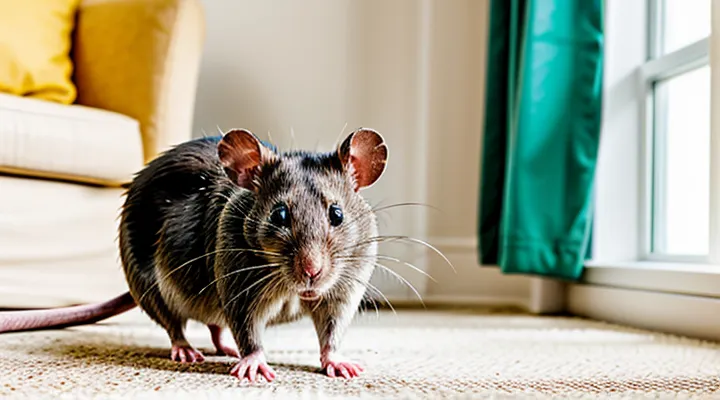
Adult Norway rats (Rattus norvegicus) range from 16–25 cm in body length, with a tail of comparable length, and weigh 250–350 g. Their coat is coarse, varying from dark brown to black, sometimes with a lighter ventral side. They possess a blunt snout, small ears relative to head size, and a thick, scaly tail.
Key appearance cues for effective home interventions:
- Body length determines the minimum opening size for snap traps or live‑catch cages.
- Weight guides the dosage of rodenticides; larger rats require higher concentrations than mice.
- Tail length and flexibility affect placement of glue boards; longer tails may enable escape if boards are not properly secured.
- Fur color assists in identifying species, preventing misapplication of species‑specific baits.
Understanding these physical parameters ensures that traps, bait stations, and exclusion measures are sized correctly, reducing failure rates and minimizing non‑target exposure.
Droppings and Gnaw Marks
Droppings indicate active infestation and help locate entry points. Fresh pellets are dark, cylindrical, and approximately ½ inch long; older droppings turn gray and crumble. Presence of droppings near food storage, cabinets, or insulation signals high‑traffic routes. Collect samples with disposable gloves, seal in a plastic bag, and dispose in a sealed trash container to prevent disease transmission. Clean contaminated surfaces with a detergent solution, then apply a disinfectant containing bleach (1 part bleach to 9 parts water) for at least five minutes before wiping dry.
- Identify droppings in hidden areas (attics, crawl spaces, behind appliances).
- Record locations to map movement patterns.
- Use droppings to prioritize bait placement and sealing efforts.
- Treat all contaminated zones with approved rodent‑specific sanitizers.
Gnaw marks reveal material preferences and structural vulnerabilities. Teeth leave parallel, shallow grooves on wood, plastic, or insulation, often accompanied by frayed edges. Repeated gnawing on wiring poses fire hazards; damaged cables should be inspected and replaced promptly. Marked surfaces require thorough inspection; replace compromised insulation, seal gaps with steel wool or caulk, and install metal flashings where rodents attempt entry. After repairs, monitor for new gnaw evidence weekly to confirm that control measures remain effective.
Signs of Infestation
Sounds and Nests
Understanding rodent vocalizations and nesting behavior is essential for any home‑based control strategy. Rats emit ultrasonic calls that signal distress, territory, or mating; mice produce audible chirps and squeaks during social interaction. Monitoring these sounds with a pet‑compatible ultrasonic detector allows early identification of activity zones, enabling targeted interventions before populations expand.
Nesting sites concentrate waste, disease agents, and food sources, making them primary targets for removal. Effective home measures include:
- Inspecting concealed areas (attics, wall voids, behind appliances) for shredded insulation, shredded paper, or dried plant material.
- Disrupting nests by vacuuming debris and applying a moisture‑based deterrent (e.g., diluted vinegar or citrus spray) to deter re‑construction.
- Sealing entry points after nest removal to prevent re‑entry; use steel wool combined with silicone caulk for gaps larger than ¼ inch.
- Installing temporary sound emitters that broadcast predator calls or high‑frequency tones to discourage re‑occupation.
Combining acoustic monitoring with systematic nest elimination reduces rodent visibility, limits breeding opportunities, and enhances the overall effectiveness of household pest management.
Tracks and Runways
Tracks and runways are low‑profile pathways that rodents use to travel between shelter, food sources, and entry points. By installing these structures in strategic locations—along walls, under appliances, and near suspected nesting sites—homeowners can channel mouse and rat movement into monitored zones. Materials such as stainless‑steel mesh, rigid PVC, or heavy‑gauge cardboard resist chewing and maintain structural integrity over time.
Effective implementation includes:
- Placement of a continuous track that connects exterior access points to interior hiding spots, forcing rodents onto a predictable route.
- Integration of a removable runway segment positioned over a live‑capture trap or bait station, allowing easy inspection and rapid removal of captured animals.
- Use of adhesive strips or low‑profile barriers at runway termini to prevent re‑entry into the home after capture.
Regular inspection of tracks and runways ensures they remain intact and free of debris that could obstruct rodent traffic. Cleaning surfaces with a mild detergent eliminates scent trails that might deter movement. Replacing damaged sections promptly preserves the efficacy of the overall control strategy.
Prevention Strategies
Sealing Entry Points
Inspecting Foundation and Walls
Inspecting the foundation and walls is a critical first step in any residential rodent control program. Identify cracks, gaps, and openings where rodents can gain entry. Look for signs of activity such as gnaw marks, droppings, and nesting material near the base of the structure.
Key inspection points include:
- Exterior foundation: Examine the perimeter for cracks wider than ¼ inch, gaps around utility penetrations, and deteriorated sealants.
- Interior walls: Check for holes around plumbing, electrical conduits, and ventilation ducts. Pay special attention to areas where wall sheathing meets the floor or ceiling.
- Crawl spaces and basements: Inspect floor joists, support beams, and vent covers for damage or missing insulation.
- Sill plates and anchoring brackets: Verify that metal flashing and anchor bolts are intact and properly sealed.
Document each finding with measurements and photographs. Prioritize repairs based on the size of openings and proximity to known rodent activity. Use durable materials such as steel wool, copper mesh, or expanding foam sealants to close gaps. Replace damaged concrete or masonry with appropriate repair mortar, ensuring a smooth, flush surface.
Regular re‑inspection, at least biannually, confirms the effectiveness of repairs and detects new entry points before infestations become severe.
Securing Vents and Pipes
Securing vents and pipes blocks the most common entry points for rats and mice, reducing indoor infestations without chemical interventions.
Identify all openings larger than ¼ inch in HVAC ducts, dryer vents, utility conduits, and plumbing stacks. Inspect exterior and interior surfaces for gaps, cracked screens, or missing covers.
Use the following materials and techniques:
- Metal mesh (¼‑inch hardware cloth): Cut to fit, fasten with stainless‑steel screws and washers. Mesh resists gnawing better than plastic.
- Rigid foam sealant: Apply around the perimeter of mesh or pipe collars to eliminate small cracks.
- Pipe collars with snap‑on flanges: Choose models with a tight‑fit lip; secure with a screwdriver torque of 5–7 Nm.
- Vent caps with hinged doors: Install caps that close automatically when not in use; ensure hinges are rust‑proof.
Installation steps:
- Shut off power to the vent or pipe area to prevent accidental contact.
- Remove existing screens or damaged sections.
- Measure opening dimensions; add ½ inch to each side for mesh overlap.
- Attach mesh using screws spaced no more than 2 inches apart.
- Seal edges with foam sealant; smooth to create a continuous barrier.
- Re‑attach vent caps or pipe collars, verifying a snug fit.
- Test the assembly by applying light pressure; no gaps should remain.
Regular maintenance includes visual checks quarterly, tightening loose fasteners, and replacing corroded mesh. Implementing these measures eliminates rodent access through ventilation and plumbing routes, supporting a comprehensive home rodent control program.
Food and Water Management
Storing Food Properly
Proper food storage is a cornerstone of any rodent‑prevention plan in a residence. Secure containers eliminate easy access to nutrition, reducing the attraction that drives rats and mice to infiltrate kitchens and pantries.
Key practices include:
- Use airtight, hard‑shelled containers made of glass, metal, or heavy‑wall plastic for all dry goods, grains, and pet food.
- Label containers with purchase dates and rotate stock to ensure older items are consumed first.
- Store bulk items in smaller, sealed portions rather than leaving large, open sacks on shelves.
- Keep pantry shelves clean; wipe down surfaces regularly to remove crumbs and spills.
- Position containers away from walls and corners, creating a clear perimeter that hinders rodent movement.
Additional measures reinforce the primary strategy:
- Place a metal or thick plastic liner at the bottom of pantry shelves; rodents can gnaw through cardboard or thin plastic but not through sturdy material.
- Install a simple, removable tray beneath storage units to catch any accidental drops, preventing food debris from accumulating on the floor.
- Conduct periodic inspections for signs of gnaw marks, droppings, or damaged packaging; immediate removal of compromised items stops further contamination.
By eliminating accessible food sources, homeowners deprive rats and mice of the sustenance needed to establish colonies, thereby enhancing the effectiveness of broader pest‑control interventions.
Eliminating Water Sources
Removing accessible water deprives rats and mice of a vital resource, directly reducing their ability to establish nests and reproduce. Without a reliable supply, individuals must travel farther to locate moisture, increasing exposure to traps and barriers.
Typical household water sources include:
- Leaking pipes, faucets, and appliance connections
- Condensation on pipes, windows, and HVAC ducts
- Pet water bowls left unattended overnight
- Open containers such as buckets, plant saucers, and flower pots
- Dripping appliances like dishwashers, refrigerators, and washing machines
Eliminate these sources by following a systematic approach:
- Inspect all plumbing fixtures; repair leaks, replace worn seals, and tighten connections.
- Install drip‑catch trays beneath appliances and empty them daily.
- Use tight‑fitting lids on storage containers; store empty cans and bottles upside down.
- Relocate pet water dishes to areas where rodents cannot reach, and refill only as needed.
- Position plant saucers on waterproof trays; empty excess water after watering.
Maintain a dry environment through regular checks. Schedule monthly inspections of concealed areas, such as basements and crawl spaces, to detect hidden moisture. Promptly address any new leaks or condensation to sustain the effectiveness of the overall rodent control strategy.
Yard Maintenance
Clearing Debris
Clearing debris eliminates the hiding places and food sources that attract rats and mice, directly increasing the effectiveness of any home rodent control plan.
- Survey all rooms, basements, attics, and crawl spaces for piles of cardboard, paper, fabrics, or stored items.
- Remove or relocate items that create clutter; store them in sealed containers or off‑site storage.
- Vacuum or sweep corners, under furniture, and behind appliances to collect crumbs, droppings, and nesting material.
- Inspect storage bins for holes; replace damaged lids and reinforce weak walls.
- Seal gaps around doors, windows, and utility openings that could allow rodents to re‑enter cleared areas.
Collected debris should be placed in heavy‑duty trash bags, sealed, and disposed of in an exterior dumpster or waste collection service. If organic material is present, use a sealed compost bin that rodents cannot access. Do not leave debris in garage doors or outdoor sheds where it can become a new shelter.
Schedule monthly inspections to confirm that cleared zones remain free of clutter. Promptly address any new accumulation to maintain a hostile environment for rodents and support the overall success of home treatment measures.
Trimming Vegetation
Trimming vegetation eliminates cover and food sources that attract rats and mice, decreasing the likelihood of infestation around a residence.
- Keep grass at a maximum height of 2–3 inches; short turf discourages nesting.
- Prune shrubs and hedges to a width of no more than 12 inches from the house wall; reduced density limits climbing routes.
- Remove leaf litter, compost heaps, and fallen branches from the perimeter; debris provides shelter and foraging material.
- Cut back tall groundcover and vines that reach the foundation; clear pathways prevent rodents from accessing crawl spaces.
Perform trimming in early spring before breeding peaks, then repeat after each major growth period to maintain a consistently low profile.
Combine vegetation management with sealing cracks, storing food in airtight containers, and regular waste removal to create a comprehensive domestic rodent control program.
Non-Toxic Control Methods
Trapping Techniques
Snap Traps
Snap traps remain a cornerstone of residential rodent control, offering rapid, humane elimination of rats and mice without chemical exposure. Their mechanical action delivers a lethal blow, reducing infestation levels within hours of proper deployment.
Effective use begins with selecting the appropriate model. Spring‑loaded traps provide strong, consistent force suitable for larger rats, while lightweight wooden or plastic variants target mice. Bait choice influences capture rates; peanut butter, dried fruit, or a small piece of bacon produce strong olfactory cues. Secure the bait behind the trigger plate to prevent premature removal.
Placement determines success. Position traps along established runways, typically within 1–2 feet of walls, where rodents travel. Focus on:
- Near entry points such as gaps under doors or utility openings
- Behind appliances, in cabinets, and beneath furniture
- In dark, concealed areas like basements or crawl spaces
Set traps with the trigger plate flush against the wall, ensuring the spring arm is fully cocked. Wear gloves to avoid transferring scent, which can deter rodents. Check traps daily; remove captured animals promptly to prevent secondary attraction and health hazards.
Disposal requires sealed containers or heavy‑duty bags, followed by proper waste handling according to local regulations. After each capture, clean the trap with mild detergent and rinse thoroughly before reuse. Replace worn springs or broken components to maintain lethal force.
When integrated with exclusion measures—sealing entry points, eliminating food sources, and maintaining sanitation—snap traps contribute to a comprehensive, chemical‑free approach to managing rodent populations inside the home.
Live Traps
Live traps provide a humane alternative to lethal devices for managing rodent populations inside residences. The traps consist of a cage or box with a trigger mechanism that closes a door when the animal enters, allowing capture without injury.
When selecting a live trap, consider material durability, size, and trigger sensitivity. Metal cages resist chewing, while plastic models are lighter and easier to clean. A trap length of 12–18 inches accommodates adult rats; a 10–12 inch length suffices for mice. Adjustable trigger levers increase reliability across species.
Effective placement maximizes capture rates. Position traps along established runways, near walls, or close to food sources. Elevate traps 2–4 inches above the floor to align with rodent movement. Avoid clutter that could obstruct the trigger.
Bait selection influences success. High‑protein items such as peanut butter, dried fruit, or small pieces of cooked meat attract both rats and mice. Apply a pea‑sized amount to the trigger plate, ensuring the scent remains strong but does not saturate the trap interior.
Check traps at least twice daily. Prompt removal reduces stress and prevents escape. Release captured rodents at least 2 miles from the residence, preferably in a wooded area with natural cover. Wear gloves to avoid disease transmission and disinfect the trap after each use.
Advantages
- No chemical exposure
- Reusable for multiple captures
- Allows relocation rather than killing
Disadvantages
- Requires regular monitoring
- Potential for escape if not sealed properly
- May cause stress to captured animals
Safety measures include securing children and pets from trap areas, wearing protective gloves during handling, and maintaining hygiene after each capture. When integrated with sanitation, exclusion, and structural repairs, live traps contribute effectively to rodent management in domestic settings.
Placement and Baiting
Placement of bait directly influences the likelihood of rodents encountering it. Position stations along established runways, near walls, behind appliances, and in concealed corners where activity signs are evident. Secure devices to prevent displacement by pets or children, and attach them at a height of 2–4 inches for rats and 1–3 inches for mice, matching their typical travel level.
Bait selection must correspond to species preferences and environmental conditions. Use high‑protein or high‑fat formulations for rats, and grain‑based mixtures for mice. Ensure freshness; replace bait every 3–5 days to maintain potency. When using anticoagulant blocks, embed them in a tamper‑resistant container that allows only the target to access the product.
Key placement guidelines:
- Locate stations at least 10 feet apart to avoid competition.
- Install near entry points, such as basement doors, utility openings, and vent shafts.
- Avoid areas with strong odors (e.g., cleaning chemicals) that may deter rodents.
- Rotate station locations monthly to disrupt learned avoidance patterns.
Repellents
Natural Repellents («Peppermint Oil», «Clove Oil»)
Natural repellents provide a practical option for homeowners seeking to deter rats and mice without chemicals. Peppermint oil and clove oil are the most widely documented botanical agents.
Peppermint oil contains menthol and menthone, compounds that irritate rodent olfactory receptors. Application methods include :
- Soaking cotton balls with 5–10 ml of oil and placing them in entry points, nests, and along walls.
- Preparing a spray by diluting 1 part oil in 4 parts water with a few drops of liquid soap; spraying surfaces every 3–4 days.
- Using a diffuser in rooms where activity is observed, ensuring ventilation to avoid excessive concentration.
Effective dosage ranges from 0.5 ml to 2 ml per square meter, depending on infestation level. Reapplication is necessary because volatile components evaporate within 24 hours.
Clove oil’s primary active ingredient, eugenol, acts as a neurotoxin to rodents at high concentrations while remaining safe for humans and pets at low levels. Recommended practices are :
- Applying 3–5 ml of oil to cotton pads, positioning them near known pathways.
- Mixing 2 ml of oil with 200 ml of water and a teaspoon of mild detergent; spraying crevices and burrows weekly.
- Combining clove oil with peppermint oil in a 1:1 ratio to broaden the spectrum of repellent activity.
Safety considerations include wearing gloves during handling, avoiding direct skin contact, and keeping treated materials out of reach of children. Both oils lose potency when exposed to sunlight; store in opaque containers.
Limitations involve reduced effectiveness in heavily infested environments; in such cases, botanical repellents should complement trapping or structural exclusion methods. Regular monitoring of rodent activity guides adjustments in placement frequency and concentration.
Ultrasonic Devices
Ultrasonic devices emit high‑frequency sound waves that rodents cannot tolerate, making them a common component of residential rodent control strategies. The technology operates by generating tones typically above 20 kHz, which are inaudible to humans but cause discomfort, disorientation, and avoidance behavior in rats and mice.
Key operational parameters include:
- Frequency range: 20–65 kHz, selected to target specific rodent species.
- Coverage area: manufacturers specify square footage; overlapping units may be required for larger rooms.
- Power source: plug‑in models provide continuous emission, while battery‑operated versions allow placement in locations without outlets.
Effectiveness depends on several factors:
- Placement: devices should be positioned at rodent pathways, near entry points, and away from large furniture that could block sound propagation.
- Environmental conditions: high humidity, dense insulation, or open windows diminish acoustic intensity.
- Rodent habituation: prolonged exposure can lead to desensitization; rotating devices or supplementing with traps restores efficacy.
Safety considerations are straightforward. Ultrasonic emissions do not harm humans, pets such as cats and dogs, or household electronics. However, small animals with hearing sensitivity in the ultrasonic range (e.g., hamsters, gerbils) may experience distress and should be excluded from the device’s coverage zone.
Integration with other control methods—mechanical traps, exclusion sealing, and sanitation—optimizes overall results. Ultrasonic units alone rarely eradicate an established infestation; they function best as a deterrent that reduces activity while complementary measures address entry and breeding sites.
Chemical Control Methods
Baits and Rodenticides
Types of Baits
Effective rodent control inside a residence relies on selecting appropriate bait formulations. Understanding the characteristics of each type enables safe, rapid reduction of rat and mouse populations while minimizing risk to non‑target species.
-
Anticoagulant baits – contain compounds such as bromadiolone, brodifacoum, or difenacoum. They interfere with blood clotting, causing internal hemorrhage after a single or multiple feedings. First‑generation products (e.g., warfarin) require repeated ingestion; second‑generation agents act after one dose. Use in sealed stations to limit accidental exposure.
-
Non‑anticoagulant baits – include zinc phosphide, cholecalciferol (vitamin D3), and sodium nitrite. Zinc phosphide releases phosphine gas in the stomach, producing rapid toxicity. Cholecalciferol induces hypercalcemia, leading to organ failure. These alternatives suit situations where anticoagulant resistance is documented.
-
Hybrid baits – combine anticoagulant and non‑anticoagulant ingredients to address mixed‑resistance populations. Formulations often pair a low‑dose anticoagulant with zinc phosphide, delivering dual mechanisms of action.
-
Pre‑baited snap‑trap lures – consist of attractive food matrices placed on mechanical traps. While not a poison, they provide immediate kill and are useful for monitoring or eliminating isolated individuals.
-
Electronic bait stations – integrate a battery‑powered delivery system that releases a measured dose when a rodent contacts a sensor. The device records each activation, allowing precise accounting of bait consumption.
Proper deployment follows a few essential guidelines. Position stations along walls, near gnaw marks, and close to food sources. Maintain a minimum distance of 10 feet from children’s play areas and pet feeding zones. Replace baits promptly when signs of consumption appear, and rotate active ingredients every 3–4 months to prevent tolerance development. Regular inspection of bait stations ensures integrity of the containment and confirms that only target rodents access the product.
Selecting the correct bait type, coupled with disciplined placement and monitoring, delivers reliable population suppression while safeguarding household occupants and pets.
Safe Application and Disposal
When applying rodent control products inside a residence, follow strict handling procedures to protect occupants and pets. Wear disposable gloves, avoid direct skin contact, and keep the work area well‑ventilated. Store all chemicals out of reach of children and animals, preferably in a locked cabinet.
Safe handling steps
- Read the label before use; confirm the product matches the target species.
- Measure the exact dose indicated; do not exceed recommended quantities.
- Apply baits or sprays only in concealed locations such as wall voids, behind appliances, or inside sealed bait stations.
- Mark treated spots with a non‑permanent indicator to prevent accidental disturbance.
- Dispose of empty containers according to local hazardous‑waste regulations; do not recycle unless the label permits.
Disposal of used materials must eliminate any risk of secondary poisoning. Remove spent baits and trap contents promptly, place them in a sealed, puncture‑proof bag, and transport the bag to a municipal waste facility or an approved disposal service. Do not discard live or dead rodents in household trash; use a dedicated biohazard container or double‑bag system to prevent leakage.
Disposal checklist
- Collect all residual bait, dead rodents, and trap components.
- Seal items in a sturdy, leak‑proof bag; double‑bag for added security.
- Label the bag with “rodent control waste” and date of collection.
- Deliver to an authorized waste collection point within the timeframe specified on the product label.
- Clean and disinfect the area where the waste was stored before returning it to regular use.
Adhering to these protocols ensures that home‑based rodent control remains effective while minimizing health hazards and environmental impact.
Understanding Risks to Pets and Children
Rodent control in residential settings can expose non‑target animals and children to hazardous substances and mechanical hazards. Understanding these risks is essential for safe implementation of any home‑based eradication strategy.
Toxic baits pose the greatest chemical danger. Most rodenticides contain anticoagulants, neurotoxins, or zinc phosphide, which are readily absorbed through the skin or gastrointestinal tract. Pets that chew or ingest bait pellets may develop internal bleeding, seizures, or fatal organ failure within hours to days. Children, especially those under five, are attracted to the bright colors and sweet flavors of many products; accidental ingestion can result in severe bleeding, respiratory distress, or death. Secondary poisoning also occurs when a cat or dog consumes a poisoned rodent, extending the toxic chain.
Mechanical devices introduce physical threats. Snap traps generate rapid compression forces that can crush small mammals, including kittens, puppies, or curious toddlers who accidentally trigger the mechanism. Glue boards immobilize any animal that contacts the adhesive surface; removal often requires painful cutting or chemical solvents, leading to tissue damage and infection. Live‑catch traps may cause stress‑induced hyperthermia or injuries if mishandled, and unsecured cages can be opened by pets or children.
Mitigation measures:
- Store all rodenticides in locked containers, out of reach of pets and children.
- Place bait stations on elevated surfaces inaccessible to non‑target species; use tamper‑proof designs.
- Inspect trap locations daily; remove captured rodents promptly and dispose of them according to local regulations.
- Use snap traps with protective shields that expose only the trigger mechanism; position them behind appliances or in concealed gaps.
- Replace glue boards with humane catch‑and‑release devices when possible; if used, locate them in areas inaccessible to domestic animals.
- Educate household members about the appearance of bait and traps; label storage areas with clear warnings.
By recognizing chemical toxicity, mechanical injury potential, and secondary poisoning pathways, caregivers can implement rodent‑control methods that protect vulnerable family members while maintaining effective pest suppression.
Professional Pest Control Consideration
When to Call an Expert
Professional assessment is required when a rodent problem exceeds the limits of safe, self‑managed control. Indicators that merit expert intervention include:
- Damage to structural components such as insulation, wiring, or plumbing, suggesting extensive activity.
- Presence of droppings or urine in large quantities, especially in food preparation areas, raising health concerns.
- Repeated sightings after multiple DIY attempts, implying an entrenched population or hidden nests.
- Signs of disease transmission, for example, bitten pets or unexplained illnesses among occupants.
- Legal or tenancy restrictions that mandate certified pest‑management practices.
In such situations, a licensed pest‑control specialist can perform a thorough inspection, identify entry points, and apply targeted treatments that comply with safety regulations. They also provide a documented action plan, which assists property owners in meeting insurance or regulatory requirements. Prompt professional involvement reduces the risk of property damage, protects public health, and prevents the escalation of an infestation beyond manageable levels.
What to Expect from a Professional Service
Professional rodent‑removal services begin with a thorough on‑site inspection. Technicians identify entry points, assess the level of infestation, and note any structural or health hazards. The inspection report includes a detailed map of activity zones and a prioritized list of treatment actions.
Based on the inspection, the provider presents a written plan that specifies:
- Types of baits, traps, or exclusion methods to be used
- Placement locations and quantities for each device
- Safety measures for occupants, children, and pets
- Estimated duration of each treatment phase
- Cost breakdown and payment schedule
During execution, certified personnel apply the selected methods while adhering to local regulations. They document the placement of each device, record initial capture or kill counts, and adjust tactics if activity persists. All chemicals, if any, are applied according to label directions and material‑safety data sheets.
After the primary treatment, the service includes a follow‑up visit to verify results, replace depleted devices, and address any re‑entry points discovered later. Clients receive a final summary that outlines outcomes, recommends preventive actions, and provides a warranty period during which additional visits are covered at no extra charge.