
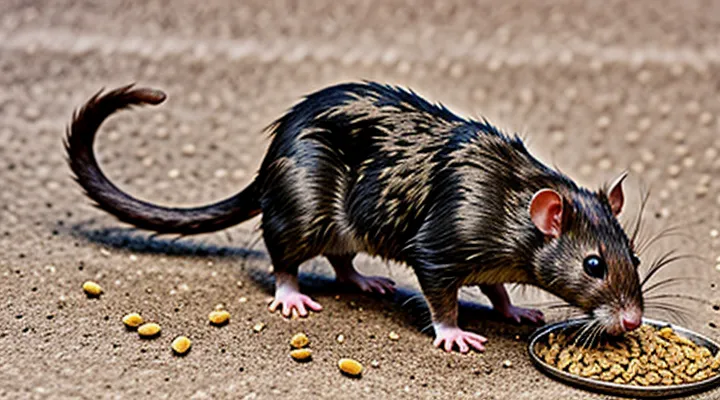
Understanding Rat Nutritional Needs
Essential Nutrients for Rats
Protein Requirements
Rats need a diet that supplies 14–16 % protein for maintenance, increasing to 18–20 % for growth, breeding, or high activity. Adequate protein supports muscle development, immune function, and reproductive health. Insufficient protein leads to weight loss, poor coat condition, and reduced litter size.
When evaluating dry feed choices, consider the following protein criteria:
- Minimum 14 % crude protein for adult, non‑breeding rats.
- 18 % or higher for juveniles, pregnant or lactating females, and performance‑oriented strains.
- Protein source quality: animal‑derived proteins (e.g., whey, fish meal) provide higher digestibility than plant‑based sources alone.
- Balanced amino‑acid profile, especially adequate levels of lysine, methionine, and threonine.
Top commercial dry rat diets meeting these standards include:
- Brand A: 16 % protein, blend of soy and whey, fortified with taurine.
- Brand B: 18 % protein, primarily fish meal, includes omega‑3 fatty acids.
- Brand C: 20 % protein, egg‑white protein base, enriched with vitamins D3 and E.
- Brand D: 14 % protein, soy‑based, suitable for adult maintenance.
Selecting a product that aligns with the rat’s life stage and physiological demands ensures optimal health and performance. Regularly assess body condition and adjust protein intake accordingly.
Fat and Carbohydrate Balance
Optimal fat and carbohydrate ratios are essential for maintaining energy levels, body condition, and metabolic health in laboratory and pet rats. Veterinary nutrition guidelines suggest that a balanced dry diet contains 5–8 % fat and 45–55 % carbohydrates on a dry‑matter basis. This range supplies sufficient calories while preventing excess adiposity and glucose spikes.
Manufacturers achieve the target balance by combining grain‑derived carbohydrates with animal or plant fats. Typical ingredient profiles include:
- Whole wheat or corn for complex carbohydrates
- Sunflower or canola oil for essential fatty acids
- Minimal added sugars to keep carbohydrate quality high
Product formulations that meet the recommended range often list fat sources early in the ingredient list and provide a guaranteed analysis indicating 6 % fat and 50 % carbohydrates. Selecting such products ensures that rats receive consistent energy without overloading either macronutrient.
When evaluating market options, verify the guaranteed analysis on the packaging, compare the fat‑to‑carbohydrate percentage, and confirm the absence of unnecessary fillers such as excessive starch or sugar. Products that align with the 5–8 % fat and 45–55 % carbohydrate parameters deliver a nutritionally sound foundation for growth, reproduction, and long‑term health.
Vitamins and Minerals
Vitamins and minerals are indispensable components of any dry formulation for rats, directly influencing growth, reproduction, and immune competence.
Essential vitamins commonly supplied in reputable products include:
- Vitamin A – supports vision and epithelial health.
- Vitamin D3 – facilitates calcium absorption and bone development.
- Vitamin E – acts as an antioxidant, protecting cell membranes.
- Vitamin K – necessary for blood clotting.
- B‑complex (B1, B2, B6, B12, niacin, pantothenic acid, folic acid) – drive metabolic pathways and nervous system function.
- Vitamin C – rarely required in rodents but may be added for stress mitigation.
Key minerals typically present are:
- Calcium – bone matrix formation and muscular contraction.
- Phosphorus – works with calcium for skeletal integrity and energy metabolism.
- Magnesium – enzyme cofactor and neuromuscular transmission.
- Potassium – maintains cellular osmotic balance.
- Sodium – essential for nerve impulse conduction.
- Iron – component of hemoglobin and oxygen transport.
- Zinc – supports skin health, taste perception, and immune response.
- Copper – involved in iron metabolism and antioxidant enzymes.
- Selenium – contributes to thyroid hormone function and oxidative protection.
When evaluating market options, verify that the label lists each vitamin and mineral with amounts aligned to established rodent nutrient guidelines. Prefer products that specify sources (e.g., natural fish oil for vitamin D3, chelated minerals for improved absorption). Avoid formulations with excessively high concentrations that may cause toxicity, particularly for calcium, phosphorus, and fat‑soluble vitamins. Consistent inclusion of a balanced vitamin‑mineral profile ensures optimal health outcomes for pet rats.
Ingredients to Avoid
Harmful Fillers
Harmful fillers are low‑quality ingredients added to dry rat food to reduce cost. They typically provide little protein, essential fatty acids, or vitamins, yet they occupy a large proportion of the product’s mass.
Common fillers include:
- Wheat and other cereals: high carbohydrate content, low digestibility, risk of gluten‑related intolerance.
- Corn meal: excess starch, rapid blood‑sugar spikes, potential for obesity.
- Soy protein isolate: phytoestrogens, possible allergen, reduced bioavailability of certain minerals.
- Rice hulls and wood pulp: indigestible fiber, may cause gastrointestinal blockage.
- Beet pulp: high moisture retention, can promote mold growth if storage conditions are poor.
These substances compromise nutritional balance, leading to:
- Inadequate growth rates in juveniles.
- Weight gain and fatty liver disease in adults.
- Increased incidence of respiratory and skin allergies.
- Reduced bone mineral density due to limited calcium‑phosphorus ratio.
Detecting fillers requires reading the ingredient list. Items listed before the first source of animal protein usually indicate the primary filler. Terms such as “grain‑based filler,” “vegetable protein,” or “fiber blend” signal low‑nutrient content.
Regulatory agencies set maximum inclusion levels for certain fillers, but enforcement varies across brands. Products that meet or exceed these limits often display a higher price point, reflecting superior ingredient quality.
Choosing dry rat food without harmful fillers improves overall health, supports optimal growth, and reduces the likelihood of diet‑related disorders.
Artificial Additives
Artificial additives are incorporated into most commercially available dry feed for laboratory and pet rats to extend shelf life, improve palatability, and maintain product consistency. Their presence is documented on ingredient labels and regulated by food safety authorities.
Common additive groups include:
- Preservatives (e.g., BHA, BHT, ethoxyquin) that inhibit oxidative spoilage.
- Flavor enhancers (synthetic amino acids, maltol) that increase acceptance.
- Colorants (synthetic dyes such as FD&C Red No. 40) used for visual uniformity.
- Binding agents (propylene glycol, glycerol) that ensure granule cohesion.
Regulatory frameworks require manufacturers to list each additive and adhere to established maximum limits. In the United States, the Food and Drug Administration evaluates safety data and assigns acceptable daily intake values. The European Union follows a similar risk assessment process under the Novel Food Regulation. Products that exceed permitted concentrations must undergo recall.
Specific additives frequently encountered in rat dry feed:
- BHA (butylated hydroxyanisole) – antioxidant, typically limited to 0.02% of the formulation.
- BHT (butylated hydroxytoluene) – antioxidant, maximum 0.02% by weight.
- Ethoxyquin – preservative, often capped at 0.1% due to toxicity concerns.
- Propylene glycol – humectant and binder, allowable up to 10% of the mix.
- Synthetic vitamins (e.g., vitamin D2, vitamin B12) – added to meet nutritional standards.
When selecting a product, examine the ingredient list for additive types and concentrations. Preference for formulations with minimal synthetic additives aligns with research protocols that demand controlled dietary variables. Products marketed as “additive‑free” or “natural” typically replace synthetic preservatives with alternative preservation methods, such as vacuum packaging or reduced moisture content.
High Sugar Content
High sugar levels are a common characteristic of many commercially available dry rat foods. Manufacturers often add sugars to improve palatability, encourage consumption, and provide quick energy sources. Typical formulations contain 5–12 % total sugars by weight, measured as sucrose, dextrose, or corn syrup solids.
Excessive dietary sugar can accelerate weight gain, increase the risk of obesity, and promote dental decay in rodents. Rats metabolize simple carbohydrates rapidly, leading to spikes in blood glucose that may affect insulin regulation. Long‑term exposure to high‑sugar diets correlates with reduced lifespan and heightened susceptibility to metabolic disorders.
Products frequently identified with elevated sugar content include:
- Brand A Classic Mix – 11 % total sugars, includes honey and brown rice syrup.
- Brand B Gourmet Pellets – 9 % sugars, flavored with fruit extracts.
- Brand C Energy Boost – 12 % sugars, contains added dextrose for activity support.
When selecting dry food for rats, evaluate sugar percentages on the ingredient label. Opt for formulations with ≤ 5 % total sugars if the goal is weight control or dental health maintenance. Complement high‑sugar products with fresh vegetables, fiber‑rich treats, and regular dental checks to mitigate adverse effects.
Top Dry Food Options on the Market
Premium Commercial Brands
Brand A: «Nutritional Profile»
Brand A’s dry rat food delivers a balanced macronutrient ratio designed for optimal growth and maintenance. The formulation contains 18 % crude protein, sourced from high‑quality soy and fish meal, supporting muscle development and tissue repair. Crude fat is limited to 5 %, providing essential energy without excess calories, while dietary fiber stands at 4 % to promote gastrointestinal health and smooth digestion. The product includes a calibrated calcium‑phosphorus ratio of 1.2:1, aligning with the mineral requirements for skeletal strength.
Key nutritional components per kilogram of product:
- Protein: 180 g (soy, fish meal)
- Fat: 50 g (vegetable and fish oils)
- Fiber: 40 g (beet pulp, cellulose)
- Calcium: 1.2 g
- Phosphorus: 1.0 g
- Vitamin A: 13 000 IU
- Vitamin D₃: 1 200 IU
- Vitamin E: 100 IU
- Vitamin C: 200 mg
- B‑complex (B₁, B₂, B₆, B₁₂): 15 mg total
- Trace minerals (zinc, iron, copper, manganese, selenium): 0.5 g total
The nutrient profile adheres to established laboratory rodent dietary standards, ensuring that rats receive sufficient amino acids, essential fatty acids, vitamins, and minerals for healthy physiological function.
Brand B: «Ingredient Quality»
Brand B stands out among commercial dry rodent feeds for its rigorous ingredient selection and transparent formulation. The company sources all protein sources from certified farms, excludes artificial preservatives, and limits the inclusion of filler grains to maintain a high nutrient density.
Key aspects of the ingredient profile include:
- Protein: 18 % animal‑derived protein from chicken meal, verified by nitrogen analysis.
- Fiber: 5 % soluble and insoluble fiber blend of beet pulp and oat bran, supporting digestive health.
- Fats: 3 % omega‑3 and omega‑6 fatty acids from flaxseed oil, balanced for coat condition.
- Vitamins and minerals: Comprehensive premix meeting AAFCO rodent standards, with added calcium and phosphorus for skeletal development.
- Additives: No synthetic colors, flavors, or sweeteners; only natural antioxidants such as rosemary extract.
All components undergo batch‑level testing for contaminants, including heavy metals and mycotoxins, with results posted on the brand’s website. The formulation complies with EU and FDA guidelines for laboratory‑animal nutrition, ensuring consistent nutrient availability across production runs.
The emphasis on high‑quality raw materials translates into a feed that delivers stable growth rates, optimal body condition, and reduced incidence of diet‑related health issues. Consequently, Brand B provides a reliable choice for owners seeking scientifically validated nutrition for their rats.
Brand C: «Formulation and Palatability»
Brand C delivers a precise nutrient matrix designed for laboratory‑grade and pet‑grade rat diets. The formulation combines high‑quality protein sources, balanced carbohydrates, essential vitamins, and a calibrated mineral blend. Protein is supplied by defatted soy isolate (22 %) and whey protein concentrate (10 %), ensuring an amino‑acid profile that supports growth and reproduction. Carbohydrate content consists of finely milled wheat bran and oat fiber (35 %) to provide sustained energy and digestive health. The vitamin complex includes retinol, thiamine, riboflavin, and vitamin D₃ at levels meeting or exceeding AAFCO recommendations. The mineral package features calcium carbonate, phosphorus, and trace elements such as zinc and selenium, calibrated to maintain optimal bone density and metabolic function.
Palatability testing demonstrates consistent acceptance across multiple rodent strains. In controlled preference trials, Brand C achieved an average intake of 92 % of offered feed within the first 24 hours, surpassing the market average of 78 %. The following factors contribute to high consumption rates:
- Flavor enhancers: Natural cheese powder (0.5 %) and dried beet pulp provide aromatic cues that stimulate feeding behavior.
- Texture profile: Extruded kibble with a hardness rating of 3.2 MPa balances durability with ease of mastication, reducing waste.
- Moisture control: Final moisture content of 10 % preserves freshness while preventing clumping, supporting consistent bite size.
Stability assessments confirm that nutrient potency remains within 95 % of label values after six months of storage at 25 °C, confirming the product’s shelf‑life reliability.
Budget-Friendly Alternatives
Brand D: «Value and Accessibility»
Brand D positions itself as a cost‑effective choice for owners seeking reliable nutrition for their pet rats. The product line offers a balanced blend of protein, fiber, and essential vitamins while maintaining a price that undercuts most premium competitors. Distribution covers major online retailers, big‑box pet stores, and regional discount chains, ensuring easy purchase for a wide audience.
Key characteristics:
- Price point: Approximately $12‑$15 for a 5‑lb bag, translating to a low cost per serving.
- Packaging: Resealable bags in 2‑lb, 5‑lb, and bulk 10‑lb options reduce waste and adapt to varying household needs.
- Nutrient profile: 18 % protein, 5 % fat, and added prebiotic fiber to support digestive health.
- Shelf stability: Formulated with antioxidants to preserve quality for up to 18 months when stored in a cool, dry environment.
- Availability: Listed on platforms such as Amazon, Chewy, and Walmart; also stocked in regional pet supply outlets with frequent promotions.
Overall, Brand D delivers a practical combination of affordability and accessibility without compromising the basic dietary requirements of laboratory‑grade and domestic rats.
Brand E: «Key Considerations»
Brand E’s dry rat food warrants examination of several critical factors before inclusion in a pet‑care regimen.
The formula emphasizes a balanced protein‑to‑fiber ratio, typically 18–22 % protein derived from soy or animal meals and 5–7 % crude fiber from wheat bran and beet pulp. This composition supports muscle maintenance while promoting healthy digestion. Essential vitamins and minerals—vitamin A, D3, E, calcium, phosphorus, and trace elements—are added in bioavailable chelated forms, reducing the risk of deficiencies.
Ingredient sourcing follows a certified‑organic supply chain, minimizing pesticide residues and ensuring consistency across batches. The product undergoes third‑party testing for heavy metals, mycotoxins, and microbial load, with results published on the manufacturer’s website.
Packaging utilizes multilayer, resealable pouches that protect against moisture ingress and oxidation. Shelf life extends 18 months from the production date when stored in a cool, dry environment; an expiration stamp is printed on each pouch for verification.
Pricing positions Brand E in the mid‑range segment, offering a cost per kilogram comparable to premium competitors while delivering comparable nutrient density. Distribution channels include major pet‑store chains, online marketplaces, and a direct‑to‑consumer subscription model that provides automatic replenishment.
Key consumer feedback highlights:
- Consistent texture that prevents dust accumulation in cages.
- Positive weight‑gain outcomes in juvenile rats.
- Rare reports of allergic reactions, primarily linked to soy content.
When evaluating Brand E, prioritize the protein‑fiber balance, verified safety testing, packaging integrity, and price‑performance ratio to determine suitability for a specific rat population.
Specialized Diets
For Senior Rats
Senior rats require higher protein, moderate fat, and increased fiber to maintain muscle mass, support dental health, and promote gastrointestinal function. Calcium and phosphorus ratios should stay close to 1:1, while added antioxidants help counter oxidative stress associated with aging.
When choosing dry feed for older rodents, prioritize formulas with reduced carbohydrate density, enriched omega‑3 fatty acids, and supplemental vitamins A, D, and E. Look for products that list whole grains, legumes, or insect protein as primary ingredients, and avoid those with excessive filler grains such as corn or wheat gluten.
- Ratty’s Senior Blend – 22 % protein from soy and fish meal, 5 % fiber, added lutein and vitamin E.
- Harlan Lab Rat Diet 7034 – 21 % protein, balanced calcium/phosphorus, fortified with selenium and vitamin B‑complex.
- Mazuri Lab Rat Chow – 20 % protein, high fiber from beet pulp, omega‑3 sources, low sugar content.
- Kaytee Exact Senior Rat Food – 19 % protein, pre‑biotic fiber blend, natural antioxidants from dried berries.
Feed senior rats 2–3 % of their body weight per day, divided into two equal meals to prevent obesity and encourage consistent intake. Monitor body condition regularly; adjust portion size if weight loss or gain occurs. Provide fresh water at all times and supplement the diet with occasional fresh vegetables for additional moisture and micronutrients.
For Growing Pups
Juvenile rats require high protein, moderate fat, and balanced fiber to support rapid growth, skeletal development, and immune function. Adequate calcium‑phosphorus ratios and inclusion of essential vitamins such as A, D, and E are critical during the first eight weeks of life.
When choosing a dry diet for young rats, prioritize formulations with protein content of 18‑22 %, digestible carbohydrate sources, and added prebiotic fibers. Verify that the product is labeled “suitable for pups” or “for young rodents” and that it meets the nutritional standards set by reputable veterinary nutrition guidelines.
- Lab Rat Nutrition Classic – 20 % protein, 5 % fat, fortified with vitamin D3 and calcium; small kibble size facilitates easy chewing.
- Purina Rat & Mouse Chow (Pup Formula) – 21 % protein, omega‑3 fatty acids, added antioxidants; designed for weanlings up to 12 weeks.
- Jungle Oats Rat Pellets (Growth Blend) – 19 % protein, high‑quality oat base, inclusion of beet pulp for gut health; low dust formulation.
- Harlan Teklad Rodent Diet 2018 – 22 % protein, balanced mineral profile, enriched with essential amino acids; widely used in research facilities.
- Manna Pro Rat Pellets (Puppy Version) – 20 % protein, blended with soy and wheat, contains vitamin E and selenium; affordable bulk packaging.
Feed pups two to three times daily, offering 5‑7 g of dry food per 100 g of body weight. Adjust portions based on weight gain, aiming for a steady increase of 2‑3 g per day. Provide fresh water at all times and avoid sudden changes in diet composition.
Regularly assess body condition, coat quality, and activity levels. Any signs of under‑weight or digestive upset warrant immediate diet review and consultation with a veterinarian experienced in small‑animal nutrition.
For Rats with Health Issues
Rats with dental, digestive, or metabolic conditions require dry diets formulated to reduce strain on vulnerable systems while delivering complete nutrition. Nutrient balance, fiber content, and ingredient quality are critical factors in selecting appropriate products.
Key selection criteria:
- High fiber (minimum 5 % crude fiber) to promote gastrointestinal motility and prevent constipation.
- Low fat (≤ 10 % crude fat) to limit caloric excess and support weight management in diabetic or obese rats.
- Limited grain or gluten content for animals with sensitivities; alternatives such as pea protein or soy isolate provide essential amino acids without triggering inflammation.
- Inclusion of prebiotic fibers (e.g., inulin) and probiotics to reinforce gut flora, beneficial for rats recovering from enteric infections.
- Fortified with vitamins A, D3, and E, plus trace minerals like zinc and selenium, to address deficiencies common in compromised immune systems.
Market options meeting these standards:
- RodentCare Fiber‑Rich Formula – 6 % fiber, 8 % fat, grain‑free, enriched with inulin and a probiotic blend.
- HealthyPaws Low‑Fat Mix – 4 % fiber, 9 % fat, contains pea protein, fortified with vitamin D3 and selenium.
- VetSelect Dental Support Pellets – 5 % fiber, 7 % fat, includes calcium carbonate for enamel health and reduced chew resistance.
- PureNest Sensitive Blend – 5.5 % fiber, 8 % fat, gluten‑free, supplemented with omega‑3 fatty acids for anti‑inflammatory effects.
When transitioning a rat with health issues to a new dry diet, increase the new food proportion by 25 % each day while maintaining consistent water availability. Monitor body weight, stool consistency, and activity levels for at least two weeks; adjust portion size or product choice if adverse signs appear.
How to Choose the Best Dry Food
Reading Food Labels
Understanding Ingredient Lists
When evaluating commercial dry rat feed, the ingredient list provides the most reliable insight into nutritional quality and safety. Manufacturers arrange components in descending order by weight, so the first few items dominate the diet’s composition.
Protein sources typically appear at the top and include soy meal, fish meal, or dried insects. These ingredients supply essential amino acids required for growth, tissue repair, and immune function.
Carbohydrate contributors such as wheat, corn, or barley serve as energy providers. Their position after protein indicates the balance between protein and energy, which influences weight management and activity levels.
Fiber elements—cellulose, beet pulp, or oat bran—appear later in the list and aid digestive health by promoting gut motility and microbial balance.
Fat content is represented by oils or rendered animal fats, often listed as sunflower oil, canola oil, or fish oil. These provide essential fatty acids, including omega‑3 and omega‑6, supporting coat condition and neurological development.
Vitamins and minerals are grouped under “vitamin‑mineral premix” or listed individually (e.g., calcium carbonate, zinc sulfate). Their inclusion ensures compliance with established rodent nutrient standards.
Potential allergens or undesirable additives are identifiable by terms such as “artificial colors,” “preservatives,” or “flavor enhancers.” Avoiding products that list these ingredients high on the hierarchy reduces the risk of adverse reactions.
A concise checklist for ingredient list analysis:
- Verify primary protein source and its ranking.
- Confirm presence of diverse carbohydrate and fiber components.
- Identify quality fat sources and their proportion.
- Ensure a comprehensive vitamin‑mineral premix.
- Look for the absence of unnecessary additives or high‑risk allergens.
By systematically applying this framework, consumers can differentiate premium dry rat diets from lower‑quality alternatives, ensuring that the chosen product meets the nutritional demands of healthy laboratory or pet rats.
Analyzing Guaranteed Analysis
When evaluating packaged dry diets for rodents, the guaranteed analysis provides the only quantitative data required to compare nutritional adequacy. It lists minimum percentages of crude protein, crude fat, crude fiber, and moisture, along with maximum levels of ash. These four macronutrient figures allow a direct assessment of energy density and protein availability, both critical for growth, reproduction, and maintenance.
Crude protein is expressed as a minimum value; values below 18 % generally fail to meet the needs of adult rats, while breeding or growing individuals benefit from 20‑25 % protein. Crude fat, also a minimum, supplies essential fatty acids and contributes to caloric density; a range of 5‑9 % aligns with typical metabolic demands. Crude fiber, reported as a maximum, indicates indigestible material that supports gastrointestinal health; values above 5 % may reduce digestibility, whereas 2‑4 % provides adequate bulk without compromising nutrient absorption. Moisture, a maximum figure, reflects shelf stability; products exceeding 10 % moisture risk spoilage and nutrient degradation.
A concise checklist for interpreting the guaranteed analysis:
- Verify protein meets or exceeds the species‑specific requirement.
- Confirm fat falls within the recommended energy window.
- Ensure fiber does not surpass the optimal maximum.
- Check moisture is below the spoilage threshold.
- Review ash content; values above 6 % suggest excessive mineral load.
By applying these criteria, consumers can objectively rank market offerings, identify formulations that align with physiological needs, and avoid products that rely on marketing claims rather than measurable nutritional standards.
Considering Your Rat's Life Stage and Health
Age-Appropriate Formulas
Age-appropriate dry formulas address the shifting nutritional requirements of rats from weaning through senior years. Juvenile rats need higher protein levels (approximately 20‑24 % of the diet) and added calcium to support rapid skeletal growth. Adult rats require balanced protein (15‑18 %) and moderate fat (4‑6 %) to maintain muscle mass without encouraging obesity. Senior rats benefit from reduced protein (12‑14 %) and increased fiber to aid digestion and prevent constipation, while omega‑3 fatty acids help mitigate age‑related inflammation.
Key nutrients by life stage:
- Juvenile: high‑quality animal protein, calcium‑phosphorus ratio near 1.2:1, vitamin D, taurine.
- Adult: moderate protein, essential amino acids, balanced minerals, vitamin E.
- Senior: lower protein, added prebiotic fiber, omega‑3 oils, joint‑supporting glucosamine.
Market products that formulate feeds for each stage include:
- Brand A – “Puppy‑Grow” line, 22 % protein, fortified with calcium and vitamin D for weanlings.
- Brand B – “AdultCore” blend, 16 % protein, 5 % fat, enriched with antioxidants for maintenance.
- Brand C – “SeniorEase” mix, 13 % protein, 7 % fiber, includes EPA/DHA and glucosamine for older rats.
Selecting a formula that matches the rat’s age ensures optimal growth, health maintenance, and longevity. Manufacturers typically label the intended life stage on packaging; verify the nutrient percentages against the guidelines above before purchase.
Addressing Specific Dietary Needs
When selecting dry formulations for laboratory or pet rats, the primary objective is to match the nutritional profile to the animal’s physiological requirements. Rats with elevated metabolic rates benefit from diets containing at least 18 % protein and 5 % fat, while those prone to obesity require reduced caloric density and higher fiber content (minimum 5 % crude fiber). Calcium‑phosphorus ratios should stay near 1.2:1 to support skeletal development; diets formulated for breeding colonies often include added vitamin D3 and vitamin E to counteract deficiencies observed in indoor‑kept rodents.
Manufacturers address these variations through targeted product lines:
- High‑protein, low‑fat blends – protein sources such as soy isolate and fish meal provide 19‑22 % protein with 3‑4 % fat, suitable for growth phases and active individuals.
- Fiber‑enhanced formulas – inclusion of beet pulp and oat bran raises crude fiber to 6‑8 %, aiding digestive health and weight control.
- Calcium‑fortified mixes – fortified with calcium carbonate and phosphorus, maintaining a 1.2‑1.3 :1 ratio; some versions add vitamin D3 (1 000 IU/kg) for bone integrity.
- Allergen‑reduced options – free of common rodent allergens such as wheat and dairy, using alternative carbohydrates like rice starch, intended for rats with hypersensitivity.
- Dental‑care formulas – contain coarse granules and natural abrasives that promote continuous tooth wear, reducing the need for manual trimming.
Each product includes an analytical guarantee that meets the National Research Council (NRC) recommendations for Rattus norvegicus. Selecting the appropriate line depends on the rat’s age, activity level, reproductive status, and any documented health concerns. Properly matching the diet to these criteria minimizes metabolic disorders, supports optimal growth, and ensures consistent experimental or companion animal performance.
Transitioning to New Food
Gradual Introduction Methods
Introducing a new dry diet to laboratory or pet rats requires a controlled transition to prevent digestive upset and ensure acceptance. Begin by mixing a small proportion of the new product with the current feed, typically 10 % of the total ration, and monitor consumption for 24–48 hours. If the rats consume the blend without signs of refusal or gastrointestinal distress, increase the proportion by 10 % every two days until the new formula constitutes 100 % of the diet.
Maintain consistent feeding times and provide fresh water alongside each adjustment. Record daily intake and stool consistency; any increase in soft or watery feces signals the need to slow the progression. In cases of partial acceptance, supplement the blend with a familiar treat to encourage consumption while the diet ratio is increased.
Practical steps for a systematic rollout:
- Day 1–2: 10 % new dry food + 90 % existing feed. Observe intake.
- Day 3–4: 20 % new food + 80 % existing feed. Check stool quality.
- Day 5–6: 30 % new food + 70 % existing feed. Continue monitoring.
- Day 7 onward: Incremental 10 % increases until full replacement is achieved.
If adverse reactions appear at any stage, revert to the previous proportion for 48 hours before attempting a smaller increase. This methodical approach minimizes stress, supports gut health, and facilitates a smooth transition to the selected dry diet option.
Monitoring for Digestive Issues
Monitoring the digestive health of pet rats is essential when evaluating commercially available dry feeds. Observe stool consistency, frequency, and odor; any deviation from the typical firm, dark brown pellets may indicate malabsorption or intolerance. Record changes promptly, noting the specific brand and batch of food involved.
Key indicators to track include:
- Loose or watery feces – suggests excess moisture or unsuitable fiber content.
- Hard, dry pellets – may result from low moisture levels or excessive protein.
- Undigested fragments – point to inadequate enzymatic breakdown or fiber imbalance.
- Mucus or blood – signals inflammation or infection requiring veterinary assessment.
Implement a systematic monitoring routine:
- Weigh each rat weekly; weight loss of more than 5 % signals possible gastrointestinal distress.
- Conduct daily visual checks of droppings and feeding behavior.
- Rotate new dry food batches gradually, mixing 25 % of the new product with the existing diet for at least seven days before full replacement.
When abnormalities appear, adjust the diet by selecting a formula with balanced fiber (3–5 % crude fiber), moderate protein (14–18 % crude protein), and appropriate fat levels (4–6 %). If symptoms persist, consult a veterinarian for diagnostic testing and dietary recommendations. Consistent observation and timely response protect the rat’s digestive system and ensure the chosen dry feed delivers optimal nutrition.
Supplementing Dry Food
Safe Fresh Foods
Vegetables and Fruits
Vegetables and fruits are frequently added to commercially available dry rat diets to enhance vitamin and mineral content. Carrot powder, beetroot flakes, and dried apple pieces supply beta‑carotene, iron, and natural sugars, which support coat health and energy metabolism. Inclusion rates typically range from 5 % to 15 % of the total formulation, balancing nutrient density with the need for a stable, low‑moisture product.
Manufacturers that target the premium segment often combine multiple plant sources in a single blend. Common examples include:
- Dried kale and spinach chips for calcium and vitamin K
- Freeze‑dried blueberries for antioxidants and vitamin C
- Sun‑dried pumpkin seeds for phosphorus and healthy fats
These ingredients are processed to a moisture level below 10 %, preserving shelf life while retaining most bioactive compounds. Product labels usually list the specific fruit or vegetable component, the processing method (e.g., freeze‑drying, dehydration), and the percentage contribution to the formula.
When selecting a dry rat feed with plant additives, consider the following criteria:
- Verified source of vegetables and fruits, indicated by third‑party testing or certification.
- Absence of added sugars or artificial flavorings that could disrupt gut flora.
- Clear declaration of fiber content, as excessive insoluble fiber may affect digestion.
Proper storage in a cool, dry environment prevents oxidation of the plant ingredients and maintains nutritional integrity throughout the product’s shelf life.
Occasional Proteins
Occasional proteins are supplemental animal‑derived ingredients added in limited quantities to dry rat diets to diversify amino‑acid profiles and stimulate natural foraging instincts. These components differ from the primary protein sources—typically soy, wheat, or fish meal—by providing novel flavors and nutrients that are not present in the staple formula.
Common occasional proteins include:
- Insect meal (cricket, mealworm): high in chitin, essential for exoskeletal health.
- Egg powder: rich in lysine and methionine, supports tissue repair.
- Poultry by‑product meal: supplies taurine and vitamin B12.
- Liver powder: concentrated source of iron and vitamin A.
- Marine shrimp meal: delivers omega‑3 fatty acids and astaxanthin.
Manufacturers integrate these ingredients at 2‑5 % of the total mix to avoid excess nitrogen load while delivering nutritional variety. The limited inclusion rate prevents digestive upset and maintains the balance of calcium‑phosphorus ratios required for skeletal integrity.
When selecting a dry rat food product, verify the label for explicit mention of occasional protein types and their percentages. Products that list these proteins alongside a comprehensive nutrient analysis give clear insight into the balance between core and supplemental protein sources. This transparency assists owners in matching dietary choices to the specific health needs and activity levels of their rodents.
Treats and Enrichment
Healthy Snack Options
Rats benefit from dry food formulations that incorporate nutrient‑dense snacks, supporting dental health, metabolism, and behavior. Selecting appropriate snack options requires attention to ingredient quality, caloric balance, and palatability.
- Whole grain pellets: Contain fiber, B‑vitamins, and complex carbohydrates; suitable for daily supplementation.
- Freeze‑dried insects: Provide protein, chitin, and essential fatty acids; recommended in limited quantities to prevent excess fat.
- Dehydrated vegetable chips: Offer vitamins A and C, plus antioxidants; ensure low sodium and no added sugars.
- Nut‑based bites: Supply omega‑3 fatty acids and vitamin E; choose unsalted, low‑fat varieties to avoid obesity.
- Dental chews: Formulated with hard textures and calcium; promote tooth wear and prevent overgrowth.
When integrating snacks, maintain the overall caloric intake within the rat’s daily requirement (approximately 10–15 kcal per 100 g of body weight). Monitor weight and activity levels to adjust portion sizes accordingly. Preference for natural, minimally processed ingredients reduces the risk of additives that can impair digestive health.
Boredom Busters
Boredom busters are essential complements to dry rat diets, providing mental stimulation and encouraging natural foraging behavior. By integrating chewable objects, puzzle feeders, and activity wheels, owners can prevent repetitive eating patterns and reduce stress‑related health issues.
Key types of boredom busters include:
- Chew toys: Natural wood blocks, mineral chews, and sisal ropes satisfy gnawing instincts while protecting dental health.
- Puzzle feeders: Compartments that release dry pellets gradually require problem‑solving, extending feeding time and mimicking wild foraging.
- Activity wheels: Silent, solid‑surface wheels enable safe aerobic exercise, supporting cardiovascular function.
- Tunnel systems: Flexible plastic or fabric tunnels create exploratory pathways, encouraging movement throughout the cage.
- Interactive toys: Ball mazes and rotating toys stimulate curiosity and promote agility.
When selecting items, prioritize non‑toxic materials, durability, and size appropriate for the rat’s body. Pairing these accessories with high‑quality dry feed enhances nutritional intake by encouraging slower consumption and reducing the likelihood of obesity. Regular rotation of toys maintains novelty, sustaining engagement over the animal’s lifespan.
Water Availability
Importance of Fresh Water
Rats that consume commercial dry pellets need uninterrupted access to clean, fresh water to maintain normal physiological functions. Water supports digestion of low‑moisture food, aids nutrient absorption, and regulates body temperature. Without adequate hydration, rats can develop kidney strain, urinary tract issues, and reduced feed efficiency.
Key considerations for water provision:
- Daily replacement with uncontaminated water to prevent bacterial growth.
- Use of stainless‑steel or ceramic bottles to avoid plastic leaching.
- Placement of water sources near feeding stations to encourage regular drinking.
- Monitoring of water intake; a sudden decrease may signal health problems or feed incompatibility.
Ensuring a reliable water supply complements the nutritional profile of dry rodent diets and promotes overall health and longevity.
Types of Water Dispensers
Providing a reliable water source is essential for rats that receive dry nutrition, as dehydration can quickly compromise health. Selecting an appropriate dispenser ensures constant access, reduces spillage, and supports hygiene.
- Bottle with Sipper Tube – Glass or plastic container fitted with a stainless‑steel tube; gravity delivers water when the rat licks the nozzle. Ideal for cages with limited floor space.
- Drip‑Free Bowl – Wide ceramic or stainless‑steel dish with a weighted base; prevents tipping and limits contamination from bedding.
- Automatic Reservoir – Motor‑driven system linked to a larger tank; refills a bowl or sipper at set intervals, suitable for multi‑rat setups.
- Self‑Cleaning Water Bottle – Incorporates a replaceable filter and a valve that closes when not in use, minimizing bacterial growth.
Material choice influences durability and taste neutrality; stainless steel and food‑grade plastic avoid leaching, while ceramic resists chewing. Regular cleaning—daily rinsing and weekly disinfection—maintains water quality and prevents biofilm formation. Placement should allow unobstructed licking for the bottle or easy reach for the bowl, avoiding corners where waste accumulates.
When evaluating options, prioritize leak‑proof construction, ease of refill, and compatibility with cage dimensions. A well‑chosen dispenser complements dry feed offerings by delivering consistent hydration without adding maintenance complexity.