
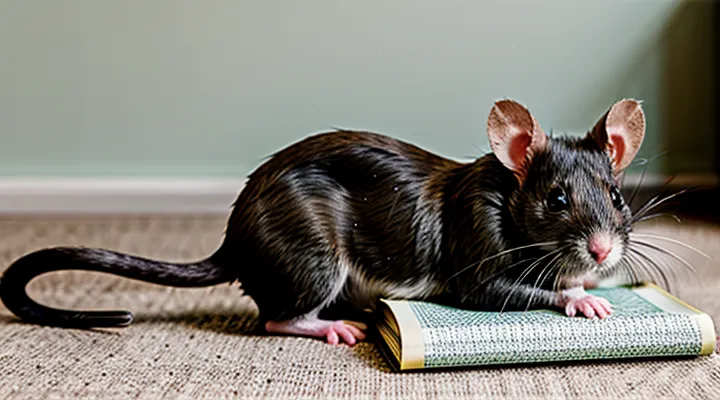
Understanding Domestic Rat Breeds
The Appeal of Pet Rats
Pet rats attract owners because of their high cognitive capacity. They learn simple tricks, navigate mazes, and respond to vocal cues, demonstrating problem‑solving skills comparable to those of small primates.
Their social disposition creates strong bonds with humans. Rats thrive on interaction, seek physical contact, and exhibit affection through grooming and gentle nibbling. This reciprocal behavior reduces loneliness for both animal and caretaker.
Physical characteristics contribute to popularity. Compact size allows housing in modest enclosures; sleek fur and expressive eyes provide visual appeal. A range of coat colors and patterns—such as albino, hooded, and rex—offers aesthetic variety without compromising temperament.
Maintenance requirements are modest. Rats consume a balanced diet of laboratory pellets, fresh vegetables, and occasional treats; they produce minimal waste, and regular cage cleaning prevents odor buildup. Lifespans of two to three years align with short‑term commitment expectations.
Health benefits accompany ownership. Interaction with rats can lower stress hormones, improve mood, and provide therapeutic companionship for individuals unable to care for larger pets. Their quiet nature makes them suitable for apartments and shared living spaces.
Key advantages can be summarized:
- Intelligent and trainable behavior
- Strong social attachment to humans
- Diverse coat colors and textures
- Small footprint and easy upkeep
- Positive impact on owner well‑being
These factors collectively explain why pet rats remain a compelling choice for enthusiasts seeking an engaging, low‑maintenance companion.
Factors Influencing Breed Choice
When selecting a pet rat, several practical considerations determine which breed best fits an owner’s circumstances.
- Temperament: Some breeds, such as the standard albino, exhibit calm behavior suitable for beginners, while hairless varieties may be more active and require experienced handling.
- Size and growth rate: Larger breeds reach a greater adult weight, influencing cage dimensions and daily feed amounts.
- Coat type: Smooth‑fur rats need less grooming than curly‑hair or hairless strains, which may demand regular cleaning to prevent skin issues.
- Health predispositions: Certain genetic lines are prone to respiratory problems or dental malocclusion; prospective owners should review veterinary reports for each breed.
- Visual appeal: Color patterns and markings affect aesthetic preference, but do not impact care requirements.
- Availability: Local breeders or rescue organizations may specialize in specific breeds, limiting immediate access to rarer types.
- Compatibility with other rats: Social dynamics differ; some breeds integrate smoothly into existing colonies, while others may display territorial behavior.
Evaluating these factors against personal living conditions, experience level, and long‑term commitment leads to an informed breed choice.
Common Domestic Rat Breeds
Standard Rat
Characteristics
The domestic rat (Rattus norvegicus domestica) comprises several distinct varieties, each identifiable by coat, size, coloration, and temperament. Photographic documentation assists breeders and owners in recognizing these traits.
- Standard (or Fancy) Rat – medium body length 9–10 inches, weight 300–500 g; smooth or slightly glossy coat; wide color spectrum including black, brown, white, and agouti; generally sociable, adaptable to handling, low incidence of genetic disorders.
- Hairless Rat – absence of fur, exposing pink, thin skin; average weight 250–350 g; heightened sensitivity to temperature, requiring ambient control; calm demeanor, often preferred by owners seeking tactile novelty.
- Rex Rat – wiry, curly coat resembling that of a rabbit; length 8–9 inches, weight 280–400 g; colors include sable, blue, and ivory; coat demands regular grooming to prevent matting; temperament calm, occasionally shy during initial exposure.
- Dumbo Rat – enlarged, forward‑facing ears covering a larger portion of the skull; body size comparable to Standard; coat may be smooth, rex, or hairless; ear size enhances auditory acuity; behavior typically confident, enjoys interaction.
- Manx Rat – tailless or with a very short tail; length 8–9 inches, weight 250–350 g; coat smooth, colors varied; tail reduction does not affect balance; temperament steady, often less prone to tail‑related injuries.
- Satin Rat – glossy, satin‑like coat that reflects light; body dimensions similar to Standard; colors include chocolate, lilac, and cream; coat may be prone to shedding, requiring routine cleaning; disposition friendly, highly active.
Key characteristics across all varieties include an average lifespan of 2–3 years, omnivorous diet adaptable to pellets, fresh vegetables, and protein sources, and a requirement for enrichment to prevent stereotypic behaviors. Health monitoring should focus on respiratory issues, skin lesions in hairless types, and dental overgrowth common to the species. Photographs accompanying each breed highlight the visual markers described, facilitating accurate identification and informed selection.
Temperament
Temperament determines how well a pet rat adapts to handling, social interaction, and household environments. Understanding breed‑specific behavior helps owners select a rat that matches their lifestyle and expectations.
- Standard (fancy) rat – curious, active, quick to bond with humans; enjoys climbing and exploring; generally confident in new settings.
- Dumbo rat – gentle, tolerant of longer handling sessions; often less skittish due to larger ears that enhance auditory awareness; suited for beginners.
- Rex rat – playful, inquisitive, displays strong foraging instincts; accepts regular interaction but may require extra enrichment to prevent boredom.
- Hairless (Satin) rat – affectionate, seeks close contact with caretakers; skin sensitivity demands careful temperature control, yet temperament remains steady and sociable.
- Rex‑Dumbo cross – combines calm demeanor of Dumbo with the exploratory nature of Rex; typically adaptable and easy to train.
Temperament varies more with individual personality and socialization than with breed alone. Early, consistent handling promotes confidence across all varieties. Group housing reinforces natural herd behavior, reducing stress and encouraging cooperative play. Monitoring signs of aggression, fear, or illness remains essential for maintaining a stable temperament profile.
Photo Example
Photo examples are essential for recognizing the visual distinctions among pet rat varieties. A clear image reveals coat texture, coloration, and body proportions that textual descriptions alone cannot convey. When evaluating a photograph, focus on three diagnostic features: head shape, fur pattern, and tail length.
- Standard Rat – smooth, short hair; brown or black coat; compact body; tail slightly shorter than body length.
- Hairless Rat – absence of fur; visible skin folds; pinkish hue; tail proportionate to body.
- Rex Rat – curly, plush fur; often white or mixed colors; rounded head; tail slightly shorter than body.
- Dumbo Rat – enlarged, low-set ears; soft, medium-length fur; varied coat colors; tail similar to Standard Rat.
- Satin Rat – glossy, sleek fur; bright colors such as blue or ivory; streamlined head; tail slightly longer than body.
High‑resolution photographs allow breeders and owners to confirm breed standards, assess health indicators such as skin condition and eye clarity, and facilitate accurate record‑keeping. Including multiple angles—profile, dorsal, and close‑up of facial features—provides a comprehensive visual reference for each breed.
Dumbo Rat
Unique Ear Placement
Unique ear placement distinguishes several domestic rat varieties and aids visual identification in photographic collections. Most rats carry ears centrally on the skull, but selective breeding has produced distinct configurations that stand out in images.
Typical ear position sits high and symmetrical. Variants include:
- Side‑set ears – positioned laterally, creating a broader head profile.
- Low‑set ears – attached near the lower jawline, giving a compact silhouette.
- Lop‑ear (floppy) ears – loosely attached, often drooping over the cheeks.
These forms appear in specific breeds:
- Dumbo rats – pronounced lop‑ear structure, visible from multiple angles.
- Satin rats – occasional low‑set ears that accentuate their glossy coat.
- Hairless rats – side‑set ears that become more prominent without fur.
Photographers must adjust lighting and perspective to capture ear morphology accurately. Side‑set and low‑set ears reveal depth when illuminated from the side, while lop‑ears benefit from soft, diffused light that highlights texture.
Understanding ear placement enhances breed documentation, supports accurate labeling, and assists breeders in selecting traits for exhibition or study.
Personality Traits
Domestic rats display distinct behavioral patterns that vary noticeably between recognized breeds. Understanding these patterns helps owners anticipate care requirements and enrich the animal‑human relationship.
- Standard (Short‑haired) Rat – Curious, highly social, quick to adapt to new environments, responsive to handling.
- Hairless (Satin) Rat – Gentle, seeks constant contact, tolerates extended periods of petting, less prone to territorial aggression.
- Dumbo Rat – Affectionate, enjoys close proximity to humans, exhibits slower exploratory movements, readily forms bonds with other rats.
- Rex Rat – Playful, engages in frequent object manipulation, displays heightened curiosity, maintains moderate independence.
- Manx (Tailless) Rat – Calm, exhibits steady temperament, prefers routine, shows consistent interaction levels with caretakers.
Overall, domestic rat breeds share a baseline of intelligence and sociability, yet each breed emphasizes specific traits such as curiosity, affection, or playfulness. Recognizing these differences guides appropriate enrichment, training, and habitat design.
Photo Example
A high‑resolution photograph of the Standard Fancy rat illustrates the breed’s defining characteristics. The animal appears with a smooth, glossy coat, a compact body, and a short, rounded tail. The ears are proportionally small, and the eyes are bright and alert, reflecting typical health standards for this variety.
The image also reveals the breed’s standard coloration options. In the picture, the coat exhibits a solid black hue, a common accepted color in show standards. The fur’s uniformity and lack of patchiness meet the criteria set by major rat‑breeding associations.
Key visual details captured in the photo include:
- Body length of approximately 20 cm, measured from nose to base of tail.
- Tail length of roughly 15 cm, with a consistent diameter throughout.
- Weight near 250 g, indicating a well‑conditioned adult.
- Whisker length of 2 cm, providing sensory function without excess.
The photograph serves as a reference point for breeders and enthusiasts evaluating conformity to breed standards. It offers a clear visual benchmark for assessing coat quality, body proportions, and overall vitality in domestic rat varieties.
Rex Rat
Distinctive Coat Type
Domestic rats exhibit several distinct coat types that breeders and owners readily identify through visual cues. Photographs accompanying breed profiles highlight the texture, length, and sheen that differentiate each variety.
- Standard (smooth) coat – Short, glossy hair lies close to the body, providing a sleek appearance. Color patterns appear vivid because the fur reflects light uniformly.
- Satin coat – Slightly longer than the standard, the hair possesses a subtle luster that creates a soft sheen. The texture remains fine, and photographs show a gentle ripple across the back.
- Rex coat – Hair grows outward from the skin, creating a plush, velvety surface. The fur feels dense to the touch, and images display a uniform, short-length fleece that masks underlying skeletal structure.
- Curly coat – Tight, spring‑like curls form a dense, airy layer. The curls vary in tightness among individuals, and visual documentation often captures the three‑dimensional volume created by the curls.
- Hairless (nude) coat – Absence of fur reveals smooth skin with visible pigmentation. Photos emphasize the delicate skin texture and the prominence of ears and whiskers.
- Long‑haired coat – Hair extends beyond the typical length, flowing over the shoulders and hindquarters. Images illustrate the flowing nature of the fur and the need for regular grooming to prevent matting.
Each coat type correlates with specific genetic markers that breeders track to maintain breed standards. Photographic evidence serves as a reliable reference for confirming coat classification, assessing health of the fur, and guiding selection decisions in breeding programs.
Care Considerations
Domestic rat breeds kept as pets require specific attention to nutrition, environment, health, and behavior. Proper care ensures longevity and well‑being across the variety of coat colors and body types commonly shown in photographic collections.
A balanced diet forms the foundation of health. Offer a commercial rodent pellet as the staple, supplement with measured portions of fresh vegetables, occasional fruit, and a limited amount of protein such as cooked egg or mealworm. Provide constant access to clean water in a sipper bottle to prevent contamination.
Housing must meet space and hygiene standards. Minimum cage dimensions should allow at least 2 sq ft of floor area per rat, with multiple levels to encourage climbing. Use solid flooring covered by absorbent bedding; avoid cedar or pine shavings, which release harmful oils. Clean the cage weekly, replacing bedding and disinfecting food dishes and water bottles.
Social interaction is critical. Rats are highly gregarious; keep them in compatible groups of at least two individuals to reduce stress and prevent loneliness. Monitor group dynamics for signs of aggression, and be prepared to re‑house if conflicts arise.
Health monitoring includes routine checks for respiratory symptoms, skin lesions, and abnormal discharge. Schedule veterinary examinations at least twice a year, and vaccinate against common pathogens where available. Early detection of tumors or dental issues prevents severe complications.
Enrichment supports mental stimulation. Provide chewable toys, tunnels, and rotating objects to maintain curiosity. Change the layout regularly to prevent habituation.
Handling techniques should be gentle and consistent. Support the rat’s body fully, avoid gripping by the tail, and limit sessions to five minutes initially, extending as the animal becomes accustomed.
Breeding considerations demand separate cages, genetic screening for hereditary defects, and careful management of litter size. Separate pregnant females from males early to prevent stress and ensure proper maternal care.
Regular grooming is minimal; most breeds maintain coat health independently. Trim toenails only if overgrowth impedes movement.
Adhering to these care considerations promotes robust health and a rewarding relationship with domestic rats showcased in visual breed guides.
Photo Example
A representative photograph of a domestic rat breed serves as a visual reference for identification, temperament assessment, and care planning. The image typically displays the animal from a side angle, revealing the head shape, ear placement, and tail length that distinguish breeds such as the Hooded, Rex, and Dumbo. High‑resolution detail captures coat texture—smooth, curly, or hairless—allowing observers to differentiate between standard and specialty varieties without relying on textual descriptions alone.
Key visual elements include:
- Head profile: Broad skull and short muzzle indicate a Standard rat; a longer, tapered head suggests a Long‑Haired breed.
- Ear size and placement: Large, upright ears are characteristic of the Dumbo rat; smaller, recessed ears appear in the Standard.
- Tail characteristics: A thick, hair‑covered tail aligns with the Rex breed, while a slender, hairless tail points to the Standard.
- Coat pattern: Distinct markings such as a hooded mask, blaze, or sable coloration are evident in the photo, providing immediate breed recognition.
Effective photographs employ neutral backgrounds to prevent color distortion, even lighting to avoid shadows that obscure fur texture, and a shallow depth of field that emphasizes the rat’s features while keeping the surrounding environment unobtrusive. When multiple rats appear, the image should position each breed separately, ensuring that comparative analysis remains clear.
In practice, a well‑composed photo example becomes a diagnostic tool for breeders, veterinarians, and hobbyists. It supports accurate record‑keeping, facilitates breed‑specific health monitoring, and enhances educational materials that rely on visual confirmation rather than descriptive jargon.
Hairless Rat
Skin Care Needs
Pet rats, regardless of breed, require regular skin maintenance to prevent irritation, infections, and fur loss. Owners should inspect the coat daily for signs of dryness, redness, or parasites. Prompt removal of debris and detangling of matted fur reduces stress on the skin and promotes healthy growth.
Key skin‑care practices include:
- Bathing: Use a mild, rodent‑safe shampoo no more than once a month. Rinse thoroughly to avoid residue that can cause dermatitis.
- Moisturizing: Apply a thin layer of veterinary‑approved ointment to dry patches after cleaning. Avoid human lotions that contain fragrances or alcohol.
- Parasite control: Administer monthly ectoparasite preventatives recommended by a veterinarian. Check ears, tail, and vent area for mites or fleas.
- Nutrition: Provide a balanced diet rich in essential fatty acids, such as omega‑3 and omega‑6, to support skin barrier integrity. Include occasional fresh vegetables for additional vitamins.
- Environmental hygiene: Keep cages clean, replace bedding weekly, and maintain low humidity (40‑60 %). Excess moisture fosters fungal growth, while overly dry air accelerates skin cracking.
Regular veterinary examinations, at least twice a year, allow early detection of skin disorders such as ulcerative dermatitis or allergic reactions. Early intervention with appropriate medication prevents progression and reduces discomfort for the animal.
Temperament
Temperament determines how a rat interacts with humans, other rats, and its environment, making it a key factor when selecting a pet. Breeds differ in activity level, curiosity, sociability, and tolerance for handling; these traits are largely shaped by genetics and early socialization.
- Standard Fancy Rat – calm, adaptable, enjoys regular interaction; suitable for beginners.
- Dumbo Rat – gentle, highly affectionate, often seeks constant contact; responds well to lap time.
- Hairless (Satin) Rat – alert, inquisitive, may exhibit higher energy bursts; requires frequent mental stimulation.
- Rex Rat – balanced temperament, combines playfulness with periods of quiet observation; adapts quickly to new settings.
- Manx (Tailless) Rat – confident, exploratory, tolerates frequent handling; shows less shyness than many long‑tailed varieties.
- Hooded Rat – typically sociable, enjoys group dynamics, may display mild dominance when housed with peers.
Overall, rats that receive consistent, gentle handling from an early age tend to develop trust and reduced fear responses. Social housing reinforces natural group behavior, enhancing confidence and reducing aggression. Owners should match a breed’s typical activity pattern with their own availability for interaction to ensure the rat’s emotional well‑being.
Photo Example
A photograph serves as a practical reference for identifying common domestic rat varieties. The image captures three adult rats positioned side‑by‑side on a neutral backdrop, each representing a distinct breed recognized by coat texture, coloration, and body shape.
The leftmost specimen displays the classic “Standard Fancy” phenotype: short, glossy fur, a compact torso, and a rounded head. Its dorsal hue is a uniform black, while the ventral side remains pale cream. The central rat exemplifies the “Hairless” type, characterized by bare, pinkish skin, prominent ears, and a slender frame. The rightmost animal illustrates the “Rex” breed, identifiable by its curly, dense coat and a slightly larger, more muscular build.
Key visual elements:
- Coat condition: glossy vs. hairless vs. curly.
- Color pattern: solid black, pink skin, mixed gray‑white.
- Body proportions: compact, slender, muscular.
- Ear size and placement: proportionate to head, slightly enlarged in hairless type.
- Eye clarity: bright, well‑focused in all subjects.
The photograph provides a reliable visual benchmark for breeders, veterinarians, and hobbyists when assessing breed characteristics, health status, and suitability for specific care protocols.
Satin Rat
Luxurious Coat
Domestic rats exhibit a wide range of fur qualities, and several breeds are distinguished by exceptionally plush coats. The texture, density, and sheen of these coats influence both visual appeal and handling characteristics, making them a focal point for enthusiasts who prioritize aesthetic refinement.
Breeds noted for their luxurious fur include:
- Standard Rex – tightly curled, velvety hair that forms a dense carpet over the body.
- Giant Hairless (with selective breeding for soft down) – despite the name, a subset displays a fine, downy coat that feels delicate to the touch.
- Blonde Satin – long, silky strands that flow smoothly, creating a glossy finish.
- Silver Capped – a blend of short, dense fur on the back and longer, softer hair on the head, yielding a contrast of textures.
Maintenance of these coats requires regular grooming to prevent matting and to preserve luster. A soft-bristled brush applied weekly removes loose fibers and distributes natural oils, while occasional spot cleaning with a damp cloth maintains cleanliness without compromising the hair’s integrity.
Health considerations remain consistent across breeds; a well‑cared coat reflects overall vitality. Nutrient‑rich diets rich in protein and essential fatty acids support hair growth, and routine veterinary checks ensure that skin conditions do not compromise the coat’s quality.
Breeding and Genetics
Domestic rats (Rattus norvegicus domestica) have been selectively bred for coat color, size, and temperament. Breeders rely on Mendelian inheritance to predict offspring traits. When two rats with known genotypes mate, each allele segregates independently, producing a predictable ratio of phenotypes. For example, a cross between a homozygous black coat (BB) and a recessive albino (aa) yields 100 % heterozygous black (Ba) in the first generation; a subsequent cross between two heterozygotes (Ba × Ba) produces a 3:1 ratio of black to albino pups.
Key genetic considerations include:
- Coat color loci – multiple genes (e.g., Agouti, Albino, Hooded) interact, creating a wide palette of patterns.
- Size modifiers – dwarfism results from recessive alleles; heterozygous carriers appear normal but can produce dwarf offspring when paired.
- Health markers – certain coat colors correlate with increased susceptibility to deafness or skin disorders; responsible breeders avoid pairing carriers of deleterious alleles.
- Inbreeding coefficient – calculated from pedigree analysis; values above 0.25 raise the risk of recessive disease expression and reduced vigor.
Accurate record‑keeping is essential. Pedigree charts trace lineage, verify genotype, and prevent accidental reintroduction of harmful alleles. DNA testing, increasingly affordable, confirms carrier status for known mutations and supports precise selection.
Effective breeding programs balance aesthetic goals with genetic health. By applying strict selection criteria, monitoring allele frequencies, and employing controlled outcrosses, breeders sustain diverse, robust rat populations while maintaining the visual characteristics prized by enthusiasts.
Photo Example
A representative photograph of a domesticated rat illustrates the breed’s distinctive markings, body proportions, and coat texture. The image captures the animal from a lateral perspective, highlighting the sleek silhouette and the contrast between the dorsal stripe and the lighter ventral area. The eyes appear bright and alert, while the whiskers extend symmetrically from the snout, providing clear reference points for facial structure.
Key visual elements visible in the photo:
- Dorsal coloration: uniform dark brown with a subtle sheen.
- Tail: long, slender, and proportionally aligned with the body length.
- Fur texture: dense, short, and evenly distributed across the back.
- Ear size: small, rounded, positioned low on the head.
- Limb placement: forelimbs positioned slightly forward, hind limbs tucked beneath the torso.
The photograph serves as a practical guide for breed identification, allowing observers to compare these visual criteria with other domestic rat varieties. By examining the highlighted features, readers can assess breed conformity, health status, and grooming quality without reliance on textual description alone.
Manx Rat
Tailless Trait
The tailless condition in pet rats is a hereditary mutation that eliminates the vertebral column segment normally forming the tail. The gene responsible is recessive; both parents must carry the allele for offspring to express the trait. Rats lacking a tail exhibit a smooth, rounded posterior where the tail would be, without impact on internal organ placement.
Physical appearance is consistent across affected individuals: a short, stubby vestigial structure may remain, often covered by fur. The absence of a tail does not interfere with balance, as rats rely primarily on their hind limbs and whiskers for locomotion. However, the missing tail eliminates the primary site for scent glands, slightly altering social signaling.
Care considerations include:
- Monitoring for skin irritation where the tail would have been, due to reduced airflow.
- Avoiding harsh handling of the lower back, as the area may be more sensitive.
- Providing enrichment that does not require tail-based climbing or anchoring.
Common domestic rat varieties that frequently display the tailless mutation are:
- Hairless (Sphynx) tailless rats – often bred for research and exhibition.
- Dumbo-tailed rats – a misnomer; some lines produce tailless offspring.
- Standard coat tailless rats – selected for the trait without additional coat modifications.
Photographic records typically emphasize the contrast between normal-tailed and tailless specimens, highlighting the smooth posterior and the overall body proportion. High‑resolution images assist breeders and owners in identifying the trait early, ensuring appropriate husbandry from birth.
Health Implications
Domestic rats exhibit health patterns that vary among recognized varieties. Genetic selection for coat color, size, or ear shape can predispose certain lines to specific conditions. For example, hairless and dwarf strains frequently develop respiratory infections, while long‑haired types are prone to skin irritation and parasite infestations. These breed‑related tendencies influence preventative care strategies.
Key health considerations for pet rats include:
- Respiratory disease – Mycoplasma pulmonis and viral agents cause sneezing, nasal discharge, and labored breathing; early detection and antimicrobial therapy improve outcomes.
- Dermatological problems – Over‑grooming, fungal infections, and ectoparasites (mites, fleas) affect rats with dense or long fur; regular grooming and topical treatments reduce incidence.
- Dental wear – Continuously growing incisors require constant chewing; inappropriate diet leads to malocclusion, weight loss, and facial deformities. Hard foods and chew toys maintain proper tooth length.
- Reproductive disorders – Females may develop uterine tumors after 18 months; routine palpation and ultrasound screening enable timely intervention.
- Metabolic issues – Obesity arises from high‑calorie diets and limited exercise; monitoring body condition score and providing enrichment prevent cardiovascular strain.
Effective health management relies on routine veterinary examinations, vaccination where available, and environmental hygiene. Clean bedding, adequate ventilation, and a balanced diet of rodent pellets supplemented with fresh vegetables constitute the baseline for disease prevention. Early recognition of abnormal behavior—lethargy, ruffled fur, reduced food intake—should prompt veterinary assessment to mitigate progression.
Photo Example
A clear photograph of a Dumbo rat illustrates the breed’s most recognizable trait: enlarged, low‑set ears that fold forward over the skull. The animal’s coat appears dense and short, with a uniform coloration that ranges from black to ivory, depending on the individual. The image captures the rat’s alert posture, highlighting a compact body, proportionate limbs, and a slightly rounded head, all of which contribute to the breed’s distinctive silhouette.
Key visual elements observable in the picture include:
- Forward‑facing ears extending beyond the cheekbones.
- Short, velvety fur covering the entire body.
- Bright, alert eyes set wide apart, providing a broad field of vision.
- A well‑defined tail, slightly thicker at the base and tapering toward the tip.
The photograph serves as a reference for identifying Dumbo rats among other domestic varieties, supporting breeders and owners in confirming breed characteristics without reliance on textual descriptions alone.
Less Common and Emerging Breeds
Dwarf Rat
The dwarf rat is one of the smallest varieties of pet rats, typically reaching a body length of 7–9 cm and a weight of 120–150 g. Its compact size results from a genetic mutation that reduces overall growth, making it popular among owners seeking a miniature companion.
Physical traits include a short, rounded head, a dense coat that may be smooth, curly, or wiry, and a tail proportionally shorter than that of standard rats. Color patterns vary widely, encompassing solid, agouti, and roan varieties. The mutation does not affect the rat’s skeletal structure, so the animal retains normal mobility and agility.
Temperament is generally calm and inquisitive. Dwarf rats display social behavior comparable to larger breeds, forming strong bonds with humans and cage mates when provided with enrichment. Their smaller size can make them more vulnerable to handling stress; gentle interaction and gradual acclimation are recommended.
Key care considerations:
- Housing: Minimum cage floor area of 0.5 m²; multi‑level setups enhance exploration.
- Bedding: Absorbent, dust‑free material such as paper or wood‑chip alternatives.
- Diet: Balanced commercial rat pellets supplemented with fresh vegetables, limited fruit, and occasional protein treats.
- Health monitoring: Watch for respiratory signs, skin lesions, and dental overgrowth; dwarf rats are not predisposed to unique diseases beyond those common to all domestic rats.
- Social needs: Minimum of two compatible individuals to prevent loneliness and encourage natural behaviors.
Breeding dwarf rats requires careful selection of unrelated individuals to reduce the risk of inbreeding depression. Litters average three to five pups, and newborns reach adult size within eight weeks. Monitoring the mother’s health and providing a nesting box with soft material are essential for successful rearing.
Photographic documentation benefits from a well‑lit environment, a neutral background, and a shallow depth of field to highlight the rat’s fine fur details. Capturing multiple angles—front, profile, and top view—offers a comprehensive visual record of coat pattern and body proportions.
Bristle Coat Rat
The Bristle Coat Rat is a distinct variety among domesticated rats, recognized for its short, stiff fur that feels similar to a fine brush. The coat consists of a dense underlayer and a sparse, upright outer layer, giving the animal a textured appearance that contrasts sharply with the smooth coats of standard fancy rats. Color patterns follow the same genetic rules as other breeds, allowing for a wide range of hues, including solid, piebald, and agouti combinations.
Originating in the United Kingdom during the early 1990s, the Bristle Coat was developed through selective breeding of rats exhibiting a natural mutation that produced the unique hair structure. Breeders refined the trait by pairing individuals with pronounced bristle characteristics, stabilizing the phenotype within a few generations. Today, the variety is maintained by hobbyists worldwide and appears regularly in pet shows and online galleries.
Key considerations for owners include:
- Housing: Provide a spacious cage with solid flooring; wire floors can damage the delicate bristles.
- Nutrition: Offer a balanced rodent diet supplemented with fresh vegetables; avoid excessive fats that may affect coat health.
- Grooming: Minimal grooming is required; occasional gentle brushing removes loose hairs without flattening the bristles.
- Health monitoring: Watch for signs of skin irritation or parasites, which can be more noticeable due to the coat’s texture.
Photographing a Bristle Coat Rat benefits from lighting that accentuates the texture. Side lighting creates shadows that reveal the upright hairs, while a neutral background prevents color distraction. Using a macro lens at a shallow depth of field isolates the subject, producing clear, detailed images suitable for breed documentation and exhibition.
Harley Rat
The Harley rat is a distinct variety among pet rodents, recognized for its robust build and short, glossy coat. Originating from selective breeding in the United Kingdom during the late 20th century, the strain was developed to emphasize a compact body, sturdy limbs, and a calm disposition.
Physically, the Harley displays a uniform coloration that ranges from solid black and white to assorted tabby patterns. The coat lies close to the skin, reducing shedding and simplifying grooming. Average adult weight falls between 300 g and 350 g, with a body length of 20–25 cm, not including the tail.
Key characteristics include:
- Temperament: docile, tolerant of handling, suitable for novice owners.
- Health profile: low incidence of respiratory issues, strong immune response, minimal dental problems when provided with appropriate chew items.
- Lifespan: 2.5–3.5 years under standard husbandry conditions.
- Care requirements: balanced diet of commercial rodent pellets, fresh vegetables, and occasional protein; regular cage cleaning; enrichment through tunnels, climbing structures, and foraging toys.
When photographing Harley rats, the short coat reflects light evenly, allowing clear detail without excessive glare. Optimal lighting setups involve soft, diffused sources positioned at a 45-degree angle to highlight the animal’s facial features and body shape. Backgrounds of neutral color enhance contrast, making the animal’s coloration stand out.
Prospective owners should verify that the breeder adheres to health‑screening protocols, provides a quarantine period, and supplies a health certificate. Proper socialization from an early age reinforces the breed’s reputation for calm behavior, facilitating successful integration into multi‑rat households.
Breed-Specific Care Considerations
Housing Requirements by Breed
Domestic rats require housing that matches the physical traits and activity levels of each breed. Adequate space prevents stress and promotes health; a minimum of 2 sq ft of floor area per rat is a baseline, but longer, deeper cages benefit active breeds such as the Standard and Rex. Enclosures should feature solid bottoms, high ventilation, and a secure latch to protect against escape.
- Standard and Standard Long‑Haired – Minimum 24 in × 12 in × 12 in per animal; deep bedding for burrowing; multiple levels for climbing.
- Dumbo – Same floor area as standard; lower cage height acceptable because of short ears; soft bedding to avoid ear irritation.
- Rex – Extra bedding depth to accommodate coarse fur; sturdy chew toys to prevent over‑grooming.
- Hairless (Satin, Bald) – Precise temperature control (68–74 °F) to compensate for lack of fur; humidity below 60 % to reduce skin dryness; soft, hypoallergenic bedding.
- Teddy and Curly – Moderate cage height; textured bedding to reduce matting of curly hair; regular grooming stations within the enclosure.
Temperature should remain stable between 65 °F and 75 °F; sudden fluctuations increase susceptibility to respiratory infections. Lighting cycles of 12 hours light and 12 hours darkness support circadian rhythms. Daily cleaning of waste and weekly replacement of bedding maintain air quality and reduce pathogen load.
Dietary Needs and Health
Domestic rats kept as companions require a diet that supplies protein, fat, fiber, vitamins, and minerals in balanced proportions. Commercially formulated rat pellets provide a reliable base, delivering approximately 15–20 % protein and essential nutrients while minimizing excess calories.
A typical daily regimen includes:
- ¼ cup of high‑quality pellets, divided into two feedings.
- Fresh vegetables such as kale, carrots, or broccoli (no more than 1 tablespoon per feeding).
- Small amounts of fruits like apple or banana (≤½ teaspoon, skin removed).
- Occasional protein supplements, e.g., boiled egg white or cooked chicken, limited to 1 teaspoon.
Water must be available at all times in a clean bottle; stagnant water encourages bacterial growth and should be refreshed daily.
Treats should be limited to prevent obesity. Safe options include unsalted nuts, whole grain crackers, or commercial rodent treats, each offered no more than a few pieces per week. Foods to avoid are chocolate, caffeine, citrus peel, raw beans, and high‑fat processed snacks, as they can cause toxicity or digestive upset.
Health management focuses on preventing common conditions:
- Respiratory infections (e.g., Mycoplasma, Sendai virus) – monitor for sneezing, nasal discharge, labored breathing.
- Dental overgrowth – provide chewable items such as wooden blocks; inspect teeth weekly.
- Skin mites and external parasites – keep bedding dry, clean cages regularly.
- Gastrointestinal disturbances – ensure fiber intake from vegetables and monitor stool consistency.
Regular observation of weight, coat quality, and activity levels enables early detection of problems. Annual veterinary examinations, including dental checks and vaccination status review, support long‑term wellbeing. Prompt treatment of illnesses, combined with consistent nutrition, reduces morbidity and extends the lifespan of pet rats.
Socialization and Training
Domestic rats thrive when introduced to humans and other rats early in life. Regular handling from the first weeks reduces fear responses, encourages curiosity, and promotes a stable temperament suitable for interaction and enrichment activities.
Consistent, gentle handling builds trust. Hold a rat in a cupped hand, support its hindquarters, and allow it to explore the palm before lifting. Limit sessions to five minutes for young rats and extend gradually as confidence grows. Provide a quiet, stable environment during handling to avoid overstimulation.
Effective training relies on positive reinforcement. Use small food rewards, such as a piece of fruit or a rat-safe pellet, to mark desired behaviors. Apply a brief click or verbal cue at the moment of correct action, then deliver the reward within seconds.
Key training practices include:
- Targeting: Teach the rat to touch a stick or fingertip with its nose; reinforce each touch to develop focus and control.
- Recall: Call the rat’s name or use a distinct sound; reward immediate approach to strengthen response.
- Litter training: Place a shallow tray with absorbent bedding in a corner; reward the rat for using it, and clean accidents promptly to maintain hygiene.
- Obstacle navigation: Arrange low ramps, tunnels, and platforms; guide the rat through each element, rewarding successful completion.
Socialization should extend to interaction with other rats. Introduce new individuals in a neutral cage, observe body language, and separate if aggression occurs. Rotate companions regularly to prevent dominance hierarchies and encourage adaptability.
Common pitfalls to avoid:
- Forcing interaction when the rat shows signs of stress, such as freezing or vocalizing.
- Using punishment; it creates fear and undermines trust.
- Inconsistent cue usage; varied signals confuse learning.
Monitoring progress through brief, daily sessions ensures steady improvement. Document behaviors, reward timing, and any regression to adjust the training plan promptly.
Photo Gallery of Rat Breeds
Visual Guide to Identification
The visual guide provides concrete criteria for distinguishing common domestic rat varieties. Identification relies on coat texture, ear shape, tail length, coloration, and body proportions.
Key visual parameters include: coat type (smooth, curly, hairless, satin), ear placement (standard, forward‑tilted, downward‑facing), tail characteristics (full length, short, tapered), coloration patterns (solid, agouti, brindle, roan, marked), and size metrics (head‑to‑body ratio, limb length). Measurements taken with a caliper or ruler enhance accuracy when photographs are examined.
- Standard (American) rat – smooth coat, medium‑sized ears positioned laterally, full‑length tapered tail, coloration varies widely, body robust with balanced proportions.
- Rex rat – dense, curly coat, ears similar to standard, tail full length, colors often solid or patterned, body slightly more compact.
- Dumbo rat – ears enlarged and forward‑facing, smooth or curly coat, tail full length, colors diverse, head appears broader.
- Hairless rat – virtually no fur, skin visible, ears normal size, tail full length, coloration reflected by underlying skin tone, body slender.
- Satin rat – glossy, silky coat, standard ear placement, tail full length, colors vivid, body slightly elongated.
- Manx rat – short or absent tail, smooth coat, standard ears, colors variable, body length comparable to tail‑full varieties.
When reviewing photographs, align the specimen with the listed traits. Confirm coat texture by zooming on the fur surface, verify ear orientation by observing the lateral profile, and assess tail length relative to body size. Consistent application of these visual markers enables reliable breed identification.
Showcase of Diversity
Domestic rats exhibit a broad spectrum of sizes, coat textures, and colorations, each documented through photographic records that provide clear visual reference.
- Standard Rat – medium‑sized, short hair, colors range from black to agouti.
- Hairless Rat – absence of fur, exposed skin varying from pink to dark tones.
- Rex Rat – curly, plush coat, commonly found in white, chocolate, or sable.
- Dumbo Rat – enlarged, low‑set ears, often paired with satin or roan fur patterns.
- Manx Rat – tailless or short‑tailed, coat may be solid or patterned.
- Satin Rat – glossy, sleek fur with a metallic sheen, available in multiple hues.
Morphological diversity extends beyond coat type. Body length can differ by up to 30 % between the smallest hairless specimens and the largest standard rats. Ear placement, tail length, and head shape also vary, influencing both aesthetic appeal and handling characteristics.
Photographic documentation captures these distinctions, enabling breeders and owners to identify traits quickly, assess health indicators, and select appropriate companions for specific environments. Visual references reduce misidentification, support genetic record‑keeping, and facilitate informed breeding decisions.
Understanding the full range of domestic rat varieties assists hobbyists in providing tailored care, from grooming requirements of long‑hair breeds to temperature regulation for hairless individuals. The visual guide serves as a practical tool for accurate breed recognition and responsible pet ownership.