
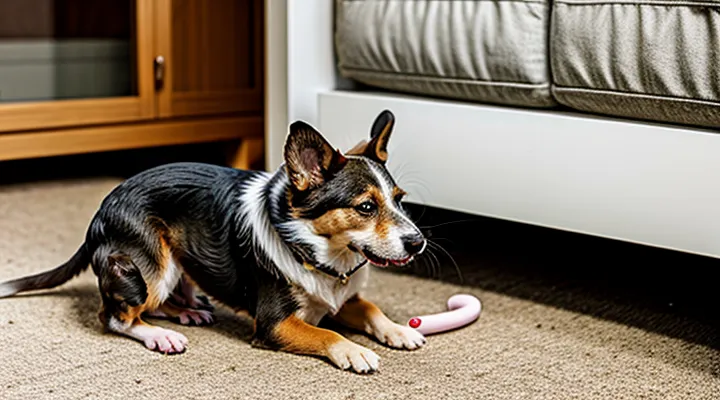
Understanding the Risks
Potential Dangers from Mice
Diseases Carried by Rodents
When a dog consumes a mouse, the immediate concern is exposure to pathogens that rodents commonly harbor. These microorganisms can cause illness in dogs and, in some cases, present a zoonotic risk to humans.
- Leptospira spp. – spirochetes that cause leptospirosis, leading to fever, kidney dysfunction, and liver damage. Transmission occurs through contact with infected urine or tissue.
- Salmonella spp. – bacteria responsible for salmonellosis, producing gastrointestinal distress, fever, and dehydration. Ingestion of contaminated rodent tissue is a primary route.
- Yersinia pestis – the agent of plague, rare but severe; symptoms include sudden fever, swollen lymph nodes, and respiratory involvement if pneumonic form develops.
- Hantavirus – viruses carried in rodent saliva, urine, and feces; can cause hemorrhagic fever with renal syndrome or pulmonary syndrome after inhalation of aerosolized particles from the mouse.
- Bartonella henselae – bacteria that cause cat‑scratch disease; dogs may develop lymphadenopathy, fever, and ocular lesions after exposure.
- Echinococcus multilocularis – tapeworm larvae that can establish cystic lesions in the liver and other organs; ingestion of infected rodent tissue is a definitive source.
After a mouse ingestion event, owners should:
- Contact a veterinarian promptly to assess the need for diagnostic testing and prophylactic treatment.
- Observe the dog for signs such as vomiting, diarrhea, fever, lethargy, or respiratory changes, and report any abnormalities.
- Clean the area where the mouse was found with a disinfectant effective against bacterial and viral contaminants.
- Verify that the dog’s vaccinations, particularly for leptospirosis, are up‑to‑date.
- Discuss with the veterinarian the suitability of antiparasitic medication to address potential tapeworm infection.
Timely veterinary intervention and thorough environmental sanitation reduce the likelihood of disease development following rodent consumption.
Parasites from Rodents
When a dog swallows a rodent, the most immediate health threat comes from parasites that rodents commonly carry. These organisms can migrate to the gastrointestinal tract, bloodstream, or other tissues, producing a range of clinical signs.
Typical parasites transmitted from rodents include:
- Toxocara canis and Toxascaris leonina eggs – may be present in the rodent’s intestines and pass to the dog after ingestion.
- Trichinella spiralis larvae – cause muscle inflammation and fever.
- Hymenolepis nana (dwarf tapeworm) – can establish in the canine intestine.
- Ectoparasites such as fleas and ticks – may be attached to the rodent’s body and transfer to the dog.
- Protozoa (e.g., Giardia spp.) – can be shed in the rodent’s feces and contaminate the dog’s environment.
Recognizable symptoms after exposure may involve vomiting, diarrhea, abdominal pain, lethargy, weight loss, or unexplained itching. In severe cases, respiratory distress or neurological signs can develop, indicating systemic invasion.
Immediate actions for pet owners:
- Isolate the dog to prevent further ingestion of contaminated material.
- Contact a veterinarian promptly; provide details about the incident, including the type of rodent and any observed symptoms.
- Collect a stool sample if possible, to facilitate laboratory identification of parasites.
- Administer a broad‑spectrum deworming medication as prescribed, covering both nematodes and cestodes.
- Schedule a follow‑up examination within 7–10 days to assess treatment efficacy and monitor for delayed manifestations.
- Sanitize the environment by removing rodent carcasses, disinfecting surfaces, and sealing entry points to prevent future encounters.
Preventive measures include regular deworming schedules, maintaining a rodent‑free household, and supervising outdoor activities where rodents are likely to be present. Consistent vigilance reduces the risk of parasite transmission and protects canine health.
Toxins and Poisons
A dog that has captured and swallowed a mouse may be exposed to a variety of toxic agents present in the rodent or its environment.
Typical hazards include:
- Anticoagulant rodenticides (e.g., brodifacoum, warfarin) that inhibit blood clotting.
- Second‑generation anticoagulants that cause delayed hemorrhage.
- Pesticide residues such as organophosphates or carbamates.
- Mycotoxins from mold‑contaminated feed.
- Bacterial toxins produced by Salmonella, E. coli, or Clostridium species.
- Heavy metals (lead, zinc) from contaminated habitats.
After ingestion, a dog may display one or more of the following clinical signs:
- Lethargy, weakness, or collapse.
- Bleeding from gums, nose, or puncture sites.
- Vomiting, diarrhea, or abdominal pain.
- Salivation, drooling, or difficulty breathing.
- Neurological disturbances such as tremors, seizures, or disorientation.
Immediate steps:
- Separate the dog from other animals and limit movement.
- Observe for vomiting; do not induce it without veterinary guidance.
- Collect the mouse, any remnants, and a sample of the dog’s vomit or feces for analysis.
- Contact a veterinarian or animal poison control center promptly, providing details of the incident and observed symptoms.
Veterinary management may involve:
- Gastric lavage or administration of activated charcoal to reduce absorption.
- Intravenous fluids to maintain hydration and support organ function.
- Specific antidotes, such as vitamin K1 for anticoagulant poisoning, or atropine for organophosphate exposure.
- Blood transfusions or plasma therapy in cases of severe coagulopathy.
Preventive measures:
- Secure food storage to deter rodents from entering the household.
- Eliminate rodent infestations with professional pest control that avoids toxic baits in pet‑accessible areas.
- Regularly inspect outdoor environments for contaminated debris or chemicals.
- Educate household members about the risks of allowing dogs to hunt or consume wild rodents.
Identifying Symptoms of Illness
Immediate Signs to Watch For
When a dog swallows a mouse, watch for rapid changes that may indicate a health emergency.
- Vomiting or retching, especially if persistent or accompanied by blood.
- Diarrhea, particularly if watery, bloody, or contains mucus.
- Excessive drooling, foaming, or difficulty swallowing.
- Signs of abdominal pain: restlessness, whining, guarding the belly, or a tense abdomen.
- Respiratory distress: coughing, choking, rapid breathing, or wheezing.
- Lethargy, weakness, or collapse.
- Fever, indicated by a warm nose and ears, shivering, or panting beyond normal levels.
- Unusual behavior: agitation, aggression, or sudden disorientation.
These observations require immediate veterinary assessment. Delays can lead to infection, internal injury, or toxin exposure from the mouse. Prompt professional care improves outcomes and reduces the risk of complications.
Delayed Symptoms to Observe
After a canine ingests a rodent, signs may appear hours or days later. Recognizing these delayed manifestations is essential for preventing serious complications.
- Vomiting or regurgitation occurring more than 12 hours post‑exposure
- Diarrhea, especially with blood or mucus
- Lethargy or noticeable decline in activity levels
- Persistent coughing, gagging, or difficulty breathing
- Fever exceeding 103 °F (39.4 °C)
- Abdominal pain, indicated by guarding, restlessness, or a hunched posture
- Unexplained weight loss or decreased appetite over several days
- Neurological signs such as tremors, disorientation, or seizures
If any of these symptoms develop, contact a veterinarian immediately. Provide details about the incident, the time elapsed, and the dog’s breed, age, and health background. Prompt diagnostic testing—often including radiographs, blood work, and fecal analysis—guides appropriate treatment, which may involve antibiotics, anti‑parasitic medication, or supportive care. Continuous monitoring until the dog returns to normal behavior confirms successful recovery.
Immediate Actions to Take
Assessing the Situation
Examining Your Dog for Injuries
When a dog swallows a mouse, the first priority is to assess the animal for any physical harm. A systematic check reduces the risk of complications and informs the need for veterinary care.
Begin with a visual inspection. Look for external wounds such as punctures, abrasions, or swelling around the mouth, lips, and gums. Examine the eyes for redness or discharge, and note any signs of distress like excessive drooling or panting.
Proceed to a tactile examination. Gently feel the jaw, throat, and neck for tenderness or abnormal masses. Press lightly along the ventral abdomen to detect discomfort that could indicate internal injury. Observe the dog’s gait; limping or reluctance to move may signal pain elsewhere.
Monitor vital signs. Record the heart rate by feeling the pulse at the femoral artery; a rapid or irregular rhythm warrants attention. Count respiratory breaths; shallow or labored breathing can be a red flag. Check rectal temperature if feasible; fever suggests infection.
If any of the following conditions appear, contact a veterinarian immediately:
- Visible bite marks or lacerations
- Persistent vomiting or retching
- Blood in saliva, vomit, or stool
- Swelling or obstruction in the throat area
- Unusual lethargy or behavioral changes
In the absence of obvious injuries, keep the dog under observation for at least 24 hours. Note any changes in appetite, bowel movements, or activity level. Provide fresh water and a bland diet, avoiding hard or crunchy foods that might irritate the mouth.
Document findings and the time of the incident. Accurate records assist the veterinarian in diagnosing potential internal damage, such as perforation or infection, should symptoms develop later.
Checking for Mouse Traps or Baits
When a dog has ingested a mouse, the first priority is to determine whether additional hazards remain in the area. Identify any mouse‑control devices that could expose the animal to poison, injury, or secondary ingestion. A thorough visual inspection eliminates hidden risks and guides appropriate veterinary care.
- Scan the floor, baseboards, and corners for snap traps, glue boards, or electronic devices.
- Examine cupboards, pantry shelves, and under appliances for bait stations or plastic containers that hold rodenticides.
- Check outdoor zones such as garages, sheds, and garden beds for concealed traps or placed poison blocks.
- Remove all discovered devices, place them in sealed bags, and store them away from pets and children.
- Document the locations and types of traps or baits for future reference and for discussion with a veterinarian.
After clearing the environment, inform the veterinary professional of any traps or baits found, as they may influence treatment decisions and monitoring requirements.
First Aid at Home
Inducing Vomiting (with Caution)
When a dog swallows a mouse, immediate assessment determines whether inducing vomiting is appropriate. Inducing emesis can remove the animal’s stomach contents before toxins are absorbed, but it carries risks if performed incorrectly or in unsuitable circumstances.
First, confirm that the ingestion occurred within the past two hours. After this window, the likelihood of successful removal declines and the chance of aspiration increases. Do not attempt vomiting if the dog shows signs of distress, seizures, difficulty breathing, or has ingested sharp objects, poisonous substances, or a large amount of food, as the procedure may cause additional injury.
If conditions permit, follow these steps:
- Prepare a 3% hydrogen peroxide solution (food‑grade, not industrial). Do not use stronger concentrations.
- Measure 1 milliliter per pound of body weight, not exceeding 45 milliliters total.
- Administer the solution orally using a syringe or a turkey baster. Ensure the dog’s head is tilted slightly upward to facilitate flow.
- Observe the dog for the next 10–15 minutes. If vomiting does not occur, a second dose may be given once, provided the total volume does not exceed the limit above.
- After emesis, offer fresh water and monitor for continued signs of illness. Contact a veterinarian promptly if vomiting ceases, blood appears, or the dog becomes lethargic.
Never use household remedies such as salt, coffee, or ipecac. These can cause electrolyte imbalance, gastric irritation, or cardiac complications. Always have a veterinary professional available for guidance; self‑induced vomiting is a temporary measure, not a substitute for professional care.
Offering Water and Monitoring
When a dog swallows a mouse, immediate attention should focus on hydration and observation. Water aids in diluting potential toxins and helps the gastrointestinal tract move the foreign material. Provide fresh, clean water at room temperature; avoid ice‑cold or overly warm liquids that could cause discomfort.
Monitor the dog for the next 24–48 hours. Record any changes in behavior, appetite, vomiting, diarrhea, or signs of abdominal pain. If symptoms develop, contact a veterinarian without delay.
Action checklist
- Place a bowl of fresh water within easy reach; refill as needed.
- Encourage gentle drinking; do not force intake.
- Check the dog’s stool twice daily for blood or unusual consistency.
- Note the frequency of vomiting or retching.
- Observe for lethargy, panting, or restlessness.
- Contact a professional if any abnormal sign persists beyond a few hours.
When to Contact Your Veterinarian
Signs Requiring Urgent Care
When a dog consumes a mouse, immediate assessment is essential. Certain clinical signs indicate that the situation has escalated beyond routine observation and demand prompt veterinary intervention.
- Persistent vomiting or retching, especially if accompanied by blood.
- Diarrhea with blood or mucus, or inability to pass stool.
- Severe abdominal pain, evident from a rigid or tense abdomen, guarding, or vocalization when touched.
- Rapid, shallow breathing or difficulty breathing.
- Excessive drooling, foaming at the mouth, or signs of oral pain.
- Lethargy, collapse, or unresponsiveness.
- Pale or bluish gums, indicating poor circulation.
- Sudden onset of seizures or uncontrolled shaking.
- Unexplained fever exceeding 103 °F (39.4 °C).
If any of these manifestations appear, contact a veterinarian without delay. Early treatment can prevent complications such as intestinal blockage, infection, or toxin exposure.
Information to Provide to the Vet
When a dog consumes a mouse, the veterinarian needs precise data to assess potential risks and decide on treatment. Provide the following details without delay.
- Dog’s breed, age, weight, and sex.
- Date and exact time of the incident.
- Approximate number of mice ingested, if known.
- Condition of the mouse (alive, dead, partially eaten, presence of visible injuries).
- Any immediate symptoms observed: vomiting, coughing, drooling, lethargy, difficulty breathing, abdominal pain, or changes in appetite.
- Recent vaccinations and deworming schedule.
- Current medications, supplements, or recent changes in diet.
- History of previous ingestion of foreign objects or similar incidents.
- Access to outdoor environments where parasites or diseases may be present.
If possible, bring the mouse or a photograph of it. Record any changes in the dog’s behavior over the next few hours and report them promptly. This information enables the veterinarian to evaluate the likelihood of infection, gastrointestinal blockage, or toxin exposure and to initiate appropriate diagnostics and therapy.
Veterinary Care and Follow-up
Diagnostic Procedures
Blood Tests and Urinalysis
When a canine swallows a rodent, immediate veterinary assessment is essential. The ingestion introduces potential pathogens, toxins, and physical injury that may not be apparent on visual examination alone. Laboratory analysis provides objective data to guide treatment decisions.
Blood sampling supplies information about systemic effects. Key parameters include:
- Complete blood count (CBC) to detect anemia, leukocytosis, or left‑shifted neutrophilia indicating infection or inflammation.
- Serum biochemistry panel to evaluate liver enzymes (ALT, AST), kidney markers (BUN, creatinine), and electrolyte balance, revealing organ stress or toxin exposure.
- C‑reactive protein or other acute‑phase proteins to quantify inflammatory response.
These results identify hidden complications such as septicemia, hepatic overload, or renal impairment that could develop rapidly after rodent ingestion.
Urine examination complements blood data by revealing renal function and metabolic disturbances. Critical elements are:
- Specific gravity to assess concentrating ability, which may decline if kidneys are compromised.
- Presence of protein, blood, or casts, indicating glomerular injury or tubular irritation.
- Detection of bacteriuria or leukocytes, suggesting secondary urinary tract infection secondary to systemic infection.
Together, blood work and urinalysis establish a baseline, detect early organ involvement, and inform the need for antimicrobial therapy, fluid support, or anti‑inflammatory medication. Prompt interpretation allows the practitioner to intervene before clinical signs worsen, improving prognosis for the affected dog.
Imaging (X-rays, Ultrasound)
When a dog swallows a rodent, the veterinarian must determine whether the animal has suffered gastrointestinal obstruction, perforation, or secondary infection. Imaging provides the quickest means to visualize the ingested material and any associated complications.
Radiography supplies a rapid overview of the abdominal cavity. A standard lateral and ventrodorsal view can reveal the silhouette of a small mammal, gas patterns indicative of blockage, or free air suggesting perforation. Contrast studies, such as barium or water-soluble agents, enhance detection of partial obstructions and delineate the lumen’s continuity. High‑resolution digital plates improve detection of faint outlines that may be missed on conventional film.
Ultrasound offers real‑time assessment of soft‑tissue structures. It identifies fluid collections, thickened intestinal walls, and the presence of echogenic foreign bodies within the lumen. Doppler evaluation can highlight compromised blood flow to affected segments. Ultrasound excels in detecting early inflammatory changes before they become apparent on radiographs.
Key considerations for selecting an imaging modality:
- Use radiography first for rapid screening of obstruction or perforation.
- Apply contrast radiography when the initial plain film is inconclusive.
- Reserve ultrasound for detailed evaluation of soft‑tissue involvement, fluid accumulation, and vascular status.
- Combine both techniques when a comprehensive assessment of the gastrointestinal tract is required.
Treatment Options
Antibiotics and Anti-parasitics
When a dog swallows a mouse, the risk of bacterial infection and internal parasites rises sharply. Immediate veterinary assessment is essential to determine whether antimicrobial or antiparasitic treatment is warranted.
Antibiotic considerations
- Identify likely pathogens: Staphylococcus, Streptococcus, Salmonella, and Clostridium species are common in rodents.
- Choose agents with proven efficacy against these bacteria, such as amoxicillin‑clavulanate or enrofloxacin, based on culture results when available.
- Adjust dosage to the dog’s weight and renal function; standard regimens range from 10 mg/kg to 20 mg/kg every 12 hours for 7–10 days.
- Monitor for adverse reactions, including gastrointestinal upset and allergic responses.
Anti‑parasitic considerations
- Rodents frequently carry tapeworms (Taenia, Dipylidium) and protozoa (Giardia, Toxoplasma).
- Administer broad‑spectrum agents such as praziquantel (5 mg/kg once) for tapeworms and fenbendazole (50 mg/kg daily for 3 days) for protozoal infections.
- Consider ivermectin‑based products for internal nematodes if fecal examination confirms infestation; dosage typically 0.2 mg/kg once.
- Re‑evaluate fecal samples after treatment to confirm clearance.
Post‑treatment follow‑up
- Schedule a re‑check within 7 days to assess clinical response and adjust therapy if symptoms persist.
- Record any changes in appetite, vomiting, or stool consistency, as they may indicate secondary complications.
- Advise owners to prevent future rodent ingestion by securing food, supervising outdoor activity, and maintaining up‑to‑date vaccinations.
Prompt, targeted antimicrobial and antiparasitic therapy reduces morbidity and supports rapid recovery after a canine rodent ingestion.
Supportive Care (Fluids, Medications)
When a dog swallows a mouse, immediate supportive measures focus on maintaining hydration and controlling potential complications. Intravenous or subcutaneous fluid therapy supplies the circulatory volume lost through vomiting, diarrhea, or fever, and helps the kidneys eliminate bacterial toxins that may accompany the prey. Adjust the fluid rate according to the animal’s weight, clinical condition, and electrolyte status; typical maintenance rates range from 50 ml/kg/day, with additional boluses of 20 ml/kg if hypovolemia is evident.
Medication protocols address pain, inflammation, and infection risk. Analgesics such as buprenorphine (0.01–0.02 mg/kg IM or SQ) or tramadol (2–4 mg/kg PO q8‑12 h) relieve abdominal discomfort. Broad‑spectrum antibiotics—e.g., amoxicillin‑clavulanic acid (20 mg/kg PO q12 h) or enrofloxacin (5 mg/kg PO q24 h)—are indicated if signs of systemic infection appear or if the mouse is known to carry pathogens. Antiemetics like maropitant (1 mg/kg SC) or ondansetron (0.5 mg/kg IV) prevent further loss of fluids through vomiting.
Monitoring includes:
- Serial assessment of temperature, heart rate, and mucous membrane color.
- Urine output measurement, targeting at least 1 ml/kg/h.
- Blood work (CBC, chemistry, electrolytes) every 12–24 hours to detect evolving metabolic disturbances.
If the dog shows signs of gastrointestinal obstruction, surgical consultation is warranted without delay. Otherwise, continued supportive care typically resolves the episode within 48–72 hours, provided fluids and medications are administered according to the outlined guidelines.
Long-term Monitoring
Changes in Behavior or Appetite
When a dog ingests a mouse, the animal may display noticeable alterations in activity level or food intake. These shifts often signal the body’s response to foreign material and possible infection.
Typical behavioral signs include:
- Sudden lethargy or reduced willingness to play
- Restlessness, pacing, or frequent scratching
- Vocalization of discomfort, such as whining or growling when touched
Appetite changes may manifest as:
- Refusal to eat or a marked decrease in food consumption
- Unusual cravings for water or excessive drinking
- Rapid eating of any offered food, possibly to counter nausea
Immediate actions should focus on assessment and prevention of complications:
- Observe the dog for at least two hours, noting any vomiting, diarrhea, or bleeding.
- Restrict food for 12‑24 hours while allowing free access to fresh water.
- Contact a veterinarian if any of the following occur: persistent vomiting, bloody stools, severe lethargy, or signs of abdominal pain.
- Follow professional guidance on re‑introducing a bland diet, such as boiled chicken and rice, before returning to regular meals.
- Keep the dog’s environment free of rodents to eliminate recurrence.
Monitoring these indicators helps determine whether the incident remains a minor digestive upset or escalates into a more serious health issue that requires medical intervention.
Preventing Future Incidents
When a dog consumes a mouse, the incident signals gaps in the household’s animal‑control practices. Addressing those gaps reduces the risk of repeat occurrences and protects both pet and wildlife health.
- Block rodent entry points: seal cracks, install door sweeps, and keep garbage containers tightly closed.
- Eliminate attractants: store food in sealed containers, clean up crumbs promptly, and avoid leaving pet food outdoors overnight.
- Supervise outdoor activity: keep the dog on a leash or within a fenced area where rodents cannot enter.
- Implement obedience training: reinforce “leave it” and recall commands to interrupt predatory behavior.
- Conduct regular veterinary checks: screen for nutritional deficiencies or behavioral issues that may increase prey drive.
- Use deterrents: apply safe, scent‑based repellents near known mouse pathways to discourage rodent presence.
Consistent application of these measures creates an environment where a dog is less likely to encounter and ingest small mammals, thereby preventing future incidents.
Prevention Strategies
Rodent Control in and Around Your Home
Safe Trapping Methods
When a canine consumes a rodent, immediate control of additional mice becomes critical to prevent recurrence and reduce health risks. Selecting trapping techniques that protect both the dog and other household members ensures an effective response.
- Live‑catch traps with secure doors prevent injury while allowing release of captured animals away from the home.
- Humane snap traps with concealed mechanisms kill quickly without exposing the dog to moving parts.
- Electronic traps deliver a single, high‑voltage pulse that immobilizes the mouse instantly; they operate without chemicals.
- Glue boards should be avoided because they pose entanglement hazards for pets.
Placement of traps must focus on high‑traffic rodent zones such as behind appliances, along baseboards, and near food sources. Bait with strong attractants (e.g., peanut butter or canned cat food) increases capture rates. Check traps at least twice daily to remove caught mice and reset devices, minimizing exposure time.
When handling traps, wear disposable gloves and wash hands thoroughly afterward. Store traps out of the dog’s reach, and secure baited devices with barriers if the dog is prone to chewing. Dispose of captured rodents in sealed bags and sanitize the area with a mild disinfectant to eliminate pathogens.
Preventive measures include sealing entry points, maintaining a clean environment, and supervising the dog during outdoor play to reduce the chance of future encounters with rodents. Regular monitoring of trap effectiveness helps adjust placement and bait choices, sustaining a safe living space for both pet and owner.
Pet-Safe Rodenticides
When a dog consumes a mouse, immediate assessment of potential toxin exposure is essential. Rodenticides placed in the environment pose a hidden risk, but formulations designed for pet safety reduce that danger.
Pet‑safe rodenticides are engineered to minimize toxicity to dogs while retaining efficacy against rodents. They typically employ active ingredients with low oral toxicity in mammals, such as diphacinone, bromadiolone at reduced concentrations, or zinc phosphide encased in bait stations inaccessible to pets. Some products incorporate bittering agents that deter canine ingestion.
Key considerations for selecting and using pet‑safe rodenticides:
- Choose baits housed in tamper‑proof containers that require rodent‑specific entry mechanisms.
- Verify that the active ingredient’s LD₅₀ for dogs exceeds the amount likely to be ingested from a single bait.
- Follow label instructions for placement distance from feeding areas, kennels, and dog pathways.
- Maintain an inventory log to track bait locations and dates of application.
If a dog has eaten a mouse that may have been exposed to any rodenticide, take the following steps:
- Contact a veterinarian promptly, providing details of the mouse’s origin and any bait present.
- Collect the mouse, if possible, for laboratory analysis to identify the specific toxin.
- Monitor the dog for signs of coagulopathy (bleeding gums, bruising), gastrointestinal distress, or neurological changes.
- Prepare to administer vitamin K₁ therapy if anticoagulant exposure is confirmed, under veterinary supervision.
Preventive measures include regular inspection of bait stations for damage, securing storage of rodent control products, and educating household members about the risks of unsupervised bait access. By integrating pet‑safe rodenticides into a comprehensive rodent management plan, owners can address mouse infestations while protecting canine health.
Securing Food and Waste
Proper Storage of Pet Food
Proper storage of pet food reduces the risk of contamination that can lead to unexpected incidents, such as a dog ingesting a mouse found in the feed. Secure containers prevent pests from accessing the product and preserve nutritional quality.
Store dry kibble in airtight, opaque containers made of rigid plastic or metal. Keep the containers in a cool, dry area away from direct sunlight, moisture, and sources of heat. Rotate stock so that older packages are used first, minimizing the time food spends on the shelf.
- Use sealed, resealable bags inside the main container for portion control.
- Inspect storage areas weekly for signs of rodents, insects, or mold.
- Clean shelves and containers with a mild detergent before refilling.
- Maintain a temperature range of 50‑70 °F (10‑21 °C) to inhibit bacterial growth.
When a mouse is discovered in pet food, discard the affected batch immediately, sanitize the storage area, and replace the food with a fresh supply stored according to the guidelines above. This systematic approach protects the animal’s health and prevents recurrence of similar events.
Securing Trash Cans
When a dog eats a mouse, the presence of uncovered trash can attract additional pests and increase the risk of further ingestion. Securing trash containers eliminates easy access to rodents, spoiled food, and hazardous materials that might tempt the animal.
Properly sealed bins prevent contamination of the dog’s diet and reduce the likelihood of future incidents. A secure trash system also protects the household from health hazards associated with bacterial growth and parasite transmission.
- Choose cans with tight‑fitting lids and lock mechanisms.
- Position containers away from the dog’s usual feeding area.
- Install a latch or strap that requires two hands to open.
- Regularly inspect seals for cracks or wear and replace damaged parts promptly.
- Empty bins frequently to avoid overflow and odor buildup.
Implementing these measures creates a controlled environment, limits the dog’s exposure to unwanted items, and supports a swift, effective response to the initial event.
Supervising Your Dog Outdoors
Leash Training and Recall
When a dog captures a small animal, immediate control prevents escalation and reinforces safety. Effective leash training and reliable recall are essential tools for owners facing such incidents.
Leash training should establish consistent pressure‑release cues and a calm walking rhythm. Follow these steps:
- Fit a well‑adjusted harness or collar; avoid choking devices.
- Introduce the leash indoors, allowing the dog to drag it briefly to become accustomed.
- Practice “stop” and “go” commands while maintaining a loose leash; reward the dog for maintaining slack.
- Increase distractions gradually, moving from quiet rooms to busy sidewalks.
- Use short, frequent sessions of five minutes to prevent fatigue and keep focus.
Recall training builds a dependable response even when the dog is off‑lead. Implement the following protocol:
- Choose a distinct word or whistle; keep it consistent.
- Begin in a fenced area, calling the dog from a short distance; reward immediately with high‑value treats.
- Add mild distractions, such as toys or other pets, while maintaining the same cue.
- Extend the distance incrementally; if the dog hesitates, shorten the range and reinforce success.
- Incorporate emergency recall drills by pairing the cue with a sudden, high‑value reward, ensuring the dog associates the command with a positive outcome.
Regular reinforcement of both skills reduces the likelihood of a dog chasing or consuming prey, providing owners with reliable control in unpredictable situations.
Avoiding Known Rodent Habitats
When a dog consumes a mouse, the risk of disease or injury increases. Preventing future incidents begins with eliminating the environments where rodents thrive.
Rodents commonly shelter in dense vegetation, debris piles, compost bins, and unsealed building cracks. They also frequent low‑lying grass, garden beds, and outdoor storage areas that lack regular cleaning.
- Inspect the yard weekly for overgrown grass, weeds, and fallen leaves; trim or remove them promptly.
- Secure compost containers with tight‑fitting lids; keep food scraps inside.
- Seal gaps around foundations, doors, and windows using caulk or metal flashing.
- Store firewood, tools, and other items off the ground and away from walls.
- Install motion‑activated lights or ultrasonic deterrents near known rodent pathways.
Regular maintenance of these sites reduces the likelihood that a mouse will be present for a dog to find and ingest.