
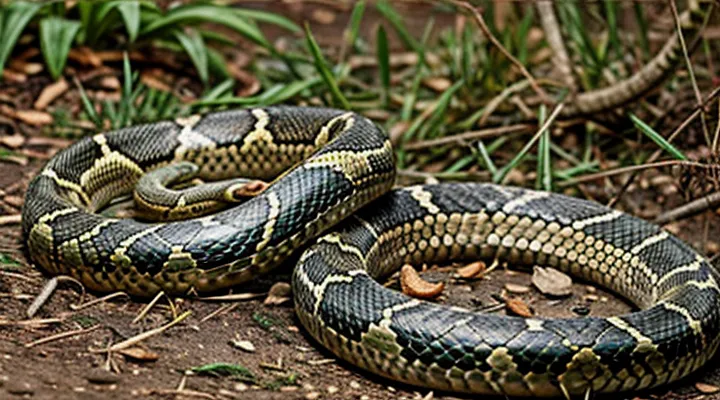
The Predatory Nature of Snakes
Dietary Habits of Snakes
General Carnivorous Behavior
Snakes, as obligate carnivores, rely on a suite of physiological and behavioral adaptations to capture and consume vertebrate prey. Their elongated bodies, flexible jaws, and kinetic skulls enable the ingestion of items substantially larger than their head circumference. Muscular constriction, venom injection, or a combination of both provide mechanisms for immobilizing prey, after which digestive enzymes break down tissues for absorption.
Key aspects of carnivorous strategy include:
- Prey detection: Chemosensory organs (e.g., vomeronasal and pit organs) locate mammals, amphibians, or fish through scent, heat, and motion cues.
- Capture technique: Ambush species remain motionless, while active hunters pursue prey, both employing rapid strikes.
- Feeding mechanics: Stretchable ligaments and elastic skin accommodate bulk prey; slow metabolic rates allow extended digestion periods.
- Energy allocation: Infrequent meals are offset by high caloric yield, supporting growth, reproduction, and seasonal activity.
Rodent consumption exemplifies these principles. Snakes often target rats because the latter provide substantial biomass relative to hunting effort. After a successful strike, the snake’s digestive system secretes proteases and lipases that reduce the rodent’s complex tissues to absorbable nutrients. This process can last from several hours to days, depending on prey size and ambient temperature.
Overall, carnivorous behavior in snakes integrates sensory precision, specialized morphology, and metabolic efficiency to exploit a wide range of animal prey, including mammals that serve as primary food sources in many ecosystems.
Opportunistic Feeding
Snakes commonly prey on rats, but they do not rely exclusively on this resource. Opportunistic feeding describes a strategy in which a predator consumes a wide range of available prey, adjusting its diet to local abundance and seasonal fluctuations. In environments where rodent populations surge, snakes increase rat consumption; when rodents are scarce, they shift to alternative foods such as birds, amphibians, lizards, or carrion.
Key characteristics of opportunistic feeding in serpents include:
- Flexible hunting behavior that permits active pursuit, ambush, or scavenging.
- Digestive physiology capable of processing prey of varying size and composition.
- Seasonal metabolic adjustments that reduce energy expenditure during periods of low prey density.
Field observations confirm that rat predation peaks during harvest periods, when grain storage attracts large rodent cohorts. During dry seasons, many snake species exhibit reduced growth rates, reflecting limited rat availability and increased reliance on smaller, ectothermic prey. This dietary plasticity enhances survival across heterogeneous habitats and contributes to the stability of snake populations despite fluctuations in rodent numbers.
Rats as a Common Prey Item
Nutritional Value of Rats for Snakes
Rats constitute a primary prey item for many carnivorous serpents, supplying the bulk of their dietary requirements. The flesh of a typical laboratory rat (approximately 300 g body mass) provides a concentrated source of protein, lipids, water, and essential minerals, aligning with the metabolic demands of ectothermic predators.
- Protein: 20–22 % of wet weight; high biological value, rich in essential amino acids such as lysine, methionine, and tryptophan.
- Lipids: 8–12 % of wet weight; predominantly unsaturated fatty acids (oleic and linoleic acids) that contribute to energy storage and membrane integrity.
- Water: 70–75 % of wet weight; supports hydration without supplemental fluids.
- Minerals: calcium (≈0.5 % of wet weight), phosphorus (≈0.4 %), magnesium, potassium, and trace elements (zinc, iron, copper) in ratios compatible with reptilian bone growth and enzymatic function.
Energy density averages 5.5–6.0 kcal g⁻¹ of wet mass, delivering sufficient caloric intake in a single feeding event. The size of a rat matches the gape and digestive capacity of medium‑ to large‑bodied snakes, reducing the need for multiple prey items to meet daily energy expenditure.
Micronutrient profiles include vitamin B12, riboflavin, and niacin, which support hematopoiesis and nervous system maintenance. The presence of taurine, an obligate nutrient for several snake species, further enhances the prey’s suitability.
For captive husbandry, whole‑prey rats (alive or humanely euthanized) provide a balanced nutrient package, minimizing the risk of deficiencies that arise from processed diets. Feeding frequency can be calibrated based on species‑specific metabolic rates, with adult snakes often requiring one rat every 7–14 days, while juveniles may need smaller rodents at shorter intervals.
Prevalence of Rats in Snake Habitats
Rats constitute a dominant rodent population across a wide range of ecosystems that also support serpentine predators. Surveys in temperate and subtropical regions report rat densities of 5‑30 individuals per hectare in natural grasslands, rising to 50‑120 per hectare in agricultural fields and urban green spaces. These figures reflect the species’ adaptability to diverse food sources and shelter options.
The overlap between rat and snake territories is most pronounced in:
- Riparian corridors where water availability sustains both prey and predator.
- Crop fields offering abundant grain stores that attract rats and provide hunting grounds for ground‑dwelling snakes.
- Peri‑urban parks where waste accumulation supports rat colonies and arboreal snakes exploit the same microhabitats.
- Forest edges that blend canopy cover with open ground, facilitating rat movement and snake ambush.
High rat prevalence influences snake foraging behavior. Elevated prey abundance reduces search time, increases capture success, and supports larger clutch sizes in oviparous species. Conversely, low rat densities compel snakes to expand their diet to include amphibians, lizards, or smaller mammals. Long‑term monitoring in the southeastern United States shows a direct correlation between seasonal rat population peaks and a 15‑25 % rise in snake feeding incidents during the same period.
Overall, the distribution and density of rats in snake habitats create a predictable resource base that shapes predator activity patterns, reproductive output, and ecosystem dynamics.
Specific Snake Species Known for Rat Predation
Constrictors
Boa Constrictors
Boa constrictors are among the largest New World snakes, regularly preying on rodents such as rats. Their hunting strategy relies on ambush, rapid strike, and powerful constriction that quickly immobilizes the prey. Once the rat is subdued, the snake swallows it whole, employing flexible jaws and a lubricated esophagus to accommodate the large prey item.
The digestive process begins within minutes as saliva rich in enzymes initiates protein breakdown. Metabolic rate rises dramatically, allowing the boa to extract nutrients efficiently. Digestion may last from several hours to a few days, depending on prey size and ambient temperature.
Key aspects of the boa‑rat interaction include:
- Prey detection: heat‑sensing pits and visual cues guide the snake to concealed rats.
- Constrictive force: muscular coils generate pressure exceeding the prey’s circulatory capacity, causing rapid loss of consciousness.
- Energy conversion: a single rat can provide enough calories to sustain the boa for weeks, reducing the need for frequent hunting.
- Ecological impact: predation on rat populations helps regulate rodent numbers in tropical and subtropical ecosystems.
In captivity, boas accept rats as a staple diet, reflecting their natural feeding habits. Properly sized rats are selected to match the snake’s girth, minimizing the risk of injury during ingestion. Regular feeding intervals align with the species’ slow metabolism, typically ranging from one to two meals per month.
Pythons
Pythons regularly consume rats, employing constriction to subdue the mammals before swallowing them whole. The prey is detected through heat‑sensing pits and olfactory cues, allowing the snake to locate rodents even in low‑light conditions. Once captured, the python coils tightly, cutting off circulation and inducing rapid unconsciousness.
Digestive physiology adapts to the large, protein‑rich meal. Gastric secretions increase dramatically, and metabolic rate may rise up to 30‑fold, sustaining the breakdown of skeletal muscle and bone. The entire process can last from several days to weeks, depending on the size of the rat and the python.
Key aspects of the interaction:
- Prey size selection – pythons typically target rats whose body mass does not exceed 10 % of the snake’s own weight.
- Hunting time – ambush occurs during crepuscular or nocturnal periods when rodent activity peaks.
- Ecological impact – predation helps regulate local rat populations, contributing to the balance of small‑mammal communities.
Reproductive cycles are influenced by feeding success; individuals that secure ample rat prey achieve higher clutch sizes and increased hatchling survival. The relationship between pythons and rats therefore exemplifies a direct predator‑prey dynamic with measurable effects on both species’ life histories.
Vipers
Vipers are equipped with physiological adaptations that make rodents, including rats, a primary component of their diet. Their heat‑sensing pits detect the thermal signature of a moving mammal, allowing precise strikes even in low‑light conditions. Once engaged, the snake delivers a hemotoxic venom that immobilizes the prey and begins pre‑digestive processes, facilitating ingestion of relatively large rodents compared to the snake’s body size.
Key aspects of the viper‑rat interaction:
- Prey selection – Vipers preferentially target medium‑sized rats because they provide sufficient nutritional value without exceeding the snake’s maximum gape.
- Hunting strategy – Ambush predation dominates; the snake remains motionless, relying on camouflage and sensory cues to time the strike.
- Venom function – Hemotoxins disrupt blood clotting and cause rapid tissue breakdown, reducing the risk of escape and simplifying swallowing.
- Digestive efficiency – Enzymatic secretions break down muscle and organ tissue, allowing the viper to extract essential proteins and lipids within 24–48 hours.
Ecologically, vipers help regulate rat populations, influencing the structure of rodent communities and limiting disease vectors. Their predation pressure favors the evolution of more cautious behavior in rats, leading to a dynamic balance between predator and prey.
Colubrids
Colubrids represent the largest snake family, encompassing a wide range of sizes and ecological niches. Many species within this group are capable of preying on rodents, including rats, while others specialize in insects, amphibians, or small birds. The ability to capture rats correlates with body length, jaw strength, and hunting strategy.
Key colubrid taxa that regularly consume rats:
- Rat snakes (genus Pantherophis) – large-bodied, constrictors that subdue prey through muscular coils.
- Corn snakes (Pantherophis guttatus) – medium-sized, opportunistic feeders that accept rats when available.
- King snakes (Lampropeltis species) – versatile predators that include rats among a diet of reptiles and mammals.
- Garter snakes (Thamnophis species) – generally smaller, but larger individuals have been observed taking juvenile rats.
- Moccasin‑type rear‑fanged colubrids (e.g., Agkistrodon piscivorus) – possess mild venom; larger specimens can immobilize and ingest rats.
Predatory behavior in colubrids often involves active pursuit, ambush, or nocturnal foraging. Constriction remains the primary method for subduing rodents; venomous rear‑fanged species rely on a slow‑acting toxin that facilitates swallowing. Digestive efficiency allows rapid processing of mammalian tissue, supporting growth and reproductive output.
Ecologically, colubrids that exploit rat populations contribute to the regulation of rodent numbers in diverse habitats, from agricultural fields to forest edges. Their presence influences pest dynamics and can affect the distribution of disease‑carrying rodents. Monitoring colubrid activity offers insight into predator‑prey balance within ecosystems.
The Ecological Role of Snakes in Rat Population Control
Natural Pest Management
Snakes naturally prey on rats, providing a biological control mechanism that reduces rodent populations without chemical intervention. By maintaining habitats that support native snake species, agricultural and urban managers can exploit this predator‑prey dynamic to lower pest pressure.
Key advantages of integrating snakes into pest management programs include:
- Direct reduction of rat numbers, decreasing crop loss and disease transmission.
- Elimination of pesticide residues, protecting soil health and non‑target organisms.
- Cost efficiency, as snake populations self‑sustain once suitable conditions are established.
Effective implementation requires:
- Preserving ground cover, stone piles, and log debris where snakes can shelter.
- Avoiding indiscriminate killing of snakes and educating the public about their ecological role.
- Monitoring rodent activity to assess the impact of snake presence and adjust habitat enhancements accordingly.
When ecosystems support healthy snake communities, the natural predation of rats contributes to resilient, low‑input pest control strategies.
Impact on Ecosystem Balance
Snakes regularly prey on rats, directly limiting rodent numbers in many habitats. Each captured rat removes a potential source of crop loss, structural damage, and disease vectors such as hantavirus and leptospirosis.
The predation pressure exerted by serpents creates a top‑down control that stabilizes plant communities. When rat populations decline, herbivory pressure on seedlings lessens, allowing greater plant diversity and higher primary productivity.
Reduced rat abundance also benefits mesopredators that share the same prey base. Fewer rats decrease competition for food, enabling species such as foxes, owls, and small carnivorous mammals to maintain stable populations.
Conversely, a decline in snake density removes this regulatory mechanism. Rat surges trigger:
- Accelerated crop damage
- Increased incidence of rodent‑borne diseases
- Heightened competition among secondary predators
- Decline in seedling recruitment and forest regeneration
These outcomes illustrate how the serpent‑rodent interaction underpins ecosystem equilibrium. Maintaining healthy snake populations preserves the balance that supports agricultural productivity, public health, and biodiversity.
How Snakes Hunt and Consume Rats
Hunting Strategies
Ambush Hunting
Ambush hunting is the predominant strategy employed by many serpents when targeting rodents such as rats. The predator remains motionless, often concealed beneath leaf litter, burrow entrances, or within dense vegetation. When a rat passes within striking distance, the snake initiates a rapid extension of its jaw and body, delivering a bite that injects venom or immobilizes the prey through constriction.
Key characteristics of ambush predation in snakes include:
- Camouflage: Skin patterns and coloration blend with the substrate, reducing detection by prey.
- Sensory readiness: Heat‑sensing pits (in pit vipers) or chemosensory tongues detect thermal or chemical cues from passing rodents.
- Burst acceleration: Muscular contraction generates a strike speed of up to 3 m s⁻¹, allowing capture before the rat can flee.
- Energy efficiency: The predator expends minimal energy while stationary, reserving metabolic resources for digestion.
Environmental factors influence ambush success. Moisture levels affect rat activity patterns; nocturnal snakes align their hunting periods with peak rodent movement. Substrate composition determines the stability of the strike; loose soil can absorb impact, while solid ground enhances force transmission.
The outcome of ambush encounters typically results in immediate subjugation. Venomous species neutralize prey within seconds, whereas constrictors apply progressive pressure until circulatory collapse. Both methods lead to rapid consumption, confirming that ambush hunting effectively enables snakes to exploit rats as a reliable food source.
Active Foraging
Active foraging describes a hunting mode in which snakes move deliberately while searching for prey, rather than remaining motionless and awaiting contact. This strategy requires continuous assessment of the environment, rapid locomotion, and frequent sensory sampling.
Snakes detect potential rodent targets through a combination of visual cues, thermal gradients, and vibrational signals transmitted through the substrate. Infrared-sensitive pit organs in many pit‑vipers locate the heat signature of a rat, while the vomeronasal system processes chemical traces left in the litter. Rapid head‑movement sweeps amplify these signals, allowing the predator to maintain a short‑range map of prey location.
The foraging sequence typically proceeds as follows:
- Initiation of movement toward the strongest sensory cue.
- Short bursts of locomotion to close the distance while maintaining a stealth profile.
- Precise strike, often directed at the neck or torso to immobilize the rat quickly.
- Use of constriction, envenomation, or a combination of both to subdue the animal.
- Swallowing whole, with the digestive system expanding to accommodate the prey’s size.
Species that rely heavily on this method include the brown rat‑eating rat snake (Pantherophis sp.), the eastern copperhead (Agkistrodon contortrix), and the African rock python (Python sebae). Each exhibits adaptations that optimize active pursuit: elongated bodies for swift locomotion, robust musculature for powerful strikes, and enhanced sensory organs for detecting concealed rodents.
From an ecological perspective, active foraging by serpents contributes to rodent population regulation, transfers energy from primary consumers to higher trophic levels, and influences the structure of ground‑dwelling communities. The efficiency of this hunting mode supports the survival of snake species in habitats where rodent abundance fluctuates seasonally.
Capture and Constriction Techniques
Snakes rely on specialized sensory systems to locate rodents. Heat‑sensing pits, chemosensory tongue flicks, and visual cues enable rapid detection of a rat’s position and movement. Once within striking range, the snake launches a precise bite, delivering venom (in venomous species) or a firm grip (in constrictors) to subdue the prey.
The subsequent capture phase follows a defined sequence:
- Initial bite or grip: Venomous snakes inject neurotoxic or hemotoxic compounds that immobilize the rat within seconds; non‑venomous constrictors clamp their jaws around the neck to prevent escape.
- Body positioning: The snake aligns its coils around the torso, ensuring even distribution of pressure.
- Constrictive force application: Muscular contraction reduces the rat’s thoracic cavity volume, causing rapid circulatory collapse. Pressure levels typically exceed 30 psi, sufficient to impede blood flow without crushing bone.
- Monitoring and adjustment: The snake maintains tension, tightening each coil as the prey exhales and the body shortens, preventing slippage.
Physiological mechanisms underpinning constriction involve coordinated activation of axial muscles and the spinal cord’s central pattern generators. Muscle fibers contract in a wave-like motion, generating a continuous, pulsatile pressure that mimics a heartbeat, thereby disrupting the prey’s circulatory system.
Venomous capture differs primarily in toxin delivery. After envenomation, the snake releases the rat, allowing systemic effects to spread. The snake may resume a grip if the prey shows signs of resistance, then proceed to the constriction stage if necessary.
Overall, the capture and constriction techniques demonstrate evolutionary optimization for handling relatively large, agile mammals. The combination of sensory precision, rapid strike, and controlled pressure enables snakes to reliably subdue rats in diverse habitats.
Ingestion Process
Snakes capture rats through a sequence of coordinated actions that enable efficient consumption of relatively large prey. The process begins with sensory detection; heat‑sensing pits and visual cues locate the rodent, prompting the predator to position itself for an optimal strike.
A rapid strike delivers venom (in venomous species) or a firm bite (in constrictors). Venom immobilizes the rat and begins pre‑digestion, while constrictors coil tightly to induce circulatory collapse. The snake then releases the prey, allowing it to become limp.
Swallowing requires extensive jaw flexibility. The lower jaws separate at the mandibular joints, and the quadrate bone rotates, creating a gape that can exceed the prey’s body diameter. Muscular contractions push the rat forward, while the snake’s skin stretches to accommodate the expanding volume.
Digestive processing continues after ingestion:
- Stomach secretes hydrochloric acid and proteolytic enzymes, reducing tissue to a nutrient‑rich paste.
- Enzyme activity peaks within 12–24 hours, depending on prey size and ambient temperature.
- Nutrient absorption occurs in the small intestine; excess waste is expelled as a compact pellet.
The entire ingestion cycle, from detection to waste elimination, may span 48–72 hours for an average rat, illustrating the physiological adaptations that allow snakes to exploit this prey efficiently.
Factors Influencing Snake-Rat Interactions
Habitat Overlap
Snakes and rats frequently occupy the same ecological niches, especially in temperate and tropical regions where moisture, shelter, and prey abundance converge. Agricultural fields provide dense cover for rodents while offering ambush sites for pit vipers and colubrids. Forest edges combine leaf litter and fallen logs that support rat populations and conceal serpents. Urban green spaces, such as parks and abandoned lots, host commensal rats and adaptable snake species, creating a persistent interface for predator‑prey encounters.
Key factors that shape this spatial coincidence include:
- Climate patterns that maintain temperature ranges suitable for ectothermic reptiles and mammalian rodents.
- Human land‑use practices that fragment habitats, concentrating both groups in reduced, high‑resource patches.
- Availability of shelter, such as burrows, rock crevices, or debris, which serve both as rat refuges and snake hideouts.
When habitats overlap, encounter rates rise, directly influencing predation frequency. Studies show that increased density of rats in shared environments correlates with higher feeding success for opportunistic snake species, while dense snake populations can suppress local rat numbers. Consequently, habitat overlap constitutes a primary driver of the natural interaction between these taxa, determining the intensity and regularity of predatory events.
Prey Availability
Prey availability directly determines the frequency with which serpents capture rodents. Rat populations fluctuate with temperature, precipitation, and food resources such as grain stores or seed falls. When agricultural harvests yield abundant residues, rodent densities rise sharply within weeks, providing a predictable food source for opportunistic predators. Conversely, harsh winters or droughts suppress breeding cycles, reducing rodent numbers and forcing snakes to expand their diet to alternative vertebrates or to increase foraging effort.
Key environmental factors influencing rodent abundance include:
- Seasonal breeding peaks of rats, typically in spring and early summer.
- Habitat fragmentation that creates edge environments favorable for rodent colonization.
- Human‑induced food subsidies, such as waste dumps or stored grain.
- Predator pressure from birds of prey and mammalian carnivores that can suppress local rat populations.
Snake foraging behavior adjusts to these variations. In high‑prey periods, constrictor species often exhibit shorter hunting intervals, higher capture success, and increased body condition. During low‑prey intervals, they display extended movement ranges, elevated metabolic rates, and a shift toward ectothermic prey such as amphibians or lizards.
Understanding the dynamics of rodent availability offers predictive insight into snake feeding patterns, population health, and the broader ecological balance between predator and prey.
Snake Size and Species
Snake size directly determines the maximum prey a reptile can ingest. Larger individuals possess a wider gape, allowing them to swallow rodents that exceed the dimensions tolerated by smaller conspecifics. Consequently, a 2‑meter python can consume an adult rat, while a 50‑centimeter colubrid may only manage a juvenile or a mouse‑sized rodent.
Species-specific hunting strategies also shape rat consumption. Predatory snakes differ in venom potency, constriction force, and preferred habitat, influencing their success with rats. Representative examples include:
- Burmese python (Python bivittatus): capable of ambushing and constricting rats up to 300 g; commonly found in wetlands where rats forage.
- King cobra (Ophiophagus hannah): primarily ophiophagous but will opportunistically take large rats, using potent neurotoxic venom to immobilize them.
- Common garter snake (Thamnophis sirtalis): average length 60 cm; captures small rats by rapid strike and mild constriction, limited to juvenile prey.
- Eastern rat snake (Pantherophis alleghaniensis): medium‑sized constrictor, frequently preys on adult rats in forest edges and agricultural fields.
Metabolic demand escalates with body mass, prompting larger snakes to seek energetically rich meals such as rats. Smaller species compensate by increasing capture frequency, often targeting multiple smaller rodents to meet caloric requirements. The interplay of size, species-specific morphology, and ecological niche thus defines the extent to which snakes incorporate rats into their diet.
Environmental Conditions
Environmental temperature determines the metabolic rate of ectothermic predators, directly influencing the frequency of hunting episodes. When ambient temperatures exceed the thermal optimum for a given snake species, locomotor activity increases, leading to higher encounter rates with rodent prey. Conversely, temperatures below the optimal range suppress movement, reducing predation events.
Moisture levels affect both snake and rat behavior. High humidity maintains skin hydration and facilitates scent detection, improving a snake’s ability to locate prey. In arid conditions, reduced activity of rats and limited snake mobility lower encounter probability.
Habitat structure shapes the spatial overlap of snakes and rats. Dense ground cover, such as leaf litter or low vegetation, offers concealment for both predator and prey, increasing ambush opportunities. Open substrates expose rats to visual detection but limit snake ambush sites, resulting in fewer successful captures.
Seasonal cycles modify prey abundance and reproductive cycles. During breeding seasons, rat populations surge, providing a temporary increase in food resources. Snakes often synchronize their reproductive timing with these peaks, maximizing offspring survival through enhanced prey availability.
Key environmental variables can be summarized:
- Temperature: optimal range promotes active foraging.
- Humidity: supports sensory efficiency and prey activity.
- Habitat complexity: provides concealment and ambush sites.
- Seasonal prey density: determines resource abundance.
Each factor interacts with the others, producing a dynamic landscape in which snake predation on rodents fluctuates predictably according to measurable environmental conditions.
Risks and Benefits for Snakes Eating Rats
Benefits: Sustenance and Energy
Rats supply snakes with a concentrated source of protein, essential for tissue repair and growth. The muscle fibers in rodent prey contain high levels of amino acids that the snake’s digestive enzymes break down efficiently, allowing rapid assimilation of building blocks for new cells.
In addition to protein, rats provide fats that serve as the primary energy reserve for ectothermic predators. Lipid content in rodent bodies exceeds that of many alternative prey, delivering more calories per gram. This abundance of energy supports prolonged periods of inactivity during digestion and enables snakes to maintain metabolic functions without frequent feeding.
Key nutritional contributions of rat consumption include:
- Protein: Supports synthesis of enzymes, hemoglobin, and structural proteins.
- Lipids: Supplies dense caloric energy, essential for maintaining body temperature regulation in cold environments.
- Vitamins and minerals: Delivers calcium, phosphorus, and trace elements necessary for bone development and nerve function.
The high digestibility of rat tissue reduces the metabolic cost of processing food. Enzymatic breakdown occurs swiftly, resulting in a brief digestive window and minimal waste. Consequently, snakes can allocate more time to growth, reproduction, and territorial activities, rather than foraging.
Overall, the predation of rodents furnishes snakes with a balanced nutrient profile that meets the demands of their carnivorous physiology, reinforcing their role as effective apex predators within terrestrial ecosystems.
Risks: Disease Transmission and Injury
Snakes that prey on rodents often encounter health hazards that affect both predator and prey. Pathogens carried by rats can be transferred to snakes through ingestion, while the act of predation can cause physical trauma to the snake’s mouth and digestive tract.
- Bacterial infections such as Salmonella and Leptospira are common in rodent populations and may survive passage through the snake’s gastrointestinal system.
- Viral agents, including hantavirus, can be present in rat tissues and pose a risk of cross‑species transmission.
- Parasites like tapeworms (e.g., Spirometra) and nematodes may develop in the snake after consuming infected prey.
Physical injury risks arise during capture and consumption. Snake jaws may be punctured by rodent teeth, leading to bleeding or infection. Envenomation is not a factor in this context, but mechanical damage to the oral cavity and esophagus can impair feeding efficiency and increase susceptibility to secondary infections.
- Oral lacerations from rodent bites.
- Esophageal abrasion caused by hard bone fragments.
- Gastrointestinal blockage from indigestible fur or claws.
Preventive actions include regular health screening of captive rodents, thorough cleaning of feeding areas, and prompt veterinary assessment of any injuries observed after feeding. These measures reduce pathogen load and minimize trauma, supporting the stability of the predator‑prey relationship.
Human Impact on Snake-Rat Dynamics
Urbanization and Habitat Alteration
Urban expansion replaces natural vegetation with paved surfaces, compacted soils, and fragmented green spaces. These changes compress the range of native rodent populations, often concentrating them in remnants of vegetation, drainage systems, and refuse piles. As a result, snakes that rely on rats for sustenance encounter altered prey distribution, with some species adapting to the new micro‑habitats while others experience reduced foraging success.
Key consequences of habitat alteration include:
- Increased proximity of rats to human structures, raising the likelihood of snake encounters in residential areas.
- Reduced availability of cover for ambush predators, forcing snakes to shift hunting strategies or relocate to less disturbed patches.
- Elevated mortality of both snakes and rats due to vehicle traffic, pesticide exposure, and pest‑control measures.
- Selective pressure favoring generalist snake species capable of exploiting artificial shelters such as basements, sewers, and garden debris.
Long‑term ecological monitoring shows that urban ecosystems often support a simplified predator‑prey network. In many cities, rat populations thrive on abundant waste, while snake densities decline or become confined to isolated green corridors. This imbalance can lead to higher rodent densities, increased disease risk, and diminished biological control services that snakes provide in less altered environments.
Pest Control Methods and Their Effects on Snakes
Pest control programs target rodent populations, primarily rats, to reduce agricultural losses and disease transmission. These interventions inevitably intersect with snake ecology because many snake species rely on rats as a primary food source.
Chemical rodenticides, such as anticoagulant baits, are widely deployed. Non‑target snakes ingest poisoned rats, leading to secondary poisoning that can cause hemorrhage, organ failure, or death. Persistent residues accumulate in snake tissues, potentially affecting reproductive success and population stability.
Mechanical traps, including snap and live‑catch devices, remove rats without chemical exposure. Snakes may become trapped alongside rodents, resulting in direct mortality. Live‑catch methods often release captured rats, which may temporarily increase prey availability for snakes but also introduce stress‑related injuries to the captured animals.
Biological control introduces natural rat predators—feral cats, owls, or predatory mammals—into the environment. Enhanced predation pressure can lower rat densities, reducing food intake for snakes. However, increased predator presence may also raise competition for the same prey, potentially displacing snakes from established hunting territories.
Habitat modification, such as removing debris, sealing entry points, and managing vegetation, reduces rat shelter. These changes diminish rodent refuges, consequently decreasing snake foraging opportunities. The resulting habitat simplification can force snakes to relocate, altering their spatial distribution and potentially exposing them to higher predation risk from other wildlife.
Integrated pest management (IPM) combines selective rodenticide use, targeted trapping, habitat improvement, and biological agents. When executed with monitoring protocols that assess snake mortality, IPM can mitigate unintended impacts while maintaining effective rat suppression.
Key considerations for pest control practitioners:
- Evaluate secondary poisoning risk before applying anticoagulant baits.
- Use snake‑safe trap designs or place traps away from known snake pathways.
- Incorporate predator exclusion measures when deploying biological agents.
- Conduct regular surveys of snake populations to detect adverse effects.
- Adjust control intensity based on seasonal variations in snake activity and rat abundance.
Conservation Efforts for Snake Populations
Snakes regularly prey on rodents, including rats, influencing pest control and nutrient cycling in many habitats. Their predation reduces rodent populations, limiting crop damage and disease transmission, thereby supporting agricultural productivity and ecosystem stability.
Habitat fragmentation, targeted killing, illegal trade, and exposure to rodenticides constitute the primary pressures on snake numbers. These factors diminish reproductive success, increase mortality, and disrupt population connectivity.
Effective conservation actions include:
- Protection of critical habitats through reserves and land‑use planning.
- Implementation of public education campaigns that dispel myths and promote coexistence.
- Regulation of pesticide application and promotion of rodent‑control methods that do not harm non‑target species.
- Development of captive‑breeding and reintroduction programs for threatened taxa.
- Monitoring of population trends using standardized survey protocols and genetic assessments.
Long‑term success depends on integrating these measures into regional wildlife policies, ensuring funding continuity, and evaluating outcomes through adaptive management.