
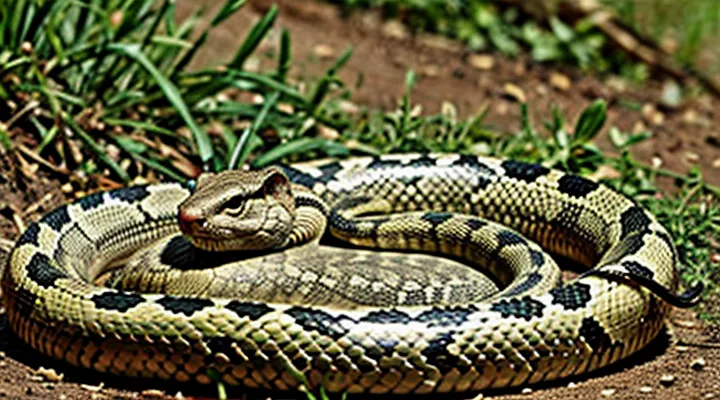
Do Snakes Eat Mice? The Short Answer
Yes, most snakes that hunt mammals will eat mice when the opportunity arises.
Mice match the size range preferred by many predatory snakes, are plentiful in most habitats, and provide a balanced mix of protein, fat, and moisture essential for growth and reproduction.
Common snake groups that regularly consume mice include:
- Colubrids such as corn snakes (Pantherophis guttatus) and rat snakes (Pantherophis spp.)
- Boas, including the common boa (Boa constrictor) and the rosy boa (Lichanura trivirgata)
- Pythons, for example the ball python (Python regius) and the Burmese python (Python bivittatus)
- Vipers like the rattlesnake (Crotalus spp.) and the copperhead (Agkistrodon contortrix)
Snakes capture mice by striking, injecting venom (in venomous species), or coiling and applying pressure until the prey suffocates. After a successful kill, a snake typically consumes the entire animal, beginning with the head, and may take several days to fully digest the meal.
For captive snakes, mice are the standard prey item. Recommended feeding practices are:
- Offer appropriately sized mice (no larger than one‑third of the snake’s girth).
- Provide live or pre‑killed rodents depending on the species’ hunting instincts.
- Adjust feeding frequency to the snake’s age and metabolic rate—juveniles may need meals every 5‑7 days, adults every 10‑14 days.
These facts confirm that mice constitute a primary food source for a wide range of predatory snakes.
The Serpent's Supper: Why Mice Are a Preferred Prey
Nutritional Value of Mice for Snakes
Mice supply a compact source of nutrients that align with the dietary requirements of most serpents. The animal’s body composition delivers high‑quality protein, essential fats, minerals, and water in a readily digestible package.
- Protein: 55–65 % of dry mass, providing amino acids necessary for tissue repair and growth.
- Fat: 15–20 % of dry mass, furnishing energy for active digestion and thermoregulation.
- Calcium‑phosphorus ratio: approximately 1.5 : 1, supporting skeletal development and muscle function.
- Micronutrients: vitamin B‑complex, vitamin E, and trace minerals (zinc, iron, selenium) present in amounts sufficient for metabolic processes.
- Moisture: 70–80 % of fresh weight, reducing the need for additional water intake.
Energy density averages 4.5–5.5 kcal g⁻¹ of dry matter, allowing snakes to meet caloric demands with relatively few prey items. The small size of mice matches the gape limits of many species, ensuring efficient capture and ingestion without excessive handling time. Digestive enzymes in snakes efficiently break down rodent tissue, resulting in rapid assimilation of nutrients and minimal waste.
Overall, the nutrient profile of mice meets the macronutrient balance, mineral ratios, and hydration needs that underpin healthy growth, reproduction, and maintenance in serpentine predators.
Availability of Mice in Snake Habitats
Mice constitute the primary prey for many snake species; their presence directly influences snake foraging success. In regions where rodent populations thrive, snakes exhibit higher encounter rates and increased feeding frequency.
Typical environments supporting robust mouse numbers include:
- Temperate grasslands with dense herbaceous cover
- Deciduous and mixed forests containing seed-bearing understory
- Agricultural fields where grain crops provide abundant food for rodents
- Urban peripheries where waste and compost attract mice
Seasonal fluctuations shape mouse availability. Spring and early summer bring rapid breeding cycles, leading to population peaks that coincide with the active period of most temperate snakes. Autumn declines in rodent numbers often force snakes to shift to alternative prey or reduce activity.
Several ecological variables regulate mouse abundance:
- Precipitation patterns that affect vegetation growth and seed production
- Habitat complexity, which offers shelter and nesting sites
- Predator pressure from birds of prey, mammals, and other snakes
- Human land use, including farming practices and waste management
When mouse densities rise, snakes expand their hunting territories, increase movement rates, and may exhibit heightened growth and reproductive output. Conversely, low rodent availability can limit snake body condition, reduce clutch size, and prompt migration to more productive habitats.
Evolutionary Adaptations for Mouse Predation
Snakes have evolved a suite of physical and physiological traits that enable efficient capture and consumption of small mammals such as mice. Their elongated bodies and flexible skulls allow the mouth to expand dramatically, accommodating prey that may be several times larger than the snake’s head. Specialized teeth—typically recurved and angled backward—anchor the mouse during the strike, preventing escape.
Sensory systems complement these morphological features. Infrared-sensitive pit organs in many pit vipers detect the heat signature of a mouse’s body, while advanced chemoreceptors in the vomeronasal organ locate scent trails left by the animal. These inputs converge in the brain to produce rapid, directed strikes.
Venom composition further enhances predation success. Neurotoxic components immobilize the mouse within seconds, reducing the risk of injury to the snake. In constrictor species, muscular coils generate pressure that exceeds the prey’s circulatory tolerance, leading to rapid loss of consciousness.
Key adaptations can be summarized as follows:
- Jaw articulation: Highly kinetic skull with multiple movable joints.
- Dentition: Curved, recurved fangs and teeth for secure grip.
- Sensory organs: Infrared pits, advanced olfactory receptors, and motion-sensitive eyes.
- Venom or constriction: Chemical immobilization or mechanical suffocation.
- Metabolic efficiency: Low basal metabolic rate permits extended periods between meals, allowing snakes to endure long hunts without immediate energy intake.
Collectively, these traits form a coordinated system that maximizes the snake’s ability to locate, subdue, and ingest mouse prey across diverse habitats.
How Snakes Catch and Consume Mice
Hunting Strategies of Snakes
Ambush Predation
Snakes that target small mammals often rely on ambush predation, a strategy that minimizes energy expenditure while maximizing capture success. The predator remains motionless, typically concealed beneath leaf litter, rocks, or within burrows, waiting for prey to approach within striking distance. When a mouse or similar rodent passes, the snake launches a rapid strike, delivering venom or constriction to immobilize the victim before it can escape.
Key characteristics of ambush predation include:
- Camouflage: Skin patterns and coloration blend with the environment, reducing detection by prey.
- Sit‑and‑wait positioning: Body orientation aligns with common travel routes of rodents, such as near burrow entrances or along established foraging paths.
- Sensory triggers: Thermal receptors, vibration-sensitive pits, and chemosensory organs detect the presence of warm‑blooded prey at close range.
- Explosive strike: Muscular contraction generates a sudden forward thrust, covering distances up to one‑half the snake’s body length in milliseconds.
- Immediate subdual: Venomous species inject neurotoxic or hemotoxic compounds; non‑venomous constrictors apply pressure to halt circulation.
Species that exemplify this method include the common garter snake (Thamnophis sirtalis), which often hides under logs to capture field mice, and the Egyptian cobra (Naja haje), which positions itself near rodent tunnels to deliver a venomous bite. Studies show that ambush predators achieve capture rates between 30 % and 70 % per strike, depending on prey vigilance and environmental complexity.
Ambush predation contrasts with active foraging, where snakes pursue moving targets across open terrain. The former reduces metabolic demand but requires precise timing and effective concealment; the latter increases exposure to predators and depletes energy reserves. In ecosystems where small mammals are abundant and shelter is plentiful, ambush tactics provide a reliable means for snakes to secure rodents as a primary food source.
Active Foraging
Active foraging describes a predator’s deliberate movement through its environment to locate and capture prey, rather than waiting passively for a chance encounter. Snakes that pursue small mammals such as mice exemplify this behavior, employing constant locomotion, chemical tracking, and visual cues to maintain contact with moving targets.
During active foraging, snakes rely on a combination of sensory systems. Chemoreceptors in the forked tongue detect volatile compounds released by rodents, creating a gradient that guides the snake’s path. Simultaneously, the pit organs of pit vipers and some boas register infrared radiation, allowing detection of the mouse’s body heat against the background. These inputs generate a real‑time map of prey location, prompting the snake to adjust its trajectory without pausing.
Physiological adaptations support sustained pursuit. Muscular endurance, facilitated by a high proportion of slow‑twitch fibers, enables prolonged slithering across varied substrates. Metabolic efficiency, achieved through a low basal metabolic rate, conserves energy during extended searches. The flexible jaw structure permits rapid expansion to ingest prey that may be larger than the snake’s head, reducing the need for multiple capture attempts.
Active foraging influences prey selection and capture success. Studies show that snakes employing this strategy capture a higher proportion of agile rodents compared with ambush predators that rely on camouflage. The continuous movement reduces the chance of prey escape, as the snake can adjust its strike angle and timing based on the mouse’s evasive maneuvers.
Environmental factors modulate the effectiveness of active foraging. Dense leaf litter and complex burrow networks increase search time, while open terrain enhances detection range for chemical and thermal cues. Seasonal temperature shifts affect the snake’s activity level; warmer periods expand the window for foraging, whereas cooler months limit movement and may prompt a shift to sit‑and‑wait tactics.
Key points summarizing active foraging in snake‑mouse interactions:
- Continuous locomotion guided by chemosensory and infrared detection.
- Muscular and metabolic traits that sustain prolonged pursuit.
- Higher capture rates of agile rodents relative to ambush methods.
- Habitat structure and temperature directly impact search efficiency.
Understanding active foraging clarifies how snakes maintain a reliable supply of small mammal prey, supporting their role as effective predators in diverse ecosystems.
The Strike and Constriction
Snakes capture mice through a two‑stage process: an explosive strike followed by constriction. The strike delivers a sudden burst of force that drives the fangs into the prey’s neck or head region. Muscles in the snake’s body contract at speeds exceeding 2 m s⁻¹, generating peak accelerations of up to 200 g. This rapid motion positions the jaws within a few centimeters of the target, allowing the venom glands (in venomous species) or the teeth (in non‑venomous species) to engage the mouse instantly.
After the fangs embed, the snake coils around the rodent and tightens the grip in rhythmic cycles. Each coil exerts pressure that can reach 30–40 psi, sufficient to collapse the prey’s circulatory system and impede respiration. The constriction rhythm typically involves 1–2 contractions per second, producing a progressive increase in force until the mouse loses consciousness, usually within 10–30 seconds. Blood flow cessation and neural shutdown combine to immobilize the prey quickly, after which the snake proceeds to swallow.
- Strike velocity: up to 2 m s⁻¹
- Maximum bite force: 30–50 N (species dependent)
- Constriction pressure: 30–40 psi
- Time to incapacitation: 10–30 seconds
The coordinated sequence of strike and constriction enables snakes to subdue agile rodents efficiently, minimizing the risk of injury and ensuring successful ingestion.
Digestion Process
Snakes that capture rodents begin digestion immediately after swallowing. Their jaws separate, allowing the prey to be positioned head‑first, which reduces resistance as the body moves through the esophagus. Muscular contractions, known as peristalsis, push the mouse toward the stomach, where powerful enzymes and acids break down proteins, fats, and carbohydrates.
The stomach secretes a mixture of hydrochloric acid and proteolytic enzymes, primarily pepsin, creating a highly acidic environment (pH 1–2). This environment denatures muscle fibers and accelerates protein hydrolysis. Simultaneously, lipases begin lipid digestion, while carbohydrate‑digesting enzymes act more slowly because snakes rely primarily on protein for energy.
Absorption occurs in the small intestine, which expands to accommodate the large, partially digested bolus. The intestinal lining secretes additional enzymes—trypsin, chymotrypsin, and amylase—to complete macromolecule breakdown. Nutrients pass through villi into the bloodstream, supplying the snake with amino acids, fatty acids, and glucose.
Key stages of the process:
- Ingestion: Head‑first entry, esophageal peristalsis.
- Stomach digestion: Acidic pH, protease activity, lipid emulsification.
- Intestinal absorption: Enzyme secretion, nutrient uptake, villi expansion.
- Excretion: Waste material moves to the cloaca for elimination.
Metabolic rate adjusts to the size of the meal; larger prey prolongs digestion, extending the interval between subsequent feedings. The efficiency of this system enables snakes to survive long periods without additional food.
Different Snake Species and Their Mouse-Eating Habits
Common Mouse-Eating Snakes
Garter Snakes
Garter snakes (genus Thamnophis) are widespread colubrids that primarily eat insects, amphibians, and fish, but they also take small mammals when available. Adult individuals measuring 60–100 cm can ingest juvenile house mice (≈5–10 g) that fit within the snake’s gape; larger rodents exceed the physical limits and are rejected.
Hunting relies on chemical detection of prey trails, followed by a quick strike and mild constriction to subdue the mouse. Digestion begins within minutes, aided by high gastric acidity that breaks down fur and bone. Garter snakes digest mouse prey faster than larger snake species because of their higher metabolic rate.
Mice represent a seasonal supplement rather than a staple. During spring, when newborn mice emerge, garter snakes increase rodent consumption. In summer and autumn, diet shifts back toward amphibians and invertebrates, reflecting prey availability.
Key points
- Maximum prey size ≈ one‑third of snake length.
- Juvenile mice are the largest vertebrate prey regularly accepted.
- Chemical cues guide detection; strike speed averages 0.2 s.
- Digestive efficiency allows complete breakdown of mammalian tissue within 24–48 h.
- Rodent intake peaks in spring, declines with seasonal prey changes.
Corn Snakes
Corn snakes (Pantherophis guttatus) are medium‑sized colubrids native to the southeastern United States. Their natural prey consists primarily of small rodents, especially house mice (Mus musculus). Field observations confirm that adult corn snakes regularly capture and ingest live mice, using constriction to subdue the victim before swallowing whole.
Key characteristics of corn snake predation on mice:
- Hunting method: Ambush or active pursuit; the snake strikes, wraps its body around the mouse, and applies pressure until the prey is immobilized.
- Size match: Adult corn snakes (120–180 cm) can accommodate mice up to 30 g; larger individuals may consume multiple mice in a single feeding event.
- Digestive efficiency: After ingestion, gastric enzymes and elevated body temperature reduce the mouse’s mass by up to 90 % within 24 hours, allowing rapid nutrient absorption.
- Seasonal variation: Feeding frequency peaks in spring and early summer when mouse populations increase; during colder months, snakes reduce activity and may fast for weeks.
Juvenile corn snakes shift from invertebrate prey to vertebrates as they grow, typically transitioning to mice by the third shed. Captive breeding programs replicate this dietary progression to ensure proper growth and health. The reliance on mice makes corn snakes valuable biological control agents in agricultural settings, where they help regulate rodent populations without chemical interventions.
Rat Snakes
Rat snakes (genus Pantherophis) are a group of non‑venomous colubrids native to North America. Their common name reflects a primary dietary component: rodents, especially mice and rats. These snakes locate prey through a combination of visual cues and heat‑sensing pits located on the upper labial scales, allowing detection of warm‑blooded mammals in low‑light conditions.
Typical prey items include:
- House mice (Mus musculus)
- Norway rats (Rattus norvegicus)
- Pocket gophers and other small mammals
- Occasionally birds, eggs, and amphibians
The hunting sequence begins with a rapid strike, delivering a firm grip with the jaws. Rat snakes employ constriction, tightening their coils until the prey’s circulatory system collapses, leading to rapid death. After subduing the animal, the snake swallows it whole; the flexible skull and expandable body accommodate prey up to one‑third the snake’s length.
Habitat preferences align with rodent abundance. Rat snakes occupy forests, grasslands, agricultural fields, and suburban areas where they exploit burrows, fallen logs, and human structures for shelter and hunting grounds. Seasonal activity peaks in spring and summer, coinciding with increased rodent activity. In colder months, individuals enter brumation in underground dens or rock crevices, reducing metabolic demands until temperatures rise.
Reproductive biology supports population stability. Females lay clutches of 10–30 eggs in concealed sites such as rotting wood or leaf litter. Incubation lasts 60–70 days; hatchlings emerge at 15–20 cm, already capable of capturing small mice. Juveniles experience high mortality, primarily due to predation and competition for limited prey.
Conservation status varies regionally. While many rat snake species are abundant and adapt well to human‑altered landscapes, habitat loss and persecution reduce numbers in some locales. Legal protection exists in several states, and public education campaigns emphasize their role in controlling rodent populations, reducing the need for chemical pest control.
In summary, rat snakes are efficient rodent predators, relying on visual and thermal detection, constriction, and a flexible digestive system to consume mice and related prey. Their ecological niche contributes directly to regulating small mammal populations across diverse North American habitats.
Pythons and Boas
Pythons and boas are among the most frequently cited examples of snakes that regularly consume rodents such as mice. Both families employ constriction, tightening their bodies around prey until circulation ceases, then swallowing the animal whole. Their anatomical adaptations—flexible jaws, expandable ribs, and powerful musculature—allow ingestion of prey up to the diameter of their own head.
Python species, particularly the Burmese and ball python, often target mice as juvenile prey. Adult pythons can handle larger mammals, yet they continue to eat mice when available, especially in captive environments where rodents are provided as staple food. Boas, including the common boa constrictor and the rosy boa, display similar preferences. In the wild, boas may capture mice opportunistically, while larger individuals shift toward birds, rabbits, or small mammals.
Key comparative facts:
- Hunting strategy – Both groups rely on ambush; pythons tend to use burrows or leaf litter, whereas boas frequently position themselves in trees or on the ground.
- Prey size relative to snake – Juvenile pythons and boas typically consume mice that weigh 2–5 % of the snake’s body mass; adults may accept prey up to 30 % of their weight.
- Digestive timing – After swallowing a mouse, a python’s metabolism can increase up to 40 % of its basal rate, completing digestion in 48–72 hours. Boas exhibit a slightly slower rate, often requiring 60–96 hours for similar-sized meals.
- Frequency of consumption – In captivity, pythons are fed mice every 1–2 weeks, while boas receive mice every 2–3 weeks, reflecting differences in metabolic demand and growth patterns.
- Geographic distribution – Pythons are native to Africa, Asia, and Australia; boas inhabit Central and South America, as well as parts of the Caribbean. Both groups encounter mouse populations throughout these regions, reinforcing rodents as a reliable food source.
Overall, pythons and boas demonstrate consistent reliance on mice during early life stages, with physiological mechanisms optimized for efficient capture, constriction, and digestion of this common prey. Their role as rodent predators contributes to ecosystem balance by regulating small mammal populations.
Geographic Variations in Prey Selection
Snakes that specialize in rodent predation do not maintain a uniform diet across their range. Local prey communities, temperature regimes, and habitat structures drive distinct selection patterns, causing the proportion of mice in snake stomachs to rise or fall depending on geography.
In temperate zones with abundant field mice, such as the eastern United States, many colubrids and pit vipers consume mice as the primary energy source. In contrast, arid regions where small mammals are scarce force species like the sidewinder rattlesnake to rely more on lizards and insects. Coastal wetlands, where amphibians dominate, see water snakes favoring frogs over rodents. These shifts reflect adaptive foraging strategies that maximize caloric intake while minimizing search effort.
Typical geographic variations include:
- North America (eastern forests): >70 % of prey items are house mice and field mice.
- Europe (Mediterranean scrub): 30–50 % mice, with a substantial portion of diet consisting of lizards and small birds.
- Southeast Asia (tropical rainforests): mice represent 20–40 % of intake; amphibians and reptiles dominate the remainder.
- Sub‑Saharan Africa (savanna): mouse consumption drops below 15 %; rodents of the gerbil family and insect larvae become prevalent.
- Australia (desert interior): mouse intake rarely exceeds 10 %; snakes primarily capture marsupial juveniles and arthropods.
These regional differences influence predator‑prey dynamics, affect snake growth rates, and shape ecosystem energy flow. Recognizing geographic variation in prey selection clarifies why snake–mouse interactions cannot be generalized across continents.
The Ecological Impact of Snake Predation on Mouse Populations
Role in Ecosystem Balance
Snakes that hunt mice act as natural regulators of rodent populations. By removing a significant portion of juvenile and adult mice, they reduce the likelihood of unchecked population growth that can lead to agricultural damage and competition with native wildlife.
Predation limits the spread of diseases carried by rodents, such as hantavirus and leptospirosis. Fewer mice mean lower pathogen reservoirs, decreasing transmission risk to humans and other animals.
The decline in mouse numbers lessens pressure on seed banks and plant seedlings. With reduced herbivory, native vegetation experiences higher germination rates, which in turn supports a broader range of insect and bird species.
Reduced rodent activity also influences soil structure. Mice burrow and forage, disturbing soil layers; fewer burrows result in improved soil compaction and moisture retention, benefiting plant root systems.
Overall, snake predation on mice sustains ecosystem equilibrium through multiple, interconnected pathways:
- Direct control of rodent abundance
- Decrease in disease vectors
- Enhancement of plant regeneration
- Stabilization of soil conditions
These effects collectively preserve biodiversity and maintain the functional integrity of the habitats where both snakes and mice coexist.
Pest Control Benefits
Snakes that hunt rodents provide a biological alternative to chemical pest management. Their predation reduces mouse populations, which lowers the risk of crop damage and disease transmission.
Benefits of employing snakes for pest control
- Direct reduction of rodent numbers without pesticides.
- Decreased likelihood of pesticide resistance developing in target species.
- Lower environmental contamination of soil and water.
- Cost savings from reduced need for rodenticide purchases and application labor.
- Preservation of beneficial insects that might be harmed by broad‑spectrum chemicals.
Effective integration requires habitat features such as stone piles, log piles, and native vegetation to attract and sustain snake populations. Monitoring rodent activity and snake presence ensures that biological control remains balanced and that non‑target wildlife is not adversely affected.
Impact on Rodent-Borne Diseases
Snakes that prey on mice directly influence the prevalence of pathogens carried by rodents. By consuming individual rodents, snakes remove potential hosts for viruses, bacteria, and parasites, thereby altering the transmission dynamics of several zoonotic diseases.
Predation reduces the density of mouse populations, which limits the opportunities for pathogen amplification. Lower rodent numbers translate into fewer human exposures to agents such as:
- Hantavirus
- Leptospira spp.
- Salmonella enterica
- Plague‑causing Yersinia pestis
When rodent abundance declines, the basic reproduction number (R₀) for these agents often falls below the threshold required for sustained outbreaks. Consequently, the risk of community‑wide infection decreases.
Ecological balance matters; excessive predation can disrupt food webs, potentially allowing other pest species to fill the vacant niche. Conversely, insufficient snake presence may permit rodent populations to surge, increasing the likelihood of disease spillover to humans and domestic animals.
Public‑health programs that preserve native snake habitats contribute to natural disease regulation. Integrating snake conservation into vector‑control strategies offers a cost‑effective complement to chemical and mechanical rodent‑management measures.
Are There Any Snakes That Don't Eat Mice?
Specialized Diets
Bird Eaters
Bird‑eating predators span reptiles, mammals and avian hunters. Each group employs distinct hunting strategies that enable capture of feathered prey across diverse habitats.
Snakes that target birds exhibit adaptations for aerial or nest attacks. Arboreal species, such as the green tree python (Morelia viridis), strike from branches to seize roosting birds. Ground‑dwelling vipers, including the eastern diamondback (Crotalus adamanteus), infiltrate nests and consume eggs and hatchlings. Some colubrids, like the common rat snake (Pantherophis obsoletus), exploit seasonal bird migrations by ambushing individuals near water sources.
Mammalian bird predators rely on speed, strength or stealth. The European red fox (Vulpes vulpes) raids ground nests, often after dark. Raccoons (Procyon lotor) manipulate nest structures to access eggs and nestlings. Small carnivores such as the stoat (Mustela erminea) pursue fledglings in grasslands.
Avian hunters dominate the bird‑eating niche. Raptors possess keen vision and powerful talons for mid‑air captures. Typical examples include:
- Red-tailed hawk (Buteo jamaicensis): captures songbirds during low‑altitude flights.
- Peregrine falcon (Falco peregrinus): executes high‑speed dives to strike medium‑sized birds.
- Barn owl (Tyto alba): hunts nocturnally, relying on silent flight to locate roosting birds.
The convergence of anatomical features—sharp teeth, talons, strong jaws—and behavioral tactics defines the efficiency of these predators. Their impact on bird populations influences ecosystem dynamics, affecting prey availability for other species and shaping community structure.
Fish Eaters
Fish‑eating predators occupy a distinct niche within the carnivorous spectrum. Snakes such as the Northern water snake (Nerodia sipedon) and the mangrove snake (Boiga dendrophila) specialize in capturing fish by striking from submerged positions or ambushing near water edges. Their elongated bodies and laterally compressed heads facilitate rapid lateral motion, allowing precise targeting of swift prey.
Other vertebrate fish eaters include:
- Birds: Osprey (Pandion haliaetus) grasps fish with talons, lifts them into flight, and dismembers them with a sharp beak. Kingfishers dive vertically, using binocular vision to gauge distance and speed.
- Mammals: River otters (Lutra canadensis) employ webbed paws and dense fur for underwater pursuit, while the African civet (Civettictis civetta) hunts small fish in shallow streams using tactile whiskers.
- Reptiles: The American alligator (Alligator mississippiensis) employs a powerful bite to seize fish, then drags prey underwater to drown it.
Physiological adaptations supporting piscivory include:
- Sensory specialization: Lateral line systems in aquatic reptiles detect water vibrations; electroreceptors in some fish‑eating mammals sense muscular contractions.
- Dental morphology: Sharp, recurved teeth prevent escape; some species possess interlocking dentition to grip slippery bodies.
- Digestive efficiency: Enzymes capable of breaking down high‑protein, low‑fat fish tissue accelerate nutrient absorption.
Ecologically, fish‑eating predators regulate aquatic populations, influence trophic cascades, and contribute to nutrient transfer between water and terrestrial ecosystems. Their presence indicates healthy water quality and balanced food webs.
Insect Eaters
Snakes that specialize in insects occupy a distinct niche among carnivorous reptiles. Their diets consist almost exclusively of arthropods such as beetles, ants, termites, and centipedes. These predators rely on rapid strikes, elongated jaws, and flexible skulls to subdue prey that often possesses defensive chemicals or hard exoskeletons.
Key characteristics of insect‑eating snakes include:
- Small to moderate body length, facilitating maneuverability in leaf litter and underground tunnels.
- Dentition adapted for gripping slippery or armored insects; some species possess rear‑fanged teeth that deliver mild venom to immobilize prey.
- Highly developed chemosensory organs that detect pheromones and chemical trails left by insects.
Examples of obligate insectivores:
- Leptotyphlops spp. – blind snakes that feed on ants and termite larvae, using a smooth, cylindrical body to infiltrate nests.
- Calamaria spp. – dwarf burrowing snakes that hunt earthworms and soft‑bodied insects in forest soils.
- Hemerophis lineatus – a slender racer that captures beetles and grasshoppers on the forest floor.
In contrast, many snake species that consume rodents employ larger gape widths, stronger muscular contractions, and more potent venom to overcome vertebrate prey. The divergence in hunting strategy underscores the adaptive flexibility of serpents: some evolve to exploit abundant insect populations, while others target mammals such as mice. Understanding these dietary specializations clarifies how snakes fit into broader predator–prey dynamics across ecosystems.
Egg Eaters
Egg consumption represents a distinct feeding niche among carnivorous vertebrates. Certain snakes forego typical prey such as rodents and focus almost exclusively on bird or reptile eggs.
The African egg‑eating snake (Dasypeltis spp.) lacks functional teeth and employs highly flexible jaws to swallow eggs whole. After ingestion, specialized vertebral processes crush the shell, allowing the interior to flow into the digestive tract. This species demonstrates rapid growth rates when egg intake is consistent, indicating efficient nutrient extraction from a single food item.
Other serpents, including the king cobra (Ophiophagus hannah), supplement their diet with eggs during breeding seasons of local avifauna. These snakes retain conventional dentition but display a willingness to exploit stationary egg resources when available.
Reptilian and avian predators beyond snakes also target eggs. Monitor lizards (Varanus spp.) rip open nests with powerful claws, while certain gulls and crows break shells with beaks. Mammalian examples include the honey badger (Mellivora capensis), which uses strong forelimbs to access nests.
Adaptations facilitating egg predation include:
- Reduced or absent teeth to prevent shell damage (e.g., Dasypeltis).
- Enlarged tracheal and esophageal muscles for expanding the throat around large eggs.
- Reinforced cervical vertebrae that act as internal crushing tools.
- Enhanced visual acuity for locating concealed nests.
These physiological traits enable egg‑eating predators to exploit a reliable, protein‑rich resource distinct from the typical vertebrate prey found in broader predator studies.