
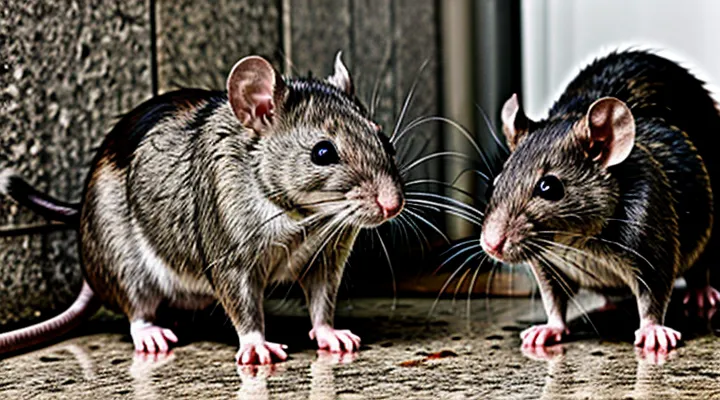
The Natural Grooming Habits of Rats
How Rats Keep Themselves Clean
Rats maintain hygiene primarily through self‑grooming. They use their forepaws to clean the face, ears, and whiskers, then rub their bodies against surfaces to reach harder‑to‑access areas. This behavior removes debris, distributes natural oils, and reduces parasite load.
Key self‑grooming actions include:
- Scratching with hind limbs to dislodge loose fur and dirt.
- Licking coat to dissolve contaminants and spread saliva, which contains mild antiseptic properties.
- Chewing on objects to trim overgrown nails and keep incisors at functional length, preventing injuries that could harbor infection.
Environmental factors support cleanliness. Rats prefer nesting material that absorbs moisture and waste, which they replace regularly. They also select cage corners for urination, keeping the rest of the enclosure drier and less prone to bacterial growth.
Diet contributes to coat condition. High‑protein foods provide essential amino acids for healthy fur, while adequate water intake ensures skin elasticity, facilitating effective grooming. Supplements such as omega‑3 fatty acids further enhance fur sheen and reduce skin irritation.
Overall, rats rely on instinctive grooming routines, appropriate habitat design, and balanced nutrition to stay clean without external bathing.
Factors Affecting a Rat's Self-Grooming
Age and Health Considerations
Bathing decisions for pet rodents must reflect the animal’s developmental stage and current health status.
Young rats, particularly neonates and weanlings, possess thin skin and limited thermoregulation. Immersion in water below body temperature can trigger hypothermia, while excessive moisture may disrupt the natural oil balance that protects their delicate epidermis. Consequently, routine baths are unsuitable for this age group; cleaning should rely on spot‑wiping with a damp cloth and regular cage maintenance.
Adult rats generally tolerate brief, warm water exposure when necessary for severe soiling or parasite removal. Their skin is more resilient, yet they remain prone to stress‑induced respiratory issues if water splashes into the nasal passages. A shallow basin of lukewarm water (approximately 30 °C/86 °F) for no longer than two minutes minimizes risk. Immediate drying with a low‑heat hair dryer or soft towel prevents chilling and skin irritation.
Senior rats often develop arthritis, reduced mobility, and thinning fur. Handling during a bath may exacerbate joint pain and increase the likelihood of injury. When bathing is unavoidable, support the animal’s body with a padded surface, limit exposure to under one minute, and keep the water temperature stable to avoid shock.
Health conditions influencing bathing frequency include:
- Respiratory infections: water in the nose can worsen congestion; avoid baths until recovery.
- Skin disorders (e.g., dermatitis, fungal infections): veterinary‑prescribed medicated washes may be required, but only under professional guidance.
- Obesity: limited agility raises the risk of slipping; use a non‑slip mat and assist the rat’s movements.
- Dental or oral pain: stress from submersion may aggravate discomfort; consider alternative cleaning methods.
Overall, assess each rat individually, prioritize minimal stress, and reserve full immersions for cases where hygiene cannot be maintained through cage cleaning and targeted spot treatment.
Environmental Influences
Environmental conditions directly affect a rat’s need for external cleaning. High humidity, poor ventilation, and accumulations of waste increase skin moisture and bacterial growth, creating situations where bathing may become necessary. Conversely, a dry, well‑aerated enclosure with regular spot cleaning reduces the likelihood of skin problems that would otherwise require a full bath.
Key environmental variables include:
- Humidity level: Values above 60 % promote fungal proliferation and odor retention on the fur.
- Temperature fluctuations: Rapid shifts can cause sweating and oil buildup, especially in the ventral area.
- Substrate type: Absorbent bedding such as paper or aspen minimizes moisture retention; wood shavings can retain dampness and harbor parasites.
- Ventilation quality: Stagnant air leads to aerosolized waste particles settling on the coat.
- Cleaning frequency: Infrequent removal of droppings and urine creates a microenvironment conducive to skin irritation.
When these factors are controlled, routine bathing is rarely required. Targeted grooming—spot cleaning with a damp cloth—suffices for most domestic rats, preserving coat health while avoiding stress associated with full immersion.
When to Consider a Bath for Your Rat
Specific Situations Requiring Intervention
Excessive Soiling or Stains
Excessive soiling or stains on a rat’s fur signal a potential hygiene problem that may influence the decision to bathe the animal. Rats naturally groom themselves; persistent dirt indicates that self‑cleaning is insufficient. Common causes include a dirty cage, inadequate substrate, or a health condition that reduces grooming ability.
Signs of problematic soiling:
- Dark, greasy patches on the back or tail
- Wet or sticky areas around the anus or genital region
- Persistent odor despite regular cage cleaning
- Visible debris clinging to the coat
When these signs appear, the primary response should be a thorough cleaning of the living environment. Replace soiled bedding, disinfect food dishes, and ensure the cage is free of urine and feces. Regular spot cleaning reduces the need for full‑body baths, which can strip the rat’s natural oils and cause skin irritation.
If environmental measures fail and the rat’s coat remains stained, a brief, lukewarm bath may be necessary. Use a small amount of mild, pet‑safe shampoo, limit exposure to five minutes, and dry the animal completely with a soft towel before returning it to the cage. Monitor the skin for redness or dryness after bathing; persistent issues warrant veterinary evaluation.
Underlying health problems such as dental disease, obesity, or arthritis can impair a rat’s grooming capacity, leading to excess dirt. Veterinary assessment should follow any chronic soiling that does not improve with environmental changes, as treatment of the root cause may eliminate the need for bathing altogether.
Unpleasant Odors
Rats produce strong smells when urine, feces, and gland secretions accumulate on their fur. The odor originates mainly from bacterial breakdown of waste, which thrives in moist, unclean conditions. Regular grooming by the animal reduces but does not eliminate this risk; in captivity, limited movement and confined bedding can accelerate buildup.
Key factors influencing odor intensity:
- Diet rich in protein or strong‑smelling foods increases waste odor.
- Inadequate cage ventilation traps volatile compounds.
- Overcrowding raises stress, leading to excessive marking behavior.
- Lack of substrate changes allows urine to soak into fur.
Bathing a rat can temporarily remove surface contaminants, but water immersion also strips natural oils, disrupts skin microbiota, and may cause hypothermia. A brief, lukewarm rinse with a mild, rodent‑safe cleanser, followed by thorough drying, can reduce odor without harming the animal. Long‑term odor control relies on:
- Frequent cage cleaning and litter replacement.
- Providing absorbent bedding that wicks moisture away from fur.
- Offering chew toys and nesting material to encourage self‑grooming.
- Monitoring diet and eliminating foods that produce excessive waste.
In summary, unpleasant smells in rats stem from waste accumulation and environmental factors. Bathing offers only a short‑term solution; effective odor management depends on hygiene, ventilation, and proper husbandry practices.
Medical Conditions
Rats with dermatological disorders often require regular grooming to prevent worsening of skin lesions. Conditions such as mange, fungal infections, and bacterial dermatitis benefit from gentle, lukewarm baths using veterinary‑approved shampoos. Bathing removes excess debris, reduces bacterial load, and promotes healing when combined with appropriate topical medication.
Respiratory illnesses, including pneumonia and upper‑tract infections, can be aggravated by exposure to cold, damp environments. In such cases, bathing should be avoided or limited to brief, warm rinses that do not lower body temperature. Wet fur can impair thermoregulation, increasing the risk of hypothermia and respiratory distress.
Metabolic disorders, for example, diabetes mellitus, may cause dry, cracked skin that is prone to infection. Controlled bathing with a moisturizing, hypoallergenic cleanser can alleviate dryness, but frequency must be limited to prevent stress and dehydration. Monitoring weight and blood glucose after each bath helps assess tolerance.
Dental or gastrointestinal problems do not directly influence the need for bathing, yet stress from handling can exacerbate pain or nausea. Minimal handling, use of a calm environment, and quick, efficient cleaning reduce stress‑related complications.
Key considerations for bathing rats with medical conditions
- Verify veterinary recommendation before initiating any bathing regimen.
- Use water temperature between 30‑32 °C (86‑90 °F).
- Select a fragrance‑free, pH‑balanced cleanser formulated for small mammals.
- Limit bath duration to 2–3 minutes; dry the animal thoroughly with a low‑heat source or a soft towel.
- Observe for signs of distress, shivering, or respiratory difficulty; discontinue if symptoms appear.
- Record any changes in skin condition, weight, or behavior after each session.
Overall, bathing can be therapeutic for specific skin and metabolic issues, but it must be tailored to the individual’s health status to avoid exacerbating respiratory or systemic conditions.
Exposure to Harmful Substances
Rats kept in environments where toxic chemicals, cleaning agents, or contaminated food are present can absorb harmful substances through skin, fur, and ingestion. Direct contact with residues such as phenol‑based disinfectants, heavy‑metal dust, or pesticide sprays leads to dermal irritation, systemic toxicity, and increased risk of respiratory problems. Because rats groom themselves frequently, contaminants on the coat are readily transferred to the mouth, amplifying internal exposure.
Bathing can remove surface contaminants, reducing the load of hazardous agents before ingestion. However, the procedure must use safe, rodent‑compatible solutions; harsh soaps or high‑temperature water may damage the skin barrier, allowing greater absorption of residual toxins. A controlled rinse with lukewarm water and a mild, non‑ionic cleanser, followed by thorough drying, mitigates the risk of chemical buildup without compromising skin integrity.
Key considerations for managing exposure include:
- Identify and eliminate sources of toxic substances in the habitat.
- Use cleaning products labeled as safe for small mammals.
- Implement regular, gentle grooming or rinsing when contamination is likely.
- Monitor rats for signs of irritation, respiratory distress, or behavioral changes after exposure.
When harmful substances are present, a carefully managed bathing regimen serves as a practical intervention to lower toxic load and protect the animal’s health.
Risks and Benefits of Bathing a Rat
Potential Stress and Trauma
Bathing a rat can trigger acute stress responses. The animal’s natural grooming behavior relies on self‑maintenance; forced immersion disrupts this routine and activates the hypothalamic‑pituitary‑adrenal axis, raising cortisol levels. Elevated cortisol impairs immune function and can lead to weight loss if repeated.
Physical trauma may arise from handling errors. Rough gripping of the tail or limbs can cause bruising, skin abrasions, or joint dislocation. Water temperature that is too hot or too cold damages the delicate dermal layer, increasing susceptibility to infection.
Observable indicators of distress include:
- Rapid, shallow breathing
- Vocalizations or attempts to escape
- Aggressive biting or excessive grooming after the event
- Loss of appetite for 24–48 hours
Long‑term consequences of repeated baths may involve learned avoidance of human contact, heightened anxiety in novel environments, and chronic hyper‑vigilance. These behavioral changes reduce the rat’s welfare and complicate husbandry.
If hygiene is required, alternatives such as spot cleaning with a damp cloth, providing sand or dust baths, and ensuring a clean cage environment achieve sanitary goals without exposing the animal to unnecessary stress or injury.
Skin and Coat Health
Rats maintain skin and coat health primarily through self‑grooming. Their saliva contains enzymes that clean fur and distribute natural oils, preserving flexibility and preventing matting. Excessive bathing removes these oils, leading to dryness, irritation, and increased susceptibility to parasites.
Key points for preserving a rat’s integument without regular baths:
- Provide a dust‑free, dry enclosure to reduce soil and debris accumulation.
- Offer chewable toys and textured surfaces that encourage scratching and fur removal.
- Monitor fur for loss, clumping, or abnormal sheen; these may indicate skin infection or nutritional deficiency.
- Ensure a balanced diet rich in essential fatty acids, which support epidermal integrity.
- Use a damp cloth or pet‑safe wipes for spot cleaning only when the animal is visibly soiled.
If a rat becomes heavily soiled, a brief, lukewarm soak (no longer than five minutes) with a mild, rat‑approved shampoo can be performed, followed by thorough rinsing and immediate drying with a low‑heat source. Afterward, reapply a few drops of a veterinary‑recommended skin conditioner to restore lipid balance.
Overall, routine baths are unnecessary for skin and coat maintenance; regular grooming, clean housing, and proper nutrition are sufficient to keep the integument healthy.
Bonding Opportunities
Rats rarely require regular bathing; the decision to bathe a pet rat hinges on health needs rather than hygiene alone. When a bath is justified, the process offers a direct avenue for strengthening the owner‑rat bond.
Gentle handling of a damp rat encourages trust. Skin contact during rinsing and drying signals safety, while a calm voice reinforces reassurance. The brief, focused interaction creates a memorable positive association with the caretaker.
- Hand‑feeding favorite foods from the palm
- Offering soft grooming with a miniature brush
- Engaging in short, obstacle‑free play sessions
- Providing nesting material for collaborative building
Each activity supplies tactile feedback and eye contact, reinforcing the social connection without stressing the animal. Selecting the most comfortable method for the individual rat ensures a lasting, positive relationship.
The Proper Way to Bathe a Rat (If Necessary)
Essential Supplies for Bathing
Shallow Basin or Sink
A shallow basin or sink provides a controlled environment for cleaning pet rats when a bath is deemed necessary. The container should be wide enough for the animal to move without stress, yet shallow enough to prevent submersion. Fill it with lukewarm water—approximately 30 °C (86 °F)—and limit the depth to 1–2 cm. This temperature maintains core body heat while allowing the rat to splash without risk of hypothermia.
Before placing the rat in the basin, check the water for any residues of chemicals, detergents, or chlorine, as these irritate sensitive skin. Use distilled or filtered water, or let tap water sit for 24 hours to dissipate chlorine. Gently lower the rat, supporting its hindquarters, and allow it to groom for 1–2 minutes. Prolonged exposure is unnecessary; rats self‑clean efficiently, and excess soaking can strip natural oils.
After the brief immersion, remove the rat promptly. Pat it dry with a soft towel, then place it in a warm, draft‑free area until the fur is completely dry. Avoid using hair dryers, as forced airflow can cause stress and burns. Monitor the animal for signs of distress, such as rapid breathing or shivering, and intervene immediately if observed.
When a shallow basin is unavailable, a kitchen sink can serve as an alternative, provided the same depth and temperature guidelines are followed. Ensure the sink surface is clean, and use a non‑slippery mat or towel to give the rat traction. The sink’s larger size may allow more comfortable movement, but the risk of accidental falls into deeper sections increases; therefore, a guard or barrier should be set up to limit access to deeper water.
Key considerations for using a shallow container:
- Water temperature: 30 °C ±2 °C
- Depth: 1–2 cm
- Duration: ≤2 minutes
- Drying: towel, warm environment, no forced airflow
Following these protocols ensures that a shallow basin or sink can be employed safely, minimizing stress while addressing occasional hygiene needs.
Mild, Rat-Safe Shampoo
Rats rarely require regular bathing, but occasional cleaning may become necessary after exposure to contaminants, oil buildup, or skin irritation. When a wash is warranted, the choice of cleanser determines both safety and effectiveness.
A mild, rat‑safe shampoo possesses the following characteristics:
- pH balanced between 6.5 and 7.5 to match the animal’s skin.
- Free of sulfates, parabens, synthetic fragrances, and dyes.
- Contains natural moisturizers such as aloe vera, oatmeal, or chamomile.
- Labeled for small mammals or specifically for rodents.
Selection guidelines:
- Verify the product’s ingredient list for the items above; any presence of harsh detergents warrants rejection.
- Prefer formulations with a short, clear expiration date to ensure potency.
- Choose a brand that provides a safety data sheet or veterinary endorsement.
Application procedure:
- Prepare lukewarm water (approximately 30 °C) in a shallow, non‑slipping container.
- Dilute the shampoo according to the manufacturer’s ratio, typically one part shampoo to ten parts water.
- Gently submerge the rat, avoiding the head and ears; use a soft cloth to spread the solution over the body.
- Rinse thoroughly with clean water to remove all residue.
- Pat dry with a lint‑free towel and place the animal in a warm, draft‑free environment until completely dry.
Using a properly formulated, mild shampoo eliminates the risk of skin irritation, preserves the natural coat, and supports overall hygiene when baths become unavoidable.
Soft Towels
Soft towels are the preferred drying medium for small rodents after a brief, targeted cleaning session. Their low‑pile fibers reduce the risk of skin irritation and prevent the removal of delicate guard hairs. Because rats are prone to hypothermia, a towel with high absorbency and quick‑dry properties helps maintain body temperature while removing excess moisture.
When selecting a towel for rodent care, consider the following criteria:
- 100 % cotton or a cotton‑blend fabric; synthetic fibers may generate static electricity that can stress the animal.
- Thread count of 200 – 300; this range offers softness without excessive loft that could trap moisture.
- Pre‑washed, detergent‑free condition; residual chemicals can cause dermatitis.
- Size sufficient to envelop the rat without excessive folding; a 12 × 12 inch square typically fits adult specimens.
Application technique:
- Gently place the towel on a flat surface.
- Transfer the rat onto the towel, supporting the body to avoid sudden movements.
- Pat the fur lightly; avoid vigorous rubbing that could damage the skin.
- Allow the towel to remain until the animal is visibly dry, usually 1–2 minutes for a short cleaning.
- Store the towel in a clean, dry container to prevent bacterial growth.
Regular laundering at 60 °C (140 °F) eliminates pathogens that could be transferred during subsequent uses. Soft towels, when used correctly, provide a safe, efficient method for drying rats after hygiene procedures, supporting their health without the need for full‑body baths.
Warm Water
Warm water is the preferred medium when cleaning pet rats because it maintains skin integrity and encourages relaxation. Water temperature should be measured with a reliable thermometer and kept between 30 °C and 35 °C (86 °F–95 °F). Temperatures below this range cause shock, while temperatures above 38 °C (100 °F) risk burns.
When preparing a bath, follow these steps:
- Fill a shallow container with the specified warm water depth (no more than 2 cm).
- Add a few drops of a rat‑safe, unscented, hypoallergenic cleanser if necessary.
- Gently lower the rat, supporting its body to prevent panic.
- Allow the rat to soak for 30–60 seconds, observing for signs of distress.
- Rinse briefly with clean warm water to remove any residue.
- Pat dry with a soft towel and place the animal in a warm, draft‑free environment until fully dry.
Warm water also aids in the removal of oils and debris that accumulate on a rat’s fur, preventing skin irritation and potential infections. Regular, brief baths using the correct temperature reduce the likelihood of fungal growth without compromising the animal’s natural grooming behavior.
If a rat shows excessive stress, shivering, or attempts to escape the water, discontinue the bath immediately and reassess the temperature and handling technique. Consistent use of properly heated water ensures safe and effective cleaning while supporting overall health.
Step-by-Step Bathing Process
Preparation and Safety Precautions
When deciding whether to bathe a pet rat, thorough preparation and strict safety measures are essential to prevent stress and injury.
Gather the following items before starting:
- Small, shallow container that allows the rat to stand comfortably without submerging its head.
- Warm (not hot) water at a temperature between 30 °C and 35 °C.
- Pet‑safe, fragrance‑free shampoo formulated for small mammals.
- Soft towel for immediate drying.
- Disposable gloves to reduce the transfer of scents and to protect hands from accidental bites.
- A secure, escape‑proof work surface to keep the rat confined during the procedure.
Prepare the environment by removing sharp objects, securing cords, and ensuring the area is quiet. Test water temperature with a thermometer or the back of your hand; water that feels too hot can cause burns, while water that is too cold may induce hypothermia.
During the bath, follow these safety precautions:
- Place the rat gently in the shallow container; keep its head above water at all times.
- Apply a minimal amount of shampoo, lather quickly, and rinse thoroughly with a cup or gentle stream to avoid water pressure on the eyes and ears.
- Immediately wrap the rat in the towel, pat dry, and keep it in a warm, draft‑free location until completely dry.
- Observe the rat for signs of distress, such as rapid breathing, trembling, or prolonged immobility; discontinue the bath if any occur.
- Dispose of used water and sanitize the container before the next use.
After bathing, monitor the rat for 24 hours for changes in behavior, appetite, or coat condition. Any adverse reaction warrants veterinary consultation.
By adhering to these preparation steps and safety protocols, the risk of injury or stress is minimized, ensuring the procedure, if deemed necessary, is performed responsibly.
Gentle Washing Techniques
Rats rarely require full-body baths, but occasional gentle cleaning can prevent matting, skin irritation, and odor when the animal’s coat becomes soiled.
Effective washing follows a limited set of steps that protect the animal’s delicate skin and stress levels:
- Prepare a shallow container with lukewarm water (approximately 30 °C).
- Add a few drops of a pet‑safe, unscented shampoo formulated for small rodents.
- Submerge only the hindquarters or a specific dirty area; keep the head above water to avoid inhalation.
- Apply the shampoo with a soft fingertip or a tiny silicone brush, using slow, circular motions.
- Rinse thoroughly with clean lukewarm water, ensuring no residue remains.
- Pat dry with a lint‑free towel; avoid rubbing.
- Place the rat in a warm, draft‑free environment until completely dry, monitoring for signs of distress.
After washing, inspect the fur for remaining tangles and trim any overgrown nails if necessary. Regular grooming with a soft brush reduces the need for full baths and maintains coat health.
Thorough Rinsing
Rats rarely require full‑body baths, yet when a bath becomes necessary—after exposure to toxins, heavy soiling, or medical treatment—thorough rinsing is essential to prevent skin irritation and respiratory issues.
A complete rinse removes all soap residues, which can cause dermatitis or be inhaled during grooming. Residual detergent also attracts contaminants, undermining the purpose of the bath.
Effective rinsing procedure:
- Use lukewarm water (approximately 30–32 °C) to maintain body temperature.
- Apply a gentle stream, allowing water to flow over the entire coat without forcing pressure on the face or ears.
- Ensure water reaches the underarm and tail base areas, common sites for trapped suds.
- Continue until water runs clear and no bubbles appear on the fur.
- Pat the animal dry with a soft, absorbent towel; avoid vigorous rubbing that could damage delicate skin.
After rinsing, monitor the rat for signs of stress, shivering, or respiratory distress. Provide a warm, draft‑free environment until the animal is fully dry and active.
Drying Methods
When a pet rat is bathed, immediate drying prevents hypothermia and skin irritation. Effective drying methods include:
- Towel absorption – press a soft, lint‑free towel against the fur, gently blotting to remove excess moisture. Avoid vigorous rubbing that can damage delicate hair.
- Low‑heat airflow – use a hair dryer set to the coolest or lowest heat setting, holding it at least six inches from the animal. Continuous movement of the airflow prevents localized overheating.
- Ambient air drying – place the rat in a warm, draft‑free environment (approximately 24–26 °C) on a dry surface. Monitor for shivering; provide a heat pad if the animal shows signs of chill.
Each method should be applied promptly after the bath, with the animal kept under supervision until completely dry. Combining towel absorption with gentle airflow yields the quickest and safest results.
Alternatives to Full Baths
Spot Cleaning and Targeted Grooming
Using Damp Cloths
Using a slightly damp cloth is an effective method for maintaining the hygiene of pet rodents. The approach eliminates the need for full immersion, which can stress the animal and disrupt its natural oil balance.
A damp cloth removes surface dirt, saliva, and debris without saturating the fur. The moisture level should be enough to lift particles but not drench the coat; excess water can lead to hypothermia or skin irritation.
Key considerations when applying a damp cloth:
- Select a soft, lint‑free material to avoid skin abrasion.
- Moisten the cloth with lukewarm water; add a few drops of a pet‑safe, fragrance‑free cleanser only if the animal is particularly soiled.
- Gently wipe the body in the direction of hair growth, starting with the head and moving toward the tail.
- Pay special attention to the ventral area, paws, and around the ears where grime accumulates.
- Pat the rat dry with a clean towel before returning it to its enclosure.
Veterinary guidelines advise limiting full baths to cases of severe contamination or medical necessity. Regular use of a damp cloth meets daily cleanliness requirements while preserving the rat’s natural grooming behavior and skin health.
Grooming Wipes
Grooming wipes provide a practical solution for maintaining the hygiene of pet rats without resorting to full water baths. The wipes are pre‑moistened with mild, non‑irritating solutions that remove surface dirt, urine residue, and odor while preserving the animal’s natural skin oils.
Rats possess efficient self‑grooming behaviors; excessive bathing can disrupt their thermoregulation and strip protective fur oils. Consequently, most owners avoid regular immersion in water, favoring spot‑cleaning methods that address localized messes.
Effective wipes contain the following attributes:
- Alcohol‑free formulation to prevent skin irritation.
- pH‑balanced solution that matches the rat’s skin environment.
- Antimicrobial agents limited to safe concentrations, reducing bacterial load without harming beneficial flora.
- Soft, lint‑free fabric that minimizes fur pulling.
Proper application involves gently wiping the dorsal and ventral areas, avoiding the face and ears. Allow the fur to air‑dry; no additional drying equipment is required. Regular use, combined with cage cleaning and a balanced diet, sustains overall cleanliness while respecting the species’ grooming instincts.
Regular Cage Maintenance
Importance of a Clean Environment
A clean habitat is essential for the health of pet rodents. Accumulated waste, moisture, and food residues create breeding grounds for pathogens such as Salmonella, Streptobacillus, and parasites. Regular removal of soiled bedding, prompt cleaning of spills, and provision of fresh water reduce exposure to these agents and lower the incidence of respiratory and gastrointestinal illnesses.
When evaluating whether rats require bathing, the primary consideration is the environment in which they live. A well‑maintained cage with appropriate ventilation and frequent substrate changes eliminates the need for water immersion, which can strip natural skin oils and increase stress. If a rat’s coat appears dirty, spot cleaning with a damp cloth or a brief, low‑temperature shower is sufficient; comprehensive baths are unnecessary when the surroundings remain sanitary.
Key practices for maintaining a clean environment:
- Replace bedding weekly or sooner if soiled.
- Clean food dishes and water bottles daily.
- Disinfect cage surfaces with a rodent‑safe solution every two weeks.
- Provide chew toys and nesting material to encourage natural grooming behavior.
- Monitor for signs of mold, odor, or excess humidity and address immediately.
Bedding and Litter Choices
Choosing the right bedding and litter directly impacts a rat’s need for bathing. Absorbent, low‑dust substrates keep fur dry and reduce skin irritation, eliminating the primary reason owners might consider a bath.
- Paper‑based bedding (e.g., shredded newspaper, kiln‑dried paper pellets) – highly absorbent, virtually dust‑free, easy to replace.
- Aspen shavings – low in aromatic oils, moderate absorbency, minimal dust when properly processed.
- Hemp or coconut fibre – natural fibers, good moisture wicking, low allergen potential.
- Wood chips (e.g., pine, cedar) – high aromatic content, may cause respiratory issues; generally unsuitable for regular use.
Litter selection follows similar criteria. Effective litter traps urine and feces, limiting odor and moisture buildup that could necessitate a bath.
- Clay‑based clumping litter – strong clumping ability, but may retain moisture against the skin if not changed frequently.
- Recycled paper pellets – low dust, quick absorption, safe for frequent cleaning.
- Corn‑based pellets – biodegradable, absorbent, but can become soggy faster than paper products.
Regular replacement of bedding and litter prevents matting, reduces bacterial growth, and maintains a dry coat. When these materials are managed properly, rats typically remain clean without supplemental bathing.
Recognizing Signs of a Healthy Rat Coat and Skin
Indicators of Good Hygiene
Rats that are kept as pets demonstrate their hygiene status through observable physical cues. Clean fur, free of matted patches or excessive oil, signals effective grooming. The animal’s scent should be neutral; a strong, unpleasant odor often indicates skin infection or poor sanitation. Clear, bright eyes without discharge show that the surrounding environment is not overly dusty or contaminated. Healthy nails, trimmed naturally and not overgrown, reflect regular self‑care and adequate substrate quality. A well‑maintained cage, with dry bedding and no visible waste accumulation, further confirms proper hygiene practices.
Key indicators of good rat hygiene:
- Fur texture: smooth, glossy, and free of clumps.
- Odor: faint or absent, lacking ammonia‑like smell.
- Eye condition: transparent, no crusting or tearing.
- Nasal passages: clear, no discharge or crust.
- Skin integrity: no redness, scabs, or parasites visible.
- Nail length: proportionate to body size, not digging into pads.
- Cage cleanliness: bedding changed regularly, water bottle free of biofilm, food dishes washed daily.
Monitoring these signs enables owners to decide whether bathing is necessary. If all indicators remain optimal, bathing may be unnecessary and could disrupt the rat’s natural oil balance. Conversely, the appearance of any abnormality warrants a targeted cleaning approach, possibly including a brief, lukewarm bath with a rodent‑safe shampoo, followed by thorough drying. Consistent observation of the listed criteria ensures that hygiene standards are met without relying on routine baths.
When to Consult a Veterinarian
Persistent Odor
Rats emit a distinctive odor that persists despite regular cage cleaning. The scent originates from several sources:
- Sebaceous secretions from the skin and tail glands
- Urine and feces that cling to fur when the animal rolls in bedding
- Microbial activity on the coat, especially when humidity is high
Bathing can reduce surface contaminants, but it does not eliminate the underlying glandular secretions. Water alone removes loose debris; a mild, rodent‑safe detergent is required to dissolve oils that trap odor‑producing bacteria. Over‑bathing, however, strips protective lipids, leading to dry skin and increased susceptibility to infection, which may intensify odor over time.
For effective odor control without compromising health, follow a schedule that combines limited baths with routine grooming:
- Bathe a rat no more than once every four to six weeks, using a diluted enzymatic cleanser approved for small mammals.
- Immediately dry the animal with a low‑heat hair dryer or a soft towel to prevent chilling.
- Provide chew toys and textured surfaces to encourage self‑grooming, which naturally distributes oils and reduces buildup.
- Replace bedding weekly and maintain low humidity in the enclosure to inhibit bacterial growth.
These practices address persistent odor while preserving the rat’s skin integrity, demonstrating that regular baths are not a universal necessity but a targeted tool for odor management.
Skin Irritations or Hair Loss
Rats maintain coat condition through self‑grooming; however, external factors can provoke dermatitis or alopecia. Moisture accumulation, abrasive bedding, or harsh chemicals irritate the epidermis, leading to redness, scaling, and hair loss. Persistent lesions often indicate secondary infection, requiring veterinary assessment and targeted antimicrobial therapy.
Bathing can alleviate superficial irritants when performed correctly. Recommended practice includes:
- Using lukewarm water (≈30 °C) to avoid thermal stress.
- Applying a mild, rodent‑safe shampoo; rinse thoroughly to prevent residue.
- Drying with a soft, absorbent towel; avoid hair dryers or direct airflow.
- Monitoring the animal for signs of stress; discontinue if the rat becomes agitated.
Frequent bathing is unnecessary and may disrupt the natural lipid barrier, increasing susceptibility to dryness and dermatitis. Preventive measures reduce the need for washes:
- Provide low‑dust, non‑abrasive bedding (e.g., paper or aspen).
- Keep the enclosure dry and well‑ventilated to limit humidity.
- Inspect for parasites, wounds, or nutritional deficiencies that can trigger hair loss.
- Ensure a balanced diet rich in essential fatty acids and vitamins to support skin health.
If a rat exhibits ongoing irritation or patchy fur loss despite environmental adjustments, a veterinarian should evaluate for underlying conditions such as fungal infection, hormonal imbalance, or allergic reaction. Prompt diagnosis and appropriate treatment prevent progression to chronic skin disease.
Changes in Grooming Behavior
Rats groom themselves frequently, using their teeth and paws to remove debris and distribute natural oils. When environmental conditions shift—such as increased humidity, dust accumulation, or exposure to unfamiliar substrates—rats may alter the duration and intensity of self‑grooming sessions.
Elevated grooming activity often signals irritation or the presence of external contaminants that the animal cannot eliminate through normal behavior. Conversely, a marked decline in grooming can indicate discomfort, illness, or skin disorders that impede normal cleaning motions.
Key factors influencing grooming changes include:
- Housing cleanliness: Dirty cages or bedding prompt longer grooming bouts as rats attempt to compensate for external grime.
- Dietary composition: High‑fat or low‑fiber diets can affect skin oil production, leading to either excessive licking or reduced self‑cleaning.
- Health status: Parasite infestations, fungal infections, or respiratory issues manifest as altered grooming patterns, often accompanied by hair loss or skin lesions.
- Social dynamics: Dominance hierarchies may suppress grooming in subordinate individuals, while communal grooming increases in cohesive groups.
When rats cannot maintain adequate self‑grooming, supplemental cleaning may become necessary. Targeted bathing—performed with warm water and a mild, rodent‑safe cleanser—should be limited to situations where grooming deficits pose a health risk, such as persistent soiling or confirmed dermatological problems. Regular observation of grooming behavior provides an early indicator of when such intervention is warranted.