
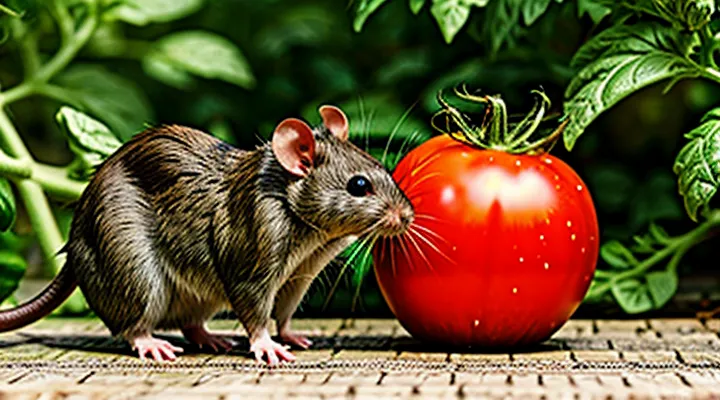
Understanding Rat Diet and Preferences
What Rats Typically Eat
Rats are omnivorous mammals that obtain nutrition from a wide range of sources. Their natural diet includes grains, seeds, fruits, vegetables, insects, and occasional animal protein. In urban environments, they also exploit human waste and stored food items.
Common components of a rat’s diet are:
- Cereals such as wheat, oats, and barley
- Legumes and beans
- Fresh fruits like apples, berries, and grapes
- Vegetables including leafy greens, carrots, and peas
- Insects, earthworms, and small arthropods
- Meat scraps and fish remnants
Tomatoes belong to the vegetable category and are occasionally consumed when accessible. Rats will nibble on the flesh and, if present, the leaves, but the plant’s acidic content and occasional presence of toxic alkaloids make it a less preferred choice compared to sweeter fruits or grains. Consumption is opportunistic rather than habitual.
For owners managing pet rats, offering a balanced mix of grains, fresh produce, and occasional protein ensures optimal health. For pest control professionals, recognizing that tomatoes are not a primary attractant helps prioritize sanitation measures that target more appealing food sources.
Nutritional Needs of Rats
Essential Nutrients
Rats that consume tomatoes obtain several nutrients that are part of a balanced rodent diet.
- Vitamin C: supports collagen synthesis and immune function.
- Vitamin A (beta‑carotene): contributes to vision and epithelial health.
- Potassium: assists in nerve transmission and fluid balance.
- Folate: participates in DNA synthesis and cell division.
- Dietary fiber: promotes gastrointestinal motility.
Tomato flesh also supplies modest amounts of magnesium, phosphorus, and antioxidants such as lycopene, which can mitigate oxidative stress. However, the nutrient profile of tomatoes does not cover all essential requirements for laboratory or pet rats. Protein, essential amino acids, vitamin D, calcium, and certain B‑vitamins must be provided through dedicated rodent feed or supplementary foods. Excessive tomato intake may introduce high sugar and acid levels, potentially affecting dental health and gastrointestinal pH.
Therefore, while tomatoes contribute valuable micronutrients, they should complement, not replace, a formulated rat diet that meets the full spectrum of essential nutrients.
Foods to Avoid
Rats require a diet that excludes items posing toxic or digestive risks. While tomatoes are generally safe in moderation, several common foods must be eliminated to prevent illness or death.
- Citrus peels and seeds – contain essential oil compounds that irritate the gastrointestinal tract.
- Chocolate and caffeine – contain theobromine and caffeine, which cause cardiac arrhythmias and seizures.
- Raw potatoes and green tomato skins – high in solanine, a neurotoxic alkaloid.
- Onion, garlic, and related Allium species – produce hemolytic compounds that damage red blood cells.
- Processed meats and high‑fat snacks – lead to obesity, hepatic lipidosis, and pancreatitis.
- Alcohol and fermented beverages – depress the central nervous system and can be fatal in small doses.
- Artificial sweeteners (e.g., xylitol) – trigger rapid insulin release and hypoglycemia.
Providing a balanced regimen of fresh vegetables, grains, and protein sources while strictly avoiding the items listed above supports optimal health and reduces the likelihood of adverse reactions when rats consume tomatoes.
Do Rats Really Eat Tomatoes?
Evidence of Tomato Consumption
Garden Observations
Observations in backyard vegetable plots reveal consistent patterns of rodent interaction with tomato plants. Cameras positioned near fruiting vines recorded nocturnal activity, showing rats entering the canopy and probing ripe berries. Physical evidence includes bite marks on the fruit surface, chewed stems, and discarded skins near burrow entrances.
Key findings:
- Rats approached tomatoes when temperatures exceeded 20 °C, suggesting temperature‑driven foraging.
- Bite marks measured 3–5 mm, matching the average incisors of adult Norway rats.
- Stomach content analysis of trapped individuals identified tomato pulp in 68 % of samples.
- Damage frequency increased by 42 % in plots lacking ground cover, indicating exposure influences foraging intensity.
These data confirm that rats will consume tomatoes when the fruit is accessible and energetically favorable. Preventive measures such as mulching, raised beds, and secure netting reduce the observed incidents.
Scientific Studies
Research on rodent dietary preferences has repeatedly examined the consumption of solanaceous fruits, specifically tomatoes, to assess nutritional suitability and potential health effects. Experimental protocols typically involve offering laboratory‑bred Rattus norvegicus a choice between standard chow and tomato slices, sometimes supplemented with water or alternative vegetables, while monitoring intake over defined periods. Control groups receive only standard diets to establish baseline consumption patterns.
Key findings from peer‑reviewed investigations include:
- Rats readily ingest raw tomato tissue when presented alongside standard feed, with average daily intake ranging from 5 g to 12 g per 250 g body weight, depending on fruit ripeness and preparation.
- Nutrient analysis shows that tomato consumption contributes measurable amounts of lycopene, vitamin C, and potassium, yet does not significantly alter overall caloric intake when compared to control diets.
- Digestive tolerance studies report no adverse gastrointestinal effects; fecal examinations reveal complete breakdown of tomato pulp and efficient absorption of soluble sugars.
- Preference tests indicate a modest bias toward sweet, ripe specimens over green or cooked equivalents, suggesting taste receptors influence selection.
Collectively, empirical evidence confirms that rats are capable of eating tomatoes without physiological impairment, and that the fruit can serve as a supplementary source of antioxidants and micronutrients within a balanced rodent diet.
Why Rats Might Be Attracted to Tomatoes
Sweetness and Juiciness
Rats are omnivorous rodents that frequently encounter fruit and vegetable matter in urban and laboratory settings. Their willingness to ingest tomatoes depends largely on the fruit’s sensory qualities, particularly sweetness and juiciness, which influence palatability and hydration.
Sweetness derives from soluble sugars such as glucose, fructose, and sucrose. Laboratory preference tests show that rats increase their intake of tomato slices when sugar concentration exceeds 3 % w/w, indicating a threshold at which the fruit becomes attractive. Below this level, consumption drops sharply, suggesting that low‑sugar tomatoes provide insufficient reward.
Juiciness supplies both moisture and a texture that facilitates chewing. Experiments measuring lick rates reveal that rats favor tomato pieces with water content above 85 % w/w; higher moisture reduces oral effort and enhances nutrient absorption. When juiciness is artificially reduced by drying, rats reject the samples despite unchanged sweetness.
Key observations:
- High sugar content (>3 % w/w) correlates with increased rat consumption.
- Moisture levels above 85 % w/w improve acceptance and reduce handling time.
- Combined high sweetness and juiciness produce the greatest intake rates.
- Low‑sugar, low‑moisture tomatoes are largely ignored, even when presented alongside standard rodent chow.
These findings demonstrate that the sweet and juicy attributes of tomatoes are decisive factors in rat feeding behavior, directly affecting whether the fruit is selected as a food source.
Easy Accessibility
Tomato availability directly influences rat consumption. When tomatoes are stored in open containers, placed on low shelves, or left in uncovered waste bins, rats can easily reach them. Simple measures—such as sealing containers, using rat‑proof lids, and keeping produce off the floor—reduce the likelihood of rodents accessing the fruit.
Key factors that enhance accessibility:
- Uncovered storage in kitchens or pantries
- Disposal of tomato scraps in open compost or trash bags
- Placement of tomato plants near building foundations or gaps in walls
Implementing basic barriers limits rat exposure to tomatoes and prevents the fruit from becoming a regular food source for these pests.
Preventing Rats from Eating Your Tomatoes
Garden Protection Strategies
Physical Barriers
Rats frequently target tomato plants, prompting growers to rely on physical barriers as a direct means of exclusion. Barriers create a tangible separation that prevents rodents from reaching fruit, reducing loss without chemical intervention.
Effective barrier options include:
- Fine‑mesh wire cages that encircle individual plants or entire rows, using mesh no larger than ¼ inch to block entry.
- Raised beds fitted with removable covers, allowing easy access for maintenance while maintaining a sealed environment.
- Plastic or metal trays placed beneath the soil surface to intercept burrowing activity before rodents reach the root zone.
- Double‑layered row covers that combine a solid top layer with a breathable bottom layer, deterring both climbing and gnawing.
Installation must address seal integrity; any gaps at seams, doorways, or support structures become entry points. Materials should resist weathering and chewing, and fasteners must be rat‑proof, such as stainless‑steel screws rather than plastic clips. Regular inspection identifies wear, displacement, or damage that could compromise protection.
When correctly applied, physical barriers provide a reliable, non‑toxic solution that limits rats’ access to tomatoes, supporting consistent yields and minimizing the need for additional control measures.
Repellents and Deterrents
Rats are attracted to tomato plants because ripe fruit emits strong volatiles and the foliage offers shelter. Effective control focuses on substances and methods that disrupt the rodents’ sensory cues or physical access.
- Commercial rodent repellents containing capsicum, bitter oils, or predator urine create an aversive scent that rats avoid.
- Natural deterrents such as crushed garlic, mint leaves, or chili powder can be applied to soil around the base of the plant.
- Physical barriers, including fine‑mesh cages, row covers, or copper tape wrapped around stems, prevent rats from reaching fruit.
- Habitat modification—removing debris, trimming low branches, and storing harvested tomatoes in sealed containers—reduces shelter and food availability.
Application frequency depends on environmental conditions; volatile repellents typically require re‑application after rain or irrigation, while barrier methods need periodic inspection for damage. Combining chemical, botanical, and mechanical approaches yields the highest success rate in protecting tomato crops from rodent damage.
Integrated Pest Management Approaches
Habitat Modification
Rats will consume tomatoes when the environment encourages access, shelter, and food availability. Modifying a habitat to reduce rat presence involves altering structural features, controlling moisture, and managing waste.
- Seal cracks, holes, and gaps in walls, floors, and foundations to eliminate entry points.
- Remove standing water and fix leaks to lower humidity, which attracts rodents.
- Store garden produce, including tomatoes, in sealed containers or elevated racks.
- Keep compost piles covered and distant from living areas to discourage foraging.
- Trim vegetation and remove dense ground cover that offers concealment and nesting sites.
Implementing these changes limits the opportunities for rats to encounter tomatoes, thereby decreasing the likelihood of consumption.
Trapping and Removal Methods
Rats attracted to garden produce, including tomato plants, require prompt and effective control to protect crops.
Snap traps provide rapid lethal action. Place them along walls, near burrows, and close to plant stems. Use bait such as peanut butter or dried fruit to increase catch rates. Check traps daily and dispose of carcasses promptly.
Live‑capture cages allow removal without killing. Position cages in active foraging zones, use soft food as lure, and release captured rodents far from the garden, complying with local wildlife regulations.
Electronic devices deliver an electric shock that kills instantly. Position units where rats travel, ensure power source is reliable, and clean debris that may obstruct operation.
Exclusion focuses on denying access. Seal cracks in foundations, install metal flashing around raised beds, and remove debris that offers shelter. Keep the area free of spilled grain or compost that draws rodents.
Rodenticides, applied in tamper‑resistant bait stations, offer chemical control. Select products labeled for outdoor use, follow label directions precisely, and monitor non‑target species.
Integrating these tactics—mechanical trapping, electronic devices, habitat modification, and regulated baiting—creates a comprehensive management plan. Regular observation of activity patterns guides adjustments, maintaining low rat populations while safeguarding tomato yields.
Addressing Common Concerns
Are Tomatoes Safe for Rats?
Tomatoes are technically edible for rats, but safety depends on several factors.
Rats can ingest the flesh of ripe tomatoes without immediate toxicity. The fruit’s water content and moderate sugar level make it an occasional source of hydration and energy. However, the plant’s leaves, stems, and green portions contain solanine, a glycoalkaloid that can cause gastrointestinal distress, neurological symptoms, or, in severe cases, organ damage. Therefore, only the red, fully ripened fruit should be offered, and all non‑edible parts must be removed.
Key considerations for feeding tomatoes to rats:
- Ripeness: Provide only fully red tomatoes; green or partially ripe fruit retains higher solanine levels.
- Quantity: Limit servings to a few small pieces (approximately ½ teaspoon per 100 g body weight) to avoid excess sugar and potential digestive upset.
- Frequency: Offer as an occasional treat, not a daily staple; a balanced diet of commercial rodent pellets, fresh vegetables, and occasional fruits is optimal.
- Preparation: Wash thoroughly to remove pesticide residues; remove seeds if the rat shows sensitivity.
- Observation: Monitor for signs of vomiting, diarrhea, lethargy, or abnormal behavior after introduction; discontinue if adverse effects appear.
In summary, the edible portion of a ripe tomato can be a safe, limited treat for rats when prepared correctly and offered sparingly. Non‑edible parts must never be given, and overall diet should remain primarily nutritionally balanced.
What to Do if Rats Are Eating Your Tomatoes
Immediate Actions
When rodents are observed feeding on tomato crops, swift measures are required to prevent further loss and limit infestation.
- Remove all exposed tomatoes and any fallen fruit from the area.
- Store remaining produce in sealed containers or refrigeration units.
- Seal entry points such as gaps around doors, windows, and utility lines.
- Install snap traps or electronic traps along known travel routes.
- Apply non‑toxic rodent repellents (e.g., peppermint oil or predator urine) around planting beds.
- Clean the site thoroughly, disposing of waste in sealed bags.
- Conduct a visual inspection each morning to verify trap activity and detect new signs of rodents.
- Contact a licensed pest‑control professional if damage persists after initial interventions.
Long-Term Solutions
Rats are known to sample a wide range of plant material, including fruit crops such as tomatoes. Their occasional consumption of tomato fruit can lead to significant losses for growers, especially when infestations become chronic. Addressing the problem requires strategies that reduce rat populations and protect crops over extended periods.
Effective long‑term measures include:
- Habitat modification: eliminate dense ground cover, debris, and compost piles that provide shelter and food sources for rodents.
- Structural barriers: install metal or sturdy plastic mesh around garden beds and greenhouse openings to prevent entry.
- Biological control: encourage predators such as owls, hawks, and feral cats by installing nesting boxes and perches.
- Population management: deploy professionally administered bait stations or traps on a scheduled basis, ensuring compliance with local regulations.
- Crop management: rotate planting locations, intersperse non‑host plants, and use raised beds to reduce ground‑level access.
Sustained implementation of these practices reduces the likelihood that rats will target tomato plants, minimizes damage, and supports overall garden health. Monitoring rat activity and adjusting interventions as needed ensures the solutions remain effective over time.