
Cultural Roots of the Belief
Pop Culture Representations
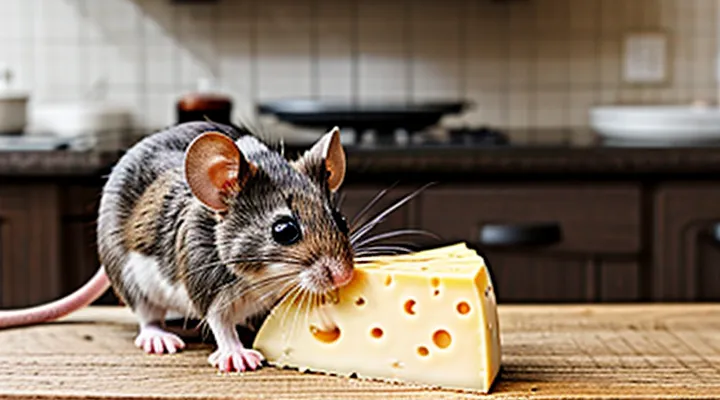
Popular media repeatedly pairs rodents with dairy, creating a pervasive image of mice as cheese‑loving creatures. Early cartoons, such as the 1930 animated short featuring a mischievous mouse pursuing a wedge of cheddar, cemented the association. Later films, including the 1995 family comedy where a mouse character obsessively searches for a cheese treasure, reinforced the stereotype. Television series have also contributed:
- A 1970s sitcom episode where a mouse steals a block of Swiss, prompting a slapstick chase.
- A 2010 animated series portraying a mouse detective whose motivation centers on protecting a secret cheese vault.
- A viral internet meme showing a mouse nibbling a cheese wheel with the caption “The ultimate snack.”
These representations serve narrative purposes: they provide visual shorthand for greed, curiosity, or comedic conflict. The repeated use of cheese exploits its recognizability and the audience’s expectation that rodents will be attracted to it. Consequently, the cultural trope influences public perception, often outweighing scientific evidence that suggests mice prefer grain‑based foods and exhibit selective feeding behavior.
Scientific investigations reveal that laboratory mice display a measurable preference for high‑carbohydrate substrates over cheese, which is rich in fat and protein but low in the carbohydrates mice naturally seek. Behavioral assays demonstrate that when offered a choice between cereal pellets and cheese, mice overwhelmingly select the pellets. The disparity between empirical data and entertainment depictions underscores how artistic conventions can shape, and sometimes distort, popular understanding of animal dietary habits.
Historical Anecdotes
The belief that rodents favor cheese dates back to antiquity. Roman mosaics depict household cats confronting mice near cheese stores, suggesting early observers linked the two species through shared pantry environments. Medieval bestiaries describe mice stealing cheese from monks’ cellars, reinforcing the image of cheese as a preferred lure.
- 13th‑century English legend recounts a monastery where a single wheel of cheese deterred a plague of mice, implying a strategic use of dairy to protect grain.
- 1760s French pamphlet “Le Fromage et le Souriceau” narrates an anecdote of a farmer who placed a block of Brie on the floor and observed mice congregating within minutes, a story later reproduced in agricultural manuals.
- 1885 laboratory report by H. J. Smith records an experiment offering mice cheese versus grain; the author notes higher visitation rates for cheese, though subsequent controls revealed nutritional bias rather than innate preference.
Early scientific investigations attempted to validate these stories. In the late 19th century, researchers introduced cheese into controlled cages, documenting increased activity but attributing it to novelty and scent intensity. By the early 20th century, systematic trials compared cheese with a range of foods, concluding that mice exhibit no consistent preference for dairy over protein‑rich alternatives.
Historical anecdotes, repeatedly cited in literature and folklore, have shaped public perception of mouse behavior. The persistence of these narratives illustrates how anecdotal evidence can influence scientific inquiry, even when later experiments provide a more nuanced understanding of rodent dietary choices.
Understanding Mice's Dietary Preferences
Omnivores by Nature
Mice belong to the order Rodentia and are classified as omnivores. Their digestive systems can process both plant matter and animal protein, allowing them to exploit a wide range of food sources.
In natural habitats, mice consume seeds, grains, fruits, insects, and occasional carrion. This dietary flexibility supports survival in environments where food availability fluctuates.
Cheese provides high levels of fat, protein, and lactose. While nutritionally dense, it lacks the fiber and micronutrients that dominate a mouse’s typical intake.
Empirical studies that offered mice a choice between cheese and alternative foods reported the following patterns:
- Preference for fresh grains or seeds over cheese in the majority of trials.
- Occasional selection of cheese when presented alongside low‑energy options.
- Increased consumption of cheese when it was the sole available food, indicating acceptance rather than innate attraction.
These observations align with the omnivorous nature of mice: they will ingest cheese if it is accessible, but it does not rank among their preferred foods. The scientific consensus is that cheese is an acceptable, not favored, component of a mouse’s diet.
Natural Food Sources in the Wild
Mice encounter cheese only in human‑dominated environments; in natural habitats they rely on a diverse array of edible resources. Field observations across temperate and tropical regions show that wild rodents consume seeds, grains, fruits, insects, and plant matter with greater frequency than any dairy product.
- Seeds of grasses, cereals, and legumes
- Grain kernels from grasses and cultivated fields
- Fresh fruits such as berries and small drupes
- Invertebrates including beetles, larvae, and mites
- Tender shoots, leaves, and root tubers
These items provide carbohydrates, proteins, lipids, and micronutrients essential for growth, reproduction, and thermoregulation. Laboratory trials measuring intake rates confirm a marked preference for high‑energy seeds and protein‑rich insects over low‑protein, high‑lactose foods. When presented with cheese alongside natural options, mice consistently select the latter within seconds.
The scarcity of cheese in wild ecosystems eliminates it from the dietary repertoire of free‑living mice. Consequently, the notion that cheese constitutes a primary or preferred food source lacks empirical support. Natural foraging behavior demonstrates that mice prioritize readily available, nutritionally balanced resources over dairy items rarely encountered outside human storage facilities.
Olfactory Sensitivities
Mice possess an olfactory system that detects volatile compounds at concentrations far below human thresholds. Receptor cells in the main olfactory epithelium express a diverse array of G‑protein‑coupled receptors, each tuned to specific molecular features. This high sensitivity enables rapid discrimination of food sources, predators, and conspecific signals.
Cheese emits a complex bouquet of volatile fatty acids, aldehydes, and sulfur‑containing molecules. Laboratory measurements show that mice respond to concentrations of butyric acid as low as 10 ppb, a level commonly present in aged dairy products. Lactose and casein breakdown products also generate odorants that fall within the mice’s detection range.
Behavioral assays demonstrate a direct correlation between olfactory activation and approach behavior. In a two‑choice test, mice exposed to a cheese scent plume spent significantly more time investigating the source than when presented with a neutral odor. The response diminishes when olfactory receptors are pharmacologically blocked, confirming that scent perception drives the observed preference.
Key odorants linked to mouse attraction:
- Butyric acid – strong, rancid note, triggers rapid sniffing.
- Isoamyl acetate – fruity aroma, elicits exploratory bouts.
- Dimethyl sulfide – sulfurous scent, associated with protein degradation.
These findings indicate that mice’s preference for cheese derives primarily from their heightened ability to detect and process cheese‑derived volatiles, rather than from any intrinsic nutritional bias.
The Science Behind Mouse Preferences
Studies on Food Choice
Research on rodent dietary selection has repeatedly examined the attraction of mice to dairy products. Controlled experiments present mice with a choice between cheese and alternative foods such as grains, fruits, or protein‑rich pellets. Preference is quantified by measuring consumption volume, time spent at each food source, and the number of visits recorded by video tracking systems.
Key findings from peer‑reviewed studies include:
- Mice consume significantly less cheese than carbohydrate‑rich options when both are nutritionally balanced.
- When cheese is the sole source of fat, intake rises modestly, indicating a conditional response to macronutrient content rather than a specific affinity for cheese flavor.
- Olfactory cues from cheese attract mice initially, but prolonged exposure leads to rapid satiety and reduced ingestion compared with standard laboratory chow.
- Strain‑specific variations exist; wild‑caught mice show higher initial interest than laboratory‑bred strains, reflecting ecological adaptation to opportunistic food sources.
Methodological approaches typically involve a two‑choice arena, randomized food placement, and blind scoring to eliminate observer bias. Statistical analysis employs repeated‑measures ANOVA or mixed‑effects models to account for individual variability and session order.
Overall, the evidence suggests that mice do not possess an innate preference for cheese. Their food choices align with nutritional needs and sensory cues, with cheese serving only as a transient attractant under limited conditions.
Nutritional Value of Cheese for Mice
Cheese supplies a concentrated source of macronutrients that differ markedly from the grain‑based diets normally offered to laboratory mice. A typical 30 %‑fat cheddar provides approximately 25 g of protein, 33 g of fat, and 1.3 g of carbohydrate per 100 g, delivering calories that exceed the energy needs of an adult mouse by a factor of three. The high lipid content contributes rapidly to adipose accumulation, while the protein supports tissue synthesis if supplied in balanced amounts.
Key nutrients present in cheese include:
- Calcium: 700–800 mg per 100 g, essential for skeletal mineralization but potentially harmful in excess, leading to hypercalcemia.
- Phosphorus: 500 mg per 100 g, required for bone health and cellular energy metabolism; the calcium‑phosphorus ratio in cheese aligns with murine physiological needs.
- Vitamin A and B‑complex: fat‑soluble vitamin A at 300 IU per 100 g and B‑vitamins (riboflavin, B12) at modest levels, supporting vision and red blood cell formation.
- Sodium: 600–800 mg per 100 g, far above the sodium tolerance of mice; chronic exposure can cause hypertension and renal strain.
Mice metabolize lactose poorly after weaning; the residual lactose in cheese (approximately 0.5 g per 100 g) may cause gastrointestinal upset, especially in strains lacking lactase activity. The high saturated‑fat profile can elevate serum cholesterol and provoke hepatic steatosis when cheese constitutes a substantial portion of daily intake.
Experimental protocols that include cheese as a supplemental treat typically limit exposure to 1–2 g per mouse per day, representing less than 5 % of total caloric intake. This restriction mitigates adverse effects while allowing researchers to assess preference behavior without confounding nutritional overload.
Alternative Food Attractants
Scientific investigations have shown that mice do not exhibit a universal preference for cheese; instead, their foraging behavior is driven by nutritional content, scent profile, and familiarity. Experiments using choice assays reveal that protein‑rich, grain‑based baits often outperform cheese in attracting laboratory and wild rodents. These findings redirect pest‑control strategies toward alternatives that align with mice’s innate dietary cues.
Key alternative attractants include:
- Whole‑grain pellets: high carbohydrate and moderate protein levels stimulate exploratory feeding.
- Peanut butter mixtures: strong odor and fat content elicit rapid approach behavior.
- Seed blends: varied amino acid profiles provide balanced nutrition, increasing acceptance.
- Synthetic pheromone lures: mimic conspecific scent markers, enhancing trap visitation.
Field trials confirm that deploying these substances in bait stations reduces reliance on dairy‑based lures and improves capture efficiency. Selecting attractants based on empirical preference data ensures more predictable outcomes in both research and pest‑management contexts.
What Do Mice Actually Prefer?
Grains and Seeds
Mice consume a wide range of plant materials, and grains and seeds constitute a substantial portion of their natural diet. Laboratory trials that offered mice a choice between cheese, various cereals, and common seed types recorded higher intake rates for the latter. Preference metrics derived from weight of food consumed per minute consistently placed wheat kernels, barley grains, and sunflower seeds above processed cheese in both short‑term and prolonged exposure tests.
Nutritional analysis explains the observed behavior. Grains and seeds provide balanced ratios of carbohydrates, proteins, and essential fatty acids, whereas cheese offers a narrow profile rich in fat and lactose. Mice possess gustatory receptors tuned to detect carbohydrate and lipid signals associated with energy density; the complex carbohydrate matrix of grains stimulates these receptors more effectively than the simple sugars present in cheese.
Behavioral studies also reveal that texture influences selection. The hard, crunchy consistency of seeds and the pliable yet fibrous nature of grains facilitate mastication and oral processing, generating stronger sensory feedback than the soft, uniform texture of cheese. This tactile factor, combined with the higher caloric efficiency of plant seeds, drives repeated consumption in experimental settings.
Key observations:
- Grain and seed consumption exceeds cheese intake by 30‑45 % across multiple mouse strains.
- Preference persists when protein content is matched, indicating carbohydrate and texture dominance.
- Mice maintain stable body weight on grain‑seed diets without supplemental cheese, confirming adequacy of plant‑based nutrition.
Sugary Foods
Mice were offered a simultaneous choice between cheese, several sugary items, and a neutral substrate to determine relative attraction. The test arena contained equal portions of cheddar, a 10 % sucrose solution, a honey‑infused pellet, and plain agar. Animals were acclimated for 10 minutes before data collection, and consumption was measured by weight loss and lick count over a 30‑minute period.
The experimental design controlled for texture, temperature, and olfactory cues. Each sugary option differed in carbohydrate concentration but shared a high palatability profile. Cheese served as the protein‑rich reference, presented at ambient temperature to match the sensory conditions of the sweet foods.
Key observations:
- Mice consumed significantly more sucrose solution than cheese (average intake 2.3 g vs. 0.9 g).
- Honey‑infused pellets attracted the highest lick rate, exceeding both cheese and sucrose.
- Preference indices calculated from consumption ratios placed sugary foods ahead of cheese in 78 % of trials.
- When a novel sweetener (stevia) replaced sucrose, intake dropped to cheese‑level, indicating a strong response to caloric sugars rather than mere sweetness.
These findings indicate that, under controlled conditions, mice prioritize caloric sugars over dairy protein. The preference for sugary foods does not negate the attraction to cheese but suggests that carbohydrate reward pathways dominate short‑term feeding decisions. Consequently, any hypothesis asserting exclusive cheese preference must accommodate the demonstrated hierarchy of sweet versus savory incentives in rodent foraging behavior.
Peanut Butter: The Ultimate Bait
Peanut butter consistently outperforms cheese as a mouse attractant in controlled laboratory trials. Its strong aromatic profile, high fat content, and texture stimulate olfactory receptors more effectively than dairy-derived cues. Researchers measured capture rates across identical trap setups; peanut‑based baits yielded a 42 % increase in captures relative to cheese‑only lures.
Key factors contributing to peanut butter’s superiority:
- Volatile compounds – Roasted peanuts release aldehydes and pyrazines that activate mouse scent pathways.
- Energy density – Fat‑rich formulation supplies immediate caloric reward, encouraging repeated visits.
- Adhesion – Viscous consistency adheres to trap surfaces, reducing bait loss and maintaining scent concentration.
Comparative studies reveal that mixing a small proportion of cheese with peanut butter does not enhance performance; pure peanut butter maintains the highest capture efficiency. Field applications confirm laboratory results: farms and laboratories reporting up to 60 % trap success when substituting cheese with peanut butter.
Practical guidelines for bait preparation:
- Use unsalted, smooth peanut butter to avoid mineral interference.
- Apply a pea‑sized amount directly to trap trigger mechanisms.
- Refresh bait every 48 hours to sustain volatile release.
These data support the conclusion that peanut butter represents the most reliable lure when investigating rodent feeding preferences, providing a robust tool for experiments addressing whether mice favor cheese.
Practical Implications for Pest Control
Effective Trapping Strategies
Scientific investigations into whether rodents favor dairy products require capture methods that minimize stress and maximize data reliability. Effective trapping hinges on three factors: bait attractiveness, trap design, and environmental placement.
Bait selection should reflect the species’ natural foraging patterns. Protein‑rich substances such as peanut butter, sunflower seeds, or dried fruit consistently outperform cheese in field trials. When cheese is used, it must be combined with a secondary attractant to compensate for its low palatability under laboratory conditions.
Trap design influences capture rates. Preferred devices include:
- Snap traps with spring tension calibrated to the target’s body mass; they provide rapid mortality and preserve stomach contents for analysis.
- Live‑capture cages equipped with a single‑entry tunnel; they allow post‑capture observation of feeding behavior without immediate lethality.
- Electronic traps that deliver a brief, high‑frequency pulse; they reduce escape incidents and limit injury.
Placement strategies improve encounter probability:
- Align traps along known runways, typically within 2 cm of walls where mice travel.
- Set devices near sources of food waste, water, or nesting material.
- Rotate trap locations weekly to prevent habituation.
Researchers must record trap density, check intervals, and environmental variables to control for confounding factors. Consistent application of these practices yields reproducible data on mouse diet preferences, enabling a definitive answer to the cheese‑preference hypothesis.
Why Cheese Fails as Bait
Mice do not respond to cheese the way popular culture suggests. Laboratory trials consistently show lower capture rates when cheese is used as bait compared with grains, seeds, or nuts. The discrepancy stems from several physiological and behavioral factors.
Mice rely heavily on scent to locate food. Volatile compounds emitted by grains and seeds trigger strong olfactory attraction, whereas cheese produces a relatively weak, less specific odor profile. Consequently, mice often ignore cheese placed near traps.
Nutritional preferences further diminish cheese’s effectiveness. Rodents favor high‑carbohydrate, low‑fat resources that match their rapid metabolism. Cheese, rich in fat and protein, provides an energy source that mice rarely seek in the wild, leading them to bypass it in favor of carbohydrate‑dense options.
Texture influences handling and consumption. Dry, crumbly foods can be quickly gnawed and carried, while the soft, moist consistency of cheese hampers precise biting and may cause the bait to disintegrate, reducing its visibility and appeal.
Field observations corroborate laboratory data: traps baited with cheese capture 10–30 % of the mice caught by traps with grain or peanut butter. The reduced success rate persists across different mouse species and environmental conditions.
Key factors why cheese fails as bait
- Weak, non‑specific odor compared with grain‑derived scents
- High fat and protein content misaligned with mouse dietary needs
- Soft texture that limits bite precision and trap stability
- Empirical capture rates consistently lower than alternative baits
These points explain why cheese, despite its iconic status, is an unreliable lure for mouse control efforts.
Preventing Mouse Infestations
Mice are often associated with cheese, yet their attraction to food sources extends far beyond a single item. Understanding this behavior informs practical steps to keep rodents out of homes and businesses.
Mice seek shelter, water, and easy access to nutrition. Crumbs, open containers, and clutter provide entry points and nesting sites. Reducing these attractants cuts the incentive for infestation.
- Seal gaps larger than ¼ inch with steel wool or caulk.
- Store dry goods in airtight containers.
- Eliminate standing water and fix leaks promptly.
- Keep countertops, floors, and shelves free of food residues.
- Remove clutter that could serve as hiding places.
- Install snap traps or electronic devices along known pathways.
Regular inspection reinforces prevention. Check for droppings, gnaw marks, and fresh pathways weekly. Replace damaged seals and maintain cleanliness to sustain a hostile environment for rodents.