
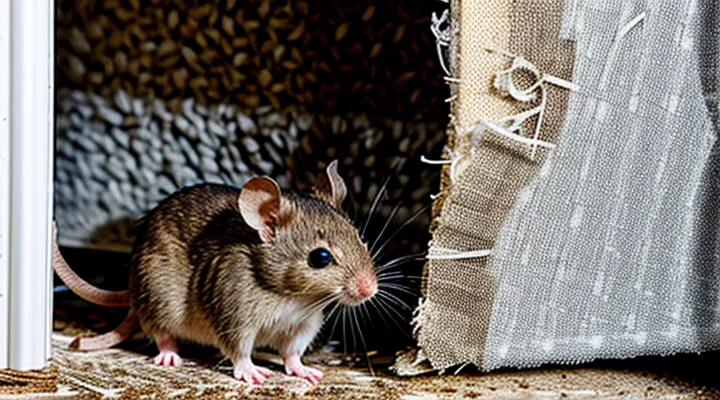
Understanding Mouse Behavior and Fiberglass Insulation
Why Mice Seek Shelter
Natural Instincts for Safety
Mice seek shelter that reduces exposure to predators, maintains stable temperature, and limits moisture. Fiberglass insulation offers a concealed, dry environment that aligns with these survival priorities, prompting mice to consider it for nesting.
Key instinctive drivers of safety:
- Concealment – dense insulation conceals movement and scent, decreasing detection by predators and humans.
- Thermal stability – the material retains heat, protecting offspring from cold stress during early development.
- Moisture control – low humidity within insulated cavities prevents fungal growth and skin irritation, preserving health.
- Structural support – the rigid fibers create a stable framework for nest construction, reducing collapse risk.
When breeding, female mice evaluate potential sites based on these criteria. A cavity filled with fiberglass satisfies concealment and thermal needs, allowing rapid nest formation without extensive material gathering. Consequently, the instinct to prioritize safety leads mice to exploit fiberglass insulation as a viable breeding location.
Attractants in Human Dwellings
Mice frequently select fiberglass insulation for nest construction when domestic environments present abundant attractants. The presence of food particles, moisture, and shelter creates conditions that encourage colonization and breeding within wall cavities.
- Food remnants on countertops, behind appliances, and in pantry cracks.
- Standing water from leaky pipes, condensation, or pet dishes left unattended.
- Accumulated clutter such as cardboard boxes, fabric piles, and stored seasonal items.
- Unsealed gaps around doors, windows, utility penetrations, and ventilation ducts.
- Warm microclimates generated by heating systems, especially in colder seasons.
Each attractant contributes to a gradient that directs rodents toward insulated spaces. Food residues supply energy for reproduction; moisture supports hydration and softens insulation fibers, facilitating nest formation. Clutter offers immediate cover, reducing exposure to predators. Gaps provide access routes, while elevated temperatures lower metabolic costs for nesting mammals, making fiberglass cavities an optimal breeding site.
Effective control requires eliminating the identified attractants. Immediate actions include sealing entry points with steel wool or caulk, repairing leaks, storing food in airtight containers, maintaining a regular cleaning schedule to remove crumbs, and reducing indoor clutter. Periodic inspection of insulation layers for signs of nesting material or droppings enables early intervention before populations establish breeding colonies.
Fiberglass Insulation: An Overview
Composition and Properties
Fiberglass insulation consists primarily of fine glass fibers produced by melting and drawing silica sand, limestone, and recycled glass. A polymeric binder, often a phenol‑formaldehyde resin, holds the fibers together, while additives such as flame retardants, anti‑settling agents, and water‑repellent compounds modify performance. The resulting mat or bat has a low bulk density, typically 2–4 kg m⁻³, and a high surface area that creates numerous interstitial spaces.
Key properties influencing rodent activity include:
- Thermal resistance: R‑values range from 2.5 to 4.0 per inch, providing a warm microenvironment.
- Moisture behavior: Hydrophobic additives limit water absorption, yet the material remains breathable, allowing ambient humidity to equilibrate.
- Mechanical texture: Soft, pliable fibers compress easily, offering a cushioning substrate that rodents can manipulate into nests.
- Acoustic damping: Fibrous structure absorbs sound, reducing detection of movements within walls.
- Chemical stability: Resin binders resist degradation, maintaining structural integrity over years.
These characteristics create an environment that can attract mice seeking shelter and warmth. The combination of thermal insulation, moisture regulation, and a pliable matrix offers conditions conducive to nest construction and breeding, while the material’s durability ensures the habitat remains viable for extended periods.
Primary Use in Homes
Fiberglass insulation is installed primarily to reduce heat transfer between interior spaces and the external environment. It is placed in wall cavities, attics, floors above unconditioned areas, and around ductwork to maintain temperature stability and lower energy consumption.
The material’s composition—densely packed glass fibers—creates a barrier that slows conductive and convective heat flow. When correctly fitted, it fills gaps around studs, joists, and sheathing, preventing drafts and moisture infiltration. The same sealed cavities also limit air movement, which can deter pests by reducing accessible pathways.
Typical installation locations include:
- Exterior wall studs from foundation to roofline
- Attic floor joists, covering the entire ceiling surface
- Basement ceiling or crawl‑space floor, where temperature differentials are greatest
- Around plumbing and electrical penetrations, sealed with appropriate caulking
Because mice seek secluded, insulated spaces for nesting, any gaps or voids in the fiberglass barrier can become entry points. Proper sealing of openings, use of steel mesh, and regular inspection of insulation integrity are essential measures to prevent rodent colonization within these thermal envelopes.
Do Mice Nest in Fiberglass Insulation?
The Reality of Mouse Nesting Habits
Ideal Nesting Materials for Mice
Mice select nesting material that offers softness, thermal insulation, and structural stability. The most effective substrates include:
- Shredded paper or tissue; provides pliable layers and readily conforms to the nest shape.
- Cotton fibers or raw cotton; offers high loft and retains warmth even when damp.
- Dryer lint; dense, lightweight, and absorbs moisture.
- Soft fabric scraps such as fleece or flannel; supply durability and insulation.
- Untreated wood shavings; create a firm base while allowing airflow.
Fiberglass insulation lacks the pliability and comfort required for successful breeding. Its rigid fibers can irritate respiratory passages and do not retain heat effectively. Consequently, mice avoid it when softer alternatives are available.
In environments where preferred materials are scarce, rodents will incorporate any accessible soft debris, but the quality of offspring survival correlates with the presence of the items listed above. Providing these substances in a concealed area encourages nest construction and supports reproductive health.
Evidence of Nesting in Insulation
Mice frequently occupy fiberglass insulation because the material provides warmth, concealment, and proximity to food sources. Field surveys of residential and commercial structures consistently record gnaw marks, droppings, and shredded insulation within wall cavities.
- Trapped specimens found inside insulation bundles during routine pest‑control operations.
- Infrared imaging of attics reveals heat signatures corresponding to rodent nests embedded in fiberglass.
- Microscopic analysis of insulation samples shows mouse hair, urine crystals, and chewed fibers.
- Long‑term monitoring of infested homes documents repeated breeding cycles occurring within insulated spaces, confirmed by presence of juvenile carcasses and nesting material.
These data confirm that mice not only seek shelter in fiberglass but also reproduce there, creating conditions that support multiple generations. Effective mitigation requires removal of contaminated insulation and sealing of entry points to disrupt the breeding environment.
Reasons for Choosing Fiberglass
Thermal Properties
Fiberglass insulation possesses a low thermal conductivity, typically ranging from 0.035 to 0.045 W·m⁻¹·K⁻¹. This property limits heat transfer through walls, maintaining interior temperatures within a narrow band despite external fluctuations. The material’s R‑value, expressed per inch of thickness, commonly falls between 3.0 and 4.0, providing measurable resistance to heat flow.
Stable temperatures created by such resistance reduce the energy mice must expend to regulate body heat. When ambient conditions drop below the comfort range for rodents, the insulated cavity retains warmth generated by the animal’s metabolism, creating a microenvironment conducive to nesting and reproduction. Conversely, during hot periods, the same low conductivity prevents rapid heat gain, limiting overheating risk.
Key thermal parameters influencing rodent occupancy:
- Thermal conductivity (λ): lower values slow heat loss, favoring nest stability.
- R‑value per inch: higher values increase overall resistance, extending the usable temperature range.
- Specific heat capacity: fiberglass’s capacity to store heat buffers short‑term temperature spikes.
- Temperature gradient tolerance: the difference between cavity and ambient temperatures that the material can sustain without condensation.
These metrics determine whether the insulated space remains within the 20 °C–30 °C window optimal for mouse breeding cycles. Persistent warmth supports gestation, reduces litter mortality, and accelerates pup development. The insulation’s ability to dampen temperature swings also minimizes stress‑induced behaviors that could disrupt nest construction.
Overall, the thermal performance of fiberglass insulation directly shapes the suitability of wall cavities as breeding sites. Low conductivity, high R‑value, and adequate heat‑storage capacity together create a thermally stable niche that encourages nesting activity and successful reproduction.
Protection from Predators
Mice select nesting sites that reduce exposure to predators, and fiberglass insulation frequently satisfies this requirement. The material creates a sealed cavity within walls, limiting visual and tactile cues that hunters rely on. By confining activity to an enclosed space, mice lower the probability of detection by aerial, terrestrial, and arboreal predators.
Common predators include:
- Barn owls, which locate prey by sound and silhouette against open spaces.
- Cats, which use scent trails and tactile exploration of surfaces.
- Snakes, which detect heat and motion through thin walls.
- Raccoons, which pry open loose structures to access hidden chambers.
Fiberglass insulation contributes protection through several mechanisms:
- Physical obstruction – dense fibers block claws and teeth, preventing predators from penetrating the cavity.
- Acoustic dampening – the material absorbs squeaks and rustling, reducing auditory signals.
- Thermal insulation – stable temperatures discourage heat‑sensing predators from focusing on the nest area.
- Limited entry points – installation typically involves sealed gaps, restricting predator access to a single, controllable opening.
Mice reinforce these advantages with behavioral strategies. They construct nests deep within the insulation, align entrances toward concealed routes, and maintain a low activity profile during peak predator hours. The combination of structural concealment and adaptive behavior creates an environment where predation risk remains minimal, supporting successful breeding within fiberglass-filled wall cavities.
Potential Risks and Concerns
Health Hazards from Rodent Infestations
Mice that establish colonies within wall cavities often choose fiberglass batts as a nesting medium because the material offers warmth, concealment, and easy access to food sources. Their reproductive cycles accelerate in such environments, producing multiple litters per year and quickly expanding the infestation.
Health risks associated with these rodent populations include:
- Transmission of pathogens such as Hantavirus, Salmonella, and Leptospira through urine, feces, and saliva.
- Allergic reactions triggered by rodent hair, dander, and droppings, leading to asthma exacerbations and rhinitis.
- Secondary contamination from insects attracted to rodent waste, increasing the likelihood of additional disease vectors.
- Chemical exposure when rodents gnaw insulation, releasing fiberglass particles that irritate skin, eyes, and respiratory passages.
The combination of high breeding rates and the insulating properties of fiberglass creates a persistent source of airborne contaminants. Regular inspection of attic and wall spaces, sealing entry points, and prompt removal of nests reduce the probability of disease transmission and mitigate long‑term health impacts.
Damage to Insulation and Structures
Mice that establish nests within fiberglass insulation create several forms of damage that compromise both the thermal barrier and the building’s structural integrity. Their activities generate direct and indirect effects.
- Chewed insulation fibers – Rodent incisors cut and shred the material, creating gaps that reduce R‑value and allow heat loss or gain. The exposed fibers become airborne, posing health risks and further degrading insulation performance.
- Urine and feces contamination – Accumulated droppings introduce moisture and ammonia, accelerating mold growth on surrounding surfaces. Moisture infiltration weakens drywall, wood framing, and metal fasteners.
- Burrowing behavior – Mice tunnel through insulation and into joist cavities, displacing wiring, plumbing, and fire‑stop materials. Displaced wires can short, while compromised fire barriers increase fire‑spread potential.
- Structural weakening – Repeated gnawing of wooden studs and support members reduces load‑bearing capacity. Over time, this can lead to sagging ceilings, warped floors, and compromised roof sheathing.
Repair strategies focus on thorough removal of contaminated insulation, replacement with undamaged material, and sealing of entry points. Installing steel mesh or rodent‑proof barriers within cavity spaces prevents future nesting and protects the building envelope. Regular inspections detect early signs of infestation, allowing prompt remediation before extensive damage occurs.
Signs of Mice in Fiberglass Insulation
Visual Cues
Droppings and Urine Stains
Mice that occupy fiberglass insulation leave distinctive evidence in the form of fecal pellets and urine stains. Pellets are typically 2–5 mm long, dark brown to black, and appear in clusters along insulation seams, wall cavities, or near entry points. Urine stains manifest as yellowish discolorations, often accompanied by a strong ammonia odor, and may soak surrounding materials such as drywall, wood, or insulation fibers.
Key indicators for property owners and inspectors include:
- Concentrated piles of droppings on surfaces adjacent to insulation.
- Streaks or spots of wet, discolored material on insulation or nearby structures.
- Persistent ammonia smell that intensifies in confined spaces.
- Presence of gnaw marks or nesting material intermingled with droppings.
These signs confirm active habitation and breeding activity. Droppings can carry pathogens such as Hantavirus, while urine contributes to mold growth and structural degradation. Prompt identification enables targeted remediation, reducing health risks and preventing further damage to insulation performance.
Effective response involves:
- Wearing protective gloves and a respirator to avoid inhalation of particles.
- Removing contaminated insulation sections and disposing of them according to local regulations.
- Cleaning affected surfaces with a disinfectant solution approved for rodent contamination.
- Sealing entry points to eliminate future access to insulation cavities.
Accurate detection of droppings and urine stains provides reliable evidence of mouse presence within fiberglass insulation, supporting decisive action to protect both the building envelope and occupant health.
Gnaw Marks and Tunnels
Mice create distinctive gnaw marks on fiberglass insulation when they chew to enlarge entry points or to shape a nest. The cuts are typically shallow, V‑shaped, and display parallel tooth impressions spaced about 2‑3 mm apart. Fresh gnaw marks retain a slightly lighter color than surrounding material, while older ones darken as fibers embed dust and urine.
Tunnels formed within insulation differ from natural settling cracks. They appear as smooth, rounded passages up to 2 cm in diameter, often branching from a central nest chamber. The interior surface is lined with shredded fibers and droppings, and the tunnel walls may be stained with urine, indicating ongoing activity.
Key observations for assessing breeding suitability:
- Presence of multiple tunnels converging on a single chamber suggests a breeding pair or family.
- Gnaw marks near ventilation ducts or wall cavities provide access routes for offspring.
- Accumulation of nesting material (soft fibers, shredded paper) within tunnels confirms nest construction.
- Detection of urine stains and fecal pellets along tunnel walls signals active reproduction.
These indicators help determine whether fiberglass insulation is being used as a reproductive habitat, allowing timely intervention to prevent infestation expansion.
Auditory Clues
Scratching and Scurrying Sounds
Scratching and scurrying noises often indicate rodent activity within wall cavities. When mice occupy fiberglass insulation, they create tunnels and burrows that amplify the sound of tiny claws against the fibrous material. The combination of rapid footfalls and occasional gnawing produces intermittent, high‑frequency rustles that can be heard from adjoining rooms, especially during nighttime when the animals are most active.
Typical acoustic patterns include:
- Repetitive, short bursts lasting 1‑3 seconds, occurring every few minutes.
- Continuous, low‑level shuffling that persists for longer periods, suggesting movement of a nest or feeding activity.
- Sporadic, louder scratches coinciding with the presence of multiple individuals, often linked to breeding cycles when population density increases.
These sound signatures help differentiate mouse activity from other household noises, such as HVAC operation or settling of building materials. Recognizing the distinct rhythm and frequency of scratching and scurrying assists in confirming infestation within insulation and informs timely remediation measures.
Squeaking Noises
Squeaking noises often signal mouse activity within wall cavities, including areas filled with fiberglass insulation. The sound originates from high‑frequency vocalizations produced during social interaction, territorial disputes, or mating rituals. When mice establish a nest in insulation, the confined space amplifies these calls, making them audible through ceilings, floors, or interior walls.
Key characteristics of squeaking that indicate nesting in insulation:
- Frequency range of 5–10 kHz, audible to most adults as a sharp, intermittent chirp.
- Occurrence during nighttime hours, aligning with the species’ nocturnal foraging pattern.
- Repetition every few seconds to several minutes, especially when a pair or litter is present.
- Localization near vent openings, utility chases, or any breach that provides entry to the insulation.
Breeding conditions influence the intensity of vocalizations. A pregnant female or a mother caring for pups will produce more frequent and higher‑pitched squeaks, reflecting increased communication with offspring. Male mice emit louder, longer calls during courtship, which may be heard when a new pair establishes a nest in the insulation.
Observing these acoustic cues, combined with visual signs such as shredded insulation, droppings, or gnaw marks, provides reliable evidence that mice are nesting and breeding within fiberglass insulation. Early detection enables prompt remediation, preventing structural damage and health risks associated with rodent infestations.
Olfactory Indicators
Musty Odors
Mice that establish nests within fiberglass insulation often generate a persistent musty smell. The odor originates from a combination of urine, feces, and the decomposition of organic material that accumulates in the confined space. Because insulation restricts airflow, volatile compounds linger, creating a detectable staleness that can spread to nearby rooms.
Conditions that encourage breeding in this environment intensify the odor problem. Warm temperatures, limited disturbance, and abundant food sources allow rapid population growth, which in turn increases the volume of waste products. As colonies expand, the concentration of ammonia and microbial activity rises, reinforcing the musty character of the air.
Typical indicators of a rodent‑related mustiness include:
- A faint, earthy scent near walls or ceilings where insulation is present
- A change in odor intensity after heating cycles, when trapped gases are released
- Detection of droppings or nesting material alongside the smell
Addressing the odor requires removal of the infestation and replacement of contaminated insulation, followed by thorough ventilation to disperse residual compounds.
Ammonia-like Smells
Ammonia-like odors frequently accompany active mouse colonies. The smell originates from urine and feces, which contain urea that breaks down into ammonia as bacteria metabolize waste. When mice establish a nest in fiberglass insulation, the material’s porous structure traps moisture and waste, intensifying the odor.
Elevated ammonia levels indicate several breeding conditions. First, a persistent scent suggests a stable, warm environment suitable for reproduction. Second, the concentration of waste correlates with population density; higher levels often mean multiple breeding pairs. Third, the presence of ammonia can affect the health of both rodents and occupants, as prolonged exposure may irritate respiratory passages.
Key observations for detecting ammonia-like smells in insulated walls:
- Sharp, pungent odor near baseboards, vents, or ceiling joists
- Stronger intensity during cooler months when mice remain indoors
- Diminished scent after thorough cleaning or removal of nesting material
Monitoring odor levels, combined with visual signs such as gnaw marks and droppings, provides reliable evidence of mouse activity within fiberglass insulation and informs appropriate control measures.
Preventing Mouse Infestations in Fiberglass Insulation
Sealing Entry Points
Identifying Gaps and Cracks
Mice seeking a breeding site examine building envelopes for openings that provide shelter, warmth, and access to food. Detecting these entry points is essential for preventing colonisation of insulation materials.
Physical inspection should focus on the following locations:
- Exterior wall joints where siding meets trim.
- Areas around utility penetrations, such as electrical boxes, plumbing fixtures, and HVAC ducts.
- Roof eaves, soffits, and fascia where debris accumulates.
- Foundations and crawl‑space vents that lack screening.
When examining each area, look for specific signs of compromise:
- Visible gaps measuring less than a quarter inch, which mice can squeeze through.
- Cracks in plaster, drywall, or sheathing that extend from interior to exterior surfaces.
- Deteriorated caulking or weather‑stripping that no longer adheres.
- Loose or missing fasteners that create lateral separation between structural components.
Confirm the presence of a gap by probing with a thin, flexible instrument such as a steel rod or a piece of wire. The rod should encounter resistance only at the opening’s edges; a smooth passage indicates an unobstructed path. Record the dimensions and exact location of each breach.
After identification, seal all openings with materials that resist gnawing, such as steel wool, copper mesh, or silicone‑based sealants reinforced with metal flashing. Re‑inspect sealed sites after two weeks to verify the integrity of the repair.
Systematic detection and elimination of gaps and cracks remove the primary conduit through which mice access insulation, thereby disrupting the conditions required for nesting and breeding.
Recommended Sealing Materials
Mice can infiltrate wall cavities and reach fiberglass insulation, where the material offers protection from predators and a stable microclimate for reproduction. Effective sealing eliminates entry points, reduces nesting sites, and limits population growth.
Recommended sealing materials include:
- Stainless‑steel wool: compressible, resistant to gnawing, suitable for gaps around pipes and ducts. Secure with a high‑quality, mouse‑proof caulk.
- Copper mesh: fine gauge, durable, works well in larger openings where steel wool may sag. Overlap seams and fasten with staples.
- Silicone or polyurethane caulk: fills cracks, seams, and small gaps after inserting steel wool or mesh. Choose a product labeled “rodent‑resistant.”
- Low‑expansion spray foam: expands to fill irregular voids, hardens to a solid barrier. Apply sparingly to avoid excessive pressure on surrounding structures.
- Rigid foam board: installed over larger wall sections, creates a physical barrier that mice cannot chew through. Seal edges with caulk or mesh.
Installation guidelines:
- Inspect exterior and interior walls for gaps larger than ¼ inch; treat each opening before insulation installation.
- Insert steel wool or copper mesh into the gap, ensuring a tight fit that leaves no voids.
- Apply caulk or foam over the filler to create a continuous seal.
- Verify that all seams between insulation panels and structural members are covered.
Using these materials in combination creates a multi‑layer defense that deters gnawing, blocks access, and reduces the likelihood of nesting within fiberglass insulation.
Maintaining a Clean Environment
Food Storage Practices
Mice attracted to residential cavities seek both shelter and sustenance. When fiberglass insulation provides a warm, protected site, the presence of readily accessible food sources determines whether the space becomes a breeding hub. Proper food storage eliminates the incentive for rodents to occupy insulation, thereby disrupting the reproductive cycle.
Secure containers with tight-fitting lids prevent crumbs and spills that would otherwise travel along baseboards into wall voids. Metal or heavy‑duty plastic bins resist gnawing, limiting odor leakage that draws mice. Position containers away from walls, preferably on elevated surfaces, to reduce the likelihood of accidental contact with insulation cavities.
Maintain a strict cleaning schedule. Vacuum or sweep floors daily to remove residual particles. Wipe countertops and appliance exteriors after each use. Dispose of waste in sealed bags and remove them from the dwelling promptly.
Implement these practices:
- Store dry goods in airtight containers.
- Keep pet food in sealed bins; feed pets only at designated times.
- Seal pantry doors; install metal strips to block entry points.
- Regularly inspect and replace damaged packaging.
By eliminating food cues, the environment inside fiberglass insulation remains unsuitable for nesting, discouraging mice from establishing breeding colonies. The combined effect of rigorous food storage and diligent housekeeping creates a barrier that protects both insulation integrity and household health.
Waste Management
Mice frequently exploit fiberglass insulation as a secure site for breeding when food sources are abundant and shelter is limited. Improper waste handling creates the conditions that drive rodents to seek out interior cavities, where insulation provides protection from predators and temperature extremes.
Effective waste management reduces the incentive for rodents to invade building cavities. Key practices include:
- Securing trash containers with tight-fitting lids to prevent odor leakage.
- Removing organic debris and pet food remnants from the perimeter of structures.
- Conducting regular inspections of dumpsters and compost piles for signs of gnawing or buildup.
- Implementing scheduled collection cycles that minimize the time waste remains exposed.
When waste is contained and disposed of properly, the attraction to external nesting sites diminishes, lowering the probability that mice will infiltrate insulation and reproduce within walls. Maintaining a disciplined waste protocol therefore supports structural integrity and limits rodent‑related health hazards.
Regular Inspections and Monitoring
Areas Prone to Infestation
Mice are attracted to locations where food, water, and shelter converge. Fiberglass insulation offers a dry, protected environment that can support reproduction, especially when surrounding conditions meet their basic needs.
Typical zones where mouse activity concentrates around fiberglass insulation include:
- Wall cavities adjacent to kitchens or pantries, where crumbs and spills provide easy nourishment.
- Attic spaces with ventilation gaps, allowing temperature regulation while keeping predators out.
- Basement walls near leaky pipes, supplying moisture that softens insulation and encourages nesting.
- Utility chases that run electrical wiring through insulated walls, creating uninterrupted pathways between rooms.
- Crawl spaces with limited human traffic, offering undisturbed areas for breeding colonies.
Each of these sites shares common traits: proximity to food sources, consistent warmth, and limited disturbance. When these factors align, mice readily establish nests within the insulation, potentially leading to rapid population growth.
Early Detection Strategies
Early detection of rodent activity within wall cavities and attic spaces is essential for preventing population growth and structural damage. Inspectors should prioritize visual cues that indicate nesting behavior in insulation material. Look for clumped fibers, droppings, urine stains, or gnawed insulation edges. These signs often appear near entry points such as gaps around pipes, vents, or roof penetrations.
Effective monitoring relies on a systematic approach:
- Install motion‑activated cameras at suspected access routes. Infrared capability captures nocturnal movement without disturbing the animals.
- Deploy passive infrared (PIR) sensors linked to a central alarm. Sensors trigger alerts when temperature changes correspond to small mammal activity.
- Place non‑toxic scent‑based tracking pads in concealed locations. The pads retain footprints and fur, allowing laboratory identification of species.
- Conduct quarterly visual inspections using a fiber‑optic borescope. The tool provides clear images of insulation condition without dismantling the structure.
In addition to hardware, maintain detailed records of detection events. Log date, location, type of evidence, and any remedial actions taken. Trend analysis of these logs reveals breeding cycles, enabling pre‑emptive interventions before populations expand. Prompt sealing of entry points, combined with targeted exclusion methods, reduces the likelihood that rodents will establish nests within fiberglass insulation.
Removing Mice from Fiberglass Insulation
Humane Trapping Methods
Live Traps
Live traps are a humane method for capturing house mice that may establish nests within fiberglass insulation. These devices contain a baited compartment that closes automatically when a mouse enters, allowing relocation without killing the animal. Because mice often seek warm, protected spaces for breeding, traps placed near suspected insulation sites can interrupt reproductive cycles by removing breeding individuals before populations expand.
Effective deployment of live traps requires attention to placement, bait selection, and trap maintenance. Proper positioning maximizes capture rates and minimizes disturbance to the building structure.
- Position traps along walls, behind appliances, and within 12 inches of insulation openings where mouse activity signs appear.
- Use high‑protein baits such as peanut butter, sunflower seeds, or dried fruit; refresh bait daily to maintain attractiveness.
- Check traps at least twice daily; release captured mice at least 2 miles from the property to prevent immediate return.
- Clean traps with mild detergent after each use to eliminate scent cues that may deter subsequent captures.
Integrating live traps with sealing of insulation gaps and removal of food sources creates an environment unfavorable for mouse breeding, reducing the likelihood of nest formation in fiberglass insulation.
Bait Selection
Bait selection directly influences the success of trapping programs aimed at controlling mouse populations that establish nests within fiberglass insulation. Effective bait must attract mice that seek shelter in warm, concealed cavities and simultaneously support the detection of breeding activity.
High‑protein foods rank highest in attractiveness. Options include:
- Peanut butter, unsalted, applied in a thin layer.
- Cooked egg, chopped and mixed with a small amount of flour.
- Sunflower seeds, cracked to expose the kernel.
Carbohydrate‑rich baits complement protein sources and sustain activity during cooler periods. Recommended items are:
- Plain oatmeal, moistened with water.
- Dried fruit pieces, such as raisins or apricots, without added sugars.
- Small cubes of cheese, low‑fat varieties preferred for reduced residue.
When selecting bait, consider placement relative to insulation cavities. Position the bait at the entrance of suspected nesting sites, ensuring it does not obstruct airflow or damage insulation fibers. Use tamper‑resistant containers to prevent non‑target species from accessing the lure.
Safety considerations dictate avoidance of toxic substances. Do not employ rodenticides in bait formulations unless integrated with approved delivery devices. Maintain bait freshness; replace at least every 48 hours to preserve scent potency and prevent mold growth.
Monitoring bait performance provides data on breeding cycles. Increased consumption of protein baits often coincides with gestation periods, while a shift toward carbohydrate baits may indicate weaning phases. Record consumption rates to adjust control measures accordingly.
Professional Pest Control
When to Call an Expert
Mice can establish nests within fiberglass insulation, compromising thermal performance and creating health hazards. Homeowners should seek professional help when any of the following conditions are present:
- Visible droppings, gnaw marks, or urine stains on walls, ceilings, or stored items.
- Persistent, high‑frequency noises resembling scratching or scurrying, especially at night.
- Evidence of gnawed wiring, piping, or structural components that could lead to fire or water damage.
- Unexplained odors of ammonia or a strong, musky scent that does not dissipate after cleaning.
- Repeated failure of DIY traps or bait stations to reduce mouse activity over a two‑week period.
- Discovery of nests composed of shredded insulation, fabric, or paper within wall cavities.
If any of these indicators appear, contact a licensed pest‑control specialist promptly. Delayed intervention increases the risk of extensive insulation loss, electrical hazards, and potential secondary infestations. Professional assessment includes thorough inspection, identification of entry points, and implementation of targeted exclusion and remediation measures.
Integrated Pest Management Approaches
Mice frequently select fiberglass insulation as a shelter because the material offers warmth, protection from predators, and a concealed environment suitable for reproduction. Managing this risk requires a systematic, multi‑tiered approach that reduces attractants, prevents entry, monitors activity, and applies targeted controls.
Preventive measures focus on habitat modification. Seal all gaps larger than ¼ in. around foundations, walls, and utility penetrations with steel wool, caulk, or expanding foam. Remove food sources by storing grain, pet feed, and waste in sealed containers. Maintain a clean, clutter‑free interior and exterior to eliminate nesting material such as shredded paper or fabric.
Monitoring relies on strategically placed detection devices. Snap‑type or live‑catch traps positioned near suspected entry points provide data on population density and movement patterns. Sticky boards and infrared cameras can supplement visual inspections, confirming activity within insulation cavities without destructive sampling.
Control tactics employ a hierarchy of interventions. Mechanical removal using traps remains the primary method; select snap traps for immediate removal or live traps for relocation when humane considerations apply. When populations exceed thresholds, integrate rodenticides in accordance with regulatory guidelines, ensuring bait stations are tamper‑resistant and placed away from non‑target species. Biological agents, such as predatory insects, are generally ineffective for rodents and are omitted from the protocol.
Evaluation completes the cycle. Record trap counts, bait consumption, and any signs of reinfestation on a weekly basis. Adjust sealing efforts, trap placement, or chemical applications based on observed trends. Continuous documentation enables rapid response to emerging problems and sustains long‑term protection of insulation integrity.
Cleaning and Sanitation After Removal
Disinfecting Contaminated Areas
Disinfecting areas that have been contaminated by rodent activity is essential for preventing disease spread and preserving the integrity of insulation materials. Effective sanitation requires a systematic approach that addresses the source of contamination, selects appropriate antimicrobial agents, and ensures thorough application.
Identify all surfaces exposed to mouse droppings, urine, or nesting material. Remove visible debris with disposable gloves and a HEPA‑rated vacuum or damp cloth. Dispose of waste in sealed bags according to local biohazard regulations.
Choose a disinfectant proven against common rodent pathogens (e.g., hantavirus, salmonella). Acceptable options include:
- 5‑percent sodium hypochlorite solution, applied with a spray bottle and left wet for at least ten minutes.
- EPA‑registered quaternary ammonium compounds, used at the manufacturer’s recommended concentration.
- Hydrogen peroxide (3 %) with a contact time of five minutes.
Apply the disinfectant uniformly across all affected zones, including the interior of fiberglass batts if they are removable. Ensure the solution remains on the surface for the specified dwell time before wiping or allowing it to air‑dry.
After treatment, ventilate the area to reduce residual chemical vapors. Conduct a visual inspection to confirm that no wet spots or remaining debris persist. If any signs of contamination remain, repeat the disinfection cycle.
Document the procedure, noting the disinfectant used, concentration, application date, and personnel involved. Retain records for future reference and to verify compliance with health‑safety standards.
Replacing Damaged Insulation
Mice that have gnawed or burrowed into fiberglass often leave gaps, compression, and contamination that reduce thermal performance and create health hazards. Replacing the compromised material restores insulation efficiency and eliminates a potential food source for rodents.
First, inspect the affected area. Look for visible holes, shredded fibers, droppings, and chew marks. Measure the length and depth of damaged sections to determine the quantity of new insulation required.
Preparation
- Wear gloves, goggles, and a mask rated for fine particles.
- Seal visible entry points with steel wool, copper mesh, or expanding foam before work begins.
- Turn off HVAC units that draw air through the cavity to prevent dispersal of fibers.
Removal
- Cut the damaged fiberglass into manageable strips using a utility knife.
- Pull the strips out carefully to avoid further dispersal of particles.
- Place the material in heavy‑duty trash bags and seal them for disposal according to local regulations.
Installation
- Select insulation with a R‑value matching the original specification; consider batts with a vapor barrier for added moisture protection.
- Cut the new batts to fit precisely between studs, joists, or rafters, ensuring no gaps remain.
- Press the material firmly against the framing, but avoid over‑compression, which reduces effectiveness.
- Install a thin metal or plastic rodent guard over the surface if the cavity is accessible from the interior.
Post‑installation
- Re‑examine sealed entry points weekly for at least one month.
- Use traps or monitoring stations around the exterior of the building to detect any new activity.
- Schedule annual inspections of insulation condition, especially in attics and crawl spaces.
By following these steps, damaged fiberglass can be removed safely, replaced with appropriate material, and secured against future rodent intrusion, preserving both energy efficiency and building health.