
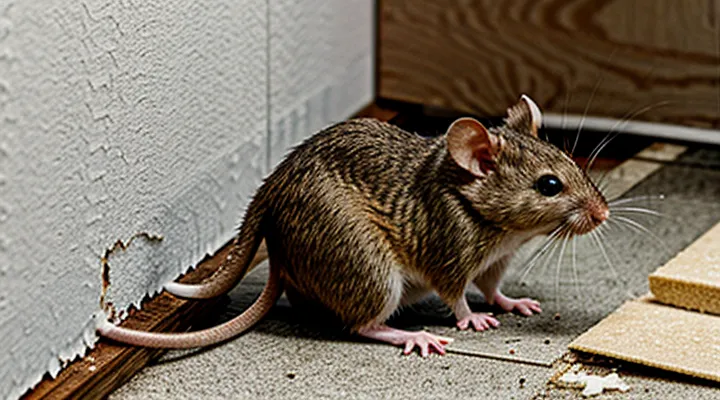
Introduction
The Mystery of Mice and Drywall
Common Misconceptions
Mice occasionally damage wallboard, but their activity is often misunderstood. The belief that rodents regularly gnaw through thick drywall is unsupported; most species lack the jaw strength to penetrate dense gypsum without assistance from pre‑existing cracks or soft material.
Common misconceptions include:
- Mice can chew through any drywall – they typically target weakened sections, such as gaps around outlets or water‑damaged areas.
- All rodent damage appears as clean holes – mouse activity often leaves irregular nibble marks, shredded paper, or small tunnels rather than perfect circles.
- Only mice cause wall damage – squirrels, rats, and insects can produce similar signs; accurate identification requires examining bite size and pattern.
- Drywall is immune to infestation – moisture, poor installation, and lack of sealing create entry points that invite small mammals.
Effective prevention relies on sealing openings smaller than ¼ inch, maintaining low humidity, and inspecting vulnerable points regularly. When damage is detected, confirming the species through droppings, gnaw marks, or motion‑activated cameras ensures appropriate control measures.
Why This Topic Matters
Mice chewing drywall directly affects building integrity. Their incisors can penetrate gypsum, creating holes that compromise fire‑rating, reduce insulation efficiency, and expose interior framing to moisture. Each breach increases the likelihood of mold growth and structural rot, raising repair costs and shortening the lifespan of the property.
Damage to drywall also creates pathways for pathogens. Rodent saliva and urine introduce bacteria and viruses into living spaces, elevating health risks for occupants. Allergens from shed fur and dander accumulate in compromised wall cavities, aggravating respiratory conditions.
Understanding this behavior informs effective pest‑management strategies. Accurate identification of gnawing patterns enables targeted placement of traps and bait, reducing unnecessary chemical use. Early detection prevents extensive remediation, saving time and resources for homeowners, landlords, and maintenance professionals.
Key reasons the issue matters:
- Structural degradation and safety hazards
- Increased exposure to disease‑causing agents
- Higher repair and remediation expenses
- Necessity for precise, economical control measures
Rodent Behavior and Gnawing
Why Do Rodents Gnaw?
Tooth Maintenance
Mice sustain their incisors through continuous growth that exceeds the rate of natural wear. When the animals encounter hard surfaces such as gypsum board, the resulting abrasion trims the teeth, preventing over‑elongation that could impair feeding or cause facial injury. The balance between eruption and wear is essential; insufficient gnawing leads to excessive length, while excessive chewing can blunt the cutting edge, reducing efficiency.
Factors influencing dental health include:
- Diet composition: high‑fiber foods increase chewing activity, promoting regular tooth shortening.
- Access to abrasive materials: structures like drywall, cardboard, or wood provide necessary resistance for effective wear.
- Age: juvenile mice exhibit rapid incisor growth, requiring frequent gnawing to maintain functional length.
Monitoring these variables helps predict whether a mouse will engage in drywall gnawing. Adequate natural wear sources reduce the likelihood of destructive behavior, as the animal seeks alternative materials only when dental maintenance is insufficient.
Exploring Their Environment
Mice seek shelter, food, and pathways within residential and commercial structures. Their choice of habitat determines the likelihood of contact with plasterboard and related materials.
Typical indoor locations include gaps around pipes, openings near baseboards, and voids behind cabinets. These spaces provide protection from predators, stable temperature, and easy access to stored grains or crumbs.
Key environmental triggers that encourage rodents to explore wall cavities are:
- Moisture accumulation behind drywall, which softens material and facilitates gnawing.
- Presence of insulation fibers that serve as nesting substrate.
- Small openings (≤¼ inch) that allow entry from exterior or attic spaces.
- Proximity to food sources, such as pantry shelves or uncovered trash bins.
When mice encounter these conditions, they employ incisors to enlarge passages, creating holes and compromising structural integrity. Continuous monitoring of humidity levels, sealing of entry points, and removal of food residues reduce the incentive for wall penetration.
Implementing barrier methods—steel wool, copper mesh, or expanding foam—around identified gaps prevents further intrusion. Regular inspection of concealed areas, especially after renovations, identifies early signs of activity before extensive damage occurs.
Seeking Food and Shelter
Mice turn to drywall when food scarcity and exposure to predators intersect. The material offers a readily available source of cellulose, which satisfies the nutritional need for plant matter and the structural demand for nesting fibers. By gnawing the gypsum board, rodents acquire both a modest protein supplement and a substrate for constructing burrows that conceal them from visual detection.
Key motivations for drywall damage include:
- Limited access to conventional food stores, prompting mice to explore alternative resources within walls.
- The presence of gaps or cracks that provide entry points, allowing rodents to reach interior cavities.
- The need for a stable, insulated environment that maintains temperature and humidity levels conducive to breeding.
Observations that confirm this behavior are:
- Fresh chew marks on the surface of wall panels, often accompanied by droppings.
- Accumulation of shredded gypsum dust near entryways, indicating ongoing gnawing activity.
- Increased mouse sightings near baseboards and utility closets, where drywall is most exposed.
Mitigation requires sealing structural openings, securing food sources, and removing existing infestations promptly. These actions eliminate the incentives that drive mice to exploit drywall for sustenance and shelter.
What Do Mice Typically Gnaw On?
Natural Materials
Mice frequently target building components that contain organic fibers or soft mineral layers. Drywall consists of a gypsum core encased in paper, a composition that offers both moisture and a pliable surface. The paper layer, derived from natural cellulose, presents an attractive substrate for rodents seeking to file down incisor edges, while the gypsum core provides a relatively easy material to gnaw. Consequently, the presence of natural fibers in drywall increases the likelihood of damage compared to purely inorganic panels.
Natural building materials exhibit varying degrees of susceptibility to rodent activity. Their structural properties—softness, fiber content, and moisture retention—directly influence gnawing behavior. Understanding these characteristics helps homeowners and builders select alternatives that reduce infestation risk.
- Wood panels: high cellulose content, rapid gnawing
- Straw‑bale walls: loose fibers, easy to shred
- Hempcrete: mixed hemp fibers with lime, moderate resistance
- Cork board: compressible cells, moderate susceptibility
- Clay plaster: low organic content, slower gnawing
Replacing or reinforcing drywall with materials that lack readily chewable fibers can diminish mouse damage. Protective barriers, such as metal mesh or hardboard sheathing, further limit access to vulnerable natural layers.
Household Items
Mice frequently encounter drywall while navigating residential interiors. Their incisors continuously grow, requiring regular gnawing to maintain length; drywall offers a readily available source of calcium and a relatively soft surface that can be chewed without excessive effort.
The behavior extends to several other household components:
- Electrical wiring, especially non‑metallic sheathing, which provides both a chewable material and a potential source of heat.
- Fiberglass or foam insulation, whose fibers are easy to bite and whose placement near concealed spaces encourages activity.
- Food packaging, including cardboard boxes and plastic containers, which can be breached when crumbs or odors are present.
- Wooden furniture and baseboards, which supply cellulose and may serve as travel routes along walls.
Preventive measures focus on eliminating access and reducing attraction. Seal cracks and gaps larger than 1 mm with steel wool or caulk. Store food in airtight containers made of glass or heavy‑wall plastic. Install rodent‑proof conduit for wiring and consider metal‑clad insulation in vulnerable areas. Regular inspection of walls, ceilings, and structural joints identifies early gnaw marks before damage spreads.
Do Mice Gnaw Drywall?
The Scientific Perspective
Material Composition of Drywall
Drywall, commonly referred to as gypsum board, consists of a gypsum plaster core sandwiched between two layers of paper. The core is produced from calcium sulfate dihydrate (CaSO₄·2H₂O) mixed with water and a set of additives that control setting time, strength, and fire resistance. Typical additives include starch, mica, perlite, and fiberglass for enhanced durability and thermal properties. The paper facings are made from cellulose fibers treated with starch and a moisture‑resistant coating to prevent warping.
Key components of standard drywall:
- Gypsum plaster (≈ 95 % of board thickness)
- Front and back paper liners (≈ 2–3 % each)
- Starch‑based adhesives
- Optional fire‑retardant compounds (e.g., alumina, glass fibers)
- Optional moisture‑resistant agents (e.g., silicone, wax emulsions)
The material’s hardness and low nutritional value make it unattractive to rodents. Mice possess continuously growing incisors adapted for gnawing fibrous or softer organic matter. The dense gypsum core resists penetration, while the paper layers lack the carbohydrate content that would incentivize chewing. Consequently, drywall’s composition reduces the likelihood of sustained gnawing, though occasional damage may occur when mice seek entry points or are forced to chew through softer adjacent materials.
Mouse Dentition and Gnawing Capabilities
Mice possess continuously growing incisors that terminate in sharp, chisel‑like edges. The enamel coating on the front surface is significantly harder than the dentin behind, creating a self‑sharpening mechanism as the softer dentin wears away during chewing. This design forces rodents to gnaw constantly to prevent overgrowth, a behavior driven by both nutritional needs and dental maintenance.
The mandible delivers powerful, rapid bites, while the maxillary incisors provide precise cutting. Muscle attachment points allow a bite force of approximately 0.1–0.2 N, sufficient to fracture soft building materials. The combination of high gnawing frequency (up to 20 times per minute) and the ability to generate localized stress makes drywall, which contains gypsum and paper fibers, vulnerable to penetration.
Key factors influencing a mouse’s capacity to damage drywall:
- Material softness: Gypsum’s compressive strength (~5 MPa) is lower than typical wood, reducing resistance to rodent bites.
- Fiber composition: Paper facing offers little abrasive protection, allowing incisors to slice through with minimal wear.
- Moisture content: Slight humidity softens gypsum, further decreasing its structural integrity.
- Access points: Gaps around outlets or baseboards provide entry routes, enabling mice to reach interior wall surfaces.
Understanding these dental and mechanical attributes clarifies why mice can create holes in drywall despite its seemingly solid appearance. Effective prevention therefore requires sealing entryways and employing materials with higher hardness or reinforced surfaces to counteract the rodents’ natural gnawing behavior.
Evidence from Infestations
Signs of Drywall Damage
Mice that chew through drywall leave distinct evidence. Recognizing these indicators helps differentiate rodent activity from ordinary wear.
- Small, clean‑cut holes, typically ¼‑inch to ½‑inch in diameter, appear near baseboards, cabinets, or utility openings.
- Irregular gnaw marks along edges, showing teeth impressions that are shallow and parallel.
- Fine gypsum dust accumulating on floors, furniture, or inside vents, especially where a hole has been created.
- Cracks radiating from a puncture point, often widening over time as the structure weakens.
- Visible nesting material— shredded paper, fabric fibers, or insulation—found in wall cavities accessed through the breach.
- Concentrations of mouse droppings or urine stains on the interior side of drywall, indicating frequent travel through the opening.
- Unusual sounds such as scratching or scurrying within walls, often louder when the structure is disturbed.
These signs typically cluster at low elevations, near food storage areas, and adjacent to exterior entry points. Prompt identification enables targeted remediation and prevents extensive structural compromise.
Distinguishing Mouse Damage from Other Pests
Mice leave a distinct pattern of damage that differs from the marks produced by insects, larger rodents, and other critters. Identification relies on bite size, location, and accompanying evidence.
Typical mouse gnaw marks are shallow, irregular gouges about 1‑2 mm wide, often found near seams, corners, or behind cabinets where access points exist. The edges appear smooth, and the material may show a clean, white powder from shredded paper or insulation. Droppings accompany the damage: small, dark, spindle‑shaped pellets about 3‑5 mm long, usually clustered near the gnaw site.
In contrast, rat damage features larger, deeper bites—3‑6 mm wide—with jagged edges and extensive fraying of the drywall surface. Termite activity produces honey‑comb tunnels and mud‑like pellets, while carpenter ants create galleries within wood, not drywall. Cockroach dropples are larger, irregular, and often accompanied by a distinct oily residue.
Key distinguishing factors
- Bite width: mouse ≈ 1‑2 mm; rat ≈ 3‑6 mm; insects < 1 mm or absent.
- Edge shape: mouse smooth; rat jagged; insect chew marks irregular and shallow.
- Presence of droppings: mouse pellets small and spindle‑shaped; rat pellets larger and kidney‑shaped; insect frass varies in texture and size.
- Location preference: mice target concealed wall cavities and low‑lying seams; rats favor larger openings and structural gaps; insects concentrate on moisture‑rich or food‑source areas.
Accurate identification enables targeted remediation, preventing unnecessary treatments and focusing resources on the specific pest responsible for drywall damage.
Risks and Consequences of Drywall Gnawing
Structural Damage
Mice frequently target drywall because the material provides a convenient source of cellulose and a pathway to interior spaces. Their incisors continuously grow, requiring regular gnawing to maintain proper length; drywall offers a soft, easily chewed surface that satisfies this need.
When rodents chew through drywall, they create holes that compromise the integrity of walls, ceilings, and partitions. Repeated damage can weaken load‑bearing sections, reduce fire‑resistance ratings, and expose hidden utilities such as electrical wiring and plumbing. The resulting breaches allow moisture intrusion, accelerating mold growth and corrosion of metal components.
Structural consequences extend beyond visible holes. Undermined framing members may develop rot or pest infestations, leading to progressive loss of strength. In severe cases, the cumulative effect of multiple gnawing points can necessitate replacement of entire wall assemblies, increasing repair costs and downtime.
Preventive measures include sealing entry points, installing metal mesh barriers behind drywall, and employing traps or bait stations to control mouse populations. Regular inspections of wall surfaces, especially in attics and basements, enable early detection of gnaw marks and prompt remediation before structural degradation progresses.
Electrical Hazards
Rodents that chew through wallboard can damage insulated electrical conductors, creating a direct path for current to escape its intended circuit. When a mouse gnaws drywall, the protective sheath around copper or aluminum wires may be breached, exposing live conductors to moisture, dust, and other combustible materials.
The exposure produces several hazards:
- Short circuits caused by contact between damaged conductors and metallic fasteners or framing members.
- Arc flash events when a broken wire arcs across a gap, generating heat capable of igniting nearby insulation.
- Increased fire risk as exposed wires heat adjacent framing or insulation, potentially reaching ignition temperatures.
- Power outages and equipment failure resulting from intermittent connections or blown fuses.
Mitigation measures focus on preventing access and monitoring integrity:
- Seal cracks, gaps, and utility openings with steel wool, copper mesh, or caulking designed for rodent exclusion.
- Install conduit or armored cable in areas where drywall is susceptible to gnawing, providing a physical barrier around conductors.
- Conduct regular visual inspections of wall surfaces, especially near known rodent activity, to detect bite marks or exposed wiring early.
- Employ bait stations or traps to reduce rodent populations within the structure.
- Replace compromised sections of wiring with new, rodent-resistant cable following local electrical codes.
By addressing the pathways rodents use to reach drywall and reinforcing electrical installations, the risk of electrical incidents associated with rodent damage can be substantially reduced.
Health Concerns
Allergens and Pathogens
Mice that gnaw drywall can introduce allergens and pathogens into indoor environments, creating health hazards for occupants. Their saliva, urine, and feces contain proteins that trigger allergic reactions, while the act of chewing releases dust contaminated with these biological materials. The resulting aerosol can settle on surfaces, be inhaled, or be transferred to food items.
Key allergenic and pathogenic agents associated with mouse activity include:
- Allergen proteins: Major urinary protein (MUP) and serum albumin, both capable of sensitizing individuals and provoking asthma, rhinitis, or dermatitis.
- Bacterial agents: Salmonella spp., Leptospira interrogans, and Streptococcus pneumoniae may be present in excreta, posing infection risks through ingestion or inhalation of contaminated particles.
- Viral agents: Hantavirus and lymphocytic choriomeningitis virus can survive in dried droppings; aerosolization during cleaning or demolition can lead to respiratory exposure.
- Parasitic organisms: Toxoplasma gondii cysts may be transported on mouse fur or in feces, potentially contaminating food preparation areas.
Exposure pathways extend beyond direct contact. When mice chew drywall, the resulting dust can infiltrate HVAC systems, distributing allergens and pathogens throughout the building. Moreover, structural damage creates gaps that facilitate the spread of contaminated air currents.
Mitigation requires a two‑fold approach: eliminating rodent ingress and addressing contaminated debris. Sealing entry points, maintaining sanitation, and employing integrated pest management reduce the source. Professional removal of gnawed drywall, followed by thorough disinfection with EPA‑registered agents, removes residual allergens and inactivates pathogens. Air filtration equipped with HEPA filters captures airborne particles, decreasing inhalation risk.
Understanding the link between mouse chewing behavior and indoor bio‑contamination informs effective prevention strategies and protects occupant health.
Contamination
Mice that chew drywall can introduce a range of contaminants into residential and commercial structures. Their incisors create openings that allow urine, feces, and saliva to deposit on interior surfaces, while the damaged gypsum releases dust that carries microbial particles.
Primary contamination pathways
- Direct deposition of rodent excreta onto exposed drywall, leading to bacterial and viral presence.
- Dispersal of dust containing rodent hair, dander, and fragmented gypsum, which can settle on HVAC filters and ventilation ducts.
- Transfer of external pollutants, such as pesticides or chemicals stored in adjacent areas, through gnawed gaps.
Biological contamination poses health risks, including hantavirus, salmonella, and allergic reactions to rodent allergens. Chemical residues may trigger respiratory irritation, especially when dust is disturbed during renovation or cleaning. Structural contamination compromises fire‑rating integrity and may accelerate mold growth by providing moisture‑retaining niches.
Detection relies on visual inspection of gnaw marks, accumulation of droppings, and odor assessment. Laboratory analysis of swab samples confirms pathogen presence. Preventive measures involve sealing entry points, installing metal or cement barriers over compromised drywall, and employing integrated pest‑management protocols to reduce rodent populations.
Remediation requires removal of contaminated drywall sections, thorough disinfection with EPA‑registered agents, and replacement with non‑porous materials where feasible. Post‑remediation testing verifies the absence of residual contaminants before reoccupancy.
Preventing Drywall Gnawing
Rodent-Proofing Your Home
Sealing Entry Points
Mice gain access to interior walls through gaps as small as a pencil lead. Unsealed openings allow rodents to enter, gnaw drywall, and create structural damage. Blocking these pathways eliminates the primary route of intrusion and reduces the likelihood of chewing incidents.
Common entry points include:
- Gaps around utility pipes and wiring
- Openings beneath doors and windows
- Cracks in foundation walls and floor joists
- Unfinished attic vents and roof penetrations
- Spaces around HVAC ducts and vent flues
Effective sealing techniques consist of:
- Inspecting the building envelope for openings larger than ¼ inch.
- Applying steel wool or copper mesh to fill small gaps, preventing rodents from chewing through.
- Using expanding polyurethane foam for medium‑size cracks, then covering with metal flashing for added durability.
- Installing cement‑based caulk or mortar around larger structural seams.
- Securing door sweeps and weatherstripping to eliminate gaps at the threshold.
Regular maintenance checks confirm that seals remain intact. Re‑inspection after seasonal changes or renovations ensures that new openings are identified and addressed promptly.
Eliminating Food Sources
Mice turn to drywall when conventional food supplies disappear. When crumbs, pet food, and stored grains are inaccessible, rodents expand their diet to include building materials that contain cellulose or protein binders. The resulting gnawing weakens walls and creates entry points for further infestation.
Removing attractants eliminates the incentive to seek alternative nutrients. Effective measures include:
- Storing dry goods in sealed, rodent‑proof containers.
- Cleaning countertops, floors, and appliances after each use.
- Securing garbage in containers with tight‑fitting lids and disposing of waste regularly.
- Feeding pets from metal bowls placed on non‑absorbent surfaces and removing leftovers promptly.
- Inspecting pantry shelves for spills and repairing cracks that could hide food particles.
Regular inspection of storage areas identifies hidden crumbs before they become a problem. Vacuuming seams, corners, and behind appliances reduces residual debris that rodents could exploit.
A comprehensive approach that combines strict sanitation with proper storage eliminates the primary driver of drywall gnawing, reducing the likelihood of structural damage caused by hungry mice.
Repellents and Deterrents
Natural Solutions
Mice often target drywall because the material provides easy access to interior spaces and the soft edges are suitable for gnawing. Their incisors continuously grow, requiring regular chewing on fibrous or porous substrates, which includes unfinished wall panels.
Natural methods can deter this behavior without chemicals:
- Peppermint oil applied to cotton balls and placed near entry points creates an odor mice find unpleasant.
- Steel wool or copper mesh packed into gaps blocks physical access while remaining corrosion‑resistant.
- Dryer sheets or cedar shavings scattered around potential pathways emit scents that discourage rodents.
- Ultrasonic emitters produce high‑frequency sounds outside the hearing range of humans but irritating to small mammals.
- Predator urine (e.g., fox or cat) applied to the perimeter signals danger, prompting avoidance.
- Maintaining a clean environment eliminates food crumbs and nesting material, reducing attraction.
Implementing these measures together strengthens protection. Regular inspection of seals, vents, and foundation cracks ensures that barriers remain intact, preventing new infiltration routes.
Commercial Products
Commercial solutions for preventing mouse damage to interior walls focus on sealing entry points, deterring gnawing, and protecting existing drywall. Products combine physical barriers with chemical repellents to reduce the likelihood of rodents compromising structural surfaces.
- Steel or copper mesh sheeting, cut to fit around plumbing and electrical penetrations, provides a durable barrier that rodents cannot chew through.
- Polyurethane foam sealants expand to fill gaps around conduit, offering a seamless, chew‑resistant coating.
- Rodent‑resistant drywall panels incorporate reinforced fibers or metal mesh within the sheet, increasing resistance to gnawing while maintaining standard installation procedures.
- Bitter‑tasting repellents applied to exposed edges create an aversive taste that discourages chewing without harming the animal.
- Electronic ultrasonic emitters generate frequencies uncomfortable for rodents, supplementing physical barriers in larger spaces.
Selection criteria prioritize material hardness, ease of installation, compatibility with existing construction codes, and long‑term effectiveness. Mesh sheeting must meet ASTM standards for tensile strength; sealants should retain elasticity after curing; reinforced panels must pass fire‑rating requirements. Repellents require verification of non‑toxicity for occupants and pets.
Installation guidelines recommend applying mesh and sealant before drywall installation, ensuring all openings are covered. When retrofitting, remove compromised drywall, replace with reinforced panels, and seal seams with polyurethane foam. After installation, verify continuity of barriers with a visual inspection and conduct periodic checks for signs of gnawing or new entry points.
Professional Pest Control
When to Call an Expert
Mice can create holes in interior wall panels, leaving exposed gypsum and compromising the surface finish. When the damage extends beyond a few isolated bites, the situation typically exceeds the capacity of do‑it‑yourself repairs.
Signs that professional intervention is required
- Multiple gnaw marks across a single wall, indicating a high‑traffic passage.
- Visible fraying or crumbling of the panel material, suggesting structural weakening.
- Presence of droppings, urine stains, or strong odor that may affect indoor air quality.
- Evidence of repeated activity after previous DIY attempts, such as fresh chew marks appearing within weeks.
- Discovery of nests or concealed entry points behind walls, insulation, or cabinetry.
If any of these conditions are observed, contact a licensed pest‑control specialist or a qualified contractor. Professionals can assess the extent of the infestation, implement targeted exclusion methods, and replace damaged drywall with proper sealing and finishing. Prompt expert involvement reduces the risk of long‑term damage, prevents health hazards, and restores the integrity of the building envelope.
Integrated Pest Management Strategies
Mice frequently target drywall because thin panels provide easy access to interior spaces and concealment. Integrated Pest Management (IPM) addresses this behavior by combining preventive and responsive measures that reduce population pressure while limiting damage to building materials.
- Monitoring: Deploy snap traps or motion‑activated cameras in suspected zones; record capture rates weekly to identify activity patterns.
- Exclusion: Seal gaps larger than ¼ inch with steel wool, caulk, or cement; install door sweeps and vent covers to block entry points.
- Sanitation: Remove food residues, store grain in sealed containers, and maintain clean work areas to eliminate attractants.
- Mechanical control: Position live‑catch traps along walls and near baseboards; release captured rodents at a distance from the property.
- Chemical control: Apply rodenticide baits in tamper‑resistant stations only after exclusion measures have reduced access; rotate active ingredients to prevent resistance.
- Evaluation: Review trap data and damage reports monthly; adjust tactics based on observed efficacy and any new entry points.
Effective IPM reduces the likelihood that mice will gnaw drywall by disrupting access, limiting food sources, and maintaining a low‑density rodent population. Continuous assessment ensures that interventions remain aligned with the specific behavior patterns observed in the structure.
Conclusion
Recap of Key Findings
Mice are capable of gnawing drywall, especially when alternative food sources are scarce or when nesting material is needed. Their incisors continuously grow, prompting them to chew on any accessible substrate, including gypsum board.
- Drywall damage typically appears as small, irregular holes near baseboards, corners, or behind appliances where mice travel.
- Moisture‑rich drywall softens the material, making it easier for rodents to bite through.
- Evidence of gnawing often coexists with mouse droppings, urine stains, and gnaw marks on surrounding framing.
- Laboratory observations confirm that mice prefer softer, damp surfaces over hard, dry ones.
- Preventive measures such as sealing entry points, reducing indoor humidity, and eliminating food residues substantially lower the incidence of drywall damage.
Final Recommendations for Homeowners
Homeowners should address potential drywall damage by mice with a systematic approach that combines inspection, prevention, and remediation.
- Conduct a thorough visual survey of walls, ceilings, and utility spaces. Look for small gnaw marks, powdery debris, or fresh droppings near seams and corners. Document any findings for targeted treatment.
- Seal all entry points larger than ¼ inch. Apply steel wool or copper mesh followed by a durable caulk or expanding foam. Pay special attention to gaps around pipes, vents, and foundation cracks.
- Reduce indoor food sources. Store grains, cereals, and pet feed in airtight containers. Clean crumbs and spills promptly, and keep trash bins tightly closed.
- Install snap traps or live‑catch traps in identified activity zones. Position traps perpendicular to walls, with the trigger end facing the wall, to align with the rodent’s natural running path.
- Maintain a dry environment. Repair leaks, improve ventilation in basements and crawl spaces, and use dehumidifiers if humidity exceeds 50 %. Moisture attracts rodents and accelerates material degradation.
- Engage a licensed pest‑management professional for persistent infestations. Professionals can apply rodenticides safely, conduct comprehensive building assessments, and offer long‑term monitoring plans.
- After eliminating the rodents, repair damaged drywall using appropriate joint compound and reinforcing tape. Replace sections where structural integrity is compromised. Apply a rodent‑resistant coating or metal mesh behind the repaired area for added protection.
Implementing these steps promptly minimizes structural damage, preserves indoor air quality, and prevents future gnawing incidents. Regular maintenance checks should be scheduled quarterly to ensure ongoing protection.