
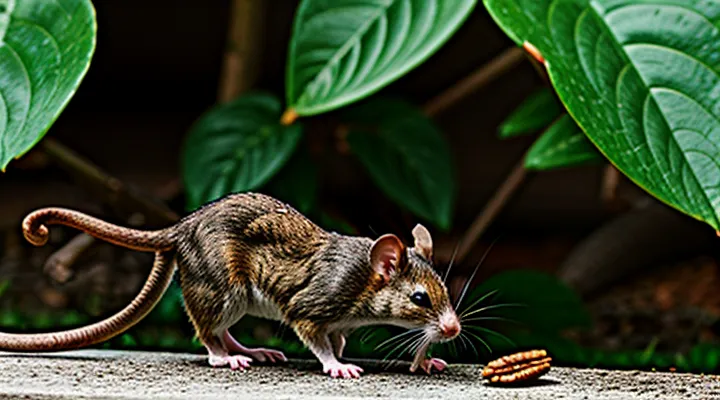
Understanding Mice's Dietary Habits
General Rodent Diet
Mice belong to the order Rodentia, whose members share a diet primarily composed of plant material. Their natural intake includes seeds, grains, fruits, and tender shoots, supplemented by insects when available. Energy demands are met through high‑carbohydrate foods, while protein is obtained from beans, legumes, and occasional arthropods.
Key components of a typical rodent diet are:
- Seeds and grains: wheat, corn, barley, and oat kernels provide readily digestible carbohydrates.
- Fresh vegetation: leafy greens, grasses, and sprouting shoots supply fiber and micronutrients.
- Fruit and nuts: occasional consumption of berries, apples, and hard‑shelled nuts contributes fats and additional sugars. The presence of nuts in a mouse’s diet depends on accessibility; they are not a staple but are eaten when they can be cracked open.
- Protein sources: insects, eggs, and soy products enhance amino acid intake, especially during growth or breeding periods.
Digestive physiology limits the ability of mice to process large, fibrous nuts. Their incisors can gnaw through shells, but the high lipid content makes nuts a supplemental, not primary, food source. In laboratory settings, standard rodent chow replicates the natural balance, containing a mixture of powdered grains, soy, and minimal fat, ensuring consistent nutrition without reliance on hard‑shelled items.
Overall, the rodent diet emphasizes readily consumable plant matter with occasional animal protein; nuts are included only as an opportunistic addition rather than a core element.
Nutritional Needs of Mice
Mice require a diet that supplies protein, carbohydrates, fats, vitamins, and minerals in proportions that support rapid growth, reproduction, and high metabolic rates. Protein sources typically include insects, seeds, and animal-derived feed, providing essential amino acids such as lysine and methionine. Carbohydrates are obtained from grains and plant material, delivering glucose for immediate energy. Lipids, though constituting a smaller fraction of the diet, are necessary for membrane synthesis and hormone production; they are commonly sourced from seed oils and animal fats.
Nutrient requirements can be summarized as follows:
- Protein: 14–20 % of total caloric intake; quality measured by digestibility and amino acid profile.
- Carbohydrates: 50–60 % of calories; primarily starches and simple sugars from grains and fruits.
- Fats: 5–10 % of calories; essential fatty acids include linoleic and α‑linolenic acids.
- Vitamins: A, D, E, K, B‑complex; supplied by leafy greens, fortified feed, and occasional animal tissue.
- Minerals: Calcium, phosphorus, magnesium, potassium, sodium, and trace elements such as zinc and copper; obtained from soil‑derived plant material and mineral supplements.
Nuts contain high levels of fats, protein, and fiber, aligning with several of the listed requirements. However, their hard shells and low water content make them less accessible to wild mice, which prefer softer, moisture‑rich foods. Laboratory studies show that when nuts are presented in a form that mice can gnaw, consumption increases, indicating that nuts can satisfy part of the dietary fat and protein needs but do not constitute a complete staple.
Overall, the nutritional profile of nuts meets specific macronutrient gaps, yet mice rely on a varied diet to achieve balanced intake. Incorporating nuts into a controlled feeding regime can enhance energy density, but must be complemented with sources of carbohydrates, vitamins, and minerals to fulfill the full spectrum of physiological demands.
Nuts in a Mouse's Diet
Do Wild Mice Eat Nuts?
Types of Nuts Wild Mice Encounter
Wild rodents frequently come across a variety of nut species while foraging in natural environments. These nuts provide essential fats, proteins, and carbohydrates that supplement a primarily grain‑based diet.
- Acorns (Quercus spp.) – abundant in temperate forests; mice gnaw the shell and consume the nutrient‑rich kernel, especially in autumn when other foods decline.
- Hazelnuts (Corylus spp.) – found in woodland edges; small size allows easy handling, and the high‑energy kernel is prized during winter months.
- Walnuts (Juglans spp.) – scattered beneath mature trees; mice break the hard shell to access the fatty interior, often storing surplus for later use.
- Pine nuts (Pinus spp.) – released from cones of certain pine species; the thin seed coat requires minimal effort to extract the oil‑dense seed.
- Chestnuts (Castanea spp.) – prevalent in mixed forests; mice harvest fallen nuts, preferring the sweet, starchy kernels.
- Beechnuts (Fagus spp.) – drop in late summer; rodents strip the husk and consume the edible seed before it dries.
- Almond‑like seeds (Prunus spp., Amygdalus spp.) – occur in shrublands; mice exploit the soft kernels after removing the outer hull.
The presence of these nuts varies with season, habitat type, and tree maturity, influencing how often mice encounter and incorporate them into their diet. Consumption patterns reflect the nuts’ accessibility, shell hardness, and caloric payoff, shaping foraging strategies across diverse ecosystems.
How Mice Access Nuts in Nature
Mice incorporate nuts into their diet when available, using them as high‑energy food sources that supplement seeds, insects, and plant material. In habitats where nuts fall to the forest floor, mice locate them through scent and tactile cues, then employ physical adaptations to obtain the edible kernel.
- Climbing: Small rodents ascend low branches or fallen logs, reaching nuts still attached to the canopy or lodged in crevices.
- Gnawing: Robust incisors break hard shells; repeated biting reduces the shell to fragments that expose the kernel.
- Storing: Mice transport nuts to concealed burrow chambers, where they protect the food from competitors and environmental exposure.
- Ground foraging: When nuts drop to the litter layer, mice dig through leaf litter and loose soil, uncovering partially buried nuts.
Access to nuts influences mouse reproductive success and survival rates, especially during seasonal scarcity. By exploiting multiple acquisition strategies, mice maintain a flexible foraging repertoire that supports their role as opportunistic consumers in temperate and tropical ecosystems.
Do Pet Mice Eat Nuts?
Safe Nuts for Pet Mice
Mice can chew and swallow nuts, but only a limited selection is suitable for domestic rodents. Veterinary nutritionists advise offering nuts that are low in fat, free of added salts, sugars, or seasonings, and that can be introduced in small, bite‑sized pieces.
- Almonds (unsalted, blanched): Provide protein and vitamin E; limit to one half‑almond per week.
- Hazelnuts (plain, unshelled): Supply healthy fats and antioxidants; offer a single chopped piece weekly.
- Peanuts (raw, unsalted): Rich in protein and niacin; give one small fragment (about 2 mm) no more than twice monthly.
- Pistachios (unsalted, shelled): Contain B‑vitamins and minerals; restrict to one half‑nut every six weeks.
Nuts that must be avoided include macadamia, walnuts, and pecans because of high fat content and potential for digestive upset. Also exclude any roasted or flavored varieties, as additives can be toxic.
Feeding protocol: introduce a new nut in a single piece, observe the mouse for 24 hours, and discontinue if signs of diarrhea, lethargy, or respiratory distress appear. Maintain a balanced diet of commercial rodent pellets, fresh vegetables, and occasional safe nuts to prevent nutritional imbalances. Regular veterinary check‑ups ensure that nut supplementation remains appropriate for the individual animal’s health status.
Nuts to Avoid for Pet Mice
Pet mice can tolerate certain nuts, but many varieties pose health risks and should be excluded from their diet.
Raw almonds contain cyanogenic compounds that can produce toxic effects, especially in small rodents. Their high fat content also predisposes mice to obesity and hepatic lipidosis.
Walnuts, particularly when uncooked, carry aflatoxin contamination and a high level of omega‑6 fatty acids, which can disrupt the delicate balance of essential fatty acids in mice.
Pecans and macadamia nuts are rich in saturated fats and phytosterols that may cause digestive upset and interfere with cholesterol metabolism.
Peanuts, though technically legumes, are frequently listed among nuts and present a dual hazard: they are a common allergen and often contain aflatoxins. Additionally, their hard shells can cause dental injury if not fully removed.
Brazil nuts contain selenium in quantities far exceeding the safe threshold for rodents, leading to selenosis, characterized by respiratory distress and liver damage.
Cashews, when raw, retain urushiol, a resinous compound that can provoke skin irritation and gastrointestinal inflammation.
In summary, avoid feeding pet mice almonds, walnuts, pecans, macadamia nuts, peanuts, Brazil nuts, and raw cashews. Offer only small, well‑processed, low‑fat seed alternatives if nut-like treats are desired.
Moderation and Preparation of Nuts for Pet Mice
Nuts can be a nutritious addition to a mouse’s diet when offered in limited amounts and prepared correctly. They supply healthy fats, protein, and vitamins, but excessive consumption may cause obesity, digestive upset, or nutrient imbalance.
Preparation guidelines:
- Choose raw, unsalted varieties; avoid roasted, flavored, or sugar‑coated nuts.
- Inspect for mold, cracks, or foreign particles; discard any compromised pieces.
- Cut nuts into pieces no larger than 2 mm to prevent choking and facilitate chewing.
- Store in an airtight container at cool temperature to preserve freshness and inhibit spoilage.
Moderation recommendations:
- Limit nuts to 5 % of total daily intake by weight; for a 30‑gram mouse, this equals approximately 1.5 grams (one or two small pieces) per day.
- Offer nuts no more than three times per week; substitute with fresh vegetables or grains on other days.
- Monitor the mouse’s weight and stool consistency; adjust portion size if signs of excess fat or digestive disturbance appear.
Risks and Considerations
Choking Hazards
Mice are capable of gnawing a variety of foods, including hard‑shelled nuts. Their incisors can break through shells, but the size and shape of nut fragments pose a risk of airway obstruction.
- Small, irregular pieces may lodge in the throat, especially in juvenile or infirm individuals.
- Whole kernels that exceed the diameter of the mouse’s esophagus can become trapped, preventing breathing.
- Moisture from nut oils can cause swelling of lodged fragments, increasing blockage severity.
Veterinary guidelines recommend offering nuts only in finely chopped or ground form, ensuring that each piece is smaller than the mouse’s palate width. Continuous observation during feeding helps detect signs of distress, such as gasping, pawing at the mouth, or sudden cessation of activity. Immediate intervention—clearing the airway or seeking professional care—reduces mortality risk.
Nutritional Imbalances
Mice that include seeds and kernels in their diet may experience specific nutrient distortions. Rodent metabolism requires a precise balance of protein, fat, carbohydrates, vitamins, and minerals; deviation from this balance can impair growth, reproduction, and immune function.
Typical imbalances observed when nuts constitute a substantial portion of intake include:
- Protein deficiency – nuts contain lower levels of essential amino acids compared to insect prey, leading to reduced muscle development.
- Excess fat – high lipid concentration can cause hepatic steatosis and elevate circulating triglycerides.
- Calcium overload – many nuts are rich in calcium, which may suppress vitamin D activation and disrupt bone remodeling.
- Vitamin E surplus – excessive antioxidant intake can interfere with normal oxidative signaling pathways.
- Mineral toxicity – elevated levels of phosphorus and magnesium may impair renal function.
Long‑term reliance on nut consumption without supplemental sources can shift the dietary profile toward these conditions. Balanced laboratory chow or natural foraging that mixes insects, grains, and plant material mitigates the risk, ensuring that mice receive adequate protein, regulated fat, and appropriate micronutrient levels.
Allergies and Sensitivities
Mice that encounter nuts may experience immune reactions similar to those observed in other rodents. Protein components such as albumins, globulins, and storage proteins can trigger IgE‑mediated responses, leading to symptoms ranging from mild dermal irritation to severe anaphylaxis. The likelihood of a reaction depends on genetic predisposition, previous exposure, and the concentration of allergenic proteins in the nut.
Key factors influencing sensitivity include:
- Species‑specific immune profile; laboratory strains often display heightened reactivity compared to wild populations.
- Nutrient composition; high lipid content can exacerbate mast cell degranulation.
- Processing method; roasted or boiled nuts may alter protein structure, reducing or enhancing allergenicity.
Diagnostic approaches rely on serum IgE quantification, skin prick testing with nut extracts, and observation of clinical signs after controlled ingestion. Management strategies focus on elimination of nut sources from the environment, substitution with low‑allergen feed, and, when necessary, administration of antihistamines or corticosteroids under veterinary supervision.
Research indicates that repeated low‑dose exposure can induce tolerance in some mouse models, yet the process is unpredictable and requires careful monitoring to avoid inadvertent sensitization.
Contamination and Toxins
Mice frequently include nuts in their diet when these resources are available. Nut consumption introduces exposure to a range of contaminants that can affect rodent health and, indirectly, human safety.
Contamination sources associated with nuts:
- Mycotoxins produced by Aspergillus, Penicillium, and Fusarium species; aflatoxin B1, ochratoxin A, and fumonisins are the most prevalent.
- Pesticide residues, including organophosphates, neonicotinoids, and pyrethroids, persist on shell and kernel surfaces.
- Heavy metals such as cadmium, lead, and mercury accumulate in soil and can be absorbed by nut trees, remaining in the edible portions.
Toxin impacts on mice:
- Mycotoxins impair liver function, suppress immune response, and reduce reproductive success.
- Pesticide exposure interferes with acetylcholinesterase activity, leading to neuromuscular dysfunction and increased mortality.
- Heavy metal accumulation causes renal damage, oxidative stress, and behavioral alterations.
Risk pathways:
- Mice ingest contaminated nuts, accumulate toxins in tissues.
- Predators or scavengers that consume mouse carcasses acquire secondary exposure.
- Human contact with rodent‑infested storage facilities raises the likelihood of cross‑contamination of food products.
Mitigation measures:
- Implement rigorous testing of nut batches for mycotoxin levels and pesticide residues.
- Store nuts in sealed, moisture‑controlled environments to inhibit fungal growth.
- Apply integrated pest management to reduce reliance on chemical treatments and limit heavy‑metal uptake in orchards.
Understanding the contaminant profile of nuts consumed by rodents clarifies health implications for both the animals and the broader ecosystem.
Alternative Food Sources for Mice
Natural Food for Wild Mice
Wild mice obtain most of their energy from plant material found in their habitat. Seeds, grains, and nuts constitute a substantial portion of their natural diet, especially during autumn when these resources are abundant. Nut consumption provides high‑fat calories that support rapid growth and reproduction.
In addition to nuts, wild mice regularly eat:
- Fresh and dried seeds (e.g., millet, sunflower, and wheat)
- Grasses and herbaceous plant stems
- Fruit pulp and discarded skins
- Invertebrates such as beetles, larvae, and worms, which supply protein
- Fungal spores and mycelium when available
Seasonal shifts alter food availability. Spring and early summer favor green vegetation and insects, while late summer and fall increase the presence of mature seeds and fallen nuts. During scarcity, mice expand their foraging range and may store excess nuts in concealed caches to survive winter months.
Nutritional balance is achieved through selective feeding. Fat‑rich nuts offset the lower energy density of grasses, whereas insects complement the diet with essential amino acids and micronutrients. This adaptive strategy enables wild mice to maintain body condition across fluctuating environments.
Appropriate Food for Pet Mice
Commercial Mouse Food
Commercial mouse food is formulated to meet the nutritional requirements of laboratory and pet rodents, ensuring consistent growth, reproduction, and health outcomes. Manufacturers incorporate protein sources, vitamins, minerals, and energy substrates in precise ratios, reducing variability that could affect experimental results or animal welfare.
Nuts appear in some formulations as a supplemental energy and lipid source. Their inclusion follows these principles:
- Provide essential fatty acids that support membrane integrity and hormone synthesis.
- Supply calories comparable to grain‑based ingredients, aiding weight maintenance.
- Offer trace amounts of vitamin E and phytochemicals that may enhance antioxidant status.
When nuts are used, they undergo grinding, roasting, and sterilization to eliminate mold spores and reduce mycotoxin risk. The final product is a pelleted or extruded mash, free of whole shells that could cause dental injury. Nutrient analysis confirms that the nut component contributes no more than 5 % of total caloric content, preventing excess fat accumulation while still delivering the intended benefits.
Safe Fruits and Vegetables
Mice that are offered nuts often require additional sources of vitamins, fiber, and hydration. Incorporating safe fruits and vegetables ensures a balanced diet and reduces reliance on high‑fat nuts.
- Apples (core removed, seeds discarded) – high in fiber and vitamin C.
- Blueberries – rich in antioxidants, low in sugar.
- Carrots – provide beta‑carotene and moisture.
- Cucumbers – mainly water, useful for hydration.
- Peas – source of protein and B‑vitamins, served cooked or raw.
- Spinach – supplies iron and folate, offered in small portions.
- Sweet potatoes (cooked, skin removed) – source of complex carbohydrates and vitamin A.
These items are non‑toxic to mice when prepared correctly. Avoid citrus peels, avocado flesh, and raw potatoes, as they contain compounds harmful to rodents. Regularly rotate selections to prevent nutritional deficiencies and monitor for any signs of digestive upset.
Protein Sources
Mice are omnivorous rodents that obtain protein from a range of natural and supplemental foods. Nuts can appear in their environment and may be consumed, contributing protein along with fats and carbohydrates.
- Insects (e.g., beetles, caterpillars)
- Seeds (e.g., sunflower, millet)
- Grains (e.g., wheat, oats)
- Nuts (e.g., hazelnuts, almonds)
- Animal tissue (e.g., carrion, meat scraps)
Nuts contain moderate protein levels, typically 15–25 % of dry weight, comparable to many seeds. Their amino‑acid profile is balanced but lacks certain essential amino acids in sufficient quantities for a mouse’s full nutritional requirement. Consequently, nuts alone cannot satisfy the protein needs of a mouse; they must be combined with other protein sources.
When formulating a diet that includes nuts, limit the proportion to avoid excess fat intake, which can lead to obesity and related health issues. Pair nuts with higher‑quality protein foods such as insects or lean animal protein to achieve a complete amino‑acid profile and maintain optimal growth and reproduction.