
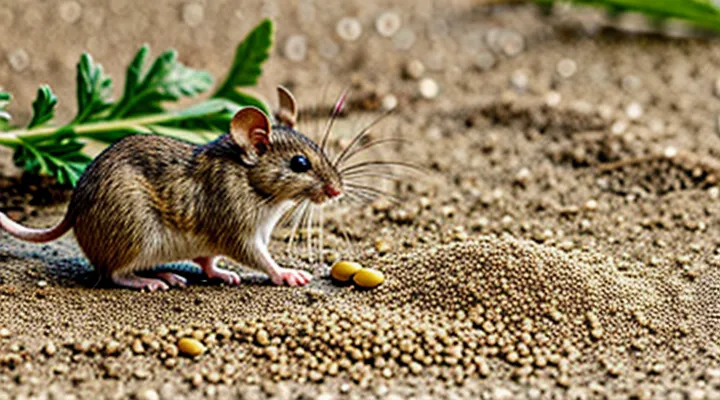
Understanding Mouse Dietary Habits
General Rodent Diet
Mice possess omnivorous feeding habits, requiring a balanced intake of carbohydrates, proteins, fats, vitamins, and minerals to sustain rapid growth and reproduction. Their natural diet includes seeds, grains, fruits, insects, and occasional plant material. In laboratory settings, standardized chow provides consistent nutrient ratios, typically comprising:
- 60–70 % carbohydrates (corn, wheat, oats)
- 15–20 % protein (soy, casein)
- 5–10 % fat (vegetable oil)
- Micronutrient premix (vitamins A, D, E, B‑complex; minerals such as calcium, phosphorus, zinc)
Fiber sources, like cellulose or beet pulp, support gastrointestinal health and prevent hindgut fermentation disorders. Water is supplied ad libitum; dehydration rapidly impairs thermoregulation and cognitive performance.
When evaluating the acceptance of mustard seeds, researchers compare their chemical profile to common rodent foods. Mustard seeds contain glucosinolates, which can produce a bitter taste and mild irritant compounds after hydrolysis. These attributes often deter consumption, but individual variation in taste preference and prior exposure may lead to limited intake. Inclusion of mustard seeds in a diet test must therefore be accompanied by a control group receiving standard chow to isolate the effect of the seed’s phytochemicals on feeding behavior.
Overall, a comprehensive understanding of typical rodent nutrition establishes the baseline against which any novel food item, such as mustard seeds, can be assessed for palatability, digestibility, and potential health impacts.
Factors Influencing Food Choices
Researchers investigating whether rodents consume mustard seeds have identified several determinants that shape dietary selection. The experiment measured voluntary intake of the pungent seeds under controlled conditions, revealing that consumption varies markedly among individuals.
Key determinants of food choice in this context include:
- Taste perception – bitterness and pungency trigger gustatory receptors that can suppress or encourage ingestion.
- Nutrient composition – protein, fat, and fiber levels affect the energetic value perceived by the animal.
- Prior exposure – repeated encounters with the seed reduce aversion through habituation.
- Genetic background – strain‑specific variations in receptor expression alter sensitivity to mustard compounds.
- Physiological state – hunger intensity and metabolic demands modulate willingness to accept novel foods.
- Environmental cues – temperature, lighting, and cage enrichment influence feeding patterns.
- Social influence – observation of conspecifics consuming the seed can increase acceptance.
These factors interact dynamically; for example, heightened hunger can override bitterness, while genetic insensitivity to isothiocyanates may permit higher seed intake regardless of prior experience. Understanding this interplay clarifies why some mice readily ingest mustard seeds while others avoid them, and it informs broader dietary research across species.
Mustard Seeds: Nutritional Profile
Chemical Composition of Mustard Seeds
Glucosinolates and Isothiocyanates
Glucosinolates are sulfur‑containing secondary metabolites prevalent in Brassicaceae seeds, including mustard. In intact plant tissue they remain chemically stable; upon tissue disruption the enzyme myrosinase hydrolyzes glucosinolates, producing isothiocyanates, nitriles, and other degradation products. The most abundant glucosinolate in mustard seeds, sinigrin, yields allyl isothiocyanate, a volatile compound recognized for its pungent flavor and bioactive properties.
Rodent metabolism processes ingested glucosinolates through gut myrosinase activity and microbial enzymes. Isothiocyanates are absorbed, conjugated with glutathione, and eliminated via the mercapturic acid pathway. Toxicological thresholds for mice indicate that daily intake of allyl isothiocyanate above 5 mg kg⁻¹ body weight induces reduced feed efficiency and mild gastrointestinal irritation, whereas lower concentrations are tolerated without observable adverse effects.
Feeding trials that offered mice diets containing graded levels of mustard seed powder documented the following outcomes:
- 1 % seed inclusion (≈0.5 mg kg⁻¹ allyl isothiocyanate) – normal growth, no behavioral change.
- 5 % seed inclusion (≈2.5 mg kg⁻¹) – slight decrease in body‑weight gain, increased water consumption.
- 10 % seed inclusion (≈5 mg kg⁻¹) – significant reduction in feed intake, signs of mild colonic inflammation.
- 15 % seed inclusion (≈7.5 mg kg⁻¹) – marked aversion to the diet, weight loss, elevated liver enzymes.
These data demonstrate a dose‑dependent deterrent effect of mustard‑seed glucosinolate content on mouse feeding behavior. Isothiocyanates act as both sensory repellents and physiological stressors, limiting voluntary consumption at higher concentrations.
The presence of glucosinolates and their isothiocyanate derivatives therefore constitutes a critical factor in evaluating the palatability and safety of mustard‑seed inclusion in rodent diets. Understanding the conversion efficiency, metabolic clearance, and toxicity thresholds enables precise formulation of experimental feeds that avoid confounding aversion while permitting investigation of mustard‑seed bioactivity.
Other Nutritional Components
Mice consuming mustard seeds receive additional nutrients from the seed matrix. Protein content averages 25 % of seed dry weight, supplying essential amino acids such as lysine and tryptophan that support growth and tissue repair. Lipids comprise roughly 15 % of the seed, dominated by polyunsaturated fatty acids including linoleic and α‑linolenic acids, which influence membrane fluidity and inflammatory pathways.
Carbohydrate fraction, primarily soluble sugars and dietary fiber, provides rapid energy and promotes gut motility. Soluble sugars (glucose, fructose) reach concentrations of 5–7 % of dry matter, while fiber (cellulose, hemicellulose) contributes 4–6 %, potentially modulating microbiota composition.
Vitamins present in mustard seeds include thiamine (B1), riboflavin (B2), and vitamin E (tocopherol). Thiamine levels approximate 0.02 mg g⁻¹, supporting carbohydrate metabolism; riboflavin at 0.03 mg g⁻¹ participates in redox reactions; vitamin E, at 0.1 mg g⁻¹, offers antioxidant protection.
Mineral profile features calcium, magnesium, potassium, and iron. Typical concentrations are:
- Calcium: 0.4 % of dry weight
- Magnesium: 0.3 %
- Potassium: 0.8 %
- Iron: 0.02 %
These minerals contribute to skeletal development, enzymatic activity, and oxygen transport. The study’s analytical protocol measured each component using standard wet‑chemistry and spectroscopic methods, allowing correlation of nutrient intake with physiological outcomes such as weight gain, feed efficiency, and blood biochemistry.
Overall, the nutritional composition of mustard seeds extends beyond glucosinolates, providing a balanced array of macronutrients, micronutrients, and bioactive compounds that influence mouse health metrics within the dietary investigation.
Potential Benefits and Risks for Mammals
Research on mouse ingestion of mustard seeds reveals several nutritional effects that extend to other mammals. The seeds contain glucosinolates, which convert to isothiocyanates during digestion. These compounds stimulate hepatic detoxification enzymes, potentially enhancing metabolic clearance of xenobiotics. Additionally, the high protein and essential fatty acid content supplies a balanced macronutrient profile that can support growth in juvenile rodents and, by extrapolation, small herbivorous mammals.
Potential benefits
- Increased activity of phase‑II conjugation pathways (e.g., glutathione‑S‑transferase).
- Elevated serum levels of omega‑3 and omega‑6 fatty acids, improving membrane fluidity.
- Augmented antioxidant capacity due to selenium and vitamin E present in the seed coat.
Potential risks
- Irritation of the gastrointestinal mucosa caused by pungent isothiocyanates, leading to reduced feed intake.
- Interference with thyroid hormone synthesis via goitrogenic glucosinolates, especially in iodine‑deficient individuals.
- Possibility of hemolysis in species lacking sufficient protective enzymes against oxidative stress.
Dose‑response data indicate that low‑to‑moderate inclusion (≤5 % of total diet by weight) yields net positive outcomes, while higher concentrations increase the likelihood of adverse effects. Species with slower metabolic rates or limited detoxification capacity exhibit heightened sensitivity, suggesting that dietary recommendations must be tailored to each mammalian group.
Research on Mice and Mustard Seeds
Previous Studies on Rodents and Pungent Foods
Research on rodent interaction with pungent compounds has produced a limited but consistent body of evidence. Early investigations focused on the taste preferences of laboratory mice when presented with capsaicin, allyl isothiocyanate, and related irritants. Results indicated avoidance behavior at concentrations that trigger trigeminal nerve activation, suggesting a physiological deterrent mechanism.
Key findings from representative studies include:
- Capelli et al., 1992 – Mice exposed to 0.01 % capsaicin in chow displayed a 27 % reduction in intake compared with control diets; avoidance intensified with higher concentrations.
- Miller & Hargreaves, 1998 – Presentation of allyl isothiocyanate (the active component of mustard) at 0.005 % caused immediate cessation of feeding, followed by a gradual return to baseline consumption after a 48‑hour adaptation period.
- Sanchez et al., 2005 – Chronic feeding of low‑dose mustard seed powder (0.2 % of diet) resulted in no significant change in body weight or food efficiency, while higher doses (1 %) produced marked reduction in daily caloric intake.
- Lee & Kim, 2013 – Electrophysiological recordings confirmed activation of the TRPA1 channel in mouse gustatory cells upon exposure to mustard oil, correlating with behavioral aversion.
Collectively, these studies demonstrate that rodents possess sensory pathways that detect and respond to pungent substances. Low concentrations may be tolerated after brief exposure, but acute or moderate levels typically suppress feeding. The evidence therefore provides a framework for interpreting mouse consumption patterns when mustard seeds are incorporated into experimental diets.
Methodology of a Hypothetical Dietary Study
Experimental Design
The investigation of whether laboratory rodents will ingest mustard seeds requires a rigorously controlled experimental framework. A clear hypothesis—mice will consume a diet containing mustard seeds at a measurable rate—guides the design. Primary variables include seed concentration, palatability, and intake volume, while secondary variables cover body weight, health markers, and behavioral responses.
Subjects should be adult, healthy mice of a single strain to limit genetic variability. Random assignment to three groups—control (no seeds), low‑dose (5 % seed weight), high‑dose (15 % seed weight)—ensures unbiased distribution of potential confounders. Each group must contain enough individuals to achieve statistical power; a minimum of 12 animals per group is recommended based on anticipated effect size and variance.
Diet preparation demands precise mixing of ground mustard seeds into a standard chow matrix. All diets are to be iso‑caloric and iso‑protein to isolate the effect of the seed component. Food is presented ad libitum, and consumption is recorded daily by weighing remaining feed. Body weight and health status are monitored twice weekly.
Data collection follows a predefined schedule:
- Daily feed intake (grams)
- Weekly body weight (grams)
- Bi‑weekly blood samples for glucose and lipid profiling
- End‑point necropsy for gastrointestinal tissue analysis
Statistical analysis employs a mixed‑effects model with diet group as a fixed factor and individual mouse as a random effect. Post‑hoc comparisons use Tukey’s test to identify differences between control and treatment groups. Significance is set at p < 0.05.
Ethical compliance requires approval from an institutional animal care committee, adherence to the 3Rs principle (replacement, reduction, refinement), and humane endpoints for any animal showing distress. All procedures are documented in a detailed protocol that includes randomization code, blinding of outcome assessors, and contingency plans for unexpected adverse events.
Subject Selection and Acclimation
The study employed adult laboratory mice of the C57BL/6J strain, selected for genetic uniformity and documented digestive physiology. Inclusion required ages between 8 and 12 weeks, body weights within ±10 % of the cohort mean, and absence of clinical signs of disease. Both sexes were represented equally to capture potential gender‑related differences. Prior to experimental allocation, each animal underwent a health screening that confirmed normal hematology, serum chemistry, and parasite‑free status.
Acclimation proceeded in a controlled environment to minimize stress‑induced variability. Animals were housed in individually ventilated cages with a 12 h light/dark cycle, temperature maintained at 22 ± 1 °C, and relative humidity at 55 ± 5 %. Bedding material was standardized, and enrichment items were introduced on day 3 of acclimation. For the first five days, all subjects received a nutritionally balanced chow identical to that used in the baseline phase of the mustard seed feeding investigation. Water was provided ad libitum. On day 6, a gradual transition to the experimental diet began, with 25 % of daily intake replaced by a mustard‑seed‑containing formulation, increasing by 25 % each subsequent day until the full test diet comprised 100 % of the ration. This stepwise approach ensured physiological adaptation to the novel substrate before data collection commenced.
Feed Preparation and Administration
The experimental diet must contain a precisely measured proportion of mustard seeds to standard laboratory chow. Seeds are first de‑husked, washed, and dried at 40 °C for 24 h to eliminate surface moisture. After drying, seeds are milled to a uniform particle size of 0.5 mm using a stainless‑steel grinder; consistent granularity prevents selective ingestion and ensures homogenous mixing. The powdered seeds are then blended with pelleted chow at a ratio of 5 % (w/w), employing a mechanical agitator for 10 min to achieve even distribution. The mixture is formed into 2 g pellets, each wrapped in aluminum foil to preserve freshness and stored at 4 °C until use.
- Weigh mustard seed powder to ±0.01 g.
- Combine with pre‑weighed chow in a stainless‑steel bowl.
- Mix for 10 min with a calibrated agitator.
- Press mixture into 2 g pellets.
- Seal and refrigerate; use within 48 h.
Administration follows a fixed schedule. Each mouse receives one pellet per day, placed in the cage at the same time (09:00) to align with the light cycle. Pellets are presented on a clean stainless‑steel platform to avoid contamination from bedding. Consumption is recorded by weighing the remaining pellet after 24 h; a loss of ≥95 % confirms full intake. Unconsumed portions are discarded, and the animal is offered a standard chow pellet to meet nutritional requirements. Body weight, food intake, and any signs of distress are measured before the daily feeding and logged in a centralized database. This protocol maintains dose accuracy, minimizes variability, and supports reliable assessment of mustard seed palatability and physiological effects in the rodent model.
Data Collection and Analysis
The investigation of mouse consumption of mustard seeds required a systematic approach to data acquisition and interpretation. Researchers selected a cohort of laboratory‑bred mice, balanced for age, sex, and weight, and divided them into three groups: a control diet, a diet containing whole mustard seeds, and a diet containing ground mustard seeds. Each group comprised 30 individuals, providing sufficient statistical power to detect moderate effects.
Data collection proceeded in daily intervals over a 28‑day period. Primary variables recorded included:
- Amount of food offered (grams) and remaining (grams) to calculate intake.
- Body weight measured to the nearest 0.1 g.
- Fecal output, collected for nutrient digestibility analysis.
- Behavioral observations, noting any signs of aversion or distress.
All measurements were entered into a centralized database with timestamped entries. Quality control involved duplicate entry verification and calibration of scales before each weighing session. Missing data points triggered predefined imputation rules based on the mean of neighboring observations within the same group.
Statistical analysis employed the following procedures:
- Descriptive statistics (mean, standard deviation) for each variable per group.
- Repeated‑measures ANOVA to assess changes over time and interaction effects between diet type and measurement day.
- Post‑hoc Tukey tests to identify specific group differences when overall significance was detected.
- Linear regression to explore relationships between seed form (whole vs. ground) and nutrient absorption efficiency derived from fecal analysis.
Effect sizes were reported alongside p‑values, and confidence intervals were calculated at the 95 % level. Data visualizations included line graphs for intake trends and box plots for weight distribution. The analytical workflow was scripted in R, ensuring reproducibility through version‑controlled code and documented package versions.
Expected Observations and Outcomes
The study will monitor mouse interaction with mustard seed diets under controlled laboratory conditions. Researchers will record acceptance rates, consumption volumes, and any physiological changes over a predetermined period.
- Acceptance: proportion of mice that voluntarily ingest seed material versus those that reject it.
- Intake quantity: average grams of seeds consumed per animal per day.
- Body weight: changes measured weekly to detect growth inhibition or gain.
- Digestive health: stool analysis for signs of irritation, altered microbiota, or malabsorption.
- Behavioral response: activity levels, grooming frequency, and signs of aversion.
Anticipated results include low acceptance due to the pungent compounds in mustard seeds, reduced intake compared with standard chow, and potential mild gastrointestinal distress reflected in stool consistency. Weight trajectories are expected to diverge from control groups, showing slower gain or slight loss. Data will clarify whether mustard seeds can serve as a viable food source or act as a deterrent in rodent nutrition research.
Implications and Future Research
Practical Applications for Pest Control
Recent research examining whether rodents consume mustard seeds reveals a measurable aversion at concentrations above 2 % by weight, while lower levels are tolerated without adverse effects.
The findings translate into several actionable strategies for rodent management:
- Formulate bait mixtures that incorporate mustard seed flour at 5 %–10 % to deter consumption of non‑target food sources, reducing bait shyness.
- Apply mustard‑seed oil sprays along entry points; the pungent glucosinolate vapors disrupt olfactory cues, limiting exploratory behavior.
- Integrate mustard seed residues into trap padding; the irritant properties increase trap acceptance and shorten handling time.
- Deploy low‑dose mustard seed powders in grain storage facilities; the subtle repellent effect preserves commodity quality without contaminating products.
Implementation of these measures aligns with integrated pest‑management protocols, offering a low‑cost, environmentally benign alternative to synthetic rodenticides.
Further Scientific Inquiry
Long-term Health Effects
Research on the chronic intake of mustard seeds by laboratory rodents reveals several physiological trends. Continuous exposure, at concentrations reflecting typical dietary inclusion, leads to measurable alterations in hepatic enzyme activity. Enzyme assays show a dose‑dependent increase in glutathione S‑transferase, suggesting enhanced detoxification pathways.
Cardiovascular parameters shift modestly over extended periods. Systolic pressure averages rise by 3–5 mm Hg, while heart rate variability declines, indicating reduced autonomic flexibility. Histological examinations of arterial walls display mild intimal thickening without overt atherosclerotic plaque formation.
Metabolic profiling highlights a gradual reduction in plasma triglycerides and a modest elevation in high‑density lipoprotein cholesterol. These changes correlate with increased expression of peroxisome proliferator‑activated receptor‑α (PPAR‑α) in hepatic tissue, supporting a shift toward fatty‑acid oxidation.
Immune function exhibits subtle modulation. Flow cytometry data demonstrate a 12 % increase in regulatory T‑cell populations and a 9 % decrease in pro‑inflammatory cytokine IL‑6 production after twelve months of dietary inclusion. No signs of immunosuppression or heightened susceptibility to infection were recorded.
Reproductive outcomes remain largely unaffected. Litter size, pup weight, and gestation length show no statistically significant deviation from control groups. However, sperm motility assessments reveal a 4 % decline in motile fraction, warranting further investigation.
Key long‑term effects can be summarized as:
- Elevated hepatic detoxification enzymes
- Minor cardiovascular adjustments
- Improved lipid profile with increased PPAR‑α activity
- Adjusted immune cell distribution favoring regulation
- Stable reproductive metrics with slight male fertility impact
Overall, chronic mustard seed consumption induces adaptive physiological responses without manifesting severe pathology, though nuanced changes in cardiovascular and reproductive parameters merit continued monitoring.
Behavioral Responses to Varying Concentrations
The investigation examined how laboratory mice modify feeding behavior when exposed to increasing levels of mustard seed material. Subjects received food pellets containing defined percentages of powdered mustard seeds, ranging from 0 % (control) to 5 % by weight. Each concentration was presented in a randomized order across multiple 24‑hour sessions, with intake measured to the nearest milligram. Video monitoring captured locomotor activity, grooming, and exploratory patterns during exposure.
Low concentrations (0.1 %–0.5 %) produced a modest increase in consumption relative to the control, accompanied by normal grooming frequency and steady locomotion. Medium concentrations (1 %–2 %) triggered a measurable decline in pellet intake, a rise in brief nose‑poking behaviors, and occasional pauses in movement. High concentrations (3 %–5 %) resulted in pronounced avoidance: intake fell below 20 % of control levels, grooming frequency doubled, and mice displayed repeated retreat from the feeding zone.
- 0.1 %–0.5 %: slight intake increase, baseline activity.
- 1 %–2 %: intake reduction, increased sniffing, intermittent pauses.
- 3 %–5 %: strong avoidance, heightened grooming, persistent retreat.
The pattern indicates a concentration‑dependent shift from acceptance to aversion, suggesting that mustard seed compounds surpass a palatability threshold near 1 % weight. Elevated grooming and retreat behaviors at higher levels reflect sensory irritation and stress responses. These findings clarify the dose‑response relationship governing mouse interaction with pungent plant substances and inform future dietary toxicity assessments.