
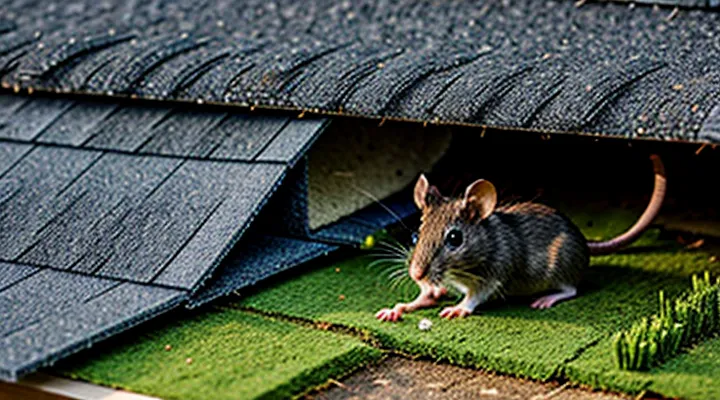
The Nature of Roofing Felt
Composition and Purpose
Roofing felt, commonly called underlayment, consists of two primary material families. The traditional variant blends wood‑based fibers with a saturated asphalt binder, creating a flexible sheet that resists water penetration. Modern alternatives replace the organic matrix with woven or non‑woven synthetic fibers such as polypropylene, polyester, or fiberglass, then coat the fabric with a polymeric or bituminous layer for durability.
The core function of the underlayment is to form a continuous, impermeable barrier between the roof deck and the exterior cladding. This barrier prevents moisture infiltration, protects structural sheathing from freeze‑thaw cycles, and provides a smooth surface for shingle adhesion. Additional benefits include secondary protection against wind‑driven rain, reduction of heat transfer to the deck, and a sacrificial layer that shields the roof from minor impacts.
Mouse activity intersects with the material composition. Organic, asphalt‑saturated sheets contain cellulose fibers that can be gnawed for nutritional value, making them more vulnerable to rodent damage. Synthetic sheets lack edible fibers, offering resistance to chewing while maintaining waterproof performance. Consequently, selecting a non‑organic underlayment reduces the likelihood of rodent‑induced breaches without compromising the primary protective role.
Vulnerability to Pests
Mice may target roofing felt, but the likelihood of damage hinges on structural integrity and environmental conditions. Open seams, loose underlayment, and moisture accumulation create entry points and attract rodents seeking shelter and water.
Factors that heighten susceptibility include:
- Unsealed roof penetrations (vents, chimneys, skylights)
- Accumulated debris or vegetation touching the roof surface
- Persistent dampness in the attic or roof cavity
- Proximity of food sources such as stored grain or pet food
A common misconception asserts that mice habitually gnaw roofing felt as a primary food source. Evidence shows that rodents prefer cellulose-rich materials (wood, cardboard) and only chew felt when alternative options are scarce. Consequently, isolated incidents of felt damage often follow extensive infestation or severe structural compromise.
Mitigation strategies focus on eliminating access and reducing attractants:
- Install metal flashing or steel mesh around all roof penetrations.
- Apply sealant to gaps larger than ¼ inch.
- Trim tree branches and shrubs to maintain a minimum five‑foot clearance from the roof.
- Ensure proper ventilation to keep attic humidity below 50 %.
- Store food in rodent‑proof containers and remove waste promptly.
Implementing these measures lowers the probability of rodent intrusion and preserves the protective function of roofing felt.
Mouse Behavior and Chewing Habits
Why Rodents Chew
Gnawing for Tooth Maintenance
Mice chew not to damage structures but to keep their incisors from over‑growing. Each tooth erupts continuously; without regular abrasion, the teeth can become excessively long, impairing the animal’s ability to eat and threatening its health. The gnawing action creates a self‑limiting wear pattern, allowing the mouse to maintain a functional bite.
When a mouse encounters roofing felt, the material presents a convenient, abrasive surface. The same physiological need that drives gnawing on wood, plastic, or wire also leads to contact with roofing components. Consequently, the presence of felt does not attract mice; it merely offers an additional substrate for a behavior that is essential for dental health.
Practical steps to reduce damage:
- Seal gaps around eaves, vents, and roof penetrations to block entry.
- Install metal flashing or copper mesh over exposed felt edges.
- Maintain a clean perimeter, removing debris that could serve as nesting material.
Understanding gnawing as a dental maintenance activity clarifies why mice interact with roofing felt and informs effective prevention measures.
Exploring New Environments
Mice encounter roofing felt primarily when they move into structures that have recently been modified or repaired. The presence of fresh, loose material creates a tactile surface that invites inspection. In such environments, rodents test the texture with their incisors, not because the felt is a food source, but because it offers a pliable substrate for nest construction or burrow reinforcement. Observations from pest‑control studies confirm that chewing occurs chiefly during the initial weeks after installation, when the felt is still unsecured.
The likelihood of rodent damage varies with several environmental factors:
- Temperature gradients that drive mice to seek warmer interior zones.
- Availability of alternative nesting materials such as insulation or shredded paper.
- Degree of enclosure; tighter seals limit access to roofing layers.
- Presence of predators or deterrents that alter foraging routes.
When mice explore unfamiliar habitats, they assess structural components for suitability. Roofing felt, being lightweight and fibrous, may be incorporated into temporary shelters, especially if other options are scarce. However, once the material is firmly attached and alternative resources become abundant, the chewing behavior diminishes sharply.
Effective mitigation combines environmental management with physical barriers. Securing felt edges, applying rodent‑resistant membranes, and maintaining a clean surrounding area reduce the incentive for rodents to test new surfaces. Continuous monitoring during the early post‑installation period provides the most reliable indicator of whether chewing will progress into a persistent problem.
Diet and Food Sources
Mice are opportunistic omnivores. Their natural diet consists primarily of seeds, grains, nuts, and insects, supplemented by plant material and occasional animal protein. When conventional food supplies are scarce, mice expand their foraging behavior to include atypical items that provide structural or nutritional benefits.
Typical food sources include:
- Whole grains (wheat, corn, oats)
- Legumes and pulses (beans, peas)
- Nuts and seeds (sunflower, peanut, acorn)
- Insects and larvae
- Fresh fruit and vegetables
- Processed residues (bread crumbs, cereal fragments)
In the absence of adequate nutrition, mice may gnaw on synthetic materials such as roofing felt. The act serves two purposes: obtaining fibers for nest construction and exploiting the felt’s petroleum‑based composition as a low‑energy substrate for dental wear. The felt does not supply calories, but its texture satisfies the rodents’ instinctive need to file down continuously growing incisors.
Therefore, the likelihood of mice chewing roofing felt correlates directly with the availability of preferred food. Adequate storage of grains and proper sanitation reduce the incentive for rodents to resort to non‑nutritive materials. Conversely, compromised food sources increase the probability of such behavior, reinforcing the need for comprehensive pest‑management strategies that address both nutritional attractants and structural vulnerabilities.
The Truth About Mice and Roofing Felt
Evidence of Damage
Visual Cues
When inspecting a roof, visual cues provide the most reliable evidence of rodent interference with felt underlayment. Look for the following indicators:
- Small, irregular holes puncturing the felt surface, often clustered near seams or edges.
- Frayed or shredded fibers that reveal gnaw marks, typically accompanied by clean‑cut edges rather than torn material.
- Accumulations of mouse droppings or urine stains on the underside of the felt, especially in concealed valleys or near roof penetrations.
- Presence of gnaw marks on nearby wooden rafters, joists, or insulation, suggesting a feeding path that includes the felt.
- Trails of shredded insulation or nesting material extending from attic spaces to the roof deck.
Additional observations strengthen the assessment:
- Discoloration or moisture patches around damaged areas, indicating water infiltration caused by compromised felt.
- Evidence of gnawed fasteners, such as nails or staples, that secure the roofing membrane.
Correlating these visual signs with the location of entry points—gap around vents, eaves, or roof‑to‑wall junctions—helps determine whether rodents are actively chewing the roofing felt or if the damage results from other factors. Accurate identification of these cues directs effective remediation and prevents further deterioration.
Sounds of Infestation
Mice produce audible activity in roof cavities that can be mistaken for structural damage. Recognizing the specific sounds helps separate fact from speculation about their impact on roofing materials.
- Rapid scratching on joists or insulation, heard as intermittent high‑pitched taps.
- Continuous gnawing, a soft, repetitive grinding that lasts several seconds.
- Quick scurrying, a faint rustle as small bodies move across loosely packed fibers.
- Sharp squeaks, brief high‑frequency chirps during brief encounters or distress.
- Subtle rustling of nesting material, a low‑volume shuffling when mice rearrange debris.
Mice noises differ from those of larger rodents. Rats generate deeper, louder gnawing and more forceful thuds. Squirrels create louder, irregular clattering due to larger body mass. The timing also varies: mice are most active at night and early dawn, producing short bursts, whereas rats may sustain longer periods of activity.
Claims that mice frequently chew roofing felt rely on the assumption that their gnawing creates tearing sounds. In practice, mice rarely bite felt because it offers little nutritional value and is difficult to cut. The audible evidence associated with felt damage—sharp tearing or tearing‑like snaps—is usually absent. When such sounds occur, they more often originate from structural components shifting under the weight of accumulated debris.
Effective assessment of acoustic clues involves:
- Recording the time window of each sound.
- Identifying the location relative to vents, eaves, or insulation seams.
- Comparing the pattern with known mouse activity cycles.
- Correlating acoustic data with physical signs such as droppings, gnaw marks, or nesting material.
By focusing on the precise characteristics of infestation noises, homeowners can differentiate between myth‑driven concerns and the actual likelihood of mice damaging roofing felt.
Factors Influencing Chewing
Type of Felt Material
Roofing felt comes in several distinct formulations, each with characteristics that influence susceptibility to rodent damage.
Asphalt‑saturated felt, the most common variant, consists of a cellulose base impregnated with asphalt. The material is heavy, water‑resistant, and provides a solid barrier against moisture. Its organic fibers can attract gnawing behavior, especially when the felt is exposed for extended periods before shingle installation.
Fiberglass‑reinforced felt replaces the cellulose core with woven glass fibers. This construction eliminates the organic component, reducing the appeal to chewing rodents. The mat remains flexible, resists tearing, and offers comparable waterproofing to asphalt‑saturated versions.
Synthetic polymer felts, typically made from polypropylene or polyethylene, are fully non‑organic. They combine high tensile strength with resistance to UV degradation. Their smooth surface and lack of edible fibers make them the least attractive to mice, though they can be pierced if rodents persistently gnaw.
Key distinctions
- Core material: cellulose (asphalt), glass fiber (fiberglass), polymer (synthetic)
- Rodent attraction: high (asphalt), moderate (fiberglass), low (synthetic)
- Durability: moderate (asphalt), high (fiberglass), very high (synthetic)
- Installation window: shorter for asphalt, longer for synthetic due to slower degradation
Selecting a felt type aligned with rodent‑resistant properties reduces the likelihood of chewing damage, supporting the overall integrity of the roof covering.
Availability of Other Materials
Mice are attracted to roofing felt primarily because of its texture and the shelter it offers. When selecting a roofing underlayment, the presence of alternative products can reduce the likelihood of rodent damage. Manufacturers now provide several substitutes that differ in composition, durability, and resistance to chewing.
- Synthetic polymer sheets (e.g., polyethylene or polypropylene) – smooth surface, low palatability, compatible with most roofing systems.
- Metal‑capped underlayment – reinforced steel or aluminum backing, eliminates gaps where rodents could nest.
- Asphalt‑based membrane with added fiber reinforcement – denser structure, harder for rodents to gnaw through.
- Rubberized roofing underlayment – flexible, high tensile strength, deters chewing due to hardness.
These options are widely stocked by building supply distributors and can be sourced through standard wholesale channels. Selecting a non‑felt material reduces the need for additional pest‑control measures while maintaining the protective functions of a traditional underlayment.
Severity of Infestation
Mice activity beneath roofing material can progress from occasional gnawing to a full‑scale infestation that compromises structural integrity. The degree of damage depends on population size, duration of presence, and access points.
Key indicators of a serious problem include:
- Multiple entry holes in the roof deck or soffits.
- Visible nesting material, such as shredded insulation, within the roofing cavity.
- Continuous fresh chew marks on felt, flashing, or underlying plywood.
- Increased droppings or urine stains on attic surfaces.
When a colony exceeds a few individuals, the cumulative effect of constant chewing weakens the felt’s protective function, allowing moisture infiltration and accelerating wood rot. Persistent moisture creates a feedback loop: damp conditions attract more rodents, which in turn produce additional waste that further degrades the environment.
Remediation must address both the rodents and the compromised roofing components. Effective control strategies involve sealing all entry points, removing contaminated felt, and installing durable, rodent‑resistant underlayment before re‑securing the roof. Failure to act promptly elevates repair costs and may necessitate replacement of larger sections of the roof structure.
Potential Consequences of Damage
Structural Compromise
Mice that gnaw roofing underlayment can directly weaken the protective envelope of a building. The felt layer serves as a barrier against moisture infiltration; once perforated, water can reach the sheathing and framing members. Continuous exposure to water accelerates rot, reduces load‑bearing capacity, and may trigger mold growth that further degrades structural components.
Key mechanisms of structural compromise include:
- Loss of moisture barrier – holes allow rain or condensation to seep into the roof deck.
- Accelerated wood decay – sustained dampness promotes fungal activity, softening beams and joists.
- Corrosion of fasteners – moisture reaches metal connectors, leading to rust and loss of tension.
- Increased load on insulation – saturated insulation adds weight, stressing roof trusses.
Inspection routines that detect rodent damage early can prevent these outcomes. Typical signs are visible chew marks, nesting material within the underlayment, and localized discoloration of the roof deck. Remediation steps involve sealing entry points, replacing damaged felt, and treating affected wood with preservative agents.
When untreated, the cumulative effect of rodent chewing can reduce a roof’s service life by several years and raise the probability of catastrophic failure under wind or snow loads. Maintaining a sealed, chew‑free underlayment is therefore essential for preserving the structural integrity of any residential or commercial roof system.
Water Leaks and Damage
Mice are capable of gnawing soft roofing materials, including felt, when they seek nesting sites or food sources. Their incisors can create punctures as small as a few millimeters, which are sufficient for water to infiltrate the roof assembly. Once moisture reaches the underlying layers, it spreads along the decking, saturating insulation and wooden structures.
The resulting water intrusion produces several distinct problems:
- Accelerated rot in roof sheathing and supporting rafters.
- Corrosion of metal fasteners and flashing components.
- Growth of mold and mildew on interior surfaces.
- Degradation of thermal performance due to wet insulation.
Each issue contributes to a cascade of repairs that exceed the cost of preventive measures. Sealing entry points, installing rodent‑proof barriers, and using reinforced roofing underlayment reduce the likelihood of gnawing damage and the associated water leakage.
Regular inspections after severe weather events can identify early signs of rodent activity, such as chewed felt edges or exposed fibers. Prompt remediation prevents moisture from establishing a persistent path, preserving structural integrity and limiting long‑term expense.
Insulation Degradation
The belief that rodents gnaw roofing felt often masks the true causes of insulation failure. Insulation degradation primarily results from environmental exposure, mechanical stress, and biological activity that compromise thermal performance and structural integrity.
Moisture intrusion is the most damaging factor. Water penetrates felt, saturates fibrous insulation, and reduces its R‑value by up to 50 %. Repeated wet‑dry cycles cause mold growth, fiber breakdown, and loss of loft. Mechanical compression from heavy loads or foot traffic collapses the air pockets that provide resistance to heat flow, accelerating heat loss.
Common contributors to insulation deterioration include:
- UV radiation degrading polymer binders in roofing felt.
- Temperature fluctuations causing expansion‑contraction cycles that weaken material bonds.
- Rodent activity limited to nesting material removal; chewing rarely reaches the felt itself.
- Insect infestation, particularly termites and carpenter ants, that consume or displace insulation fibers.
- Chemical exposure from roofing adhesives and sealants that alter fiber composition.
Scientific surveys of attics and crawl spaces show that visible chewing marks on felt are infrequent. Most damage attributed to mice is actually the result of secondary effects: nests that trap moisture, displaced insulation that settles unevenly, and increased airflow that dries surrounding materials. Direct gnawing of roofing felt by mice is documented in less than 5 % of inspected structures.
Effective mitigation focuses on controlling moisture, protecting felt from ultraviolet exposure, and sealing entry points to prevent rodent nesting. Installing vapor barriers, applying UV‑resistant coatings, and maintaining proper ventilation address the core mechanisms of insulation degradation, rendering the chewing myth largely irrelevant.
Health Risks
Mice that gnaw roofing felt can create direct and indirect health hazards for occupants and maintenance workers. The felt often contains asphalt, bitumen, or synthetic polymers; when chewed, these substances fragment into fine particles that become airborne. Inhalation of such particles irritates the respiratory tract and may trigger asthma attacks, especially in individuals with pre‑existing sensitivities.
Chewed felt also serves as a vector for pathogens carried by rodents. Common contaminants include:
- Salmonella spp. – transmitted through rodent saliva and feces deposited on damaged material.
- Hantavirus – exposure risk rises when disturbed dust containing rodent droppings is inhaled.
- Leptospira – can enter wounds caused by sharp felt fragments or through contact with contaminated surfaces.
Allergen exposure increases when mouse urine and dander accumulate on the compromised felt. These protein residues become embedded in the insulation, persisting long after the rodents are removed and contributing to chronic allergic reactions.
Chemical degradation of roofing felt releases volatile organic compounds (VOCs) such as polycyclic aromatic hydrocarbons (PAHs). Prolonged exposure to PAHs is linked to carcinogenic outcomes and liver toxicity. Workers handling or cutting contaminated felt without protective equipment risk dermal absorption and inhalation of these compounds.
In summary, mouse damage to roofing felt generates a combination of respiratory irritants, infectious agents, allergens, and toxic chemicals, all of which pose measurable health risks that require prompt remediation and protective measures.
Prevention and Mitigation Strategies
Rodent-Proofing Your Roof
Sealing Entry Points
Mice gain access to attic spaces through gaps in the building envelope. Sealing these openings eliminates the primary pathway, reducing the likelihood of rodents reaching the roofing underlayment.
Identify common entry points: gaps around vent pipes, chimney flues, roof penetrations for cables, soffit vents, and cracks in sheathing. Use durable, rodent‑proof materials such as steel mesh, expanding polyurethane foam, or cement‑based sealants. Apply the sealant directly to the opening, ensuring full coverage and a smooth finish that discourages chewing. For larger gaps, install steel flashing or metal plates secured with corrosion‑resistant screws.
Regular inspection maintains effectiveness. Schedule checks after severe weather, before winter, and following any renovation work. Replace deteriorated sealant promptly to prevent re‑entry.
Key actions for sealing entry points
- Survey roof perimeter for all potential gaps.
- Choose a sealant compatible with the substrate and climate.
- Apply sealant in layers, allowing each to cure fully.
- Reinforce large openings with metal flashing.
- Document inspection dates and repair actions.
Eliminating Attractants
Mice target roofing felt primarily because it provides shelter and easy access to food residues. Reducing these incentives prevents damage and eliminates the myth that rodents are attracted solely by the material itself.
- Remove stored grain, pet food, and birdseed from attics and crawl spaces. Seal containers with metal lids.
- Clean up spilled crumbs, droppings, and organic debris. Vacuum regularly and disinfect surfaces.
- Trim vegetation and tree branches that touch the roof. Maintain a clear perimeter of at least three feet.
- Repair gaps larger than ¼ inch in walls, vents, and utility openings. Use steel wool, copper mesh, or expanding foam for sealing.
- Install metal flashing or rodent‑proof barriers around roof edges and eaves. Felt alone does not deter mice, but physical obstacles do.
Consistent application of these measures removes the primary attractants, decreasing the likelihood of rodent activity on roofing components and preserving structural integrity.
Professional Pest Control
Mice are capable of gnawing roofing underlayment, but the extent of damage varies with species, population density, and material quality. Professional pest control services evaluate these factors to determine realistic risk levels and appropriate interventions.
Evidence shows that:
- Small rodents can bite through felt when it is thin, aged, or improperly installed.
- High‑grade synthetic underlayment resists chewing better than traditional organic felts.
- Infestations increase damage probability; a single mouse may cause localized holes, while a colony can create extensive gaps.
Professional pest control addresses the issue through a systematic approach:
- Inspection: Technicians inspect roof cavities, attic spaces, and surrounding structures to locate entry points and assess damage.
- Identification: Species identification determines chewing behavior and habitat preferences, informing treatment selection.
- Exclusion: Sealing gaps, installing metal flashing, and reinforcing vulnerable sections prevent future access.
- Population control: Targeted baiting, trapping, or rodenticide application reduces existing infestations while minimizing non‑target exposure.
- Monitoring: Follow‑up visits verify exclusion effectiveness and detect new activity early.
Clients receive documentation of findings, recommended materials, and a schedule for preventive maintenance. This evidence‑based process separates myth from reality, ensuring that roofing underlayment is protected without unnecessary alarm.
Regular Inspections
Regular inspections provide the earliest indication that rodents have compromised roofing underlayment. Inspectors should examine the underside of the roof deck, the edges of felt, and any exposed seams for gnaw marks, droppings, or displaced material. Early detection prevents water infiltration, structural degradation, and costly repairs.
A systematic inspection routine includes:
- Visual survey of all roof sections after each season change.
- Close inspection of roof vents, eaves, and soffits for entry holes or nesting evidence.
- Use of a flashlight to reveal subtle chew patterns on felt edges.
- Documentation of any damage with photos and location notes.
- Immediate repair of identified entry points and replacement of damaged felt sections.
Consistent application of these steps reduces the likelihood that mouse activity translates into widespread roofing failure.