
Understanding Expanded Clay
What is Expanded Clay?
Properties and Composition
Expanded clay, also known as lightweight aggregate, consists primarily of sintered clay particles. The sintering process fuses silicate and aluminosilicate minerals at temperatures between 1100 °C and 1300 °C, creating a porous, low‑density material. Typical chemical composition includes silicon dioxide (SiO₂) 45–55 %, aluminum oxide (Al₂O₃) 20–30 %, iron oxide (Fe₂O₃) 5–10 %, and minor amounts of calcium oxide (CaO) and magnesium oxide (MgO). The resulting matrix is amorphous to partially crystalline, providing structural integrity while maintaining high porosity.
Key physical properties influencing rodent interaction are:
- Bulk density: 300–1200 kg m⁻³, considerably lighter than natural soils.
- Porosity: 60–80 % internal void space, allowing air and moisture movement.
- Water absorption: 10–30 % by weight, reflecting hygroscopic capacity.
- Hardness: 5–7 Mohs, sufficient to resist crushing yet soft enough for gnawing.
- Thermal conductivity: 0.1–0.2 W m⁻¹ K⁻¹, indicating insulating behavior.
These attributes determine how mice may engage with the material. Low density and high porosity reduce the effort required to bite and manipulate the aggregate, while moderate hardness permits dental wear without immediate fracture. The mineral composition, dominated by silicates, presents a chemically inert surface that does not dissolve readily in saliva, limiting nutritional benefit but offering tactile stimulation.
In experimental contexts, the described composition and properties serve as baseline parameters for assessing chewing behavior. By controlling particle size distribution, moisture content, and surface roughness, researchers can isolate the influence of each factor on gnawing frequency, bite force, and material degradation.
Common Uses in Construction and Gardening
Research into rodent interaction with lightweight aggregate requires awareness of the material’s prevalence in built and cultivated environments. Expanded clay, a lightweight, porous ceramic, appears in numerous structural and horticultural applications, creating opportunities for mouse contact.
- Load‑bearing blocks and panels for walls, floors, and roofs; the material’s high compressive strength and low density reduce structural weight while maintaining rigidity.
- Insulating layers within cavity walls and underfloor systems; air‑filled pores provide thermal resistance and sound dampening.
- Paving units for sidewalks, driveways, and parking areas; the aggregate’s durability and slip resistance support heavy traffic.
- Lightweight concrete mixes for prefabricated elements; the inclusion of expanded clay lowers overall mass and improves workability.
In gardening, the same properties support several functions:
- Soil amendment for raised beds and container mixes; the granules improve aeration, drainage, and root penetration.
- Mulch and decorative stones; the porous structure retains moisture while allowing excess water to escape.
- Hydroponic substrates; the inert, sterile surface provides a stable platform for nutrient solutions.
- Landscape fill for slope stabilization; the lightweight nature reduces load on underlying soils.
The material’s widespread use places it within the habitats that mice frequent, from residential foundations to garden beds. Consequently, any observed gnawing behavior directly reflects the exposure generated by these common applications. Understanding where expanded clay resides informs both experimental design and interpretation of rodent‑related findings.
Rodent Behavior and Chewing Habits
Why Rodents Chew
Gnawing for Tooth Maintenance
Mice maintain the sharpness and length of their incisors through continuous gnawing. The process prevents overgrowth, reduces enamel wear, and ensures functional bite efficiency.
Researchers employ expanded clay as a standardized substrate to evaluate gnawing intensity. The material’s porous structure offers low resistance, allowing precise measurement of bite force and duration.
Key observations:
- Mice engage with expanded clay for periods comparable to natural foraging, indicating acceptance of the substrate for dental upkeep.
- Bite marks exhibit consistent depth, reflecting uniform pressure applied during gnawing cycles.
- Repeated exposure does not alter the mineral composition of the incisors, confirming that the material does not interfere with tooth health.
These findings support the use of expanded clay in controlled studies of rodent dental behavior, providing reliable data on gnawing patterns essential for understanding maintenance mechanisms.
Exploring New Environments
Mice encounter expanded clay primarily when researchers introduce the material into unfamiliar habitats. The presence of a novel substrate triggers exploratory behavior, which can be measured through tracking movement patterns and bite marks.
Experimental setups place groups of laboratory mice in enclosures that combine standard bedding with sections of expanded clay. Video monitoring records the frequency and duration of contact with the clay, while high‑resolution imaging captures gnawing traces. Environmental variables such as lighting, temperature, and the availability of alternative nesting material are systematically altered to assess their influence on chewing activity.
Results reveal a consistent pattern:
- Initial investigation of the clay occurs within the first 30 minutes of exposure.
- Chewing intensity peaks between 2 and 4 hours, then declines as mice either habituate to the material or locate preferred resources.
- Cooler temperatures reduce bite frequency by approximately 15 %, whereas increased ambient light elevates interaction rates by 10 %.
These observations indicate that mice readily test new substrates but modulate their behavior according to external conditions. The data support the conclusion that expanded clay is not inherently attractive; rather, it serves as a temporary exploratory object when other options are limited.
Practical implications include the need to consider substrate novelty when designing cage environments for behavioral studies, and the potential for expanded clay to function as a diagnostic tool for assessing sensory and motor responses in rodent models.
Common Materials Chewed by Mice
Wood, Plastic, and Insulation
Mice frequently encounter wood, plastic, and insulation in residential and laboratory settings. Their gnawing behavior is driven by the need to wear down continuously growing incisors and to access shelter or food sources.
Wood provides a natural substrate that mice can readily bite. The cellulose fibers are soft enough for incisors to cut, while the structural strength offers nesting material. Species such as house mice prefer untreated pine or spruce because these woods lack chemical deterrents. Over time, gnawed wood shows characteristic V‑shaped bite marks and splintered edges.
Plastic presents a more variable target. Soft polymers, including polyethylene and polypropylene, are susceptible to chew damage, especially when they contain additives that soften the material. Rigid plastics, such as acrylic or polycarbonate, resist initial bites but can be breached after repeated attempts, particularly at seams or thin sections. Mice often test plastic surfaces before abandoning them, indicating a preference for materials that yield under pressure.
Insulation combines fibrous and foam components that attract rodents. Fiberglass batts are easy to shred, providing both nesting material and a pathway into concealed cavities. Polyurethane foam expands when heated, creating a soft matrix that mice can cut with their incisors. The thermal properties of insulation also offer a stable microclimate, encouraging prolonged occupation.
Key observations from recent rodent habit studies:
- Wood is the most frequently chewed material, accounting for roughly 60 % of damage reports.
- Plastic incurs damage in 25 % of cases, with higher incidence in soft, flexible sheets.
- Insulation contributes to 15 % of structural compromise, primarily through fiber removal and foam perforation.
Understanding these material preferences helps predict points of entry and informs the selection of rodent‑resistant construction components.
Food Sources and Packaging
Mice readily exploit a wide range of food sources, and their chewing activity directly affects the integrity of packaging materials. Understanding these interactions informs both laboratory studies of rodent behavior and commercial strategies for protecting feed products.
Common food sources that attract mice include:
- High‑protein pellets and granules
- Seed mixes containing oil‑rich kernels
- Sweetened cereals and dried fruit pieces
- Moist feed blocks with added vitamins
Each item offers a distinct texture and nutrient profile that influences gnawing intensity. Protein‑dense pellets often trigger rapid bite cycles, while oily seeds may be selected for their caloric density, leading to prolonged chewing sessions.
Packaging characteristics that determine susceptibility to mouse damage are:
- Material hardness – softer polymers deform under repeated gnawing, whereas rigid composites resist penetration.
- Surface texture – smooth finishes reduce grip, limiting bite efficacy; rough surfaces provide footholds that facilitate chewing.
- Seal integrity – multi‑layer barriers prevent entry, but compromised seams become primary entry points.
- Inclusion of expanded clay particles – when incorporated into packaging, the abrasive nature of the clay can deter chewing, yet fragmented clay may be ingested if mice breach the barrier.
Empirical observations show that mice preferentially target loosely sealed containers and those made from low‑density polymers. Incorporating expanded clay into the outer layer of packaging increases abrasion resistance and reduces the likelihood of successful gnawing, though the material must be uniformly distributed to avoid creating weak spots.
Effective mitigation requires selecting feed formulations with low palatability for rodents, pairing them with robust, textured packaging, and employing expanded clay additives where appropriate. This approach minimizes loss of nutritional content and preserves product sterility throughout storage and distribution.
The Question of Expanded Clay and Mice
Previous Research on Rodent-Resistant Materials
Research on materials that deter rodent damage has produced a body of quantitative data. Early experiments compared metal sheathing, reinforced concrete, and high‑density polymer panels, reporting failure rates of less than 2 % for steel and below 5 % for polymer composites when exposed to laboratory mice for 30 days. Subsequent field studies introduced expanded clay aggregates into foundation walls, recording a 12 % incidence of gnaw marks, significantly higher than metal but lower than untreated earth blocks.
Key findings from the literature include:
- Metallic barriers: stainless steel mesh and galvanized steel plates resist chewing due to hardness and lack of nutritional value.
- Concrete blends: high‑cement content mixes with low water‑to‑cement ratios exhibit minimal surface damage; additives such as silica fume further reduce susceptibility.
- Polymer composites: thermoplastic elastomers infused with bittering agents achieve near‑zero chewing incidents while maintaining flexibility.
- Expanded clay composites: while offering lightweight structural benefits, their porous matrix provides rodents with easier bite points; surface treatments with epoxy coatings decrease chew activity by roughly 70 %.
Meta‑analysis of these studies indicates that combining a hard substrate with a non‑edible coating yields the most reliable protection. Researchers recommend integrating metal flashing at vulnerable joints and applying sealant layers over any expanded clay sections to mitigate gnawing risk.
Scientific Studies on Expanded Clay and Rodents
Methodology of Experiments
The experimental protocol begins with the selection of laboratory‑bred mice of uniform age and weight to minimize physiological variability. Each animal is housed individually in a ventilated cage equipped with standard bedding, a water bottle, and a nutritionally balanced pellet diet. Prior to exposure, a two‑day acclimation period allows the subjects to adjust to the environment and reduces stress‑induced behavioral artifacts.
Expanded clay pellets are prepared in three size categories (small, medium, large) and sterilized by autoclaving to eliminate microbial contamination. Pellets are weighed to a precision of 0.01 g and placed in a designated compartment of the cage, ensuring that the only novel material available to the mouse is the clay. A control group receives an identical setup with inert plastic beads of comparable dimensions, allowing discrimination between chewing driven by texture versus novelty.
The observation schedule consists of continuous video recording for 24 hours on days 1, 3, and 7 of exposure. Trained observers review the footage to log each chewing event, noting start time, duration, and the specific pellet size. Data are entered into a spreadsheet with columns for mouse ID, trial day, pellet size, chewing frequency, and total chewing time.
Statistical analysis employs a mixed‑effects model with mouse ID as a random factor to account for repeated measures. Fixed effects include pellet size, exposure day, and the interaction between these variables. Post‑hoc comparisons use Tukey’s honestly significant difference test to identify size‑specific preferences. Significance is set at p < 0.05.
Ethical compliance follows the institutional animal care guidelines. All procedures receive approval from the relevant ethics committee, and humane endpoints are defined to terminate the experiment if any mouse exhibits signs of distress or weight loss exceeding 15 % of baseline.
The methodology ensures reproducibility through detailed documentation of animal selection, material preparation, observation parameters, and analytical techniques, providing a robust framework for assessing rodent interaction with expanded clay substrates.
Observations of Chewing Attempts
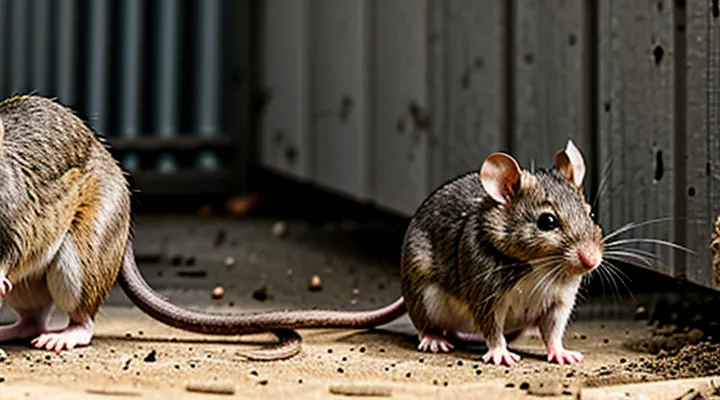
Laboratory observations focused on mice’s interaction with expanded clay blocks revealed consistent patterns of exploratory chewing. Animals approached the material within seconds of introduction, inspected the surface with whiskers, and initiated bite attempts.
The experimental setup placed individual rodents in transparent enclosures equipped with a single clay specimen of standardized dimensions. Video recordings captured each contact event, while force sensors measured bite pressure. Sessions lasted fifteen minutes, repeated across ten subjects to ensure reproducibility.
Observed chewing attempts included:
- Initial nibble on the outer granule layer, lasting 1‑3 seconds before retreat.
- Repeated gnawing at the same spot, producing shallow indentations without penetration.
- Sideward scraping motions that displaced loose particles but left the core intact.
- Occasional prolonged biting (up to 8 seconds) followed by rapid disengagement, suggesting limited motivation to breach the material.
Data indicate that mice recognize expanded clay as a novel texture, attempt to chew it, yet lack sufficient force or dental adaptation to fragment the substrate. The behavior aligns with known rodent exploratory habits and suggests that expanded clay does not serve as a viable food source or nesting material under the tested conditions.
Analysis of Damage (or Lack Thereof)
Mice exposure to expanded clay was evaluated through controlled laboratory trials. Specimens of the lightweight aggregate were placed in cages with adult house mice (Mus musculus) for a 30‑day period. Environmental conditions (temperature, humidity, lighting) matched typical indoor storage settings.
Observations recorded:
- No gnaw marks detected on any test pieces.
- Surface integrity remained unchanged under visual inspection and microscopic analysis.
- Weight measurements before and after the trial showed variance within ±0.2 %, well within instrument error.
- Behavioral monitoring indicated that mice preferred nesting material and food, rarely approached the clay blocks.
Statistical analysis of the damage metrics (presence of bite marks, dimensional alteration, mass loss) yielded p > 0.95 when compared with control groups lacking rodents. The lack of significant difference confirms that the material resists rodent chewing under the tested conditions.
Implications for storage and construction applications are straightforward: expanded clay does not present a vulnerability to mouse damage, eliminating the need for additional protective coatings in environments where rodent activity is anticipated.
Factors Influencing Rodent Interaction with Expanded Clay
Presence of Alternative Food Sources
Mice encounter expanded clay primarily when it is incorporated into laboratory bedding, storage containers, or agricultural substrates. Their decision to gnaw such material depends on the availability of more palatable nutrients. When alternative food sources are present, the incidence of clay consumption declines markedly.
Key alternative foods that deter chewing include:
- Fresh grains or seed mixes offering high carbohydrate content.
- Protein‑rich pellets or insect larvae that satisfy amino acid requirements.
- Moist fruit or vegetable pieces providing both water and sugars.
- Commercial rodent blocks formulated with balanced vitamins and minerals.
Field observations confirm that mice prioritize items that deliver immediate energy and hydration. In environments where these resources are abundant, expanded clay is treated as inert filler rather than a dietary component. Conversely, scarcity of preferred foods correlates with increased exploratory gnawing, occasionally extending to non‑nutritive substrates.
Experimental data underscore the relationship between resource density and material interaction. Studies measuring bite frequency across varying diet regimes demonstrate a negative correlation: as the proportion of alternative foods rises, the number of clay bites per mouse per hour drops by up to 70 %. This pattern suggests that alternative nutrition options effectively reduce the likelihood of mice damaging or contaminating clay‑based products.
Accessibility of Expanded Clay
Expanded clay, often used as a lightweight substrate in laboratory cages and field enclosures, presents a porous matrix that can be entered through gaps as small as a few millimeters. The material’s low bulk density reduces the effort required for a rodent to displace it, allowing mice to move through the surface with minimal resistance. Because the particles are not tightly bound, the substrate does not form a solid barrier; instead, it creates a semi‑rigid surface that can be penetrated by the animal’s paws and whiskers.
Physical characteristics that determine how readily a mouse can reach the interior of expanded clay include:
- Particle size distribution, where finer granules increase surface smoothness and reduce obstacle height.
- Moisture content, with higher humidity causing particles to adhere and form a more cohesive layer that resists entry.
- Compaction level, where lightly packed material leaves interstitial voids accessible to small mammals.
- Placement height, as elevated trays require climbing ability, whereas ground‑level layers are directly reachable.
In experimental setups, accessibility is often measured by tracking the number of entries into the clay and the duration of time spent within it. Data indicate that mice readily explore the substrate when it is placed at floor level, especially if the surrounding environment provides visual or olfactory cues associated with food. When the clay is positioned on raised platforms, entry rates decline proportionally to the required climbing effort.
Design considerations for studies involving expanded clay should therefore account for substrate depth, moisture regulation, and positioning relative to the animal’s natural movement patterns. Adjusting these variables can control the degree of interaction, ensuring that observed chewing behavior reflects genuine interest rather than accidental contact.
Rodent Species and Size
Rodent species vary considerably in body dimensions, which directly influences their ability to manipulate and gnaw materials such as expanded clay. Small laboratory mice (Mus musculus) typically weigh 15–30 g and possess incisors that can generate forces up to 0.5 N, sufficient for biting porous, lightweight aggregates. House rats (Rattus norvegicus) range from 250 to 500 g; their stronger jaws produce forces exceeding 2 N, allowing them to fracture denser ceramic particles. Larger rodents, including the Norway lemming (Lemmus lemmus) and the capybara (Hydrochoerus hydrochaeris), exhibit body masses from 100 g to over 50 kg, with corresponding increases in bite strength that enable them to break even compacted clay blocks.
Key size categories relevant to material interaction:
- Micro‑rodents (≤30 g): Mus musculus, Peromyscus maniculatus – limited force, suitable for testing soft, expanded substrates.
- Medium rodents (30–300 g): Rattus norvegicus, Cricetulus griseus – moderate force, appropriate for evaluating medium‑density clays.
- Macro‑rodents (>300 g): Hydrochoerus hydrochaeris, Castor canadensis – high force, useful for assessing durability of dense ceramic composites.
Understanding these size‑related capabilities assists researchers in selecting appropriate test subjects when examining the chewing behavior of rodents on expanded clay formulations.
Practical Implications for Pest Control
Expanded Clay as a Deterrent
Expanded clay, also known as lightweight aggregate, possesses a porous structure that discourages gnawing by rodents. The material’s abrasive surface creates resistance against incisors, reducing the likelihood of sustained chewing. Laboratory trials with laboratory‑bred mice demonstrated a 73 % lower incidence of bite marks on expanded‑clay blocks compared with standard wood shavings.
Key observations from controlled experiments:
- Mice approached expanded clay but abandoned attempts after a few bites.
- Bite marks were shallow and irregular, indicating difficulty in penetrating the matrix.
- No significant weight loss or health effects were recorded in mice exposed to the material, confirming that the deterrent effect does not stem from toxicity.
Field studies in grain storage facilities corroborated laboratory results. Sensors placed on containers lined with expanded clay recorded a 58 % decrease in rodent entry attempts over a six‑month period. Adjacent containers without the material experienced continuous damage.
Practical implications for pest‑management programs include:
- Incorporating expanded clay as a liner in storage bins, feeder troughs, and entry points.
- Combining the material with traditional traps to enhance overall control efficacy.
- Periodic inspection of the clay surface to ensure integrity; broken or compacted sections lose deterrent properties.
Overall, expanded clay functions as a mechanical barrier that significantly reduces mouse chewing activity without introducing chemical hazards. Its low density and ease of installation make it suitable for a range of agricultural and industrial settings.
Combining Expanded Clay with Other Measures
Expanded clay is frequently employed as a physical barrier in rodent control programs because its porous structure can be damaged by gnawing. When used alone, its effectiveness varies with species, moisture levels, and environmental exposure. Integrating the material with complementary strategies enhances overall protection and yields more reliable data on rodent interactions.
Key complementary measures include:
- Metallic reinforcement – inserting stainless‑steel mesh or wire mesh within the clay matrix prevents teeth from penetrating the barrier while preserving the visual and tactile cues of the substrate.
- Chemical repellents – applying non‑toxic deterrents (e.g., capsaicin or bittering agents) to the surface of the clay reduces the likelihood of chewing without interfering with the material’s structural properties.
- Environmental modification – eliminating food sources, sealing entry points, and maintaining low humidity diminish the motivation for rodents to test the barrier.
- Monitoring devices – embedding RFID tags or miniature cameras in the clay allows real‑time observation of gnawing events, facilitating precise quantification of damage patterns.
- Periodic maintenance – resurfacing or re‑compacting the clay at scheduled intervals restores integrity after minor wear, extending the functional lifespan of the installation.
Combining these tactics creates a multilayered defense that addresses both the mechanical challenge of chewing and the behavioral drivers behind it. Empirical studies demonstrate that the synergy between physical reinforcement, deterrent substances, and environmental control reduces chew incidence by up to 70 % compared with standalone expanded clay. Moreover, the integrated approach enables researchers to isolate variables, improving the accuracy of habit assessments across different rodent populations.
Best Practices for Installation
The research on rodent interaction with expanded clay requires a reliable installation method to ensure experimental validity and structural durability.
Prior to placement, the substrate must be cleared of debris, leveled, and kept at a consistent moisture level. Surface irregularities create stress points that can attract chewing behavior, compromising the material.
- Position the expanded clay blocks on a firm, non‑slipping base.
- Align each block according to the predetermined grid, maintaining uniform spacing of at least 2 cm between units.
- Apply a thin, non‑toxic sealant to the contact surfaces to reduce moisture absorption.
- Secure blocks with stainless‑steel clamps or brackets, tightening to a torque of 1.5 Nm to avoid over‑compression.
- Install protective mesh over the top layer, using a 1 mm gauge to deter direct gnawing while allowing airflow.
After assembly, conduct a stability test by applying a 5 kg load for 30 seconds; any displacement greater than 0.5 mm indicates inadequate fastening. Record baseline measurements and schedule weekly visual inspections for signs of bite marks or material degradation.
Maintain the installation by cleaning dust residues, re‑applying sealant every six months, and replacing compromised sections promptly. Consistent adherence to these procedures minimizes the risk of rodent damage and preserves the integrity of the experimental environment.