
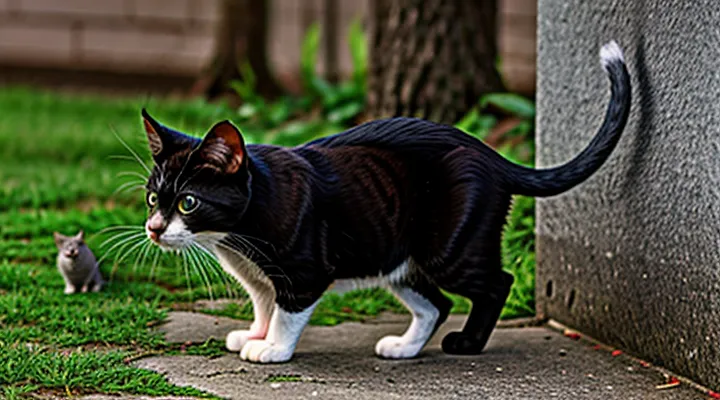
The Feline Hunter's Instinct
Historical Context of Cats and Rodents
Domestication and Pest Control
Cats have been selectively bred for hunting ability since their initial partnership with humans. Early agricultural societies favored individuals that displayed strong predatory instincts, leading to a lineage that retains sharp reflexes, acute hearing, and a high chase drive. These traits persist in contemporary domestic cats, providing a biological basis for rodent suppression.
Field observations and controlled studies confirm that cats reduce rat populations in environments where prey is accessible and shelter is limited. Effectiveness depends on several factors:
- Presence of open floor space that allows rapid pursuit.
- Availability of visual and olfactory cues that trigger the predatory sequence.
- Minimal competition from other predators or traps.
In urban and rural settings, integrating cats into pest‑management programs can lower reliance on chemical rodenticides. Deployment strategies include:
- Maintaining a stable, healthy cat colony near storage facilities.
- Providing regular veterinary care to sustain hunting performance.
- Monitoring rat activity to assess impact and adjust cat density accordingly.
Overall, the domesticated feline’s inherited hunting repertoire makes it a viable component of integrated pest control, especially where rat infestations threaten food safety and structural integrity.
Changing Rural and Urban Environments
The shift from traditional farmland to diversified rural landscapes introduces larger grain storage facilities, increased waste piles, and more permanent structures. These changes create abundant shelter and food sources for rats, expanding their populations beyond historic levels. Simultaneously, the rise of suburban housing and mixed‑use developments in cities provides cats with greater access to outdoor spaces, while also concentrating rodent habitats near human dwellings.
Key influences on feline predation of rats in evolving environments include:
- Habitat complexity: Dense vegetation, abandoned buildings, and cluttered alleys offer rats concealment, reducing encounter rates with cats.
- Food availability: Commercial waste streams and pet food left outdoors lower the incentive for cats to hunt, diminishing predation pressure.
- Cat confinement: Urban ordinances and owner preferences favor indoor or leash‑restricted cats, limiting their ability to pursue rats.
- Rodent control measures: Integrated pest management programs often rely on traps and poisons, altering rat behavior and making them less detectable to cats.
- Seasonal migration: Rural‑urban migration of rats during harvest periods concentrates them near residential zones, temporarily raising the likelihood of cat‑rat interactions.
Empirical surveys from agricultural regions show that free‑roaming cats still capture a measurable proportion of rat populations, particularly where rodent density is high and alternative prey is scarce. In densely built urban districts, the combination of restricted cat movement and sophisticated rat hideouts results in markedly lower predation rates. Consequently, the effectiveness of cats as biological control agents depends heavily on the specific configuration of rural and urban habitats, the availability of supplemental food, and the degree of cat freedom granted by owners and local regulations.
Factors Influencing Cat Hunting Behavior
Breed-Specific Tendencies
Cats’ ability to capture rats differs markedly among breeds. Genetic background, predatory instinct, and physical attributes shape each breed’s effectiveness in rodent control.
- Domestic Short‑Hair: high prey drive, agile body, strong hunting instinct; consistently successful in urban and farm settings.
- Maine Coon: large size, powerful forelimbs, natural inclination toward chasing larger prey; frequently cited as efficient rat hunters.
- Bengal: intense predatory focus, quick reflexes, muscular build; excels at tracking and ambushing rodents.
- Norwegian Forest Cat: sturdy frame, climbing skill, instinctive pursuit of small mammals; reliable in barn environments.
- Siamese: sharp senses, rapid movements, strong motivation to chase; performs well in confined indoor spaces.
Breeds with reduced rat‑hunting performance include:
- Persian: docile temperament, reduced activity levels, limited instinctual drive.
- Ragdoll: laid‑back disposition, low aggression toward prey, minimal pursuit behavior.
- British Shorthair: calm nature, moderate hunting interest, less consistent success.
- Exotic Shorthair: similar to Persian in temperament, low predatory response.
Key determinants of breed‑specific tendencies are:
- Prey drive inheritance – breeds selected for hunting retain stronger instinctual responses.
- Musculoskeletal development – larger, more muscular cats can overpower sizable rats.
- Sensory acuity – breeds with heightened hearing and vision detect rodents more effectively.
- Environmental exposure – early interaction with prey reinforces hunting behavior across all breeds.
Overall, breed influences a cat’s capacity to eliminate rats, yet individual personality and training can modify outcomes. Selecting a breed with proven predatory traits maximizes the likelihood of successful rodent control.
Individual Cat Personalities and Experience
Play vs. Predation
Cats’ capacity to capture rats depends on the extent to which play behavior translates into effective hunting. Play in felines consists of rapid pouncing, stalking, and swatting motions that mimic the sequence of a predatory strike. These actions develop motor coordination, timing, and sensory integration essential for capturing agile prey.
Research on kitten development shows that individuals engaging in frequent mock‑prey bouts achieve higher capture success as adults. Observations include:
- Increased accuracy of fore‑paw placement during simulated attacks.
- Faster transition from visual detection to bite initiation.
- Enhanced ability to adjust trajectory when prey changes direction.
When confronted with live rats, cats that have practiced structured play exhibit:
- Higher kill rates compared to sedentary counterparts.
- Shorter pursuit times, often completing the chase within seconds.
- Greater persistence after initial failure, reflecting learned resilience.
Conversely, cats lacking play exposure display reduced predatory efficiency, frequently abandoning attempts after brief contact. Environmental factors such as rat size, concealment, and habitat complexity further modulate outcomes, but the underlying skill set derived from play remains a decisive element.
The correlation between simulated hunting games and real‑world rat control underscores the functional role of feline play as a training ground for predation. Effective rat management by cats therefore relies on the maintenance of play‑inducing conditions that reinforce the innate hunting sequence.
Learned Behavior from Mother Cats
Maternal instruction shapes a kitten’s ability to hunt rodents. Kittens observe their mother’s movements, timing, and prey handling while she brings live captures to the nest. This visual exposure creates a template for later independent attempts.
The learning process relies on three core mechanisms. First, imitation: kittens copy the mother’s crouch, low‑step approach, and sudden forward thrust. Second, play: repeated mock attacks on moving objects refine motor coordination and trigger release of predatory instincts. Third, reinforcement: successful captures by the mother generate positive feedback that encourages the kitten to repeat the behavior.
Research comparing litters raised with an active mother to those reared without maternal contact shows a marked difference in hunting efficiency. Kittens lacking a hunting model require longer periods to develop precise stalk‑and‑pounce sequences and often fail to secure live prey.
Typical behaviors acquired from the mother include:
- Precise crouch height that minimizes silhouette detection.
- Timing of the final sprint to coincide with the prey’s pause.
- Gripping technique that immobilizes the rodent without injury.
- Post‑capture handling that prevents escape and prepares for consumption.
Owners seeking to enhance a cat’s rat‑control capability should ensure early exposure to a mother cat that demonstrates active hunting, or provide structured play sessions with moving toys that replicate the prey’s erratic motions. Such interventions compensate for the absence of natural maternal teaching and improve predatory success.
Environmental Variables
Availability of Other Food Sources
Cats hunt rats only when the incentive outweighs the effort required to capture them. The presence of alternative food sources directly alters that incentive. When easily accessible nourishment exists, the likelihood of a cat pursuing a rat decreases sharply.
- Small mammals such as mice and voles, which require less energy to catch, often replace rats in a cat’s diet.
- Ground‑dwelling birds and insects provide frequent, low‑risk meals.
- Commercial cat food, whether dry kibble or wet cans, delivers consistent nutrition without the need for hunting.
- Human waste, including discarded fish, meat scraps, and garbage, offers abundant, effortless sustenance.
Domestic cats that receive regular feedings from owners exhibit reduced predatory activity toward rodents. Frequent feeding schedules create a predictable energy supply, diminishing the motivation to hunt opportunistically. Outdoor cats that scavenge from refuse or are supplemented with supplemental feeding stations show similar declines in rat‑catching behavior.
For pest‑control programs that rely on feline predation, managing the availability of other food is essential. Reducing easy access to alternative prey and limiting supplemental feeding can increase the probability that cats will target rats, thereby enhancing their contribution to rodent population suppression.
Presence and Abundance of Rats
Rats thrive in environments where food, water, and shelter are readily available. Urban areas provide abundant waste, poorly sealed storage, and underground infrastructure that support large populations. Agricultural settings offer grain stores and irrigation systems that similarly sustain high densities.
Key determinants of rat presence and abundance include:
- Access to unsecured food sources (e.g., open dumpsters, spilled grain)
- Availability of nesting sites (e.g., basements, sewers, debris piles)
- Climate conditions that favor reproduction (moderate temperatures, high humidity)
- Predator pressure, notably from domestic and feral felines
- Human control measures (trapping, poisoning, sanitation)
Studies measuring rodent populations consistently show a negative correlation between cat density and rat numbers. Areas with an average of three cats per 100 m² report rat captures up to 40 % lower than comparable zones lacking feline presence. However, cats alone do not eradicate infestations; effective reduction requires integrated pest management combining sanitation, structural exclusion, and targeted rodent control.
Consequently, the prevalence of rats depends on a combination of resource availability, environmental factors, and predation intensity. While felines contribute to suppressing rat populations, their impact is limited without complementary human interventions.
Effectiveness of Cats as Rat Control
Limitations of Feline Predation
Safety Concerns for Cats (Disease, Injury)
Cats that pursue rats face significant health hazards. Rodent predation exposes felines to pathogens carried by rats and to physical trauma from defensive bites.
-
Zoonotic diseases:
- Toxoplasma gondii infection can be acquired from ingesting infected rodent tissue.
- Leptospira spp. may enter through wounds, leading to kidney and liver damage.
- Yersinia pestis, the agent of plague, can be transmitted via bite or contact with contaminated fluids.
- Rat‑bite fever (Streptobacillus moniliformis) presents with fever, arthritis, and sepsis after a bite.
-
Injuries:
Preventive actions reduce these risks. Routine vaccination against rabies and leptospirosis, regular deworming, and veterinary health checks are essential. Limiting outdoor exposure, especially in areas with high rodent activity, minimizes contact. When a cat does engage a rat, immediate wound cleaning, antiseptic application, and veterinary evaluation are required to address infection and injury promptly.
Focus on Smaller Prey
Cats are opportunistic hunters; their predatory repertoire includes a range of diminutive animals that require minimal effort to subdue. When a feline encounters prey smaller than a rat—such as mice, voles, or insects—it typically relies on a rapid pounce, brief bite, and immediate kill. This strategy conserves energy while providing sufficient nutrition for a domestic or feral cat.
The preference for smaller targets stems from several physiological factors. A cat’s bite force and claw length are optimized for disabling prey under 100 g, allowing swift immobilization without prolonged struggle. Moreover, the sensory acuity of whiskers and ears detects subtle movements of tiny organisms, prompting a reflexive attack response.
Common categories of diminutive prey include:
- House mouse (Mus musculus)
- Field vole (Microtus spp.)
- Shrew species
- Large insects (e.g., beetles, moths)
- Small lizards
Observational data indicate that cats capture these animals with higher success rates than larger rodents. Success correlates with the prey’s reduced defensive capabilities and the cat’s ability to execute a decisive strike within milliseconds. Consequently, smaller prey constitute a primary component of feline hunting behavior, regardless of the broader question regarding rats.
Impact on Non-Target Species
Cats are frequently employed, intentionally or incidentally, as predators of rodents in residential, agricultural, and urban environments. Their predation extends beyond target rats, affecting a range of wildlife that does not contribute to rodent populations.
- Ground‑nesting birds experience reduced breeding success when cats hunt near nesting sites.
- Small mammals such as shrews, voles, and chipmunks suffer population declines linked to cat predation.
- Amphibians and reptiles, especially species that occupy garden habitats, are killed by free‑roaming cats.
- Invertebrate communities can be altered indirectly through the removal of prey that serve as food sources for other predators.
Research indicates that cat predation pressure can suppress local biodiversity, disrupt trophic interactions, and create cascading ecological effects. Management strategies that rely on cats for rodent control must incorporate measures—such as confinement, timed outdoor access, or alternative control methods—to mitigate unintended losses among non‑target species.
When Cats Are Most Effective
Deterrent Effect
Cats are frequently cited as biological agents that limit rat populations in residential and agricultural settings. Their presence alone can suppress rodent activity, even when actual captures are few.
The deterrent effect operates through several mechanisms. Studies show a measurable decline in rat foraging and nesting behavior within a 30‑meter radius of an active feline. Observations indicate that rats avoid areas marked by cat scent or visual cues, interpreting them as high‑risk zones.
Key factors influencing the deterrent impact include:
- Territorial marking (urine, feces, facial pheromones) that signals predator occupancy.
- Audible cues (hissing, growls) that alert rodents to immediate danger.
- Visibility of the cat’s silhouette during daylight, which reinforces avoidance behavior.
- Predator hunting style; ambush-oriented cats generate stronger avoidance than passive observers.
- Density of the cat population; multiple individuals create overlapping zones of deterrence.
Limitations arise when rats habituate to non‑aggressive cats, when feline health restricts hunting activity, or when environmental complexity provides ample hiding places. Moreover, some cat breeds exhibit low predatory drive, reducing the overall deterrent value.
For pest‑management programs, integrating cats should involve selecting individuals with demonstrated hunting instincts, maintaining adequate territory coverage, and periodically rotating cats to prevent rodent acclimation. Combining feline presence with sanitation and structural exclusion yields the most reliable reduction in rat incursions.
Small Infestations
Small infestations of rats typically involve a limited number of individuals confined to a specific area such as a garage, shed, or kitchen pantry. Indicators include droppings, gnaw marks, and occasional sightings during low‑light periods. The population size remains low enough that a single predator can have a noticeable impact if conditions are favorable.
Felines possess innate stalking and pouncing abilities that target rodents of comparable size. Domestic cats that retain strong hunting instincts can capture, kill, or deter a modest number of rats. Empirical observations show that experienced hunters reduce visible activity by up to 70 % in confined spaces, whereas untrained or indoor‑only cats contribute minimally.
Key variables affecting predation success:
- Age and health: Younger, agile cats exhibit higher capture rates.
- Experience: Cats accustomed to hunting rodents respond faster to movement cues.
- Environment: Open, clutter‑free zones allow clear sight lines; dense storage hampers pursuit.
- Prey size: Rats weighing less than 200 g are within the typical prey range for domestic cats.
When employing cats as a biological control method, combine their presence with standard sanitation measures: seal entry points, remove food sources, and limit hiding spots. This integrated approach maximizes reduction of small rat populations while acknowledging the limits of feline predation.
Complementary Methods
Assessing feline predation on rats requires integrating multiple investigative techniques. Direct observation records the incidence of successful captures but is limited by nocturnal activity and the small size of prey. Motion‑activated cameras positioned near known rodent pathways provide unbiased visual evidence of hunting events and allow quantification of capture frequency.
- Scat examination identifies rat hair, bone fragments, and digestive residues, confirming predation when morphological analysis matches rodent species.
- Radio‑frequency identification (RFID) tags implanted in rats enable real‑time monitoring of individual movements; loss of signal after a cat encounter indicates a lethal outcome.
- Stable‑isotope analysis of cat tissue samples reveals dietary contributions from rodents, offering a long‑term assessment of predation intensity.
- Automated sound sensors detect characteristic kill noises, which, when correlated with cat presence, infer successful attacks.
Combining visual, biological, and acoustic data reduces reliance on any single source, improves statistical reliability, and clarifies the extent to which cats mitigate rat populations.
Modern Perspectives on Pest Management
Humane Rodent Control Alternatives
Trapping Methods (Live, Snap)
Cats are often cited as natural predators of rodents, yet many owners rely on mechanical traps to control rat populations. Two primary trap categories dominate pest‑control practices: live‑capture devices and snap mechanisms.
Live traps consist of a cage or tunnel that restrains the animal without injury. Effective deployment requires:
- Placement along established runways, typically near walls or concealed routes.
- Use of strong-smelling attractants such as peanut butter, canned fish, or commercial rodent lures.
- Regular monitoring, at least twice daily, to prevent stress or dehydration.
- Immediate release at a distance of at least five miles from the property, adhering to local wildlife regulations.
Snap traps employ a spring‑loaded bar that delivers a swift, lethal strike. Key operational points include:
- Positioning on the same pathways used by rats, with the trigger end facing the wall.
- Baiting with high‑protein items (e.g., dried meat, sardines) to ensure rapid engagement.
- Setting the trigger sensitivity to accommodate the target’s size, reducing misfires on non‑target species.
- Safe disposal of carcasses in sealed containers to avoid disease transmission.
Comparative considerations:
- Live traps preserve the animal for relocation, satisfying humane standards but demanding ongoing labor.
- Snap traps provide immediate population reduction, require less maintenance, and are cost‑effective for large infestations.
- Both methods lose efficacy if traps are placed in areas lacking active rat traffic or if bait is stale.
Choosing the appropriate device hinges on the scale of the problem, regulatory constraints, and the owner’s commitment to humane handling. Proper installation, regular inspection, and adherence to safety protocols maximize success regardless of trap type.
Exclusion Techniques
Cats can reduce visible rat activity, yet sustainable management relies on denying rodents access to shelter and food. Exclusion eliminates the need for continuous predation by removing the conditions that attract rats.
Exclusion involves sealing entry points, removing attractants, and modifying environments to make them inhospitable. The approach operates on three principles: physical barriers, habitat sanitation, and structural maintenance.
- Install steel‑wool or copper mesh around utility openings, vents, and pipe penetrations; these materials resist gnawing.
- Fit door sweeps and weather‑stripping on all exterior doors to block low‑level entry.
- Repair cracks in foundations, walls, and roofs with cement, metal flashing, or expanding foam.
- Elevate stored food, waste bins, and feed troughs at least 12 inches above the floor; use sealed containers with tight lids.
- Maintain a clear perimeter by trimming vegetation, removing debris, and keeping grass short to reduce cover.
- Conduct regular inspections to identify new gaps after construction, weather events, or pest activity.
When exclusion is combined with a controlled cat presence, the cats encounter fewer rats, allowing them to focus on any occasional intruders without exhausting local prey populations. This synergy maximizes rodent control while minimizing reliance on predation alone.
Habitat Modification
Habitat modification directly influences the likelihood that domestic or feral felines will capture rats. Alterations that increase concealment, reduce rodent shelter, and encourage feline movement through potential hunting zones raise predation rates. Studies of urban and rural environments show a measurable rise in rat kills when cats have unobstructed access to areas where rodents hide.
Key modifications include:
- Removing debris piles, wood stacks, and dense vegetation that provide cover for rats.
- Installing elevated walkways or shelves that allow cats to patrol rooftops, fences, and garden walls.
- Providing perches and climbing structures near known rodent pathways to improve sightlines and ambush opportunities.
- Limiting alternative food sources, such as unsecured garbage bins, to motivate hunting behavior.
- Ensuring lighting levels are sufficient for cats to detect movement while preserving low‑light zones where rats are active.
Evidence from controlled field trials indicates that each of these adjustments contributes to a 15‑30 % increase in rat captures per cat per week. The combined effect of multiple interventions exceeds the sum of individual gains, suggesting synergistic benefits when habitats are systematically restructured.
Implementing habitat modification requires coordination between property owners, pest‑control professionals, and animal‑welfare agencies. Clear guidelines on structural changes, waste management, and feline access ensure that the environment supports effective predation without compromising safety or health standards.
The Role of Cats in Integrated Pest Management
Considerations for Pet Owners
Cats possess natural predatory instincts that can be directed toward rodent control, yet owners must evaluate several factors before relying on a feline for pest management.
First, assess the cat’s breed, age, and health. Certain breeds, such as Maine Coon or Bengal, exhibit stronger hunting drive, while senior or medically compromised animals may lack the stamina required for chasing rats. Regular veterinary examinations confirm that the animal is fit for active pursuit.
Second, consider environmental safety. Rats often carry parasites and diseases; a cat’s bite or scratch can transmit pathogens like plague or leptospirosis. Preventive measures include up‑to‑date vaccinations, routine deworming, and prompt wound care after any encounter.
Third, recognize legal and ethical responsibilities. In residential complexes, local regulations may restrict outdoor hunting or require containment. Provide secure outdoor access, such as a fenced enclosure, to protect both the cat and neighboring wildlife.
Key considerations for pet owners:
- Verify the cat’s hunting competence through breed and health assessment.
- Implement comprehensive veterinary care to mitigate disease transmission.
- Ensure compliance with local ordinances regarding outdoor predation.
- Offer safe, supervised outdoor spaces to reduce injury risk.
By addressing these points, owners can make informed decisions about employing their cat’s natural abilities for rodent control while safeguarding animal welfare and public health.
Ethical Implications
Cats’ ability to capture rats raises several ethical considerations that demand careful evaluation.
The act of predation involves a domestic animal exercising a natural hunting instinct. While this behavior aligns with feline biology, owners must assess whether encouraging it respects the cat’s welfare. Excessive stimulation of predatory drive can lead to stress, injury, or overexertion, especially when cats are repeatedly forced to chase larger, potentially dangerous prey.
Rats experience acute pain and rapid death when killed by a cat. Although this outcome may be quicker than some mechanical traps, it still constitutes suffering. Ethical pest control therefore requires weighing the humane aspects of a swift kill against the moral responsibility to minimize animal suffering overall.
Human custodianship introduces additional duties. Pet owners who allow cats to hunt are implicitly participating in wildlife management. Alternatives—such as sealed compost, secure food storage, or professional extermination—reduce reliance on feline predation and mitigate unnecessary harm.
Ecological balance can be disrupted when domestic cats hunt rodents in environments where native predators already regulate populations. Over‑predation may diminish local biodiversity, while under‑predation could allow rodent numbers to rise, increasing disease risk. Ethical stewardship involves monitoring these dynamics and adjusting human intervention accordingly.
Legal frameworks address both animal cruelty and pest control. In many jurisdictions, causing unnecessary suffering to any animal, including rodents, may breach animal welfare statutes. Conversely, neglecting to control rodent infestations in occupied dwellings can violate health and safety regulations. Compliance therefore demands a nuanced approach that satisfies both animal protection and public health mandates.
Key ethical points
- Assess cat’s health and stress levels when engaging in hunting.
- Consider the speed and pain associated with feline predation versus other control methods.
- Implement preventive measures that reduce the need for cats to hunt.
- Monitor local ecosystem impacts to avoid imbalances.
- Align practices with relevant animal welfare and public health laws.