
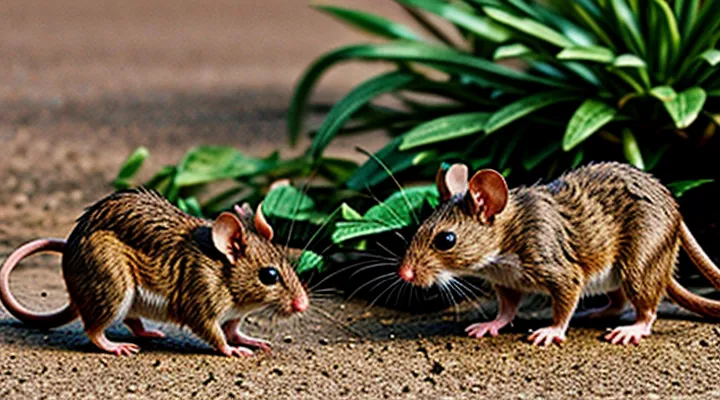
Unraveling the Mystery of Brown Mice
The Spectrum of Mouse Colors
Common Mouse Colors
The inquiry into the presence of brown rodents requires an understanding of the typical pigmentation patterns observed across mouse populations. Coloration serves as a primary diagnostic characteristic for distinguishing species and subspecies, especially when morphological features overlap.
- Gray: dominant hue in the common house mouse (Mus musculus), ranging from light slate to darker ash tones.
- Brown: prevalent in field mice (Apodemus spp.) and some Mus variants; shades vary from reddish‑brown to deep chocolate.
- Black: occasional in laboratory strains and certain wild populations, often resulting from melanistic alleles.
- White: characteristic of albino laboratory strains, lacking melanin entirely.
- Spotted or mixed: observed in hybrid zones where gray, brown, and black pigments intermix, producing patchy coats.
Brown pigmentation appears regularly in natural environments, confirming that mice exhibiting this coloration are not anomalies but established members of several wild species. Distinguishing brown mice from gray or black counterparts relies on coat hue, fur density, and habitat preference, all of which contribute to accurate taxonomic identification.
Genetic Basis of Coat Color
The coloration of brown rodents is governed by a defined set of pigment‑producing pathways and regulatory genes. Eumelanin and pheomelanin synthesis determine the shade spectrum from dark brown to reddish‑brown, while melanocyte distribution controls pattern formation.
Key genes influencing fur pigmentation include:
- «MC1R» – encodes the melanocortin‑1 receptor; activating mutations shift melanin production toward eumelanin, deepening brown tones.
- «Agouti» – produces an antagonist of «MC1R», promoting pheomelanin synthesis and lighter brown shades.
- «TYRP1» – involved in eumelanin maturation; loss‑of‑function alleles reduce pigment intensity.
- «SLC24A5» – modulates melanosome pH, affecting overall pigment deposition.
Allelic diversity within these loci generates the phenotypic variation observed across different brown mouse populations. Specific haplotypes correlate with regional subspecies, enabling taxonomic discrimination based on coat color genetics.
Molecular techniques such as PCR‑based genotyping and whole‑genome sequencing provide precise identification of functional variants. Comparative analyses reveal that even minor nucleotide changes in regulatory regions can produce noticeable shifts in hue, contributing to the observed differences among closely related brown mouse taxa.
Environmental Factors and Appearance
Brown mice occupy diverse habitats, from temperate woodlands to arid scrublands. Temperature gradients influence fur pigmentation; cooler climates favor darker coats that retain heat, while warmer regions select for lighter, brown‑toned fur that reflects solar radiation. Soil composition affects diet quality, indirectly shaping coloration through nutrient intake and pigment deposition. Moisture levels determine vegetation density, altering shelter availability and predator exposure, which in turn drives selection for cryptic coloration matching the surrounding substrate.
Key environmental determinants of appearance include:
- Ambient temperature: correlates with melanin concentration in hair shafts.
- Soil and litter hue: provides background against which camouflage evolves.
- Vegetation cover: influences the visual complexity of the habitat, favoring pattern variation.
- Predator assemblage: selects for coat patterns that disrupt detection.
- Food resource diversity: impacts metabolic pathways that produce pigments.
Geographic isolation produces distinct brown mouse populations that exhibit measurable differences in fur shade, dorsal stripe presence, and tail coloration. Genetic analyses confirm that these phenotypic variations align with localized environmental pressures rather than random drift.
Identifying True Brown Mice
Distinguishing Brown Mice from Other Rodents
House Mouse (Mus musculus)
The house mouse, scientifically designated as «Mus musculus», belongs to the family Muridae and is classified within the order Rodentia. It is a small mammal native to Eurasia but now established worldwide through human activity.
Adult individuals typically measure 7–10 cm in body length, with a tail of comparable length. Fur coloration ranges from light gray to brown, with a characteristic pink or dark dorsal stripe in many populations. Weight varies between 15 and 30 g, reflecting dietary availability and environmental conditions.
Habitat preferences include human dwellings, agricultural fields, and waste sites. The species thrives in temperate climates, yet populations persist in subtropical and arid regions where shelter and food sources are present. Global distribution results from accidental transport via ships, aircraft, and cargo.
Behavioral patterns feature nocturnal activity, high reproductive capacity, and omnivorous feeding. Breeding cycles can occur year‑round in favorable climates, with litters of up to eight pups. Social structure consists of loosely organized groups, wherein dominant individuals defend nesting sites.
Differences between the house mouse and the commonly referenced brown mouse include:
- Fur hue: house mouse exhibits a broader spectrum from gray to light brown, while brown mouse displays a uniform, darker brown coat.
- Tail coloration: house mouse tail is typically bicolored, dark dorsally and lighter ventrally; brown mouse tail often appears uniformly dark.
- Geographic origin: house mouse originates from temperate Eurasia, whereas brown mouse populations are primarily associated with arid or semi‑arid zones.
- Genetic markers: mitochondrial DNA analyses reveal distinct haplotypes separating the two groups, supporting species‑level divergence.
These characteristics clarify the taxonomic status of the house mouse and delineate its distinctions from brown mouse variants.
Deer Mouse (Peromyscus maniculatus)
The deer mouse, scientifically designated «Peromyscus maniculatus», belongs to the family Cricetidae and is widespread across North America. Adult individuals typically measure 7–10 cm in body length, with a tail of comparable length, and display a gray‑brown dorsal pelage that lacks the uniform coloration characteristic of true brown mice.
Habitat preferences include grasslands, forests, and alpine tundra, where the species occupies both ground nests and arboreal sites. Its diet is omnivorous, comprising seeds, insects, and occasional carrion, reflecting opportunistic foraging behavior.
Key distinctions from the brown mouse concept involve:
- Genetic lineage: deer mice are members of the genus Peromyscus, whereas brown mice, when referenced, often pertain to species within the genus Mus or Rattus.
- Morphology: fur coloration in deer mice shows a mottled pattern with a distinct white underbelly; true brown mice exhibit more uniform brown fur.
- Ecological niche: deer mice thrive in temperate and subarctic zones, while brown mouse analogues are typically associated with urban and tropical environments.
Understanding the characteristics of Peromyscus maniculatus clarifies taxonomic boundaries and informs the broader discussion of brown‑colored rodent species and their differentiating traits.
Field Mouse (Apodemus sylvaticus)
The field mouse, Apodemus sylvaticus, is a small rodent native to Europe, North Africa and parts of the Middle East. It occupies woodlands, hedgerows, grasslands and cultivated fields, where it builds shallow nests from vegetation and shredded material.
Taxonomically, the species belongs to the family Muridae, genus Apodemus. It is distinct from the common house mouse (Mus musculus), often referred to as a brown mouse in popular discourse. The two genera differ in chromosome number, dental formula and cranial morphology.
Key morphological and ecological differences include:
- Body length ≈ 9–11 cm; tail length ≈ 6–9 cm, proportionally longer than that of the house mouse.
- Dorsal fur brown‑gray with a distinct dark stripe along the spine; house mouse exhibits uniform brown or gray coloration.
- Hind feet larger relative to forelimbs, facilitating agile climbing in vegetative cover.
- Diet primarily seeds, insects and fungi; house mouse relies more on stored human foodstuffs.
- Reproductive cycle: up to five litters per year with an average of five pups; house mouse can produce up to ten litters, reflecting higher fecundity.
Ecologically, the field mouse serves as prey for raptors, foxes and mustelids, while also contributing to seed dispersal and soil aeration through burrowing activity. Its presence indicates healthy understory vegetation and biodiversity.
Understanding the characteristics of Apodemus sylvaticus clarifies the taxonomic landscape surrounding the inquiry into brown‑colored mice, confirming that multiple distinct species, rather than a single homogeneous group, populate the region.
Other Brownish Rodents
Brownish rodents encompass a variety of species that share a muted, earthy coat but differ markedly in taxonomy, habitat, and behavior. The most widespread representatives include the brown rat, the wood mouse, the southern red-backed vole, and the African striped mouse. Each taxon occupies a distinct ecological niche and exhibits unique physiological traits.
- Brown rat (Rattus norvegicus) – a member of the Muridae family; thrives in urban and agricultural environments; omnivorous diet; average body length 20–25 cm; robust skull adapted for gnawing.
- Wood mouse (Apodemus sylvaticus) – also Muridae; prefers woodland edges and hedgerows; primarily granivorous with occasional insect intake; body length 9–10 cm; agile climber with long tail for balance.
- Southern red‑backed vole (Myodes gapperi) – part of the Cricetidae family; inhabits boreal forests and moist tundra; herbivorous, feeding on mosses and plant shoots; body length 10–12 cm; dense fur provides insulation against cold.
- African striped mouse (Hybomys univittatus) – Cricetidae; found in sub‑Saharan savannas; nocturnal forager on seeds and insects; body length 8–9 cm; distinctive dorsal stripe differentiates it from other brownish forms.
These species illustrate the breadth of adaptation within brownish rodents. Morphological variations such as tail length, skull robustness, and fur density correlate with habitat preferences and dietary strategies. Understanding these distinctions clarifies the diversity that exists beyond the commonly referenced brown mouse.
Key Characteristics of Brown Mice
Size and Body Shape
Brown mice exhibit a compact body plan distinct from other murine species. Adult individuals typically measure 6–9 cm in head‑body length, with tail lengths ranging from 5 to 8 cm. Body mass averages 12–20 g, reflecting a denser musculature adapted to ground foraging.
Key morphological traits include:
- Rounded cranial profile, reduced snout length, and prominent whisker clusters.
- Broad hind feet with well‑developed pads, facilitating agile movement across uneven substrates.
- Fur coloration ranging from light chestnut to dark chocolate, providing camouflage in leaf litter and soil environments.
These dimensions differentiate brown mice from larger relatives such as the house mouse (Mus musculus), which reaches up to 10 cm in head‑body length and exhibits a more elongated silhouette. The streamlined shape of brown mice enhances thermoregulation and burrowing efficiency, supporting their niche in temperate grasslands and forest understories.
Fur Texture and Variations
Brown mice display a range of fur textures that aid taxonomic discrimination. The pelage varies from fine, silky strands to dense, coarse hairs, each pattern reflecting genetic lineage and environmental adaptation.
Typical texture categories include:
- Silky fur: uniform, smooth fibers, common in temperate populations.
- Coarse fur: thicker, rougher strands, prevalent in arid‑zone subspecies.
- Woolly fur: densely packed, insulating hairs, observed in high‑elevation groups.
Geographic distribution influences texture. Populations inhabiting cooler climates develop woolly coats to retain heat, while those in warmer regions retain silky or coarse pelage to facilitate heat dissipation. Age also affects texture; juveniles possess softer, finer fur that matures into coarser adult hair.
Texture serves functional roles beyond appearance. Insulating properties regulate body temperature, while surface coloration combined with hair structure enhances camouflage. Sensory receptors embedded in hair follicles contribute to tactile perception, influencing foraging behavior.
Research on fur characteristics employs scanning electron microscopy to quantify fiber diameter, tactile profiling for texture assessment, and genetic analysis to correlate allelic variation with phenotypic expression. These methods provide objective criteria for distinguishing brown mouse taxa and clarifying their evolutionary relationships.
Tail and Ear Features
Brown mice are documented across several rodent families, with distinct tail and ear morphologies that aid species identification.
The tail typically exhibits a length proportion of 70‑90 % of the body, covered by fine hair that ranges from uniformly brown to a dorsal‑ventral gradient of darker dorsal and lighter ventral coloration. In some taxa, a slight tuft of longer hairs appears at the tip, while others possess a smooth, hairless terminal segment. Scale patterns are regular, with a subtle ridged texture that distinguishes them from the smoother tails of related gray‑colored species.
Ears are positioned laterally, averaging 10‑12 mm in length, and display a rounded to slightly pointed contour. The external surface bears a thin layer of hair matching the body’s brown hue, often interspersed with lighter patches near the base. Auricular cartilage provides a firm yet flexible structure, enabling rapid orientation toward sound sources. In certain populations, a darker pigment band runs along the outer rim, contrasting with a paler interior.
Key distinguishing features:
- Tail length: 70‑90 % of body size, proportionally longer than in many non‑brown rodents.
- Tail coloration: dorsal brown gradient, ventral lighter shade; occasional terminal tuft.
- Ear size: 10‑12 mm, rounded to slightly pointed shape.
- Ear coloration: uniform brown with possible lighter basal patches; occasional dark rim.
These characteristics provide reliable criteria for differentiating brown mouse species from other murine groups.
Habitats and Behaviors of Brown Mice
Where Brown Mice Are Found
Urban Environments
Brown mice (genus Mus) have adapted to city landscapes, where human activity creates distinct ecological niches. Buildings, sub‑way tunnels, and waste sites provide shelter, constant food sources, and reduced predation compared to rural fields. These conditions influence population density, reproductive cycles, and genetic variation.
Urban colonies exhibit higher reproductive rates, with breeding seasons extending year‑round due to stable temperature and food availability. Nesting sites shift from natural burrows to crevices in walls, insulation layers, and abandoned infrastructure. Competition with other synanthropic rodents, such as the Norway rat, drives niche specialization and selective pressure on foraging behavior.
Key distinctions between city and countryside brown mouse populations:
- Reproduction: continuous breeding vs. seasonal peaks.
- Habitat: artificial structures vs. natural burrows.
- Diet: human‑derived waste and processed foods vs. seeds and insects.
- Predator exposure: lower presence of aerial raptors, higher risk from domestic cats.
Understanding these urban adaptations informs pest management strategies and contributes to broader studies of mammalian plasticity in anthropogenic environments.
Rural and Agricultural Settings
Brown mice thrive in environments where cultivated fields intersect with natural vegetation. Their presence is most pronounced in farms that maintain hedgerows, grain storages, and livestock facilities. These settings provide abundant food sources, shelter, and nesting materials, supporting multiple species that differ in size, fur coloration, and reproductive strategies.
Key characteristics of rural and agricultural habitats include:
- Crop diversity: wheat, corn, and barley fields supply seeds and grains that attract foraging individuals.
- Structural complexity: stone walls, silos, and barn lofts offer protected roosting sites, reducing predation risk.
- Seasonal variation: harvest periods trigger population peaks, while winter storage areas sustain mice through colder months.
- Human management: pesticide application and grain handling influence mortality rates and affect species composition.
Species distinctions become evident when comparing field-dwelling mice to those favoring stored-product environments. Field-associated forms exhibit longer tails and lighter brown coats suited for open terrain, whereas storage-oriented variants possess shorter tails and darker, denser fur that enhances thermoregulation within confined spaces. Reproductive cycles also diverge; the former breed continuously throughout the growing season, while the latter concentrate breeding around periods of abundant stored food.
Understanding these ecological nuances assists farmers in implementing targeted control measures, such as habitat modification and integrated pest management, thereby mitigating crop loss and preserving biodiversity within agricultural landscapes.
Natural Habitats
Brown mice occupy a range of ecosystems across temperate and subtropical regions. Their presence is documented in woodland understories, where dense leaf litter provides cover and a steady supply of seeds and insects. In grassland environments, individuals burrow beneath root systems, exploiting the moisture retained in the soil profile. Agricultural landscapes host populations that inhabit field margins and storage facilities, taking advantage of stored grain and crop residues. Wetland fringes support a subset of the species that tolerate higher humidity, utilizing reeds and low‑lying vegetation for nesting.
Key habitat characteristics include:
- Soil composition with moderate organic content, facilitating tunnel construction.
- Availability of concealed foraging zones, such as fallen logs or dense herbaceous cover.
- Proximity to water sources, ensuring hydration without exposing mice to open predators.
- Human‑altered structures offering shelter, for example barns and granaries, which can sustain dense colonies.
Regional variations affect habitat selection. In mountainous zones, brown mice are found at elevations up to 2,000 m, where cooler temperatures and alpine meadows provide suitable cover. Coastal areas host populations in dune systems, where sparse vegetation and sandy soils demand adaptations for burrowing stability. Each environment imposes distinct pressures that shape morphological and behavioral traits, contributing to observable differences among populations.
Daily Life and Social Structures
Nocturnal Habits
Brown mice exhibit distinct nocturnal behavior that differentiates them from diurnal rodent species. Their activity peaks shortly after sunset and continues through the early hours of dawn, aligning with the availability of seeds and insects that avoid daylight predators. Visual acuity adapts to low‑light conditions through a high concentration of rod cells, while large, mobile ears enhance detection of subtle sounds.
Key aspects of nightly routines include:
- Foraging on the ground and in low vegetation, primarily between 19:00 and 02:00.
- Use of burrows and concealed nests for daytime rest, reducing exposure to aerial hunters.
- Social interactions limited to brief vocalizations and scent marking, conserving energy during extended rest periods.
- Seasonal adjustments, with longer active phases in summer months to exploit increased food resources.
Thermoregulatory strategies support nocturnal life; brown mice lower body temperature during daylight hours, decreasing metabolic demand. Upon emergence, rapid body heat production enables swift movement, facilitating escape from predators and efficient exploitation of nighttime food sources. The combination of sensory adaptations, behavioral timing, and physiological regulation defines the nocturnal niche occupied by brown mouse populations.
Dietary Preferences
Brown mice, classified within the genus Mus, exhibit feeding habits typical of small omnivorous rodents. Their natural diet emphasizes high‑energy resources that sustain rapid metabolism and reproduction.
- Seeds, grains, and cereals provide carbohydrates and lipids.
- Insects, larvae, and arachnids supply protein and essential amino acids.
- Fresh vegetation, including grasses and herbaceous shoots, contributes fiber and micronutrients.
- Human‑derived waste, such as discarded food scraps, expands dietary breadth in urban environments.
Comparative analysis with closely related mouse species reveals distinct preferences. Southern field mice (Apodemus sylvaticus) favor a higher proportion of seeds, whereas house mice (Mus musculus) exploit greater quantities of human food waste. Brown mice demonstrate a balanced intake, allocating roughly 45 % seeds, 30 % insects, and 25 % plant material, a ratio that differentiates them from the more grain‑centric diet of field mice and the waste‑heavy diet of house mice.
Dietary composition influences morphological and physiological markers used for species identification. Elevated insect consumption correlates with increased body mass and enhanced enzymatic activity for chitin digestion, while a grain‑rich diet associates with longer intestinal tracts optimized for carbohydrate absorption. These feeding patterns assist taxonomists in distinguishing brown mouse populations from sympatric relatives.
Breeding Patterns
Brown mice represent several murine species distinguished by coat coloration, habitat preference, and genetic markers. Their reproductive biology follows patterns typical of small rodents, yet distinct variations emerge among taxa.
Gestation in brown mice averages 19–21 days, producing litters of three to eight offspring. Females can become pregnant again within 24 hours after parturition, enabling multiple litters per breeding season. Peak reproductive output occurs when environmental conditions favor rapid growth of juveniles.
Seasonal factors modulate breeding activity. In temperate zones, breeding commences in early spring, intensifies through summer, and wanes in autumn as daylight shortens and temperatures drop. In milder climates, continuous breeding may persist year‑round, reflecting reduced photoperiodic constraints.
Differences between common brown‑mouse species include:
- House mouse (Mus musculus) – short gestation, high litter frequency, strong association with human dwellings; reproductive cycles less constrained by temperature.
- Wood mouse (Apodemus sylvaticus) – slightly longer gestation, smaller average litter size, breeding linked to forest cover and food availability; peak activity in midsummer.
- Brown field mouse (Apodemus agrarius) – moderate litter size, breeding synchronized with agricultural cycles; displays seasonal diapause in colder regions.
These patterns illustrate how ecological context and species‑specific physiology shape the breeding strategies of brown‑coated murine populations.