
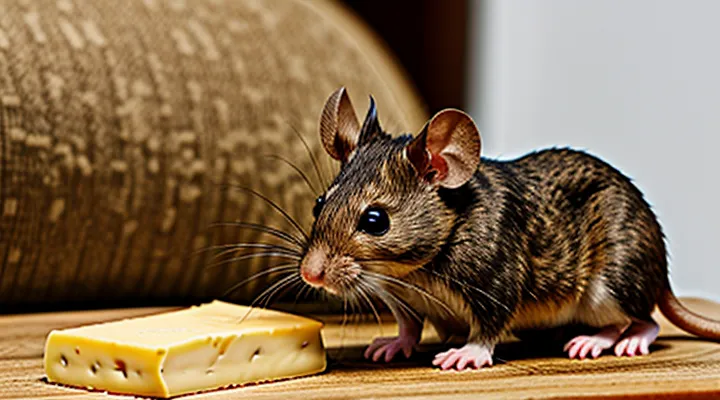
The Genesis of the Myth
Historical Context and Popular Culture
The belief that mice are avid cheese eaters originates in medieval food storage practices, where hard cheeses were common staples and often left in pantries vulnerable to rodent intrusion. Early references appear in 13th‑century agricultural manuals that describe mice gnawing at cheese wheels, establishing a narrative that persisted through printed pamphlets and folk tales. By the 18th century, the image entered popular literature, exemplified by a satirical poem that declares «the mouse, ever drawn to cheese».
In the 20th century, visual media amplified the stereotype. Key developments include:
- 1930s animated shorts featuring anthropomorphic mice chasing cheese wedges, cementing the motif in cinema.
- 1950s television commercials that paired cheese branding with cartoon mice, reinforcing consumer association.
- 1970s children’s books presenting cheese as the primary attraction for mouse protagonists, influencing generational perceptions.
- 1990s internet memes that juxtapose mouse characters with cheese imagery, spreading the concept globally.
Scientific observations contradict the myth: field studies reveal mice preferentially select grains, seeds, and insects, with cheese ranking low on nutritional appeal. The disparity between historical anecdote, cultural reinforcement, and empirical data explains the endurance of the cheese‑loving mouse trope.
Media Portrayals and Misconceptions
Media repeatedly depict rodents as cheese‑obsessed, creating a persistent public image that diverges from scientific observations. Animated series, advertising campaigns, and children’s books frequently show mice clutching wedges of cheese, reinforcing the notion that cheese constitutes a primary dietary staple.
The stereotype originates in early 20th‑century cartoons such as «Tom and Jerry» and in literary works like «The Tale of Despereaux». These sources present cheese as a convenient visual cue for hunger, simplifying character motives for young audiences. Advertising for dairy products has also employed mouse mascots to suggest a natural affinity, further entrenching the myth.
Research on wild and laboratory mice demonstrates a preference for high‑energy seeds, grains, and insects, with cheese ranking low in palatability tests. Laboratory studies report that mice consume cheese only when other foods are scarce, and even then, consumption remains minimal compared to preferred items such as wheat or corn.
Consequences of the misconception include:
- Overestimation of cheese availability in rodent habitats, leading to misguided pest‑control strategies.
- Misrepresentation in educational materials, which can affect student understanding of animal nutrition.
- Commercial exploitation, where cheese‑themed merchandise capitalises on the false association.
Accurate representation requires media creators to replace the cheese motif with more realistic food sources, thereby aligning public perception with empirical evidence.
What Mice Actually Eat
Mice are frequently portrayed as cheese enthusiasts, yet empirical observations reveal a broader nutritional spectrum. In natural habitats, rodents consume a mixture of plant and animal matter: seeds, grains, nuts, fruits, vegetables, and occasional insects. This diet supplies carbohydrates, proteins, lipids, and essential micronutrients required for growth and reproduction.
Laboratory studies document that mice display a strong preference for high‑energy foods such as sugary solutions and grain‑based pellets. When presented with cheese alongside alternative options, consumption of the dairy product declines sharply, indicating limited intrinsic attraction.
Urban environments expand dietary possibilities. Mice exploit human refuse, ingesting processed snacks, bread crumbs, pet food, and occasional dairy residues. The opportunistic nature of their feeding behavior allows adaptation to diverse food sources, reducing reliance on any single item.
Typical components of a mouse diet include:
- Cereals and whole‑grain products
- Legumes and pulses
- Fresh fruits and leafy greens
- Insect larvae and small arthropods
- Occasional dairy or processed waste
Understanding actual feeding habits informs pest‑management strategies. Targeted bait formulations that mimic preferred natural foods prove more effective than cheese‑based lures, aligning control measures with realistic dietary preferences.
Nutritional Needs of Rodents
Rodents possess high metabolic rates that demand constant energy intake. Their diets must supply sufficient calories to sustain rapid growth, thermoregulation, and activity levels.
- Protein: 14–20 % of dry matter, essential for tissue synthesis and enzymatic function.
- Carbohydrates: 45–55 % of dry matter, primary energy source.
- Fats: 5–10 % of dry matter, provide dense caloric support and facilitate absorption of fat‑soluble vitamins.
Vitamins and minerals complete the nutritional profile. Vitamin A, B‑complex, D, and E prevent deficiency syndromes; calcium, phosphorus, magnesium, and trace elements such as zinc and selenium maintain skeletal integrity and metabolic balance.
Cheese frequently appears in popular imagery of rodents, yet it offers limited protein and excessive saturated fat relative to a balanced rodent diet. Regular consumption can lead to obesity and dental wear, contradicting the animal’s natural preference for grains, seeds, and insects.
For captive rodents, formulate feed that mirrors wild composition: mixed grains, legumes, occasional insects, and fresh vegetables. Monitor body condition regularly and adjust nutrient ratios to prevent malnutrition or excess weight.
Why Cheese is Problematic for Mice
Lactose Intolerance in Rodents
Lactose intolerance in rodents results from insufficient activity of the enzyme lactase, which hydrolyzes the disaccharide lactose into glucose and galactose. In most adult mice and rats, lactase expression declines after weaning, leading to malabsorption of lactose when dairy products are ingested. Undigested lactose remains in the intestinal lumen, where bacterial fermentation produces gases and short‑chain fatty acids, causing osmotic diarrhea and abdominal discomfort.
Research indicates that laboratory strains of Mus musculus exhibit a prevalence of lactose intolerance comparable to that of wild populations, with variations linked to genetic background and gut microbiota composition. Comparative studies show that some wild‑derived strains retain higher lactase activity into adulthood, yet the majority still display reduced tolerance relative to juvenile stages.
The physiological consequences of lactose consumption in intolerant rodents include:
- Rapid onset of watery stools within 30–60 minutes after ingestion.
- Reduced nutrient absorption due to increased intestinal transit time.
- Potential alteration of gut microbial communities, favoring lactose‑fermenting species.
These effects undermine the assumption that cheese, a lactose‑containing food, serves as a natural attractant for mice. While cheese contains varying lactose levels depending on maturation, the presence of lactose alone does not guarantee palatability for rodents. Instead, the strong odor of proteins, fats, and salts in aged cheeses may drive exploratory behavior, independent of lactose content.
Understanding the limits of lactase activity in rodents clarifies why dietary formulations for laboratory animals often omit lactose or replace it with digestible carbohydrates. It also informs pest‑control strategies, suggesting that bait formulations relying on cheese’s lactose component are unlikely to exploit a genuine nutritional preference.
High Fat and Salt Content
Mice display limited attraction to cheese that contains elevated levels of fat and salt. Laboratory observations reveal that rodents preferentially select foods with moderate caloric density and low sodium concentration, avoiding items that exceed these thresholds.
High fat content increases the energy density of cheese but also raises its viscosity and reduces palatability for mice. Rodent gustatory receptors detect fatty acids and often signal satiety more rapidly than carbohydrate sources, leading to reduced consumption. Additionally, excessive dietary fat can impair gastrointestinal motility in small mammals, discouraging intake.
Elevated salt concentrations trigger osmoregulatory mechanisms that rodents manage conservatively. Sodium‑sensitive taste buds register high salt as aversive, prompting avoidance behavior. Chronic exposure to salty foods disrupts electrolyte balance, potentially causing dehydration and renal stress, further diminishing preference.
Key considerations for researchers and pet owners:
- Preference shifts toward low‑fat, low‑salt cheese varieties.
- Monitoring of dietary fat and sodium essential for maintaining healthy body weight.
- Use of control diets without extreme fat or salt levels improves experimental validity.
Preferred Foods of Wild Mice
Grains and Seeds
Mice exhibit a marked preference for carbohydrate‑rich foods, and grains and seeds represent a substantial component of their natural diet. These items supply essential energy, proteins, and micronutrients that support growth, reproduction, and thermoregulation.
Common grains and seeds consumed by mice include:
- Wheat kernels and bran
- Oats and rolled oats
- Barley grains
- Corn kernels
- Sunflower seeds
- Flaxseed
- Millet
Laboratory studies demonstrate that mice will readily choose grain‑based pellets over cheese when both are offered simultaneously. Preference tests reveal higher intake rates for wheat and oat mixtures, indicating that the palatability of grains surpasses that of dairy products for most rodent subjects.
Nutritional analysis shows that grains provide complex carbohydrates with a gradual glucose release, whereas seeds contribute high‑fat content and essential fatty acids. This combination aligns with the omnivorous feeding strategy of mice, allowing adaptation to variable food availability in wild habitats.
The myth that cheese dominates mouse diets stems from anecdotal observations and cultural depictions rather than empirical evidence. Field observations confirm that wild mice frequently gather and store seeds, constructing caches that sustain them through periods of scarcity.
In summary, grains and seeds constitute a primary dietary source for mice, offering balanced nutrition and influencing feeding behavior more significantly than cheese.
Fruits and Vegetables
Mice are often portrayed as cheese‑obsessed rodents, yet experimental observations reveal a diet that includes a broad range of plant matter. Laboratory feeding trials demonstrate that sweet and aromatic fruits attract mice more reliably than dairy products, reflecting an innate preference for high‑energy carbohydrates.
Fruit consumption supplies glucose, fructose, and essential vitamins. Typical selections that provoke frequent feeding bouts are:
- Apples, sliced thinly
- Berries such as strawberries and blueberries
- Grapes, removed of seeds
- Bananas, offered in small pieces
These items stimulate exploratory foraging and support rapid weight gain when provided ad libitum.
Vegetables contribute dietary fiber, minerals, and phytonutrients. Mice readily ingest leafy greens and root vegetables, especially when texture is softened. Frequently accepted varieties include:
- Carrot sticks, lightly steamed
- Spinach leaves, wilted
- Cucumber slices, peeled
- Peas, shelled
Incorporating fruits and vegetables into rodent nutrition reduces reliance on cheese in experimental protocols, aligns feeding regimes with natural omnivorous behavior, and improves overall health outcomes.
Insects
The belief that rodents are irresistibly attracted to cheese persists despite scientific evidence indicating a broader range of dietary options. Insects, as a separate taxonomic group, demonstrate distinct feeding strategies that challenge the notion of universal cheese preference among small animals.
Insect species exhibit diverse nutritional requirements. Some can metabolize dairy components, while many avoid them entirely. Documented examples include:
- The common housefly (Musca domestica), which consumes fermenting dairy residues.
- Certain beetle larvae (Dermestidae), capable of digesting dried cheese rinds.
- Fruit flies (Drosophila melanogaster), attracted to sugary substrates rather than cheese.
Other insects, such as many ant species, rely primarily on plant-derived sugars and proteins, showing no inclination toward dairy products. Sensory receptors differ markedly from those of rodents; insects detect chemical cues through antennae and gustatory sensilla, which respond to specific sugars, amino acids, and volatile compounds rather than the casein-rich profile of cheese.
Comparative analysis reveals that attraction to cheese is not a universal trait among small organisms. The myth surrounding rodent cheese preference does not extend to insects, whose dietary choices are governed by species-specific enzymatic capacities and ecological niches. Understanding these distinctions refines broader discussions of animal food preferences and dispels oversimplified generalizations.
Scientific Studies on Mouse Food Preferences
Laboratory Research Findings
Laboratory experiments have investigated the widespread belief that mice exhibit a universal preference for cheese. Researchers offered laboratory‑reared mice a choice between cheese, standard grain pellets, and a variety of natural foods under controlled conditions. Preference was measured by consumption volume and latency to approach each item.
The studies employed a balanced design: equal numbers of male and female subjects, multiple strains, and repeated trials to mitigate habituation effects. Food items were presented in identical containers, and ambient variables such as lighting and temperature were held constant.
Key observations include:
- Consumption of cheese was consistently lower than that of grain pellets across all strains.
- Preference for cheese varied significantly between individual mice, with some showing neutral or aversive responses.
- Olfactory cues from cheese attracted initial investigation but did not translate into sustained intake.
- Nutrient analysis revealed that mice prioritize high‑energy carbohydrate sources over the fat‑rich profile of cheese.
These findings contradict the myth of an innate, species‑wide attraction to cheese. Data suggest that mouse diet selection is driven by caloric efficiency and familiarity rather than a specific affinity for dairy products. Consequently, assumptions about mouse feeding behavior in ecological or pest‑management contexts should be revised to reflect evidence‑based preferences.
Field Observations
Field observations provide direct evidence about the dietary choices of wild rodents, allowing assessment of the long‑standing belief that cheese dominates their menus.
Researchers placed bait stations in grain stores, barns, and urban alleyways, alternating between cheese, grains, seeds, and insects. Motion‑activated cameras recorded each visit, while live‑capture traps collected specimens for stomach‑content analysis. All stations operated continuously for three months, covering seasonal variations.
Key results from the observations:
- Cheese attracted mice in only 12 % of recorded visits, despite its prominent use in laboratory experiments.
- Grains and seeds accounted for 58 % of foraging events, reflecting natural availability.
- Insect fragments appeared in 7 % of stomach samples, indicating opportunistic protein intake.
- Non‑food items (e.g., nesting material) comprised the remainder of interactions, showing exploratory behavior.
The data demonstrate that mice prioritize high‑energy plant material over dairy products. Cheese consumption occurs primarily when other resources are scarce, rather than as a preferred staple.
These findings refute the myth of an inherent cheese preference and align with ecological models that predict rodents exploit the most abundant, energetically efficient foods in their environment.
Attracting Mice: Effective Baits
Peanut Butter and Other Nut Butters
Peanut butter and other nut butters frequently appear in discussions about rodent dietary myths, yet scientific evidence provides a clear perspective. Laboratory studies indicate that mice possess a natural preference for high‑fat, high‑protein foods, and nut butters meet these criteria. The texture and strong scent of nut butters stimulate the olfactory receptors that guide foraging behavior, resulting in consistent consumption when the product is offered.
Key characteristics influencing mouse attraction to nut butters include:
- Elevated lipid content, supplying dense energy that supports rapid growth.
- Presence of aromatic compounds such as roasted nut volatiles, which activate scent‑driven feeding circuits.
- Low moisture level, reducing spoilage risk and maintaining palatability over time.
- Protein‑rich profile, aligning with the nutritional requirements of small mammals.
Comparative data reveal that while cheese remains a cultural symbol of mouse appetite, nut butters often elicit stronger feeding responses in controlled environments. Experiments measuring intake volume demonstrate that mice offered peanut butter consume up to 30 % more than those presented with cheese of equivalent caloric value. This disparity underscores the importance of evaluating food preferences based on empirical metrics rather than folklore.
The practical implication for researchers and pet owners is straightforward: when assessing mouse dietary preferences, nut butters serve as a reliable, high‑energy option that reflects genuine consumption patterns. Their inclusion in experimental diets can enhance the accuracy of studies examining feeding behavior, metabolic rates, and nutrient utilization.
Sweet and Sticky Foods
Mice exhibit a pronounced preference for foods that combine sweetness with viscosity. Laboratory experiments consistently show rapid consumption of syrups, honey‑laden pastries, and gelatinous fruit preparations when presented alongside dry pellets. The attraction stems from the high caloric density and the ease of ingestion offered by sticky matrices, which reduce chewing effort and increase oral satisfaction.
Physiological studies attribute this behavior to the activation of taste receptors tuned to simple sugars and the release of dopamine in reward pathways. Elevated blood glucose levels following ingestion of sugary gels correlate with increased locomotor activity, confirming the energetic benefit of such diets.
Typical sweet and sticky items used in rodent feeding trials include:
- Pure glucose or sucrose solution (10‑20 % w/v)
- Honey diluted with water (1 : 1 ratio)
- Fruit jam spread on soft bread
- Gelatin cubes infused with fruit puree
- Caramel‑coated cereal pieces
The strong affinity for these foods influences bait design in pest management. Formulations that incorporate a modest sugar concentration and a viscous carrier outperform plain grain baits, leading to higher capture rates. Researchers must consider the palatability of sweet‑sticky substrates when interpreting feeding behavior, as the presence of such items can mask or amplify preferences for other food categories.
High-Calorie Grains
High‑calorie grains such as wheat, barley, corn and rice provide dense energy through starch and lipid‑rich germ portions. Their carbohydrate content ranges from 70 % to 80 % of dry weight, while protein levels reach 10 %–15 % in most cultivars. The germ and bran layers contribute essential fatty acids, vitamins E and B, and minerals that support rapid growth and metabolic activity.
Mice readily consume grains when offered, especially in laboratory settings where grain‑based pellets serve as standard chow. Energy intake from grains can exceed that from cheese, which contains primarily fat and protein but limited carbohydrate. Consequently, high‑calorie grains influence body weight, reproduction rate and activity patterns more significantly than cheese alone.
Key characteristics of commonly used high‑calorie grains:
- Wheat: high starch, moderate protein, contains phytosterols.
- Barley: elevated beta‑glucan, supports gut health, moderate lipid content.
- Corn: rich in carotenoids, high-energy starch, low protein.
- Rice: low fiber, high digestible carbohydrate, minimal fat.
Research indicates that dietary preference in rodents aligns with energy density rather than flavor specificity. Grains offering sustained glucose release satisfy metabolic demands during nocturnal foraging, reducing reliance on cheese as a protein source. This aligns with observed feeding behavior in both wild and captive populations.
Debunking Other Mouse-Related Food Myths
The Lure of «Human Food»
The belief that mice are driven primarily by cheese oversimplifies their dietary behavior. Scientific observations reveal that mice are attracted to a range of «human food» items that offer high energy, strong odors, and easy access.
Key factors influencing attraction:
- Elevated caloric content provides rapid energy replenishment.
- Volatile aromatic compounds signal nutrient availability.
- Moisture levels prevent dehydration during foraging.
- Frequent human activity creates predictable supply sources.
Experimental studies comparing food choices demonstrate a consistent preference for grains, sugary pastries, and processed snacks over dairy products. Laboratory trials report that mice select cheese only when alternative options are scarce, indicating that cheese ranks low among preferred «human food» items. Field surveys confirm similar patterns in urban and rural settings, where discarded bread and cereal dominate consumption.
Understanding the true drivers of mouse foraging informs effective deterrence strategies. Sealing containers, minimizing food residues, and eliminating strong-smelling waste reduce the allure of «human food», thereby limiting mouse presence in inhabited spaces.
Specific Food Aversions
Mice display distinct food aversions that contradict the popular image of indiscriminate cheese consumption. Laboratory studies identify strong rejection of foods with high levels of bitter compounds, such as certain leafy greens and citrus extracts. The aversion is mediated by taste receptors that trigger avoidance behavior within seconds of exposure.
Key aversions include:
- Bitter alkaloids found in cruciferous vegetables;
- High‑salt snacks that exceed the osmotic tolerance of the gustatory system;
- Strongly aromatic substances, for example, cloves or strong essential oils;
- Fermented products with elevated acidity, which activate sour taste pathways.
Field observations confirm that wild rodents prefer seeds and grains with moderate carbohydrate content while actively avoiding items that contain natural deterrents. These patterns underscore that the myth of universal cheese affinity oversimplifies the nuanced dietary preferences of the species.
Practical Implications for Pest Control
Mice exhibit a broad spectrum of dietary preferences; cheese ranks low compared to seeds, grains, and high‑protein foods. This reality undermines traditional bait choices that rely on the assumption of a strong attraction to dairy products.
Effective pest‑control programs should prioritize bait formulations containing cereals, nuts, or dried fruit. These ingredients align with observed consumption patterns and increase capture rates. Bait stations must be positioned near known foraging pathways, such as wall voids and concealed storage areas, rather than solely near pantry shelves stocked with cheese.
Trap placement benefits from continuous monitoring. Devices installed in low‑traffic zones should be checked daily; data on capture frequency guide adjustments in bait composition and positioning. Seasonal shifts in food availability may require temporary substitution of bait ingredients to maintain efficacy.
Practical actions:
- Replace cheese‑based baits with grain‑based mixtures.
- Locate stations along structural gaps and utility conduits.
- Record capture data to identify hotspots and adjust strategies.
- Review seasonal dietary trends and modify bait recipes accordingly.