
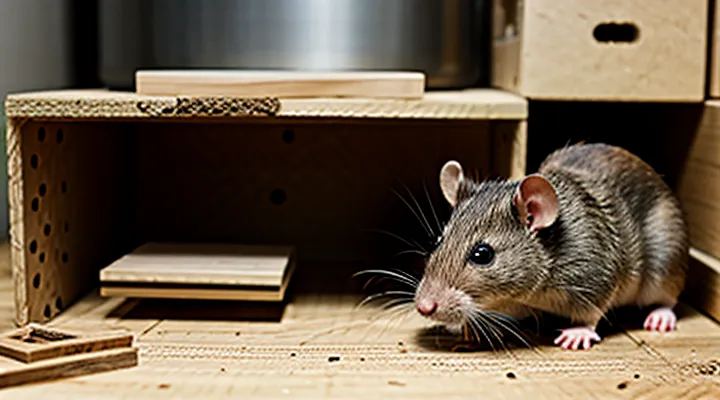
Understanding Rat Behavior and Why Traps Work
Why Rats are a Problem
Health Risks Associated with Rats
Rats carry pathogens that can compromise human health, making effective control essential for any do‑it‑yourself trapping project. Direct contact with droppings, urine, or bite wounds introduces bacteria, viruses, and parasites into the household environment.
- Bacterial infections: Salmonella, Leptospira, and Streptobacillus moniliformis cause gastroenteritis, kidney damage, and rat‑bite fever.
- Viral diseases: Hantavirus pulmonary syndrome and Lassa fever result from inhalation of aerosolized excreta.
- Parasitic threats: Toxoplasma gondii and various mites lead to toxoplasmosis and skin irritation.
Contamination extends beyond disease transmission. Rodent saliva and excreta contaminate surfaces, food supplies, and ventilation systems, increasing the risk of allergic reactions and asthma exacerbations. Persistent odors and ammonia fumes from urine degrade indoor air quality, potentially irritating respiratory pathways.
When constructing traps, adhere to protective measures: wear disposable gloves and a mask, disinfect work surfaces before and after handling rodents, and dispose of captured animals in sealed containers. Ensure traps are placed away from food preparation areas to prevent secondary contamination. Regular monitoring and prompt removal of dead or trapped rats reduce the likelihood of secondary bacterial growth and odor buildup.
Understanding these hazards informs safer trap design and implementation, protecting occupants from the full spectrum of health risks associated with rodent infestations.
Damage Caused by Rat Infestations
Rats infestations inflict extensive damage that jeopardizes structural integrity, health, and finances. Their incisors gnaw through wood, insulation, wiring, and plastic, creating pathways for water intrusion, fire hazards, and costly repairs. Continuous chewing compromises load‑bearing beams, undermines wall studs, and erodes roofing components, accelerating building deterioration.
The presence of rats introduces biological threats. Saliva and urine contaminate food supplies, surfaces, and stored goods, fostering bacterial growth and exposing occupants to diseases such as leptospirosis, hantavirus, and salmonellosis. Their droppings and nesting material generate allergens that aggravate respiratory conditions and trigger asthma attacks.
Economic impact extends beyond direct repairs. Utility outages caused by damaged electrical circuits lead to downtime for businesses and increased energy consumption due to compromised insulation. Pest‑related insurance claims rise sharply in regions with uncontrolled rodent populations.
Key damage categories include:
- Structural gnawing (wood, drywall, roofing)
- Electrical system impairment (cable cuts, short circuits)
- Plumbing disruption (corroded pipes, leaks)
- Food and product contamination
- Health hazards (disease transmission, allergens)
- Increased insurance and maintenance costs
Understanding these consequences underscores the necessity of effective, self‑constructed rat traps to halt infestation before damage escalates.
Key Principles of Effective Trapping
Scent and Lure Attraction
Effective homemade rodent traps depend on a reliable attractant system. Scent and lure selection determines whether a rat approaches the device and triggers capture.
Common attractants include:
- Food odors: peanut butter, dried fruit, bacon grease, or cheese. These provide strong olfactory cues that rats associate with nourishment.
- Protein extracts: canned fish, boiled egg yolk, or commercial cat food. High‑protein aromas stimulate feeding behavior.
- Synthetic pheromones: commercially available rat‑specific aggregation or sexual pheromones. Formulations mimic natural communication signals and increase trap visitation.
- Predator scents: fox urine or mustelid oil. When used sparingly, these trigger curiosity and defensive investigation.
Application guidelines:
- Apply a thin layer of attractant to the trap’s bait station; excess material can obscure the trigger mechanism.
- Position the scent source directly in front of the trigger, ensuring the rat must contact the mechanism to access the lure.
- Refresh attractants every 24–48 hours in warm environments; decay reduces potency and may deter activity.
- Use airtight containers for storage to preserve volatile compounds between applications.
Integrating lures with trap design:
- Secure liquid baits with a small dish or cotton wad to prevent spillage onto non‑target surfaces.
- For solid foods, shape the bait into a compact pellet that fits snugly onto the trigger plate, minimizing movement.
- Attach synthetic pheromone strips to the interior of the trap housing, allowing diffusion without direct contact.
Safety and environmental considerations:
- Choose non‑toxic, food‑grade substances to avoid contaminating surrounding areas.
- Keep attractants out of reach of children and pets; label containers clearly.
- Dispose of used bait according to local waste regulations to prevent unintended feeding of wildlife.
By selecting appropriate scents, applying them with precision, and maintaining consistent freshness, a DIY rat trap achieves maximum capture efficiency while minimizing collateral impact.
Trap Placement Strategies
Effective trap placement hinges on understanding rat movement patterns. Rats travel along walls, use concealed pathways, and avoid open spaces. Positioning devices where these habits intersect maximizes capture rates.
Key factors to assess before installing a trap:
- Evidence of activity such as droppings, gnaw marks, or grease trails.
- Proximity to known entry points, including gaps under doors, vents, and utility openings.
- Alignment with walls; rats prefer to run parallel to surfaces.
- Accessibility for regular inspection and bait replenishment.
Placement guidelines:
- Set traps directly against walls, with the trigger facing the wall to align with the rat’s natural route.
- Locate devices near observed gnaw marks or fresh droppings, indicating recent traffic.
- Install traps in corners where two walls meet; these areas serve as natural funnels.
- Position traps a few inches from suspected entry holes, allowing rats to encounter the bait before slipping through.
- Avoid cluttered zones that could obscure the trap or impede monitoring.
After deployment, check traps daily, record captures, and relocate any unused devices to more active zones. Maintain a clean environment to prevent alternative food sources that might reduce trap effectiveness.
Essential Safety Measures and Ethical Considerations
Handling and Disposal of Rats
Safe Removal Techniques
When a homemade rat trap captures an animal, immediate and humane handling prevents injury to both the rodent and the operator. Follow these steps to remove a live catch safely:
- Wear thick gloves that cover the wrists; leather or puncture‑resistant materials protect against bites and scratches.
- Keep the trap steady on a flat surface; lock any moving parts to avoid accidental closure.
- Approach the trap from the side opposite the entry hole; this reduces the chance of the rat turning and lunging.
- Use a long, rigid tool such as a wooden dowel or metal rod to push the animal toward the release opening. Apply gentle, steady pressure; sudden force can cause the rat to thrash and damage its spine.
- Once the rod contacts the rodent’s hindquarters, guide it onto a pre‑prepared transport container (a ventilated box with a secure lid).
- Seal the container promptly, then relocate the animal at least 100 meters from the property, releasing it near natural cover or a wooded area.
If the trap is designed for kill‑only operation, ensure the killing mechanism is fully engaged before checking the device. Verify the rodent is deceased by observing lack of movement and absence of breathing. Dispose of the carcass in a sealed bag, then clean the trap with hot, soapy water and a disinfectant solution.
Regular maintenance—removing debris, inspecting spring tension, and replacing worn components—keeps the trap functional and reduces accidental releases. Implementing these procedures guarantees that each capture is managed responsibly and without risk.
Preventing Disease Transmission
Effective control of rodent populations reduces the risk of pathogen spread. Homemade rat-catching devices must be designed and used with hygiene in mind to prevent disease transmission.
When constructing a trap, select materials that can be disinfected easily, such as stainless‑steel wire, hard plastic, or sealed wood. Avoid porous substances that retain moisture and bacteria. Ensure the trigger mechanism does not expose the handler to the animal’s saliva or urine.
Placement of the trap influences safety. Position devices along walls, behind appliances, or in concealed areas where rats travel, but keep them out of reach of children and pets. Mark the location with a visible indicator to avoid accidental contact.
Safe handling procedures include:
- Wearing disposable gloves and, if needed, a face shield before approaching a captured rodent.
- Using a sealed container or a heavy‑duty bag to transport the trapped animal.
- Disinfecting the trap surface with a solution of at least 1 % bleach or an EPA‑approved sanitizer after each capture.
- Washing hands thoroughly with soap and water after glove removal.
Disposal of dead rodents must follow local regulations. Composting is prohibited; instead, place the carcass in a double‑bagged, sealed bag and discard it with regular trash or hand it to a licensed pest‑control service.
Regular monitoring of trap performance helps maintain a disease‑free environment. Record capture dates and locations, replace bait with fresh, uncontaminated material, and inspect traps for wear that could harbor microbes.
By integrating these hygiene‑focused practices into the construction and operation of self‑made rat traps, homeowners can significantly lower the likelihood of illnesses such as leptospirosis, hantavirus, and salmonellosis.
Humane Trapping Practices
Considerations for Live Traps
Live traps provide a non‑lethal solution for rodent control, requiring careful planning to ensure effectiveness and animal welfare.
Key factors to evaluate before constructing a homemade live trap include:
- Dimensions – Interior space must accommodate an adult rat (minimum 12 × 8 × 8 inches) while preventing escape through gaps or openings.
- Bait selection – Use highly attractive food items such as peanut butter, dried fruit, or meat scraps; place bait behind the trigger mechanism to encourage full entry.
- Trigger mechanism – Design a reliable release system (e.g., spring‑loaded door or weighted platform) that activates with minimal force, reducing stress on the captured animal.
- Ventilation – Incorporate airflow holes or mesh panels to maintain breathable conditions without compromising structural integrity.
- Ease of release – Ensure the door can be opened from the outside without direct handling of the rat, allowing swift relocation to a suitable release site.
- Cleaning and sanitation – Choose materials resistant to corrosion and easy to disinfect; plan for regular removal of waste and urine to prevent disease buildup.
- Legal considerations – Verify local regulations regarding the capture, transport, and release of wild rodents to avoid penalties.
- Placement strategy – Position traps along known travel routes, near food sources, and in concealed locations to maximize capture probability while minimizing human contact.
Addressing each of these points during the design phase yields a functional live trap that captures rats humanely, reduces the need for lethal methods, and integrates smoothly into broader rodent‑management projects.
Minimizing Suffering
When constructing a homemade rodent capture device, the primary ethical objective is to reduce the animal’s distress and pain. Selecting a mechanism that delivers an instantaneous, lethal outcome eliminates prolonged suffering. Materials that cause crushing or suffocation should be avoided unless they guarantee immediate incapacitation.
Design choices that influence humane performance include:
- Spring‑loaded jaws calibrated to close with sufficient force to break the spinal cord instantly.
- A narrow, reinforced trigger that prevents the rat from escaping once engaged.
- A padded interior to avoid bruising while still allowing the lethal action.
- A quick‑release latch that stops the trap’s motion as soon as the animal is neutralized, preventing secondary injuries.
Operational practices that further minimize suffering are:
- Position traps along high‑traffic pathways identified by droppings or gnaw marks, ensuring rapid capture.
- Test each trap before deployment to confirm that the strike is decisive and that no partial injuries occur.
- Check traps at regular intervals (no longer than 30 minutes) to remove captured rodents promptly, preventing exposure to environmental stressors.
- Dispose of the animal humanely, employing methods such as immediate euthanasia with a certified device if required by local regulations.
By adhering to these construction and usage guidelines, a DIY rodent trap can achieve effective pest control while upholding a commitment to the lowest possible level of animal suffering.
Overview of Common DIY Rat Trap Designs
Snap Traps: A Classic Approach
Materials Needed for DIY Snap Traps
A functional snap trap can be assembled from a limited set of components that are readily available at hardware stores or online.
- Wood block, 2 × 4 inches, hardwood or pine for the base and trigger arm
- Spring steel bar, 1/4‑inch thickness, 4 inches long, for the snapping mechanism
- Small piece of stainless‑steel wire, 12‑inch length, for the latch
- Two 1/4‑inch nails or screws, for securing the base and hinge points
- Heavy‑duty adhesive or epoxy, to reinforce joints
- Drill with 1/8‑inch bit, for precise holes
- File or sandpaper, to smooth edges and prevent injury
Additional items improve durability: a rubber pad for the strike surface, a disposable bait cup, and a pair of needle‑nose pliers for bending wire. All materials listed are sufficient to construct an effective, reusable snap trap without specialized equipment.
Step-by-Step Assembly Guide
A practical guide outlines the construction of a reliable homemade rodent trap using readily available components.
Materials required: wooden base (15 × 10 cm), spring‑loaded bar, metal wire (12 mm), small nail, screwdriver, drill with 3 mm bit, and bait container.
Assembly steps:
- Drill two parallel holes 5 cm apart near the front edge of the wooden base; align them vertically.
- Insert the metal wire through the holes, forming a horizontal hinge for the bar.
- Secure one end of the spring to the rear side of the bar with the nail; ensure the spring exerts forward tension.
- Attach the bar to the wire, allowing it to pivot upward when released.
- Mount the bait container on the bar’s rear surface using a small screw; position it so the bait is exposed when the bar is down.
- Test the mechanism by pulling the bar back and releasing; the spring should snap the bar forward, closing the trap.
Final checks: verify the spring’s tension is sufficient to trigger closure, confirm no sharp edges are exposed, and place the trap along established rodent pathways. Use appropriate protective gloves during assembly.
Bucket Traps: Simple and Effective
Building a Rolling Log Bucket Trap
A rolling log bucket trap combines a simple lever mechanism with a sturdy container to capture rodents quickly and humanely. The design relies on a weighted log that, when disturbed by a rat, tips a bucket into a pre‑cut opening, sealing the animal inside.
Materials
- 5‑gal plastic bucket with lid
- 2‑foot length of 2‑inch diameter hardwood log
- 1‑inch diameter steel rod (pivot axis)
- 3‑inch thick plywood board (base)
- Heavy-duty eye bolts and nuts
- Springs or sandbag for counter‑balance
- Drill, saw, and wrench set
- Wire mesh (optional for ventilation)
Construction steps
- Cut a 4‑inch square hole in the bucket’s side near the bottom; smooth edges to prevent injury.
- Drill a central hole through the plywood board; insert the steel rod to create a pivot point.
- Secure the log onto the rod so it can rotate freely; attach the bucket to the log’s end with eye bolts, ensuring the hole aligns with the bucket opening.
- Position the sandbag or spring opposite the bucket to provide the required counter‑weight; adjust until the bucket remains closed when undisturbed.
- Test the mechanism by applying gentle pressure to the log; the bucket should tip and lock into place when the log rolls beyond the pivot.
Placement and operation
- Locate the trap along known rat pathways, such as behind appliances or near garbage storage.
- Bait the bucket interior with peanut butter, dried fruit, or meat scraps.
- Ensure the surrounding area remains clear of obstacles that could impede the log’s motion.
Maintenance and safety
- Empty the bucket daily; wear gloves and disinfect the interior after each capture.
- Inspect the pivot rod for wear; replace if play develops.
- Verify that the counter‑balance remains effective; readjust sandbag weight as needed.
The rolling log bucket trap offers a reliable, low‑cost solution for homeowners seeking an effective, do‑it‑yourself rodent control method.
Constructing a Ramp and Drop-in Bucket Trap
Building a functional ramp‑and‑bucket rat trap begins with selecting sturdy materials. Use a 2 × 4 lumber piece for the ramp, a 5‑gallon plastic bucket with a tight‑fit lid, and a piece of plywood for the base. Cut the lumber to a length that creates a gentle 30‑degree incline when the bucket sits at the lower end. Attach the ramp to the bucket’s rim with metal brackets, ensuring the connection can support the weight of a rodent without wobbling.
Secure the bucket on a stable platform. Place the plywood base on the floor, then fasten the bucket’s lip to the base using screws or bolts. Position the ramp so the top rests on a sturdy support, such as a short block of wood, allowing the rat to climb upward and fall directly into the bucket. Verify that the bucket’s interior is smooth; rough surfaces may enable escape.
Prepare the trap for use:
- Place a small amount of attractive bait (peanut butter, dried fruit) at the ramp’s apex.
- Ensure the bucket lid remains closed but can be opened from the top for later removal.
- Check that the ramp surface is free of debris that could hinder movement.
After capture, lift the bucket, remove the lid, and release the rodent at a suitable distance from the property. Clean the bucket with mild detergent before resetting the trap. This design offers a low‑cost, reusable solution that relies on gravity and simple construction techniques.
Live Traps: Catch and Release Options
Design Principles for Humane Live Traps
When constructing a live trap for rats, the core objective is to capture the animal without causing injury or undue stress. The design must balance effectiveness with humane treatment, ensuring that the creature can be released safely after capture.
A functional trap requires precise dimensions. Interior space should accommodate a mature rat—approximately 10 cm wide, 20 cm long, and 15 cm tall—while allowing free movement. Overly cramped chambers increase the risk of bruising; excess space reduces the animal’s motivation to enter.
Ventilation is essential for animal welfare. Incorporate multiple small openings (1–2 mm) near the top of the enclosure to provide airflow without creating escape routes. Mesh or perforated plastic works well, provided it is smooth enough to prevent skin abrasions.
Entry mechanisms must trigger reliably yet gently. Common solutions include:
- A hinged door that snaps shut when the bait is disturbed.
- A spring‑loaded latch activated by a pressure plate.
- A lightweight trigger bar that pivots under the weight of the rat.
All three designs rely on a consistent force threshold (around 30–40 g) to avoid accidental closures caused by wind or debris.
Material selection influences durability and cleanliness. Food‑grade plastics, untreated hardwood, or metal sheets with rounded edges resist chewing and simplify disassembly. Avoid toxic paints or sealants; use only non‑reactive finishes.
Once the animal is captured, the trap should allow effortless release. A side panel that swings open fully, or a removable top, enables quick extraction without handling the rat directly. Incorporate a smooth interior surface to minimize the need for additional cleaning after each use.
Safety features protect both the user and the rodent. Include a lock‑out lever that disables the trigger while the trap is being set or emptied, preventing accidental closures. Ensure that all moving parts are shielded to avoid finger entrapment.
Regular maintenance extends the trap’s lifespan. Inspect hinges, springs, and latches for wear before each deployment. Clean the interior with mild soap and water, then dry thoroughly to prevent mold growth.
By adhering to these principles—appropriate sizing, adequate ventilation, reliable yet gentle entry, safe materials, straightforward release, and robust safety mechanisms—home‑builders can create live traps that capture rats efficiently while preserving their wellbeing.
Materials for a DIY Live Cage Trap
A functional live‑cage trap requires components that are durable, easy to clean, and safe for the captured animal. Choose materials that resist gnawing, withstand weather, and allow quick release.
- Sturdy wire mesh (½‑inch galvanized steel) for the cage walls; provides ventilation and resists rust.
- Heavy‑duty wooden or PVC frame to support the mesh; ensures structural stability.
- Spring‑loaded door mechanism (spring steel or tension coil) calibrated to snap shut when the trigger is activated.
- Trigger plate (metal or rigid plastic) linked to the door latch; must be sensitive enough for a rat’s weight (≈ 100 g) but not prone to false activation.
- Release latch (metal latch or lever) that can be opened from the outside without harming the animal.
- Non‑slip flooring (rubber mat or textured plastic) to prevent escape once inside.
- Weather‑proof seal (silicone caulk or rubber gasket) around the door edges; protects against rain and drafts.
- Optional: small feeding platform (plastic dish) and bait holder (metal cup) to attract the rodent.
Select wire mesh with a ¼‑inch opening to prevent escape while allowing airflow. Galvanized steel resists corrosion better than plain steel, extending the trap’s lifespan. For the frame, untreated pine is lightweight but may warp; PVC offers moisture resistance and easy cleaning. The spring mechanism should deliver a closing force of 5–7 N; excessive force can injure the animal, while insufficient force may allow escape.
Install the trigger plate beneath the bait platform, ensuring a direct line of action to the latch. Test the mechanism with a weighted object matching a rat’s mass before final assembly. Apply silicone sealant around the door perimeter to create a watertight barrier, especially if the trap will be placed outdoors.
By sourcing these components from hardware stores or online suppliers, the builder can assemble a reliable live cage trap without specialized equipment. The resulting device captures rats unharmed, facilitating humane relocation or release.
Baiting and Setting Your DIY Rat Traps
Choosing the Right Bait
Effective Food Baits
Effective bait selection determines capture rates for self‑built rat traps. Bait must combine strong olfactory appeal with resistance to spoilage, ensuring rats encounter it before the trap is triggered.
- Peanut butter: high fat content, strong scent, adheres to trap surfaces.
- Sunflower seeds: natural rodent favorite, easy to attach with a small mesh sachet.
- Dried fruit pieces (e.g., apricots, raisins): sweet aroma attracts omnivorous rats, remains stable for weeks.
- Meat scraps (cooked chicken or beef): protein source, potent odor; wrap in gauze to prevent leakage.
- Cheese cubes (hard varieties): strong dairy scent, minimal melting at room temperature.
Prepare bait by coating a small amount of peanut butter onto a wooden dowel or a piece of cardboard, then affixing the secondary attractant (seed, fruit, meat, or cheese) to the coated surface. Position the bait at the trap’s trigger mechanism so the rat must manipulate it to release the catch. Secure bait firmly to avoid premature dislodgement.
Place traps along established rat pathways: near walls, behind appliances, and in dark corners. Use a single bait per trap to focus attention and reduce competition between multiple scents. Check traps daily, replace spoiled bait, and clean surfaces to maintain consistent odor strength.
Handle all bait materials with gloves to prevent cross‑contamination. Store unused bait in airtight containers, refrigerated if containing meat or cheese, to preserve potency and deter mold growth.
Non-Food Attractants
When constructing a homemade rat capture device, the choice of lure determines placement success. Non-food attractants exploit rodents’ natural behaviors without relying on edible bait, reducing risk of spoilage and accidental consumption by pets or children.
- Nest‑building material – shredded paper, cotton fibers, or fine fabric stimulate the rat’s instinct to gather safe bedding.
- Scented objects – commercial pheromone strips, cat litter infused with predator urine, or diluted essential oils such as peppermint or eucalyptus create an aversive yet curiosity‑inducing environment.
- Sound cues – low‑frequency recordings of squeaking pups or rustling leaves mimic activity in a potential shelter.
- Visual stimuli – small, reflective pieces of foil or brightly colored ribbons draw attention in dimly lit areas.
Apply attractants directly to the trap’s interior surface or attach them to the trigger mechanism. Position the device along established runways, near wall junctions, or beside concealed entry points. Replace or refresh lures every two to three days to maintain potency. Ensure that all components are securely fastened to prevent accidental release of the attractant material.
Optimal Trap Placement
Identifying Rat Runways
Rats travel along established pathways called runways, which are narrow, concealed routes that connect food sources, shelter, and entry points. Recognizing these routes is the first step in designing effective homemade traps.
Typical indicators of a runway include:
- Fresh droppings aligned in a straight line
- Gnaw marks on walls, baseboards, or cables
- Smear marks where rats rub their bodies
- Small footprints in dust or loose debris
- Chewed insulation or wiring along a consistent path
To locate a runway, follow a systematic inspection:
- Start at known activity zones such as garbage bins, pet food containers, or pantry shelves.
- Trace droppings or gnaw marks back toward walls, noting any changes in direction.
- Examine concealed areas—behind appliances, under sinks, and within wall cavities—for consistent damage patterns.
- Use a flashlight to spot faint smear marks on low‑light surfaces.
- Mark the observed path with tape or chalk to visualize the complete route.
Once the runway is mapped, position the DIY trap directly on the identified line, preferably near a bend or junction where rats pause. Bait the trap with attractive food and ensure the trigger mechanism aligns with the direction of travel. Monitoring the runway after trap placement confirms whether the pathway remains active or requires adjustment.
Securing Traps Properly
When a homemade rat trap is placed, stability determines both effectiveness and safety. Secure the device to a solid surface to prevent movement caused by the animal’s struggle or external vibrations. Anchor points—such as a wooden beam, concrete slab, or sturdy furniture leg—must be free of rot or cracks. Use stainless‑steel screws or heavy‑duty zip ties, tightening until the trap does not wobble when pressure is applied.
Weather exposure can weaken connections and degrade bait. Encase the trap in a weather‑resistant housing or position it under a roof overhang. Seal gaps with silicone caulk to keep rain out while maintaining ventilation. For indoor installations, attach the trap to a baseboard or cabinet using brackets that distribute load evenly.
Regular inspection confirms that securing measures remain intact. Follow this routine:
- Visual check for rust, loosened fasteners, or broken components.
- Apply torque to each screw or tighten zip ties as needed.
- Verify that the trigger mechanism moves freely without obstruction.
- Replace any weather‑proofing material that shows wear.
Proper placement includes positioning the trap along known rodent pathways—near walls, behind appliances, or in dark corners—so that the animal contacts the trigger without hesitation. Align the trap’s entry side perpendicular to the wall to reduce the chance of escape after activation.
By anchoring firmly, protecting from moisture, and conducting systematic checks, a DIY rat trap remains reliable, humane, and safe for occupants.
Maintenance and Troubleshooting Your Traps
Regular Inspection and Resetting
Frequency of Checks
When using self‑made rat traps, inspection timing directly affects effectiveness and humane handling.
Check traps at least once every 12 hours during active periods (dawn and dusk). In colder months, reduce to every 24 hours, as rodents move less frequently. If bait is perishable or attracts non‑target species, increase checks to every 6 hours.
Maintain a schedule:
- Morning (around 07:00) – remove captured rats, reset trap, replace bait if needed.
- Evening (around 19:00) – repeat removal and reset.
- Additional checks (optional) – after heavy rain or extreme temperature shifts, when bait may degrade.
Frequent inspection prevents suffering, limits disease risk, and allows rapid repositioning of traps if capture rates decline. Adjust intervals based on trap placement: indoor setups near food sources may require 6‑hour checks; outdoor traps in secluded areas can follow the 12‑hour routine. Consistent monitoring ensures the trap system remains functional and humane throughout the control effort.
Cleaning and Re-baiting
After a capture, remove the rodent promptly. Wear disposable gloves, place the animal in a sealed bag, and dispose of it according to local regulations. Rinse the trap with hot water to dissolve organic residue, then scrub the interior with a stiff brush and a mild detergent. Rinse again, ensuring no soap remains, and dry the mechanism completely with a lint‑free cloth or air dryer.
Once dry, inspect moving parts for wear or damage. Apply a thin layer of mineral oil to hinges and springs to maintain smooth operation. Avoid petroleum‑based lubricants, which can repel bait.
Re‑baiting requires fresh attractant and strategic placement:
- Choose a high‑protein food (peanut butter, dried fish, or cooked meat) mixed with a small amount of sweetener.
- Apply ¼‑inch thick pea‑sized portions directly to the trigger plate, avoiding excess that could spill onto the floor.
- Position the trap along established rodent pathways, near walls or concealed corners, ensuring the bait faces outward.
Rotate bait types weekly to prevent habituation. Record capture dates and bait variations to identify the most effective combination.
Addressing Trap Failures
Common Reasons for Unsuccessful Trapping
Homemade rat traps often fail because the underlying factors that attract or deter rodents are overlooked. Understanding these factors prevents wasted effort and improves capture rates.
- Incorrect placement: traps set away from established pathways, near food sources, or in open areas receive little traffic.
- Inappropriate bait: stale, low‑scent, or species‑unsuitable bait loses appeal quickly.
- Poor trap design: mechanisms that require excessive force, have gaps, or allow escape reduce effectiveness.
- Inadequate maintenance: rusted springs, warped wood, or broken triggers render traps nonfunctional.
- Environmental interference: extreme temperatures, humidity, or debris can impair bait scent and trap operation.
- Rat wariness: repeated exposure to the same trap type leads to learned avoidance, especially when traps are not reset promptly.
- Lack of monitoring: traps left unchecked for long periods allow captured rats to decompose, releasing odors that repel others.
Addressing each point—positioning devices along walls and runways, selecting fresh, aromatic bait, ensuring reliable trigger action, performing regular inspections, protecting traps from weather, rotating trap styles, and checking traps daily—significantly raises the probability of successful capture.
Adjusting Trap Design and Placement
When constructing a homemade rat capture device, fine‑tuning both the mechanism and its location determines success. Design modifications affect trigger reliability, bait accessibility, and animal comfort, while placement influences encounter rates and safety.
Key adjustments include:
- Trigger sensitivity – calibrate spring tension or lever length so a small weight activates the trap without causing premature releases.
- Bait compartment size – enlarge the chamber to accommodate larger food items, but keep the entrance narrow enough to prevent escape.
- Material selection – choose corrosion‑resistant steel or hard‑plastic components for durability; avoid porous wood that absorbs moisture.
- Angle of entry – position the opening at a slight downward tilt to guide the rat toward the trigger, reducing hesitation.
- Height from floor – set the trap between 2 in and 4 in off the ground; this range matches typical rat crawling height and maximizes contact.
- Proximity to pathways – locate devices along walls, behind appliances, or near known gnawing sites, as rodents travel close to surfaces.
- Environmental shielding – shield the trap from rain or drafts with a simple roof or cover; moisture can jam moving parts and deter bait.
- Safety buffer – maintain a clearance of at least 12 in from human traffic and pet zones to prevent accidental activation.
By systematically applying these refinements, a builder can increase capture efficiency while minimizing maintenance and unintended hazards.