
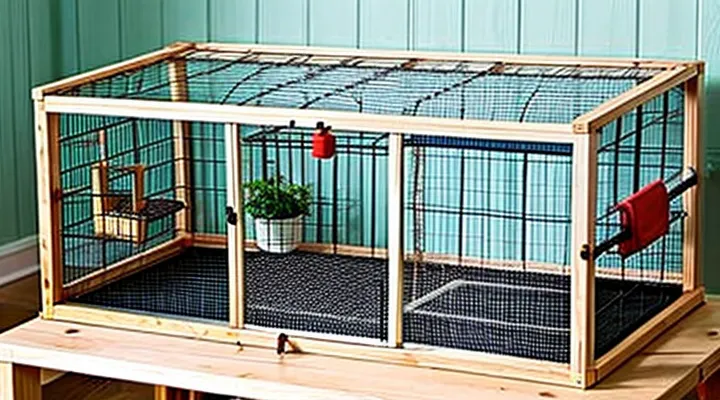
Why DIY for Your Rat Cage?
Benefits of Homemade Accessories
«Cost Savings»
Creating a rat enclosure yourself can reduce expenses dramatically when you focus on material reuse, bulk purchasing, and simple construction techniques. Evaluating each component for cost‑effectiveness prevents overspending while maintaining safety and durability.
- Repurpose plastic containers, cardboard boxes, or wooden pallets instead of buying specialty cages. Clean and reinforce them with non‑toxic sealants.
- Purchase wire mesh, PVC pipe, and hardware in bulk; large quantities lower per‑item price and provide spare parts for future modifications.
- Use reclaimed fabric or fleece for bedding and nesting material; wash and sterilize before reuse.
- Build ramps, platforms, and climbing structures from scrap wood or dowels, securing joints with inexpensive zip ties or hot‑glue.
Plan a budget before starting the project. List required items, compare prices at local hardware stores, online marketplaces, and thrift shops, then prioritize low‑cost alternatives. Track actual spending against the list to identify overruns early.
Applying these practices yields a functional, hygienic rat habitat at a fraction of the retail cost while allowing continuous upgrades without significant financial impact.
«Customization and Enrichment»
Customization transforms a basic rat enclosure into an environment that encourages natural behaviors and reduces stress. Selecting safe, non‑toxic materials—such as untreated hardwood, acrylic panels, and stainless‑steel hardware—prevents injuries and contamination. Secure connections with bolt‑on brackets or silicone sealant maintain structural integrity while allowing future modifications.
Enrichment elements should address climbing, foraging, and nesting instincts. Effective options include:
- Rope or sisal tunnels anchored to the cage frame for vertical exploration.
- PVC pipe sections fitted with removable caps to create hideaways and chew stations.
- Stacked wooden platforms with textured surfaces for balance training.
- Puzzle feeders constructed from drilled acrylic blocks that release treats when manipulated.
Regular rotation of accessories preserves novelty and stimulates problem‑solving. Replace one platform or tunnel each week, and introduce a new foraging device to prevent habituation. Monitoring wear patterns helps identify items that need repair or replacement before they become hazards.
Documentation of each modification—material type, dimensions, attachment method—supports reproducibility and simplifies troubleshooting. Maintaining a log of changes ensures that successful designs can be replicated across multiple cages, enhancing overall welfare standards for laboratory and pet rat populations.
«Safety and Material Control»
When constructing a rat habitat, safety begins with material selection. Choose substances that resist chewing, avoid sharp edges, and contain no toxic chemicals. Preferred options include untreated hardwood, solid acrylic, and stainless‑steel wire mesh with a gauge no larger than 1 mm. Avoid soft plastics, painted surfaces, and reclaimed wood that may harbor pesticides or mold.
Material control requires verification at each stage:
- Inspect raw components for cracks, splinters, or rust before assembly.
- Test adhesive bonds by applying gentle pressure; any separation indicates unsuitable glue.
- Confirm that all fasteners are securely tightened; loose screws become projectile hazards.
- Label each material batch with purchase date and safety data sheet reference for future audits.
Ventilation and temperature regulation contribute to a safe environment. Install airflow openings covered with fine metal mesh to prevent escape while allowing circulation. Position heating elements away from chewable parts and use thermostatically controlled devices to maintain a stable range of 18–24 °C.
Cleaning protocols protect both occupants and handlers. Use only mild, unscented detergents diluted to a concentration of 0.5 % for routine washing. Rinse thoroughly to eliminate residue, then dry components before reassembly. Schedule deep cleaning weekly, inspecting for wear that could compromise structural integrity.
Electrical components must meet low‑voltage standards. Employ insulated wiring rated for at least 12 V, and secure all connections within a sealed enclosure. Ground any metal framework to prevent static discharge.
By adhering to these material controls and safety measures, a self‑built rat enclosure remains durable, hygienic, and free from hazards that could endanger the animals or the caretaker.
Essential DIY Projects for Rat Cages
«Climbing Structures and Levels»
«Hammocks and Ladders»
Hammocks and ladders add vertical dimension and resting zones that improve a rat’s natural climbing behavior while maximizing limited cage space. A sturdy hammock supports the animal’s weight, reduces pressure on the floor, and encourages relaxed posture. Ladders connect multiple levels, allowing seamless movement between platforms and reducing stress caused by confined horizontal movement.
Materials and preparation
- Natural fiber rope (e.g., cotton or jute) for hammock suspension; diameter 5–8 mm to prevent fraying.
- Untreated wood slats, ½‑inch thick, cut to 2–3 inches in width for ladder rungs.
- Non‑toxic, water‑based sealant for wood protection; dry cure time 24 hours.
- Stainless‑steel eye bolts, ¼‑inch diameter, for secure attachment to cage bars.
- Zip ties or small metal clamps for temporary positioning during assembly.
Construction steps
- Cut two equal lengths of rope, each 12–14 inches long, based on cage height. Loop each end through an eye bolt, tie a secure double‑half hitch, and test tension.
- Attach a lightweight fabric panel (e.g., fleece) to the rope loop using a few evenly spaced stitches; ensure edges are reinforced to avoid tearing.
- For the ladder, cut 4–5 rungs from the wood slats, each 2 inches long. Drill a ¼‑inch hole at each end of a rung.
- Thread a single cord through the holes of all rungs, spacing them 2–3 inches apart. Tie the cord to the cage’s side bars using eye bolts, maintaining a slight upward angle to aid climbing.
- Apply sealant to any exposed wood surfaces, allow cure, then install the ladder by tightening the eye bolts. Verify that all connections are firm and that the structure does not wobble when weight is applied.
Safety considerations
- Verify rope knots remain tight after each use; replace rope if wear appears.
- Ensure ladder rungs are smooth, free of splinters, and positioned to prevent the rat from slipping off.
- Keep the hammock’s fabric free of loose threads that could entangle paws or tails.
Maintenance
- Remove the hammock weekly, wash the fabric in mild detergent, and dry thoroughly before reinstalling.
- Inspect ladder cords for fraying; replace with fresh rope if any damage is detected.
- Re‑tighten eye bolts monthly to counteract cage vibrations.
Integrating a hammock and ladder built from readily available, non‑toxic components creates a functional, enrichment‑rich environment that supports the rat’s physiological needs while remaining easy to assemble and maintain.
«Shelves and Platforms»
Shelves and platforms expand vertical space, allowing rats to climb, explore, and rest above the cage floor. Properly designed structures improve exercise opportunities and reduce clutter on the base level.
Materials such as untreated pine, plywood, or acrylic sheet provide strength without exposing animals to toxic finishes. Cut each component to a maximum width of 4 inches, ensuring the rat can step onto the surface without overreaching. Thickness of ½ inch prevents sagging under the animal’s weight. Sand all edges smooth, then apply a water‑based, non‑toxic sealant.
Installation guidelines:
- Attach brackets to the cage wall using stainless‑steel screws; avoid plastic fasteners that may break under load.
- Position brackets at 2‑inch intervals to distribute weight evenly.
- Insert the shelf or platform into the brackets, confirming a snug fit before tightening screws.
- Verify that the structure does not obstruct water bottles, food dishes, or ventilation openings.
Safety considerations:
- No gaps larger than ½ inch between surfaces; rats can slip through or become trapped.
- Ensure all connections are secure; loose fittings can create sharp edges or collapse.
- Regularly inspect for wear, splintering, or sealant degradation and replace damaged parts promptly.
Additional enhancements:
- Add removable ramps made from the same material, secured with Velcro strips for easy cleaning.
- Incorporate small ledges beneath platforms to hold chew toys or hammocks, maximizing usable space without additional cage modifications.
«Ropes and Swings»
Ropes and swings add vertical activity and climbing opportunities to a rat enclosure, encouraging natural foraging behavior and muscle development.
Materials suitable for safe construction include untreated natural fiber rope, stainless‑steel chain, and polycarbonate or acrylic platforms. Natural fibers resist gnawing and provide texture, while stainless steel prevents rust and corrosion. All components must be free of toxic dyes, adhesives, or splinters.
Installation steps:
- Cut rope to a length that allows the swing to hang 4–6 inches above the cage floor, leaving extra slack for knot adjustments.
- Form a secure loop at each end of the rope using a double overhand knot; reinforce with a small zip tie if needed.
- Attach one loop to a sturdy cage bar using a metal carabiner or a slip‑on clamp; ensure the bar can support the rat’s weight plus dynamic forces.
- Secure the opposite loop to a platform or a second bar, creating a horizontal swing line.
- Test the assembly by applying a force equal to twice the animal’s weight; tighten knots or replace hardware if movement is excessive.
Maintenance guidelines:
- Inspect rope weekly for fraying, chewing, or discoloration; replace any compromised section immediately.
- Clean rope with a mild, unscented soap solution; rinse thoroughly and air‑dry before reinstallation.
- Lubricate metal connectors with non‑toxic silicone spray to prevent squeaking and corrosion.
Benefits of a properly installed rope and swing system include:
- Enhanced aerobic exercise through climbing and swinging motions.
- Stimulation of problem‑solving behavior as rats learn to navigate the structure.
- Reduction of stereotypic chewing on cage bars by providing an alternative outlet.
By selecting appropriate materials, following precise installation procedures, and adhering to regular inspection routines, a rope‑and‑swing setup becomes a reliable, enriching feature of any rat habitat.
«Hiding Spots and Cozy Nooks»
«Fabric Hides»
Fabric hides provide rats with concealed resting spots that mimic natural burrows, reduce stress, and encourage exploratory behavior. When integrated into a self‑made rat enclosure, they enhance enrichment without compromising ventilation or hygiene.
Materials required: sturdy cotton or linen fabric, non‑toxic fabric glue or hot‑glue gun, scissors, ruler, marker, and a clean, flat work surface. Choose fabrics free of dyes that could leach chemicals; plain, tightly woven textiles are preferable.
Construction steps:
- Measure the desired hide dimensions, typically 6 × 4 × 4 inches for an adult rat.
- Cut two identical panels for the front and back, and two side panels matching the height and depth.
- Mark a 1‑inch opening on one side panel; cut a rounded entrance to facilitate entry.
- Apply glue along the edges of the front panel, attach the side panels, then seal the back panel, leaving the entrance unglued to maintain flexibility.
- Allow the glue to cure fully before handling the hide.
Installation guidelines: place the completed hide in a corner or under a climbing structure, ensuring the opening faces upward to prevent debris accumulation. Secure the hide with zip ties or small brackets if the cage material permits, avoiding any protrusions that could injure the animals.
Maintenance routine: inspect seams weekly for wear; replace damaged fabric promptly. Wash the hide in warm water with mild, fragrance‑free detergent, rinse thoroughly, and air‑dry before re‑installation. Regular cleaning prevents odor buildup and maintains a healthy environment.
«Cardboard Mazes and Tunnels»
Cardboard mazes and tunnels provide an inexpensive, adaptable enrichment option for pet rats. The material is lightweight, easily cut, and safe when free of glossy inks or adhesives that could be ingested.
Construction begins with selecting corrugated cardboard of sufficient thickness to hold shape under the animal’s weight. Measure the interior dimensions of the cage, then outline maze walls and tunnel sections on the sheet. Use a sharp utility knife or scissors to cut openings, ensuring smooth edges to prevent injuries. Reinforce junctions with non‑toxic wood glue or a hot‑glue gun applied sparingly; allow the adhesive to cure completely before placement.
Key considerations:
- Ventilation: Leave gaps between walls to maintain airflow.
- Escape prevention: Secure all tunnel ends to the cage frame with zip ties or small screws.
- Cleaning: Design removable sections that can be detached for washing with mild soap and warm water.
- Customization: Add multiple levels by stacking cut‑out platforms and connecting them with short cardboard bridges.
After assembly, position the maze so that the rat can explore without contacting sharp corners. Observe the animal for signs of stress; adjust tunnel length or complexity if the rat appears hesitant. Regularly rotate the layout to sustain interest and encourage problem‑solving behavior.
Maintenance involves weekly inspection for dampness or wear. Replace any compromised pieces promptly to avoid mold growth or structural failure. By following these steps, a caregiver can create a durable, stimulating network of passages that enhances the rat’s physical activity and mental engagement.
«Plastic Containers with Entrances»
Plastic containers with built‑in entrances offer a practical solution for expanding a rat habitat. Their clear walls allow visual monitoring, while the entry points provide easy access for cleaning and enrichment placement.
When selecting containers, prioritize food‑grade polyethylene or polypropylene that resists chewing and chemicals. Verify that the dimensions accommodate the cage’s layout, leaving at least 2 inches of clearance between the container and surrounding bars to prevent obstruction.
Installation steps:
- Clean the container with mild detergent, rinse thoroughly, and allow it to dry completely.
- Cut entrance openings to the desired size using a rotary cutter or fine‑toothed saw; typical dimensions range from 1 inch for ventilation to 2 inches for rat passage.
- Smooth all cut edges with sandpaper or a deburring tool to eliminate sharp fragments.
- Attach the container to the cage frame using stainless‑steel screws or zip ties, ensuring a secure yet removable connection for future adjustments.
- Seal any gaps around the entrance with silicone caulk rated for pet use to maintain humidity control and prevent escape.
Benefits include:
- Modular expansion: multiple containers can be stacked or arranged side‑by‑side to increase floor space without rebuilding the entire enclosure.
- Enhanced enrichment: containers can house bedding, tunnels, or foraging materials, encouraging natural exploratory behavior.
- Simplified hygiene: removable containers allow separate washing, reducing overall cleaning time.
Safety considerations:
- Inspect containers regularly for cracks or signs of wear; replace compromised units promptly.
- Avoid containers with thin walls that rats can puncture, as this compromises enclosure integrity.
- Ensure that entrance openings are not large enough for a rat to squeeze through unintentionally; measure the animal’s shoulder width and adjust accordingly.
Integrating plastic containers with entrances creates a versatile, low‑cost addition that improves functionality and enriches the living environment for pet rats.
«Enrichment Toys and Foraging Devices»
«Toilet Paper Roll Treats»
Toilet paper rolls can be transformed into compact treat dispensers that stimulate foraging behavior while occupying minimal cage space. The design requires only a few inexpensive components and can be assembled without specialized tools.
Materials needed
- Empty toilet paper roll, cleaned and dried
- Small piece of untreated wood or acrylic for a base (approximately 2 × 3 in.)
- Non‑toxic glue or low‑temperature hot‑glue gun
- Pet‑safe treat paste (e.g., mashed banana, peanut butter, or commercial rat lick)
- Optional: drill and ¼‑in. bit for a ventilation hole
Construction steps
- Position the roll horizontally on the base; ensure the open ends face opposite directions.
- Apply a thin line of glue along the inner rim of each opening, then press the base against the roll to secure it. Allow the adhesive to cure fully.
- If a ventilation hole is desired, drill a single opening near the center of the roll’s side wall; this prevents moisture buildup.
- Fill the interior with the chosen treat paste using a syringe or small spoon, leaving a small air pocket at the top to aid dispensing.
- Seal the open ends with a short piece of breathable mesh or a loosely fitted paper cup, allowing rats to nibble through while containing the paste.
Safety considerations
- Verify that all materials are free of toxic chemicals; avoid treated wood, scented glues, or metal parts that could rust.
- Inspect the dispenser daily for cracks or mold; replace or clean as needed.
- Limit treat paste to a fraction of the rat’s daily caloric intake to prevent weight gain.
Variations for enrichment
- Layer dried fruit bits or cereal pellets between thin sheets of treat paste to create multi‑texture sections.
- Attach a small wooden dowel to the roll’s side, allowing rats to roll the dispenser across the cage floor.
- Use multiple rolls in a staggered arrangement to form a treat maze that encourages problem‑solving.
«Puzzle Feeders»
Puzzle feeders provide mental stimulation and encourage natural foraging behavior in pet rats. They can be built from inexpensive, readily available materials, ensuring the enclosure remains safe and engaging.
Materials commonly used include untreated wood blocks, PVC pipe sections, acrylic sheets, and food‑safe silicone. Hardware such as stainless‑steel screws, spring hinges, and non‑toxic glue secure moving parts. All components must be free of sharp edges and resistant to chewing.
Construction steps:
- Cut a wooden block to a size that fits comfortably inside the cage, leaving a 1‑inch margin on each side.
- Drill a series of holes sized for the intended food items (e.g., sunflower seeds, pellets).
- Attach a sliding panel made from acrylic, secured with a spring hinge to allow repeated opening and closing.
- Install a PVC maze segment on top of the block, creating a pathway that requires the rat to navigate before reaching the food compartment.
- Test the mechanism with a small amount of food, adjusting clearances to prevent jamming.
Safety checks should be performed after each use: inspect for loose screws, wear, or chew marks. Clean the feeder weekly with warm, mild soap and rinse thoroughly to avoid residue buildup. Rotating the feeder’s orientation or replacing maze modules weekly maintains novelty and prevents habituation.
«Chew Toys from Safe Materials»
Chew toys satisfy a rat’s natural gnawing instinct while protecting cage components from damage. Selecting non‑toxic, durable materials eliminates health risks and extends the life of the toys.
Recommended safe materials
- Untreated hardwood (apple, maple, birch) cut into 1‑2 cm sticks
- Food‑grade silicone tubes, 5‑10 mm diameter
- Untreated hemp rope, twisted into 1‑cm braids
- Unbleached cotton fabric, rolled tightly and stitched
- Natural beech or willow branches, trimmed to 10‑15 cm length
Construction guidelines
- Inspect each material for cracks, splinters, or mold before use.
- Cut wood into uniform sticks; sand rough edges with fine‑grit sandpaper.
- Thread silicone tubes through a wooden dowel to create a twisting chew rod; secure ends with non‑toxic glue.
- Braid hemp rope, then tie knots at 2‑cm intervals to provide varied textures.
- Roll cotton fabric tightly, stitch the seam, and insert a small wooden core for rigidity.
- Attach toys to cage bars using stainless‑steel zip ties or removable clips; ensure no loose parts can be swallowed.
Maintenance
- Inspect toys daily for wear; replace any fragment larger than 0.5 cm.
- Clean wooden and fabric items with a mild pet‑safe detergent, rinse thoroughly, and air‑dry.
- Rotate toys weekly to maintain novelty and encourage consistent chewing behavior.
Materials and Tools for DIY Projects
«Safe Materials for Rats»
«Fabrics and Textiles»
When creating a rat enclosure, fabric choices affect comfort, hygiene, and enrichment. Select materials that resist gnawing, tolerate frequent washing, and provide tactile variety.
- Cotton canvas: Thick weave, easy to launder, tolerates chewing if reinforced with a metal frame. Cut to size and staple to cage walls for a soft nesting surface.
- Fleece: Low‑pile, retains warmth, suitable for winter bedding. Secure with zip ties or Velcro to prevent removal.
- Denim: Durable, resistant to puncture. Use as a backing for tunnels or hammocks; double‑stitch seams to reinforce.
- Hemp rope: Natural fibers, chew‑friendly, can be twisted into climbing ropes or hanging bridges. Soak and dry before installation to reduce fraying.
- Water‑repellent polyester: Ideal for areas prone to spills. Attach with adhesive‑backed clips to keep the material flat and prevent sagging.
Safety considerations:
- Verify fabric is free of toxic dyes or chemical finishes; prefer products labeled “non‑toxic” or “pet‑safe.”
- Avoid loose threads that rats could ingest; trim excess yarn and seal raw edges with fabric glue.
- Test each material for durability by applying pressure with a rat’s claws; replace items that show tearing.
Maintenance tips:
- Schedule weekly washes at 60 °C (140 °F) to eliminate bacteria and odor.
- Rotate fabrics weekly to distribute wear evenly across the enclosure.
- Store spare fabric pieces in a sealed container to protect against moisture and pests.
Integrating textiles into a rat habitat enhances nesting, climbing, and sensory stimulation while supporting a clean, durable environment.
«Wood and Cardboard»
Wood and cardboard are readily available materials that can create functional, safe structures for a rat enclosure. Plywood or untreated hardwood provides a sturdy framework for platforms, tunnels, and climbing walls. Choose sheets no thinner than ½ inch for load‑bearing elements; thinner panels may bow under the weight of active rats. Sandpaper the edges to remove splinters, then seal the surface with a non‑toxic, water‑based sealant to prevent moisture absorption and discourage gnawing.
Cardboard serves as a lightweight, disposable component for temporary habitats, enrichment toys, and nesting chambers. Triple‑wall corrugated board offers sufficient rigidity for tunnels and hideouts, while still being easy for rats to chew. Cut pieces to size with a utility knife, then fold or score to form arches and cylinders. Reinforce joints with non‑adhesive methods such as wooden dowels or small metal brackets to maintain shape without introducing harmful glues.
Practical guidelines for combining wood and cardboard in a rat cage:
- Construct a base platform from solid wood; secure it to the cage frame with stainless‑steel screws.
- Attach cardboard tunnels to the wooden platform using removable clips; this allows regular replacement as the material degrades.
- Install wooden ramps with a gentle incline (no steeper than 30°) to connect multiple levels safely.
- Replace cardboard sections weekly to maintain hygiene and prevent mold growth.
- Inspect wood for cracks or loose fasteners during each cleaning cycle; repair immediately to avoid injury.
By pairing the durability of wood with the versatility of cardboard, builders can produce customizable, cost‑effective habitats that meet rats’ climbing, chewing, and nesting needs while remaining easy to maintain.
«Plastic and Metal Components»
Choosing the right materials determines durability, safety, and ease of maintenance in a home‑built rat enclosure. Plastic and metal elements each provide distinct advantages that complement one another when integrated properly.
Plastic parts are lightweight, resistant to moisture, and easy to clean. Commonly used varieties include:
- Polypropylene (PP) – high impact resistance, tolerates repeated washing.
- High‑density polyethylene (HDPE) – excellent chemical resistance, minimal odor retention.
- Acrylic sheets – transparent, rigid, suitable for observation panels.
- PVC tubing – flexible, ideal for creating tunnels and ventilation ducts.
When selecting plastic, verify that the material is food‑grade and free of harmful additives. Cut edges should be sanded smooth to prevent injuries, and any bonding agents must be non‑toxic and cure without emitting fumes.
Metal components contribute structural strength and support for larger frames. Preferred metals are:
- Aluminum extrusions – light, corrosion‑resistant, allow modular assembly with standard brackets.
- Galvanized steel rods – robust, capable of bearing heavy accessories such as climbing ladders.
- Stainless‑steel wire mesh – safe for bars and cages, resists rust in humid environments.
- Brass hinges and locks – durable, maintain smooth operation over time.
Metal parts should be treated to eliminate sharp points; filing or deburring is essential before installation. Applying a food‑safe sealant protects against oxidation and simplifies cleaning.
Integrating plastic and metal requires compatible joining methods. Use stainless‑steel screws with washers for metal‑to‑metal connections, and employ silicone‑based adhesives or mechanical fasteners designed for plastic when attaching panels to frames. Ensure all fasteners are tightened to prevent rattling, which can stress a rat’s hearing.
Final inspection should confirm that no gaps allow escape, that all surfaces are smooth, and that the enclosure can be disassembled for routine cleaning. Proper material selection and meticulous assembly result in a long‑lasting, hygienic habitat for pet rats.
«Basic Tools for Crafting»
«Scissors and Cutters»
Scissors and cutters are essential tools for customizing a rat enclosure. They enable precise trimming of fabric, plastic, and wood, allowing the creation of tunnels, platforms, and hideouts that fit the cage dimensions. Selecting the appropriate blade type reduces material stress and prevents fraying, which maintains structural integrity.
When choosing tools, consider the following criteria:
- Blade material: stainless steel resists corrosion from humidity and urine.
- Cutting capacity: a 6‑inch blade handles most cage components; a larger 8‑inch model accommodates thicker plastic sheets.
- Ergonomic handle: reduces hand fatigue during repetitive cuts.
- Safety lock: prevents accidental blade exposure when not in use.
Maintain scissors and cutters by cleaning after each session, drying thoroughly, and sharpening or replacing dull blades. Store them in a designated tool box away from the cage to avoid contamination and accidental injury. Regular inspection ensures reliable performance and prolongs the lifespan of the enclosure’s accessories.
«Adhesives and Fasteners»
Adhesives and fasteners are critical components when constructing a custom rat enclosure. Selecting materials that resist chewing, moisture, and cleaning chemicals ensures durability and animal safety.
-
Adhesives
- PVA glue – non‑toxic, suitable for paper, cardboard, and untreated wood.
- Hot‑melt (low‑temperature) glue – quick set, limited to surfaces the rats cannot reach.
- Silicone sealant – water‑resistant, creates flexible joints for acrylic or glass panels.
- Food‑grade epoxy – strong bond for metal brackets or plastic fittings; cure fully before exposure.
-
Fasteners
- Stainless‑steel screws – corrosion‑resistant, ideal for wood and metal frames.
- Self‑tapping screws – eliminate need for pre‑drilled holes in thin plastics.
- Nuts and bolts with washers – distribute load on larger panels, prevent stripping.
- Zip ties – fast, removable connections for temporary fixtures.
- Velcro strips – allow easy access to cleaning panels without permanent hardware.
Application guidelines
- Pre‑drill pilot holes to avoid splitting wood or cracking acrylic.
- Use washers under screw heads to reduce stress on thin material.
- Apply adhesive sparingly; excess can attract gnawing or become a cleaning hazard.
- Allow full curing time—typically 24 hours for epoxy, 30 minutes for silicone—before introducing the animal.
- Inspect all fasteners regularly for loosening or corrosion; replace with stainless‑steel components when needed.
Choosing non‑toxic, moisture‑resistant adhesives and rust‑proof fasteners creates a secure, long‑lasting habitat that tolerates the active behavior of pet rats.
«Drills and Measuring Tools»
When constructing a custom rat enclosure, precise cuts and accurate dimensions are essential. Selecting the right drill and measuring instruments ensures structural integrity, reduces material waste, and speeds up assembly.
A reliable drill should provide adjustable speed, torque control, and a variable clutch. Variable‑speed models allow smooth drilling through thin plywood, acrylic, or metal brackets without splintering. A cordless unit with a 20 V battery offers mobility inside the work area, while a corded model delivers constant power for extended sessions. For rat‑cage projects, a compact drill/driver equipped with a 1/4‑inch keyless chuck accommodates standard drill bits and screwdriver bits, simplifying fastener installation.
Measuring tools guarantee that tunnels, platforms, and mounting points align correctly. Essential instruments include:
- Steel tape measure (up to 150 cm) for overall cage dimensions.
- Combination square for marking right angles and checking depth of drilled holes.
- Digital caliper (0–150 mm range) for precise component thickness, especially when using thin sheet metal or acrylic.
- Level (bubble or digital) to verify horizontal platforms and prevent sagging.
Safety considerations are non‑negotiable. Secure the workpiece with clamps before drilling to avoid movement. Wear safety glasses and use a dust mask when cutting wood or acrylic. Set the drill’s clutch just above the torque required to start the screw; excessive torque can strip holes or crack the material.
Maintenance prolongs tool performance. After each session, remove debris from the drill’s chuck and bit, lubricate moving parts, and inspect batteries for charge retention. Calibrate measuring devices periodically with a known reference (e.g., a gauge block) to maintain accuracy.
By integrating a variable‑speed drill with a comprehensive set of measuring instruments, builders achieve clean cuts, reliable joints, and reproducible results, resulting in a safe and functional habitat for pet rats.
Safety Considerations for DIY Projects
«Non-Toxic Materials Only»
«Avoiding Harmful Chemicals»
When creating a homemade rat enclosure, the choice of materials directly influences the animal’s health. Many common construction products release volatile organic compounds (VOCs) or contain heavy metals that can be absorbed through the skin, inhaled, or ingested via chewing. Selecting non‑toxic options eliminates this risk.
Safe material guidelines:
- Untreated, natural wood such as pine, birch, or maple; avoid pressure‑treated lumber that contains arsenic or copper.
- Food‑grade plastics (high‑density polyethylene, polypropylene) free of BPA and phthalates; steer clear of PVC and polystyrene.
- Water‑based, zero‑VOC paints or natural stains derived from plant oils; reject oil‑based paints, solvent‑based finishes, and aerosol sprays.
- Adhesives certified as non‑hazardous, such as PVA glue or silicone sealants labeled “food safe”; do not use super‑glue, epoxy, or contact cement.
- Cleaning solutions limited to diluted white vinegar, hydrogen peroxide, or commercially available pet‑safe disinfectants; avoid bleach, ammonia, or scented detergents.
Additional precautions:
- Allow any applied coatings to cure fully, following manufacturer drying times, before introducing the rats.
- Rinse painted surfaces with water and let them air‑dry to remove residual solvents.
- Store unused chemicals out of reach, in sealed containers, to prevent accidental exposure.
By adhering to these material standards, the enclosure remains structurally sound while eliminating sources of chemical toxicity that could compromise the well‑being of pet rats.
«Checking for Sharp Edges»
When constructing or modifying a rat enclosure, the first safety check should focus on eliminating any sharp edges that could injure the animal. Inspect every component before assembly and after any cutting, drilling, or sanding.
- Run a fingertip over all cut surfaces; a smooth glide indicates no protruding points.
- Use a fine‑grit sandpaper or a rotary file on edges left by saws or laser cutters.
- Apply a thin coat of non‑toxic sealant or epoxy to seal micro‑splinters on wood, acrylic, or PVC.
- For metal brackets, file edges with a metal file and deburr with a rotary tool equipped with a polishing wheel.
- Verify the interior of tunnels, platforms, and ladders by feeding a small rodent‑sized probe; any resistance signals a potential snag.
After each treatment, wipe the entire cage with a damp cloth to remove dust and debris. Conduct a final visual scan under bright light to catch any remaining imperfections. Regular re‑inspection—especially after cleaning or repositioning accessories—maintains a hazard‑free environment for the rats.
«Secure Construction»
«Preventing Escapes»
Rats readily exploit weak points in enclosures; a single gap can lead to loss of an animal and potential health hazards. Effective escape prevention begins with a design that eliminates openings larger than the animal’s head and incorporates reliable closure mechanisms.
- Use a latch system that requires two independent actions (e.g., a sliding latch combined with a snap‑fit hook) to ensure the door cannot be opened from the inside.
- Select wire mesh with a gauge no larger than ¼ inch; smaller openings prevent paw or teeth passage.
- Overlap all seams and reinforce corners with stainless‑steel brackets or acrylic strips to stop tearing.
- Install a secondary barrier such as a clear acrylic front panel that locks onto the frame, adding a visual inspection point and an extra seal.
After construction, verify integrity before introducing rats. Apply gentle pressure to doors, pull on mesh edges, and observe for any flex that could create a breach. Record findings and address issues immediately.
Routine maintenance sustains security:
- Inspect latch alignment weekly; tighten screws and replace worn components.
- Clean mesh surfaces regularly to prevent rust or corrosion that could weaken the material.
- Check for chew marks daily; replace compromised sections with fresh wire or acrylic.
- Test the enclosure after any relocation or cleaning to confirm that all connections remain tight.
A systematic approach—robust hardware, meticulous assembly, and disciplined upkeep—eliminates escape routes and ensures a safe, controlled environment for pet rats.
«Ensuring Stability»
Ensuring stability is essential for any home‑built rat enclosure. A secure structure prevents collapse, protects the animals from injury, and maintains the integrity of the habitat during cleaning or relocation.
Select materials with proven load‑bearing capacity. Solid wood panels, metal mesh, and acrylic sheets should be at least ¼ inch thick. Reinforce joints with brackets, corner braces, or small metal plates; screw them directly into the framing members rather than relying on glue alone. Use self‑drilling screws to avoid stripping the wood fibers.
Secure the cage to a fixed surface when possible. Attach the base to a sturdy tabletop or mount the entire unit to a wall using L‑shaped brackets. If the enclosure stands on the floor, place rubber feet or non‑slip pads under each corner to distribute weight and reduce vibration.
Test stability before introducing rodents. Apply pressure to each side, lift the cage slightly, and observe any flexing. Adjust or add support where movement is detected. A quick checklist can streamline the verification process:
- Verify that all screws are tightened to the manufacturer’s torque specification.
- Confirm that brackets are aligned and not warped.
- Ensure the base sits level on the floor or support surface.
- Check that mesh panels are tensioned evenly without sagging.
Regularly inspect the structure for signs of wear, such as cracked wood, loose hardware, or rusted metal. Replace compromised components promptly to maintain a safe environment for the rats.
Maintenance and Cleaning of DIY Accessories
«Regular Inspection and Repair»
«Checking for Wear and Tear»
Regular inspection of a homemade rat enclosure prevents injuries, maintains hygiene, and extends the structure’s lifespan.
Key components to examine include:
- Wire mesh or metal bars – look for rust, corrosion, or sharp edges.
- Plastic tubing and connectors – check for cracks, brittleness, or chemical degradation.
- Wooden frames or platforms – inspect for splintering, rot, or loose joints.
- Climbing accessories such as ladders, ropes, and hammocks – verify integrity of knots, seams, and attachment points.
- Locking mechanisms and doors – ensure hinges move smoothly and latches stay secure.
Conduct checks at least once a week, increasing frequency after cleaning cycles or heavy use. Immediate signs of wear: discoloration, frayed wires, exposed metal, cracked plastic, wobbling fixtures, and chewed corners.
When damage is detected, replace compromised parts with pet‑safe materials, sand sharp edges, tighten all fasteners, and apply non‑toxic sealant to prevent rust. Upgrading to stainless steel mesh or reinforced acrylic tubing reduces future deterioration.
Record each inspection in a maintenance log, noting the date, observed issues, and corrective actions. A systematic record enables trend analysis and timely replacement before hazards develop.
«Replacing Damaged Items»
When a component in a rat enclosure fails, immediate replacement prevents injury and maintains a hygienic environment. Identify the compromised item—whether a plastic tunnel, metal bar, wheel, or chewable structure—by inspecting for cracks, rust, sharp edges, or excessive wear. Remove the damaged piece carefully to avoid stressing the animals; wear gloves and use a screwdriver or pliers as required.
Gather replacement materials that match the original specifications in size, durability, and safety. Preferred options include:
- Polypropylene tunnels with smooth interior surfaces
- Stainless‑steel bars or mesh for structural support
- Solid‑core exercise wheels without gaps
- Natural wood chew blocks free of pesticides
Install the new component using appropriate hardware. Secure bolts at a torque that holds firmly without crushing the cage walls. For wiring or electronic accessories, verify voltage compatibility and insulate connections with heat‑shrink tubing. After installation, conduct a brief inspection to ensure no protruding edges or loose fittings remain.
Finally, document the repair date and parts used. Schedule routine checks every two weeks to detect early signs of wear. Maintaining a log simplifies future replacements and extends the lifespan of the entire habitat.
«Cleaning Procedures»
«Washing Fabric Items»
Washing fabric components such as hammocks, bedding pads, and tunnel liners is essential for maintaining a hygienic environment in a home‑built rat enclosure. Regular cleaning eliminates urine stains, droppings, and odor, preventing bacterial growth and protecting the health of the animals.
- Separate fabric items from plastic or metal parts before washing.
- Rinse each piece in cold water to remove loose debris.
- Submerge in a basin with mild detergent; avoid harsh chemicals that could irritate rodents.
- Gently agitate for 2–3 minutes; do not scrub aggressively, as this can damage fibers.
- Rinse thoroughly until no soap residue remains.
- Spin in a low‑speed cycle if using a machine; otherwise, press water out by hand.
After washing, hang fabric items in a well‑ventilated area away from direct sunlight to prevent fading. Ensure complete dryness before returning items to the cage to avoid mold formation. Periodic laundering, combined with routine spot cleaning, extends the lifespan of fabric accessories and supports a clean, comfortable habitat for pet rats.
«Disinfecting Hard Surfaces»
Effective sanitation of hard surfaces is essential for maintaining a healthy rat enclosure. Plastic platforms, glass doors, metal bars, and ceramic bowls provide ideal breeding grounds for bacteria if not regularly disinfected. Proper cleaning eliminates pathogens, reduces odor, and extends the lifespan of materials used in homemade habitats.
- Select a pet‑safe disinfectant (e.g., diluted hydrogen peroxide, diluted bleach at 1 % concentration, or commercial rodent‑approved sanitizer).
- Remove debris and wash the surface with warm, soapy water.
- Apply the disinfectant evenly, ensuring full coverage of all crevices.
- Observe the manufacturer’s recommended contact time (generally 5–10 minutes).
- Rinse thoroughly with clean water to eliminate residue.
- Dry the surface completely before re‑installing accessories or returning rats.
Use only agents proven non‑toxic to rodents; avoid ammonia, phenol, or scented cleaners that can irritate respiratory systems. Disinfect hard components weekly, and after any illness outbreak, increase frequency to twice weekly. Consistent application of these steps safeguards the cage environment and supports the well‑being of the animals.