
Understanding the Threat
The Pervasive Problem of Rodents
Health Risks Associated with Rodent Infestations
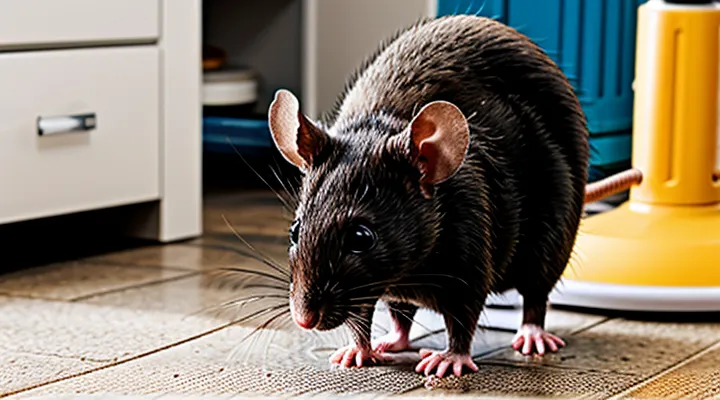
Rodent infestations create direct pathways for pathogens to enter human environments. Species such as rats and mice carry bacteria, viruses, and parasites that contaminate surfaces, food, and water supplies. Common agents include Salmonella spp., Leptospira spp., hantaviruses, and Yersinia pestis. Contact with rodent urine, feces, or saliva can trigger gastrointestinal illness, hemorrhagic fever, and severe respiratory conditions.
Allergenic particles from rodent dander and droppings exacerbate asthma and allergic rhinitis. Persistent exposure increases the frequency of attacks, especially in children and individuals with pre‑existing respiratory disorders. Dust contaminated with rodent waste also serves as a vector for secondary infections.
Structural damage caused by gnawing compromises building integrity. Exposed wiring may spark fires, while breached insulation facilitates moisture intrusion, fostering mold growth. Mold spores further aggravate respiratory health and can lead to chronic sinusitis.
Psychological effects arise from the presence of rodents. Persistent anxiety, sleep disturbance, and reduced sense of safety are documented among occupants of infested premises. Stress-related immune suppression may amplify susceptibility to infection.
Key health risks can be summarized:
- Transmission of bacterial diseases (e.g., salmonellosis, leptospirosis).
- Viral infections (e.g., hantavirus pulmonary syndrome).
- Parasitic infestations (e.g., toxoplasmosis, tapeworms).
- Allergic reactions and asthma exacerbation.
- Secondary mold contamination and related respiratory issues.
- Structural hazards leading to fire or building failure.
- Mental health disturbances linked to infestation awareness.
Mitigation requires prompt removal of rodents, thorough sanitation of contaminated areas, and implementation of barriers that prevent re‑entry. Regular monitoring and documentation of rodent activity support early detection and reduce long‑term health consequences.
Economic Impact of Rodent Damage
Rodent activity generates measurable financial losses across agricultural, commercial, and residential sectors. Direct damage includes consumption of stored grain, contamination of processed foods, and destruction of packaging, leading to reduced inventory value and increased waste disposal expenses. Infestations in manufacturing facilities compromise product integrity, trigger product recalls, and incur regulatory penalties.
Indirect costs arise from health‑related consequences. Rodent‑borne pathogens elevate disease incidence among employees and consumers, prompting medical treatment expenses, absenteeism, and potential litigation. Damage to electrical wiring and structural components raises maintenance budgets and shortens asset lifespan, necessitating premature replacement.
Mitigation expenditures form a distinct category. Investment in sanitation protocols, trapping systems, and chemical controls represents ongoing operational outlays. Failure to implement comprehensive rodent hygiene measures escalates the frequency of emergency interventions, which carry higher labor rates and material costs.
Key economic indicators of rodent impact:
- Loss of raw material value: 5‑15 % of stored commodities per year in affected regions.
- Increased insurance premiums: 10‑20 % hike for facilities with documented infestations.
- Productivity decline: average 2‑4 % reduction in output due to equipment downtime and staff illness.
Accurate quantification of these factors supports cost‑benefit analysis for preventive hygiene programs, justifies budget allocation, and informs strategic planning to minimize financial exposure.
Principles of Rodent Disinfection
Defining Disinfection in Rodent Control
Differentiation from Pest Control
Disinfection targeting rats and mice focuses on eliminating pathogens that rodents introduce into environments, whereas pest control concentrates on reducing or eradicating the animal population itself. The former employs chemical or physical agents to neutralize bacterial, viral, and fungal contaminants on surfaces, equipment, and structural components. The latter utilizes traps, baits, and exclusion techniques to remove or prevent rodent intrusion.
Key distinctions include:
- Objective: pathogen removal versus population reduction.
- Methods: sanitizing agents, UV irradiation, steam cleaning versus trapping, poisoning, and sealing entry points.
- Timing: continuous surface treatment aligned with cleaning schedules; pest control actions triggered by detection of activity.
- Metrics: microbiological test results, colony‑forming unit counts versus trap success rates, sighting reports.
- Regulatory focus: health‑department sanitation standards contrasted with wildlife‑management or agricultural pest guidelines.
Effective rodent‑related hygiene programs integrate both approaches but maintain separate protocols. Disinfection procedures verify that surfaces remain free of disease‑causing agents after rodents are removed, while pest control measures ensure that the source of contamination is minimized. Coordinated scheduling, documentation, and staff training preserve the distinction, preventing overlap that could compromise either objective.
Objectives of a Disinfection Protocol
Effective rodent disinfection protocols aim to eliminate health hazards, protect infrastructure, and sustain long‑term pest management. The primary objectives are:
- Eradicate pathogenic microorganisms left by rats and mice in food‑handling, storage, and living areas.
- Remove residual organic matter, urine, and fecal deposits that attract further infestation.
- Decontaminate surfaces, equipment, and ventilation systems to meet regulatory microbiological standards.
- Validate the efficacy of chemical or physical agents through documented testing and monitoring.
- Establish a repeatable schedule that integrates sanitation, inspection, and corrective actions.
- Provide clear instructions for personnel safety, including personal protective equipment and exposure limits.
Achieving these goals reduces disease transmission, minimizes property damage, and supports a comprehensive hygiene strategy against rodent activity.
Key Stages of Disinfection
Pre-Disinfection Assessment
Effective rodent eradication begins with a thorough pre‑disinfection assessment. The process establishes a factual baseline that guides treatment selection, resource allocation, and safety precautions.
First, inspectors conduct a site‑wide survey to confirm species presence, population density, and activity patterns. Evidence such as droppings, gnaw marks, burrows, and live captures is recorded, and hotspots are mapped to prioritize intervention zones.
Second, structural conditions are evaluated. Inspection includes:
- Identification of entry points (cracks, gaps, utility penetrations)
- Assessment of building materials for damage or wear that facilitates access
- Review of ventilation and drainage systems that may harbor moisture
Third, sanitation status is examined. Inspectors verify that food sources, waste containers, and water supplies are secured, and they note any practices that could attract rodents.
Fourth, risk analysis quantifies potential health hazards and regulatory implications. Data on pathogen prevalence, cross‑contamination risk, and compliance requirements are compiled to inform the disinfection plan.
Finally, all findings are documented in a detailed report that outlines observed conditions, recommended remediation actions, and metrics for post‑treatment verification. This report serves as the reference point for evaluating the effectiveness of the subsequent disinfection phase.
Application Methods and Agents
Effective rodent control relies on precise delivery of disinfectants and rodenticides. Proper application minimizes exposure to non‑target species and maximizes penetration into habitats where rats and mice dwell.
- Surface spraying: aerosol or pump‑spray devices distribute liquid agents on floors, walls, and crawl spaces. Use low‑viscosity formulations to reach crevices.
- Fogging: thermal or cold‑fog generators create fine mists that infiltrate hard‑to‑reach voids, ideal for large warehouses or storage facilities.
- Bait placement: sealed bait stations positioned along walls, near entry points, and in concealed locations ensure consistent ingestion.
- Spot treatment: concentrated gels or powders applied directly to burrow entrances, nesting sites, or food‑storage areas for immediate contact.
- Trunk injection: for structural timber, injectable disinfectants permeate wood fibers, eliminating hidden infestations.
Key chemical agents employed in rodent sanitation include:
- Boric acid: low toxicity to humans, lethal upon ingestion by rodents; effective in dust or paste form.
- Zinc phosphide: releases phosphine gas in the digestive tract; requires strict handling protocols.
- Anticoagulant rodenticides (e.g., brodifacoum, difenacoum): inhibit blood clotting; available in pellet or liquid formulations.
- Fumigants (e.g., sulfuryl fluoride, phosphine): gas‑phase agents for sealed environments; demand controlled ventilation.
- Biological disinfectants: enzyme‑based cleaners that degrade organic residues, reducing attractants and limiting disease transmission.
Integration of methods follows a systematic sequence: initial inspection, targeted application of surface sprays or fogs, strategic bait deployment, and post‑treatment monitoring. Documentation of dosage, placement, and environmental conditions supports compliance with health regulations and facilitates repeat assessments. Continuous evaluation of efficacy ensures that rodent populations remain suppressed while maintaining a sanitary environment.
Post-Disinfection Verification
Post‑disinfection verification confirms that rodent control measures achieved the intended level of cleanliness and that no viable pathogens remain. The process begins with a systematic visual inspection of treated zones, focusing on surfaces, equipment, and concealed areas where residual contamination is most likely. Inspectors record any visible residues, odor, or structural damage that could compromise the efficacy of the treatment.
Verification relies on quantitative and qualitative tests:
- Swab sampling of high‑risk surfaces, followed by laboratory analysis for bacterial and viral indicators.
- ATP bioluminescence readings to assess organic load; values below the established threshold indicate successful decontamination.
- Infrared thermography to detect hidden moisture or biofilm that may shelter microorganisms.
- Use of tracer dyes applied before disinfection to reveal untreated spots through visual inspection after treatment.
Final documentation includes a detailed report listing inspection dates, test results, identified deficiencies, and corrective actions taken. The report must be signed by the responsible supervisor and retained for regulatory review. Continuous monitoring schedules periodic re‑verification to ensure long‑term efficacy of the rodent hygiene program.
Types of Disinfectants and Their Applications
Chemical Disinfectants
Broad-Spectrum Virucides and Bactericides
Broad-spectrum virucides and bactericides constitute the chemical core of any rodent‑focused sanitation program. These agents eliminate viral particles and bacterial contaminants deposited by rats and mice, preventing secondary infections that can arise from droppings, urine, and fur. Their efficacy extends across multiple pathogen families, ensuring that the microbial load in infested areas drops to negligible levels after a single application.
Key attributes of effective broad-spectrum disinfectants include:
- Rapid action: kill rates measured in seconds to minutes, reducing exposure time for personnel.
- Residual activity: sustained antimicrobial effect on surfaces for up to 24 hours, limiting re‑contamination.
- Material compatibility: safe use on plastics, metals, and porous substrates common in warehouses, food‑processing plants, and residential settings.
- Regulatory compliance: meet EPA or equivalent standards for rodent‑related sanitation, with clear labeling for occupational safety.
Integration of these chemicals into a comprehensive hygiene protocol involves systematic surface assessment, targeted application to high‑risk zones (e.g., nesting sites, feeding stations, drainage areas), and verification through post‑treatment microbial sampling. Combining chemical disinfection with physical exclusion measures—such as sealing entry points and deploying traps—maximizes control of rodent‑borne disease vectors and supports long‑term environmental health.
Application Considerations and Safety Protocols
Effective rodent control requires precise planning and strict adherence to safety measures. Prior to application, assess the infestation level, identify target species, and map affected zones. Choose a product compatible with the environmental conditions—temperature, humidity, and surface type influence efficacy. Verify that the formulation matches the intended delivery method, whether aerosol, bait, or liquid spray, and calculate dosage based on manufacturer specifications and area size. Schedule treatment during periods of low human and animal occupancy to minimize exposure. Record all variables, including product batch number and application date, for traceability.
- Verify ventilation capacity in enclosed spaces; ensure airflow meets minimum exchange rates before and after treatment.
- Equip personnel with respiratory protection, chemical‑resistant gloves, and impermeable clothing.
- Isolate treated areas with signage and physical barriers until the recommended clearance time elapses.
- Store chemicals in locked, temperature‑controlled facilities, segregated from foodstuffs and non‑target species supplies.
- Dispose of unused product, containers, and contaminated materials according to local hazardous waste regulations.
- Conduct regular training sessions that cover proper handling, emergency decontamination, and first‑aid procedures for exposure incidents.
Emergency protocols must include immediate evacuation of the area, containment of the source, and prompt medical evaluation for anyone showing symptoms of toxicity. Maintain an accessible inventory of antidotes and decontamination supplies. Document all incidents, corrective actions, and follow‑up inspections to ensure continuous compliance with regulatory standards.
Natural and Biocidal Alternatives
Essential Oils and Plant Extracts
Essential oils and plant extracts provide a biologically based component of rodent sanitation programs. Their volatile compounds interfere with the olfactory cues rodents rely on for navigation, feeding, and nesting, resulting in avoidance of treated zones.
- Peppermint (Mentha piperita) oil – high menthol concentration disrupts scent trails; effective when applied to entry points and perimeter surfaces.
- Eucalyptus (Eucalyptus globulus) oil – cineole-rich formula repels rodents; suitable for spray solutions on building exteriors.
- Citronella (Cymbopogon nardus) oil – citronellal and geraniol deter foraging; recommended for use in traps and bait stations.
- Clove (Syzygium aromaticum) oil – eugenol exerts toxic effects at elevated concentrations; appropriate for localized spot treatment.
- Neem (Azadirachta indica) seed extract – azadirachtin interferes with reproductive cycles; applicable in feed‑contamination strategies.
Application methods must ensure consistent vapor release without compromising human health. Common techniques include:
- Aerosolization – nebulizers disperse oil particles in confined spaces; maintain concentration above the repellency threshold for at least 24 hours.
- Impregnated substrates – cotton pads or absorbent mats soaked in oil placed near potential ingress points; replace every 5–7 days to sustain efficacy.
- Emulsified sprays – oil mixed with a biodegradable carrier applied to walls, ceilings, and ducts; verify surface compatibility before use.
Safety protocols require personal protective equipment during handling, proper ventilation, and adherence to concentration limits established by occupational health guidelines. Integration with mechanical barriers, sanitation maintenance, and regular monitoring maximizes overall rodent control effectiveness while reducing reliance on synthetic chemicals.
Enzyme-Based Cleaners
Enzyme‑based cleaners serve as a biochemical component of a rodent‑focused hygiene program. Their active agents—proteases, lipases, amylases—hydrolyze protein, fat, and starch residues that constitute food sources and nesting material for rats and mice. By converting these substrates into soluble, odorless fragments, the cleaners eliminate attractants that encourage rodent activity.
The formulation offers several operational benefits. Biodegradability reduces environmental impact, while low toxicity safeguards non‑target species and personnel. Enzymes function at moderate temperatures, allowing use on a wide range of surfaces without corrosive effects. Compatibility with physical barriers, traps, and bait stations enables integration into a multi‑modal control strategy.
Effective deployment follows these steps:
- Choose a product with verified activity against the dominant organic contaminants in the target area.
- Prepare the solution according to manufacturer specifications, typically 1–5 % active concentration.
- Apply uniformly to floors, countertops, waste containers, and equipment using spray or fogger systems.
- Maintain a contact period of 10–30 minutes before wiping or allowing natural drying.
- Repeat application weekly during high‑risk periods, and after any spill or waste removal event.
Consistent use of enzyme‑based cleaners reduces food residue accumulation, thereby diminishing the likelihood of rodent infestation and supporting overall sanitation objectives.
Implementing an Integrated Disinfection Strategy
Combining Disinfection with Pest Control
Synergistic Effects
Synergistic effects arise when multiple control tactics interact to produce a result greater than the sum of individual actions. In rodent sanitation programs, the combination of chemical, mechanical, and environmental interventions creates conditions that accelerate population decline and reduce reinfestation risk.
- Anticoagulant baits applied alongside physical barriers prevent entry and sustain lethal exposure.
- Habitat modification (removal of food sources, clutter reduction) paired with trapping increases capture rates by limiting alternative shelter.
- Ultrasonic deterrents used in conjunction with sanitation audits disrupt nesting behavior while monitoring identifies residual hotspots.
- Biological agents, such as predatory nematodes, integrated with routine cleaning amplify mortality through multiple infection pathways.
The mechanisms driving these interactions include:
- Sequential exposure: rodents encounter a bait after being forced into confined spaces by barriers, raising ingestion probability.
- Habitat stress: reduced shelter heightens foraging activity, making individuals more likely to encounter control devices.
- Behavioral disruption: deterrent frequencies interfere with communication, weakening colony cohesion and facilitating trap success.
- Cumulative toxicity: sublethal doses from different chemical classes compound physiological stress, leading to faster mortality.
Observed outcomes demonstrate a measurable reduction in infestation indices, lower bait consumption per capita, and shortened time to eradication compared with single‑method approaches. Continuous data collection validates the additive impact, supporting the adoption of integrated protocols for sustainable rodent hygiene management.
Long-Term Prevention Measures
Effective rodent control requires sustained actions that extend beyond immediate disinfection. Long‑term prevention rests on eliminating access points, maintaining environmental conditions unfavorable to rats and mice, and establishing systematic monitoring.
Physical exclusion is the foundation of lasting protection. Seal gaps larger than ¼ inch in walls, floors, and ceilings; install metal flashing around utility penetrations; and fit self‑closing doors on service entries. Reinforce foundation cracks with concrete or steel mesh to block burrowing.
Sanitation practices must remain consistent. Store food in airtight containers; remove waste daily and keep receptacles sealed; clean spills promptly to eliminate attractants. Keep vegetation trimmed at least 12 inches from structures and manage overgrown roots that could serve as runways.
Monitoring and early detection prevent infestations from escalating. Deploy passive traps in strategic locations and inspect them weekly. Record capture data to identify activity patterns and adjust control measures accordingly. Integrate electronic sensors where feasible for continuous reporting.
Habitat modification reduces shelter availability. Remove debris piles, stack firewood away from walls, and eliminate standing water sources. Maintain proper drainage to prevent moisture accumulation that supports nesting.
Community coordination reinforces individual efforts. Share inspection schedules with neighboring properties, synchronize waste‑collection protocols, and collaborate on neighborhood‑wide exclusion projects. Joint reporting of sightings accelerates response.
Regular maintenance schedules ensure that barriers and sanitation standards are not compromised. Conduct quarterly audits of sealing materials, verify trap functionality, and replenish consumables such as rodent‑proof bags and disinfectants. Document findings to track compliance over time.
By embedding these measures into routine operational procedures, facilities achieve durable reduction of rodent presence while supporting overall hygiene objectives.
Environmental Considerations
Impact on Non-Target Organisms
Rodent control programs that incorporate chemical or physical disinfection agents inevitably affect organisms that are not the intended targets. Residual toxins from anticoagulant baits can be ingested by predatory birds, scavenging mammals, and non‑target insects that encounter contaminated carcasses or unguarded bait stations. Sub‑lethal exposure may impair reproduction, reduce foraging efficiency, and increase mortality rates among these species.
Soil ecosystems experience alterations when rodenticides leach into the ground. Beneficial nematodes, mycorrhizal fungi, and decomposer bacteria encounter toxic compounds that diminish their activity, potentially slowing organic matter breakdown and nutrient cycling. Aquatic habitats downstream from application sites may receive runoff containing active ingredients, which can affect fish larvae, amphibian embryos, and macroinvertebrate populations.
Physical control methods, such as snap traps and glue boards, pose direct threats to non‑target wildlife. Small mammals, reptiles, and ground‑dwelling birds can become entangled or injured when traps are placed without adequate exclusion measures. Additionally, the use of disinfectant sprays or foggers in enclosed spaces can irritate the respiratory systems of domestic pets and laboratory animals.
Mitigation strategies include:
- Deploying bait stations with guarded entry points to limit access by non‑target species.
- Selecting rodenticides with rapid degradation profiles to reduce environmental persistence.
- Scheduling applications during periods of low activity for vulnerable wildlife.
- Implementing buffer zones around water bodies and sensitive habitats.
- Monitoring non‑target mortality through systematic surveys and adjusting protocols accordingly.
Effective rodent management must balance pest eradication with the preservation of ecological integrity. Continuous assessment of non‑target impacts informs adaptive practices that protect biodiversity while maintaining public health standards.
Sustainable Practices
Effective rodent control must align with environmental stewardship and long‑term resource efficiency. Sustainable methods reduce reliance on hazardous chemicals, limit ecological disturbance, and support ongoing hygiene standards.
Integrated pest management (IPM) provides the framework for responsible rodent mitigation. It combines habitat modification, population monitoring, and targeted interventions to achieve consistent suppression while preserving ecosystem balance.
- Seal entry points with durable materials to prevent re‑infestation.
- Maintain clean storage areas; eliminate food residues and waste that attract rodents.
- Employ mechanical traps made from recyclable components, positioned according to activity patterns.
- Apply low‑toxicity baits only where monitoring confirms high rodent density, and replace them with biodegradable alternatives when possible.
- Rotate control tactics to avoid resistance development and minimize chemical load.
Continuous assessment of rodent activity informs adjustments to the control plan. Data collected from trap counts, visual inspections, and environmental sensors guide resource allocation, ensuring interventions remain proportionate and effective. Regular review cycles reinforce accountability and adapt practices to emerging sustainability standards.
Case Studies and Best Practices
Successful Disinfection Campaigns
Urban Environments
Urban habitats provide abundant food sources, shelter, and pathways that facilitate rodent proliferation. Dense housing, public transit stations, and waste collection points create micro‑environments where rats and mice can thrive despite routine cleaning. Effective rodent suppression therefore requires a coordinated focus on waste management, structural integrity, and environmental monitoring.
A systematic hygiene protocol addresses the three core vectors of infestation:
- Secure waste containers with tight‑fitting lids; schedule frequent collection to prevent overflow.
- Seal entry points such as gaps around utility lines, vent pipes, and foundation cracks using durable materials.
- Maintain landscaping at a minimum height, trim vegetation away from building exteriors, and remove debris that offers nesting sites.
Sanitation measures must integrate chemical, mechanical, and biological controls. Targeted rodenticide placement, combined with bait stations, reduces population density while minimizing non‑target exposure. Mechanical traps supplement chemical methods in high‑traffic zones, and the introduction of natural predators—when feasible—adds an ecological layer of control.
Infrastructure upgrades play a decisive role. Installing anti‑rodent screens on drainage systems, implementing sewer backflow preventers, and employing rodent‑resistant building designs limit access to hidden conduits. Regular inspections identify wear, corrosion, or damage that could compromise these barriers.
Community participation enhances compliance and early detection. Training programs for municipal workers and residents clarify proper waste handling, reporting procedures, and safe use of control devices. Real‑time data collection through citywide reporting apps enables rapid response to emerging hotspots.
Continuous evaluation of the hygiene strategy ensures adaptability. Metrics such as reduction in rodent sightings, decreased waste spillage incidents, and lower disease reports provide objective benchmarks. Adjustments to bait placement, cleaning schedules, or structural repairs are implemented based on these performance indicators.
Agricultural Settings
Effective rodent control in agricultural environments requires a systematic hygiene program that integrates sanitation, structural management, and targeted disinfection. The following components constitute a practical framework.
- Sanitation of feed and storage areas: Remove spillage, store grain in sealed containers, and clean residual debris daily to eliminate food sources that attract rats and mice.
- Structural exclusion: Seal cracks, gaps, and openings in walls, roofs, and foundations with durable materials. Install rodent-proof doors and ventilation screens to prevent entry.
- Waste management: Collect and dispose of animal manure, crop residues, and packaging waste in closed containers. Schedule regular removal to reduce shelter opportunities.
- Targeted disinfection: Apply rodent‑specific disinfectants to high‑traffic zones such as burrow entrances, nesting sites, and pathways. Use products with proven efficacy against pathogens carried by rodents, following label‑specified concentrations and contact times.
- Monitoring and documentation: Conduct weekly inspections for signs of activity, record findings, and adjust control measures accordingly. Maintain logs of disinfectant applications, dosage, and personnel responsible.
Implementing these measures creates an environment where rodents cannot locate food, shelter, or water, thereby reducing population pressures and limiting disease transmission. Consistent execution, combined with periodic review of efficacy data, sustains long‑term biosecurity across farms, orchards, and greenhouse operations.
Common Pitfalls and How to Avoid Them
Inadequate Preparation
Inadequate preparation compromises the effectiveness of any rodent‑focused sanitation program. Failure to assess infestation levels, identify entry points, and secure appropriate disinfectants leads to incomplete treatment, persistent populations, and heightened disease risk.
Key deficiencies include:
- Skipping a thorough site inspection, which obscures hidden nests and food sources.
- Using disinfectants without confirming compatibility with surfaces, resulting in reduced potency or material damage.
- Neglecting to isolate treated areas, allowing re‑contamination during the drying phase.
- Overlooking staff training on application techniques, causing uneven coverage and unsafe handling.
Correcting these gaps requires a systematic pre‑action checklist: document infestation metrics, map structural vulnerabilities, select EPA‑registered rodent disinfectants, establish containment zones, and conduct a brief competency test for all personnel before deployment. This disciplined approach maximizes eradication outcomes and sustains long‑term hygiene standards.
Improper Disinfectant Selection
Improper selection of disinfectants undermines rodent‑focused sanitation programs. Choosing agents that lack efficacy against pathogens commonly carried by rats and mice, or that are incompatible with other control measures, reduces overall biosecurity.
Key errors in disinfectant choice include:
- Selecting products based on cost alone without verifying rodent‑specific antimicrobial spectrum.
- Using formulations intended for surface cleaning that do not penetrate burrow environments.
- Applying chemicals that degrade rapidly when exposed to moisture typical of rodent habitats.
- Ignoring material compatibility, leading to corrosion of traps, feeding stations, or structural components.
Consequences of these mistakes are:
- Persistent bacterial and viral loads that survive despite rodent elimination efforts.
- Increased risk of cross‑contamination between rodent droppings and food preparation areas.
- Damage to infrastructure, resulting in higher maintenance expenses and reduced trap effectiveness.
- Potential health hazards to personnel from toxic residues or inadequate ventilation.
Effective disinfectant selection should follow these criteria:
- Confirm antimicrobial activity against Salmonella, Leptospira, Hantavirus and other rodent‑associated agents.
- Verify stability and residual activity in humid, low‑temperature conditions typical of burrows and sewers.
- Ensure compatibility with metal, plastic, and wood components of trapping and baiting equipment.
- Review safety data sheets for occupational exposure limits and required personal protective equipment.
- Align product usage with local regulatory guidelines for pest‑related sanitation.
Adhering to these standards eliminates the primary source of failure in rodent disinfection strategies and sustains a reliable hygiene framework.
Regulatory Frameworks and Compliance
National and International Standards
Health and Safety Regulations
Health and safety regulations governing rodent control require strict adherence to federal, state, and local statutes that protect occupants, workers, and the environment. The Occupational Safety and Health Administration (OSHA) mandates that personnel handling disinfectants and rodenticides receive proper training, use personal protective equipment (PPE), and follow exposure limits for hazardous chemicals. The Environmental Protection Agency (EPA) enforces registration, labeling, and application standards for pest‑control products, ensuring that active ingredients meet toxicity thresholds and that disposal procedures prevent contamination of water sources.
Compliance with the National Institute for Occupational Safety and Health (NIOSH) recommendations includes:
- Conducting risk assessments before any disinfection operation.
- Implementing engineering controls such as ventilation and containment barriers.
- Providing gloves, goggles, respirators, and protective clothing appropriate to the chemicals used.
- Maintaining records of chemical inventories, safety data sheets (SDS), and training certifications.
State health departments often supplement federal rules with permits for large‑scale rodent eradication projects, requiring:
- Submission of a pest‑management plan outlining target species, treatment zones, and waste‑management protocols.
- Verification of pesticide applicator licensing.
- Notification of neighboring facilities when airborne disinfectants are deployed.
Local building codes may impose additional requirements, such as sealing entry points, installing traps that meet humane standards, and scheduling routine inspections to confirm that infestation levels remain below actionable thresholds.
Failure to observe these regulations can result in fines, legal liability, and increased risk of disease transmission. Organizations must integrate regulatory checks into their standard operating procedures, audit compliance quarterly, and update protocols whenever statutes are amended.
Environmental Protection Laws
Environmental statutes provide the legal foundation for controlling rodent populations while preserving ecosystem integrity. Regulations define permissible methods, waste handling, and chemical application, ensuring that sanitation measures do not compromise air, water, or soil quality.
Key legislative instruments include:
- Federal Insecticide, Fungicide, and Rodenticide Act (FIFRA) – governs registration, labeling, and usage of rodenticides.
- Clean Water Act – restricts discharge of contaminated runoff from pest‑control operations.
- Resource Conservation and Recovery Act (RCRA) – sets standards for disposal of hazardous residues.
- State pest‑control statutes – impose licensing, training, and record‑keeping obligations.
- Local health ordinances – require routine inspections and adherence to community‑specific pest‑management plans.
Compliance demands documented risk assessments, selection of approved products, and implementation of integrated pest‑management (IPM) protocols. Operators must maintain material safety data sheets, log application dates, and monitor non‑target species impact. Protective measures, such as containment of bait stations and proper ventilation during fumigation, satisfy occupational safety provisions embedded in the statutes.
Enforcement agencies conduct periodic audits, issue citations for violations, and may impose civil penalties or suspend licenses. Legal actions often arise from improper disposal of rodent carcasses, unregistered chemical use, or failure to mitigate secondary contamination. Prompt corrective actions, including remediation of polluted sites, mitigate liability and restore regulatory standing.
Aligning disinfection programs with environmental legislation enhances effectiveness, reduces legal risk, and supports public health objectives. Practitioners should integrate statutory requirements into standard operating procedures, train staff on compliance checkpoints, and engage with regulators to stay abreast of evolving policy.
Certification and Training for Professionals
Professional competence in rodent‑related sanitation demands formal certification and systematic training. Certified practitioners demonstrate mastery of pest‑biology, chemical safety, equipment handling, and regulatory compliance, reducing exposure risks and ensuring consistent results.
Key certification components include:
- Knowledge of rodent behavior and infestation patterns.
- Understanding of approved disinfectants, dosage calculations, and application techniques.
- Familiarity with local health codes, environmental regulations, and waste‑disposal mandates.
- Proficiency in personal protective equipment selection and maintenance.
Training programs combine theoretical instruction with supervised field practice. Classroom sessions cover epidemiology, toxicology, and documentation procedures; laboratory modules verify skill in mixing solutions, measuring concentrations, and conducting efficacy tests. Field rotations require candidates to assess real‑world sites, develop control plans, and execute disinfection protocols under expert observation. Completion is validated by written exams and performance‑based assessments.
Accrediting organizations—such as the International Association of Pest Management Professionals and national health agencies—publish standards that define curriculum depth, instructor qualifications, and assessment criteria. Programs aligned with these standards receive official recognition, allowing graduates to display accredited credentials.
Continuing education obliges certified individuals to update knowledge annually. Required activities may involve advanced workshops on emerging pathogens, refresher courses on new chemical formulations, and participation in industry conferences. Recertification hinges on documented hours of approved training and a satisfactory re‑examination score.
Employers benefit from a workforce that adheres to verified practices, minimizes liability, and delivers measurable reductions in rodent‑borne contamination. Clients receive assurance that disinfection operations meet rigorous professional benchmarks, fostering trust and compliance with public‑health mandates.