
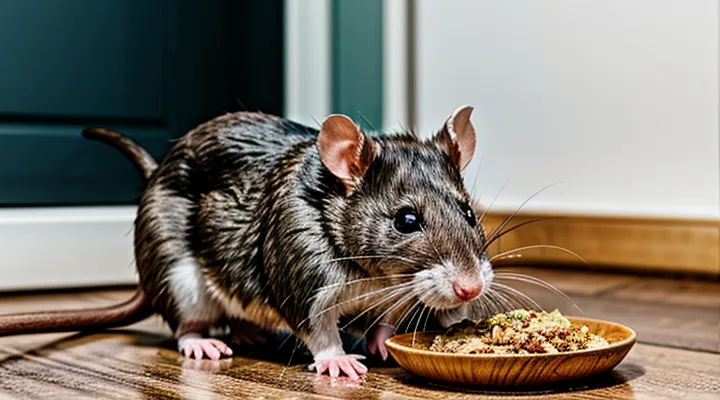
Understanding the Nutritional Needs of Domestic Rats
Macronutrients for Rat Health
Protein Requirements
Domestic rats need a diet that supplies sufficient protein to support tissue repair, immune function, and rapid growth. For adult maintenance, the protein portion should represent 14–20 % of total calories; for juveniles and breeding females, 20–24 % is advisable. Protein quality matters as well—amino‑acid profiles that match the rat’s requirements improve utilization and reduce waste nitrogen.
Common protein sources that meet these criteria include:
- Cooked eggs (whole or whites) – high biological value, readily digestible.
- Lean poultry or rabbit meat – low in fat, rich in essential amino acids.
- Low‑fat cottage cheese or plain yogurt – provides both protein and calcium.
- Soybean meal or tempeh – plant‑based, complete when combined with modest animal protein.
- Fish meal (cooked, deboned) – supplies omega‑3 fatty acids alongside protein.
When formulating a mixed diet, balance protein with adequate energy from carbohydrates and fats to avoid excess caloric intake. A practical ratio for a homemade mix is 1 part protein source to 3 parts carbohydrate source (e.g., cooked grains or vegetables) and 1 part healthy fat (e.g., small amounts of oil or nuts). Monitor the rat’s body condition; a stable weight and active behavior indicate that protein needs are being met.
Carbohydrates for Energy
Carbohydrates supply the primary fuel for a domestic rat’s daily activities and metabolic processes. Glucose derived from digestible carbs enters the bloodstream rapidly, supporting locomotion, thermoregulation, and growth.
Suitable carbohydrate sources include:
- Whole grains such as rolled oats, barley, and brown rice
- Legume‑based products like cooked lentils and split peas
- Starchy vegetables, for example sweet potatoes and cooked carrots
- Limited amounts of fruit, especially apples or bananas, for natural sugars
Complex carbohydrates from grains and legumes provide sustained energy and fiber, while modest portions of simple sugars from fruit add variety without overwhelming the digestive system.
A balanced ration typically allocates 45–55 % of total calories to carbohydrates. For a standard adult rat receiving 20 g of dry food per day, this translates to roughly 9–11 g of carbohydrate content, adjusted according to activity level and growth stage.
Excessive intake of refined sugars or honey can lead to obesity, dental decay, and dysregulated blood glucose. Monitoring portion size and favoring whole‑food carbs maintain optimal energy levels and support healthy development.
Healthy Fats
Healthy fats are indispensable for a pet rat’s development and physiological functions. They supply concentrated energy, support cell membrane integrity, and facilitate the absorption of fat‑soluble vitamins such as A, D, E, and K.
Primary sources suitable for domestic rats include:
- Fish oil (rich in omega‑3 EPA and DHA) – ½ tsp per 100 g of diet.
- Flaxseed oil – ½ tsp per 100 g of diet; provides alpha‑linolenic acid.
- Olive oil – ½ tsp per 100 g of diet; high in monounsaturated oleic acid.
- Safflower or sunflower oil – ½ tsp per 100 g of diet; abundant in linoleic acid.
Incorporate these oils into a balanced mixture of commercial rat pellets, fresh vegetables, and occasional protein treats. Limit total fat contribution to 5–7 % of the overall caloric intake to avoid obesity and hepatic strain.
Monitor body condition regularly. Excessive fat leads to rapid weight gain, while insufficient intake may cause poor coat quality, reduced fertility, and impaired immune response. Adjust quantities based on age, activity level, and reproductive status, ensuring that the diet remains diverse and nutritionally complete.
Essential Vitamins and Minerals
Vitamin A and D
Vitamin A supports vision, epithelial integrity, and immune competence in domestic rats. Adequate intake prevents night blindness, skin lesions, and susceptibility to infections.
- Primary sources:
Recommended provision: 0.02–0.03 mg of retinol equivalents per kilogram of rat body weight daily. Excessive supplementation can lead to hepatic toxicity; monitor total dietary intake to stay within the recommended range.
Vitamin D regulates calcium and phosphorus balance, influencing skeletal development and metabolic function. Deficiency manifests as rickets, weakened dentition, and impaired growth; excess may cause hypercalcemia and soft‑tissue mineralization.
- Primary sources:
Recommended provision: 0.5–1.0 IU per gram of body weight per day (approximately 100–200 IU for a 200‑gram adult rat). Ensure exposure to natural light or UV‑B lighting to facilitate endogenous synthesis; avoid high‑dose supplements unless prescribed by a veterinarian.
Balancing both vitamins requires a diet that combines fresh produce, quality commercial feed, and controlled supplementation. Regular health checks and weight monitoring help verify that intake remains within safe limits.
B Vitamins
B vitamins comprise a group of water‑soluble nutrients that support metabolic pathways essential for growth, energy production, and nervous system function in pet rats. Each vitamin performs a distinct biochemical role:
- Vitamin B1 (thiamine): Enables carbohydrate conversion to ATP; deficiency leads to reduced appetite and neurological signs.
- Vitamin B2 (riboflavin): Acts as a cofactor in redox reactions; low levels cause skin discoloration and impaired growth.
- Vitamin B3 (niacin): Participates in DNA repair and lipid metabolism; deficiency manifests as dermatitis and loss of weight.
- Vitamin B5 (pantothenic acid): Required for synthesis of coenzyme A; insufficient intake may result in sluggish development.
- Vitamin B6 (pyridoxine): Supports amino‑acid metabolism and neurotransmitter synthesis; deficiency produces tremors and decreased fertility.
- Vitamin B7 (biotin): Involved in fatty‑acid synthesis and gluconeogenesis; shortage leads to alopecia and poor coat condition.
- Vitamin B9 (folate): Essential for nucleotide synthesis and red blood cell formation; inadequate levels cause anemia and impaired reproduction.
- Vitamin B12 (cobalamin): Critical for myelin formation and DNA synthesis; deficiency results in neurological deficits and anemia.
Commercial rodent pellets typically contain adequate amounts of the B‑vitamin complex, meeting the National Research Council recommendations for laboratory rats (approximately 0.5–2 mg/kg diet for most B vitamins). For breeding females, lactating individuals, or rats on restricted‑ingredient homemade diets, supplementation may be necessary. A balanced supplement should provide the full spectrum of B vitamins at concentrations comparable to those found in standard feed, avoiding megadoses that can mask deficiencies of other nutrients.
Monitoring for deficiency includes observing reduced feed intake, coat deterioration, weight loss, and neurologic abnormalities. Blood tests for serum thiamine, pyridoxine, and cobalamin can confirm suboptimal status. When deficiencies are identified, introduce a B‑vitamin premix formulated for rodents, adjusting the diet to restore normal physiological function within a week. Regular review of ingredient lists ensures that any dietary changes maintain sufficient B‑vitamin content for optimal health and development.
Calcium and Phosphorus Balance
Calcium and phosphorus must be present in a balanced proportion to support skeletal mineralization, neural transmission, and energy metabolism in pet rats. A dietary calcium‑to‑phosphorus ratio between 1 : 1 and 2 : 1 provides sufficient mineral availability while preventing secondary hyperparathyroidism.
Adequate calcium can be supplied through:
- Hard‑boiled egg shells (finely ground, 1 g per 100 g of feed)
- Cuttlefish bone (small fragment, 0.5 g per 100 g of feed)
- Low‑fat dairy products such as plain yogurt (10 g per 100 g of feed)
Phosphorus sources include:
- Lean meat (chicken, turkey) – 0.4 g per 100 g of feed
- Whole‑grain cereals (oats, wheat) – 0.3 g per 100 g of feed
- Legumes (lentils, peas) – 0.2 g per 100 g of feed
The total daily mineral intake for an adult rat (approximately 300 g body weight) should not exceed 150 mg calcium and 120 mg phosphorus. Juvenile rats require slightly higher calcium levels, up to 200 mg per day, to accommodate rapid bone growth.
Excess calcium reduces phosphorus absorption, while surplus phosphorus impairs calcium uptake. Regular analysis of commercial rat mixes and occasional supplementation with the listed natural sources maintain the target ratio and prevent metabolic bone disease.
Trace Minerals
Trace minerals are required in minute quantities but are indispensable for metabolic processes in a pet rat. Deficiencies manifest quickly because rodents have high metabolic rates.
- Zinc – supports keratin formation, immune competence, and enzyme activity. Deficiency leads to skin lesions, alopecia, and impaired wound healing. Sources include zinc‑enriched rodent blocks, meat, and fortified grains.
- Copper – participates in iron transport, connective‑tissue synthesis, and oxidative‑stress defense. Low intake causes anemia, depigmentation, and growth retardation. Provide through liver, nuts, and copper‑supplemented pellets.
- Iron – essential for hemoglobin synthesis and oxygen transport. Iron‑deficient rats develop pallor, lethargy, and reduced appetite. Supply via organ meats, fortified cereals, and occasional boiled egg yolk.
- Manganese – cofactor for enzymes involved in carbohydrate and lipid metabolism. Deficiency results in skeletal abnormalities and reduced fertility. Offer through whole‑grain cereals and leafy greens.
- Selenium – part of glutathione peroxidase, protecting cells from oxidative damage. Insufficient selenium produces muscular dystrophy and heightened susceptibility to infection. Include Brazil nuts (in minute amounts) or commercial selenium‑fortified mixes.
- Iodine – required for thyroid hormone production, influencing growth and thermoregulation. Iodine shortage leads to goitre and slowed development. Add iodized salt or kelp flakes sparingly.
- Chromium – enhances insulin action and glucose utilization. Lack of chromium may cause hyperglycemia and impaired weight gain. Provide through brewer’s yeast or small quantities of meat.
- Molybdenum – activates enzymes that metabolize sulfur‑containing amino acids. Deficiency is rare but can disrupt nitrogen balance. Include through legumes and whole‑grain products.
Recommended daily intake for an adult rat (approximately 300 g body weight) ranges from 0.5 mg to 2 mg per mineral, depending on the element. Commercial rat diets are formulated to meet these levels; supplementation should be limited to correct identified shortfalls. Excess intake of certain trace minerals, notably copper and selenium, can be toxic, producing liver damage or neurological signs. Routine analysis of feed composition and periodic health checks ensure that trace mineral provision remains within optimal limits.
Recommended Diet Components
Commercial Rat Food
Types of Pellets
Pellet formulations provide a consistent source of nutrients for pet rats, reducing the risk of dietary imbalances caused by variable fresh food supplies. Commercially available pellets differ primarily in protein level, fiber content, and added supplements, allowing owners to match the product to the animal’s developmental stage and health status.
Typical categories include:
- High‑protein pellets (approximately 20 % protein) designed for juveniles and pregnant females; enriched with essential amino acids and calcium to support rapid growth and reproductive demands.
- Low‑protein pellets (12‑14 % protein) suited for adult maintenance; balanced with moderate fiber to promote digestive health and prevent obesity.
- Grain‑free or gluten‑free formulations that replace cereal grains with legume or tuber‑derived carbohydrates, useful for rats with grain sensitivities.
- Fortified pellets containing added vitamins (A, D, E, B‑complex), minerals (zinc, selenium), and omega‑3 fatty acids, intended for individuals recovering from illness or experiencing high metabolic stress.
Selecting the appropriate pellet type requires evaluating the rat’s age, activity level, and any existing medical conditions. Consistent feeding of the chosen formulation, complemented by occasional fresh vegetables and limited treats, establishes a reliable nutritional foundation for optimal health and growth.
Benefits of Lab Blocks
Lab blocks provide a complete, nutritionally balanced source of protein, fat, fiber, vitamins, and minerals for pet rats. The formulation is calibrated to meet the specific metabolic requirements of small rodents, ensuring consistent intake of essential nutrients without the need for manual supplementation.
- Fixed nutrient ratios eliminate the risk of accidental over‑ or under‑feeding of particular components.
- High‑quality fiber content promotes gastrointestinal motility and reduces the incidence of impaction.
- Hard texture encourages natural chewing behavior, supporting continuous incisor wear and preventing dental overgrowth.
- Low moisture and minimal filler ingredients limit bacterial growth, enhancing storage stability and reducing spoilage.
- Standardized caloric density simplifies portion calculation, aiding weight management and growth monitoring.
Integrating lab blocks into a rat’s daily regimen reduces reliance on variable fresh foods, leading to more predictable health outcomes. When combined with occasional fresh vegetables and occasional treats, lab blocks form the foundation of a diet that sustains optimal growth, immune function, and overall vitality.
Fresh Foods and Supplements
Safe Fruits and Vegetables
Fresh produce delivers essential vitamins, minerals, and water for a pet rat. Incorporate a variety of fruits and vegetables daily to support immune function, digestion, and coat quality.
-
Apples (core removed, seed‑free) – low‑calorie, source of vitamin C.
-
Blueberries – antioxidant‑rich, serve a few per day.
-
Strawberries – high in vitamin C, limit to two small pieces.
-
Bananas – potassium supply, offer sparingly due to sugar.
-
Pears (seed‑free) – fiber‑dense, cut into bite‑size cubes.
-
Mango – vitamin A and C, provide one small cube weekly.
-
Leafy greens such as romaine lettuce, kale, and spinach – calcium and fiber, feed a handful each day.
-
Bell peppers (any color) – vitamin C and A, remove seeds, offer several strips.
-
Carrots – beta‑carotene, slice thinly to prevent choking.
-
Broccoli florets – vitamin C and K, limit to a few pieces to avoid gas.
-
Zucchini – moisture and potassium, serve raw or lightly steamed.
-
Peas – protein and fiber, offer a teaspoon of shelled peas.
Wash all items thoroughly under running water, peel when pesticide residue is likely, and cut into pieces no larger than a rat’s head. Introduce new produce gradually, observing for digestive upset. Provide fresh portions daily; discard leftovers after 24 hours to prevent spoilage.
Avoid grapes, raisins, citrus peels, avocado, rhubarb, and raw potato skins, as they contain compounds toxic to rodents. Maintain a balanced ratio: fruits should not exceed 10 % of total intake, while vegetables can comprise up to 30 % alongside a high‑quality pellet base and occasional protein sources.
Lean Protein Sources
Lean protein is essential for muscle development, tissue repair, and immune function in pet rats. High‑quality sources provide the amino acid profile rats require without excess fat, which can lead to obesity and related health issues.
Common lean protein options include:
- Cooked chicken breast, skin removed; approximately 31 g protein and 3 g fat per 100 g.
- Boiled turkey meat, deboned; about 29 g protein and 2 g fat per 100 g.
- Low‑fat cottage cheese; 11 g protein and 4 g fat per 100 g.
- Cooked egg whites; 11 g protein and negligible fat per 100 g.
- Plain cooked fish such as cod or tilapia; 20 g protein and 1 g fat per 100 g.
- Soybean meal or tempeh, cooked; 36 g protein and 5 g fat per 100 g.
When incorporating these foods, follow these guidelines:
- Serve only cooked, unseasoned portions to eliminate pathogens and reduce sodium.
- Limit total protein to 15–20 % of the daily caloric intake; excess protein can strain kidneys.
- Rotate protein sources weekly to prevent nutrient imbalances and maintain palate variety.
- Ensure each serving size aligns with the rat’s body weight—approximately 1 g protein per gram of body mass per day.
- Store leftovers in airtight containers for no more than two days to preserve freshness.
Avoid processed meats, cured products, and foods containing additives, as they introduce unnecessary sodium, preservatives, and saturated fats. By selecting the listed lean proteins and adhering to the preparation standards, caretakers can support optimal growth and long‑term health in domestic rats.
Healthy Grains and Seeds
Healthy grains and seeds provide essential carbohydrates, fiber, and micronutrients that support a domestic rat’s growth, digestion, and energy needs. Incorporating a balanced selection reduces the risk of obesity while promoting skeletal strength and coat condition.
Recommended varieties include:
- Whole oats – rich in soluble fiber; offer steady glucose release. Serve 1‑2 teaspoons per day, lightly cooked or soaked to improve digestibility.
- Brown rice – source of B‑vitamins and magnesium; provide 1 teaspoon cooked portion, cooled before feeding.
- Quinoa – complete protein with all essential amino acids; offer ½ teaspoon cooked, rinsed to remove saponins.
- Barley (hulled) – high in beta‑glucan, supporting gut health; limit to 1 teaspoon cooked.
- Millet – low‑fat grain with iron and phosphorus; 1 teaspoon dry, sprouted if possible.
- Sunflower seeds (unsalted, husked) – dense in vitamin E and healthy fats; restrict to ¼ teaspoon due to high calorie content.
- Pumpkin seeds (pepitas, unsalted) – provide zinc and omega‑3 fatty acids; ¼ teaspoon as occasional treat.
- Flaxseed (ground) – source of omega‑3 and lignans; mix ½ teaspoon into regular meals, ensuring freshness to prevent rancidity.
Preparation guidelines:
- Cook grains thoroughly to soften cell walls, enhancing nutrient absorption.
- Rinse seeds to eliminate dust and potential contaminants.
- Avoid added sugars, salts, or flavorings that can upset the rat’s electrolyte balance.
- Introduce new items gradually, monitoring for signs of digestive upset such as soft stools or reduced appetite.
Cautionary notes:
- Excessive seed intake can lead to weight gain and fatty liver disease; maintain seed portions within the limits indicated.
- Some rats exhibit sensitivities to specific grains (e.g., wheat gluten); observe for allergic reactions and adjust the diet accordingly.
- Store grains and seeds in airtight containers in a cool, dry environment to prevent mold growth and mycotoxin formation.
By selecting high‑quality grains and seeds and adhering to measured portions, owners can ensure that their rats receive a nutrient‑dense component that complements protein sources and fresh vegetables, fostering robust health and steady growth.
Treats in Moderation
Treats provide enrichment and supplemental nutrients, but they must remain a small fraction of a pet rat’s overall intake. Excess calories from sweets or fatty foods can accelerate weight gain, impair dental health, and disrupt gut flora.
Suitable treats include:
- Small pieces of fresh fruit (apple, pear, berries) – no more than a few grams per day.
- Vegetables such as carrot, broccoli, or cucumber – offered in bite‑size portions.
- Lean protein bites (cooked chicken, boiled egg) – limited to one or two tiny morsels weekly.
- Commercial rodent treats formulated with low sugar and balanced vitamins – follow the manufacturer’s serving suggestion, usually one or two pieces per week.
Guidelines for moderation:
- Limit treats to less than 10 % of total daily caloric intake.
- Introduce new items gradually, observing for digestive upset or allergic reaction.
- Store fresh treats in the refrigerator and discard after 24 hours to prevent spoilage.
- Record each treat given to maintain accurate feeding logs.
Overreliance on treats can lead to obesity, dental overgrowth, and nutrient imbalances. Maintaining a core diet of high‑quality rodent pellets, fresh water, and occasional leafy greens ensures optimal health and growth while allowing occasional indulgences for mental stimulation.
Foods to Avoid
Toxic Foods for Rats
Rats are omnivorous mammals, yet many common human foods are poisonous to them. Consuming toxic items can cause acute organ failure, neurological damage, or death. Avoiding these substances is essential for maintaining a healthy pet rat.
- Chocolate and cocoa products – contain theobromine and caffeine, which trigger rapid heart rate, seizures, and potentially fatal cardiac arrhythmia.
- Caffeine sources – coffee, tea, energy drinks, and sodas deliver stimulants that can lead to hyperactivity, tremors, and fatal respiratory distress.
- Alcohol – depresses the central nervous system; even small quantities cause loss of coordination, hypothermia, and organ toxicity.
- Raw potatoes and green tomato skins – hold solanine, a glycoalkaloid that induces vomiting, diarrhea, and neurological symptoms.
- Allium family – onions, garlic, leeks, and chives contain thiosulfate, which damages red blood cells and results in anemia.
- Citrus seeds and pits – contain cyanogenic glycosides that release cyanide, leading to respiratory failure.
- High‑fat processed foods – bacon, sausage, and fried snacks overload the liver, cause pancreatitis, and promote obesity.
- Artificial sweeteners – especially xylitol, which can cause rapid insulin release, hypoglycemia, and liver failure.
- Dairy products – many rats lack lactase; ingestion may cause severe gastrointestinal upset and dehydration.
Providing a balanced diet of commercial rat pellets, fresh vegetables, and occasional protein sources eliminates the risk of accidental poisoning. Regularly review ingredient lists and discard any human leftovers that fall into the categories above.
High-Sugar and High-Fat Items
High‑sugar and high‑fat foods provide rapid energy but lack essential nutrients required for a pet rat’s development. Excessive consumption leads to obesity, hepatic lipidosis, dental disease, and altered glucose metabolism.
Typical items that should be excluded from a rat’s diet include:
- Candy, chocolate, and gummy sweets
- Sugar‑coated cereals or granola bars
- Processed pastries, doughnuts, and cake frosting
- Fried snacks such as potato chips, corn chips, and pork rinds
- Fast‑food sauces, mayonnaise, and creamy dressings
- Commercial pet treats formulated for dogs or cats, which often contain added sugars and fats
If occasional indulgence is unavoidable, limit portions to less than 5 % of total caloric intake and select options with minimal added sugars or fats, such as a tiny piece of plain, unsweetened fruit or a low‑fat, grain‑free chew designed for rodents. Regular monitoring of body condition score and weight is essential to detect early signs of excess fat accumulation.
Foods Causing Digestive Issues
Domestic rats are prone to gastrointestinal disturbances when their diet includes certain items. Recognizing problematic foods helps prevent bloating, diarrhea, and reduced nutrient absorption.
Common contributors to digestive upset:
- High‑fat treats (e.g., bacon, sausage, fried snacks). Excess fat overwhelms the rat’s limited bile capacity, leading to steatorrhea.
- Sugary products (candy, chocolate, sweetened cereals). Rapid fermentation in the colon produces gas and osmotic diarrhea.
- Raw beans and legumes (kidney beans, lentils). Contain lectins and phytic acid that irritate the intestinal lining.
- Citrus peels and large amounts of citrus juice. Acidic compounds disrupt the gut’s pH balance, causing irritation.
- Dairy items (milk, cheese). Most rats lack sufficient lactase, resulting in lactose intolerance symptoms.
- Processed grains with additives (flavored chips, seasoned crackers). Preservatives and artificial flavors can provoke inflammation.
- Spicy or heavily seasoned foods (hot sauce, pepper). Capsaicin and strong spices stimulate excess mucus production and discomfort.
Avoiding these categories and offering a balanced mix of fresh vegetables, high‑quality rodent pellets, and occasional protein sources reduces the risk of digestive problems and supports optimal growth.
Feeding Practices and Considerations
Feeding Schedule and Portions
Daily Feeding Routine
A well‑structured daily feeding routine provides consistent nutrients, supports digestive health, and promotes steady growth in a pet rat. Offer fresh food at the same times each day to synchronize the animal’s internal clock and reduce stress.
- Morning: 10 % of the daily dry mixture (commercial rat pellets or a balanced grain blend); add a small portion of fresh vegetables such as kale, carrot, or broccoli.
- Midday: a handful of high‑protein treats (hard‑boiled egg, cooked chicken, or mealworm) limited to 5 % of total calories; replace any leftover fresh produce.
- Evening: the remaining 90 % of the dry mixture; supplement with a slice of fruit (apple, banana) not exceeding 2 % of daily intake.
- Throughout the day: clean water available in a bottle or bowl; replace at least once every 12 hours.
Adjust portions based on the rat’s age, activity level, and body condition. Juveniles require 15–20 % more protein, while adults benefit from a higher fiber ratio to prevent gastrointestinal issues. Monitor body weight weekly; a change of more than 5 % warrants a recalibration of the ration.
Clean the feeding area daily. Remove uneaten fresh food after 4 hours to avoid spoilage, and disinfect bowls weekly to prevent bacterial buildup. Consistent hygiene, precise timing, and balanced portions together form an effective daily feeding schedule for optimal health and development.
Monitoring Food Intake
Monitoring food intake provides the data needed to maintain optimal health and growth in pet rats. Accurate measurement prevents obesity, malnutrition, and digestive disturbances, while revealing the effectiveness of dietary adjustments.
Record the amount offered and the amount left uneaten each day. Use a digital kitchen scale calibrated to 0.1 g for precision; weigh the feed before placement in the cage and again after 24 hours. For wet foods, a measuring cup with milliliter markings ensures consistency.
Observe feeding patterns. Rats typically consume 10–15 % of their body weight in food daily. A sudden drop below this range may indicate illness, stress, or an unappealing diet. Conversely, consistent excesses suggest portions are too large or the diet contains excessive calories.
Adjust portions based on recorded data. Increase protein-rich components if growth rates lag, but reduce overall volume if weight gain accelerates. Incorporate occasional fasting periods of 12–24 hours to assess baseline appetite and prevent overfeeding.
Maintain a simple log. Columns for date, weight of feed offered, weight of leftovers, and rat’s body weight create a clear trend line. Reviewing the log weekly highlights gradual changes that require intervention before health issues develop.
Water Availability
Fresh Water Daily
Fresh water is the single most critical component of a pet rat’s nutritional regimen. Rats consume water continuously; a supply that is clean, fresh, and readily accessible prevents dehydration, supports kidney function, and aids digestion.
- Provide at least 30 ml of water per 100 g of body weight each day; adjust upward for hot weather or increased activity.
- Replace water at least once every 24 hours; more frequent changes are advisable if the container becomes soiled or if the water appears cloudy.
- Use a stainless‑steel or heavy‑plastic bottle with a narrow spout to minimize contamination and reduce spillage.
- Position the bottle at the cage level where the rat can easily reach it without strain.
- Monitor intake by checking the bottle’s level daily; a sudden drop may indicate illness, while excessive consumption can signal metabolic disorders.
Ensuring a constant source of clean water directly influences growth rates, immune competence, and overall vitality in domestic rats.
Types of Water Bottles
Providing clean, reliable water is as critical to a pet rat’s nutrition as solid food. Different bottle designs affect hygiene, accessibility, and ease of maintenance, influencing overall health and growth.
-
Standard glass bottles – transparent, resistant to scratches, allow visual inspection of water level. Require a metal or silicone spout; the latter can be replaced if degraded. Glass does not absorb odors, reducing contamination risk.
-
Plastic bottles (polyethylene or PET) – lightweight, less fragile than glass. Modern variants feature UV‑protected walls to limit algae formation. Compatibility with silicone or rubber nipples varies; low‑quality plastic may leach chemicals, so only BPA‑free models should be used.
-
Stainless‑steel bottles – durable, impervious to breakage, and free of plastic components. Typically paired with a stainless‑steel or silicone spout. The metal surface does not retain scent, but the interior must be polished regularly to prevent rust.
-
Gravity‑fed drip bottles – mounted above the cage, water flows through a controlled valve. Suitable for large colonies where multiple rats share a source. Valve adjustment prevents excessive flow, which can lead to waste and spillage.
-
Self‑cleaning bottles – incorporate a filtration cartridge or antimicrobial coating. Designed for continuous use without daily disassembly. Filter replacement schedules must be followed to maintain water quality.
When selecting a bottle, prioritize material safety, ease of cleaning, and the ability to monitor water consumption. Regularly sterilize the container and replace nipples or spouts according to manufacturer recommendations to prevent bacterial growth. Consistent access to fresh water supports digestion, kidney function, and rapid growth in domestic rats.
Special Dietary Needs
Diet for Young Rats (Pups)
Young rats, or pups, require a diet that supports rapid growth, immune development, and organ maturation. Their nutritional needs differ markedly from adult rats, demanding higher protein, fat, and specific micronutrients.
During the first three weeks, pups obtain most nutrients from their mother’s milk. After weaning, typically around day 21, a transition to solid food must be gradual to avoid digestive upset. Provide a soft, easily chewable diet that mimics the nutrient density of milk.
Key components of a weaning diet
- Protein: 20–24 % of total calories; sources include high‑quality rodent pellets formulated for juveniles, cooked egg white, or plain low‑fat cottage cheese.
- Fat: 8–12 % of calories; incorporate small amounts of unsalted butter, vegetable oil, or fortified rodent chow that lists added fat.
- Calcium and phosphorus: Ratio close to 1.2 : 1; include powdered calcium supplement or finely ground eggshell, balanced with phosphorus‑rich foods such as fish meal.
- Vitamins A, D, E, and B‑complex: Ensure the feed is fortified; supplement with a few drops of a rodent‑specific multivitamin if the diet lacks these.
- Fiber: 3–5 % of diet; offer softened whole‑grain oats, cooked brown rice, or finely shredded carrots.
- Water: Constant access to fresh, clean water; use a low‑profile bottle to prevent contamination.
Feeding schedule
- Offer fresh food three times daily, removing uneaten portions after 2 hours to maintain hygiene.
- Provide 5–7 g of pellet or mash per pup per day, adjusting based on weight gain and activity level.
- Monitor body condition weekly; aim for a steady increase of 2–3 g per day during the first month after weaning.
Foods to avoid
- High‑sugar treats, chocolate, caffeine, and citrus fruits, which can cause gastrointestinal distress or toxicity.
- Raw beans or legumes containing lectins, unless thoroughly cooked.
- Excessive dairy beyond the recommended calcium sources, as it may lead to diarrhea.
A balanced weaning regimen, combined with vigilant observation of growth metrics, ensures that young rats develop the strength and health required for adulthood. Regular veterinary check‑ups complement dietary management and help detect deficiencies early.
Diet for Pregnant or Nursing Does
Pregnant and nursing female rats require increased energy, protein, calcium, and vitamin A to support fetal development and milk production. A diet that meets these demands promotes healthy litter size and pup growth.
Energy intake should rise by 20‑30 % compared with maintenance levels. Provide a high‑quality commercial rat chow formulated for breeding animals, which typically contains 18‑20 % protein, 4‑5 % fat, and balanced carbohydrates. Supplement the base diet with the following items, offered daily in small portions:
- Fresh, leafy greens (e.g., kale, spinach, romaine) for vitamin A and folate.
- Cooked lean meat or boiled egg whites for additional protein.
- Low‑fat plain yogurt or cottage cheese for calcium and beneficial bacteria.
- Small pieces of fruit (e.g., apple, banana) for quick carbohydrates and vitamins.
- Hard‑boiled egg yolk (once per week) for extra vitamin D and choline.
Calcium requirement doubles during lactation; ensure at least 1 % calcium in the total diet. A calcium supplement such as calcium carbonate can be mixed into the feed if the commercial chow falls short. Vitamin D, phosphorus, and magnesium must remain proportionate to calcium to prevent metabolic bone disease.
Water must be constantly available, clean, and refreshed daily. Dehydration accelerates uterine contractions and reduces milk output.
Avoid foods that contain high levels of oxalates (e.g., rhubarb, beet greens) or excessive fat (e.g., fried items, nuts) because they interfere with calcium absorption and may cause gastrointestinal upset. Monitor body condition; rapid weight gain or loss indicates dietary imbalance and warrants adjustment.
Regular health checks, including weight measurement and observation of nesting behavior, help confirm that nutritional needs are being met throughout gestation and the nursing period.
Diet for Senior Rats
Senior rats require a diet that compensates for reduced metabolism, slower digestion, and the onset of age‑related health issues. Protein should remain a primary component, but the amount can be slightly lowered to avoid excess strain on the kidneys. High‑quality rat pellets formulated for adult or senior animals provide balanced nutrients and are the foundation of every meal.
- Fresh vegetables: small portions of cooked carrots, zucchini, and leafy greens such as kale or romaine. Offer 1–2 teaspoons per rat daily, removing any uneaten pieces after a few hours.
- Fruit: occasional bites of apple (seedless), banana, or blueberries for natural sugars and antioxidants. Limit to ½ teaspoon three times a week.
- Lean protein: boiled egg white, cooked chicken breast, or low‑fat cottage cheese. Provide ½ teaspoon every other day.
- Fiber source: plain cooked oatmeal or a teaspoon of plain, unsweetened shredded wheat to aid bowel movement.
- Hydration: fresh water daily; consider a shallow dish to prevent spills and contamination.
Supplementation becomes more critical with age. Add a calibrated dose of calcium powder (approximately ¼ teaspoon per 100 g of food) to support bone density, and a small amount of omega‑3 fish oil (one drop per rat twice weekly) to promote joint health and cardiovascular function. If the rat shows signs of dental wear, softened foods and occasional grinding treats, such as soaked pellets, help maintain adequate intake.
Feeding schedule should be consistent: two meals per day at the same times, with portions adjusted based on body condition. Monitor weight weekly; a stable or gradual increase of 1–2 g per month indicates proper nutrition, while sudden loss warrants veterinary evaluation. Avoid sugary treats, high‑fat snacks, and processed human foods, as they accelerate obesity and metabolic disorders in older rodents.
Addressing Obesity and Underweight
Pet rats commonly develop excess weight or insufficient body condition, both of which impair organ function, reduce lifespan, and increase susceptibility to disease.
Obesity manifests as a rounded abdomen, difficulty moving, and visible fat deposits over the ribs and hips. Underweight rats appear skeletal, have thin fur, and display lethargy. Regular weighing and body‑condition scoring allow early detection.
To reduce excess weight:
- Calculate daily caloric intake (≈ 15–20 kcal per 100 g body weight) and adjust portions downward by 10–15 %.
- Replace high‑fat treats with low‑calorie vegetables such as broccoli, kale, or cucumber.
- Increase fiber by adding unprocessed hay or small amounts of oat bran, promoting satiety and gut motility.
- Encourage activity with climbing structures, tunnels, and daily supervised out‑of‑cage exploration.
To promote healthy gain in underweight rats:
- Raise daily calories to 20–25 kcal per 100 g, using nutrient‑dense foods like boiled egg white, cooked chicken breast, or commercial high‑energy pellets.
- Offer small, frequent meals (4–6 times per day) to improve intake without overwhelming the digestive system.
- Supplement with a balanced rodent vitamin‑mineral mix and, if necessary, a protein‑rich gel formulated for small mammals.
- Monitor weight weekly; increase portions incrementally until the target condition score is reached.
Consistent monitoring, precise portion control, and appropriate food selection restore optimal body condition and support long‑term health in domestic rats.
Common Diet-Related Health Issues
Digestive Problems
Diarrhea and Constipation
Maintaining steady gastrointestinal function is essential for a pet rat’s development and overall well‑being. Sudden changes in stool consistency often signal an imbalance in nutrition or a health disturbance that requires prompt dietary correction.
Diarrhea in rats typically results from excessive moisture, high‑sugar treats, or sudden introduction of new foods. Immediate actions include:
- Reducing or eliminating fresh fruit and sugary snacks.
- Offering a measured amount of plain, cooked chicken or boiled egg white for protein without added fat.
- Providing a small portion of plain, unsalted oatmeal or cooked rice to absorb excess water.
- Ensuring constant access to clean, fresh water but limiting free‑flow to prevent overconsumption.
If symptoms persist beyond 24 hours, a short course of probiotic powder mixed into the regular pellet ration can help restore beneficial gut flora.
Constipation arises from insufficient fiber, dehydration, or an overly dry diet. Corrective feeding strategies consist of:
- Adding a tablespoon of finely chopped raw carrots or bell pepper to the daily pellet serving.
- Supplying a small dish of unsweetened applesauce or mashed pumpkin for soluble fiber.
- Increasing water availability, preferably with a drip bottle to encourage regular drinking.
- Introducing a pinch of ground, unsalted sunflower seeds to stimulate mastication and intestinal motility.
Both conditions benefit from regular observation of stool frequency and consistency. Adjustments should be made gradually, allowing the rat’s digestive system to adapt without further stress. If normal stool patterns do not return within a few days, veterinary consultation is recommended.
Bloating and Gas
Bloating and gas are frequent digestive disturbances in pet rats and can compromise growth and overall health. Excessive fermentation of food in the hindgut produces gas that expands the abdomen, causing discomfort and potentially leading to more serious conditions such as gastric dilatation‑volvulus.
Typical dietary triggers include sudden shifts to high‑fiber or high‑sugar foods, large quantities of raw vegetables such as cabbage or broccoli, unprocessed grains, beans, and dairy products. Fermentable carbohydrates ferment quickly, generating gas, while abrupt changes prevent the gut microbiota from adapting.
Visible signs of abdominal distension, frequent flatulence, reduced activity, and a hunched posture indicate that gas accumulation may be occurring. Palpating the abdomen may reveal a firm, swollen area.
Preventive feeding practices involve:
- Introducing new foods gradually over 5‑7 days.
- Maintaining a balanced fiber level (approximately 5‑7 % of the diet) with a mix of low‑fermentation vegetables (e.g., carrots, bell peppers).
- Limiting sugary treats and processed grains to no more than 5 % of total intake.
- Providing constant access to fresh water to aid digestion.
- Adding a small amount of probiotic yogurt (plain, unsweetened) or a commercial rodent probiotic to support gut flora.
A typical daily menu might consist of:
- Commercial rat pellets formulated for growth (≈ 1 ½ cups).
- Fresh vegetables: a handful of carrot sticks, a few pieces of bell pepper, and a small slice of cucumber.
- Occasional protein: a boiled egg white fragment or a few cooked lentils.
- Limited fruit: one small bite of apple or banana, no more than once a week.
- Probiotic supplement: ¼ teaspoon of plain yogurt mixed into water, offered 2‑3 times weekly.
If bloating persists despite dietary adjustments, or if the rat shows signs of pain, lethargy, or inability to eat, immediate veterinary assessment is required. Prompt treatment may involve fluid therapy, gastric decompression, or targeted antibiotics to resolve underlying infection.
Nutritional Deficiencies and Excesses
Vitamin Deficiencies
Vitamin deficiencies in pet rats compromise immune function, bone development, and reproductive health. Deficiencies arise when diets lack essential micronutrients or when commercial feeds are not supplemented adequately.
- Vitamin A – deficiency causes poor night vision, rough skin, and increased susceptibility to respiratory infections. Include liver, carrots, or a rat‑specific vitamin A supplement.
- Vitamin D3 – inadequate levels lead to rickets, weakened teeth, and calcium imbalance. Provide exposure to natural light or fortified feed containing 800–1,200 IU per kilogram of diet.
- Vitamin E – low intake results in muscle degeneration and oxidative stress. Add small amounts of sunflower seeds or a vitamin E capsule (30–50 IU per day for an adult rat).
- B‑complex vitamins – shortfalls manifest as loss of appetite, lethargy, and neurological signs. Ensure the diet contains whole grains, leafy greens, or a balanced B‑complex supplement.
Signs of deficiency typically appear gradually: dull coat, stunted growth, abnormal gait, or frequent illness. Laboratory analysis of blood serum can confirm specific deficits, but observable symptoms often guide immediate dietary adjustments.
Preventive strategy centers on a varied diet that combines high‑quality commercial pellets with fresh vegetables, fruits, and occasional protein sources such as boiled egg or lean meat. Regularly rotate food items to cover the full spectrum of vitamins. When natural sources are insufficient, administer a rat‑formulated multivitamin according to the manufacturer’s dosage guidelines. Monitoring body condition and coat quality provides ongoing feedback about nutritional adequacy.
Mineral Imbalances
Domestic rats require precise mineral balance for skeletal integrity, neurological function, and immune competence. Excess calcium or insufficient phosphorus disrupts the Ca : P ratio, leading to softened bones and urinary calculi. A ratio of 1 : 1 to 2 : 1, measured on a dry‑matter basis, maintains mineral homeostasis.
Typical mineral disturbances include:
- Calcium overload – manifests as lethargy, excessive grinding of teeth, and kidney stones.
- Phosphorus deficiency – results in stunted growth, thin ribs, and poor coat condition.
- Magnesium shortage – produces tremors, seizures, and reduced appetite.
- Copper excess – causes liver discoloration and hemolytic anemia.
- Zinc deficiency – leads to skin lesions, hair loss, and impaired wound healing.
- Selenium deficiency – associated with muscular dystrophy and reduced fertility.
Corrective strategies:
- Formulate feed with calibrated mineral premixes; avoid using plain limestone or bone meal as sole calcium sources.
- Incorporate a balanced commercial rat pellet that lists calcium, phosphorus, magnesium, copper, zinc, and selenium within established ranges.
- Supplement with a trace‑mineral solution only when laboratory analysis confirms a deficit; indiscriminate addition risks toxicity.
- Rotate fresh vegetables such as kale (calcium) and broccoli (phosphorus) to provide natural sources while monitoring total intake.
- Conduct periodic fecal or blood mineral assays to detect emerging imbalances early.
Ensuring accurate mineral ratios eliminates skeletal deformities, supports reproductive health, and sustains optimal growth rates in pet rats.
Weight Management
Preventing Obesity
A domestic rat’s diet must provide sufficient protein, fiber, and essential micronutrients while limiting excess calories. Overfeeding, especially with high‑fat or sugary items, leads to rapid weight gain and increases the risk of metabolic disorders.
Control of portion size is the most effective strategy. Measure dry food to 10–15 g per adult rat per day, adjusting for age, activity level, and body condition. Offer fresh vegetables such as kale, broccoli, or carrots in small quantities (no more than 5 g) to increase bulk without adding significant calories. Replace grain‑based treats with low‑calorie options like raw parsley or a single slice of apple, and limit such treats to no more than 5 % of total daily intake.
Regular monitoring supports early detection of excess weight. Weigh the animal weekly; an increase of more than 2 % over a month signals the need to reduce portions or increase exercise. Provide enrichment that encourages movement—tunnel systems, climbing structures, and foraging toys—because active rats expend more energy and maintain lean muscle mass.
Key practices for obesity prevention
- Measure dry feed precisely; avoid “free‑feeding.”
- Prioritize high‑protein pellets (≥ 18 % protein) with balanced fat (≤ 5 %).
- Include fiber‑rich vegetables in modest amounts.
- Limit treats to ≤ 5 % of daily calories; choose low‑sugar, low‑fat options.
- Conduct weekly weight checks; adjust diet if gain exceeds 2 % per month.
- Ensure daily physical activity through environmental enrichment.
Consistent application of these measures sustains a healthy weight, supports optimal growth, and reduces the likelihood of obesity‑related complications in pet rats.
Addressing Underweight
Pet rats that weigh less than 85 % of the breed standard exhibit reduced muscle tone, visible ribs, and lethargy. These signs indicate insufficient caloric intake or underlying health issues and require immediate dietary correction.
Increase daily energy provision by 20–30 % above the maintenance level. Offer nutrient‑dense foods that supply both calories and protein, while limiting bulk that reduces overall intake.
- Cooked chicken breast, shredded, ≈ 30 % of daily calories
- Hard‑boiled egg, finely chopped, ≈ 15 % of daily calories
- High‑quality rat pellets enriched with added fat, ≈ 40 % of daily calories
- Small portions of unsweetened peanut butter or sunflower seed butter, ≈ 5 % of daily calories
- Fresh vegetables (e.g., carrots, broccoli) for fiber, ≈ 10 % of daily calories
Provide meals three times daily, dividing the total portion into equal servings. Record body weight every two days; aim for a gain of 1–2 g per week. Adjust portions if weight gain stalls or excess fat accumulates.
Add a balanced multivitamin formulated for rodents and consider a calcium supplement if bone development is delayed. Seek veterinary evaluation to rule out parasites, infections, or metabolic disorders that may impede weight gain.
Dental Health and Diet
Importance of Chewing
Chewing maintains proper tooth length in pet rats, whose incisors grow continuously. Without regular abrasion, overgrowth can cause malocclusion, pain, and impaired eating.
Chewing also stimulates saliva production, which begins carbohydrate breakdown and buffers oral pH, reducing bacterial proliferation. Adequate saliva supports the initial phase of digestion and promotes a healthier gut microbiome.
Physical activity of the jaw engages facial muscles, preserving muscular tone and preventing atrophy. Muscular engagement improves overall stamina and facilitates normal feeding motions.
Providing chewable items supplies mental enrichment. Manipulating objects satisfies natural foraging behavior, decreasing stress‑related behaviors such as excessive grooming or stereotypies.
Practical recommendations for chew provision:
- Untreated wooden blocks or branches (hard‑wood, pesticide‑free)
- Mineral‑rich chew sticks designed for rodents
- Natural fiber toys (e.g., sisal rope, untreated cardboard)
- Small, dense pellets that require gnawing before consumption
Rotate items regularly to prevent habituation and ensure continuous tooth wear. Monitor each chew object for splintering; replace damaged pieces promptly to avoid oral injury.
Foods for Dental Wear
Domestic rats experience continuous incisor growth; without adequate abrasion, teeth can overgrow, leading to malocclusion and health complications. A diet that incorporates naturally hard or fibrous items supplies the mechanical wear required to maintain proper tooth length.
- Raw carrot sticks – dense, crunchy texture promotes consistent grinding.
- Celery ribs – fibrous strands create sustained abrasion along the incisors.
- Apple cores – firm core and skin supply intermittent hard surfaces.
- Broccoli stalks – thick, fibrous sections deliver steady wear while adding moisture.
- Sweet‑potato slices (raw) – hard interior and skin act as effective chew material.
- Commercial hard pellets – formulated to resist softening, ensuring reliable grinding action.
- Untreated wooden chew blocks – natural grain structure provides uneven surfaces for thorough wear.
- Unsalted nuts (almonds, hazelnuts) – hard shells deliver intense abrasion; limit quantity to avoid excess fat.
- Dried herbs such as dill or parsley – brittle leaves fracture teeth gently, supplementing other items.
- Clean, natural pine cones – irregular edges create varied wear patterns; verify they are free of chemicals.
Integrating these foods daily balances dental health with nutritional requirements. Regular inspection of incisor length and bite alignment confirms effectiveness; adjust portions if wear appears insufficient or excessive.