
Health Risks
Disease Transmission
Hantavirus
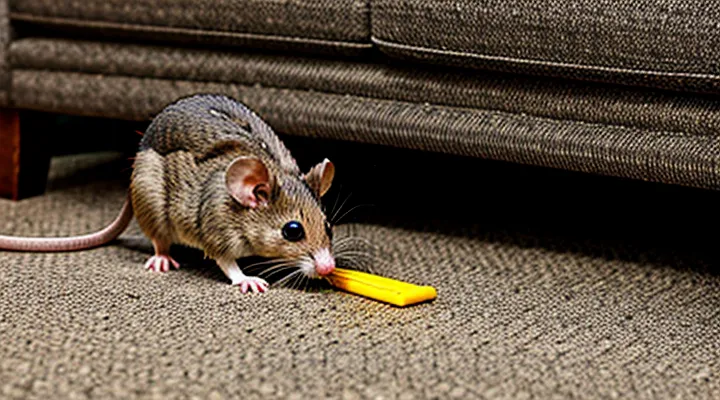
Hantavirus is a zoonotic pathogen carried by certain rodent species, including house mice that commonly inhabit apartments. The virus resides in the animals’ saliva, urine, and feces; aerosolized particles released during cleaning or disturbance can be inhaled, leading to infection.
Infection with hantavirus may cause hantavirus pulmonary syndrome (HPS), characterized by sudden fever, muscle aches, and rapid progression to severe respiratory distress. Mortality rates for HPS range from 30 % to 40 %, emphasizing the seriousness of exposure in confined living spaces.
Key risk factors in an apartment setting include:
- Accumulation of mouse droppings in hidden areas such as behind appliances, under cabinets, or within insulation.
- Inadequate sealing of entry points, allowing rodents to infiltrate walls, ducts, and storage spaces.
- Use of high‑efficiency particulate air (HEPA) vacuums or wet cleaning methods that disturb contaminated debris without proper protection.
Effective mitigation measures are:
- Seal gaps, cracks, and utility entry points with steel wool and caulk.
- Store food in sealed containers; eliminate crumbs and spills promptly.
- Set snap traps or electronic traps in suspected activity zones; inspect and replace them regularly.
- Wear disposable gloves, N‑95 respirators, and eye protection when cleaning areas with visible droppings or urine.
- Apply a disinfectant solution (e.g., 1 % bleach) to dampen contaminated surfaces before removal; avoid sweeping or dry dusting.
- Dispose of contaminated materials in sealed plastic bags placed directly into an outdoor trash receptacle.
Prompt medical evaluation is essential for anyone experiencing flu‑like symptoms after potential exposure. Early diagnosis, supportive care, and intensive respiratory management improve survival odds. Awareness of hantavirus transmission routes and strict adherence to preventive protocols reduce the health threat posed by mice in residential units.
Salmonellosis
Salmonellosis is an infection caused by Salmonella bacteria, which can be carried by rodents that enter residential units. Mice acquire the pathogen from contaminated food sources and shed it in feces, urine, and saliva. When these secretions contaminate surfaces, pantry items, or water supplies, occupants may ingest the bacteria inadvertently.
Transmission in an apartment occurs through:
- Direct contact with mouse droppings or urine on countertops, cutting boards, or utensils.
- Consumption of food contaminated by rodent droppings or gnawed packaging.
- Inhalation of aerosolized particles when cleaning areas with visible mouse waste.
Clinical manifestations include abdominal cramps, diarrhea, fever, and nausea. Severe cases can lead to dehydration, bloodstream infection, and organ failure, especially in children, the elderly, and immunocompromised individuals.
Control strategies focus on eliminating rodent access and reducing bacterial load:
- Seal entry points such as cracks, gaps around pipes, and vent openings.
- Store food in airtight containers; discard any items with signs of rodent damage.
- Maintain a clean environment: promptly remove droppings with disposable gloves, disinfect surfaces with a bleach solution (1 part bleach to 9 parts water).
- Set traps or employ professional pest‑management services to reduce mouse populations.
- Conduct regular inspections of storage areas, waste bins, and hidden spaces behind appliances.
Effective implementation of these measures interrupts the pathway from mouse carriers to human infection, thereby lowering the risk of salmonellosis in residential settings.
Leptospirosis
Leptospirosis is a bacterial infection that can be transmitted by mice inhabiting a dwelling. The organism, Leptospira spp., survives in the urine of infected rodents and contaminates surfaces, food, and water sources within an apartment.
Transmission occurs when residents come into contact with:
- Fresh urine splashes on floors, countertops, or walls
- Damp areas where urine has seeped, such as under sinks or behind appliances
- Contaminated drinking water or pet food left exposed
Typical clinical manifestations appear within 2–14 days and may include:
- High fever and chills
- Severe headache, muscle aches, especially in the calves
- Jaundice, abdominal pain, or vomiting
- Rash or conjunctival hemorrhage in advanced cases
Diagnosis relies on serologic testing (microscopic agglutination test) or polymerase chain reaction on blood or urine samples. Early administration of doxycycline or penicillin reduces complications and mortality.
Preventive actions focus on rodent control and hygiene:
- Seal entry points, maintain a clean environment, and store food in sealed containers
- Promptly clean and disinfect areas contaminated by urine using a bleach solution (1 part bleach to 10 parts water)
- Keep moisture levels low; repair leaks and use dehumidifiers if necessary
- Wear protective gloves when handling potentially contaminated material and wash hands thoroughly afterward
Effective management of mouse populations and strict sanitation markedly lower the risk of leptospirosis in residential settings.
Lymphocytic Choriomeningitis (LCMV)
Lymphocytic choriomeningitis virus (LCMV) is an arenavirus carried primarily by the common house mouse. In residential settings, infected rodents shed the virus in urine, feces, saliva, and nest material, creating a credible health hazard for occupants.
Transmission occurs when humans inhale aerosolized virus particles, ingest contaminated food or water, or experience direct contact with mouse excreta. The virus can also spread through organ transplantation and, rarely, from pregnant women to their fetuses, leading to severe congenital disease.
Clinical manifestations range from asymptomatic infection to flu‑like illness with fever, headache, myalgia, and malaise. Approximately 10 % of cases progress to meningitis or encephalitis, producing neck stiffness, photophobia, altered mental status, and, in extreme cases, fatal outcomes. Immunocompromised individuals face heightened risk of severe disease.
Prevention focuses on eliminating rodent access and reducing exposure to contaminated materials:
- Seal cracks, gaps, and holes in walls, floors, and foundations.
- Install tight‑fitting door sweeps and window screens.
- Store food in sealed containers; clean spills promptly.
- Use traps or professional pest control to remove mouse populations.
- Wear disposable gloves and masks when cleaning areas with visible droppings; disinfect surfaces with bleach solution (1 part bleach to 9 parts water) after removal.
If exposure is suspected, medical evaluation should include serologic testing for LCMV antibodies. No specific antiviral therapy exists; treatment is supportive, emphasizing hydration, analgesia, and, when indicated, corticosteroids to reduce cerebral inflammation.
Awareness of LCMV’s transmission routes and adherence to stringent rodent‑control measures markedly lower the probability of infection in apartment dwellings.
Allergens and Asthma Triggers
Droppings and Urine
Mice droppings and urine represent a primary vector for disease transmission within residential units. Each pellet, typically 3–5 mm long, contains pathogens such as hantavirus, salmonella, and leptospira. Inhalation of dried fecal dust or direct contact can lead to respiratory illness, gastrointestinal infection, or kidney damage. Urine, rich in ammonia, contributes to respiratory irritation and, when absorbed into porous materials, fosters bacterial growth.
- Hantavirus: contracted by inhaling aerosolized droppings; symptoms include fever, muscle aches, and potential fatal pulmonary syndrome.
- Salmonella: spread through ingestion of contaminated food surfaces; causes diarrhea, fever, and dehydration.
- Leptospira: present in urine; penetrates skin abrasions, leading to fever, jaundice, and renal failure.
Urine also accelerates deterioration of building components. Ammonia reacts with moisture, corroding metal fixtures and weakening wooden structures. Stains on fabrics and carpets become permanent if not addressed promptly. Odor compounds attract additional pests, creating a feedback loop of infestation.
Effective mitigation requires immediate containment and disinfection. Wear N‑95 respirator, disposable gloves, and protective clothing before handling. Use a HEPA‑filtered vacuum to remove dry droppings, followed by a 1 % bleach solution (10 ml bleach per liter water) applied to all affected surfaces. For porous items, discard rather than clean, as decontamination cannot penetrate fully. After treatment, ventilate the area for at least 30 minutes to disperse residual aerosols.
Long‑term prevention hinges on exclusion. Seal entry points larger than ¼ inch, store food in airtight containers, and maintain low humidity to deter nesting. Regular inspections of hidden locations—behind appliances, under cabinets, and within wall voids—identify early signs of contamination before populations expand. Professional pest control services provide comprehensive removal, ensuring that droppings and urine no longer pose a health threat to occupants.
Dander
Mouse dander consists of microscopic skin flakes, saliva residues, and urine particles that become airborne when rodents move, groom, or nest. These particles are small enough to remain suspended in indoor air for extended periods, increasing exposure throughout an apartment.
Health consequences of mouse dander include:
- Allergic reactions such as sneezing, itching, and watery eyes.
- Exacerbation of asthma, leading to wheezing, shortness of breath, and coughing.
- Upper‑respiratory irritation that can develop into bronchitis or sinus inflammation.
Dander disperses via ventilation currents, settles in carpet fibers, upholstery, and wall voids, and accumulates in dust reservoirs. Regular foot traffic and cleaning activities can resuspend particles, creating a continuous exposure cycle.
Effective control measures:
- Eliminate the rodent source through sealing cracks, installing door sweeps, and maintaining proper food storage.
- Conduct thorough cleaning with HEPA‑rated vacuums and damp microfiber cloths to remove settled dander.
- Install air purifiers equipped with HEPA filters to capture airborne particles.
- Engage professional pest‑removal services to ensure complete eradication and prevent re‑infestation.
Property Damage
Structural Damage
Gnawed Wires and Fire Hazards
Mice frequently gnaw on electrical wiring, exposing copper cores and compromising insulation. The resulting shorts can trigger arc faults, overload circuits, and ultimately ignite surrounding materials. In a multi‑room apartment, a single compromised cable may affect multiple outlets, increasing the probability of a rapid fire spread.
Key consequences of rodent‑damaged wiring include:
- Loss of power to essential appliances, creating hazardous conditions during emergencies.
- Generation of sparks that can ignite curtains, upholstery, or stored combustibles.
- Disruption of fire‑alarm systems, reducing early detection capability.
Preventive measures require a systematic approach:
- Conduct regular visual inspections of exposed cables, especially near baseboards, cabinets, and wall penetrations.
- Seal entry points with steel wool or cement‑based caulk to deter mouse access.
- Install conduit or protective sleeves around vulnerable wiring runs.
- Employ traps or humane deterrents to control rodent populations before damage occurs.
Prompt identification and remediation of gnawed wires are essential to maintain electrical safety and prevent fire incidents in residential units.
Damaged Insulation
Mice gnaw through fibrous and foam insulation, creating gaps that compromise thermal performance. The resulting loss of heat retention forces occupants to increase heating, which raises energy consumption and utility costs.
Compromised insulation also allows moisture to penetrate walls and ceilings. Moisture accumulation encourages mold growth, deteriorates structural components, and can trigger allergic reactions in residents.
The exposed wiring within damaged insulation presents a fire hazard. Chewed electrical cables may short circuit, ignite surrounding material, and jeopardize safety throughout the dwelling.
Key risks linked to insulation damage include:
- Reduced energy efficiency and higher heating bills
- Increased humidity leading to mold and rot
- Elevated fire probability due to exposed conductors
- Diminished acoustic dampening, allowing noise to travel more freely
Prompt detection and repair of insulation breaches are essential to mitigate these hazards and preserve a safe, comfortable living environment.
Chewed Wood and Plastic
Chewed wood and plastic are clear indicators of rodent activity inside a dwelling. When mice gnaw these materials, they compromise structural integrity, create pathways for water intrusion, and expose electrical wiring to damage.
- Damaged baseboards and framing can weaken load‑bearing components, increasing the risk of wall collapse or ceiling sagging.
- Penetrated plastic pipes may develop leaks, fostering mold growth and raising humidity levels that affect indoor air quality.
- Exposed wiring creates short‑circuit hazards, potentially triggering fires or causing power outages.
The presence of gnawed debris also attracts secondary pests, such as insects that feed on mouse droppings or nest material. Accumulated fragments become breeding grounds for bacteria and fungi, which can spread to surfaces and ventilation systems, elevating health risks for occupants. Prompt identification and removal of chewed wood and plastic, followed by professional repair, are essential steps to preserve safety and maintain the habitability of the apartment.
Contamination of Food and Surfaces
Food Spoilage
Mice infiltrate stored food, chew packaging, and deposit urine and feces directly onto consumables. Their gnawing creates openings that allow air, moisture, and additional pests to reach the interior of containers, accelerating oxidative and microbial degradation.
Key mechanisms of food spoilage caused by rodents include:
- Physical damage – teeth puncture seals, exposing contents to environmental contaminants.
- Biological contamination – saliva, urine, and droppings introduce bacteria, viruses, and parasites that proliferate rapidly in nutrient‑rich substrates.
- Chemical alteration – enzymes from mouse saliva catalyze breakdown of fats and proteins, producing off‑flavors and odors.
- Cross‑contamination – mice transport pathogens from garbage, sewer lines, or other infested areas to kitchen supplies, spreading spoilage agents throughout the apartment.
Consequences extend beyond waste of edible goods. Spoiled food can trigger allergic reactions, foodborne illness, and increased expenses for replacement purchases. Persistent rodent activity also compromises the integrity of pantry structures, necessitating repairs or replacement of cabinetry and shelving.
Effective mitigation requires sealing entry points, employing airtight containers, and maintaining rigorous sanitation to eliminate attractants and reduce the risk of food deterioration.
Surface Contamination
Mice that enter a residential unit frequently leave biological material on countertops, shelves, and other exposed surfaces. Their droppings contain bacteria such as Salmonella and E. coli, while urine introduces ammonia and additional pathogens. Saliva transferred to food packaging or kitchen utensils can spread hantavirus and leptospirosis agents. These contaminants persist until removed, creating a direct route for ingestion or skin contact.
Typical sources of surface contamination include:
- Fecal pellets deposited near food storage areas.
- Urine stains on cabinets, walls, and flooring.
- Chewed packaging or wiring that exposes food residues.
- Saliva tracks left on appliances, handles, and light switches.
Health implications arise from the ingestion of contaminated food, inhalation of aerosolized particles during cleaning, and allergic reactions to mouse proteins that settle on dust. Persistent microbial growth on moist urine spots can further amplify infection risk.
Effective control measures require immediate removal of visible droppings, thorough disinfection with EPA‑registered rodent‑specific cleaners, and sealing of entry points to prevent re‑infestation. Regular inspection of high‑traffic surfaces, combined with proper waste management, reduces the likelihood of secondary contamination and protects occupants from associated illnesses.
Psychological and Social Impact
Stress and Anxiety
Mice infestations generate psychological strain for residents. Constant rodent activity creates heightened vigilance, disrupting routine and sleep patterns. The anticipation of encountering droppings, gnaw marks, or sudden movements triggers a persistent sense of threat.
Key contributors to elevated stress levels include:
- Unpredictable noises from scurrying rodents, which interrupt concentration and rest.
- Visual cues such as nests or feces that remind occupants of a hidden danger.
- Fear of disease transmission, prompting hyper‑awareness of hygiene and health risks.
Anxiety intensifies when infestations persist despite remediation attempts. Repeated exposure erodes confidence in the living environment, leading to avoidance behaviors, reduced social interaction within the home, and diminished overall well‑being. Prompt professional control measures and thorough cleaning can restore a sense of safety and mitigate the mental impact.
Social Stigma
Social stigma surrounding rodent presence in rental units creates a barrier to prompt reporting and effective control. Tenants often fear judgment from neighbors, property managers, or prospective landlords, leading to delayed disclosure of infestations.
Psychological impact includes heightened anxiety, embarrassment, and a sense of personal failure. These feelings can diminish willingness to seek professional pest‑remedy services, allowing mouse populations to expand unchecked.
For property owners, stigma complicates maintenance schedules. Reluctant tenants may conceal evidence, causing inspection delays and increased repair costs. Neighbouring residents may develop negative perceptions of the building, reducing overall desirability and market value.
Mitigation measures focus on reducing shame and encouraging transparent communication:
- Provide clear, written guidelines on how to report sightings without penalty.
- Offer confidential reporting channels to protect tenant identity.
- Conduct regular educational workshops that frame rodent control as a shared responsibility rather than a personal flaw.
- Highlight successful remediation cases to normalize prompt action.
- Ensure prompt, professional response to reports to reinforce trust in management.
By addressing the social dimensions of rodent infestations, landlords and tenants can collaborate more effectively, limiting health risks and preserving property reputation.
Prevention Strategies
Sealing Entry Points
Sealing entry points eliminates the primary route rodents use to access an apartment, directly reducing the likelihood of infestation and associated health hazards.
Common openings and recommended sealing solutions include:
- Gaps around utility pipes: apply stainless‑steel mesh and high‑grade silicone caulk.
- Cracks in foundation or walls: fill with expanding polyurethane foam, then cover with cement‑based patch.
- Openings beneath doors: install door sweeps or metal threshold strips, ensuring a tight fit.
- Vents and exhaust fans: fit fine metal screens with a weather‑resistant sealant.
- Gaps around windows and sliding doors: use weatherstripping and foam backer rods before applying sealant.
Select materials that resist gnawing, moisture, and temperature fluctuations. Periodically inspect sealed areas for wear, reapply sealant where cracks reappear, and maintain a clean exterior environment to discourage rodents from approaching potential entry points.
Proper Food Storage
Mice are drawn to accessible food, creating health hazards and encouraging infestation in residential units. Preventing rodent access to nourishment reduces the likelihood of damage, disease transmission, and population growth.
Effective food storage practices include:
- Sealing all dry goods in containers with snap‑tight, lockable lids made of plastic or metal.
- Keeping perishable items refrigerated or frozen at temperatures below 40 °F (4 °C) for fresh foods and 0 °F (‑18 °C) for frozen goods.
- Storing pet food in similarly airtight containers and placing them on elevated shelves away from walls.
- Labeling containers with purchase dates and rotating stock to use older items first.
- Cleaning spills promptly and wiping down storage surfaces with disinfectant after each use.
Maintain a clutter‑free pantry, remove packaging debris, and inspect containers regularly for cracks or compromised seals. These measures deny mice a food source, limiting their ability to establish and sustain an infestation within an apartment.
Sanitation and Cleanliness
Mice thrive in environments where food residue, water sources, and clutter are readily available. Maintaining rigorous sanitation eliminates the conditions that support rodent populations and reduces health risks associated with their presence.
- Remove food scraps immediately; store consumables in sealed containers.
- Clean countertops, floors, and appliances daily to prevent crumbs and spills.
- Dispose of garbage in tightly fitting lids; empty bins regularly.
- Repair leaks and eliminate standing water; dry damp areas promptly.
- Declutter storage spaces; keep items off the floor and away from walls.
Neglecting these practices allows mice to establish nests, contaminate surfaces with saliva and droppings, and transmit pathogens. Persistent cleanliness disrupts breeding cycles, limits access to nourishment, and facilitates early detection of intrusion through fewer hiding places. Regular inspection of hidden zones—behind appliances, under sinks, and within wall voids—complements sanitation by revealing signs of activity before infestations expand.
Trapping and Extermination
Mice infiltration in a residential unit creates health hazards, property damage, and food contamination. Effective control relies on two complementary actions: capture devices and lethal treatments.
Capture devices include snap traps, electronic traps, and live‑catch cages. Snap traps deliver an instantaneous kill; they require placement along walls, behind appliances, and near known activity zones. Electronic traps use a high‑voltage pulse to immobilize the rodent, offering a clean disposal method. Live‑catch cages allow removal without killing, but demand immediate release far from the building to prevent re‑entry.
Lethal treatments consist of rodenticides and fumigation. Rodenticides, available as pellets or blocks, contain anticoagulants or neurotoxins that disrupt physiological processes. Proper placement in tamper‑resistant bait stations minimizes accidental exposure to humans and pets. Fumigation involves sealing the apartment and introducing gas that penetrates hidden nests; it requires professional certification and thorough ventilation afterward.
Key considerations for successful implementation:
- Identify entry points; seal gaps larger than ¼ inch to prevent reinfestation.
- Rotate trap types to avoid bait shyness and reduce avoidance behavior.
- Monitor trap success daily; replace or reposition devices as needed.
- Follow label instructions for rodenticides, observing required safety intervals.
- Document actions taken and outcomes to inform future pest‑management plans.
Combining targeted trapping with appropriate extermination measures eliminates the rodent threat while limiting health risks and structural damage.
Eradication Methods
Traps
Snap Traps
Mice in residential units can spread disease, damage wiring, and contaminate food. Prompt, reliable control reduces these risks.
Snap traps kill instantly by applying a spring‑loaded bar to the rodent’s neck. The device consists of a base, a trigger mechanism, and a bait holder. When the mouse contacts the trigger, the bar snaps shut, delivering a lethal blow.
Key benefits include:
- Immediate termination of the pest, eliminating the need for waiting periods.
- Absence of toxic chemicals, making the method safe for surrounding surfaces.
- Low purchase price and reusable components, which lower long‑term expenses.
Safety measures are mandatory. Place traps along walls, behind appliances, and in concealed corners where mouse activity is observed. Use bait such as peanut butter or dried fruit, and secure the trap to prevent accidental activation by children or pets. Wear disposable gloves when handling set traps.
Regular inspection ensures effectiveness. Check traps daily; remove and seal captured rodents in a plastic bag before discarding them in an outdoor waste container. Clean the trap surface with alcohol to maintain hygiene and prevent odor buildup.
Practical recommendations:
- Deploy one trap per 10 sq ft of suspected activity.
- Rotate trap locations every 48 hours to avoid bait aversion.
- Replace spring mechanisms after 5–7 uses to preserve snapping force.
- Store unused traps in a sealed container away from moisture.
Proper use of snap traps provides a swift, chemical‑free solution to mouse infestations in apartments, directly addressing health and property concerns.
Live Traps
Live traps provide a practical solution for controlling rodent activity within a residential unit. They capture mice without killing them, allowing for release or humane euthanasia according to local regulations.
The devices consist of a compartment that closes when a mouse triggers a spring‑loaded door. Bait such as peanut butter or seeds attracts the animal, while the mechanism ensures quick capture. Models vary from simple wooden boxes to plastic cages equipped with transparent lids for easy observation.
Key considerations for effective use:
- Placement: Position traps along walls, behind appliances, and near known entry points. Mice travel close to surfaces; aligning traps with these pathways increases capture rates.
- Density: Deploy multiple traps within a 10‑foot radius of each infestation hotspot. Overlapping coverage reduces the chance of avoidance.
- Bait selection: Use strong-smelling, high‑fat options. Replace bait every 48 hours to maintain potency.
- Inspection schedule: Check traps twice daily. Remove captured mice promptly to prevent stress and odor buildup.
- Release protocol: If releasing, transport the animal at least 200 feet from the building, preferably into a wooded area with cover. Wear gloves and use a sealed container to avoid disease transmission.
Advantages include:
- No chemical exposure for residents or pets.
- Preservation of property; live traps do not damage furniture or wiring.
- Compliance with humane pest‑control standards, reducing liability for landlords.
Limitations involve the need for regular monitoring and the responsibility of handling captured animals. Failure to maintain the traps can result in escaped specimens and continued infestation.
Integrating live traps with complementary measures—such as sealing gaps, maintaining cleanliness, and reducing food sources—creates a comprehensive approach to mitigating the health and structural risks associated with rodent presence in an apartment.
Glue Traps
Glue traps are adhesive devices designed to capture rodents by immobilizing them upon contact. The traps consist of a flat surface coated with a non‑toxic, fast‑acting resin that adheres to the mouse’s paws and body, preventing escape.
Effectiveness stems from the immediate immobilization of the animal, which eliminates the need for repeated baiting. Glue traps can be placed in concealed locations such as behind appliances, inside wall voids, and along baseboards where mouse activity is observed. Their low cost and discreet appearance make them attractive for apartment dwellers seeking a quick response.
Risks accompany the method. The adhesive may cause severe distress, leading to prolonged suffering before death. Contact with the resin can irritate human skin and eyes; accidental handling may result in accidental entrapment of non‑target species, including beneficial insects or pets. Disposal of trapped rodents requires careful containment to avoid secondary contamination.
Safety precautions reduce exposure and improve outcomes:
- Wear disposable gloves when handling traps.
- Position traps away from food preparation surfaces and children’s reach.
- Inspect traps daily; remove captured rodents promptly.
- Seal used traps in a plastic bag before discarding in a sealed waste container.
- Consider alternative control measures, such as sealing entry points and maintaining cleanliness, to limit reliance on adhesive devices.
When implemented with strict adherence to handling protocols, glue traps provide a rapid, low‑cost solution for reducing rodent presence in confined living spaces.
Baits and Poisons
Baits and poisons constitute the primary chemical control methods for managing rodent incursions in residential units. Their effectiveness depends on correct product selection, precise placement, and strict adherence to safety protocols.
Common formulations include:
- Anticoagulant pellets (e.g., diphacinone, brodifacoum) that disrupt blood clotting after ingestion.
- Zinc phosphide blocks that release phosphine gas in the stomach, causing rapid fatality.
- Acute toxic baits containing bromethalin or chlorophacinone, designed for quick action.
Choosing a product requires assessment of the infestation level, presence of non‑target animals, and local regulatory restrictions. In most jurisdictions, second‑generation anticoagulants are limited to professional pest‑control operators, while first‑generation compounds are permissible for homeowner use under label directions.
Placement guidelines:
- Position baits along walls, behind appliances, and in concealed pathways where rodent activity is observed.
- Use tamper‑resistant stations in households with children or pets to prevent accidental exposure.
- Replace bait stations every 2–3 days, monitoring for consumption and adjusting density based on capture rates.
Safety measures:
- Wear disposable gloves when handling baits.
- Store unopened containers in locked cabinets away from food preparation areas.
- Dispose of dead rodents and used bait stations according to municipal hazardous‑waste procedures.
Monitoring and evaluation:
- Record the number of bait stations, locations, and observed rodent activity.
- Conduct follow‑up inspections after two weeks to verify reduction in signs such as droppings, gnaw marks, and nesting material.
- If activity persists, increase bait density or rotate to an alternative toxicant to mitigate resistance.
Compliance with label instructions and local pest‑control regulations ensures that chemical interventions reduce rodent populations while minimizing health risks to occupants and the environment.
Professional Pest Control
Mice in residential units cause health hazards, property damage, and contamination of food supplies. Their presence creates a vector for diseases, gnawed electrical wiring, and structural deterioration.
Professional pest control addresses these risks through systematic procedures. Trained technicians conduct a thorough inspection to locate entry points, nesting sites, and activity trails. Based on findings, they develop a targeted intervention plan that complies with local regulations and safety standards.
- Seal cracks, gaps, and utility openings to block access.
- Deploy bait stations and snap traps calibrated for apartment environments.
- Apply low‑toxicity rodenticides in concealed locations, following label instructions.
- Install monitoring devices to track activity and verify elimination.
- Schedule follow‑up visits to assess effectiveness and adjust measures as needed.
The approach delivers reliable eradication, minimizes exposure to chemicals for occupants, and establishes long‑term protection by eliminating re‑entry routes. Continuous monitoring and preventive maintenance reduce the likelihood of recurrence, safeguarding both residents and property.