
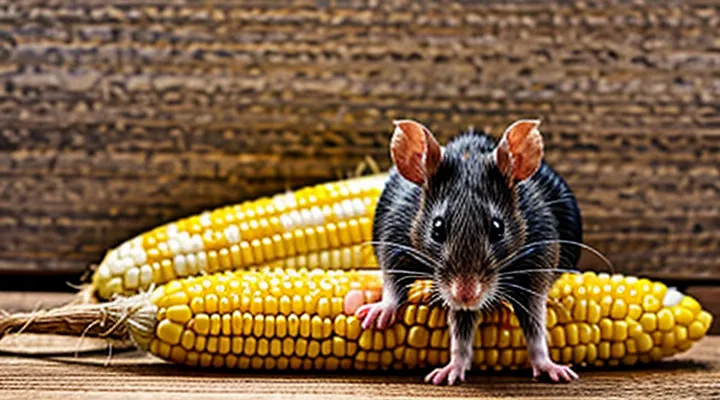
Nutritional Value of Corn for Rats
Macronutrients
Carbohydrates
Corn provides a high proportion of rapidly fermentable carbohydrates when included in rat feed. The grain’s starch content averages 70 % of dry matter, supplemented by small amounts of soluble sugars and dietary fiber. These carbohydrates supply energy for basal metabolism, support growth, and influence gut microbial activity.
Benefits of corn-derived carbohydrates for laboratory rats:
- Immediate energy source for locomotion and thermoregulation.
- Stimulation of short‑chain fatty‑acid production through fiber fermentation, enhancing colonic health.
- Facilitation of glycogen storage in liver and muscle, improving endurance during behavioral testing.
Risks associated with excessive corn carbohydrate intake:
- Elevated blood glucose may predispose rats to insulin resistance and impaired glucose tolerance.
- High starch digestibility can cause rapid post‑prandial glucose spikes, stressing pancreatic β‑cells.
- Overrepresentation of simple carbohydrates may suppress intake of essential micronutrients, leading to deficiencies.
Balancing corn’s carbohydrate contribution with protein, fat, and micronutrient sources mitigates metabolic disturbances while preserving its energetic advantages.
Fats
Corn provides a modest amount of lipid material that influences the overall nutritional profile of a rat diet. The grain’s fat fraction consists primarily of polyunsaturated fatty acids, especially linoleic acid, with smaller contributions of oleic, palmitic, and stearic acids.
Benefits of corn‑derived fats
- Supply of essential linoleic acid supports membrane fluidity and the synthesis of prostaglandins.
- High caloric density delivers rapid energy, useful for growth phases or high‑activity periods.
- Presence of vitamin E, a natural antioxidant, mitigates oxidative damage to the fatty acids themselves.
Risks associated with corn‑derived fats
- Elevated polyunsaturated content increases susceptibility to lipid peroxidation, potentially harming cellular structures if antioxidant protection is insufficient.
- Excess caloric contribution can promote adiposity, especially when total dietary fat exceeds recommended thresholds.
- Imbalance between omega‑6 (linoleic) and omega‑3 fatty acids may predispose rats to inflammatory responses.
Practical considerations
- Limit corn‑based diet formulations to a total fat content of 5–7 % of the diet’s dry weight.
- Complement corn fats with sources rich in omega‑3 fatty acids, such as flaxseed or fish oil, to achieve a more favorable fatty‑acid ratio.
- Incorporate adequate levels of vitamin E or other antioxidants to protect polyunsaturated lipids from oxidation.
These points clarify how the lipid component of corn influences rat nutrition, highlighting both advantageous and adverse effects within a balanced feeding strategy.
Proteins
Corn provides a modest amount of dietary protein for laboratory rats, typically contributing 8–10 % of the total feed mass. This protein fraction supplies essential nitrogen for tissue growth, enzyme synthesis, and immune function.
The amino‑acid composition of corn protein is characterized by high levels of leucine, methionine, and lysine, while tryptophan and threonine appear in lower concentrations. Consequently, corn alone cannot meet the complete essential‑amino‑acid requirements of rats; it must be combined with complementary protein sources to avoid deficiencies.
Digestibility of corn protein averages 70–75 % in rats, reflecting the presence of fiber and anti‑nutritional factors that reduce enzymatic breakdown. Processing methods such as extrusion or nixtamalization increase availability by disrupting cell walls and deactivating protease inhibitors.
Risks associated with relying on corn for protein include:
- Inadequate intake of limiting amino acids, leading to reduced growth rates and compromised reproductive performance.
- Potential mycotoxin contamination (e.g., aflatoxin) that interferes with protein metabolism and liver function.
- Imbalance between carbohydrate and protein calories, which may promote obesity or metabolic disorders when energy density is high.
Mitigation strategies involve:
- Adding soy‑meal, fish‑meal, or whey protein to achieve a balanced amino‑acid profile.
- Monitoring mycotoxin levels through regular feed testing and employing storage conditions that limit fungal growth.
- Adjusting the proportion of corn in the diet to maintain a target protein‑energy ratio of approximately 1:4 (protein :g energy) for optimal rat health.
Micronutrients
Vitamins
Corn supplies several vitamins that influence rat health when incorporated into laboratory or pet diets. The grain contains modest amounts of vitamin A precursors (β‑carotene), thiamine (vitamin B1), niacin (vitamin B3), and folate (vitamin B9). These nutrients support vision, energy metabolism, and cellular replication.
- Vitamin A (β‑carotene) – conversion efficiency in rats is low; supplementation may be required to reach optimal retinal function.
- Thiamine – essential for carbohydrate metabolism; corn’s content can meet basal needs but may fall short under high‑energy regimens.
- Niacin – present in sufficient quantities for standard growth rates; excess intake is unlikely due to the grain’s modest level.
- Folate – contributes to DNA synthesis; corn alone rarely provides adequate levels for gestating females.
Potential deficiencies arise when corn dominates the diet, displacing vitamin‑rich ingredients such as liver or fortified pellets. Insufficient vitamin A can impair night vision and epithelial integrity; thiamine shortage may cause neurological signs; folate deficit can reduce litter size and increase embryonic mortality.
Risk of toxicity is minimal because corn does not contain high concentrations of fat‑soluble vitamins. However, excessive consumption of β‑carotene may lead to hypercarotenemia, a reversible pigmentation change without adverse health effects.
Balancing corn with complementary feedstuffs ensures that vitamin requirements are satisfied while preserving the grain’s caloric benefits. Regular analysis of diet composition and periodic blood assays are recommended to confirm adequacy and prevent subclinical deficiencies.
Minerals
Corn incorporated into laboratory rat feed supplies several essential minerals, yet the mineral profile of maize differs markedly from that of specialized rodent chow. The grain delivers phosphorus, magnesium, potassium and trace zinc, each contributing to bone formation, enzymatic activity, electrolyte balance and immune function.
- Phosphorus: approximately 0.3 % of dry weight; supports skeletal development and energy metabolism.
- Magnesium: 0.1 % of dry weight; required for ATP‑dependent reactions and neuromuscular transmission.
- Potassium: 0.4 % of dry weight; maintains cellular osmolarity and acid‑base equilibrium.
- Zinc: 30 mg kg⁻¹; participates in protein synthesis and antioxidant defenses.
Corn’s mineral composition lacks sufficient calcium and sodium, creating a risk of hypocalcemia and hyponatremia when maize dominates the diet. Excess phosphorus can exacerbate calcium deficiency, potentially impairing dentition and bone density. Additionally, phytate present in maize binds zinc and iron, reducing their absorption and increasing the likelihood of trace‑element deficiencies.
Effective management includes supplementing calcium carbonate, sodium chloride and bioavailable zinc sources, while monitoring serum mineral concentrations to detect imbalances early. Adjusting the corn proportion to 30–40 % of total feed weight preserves the energy benefits of maize without compromising mineral adequacy.
Benefits of Corn in Rat Diet
Energy Source
Corn provides a high proportion of metabolizable energy in rat feed formulations. The grain’s carbohydrate profile delivers approximately 3.6 kcal g⁻¹, surpassing many alternative cereals in caloric density. Digestibility rates for corn starch exceed 90 % in adult rodents, ensuring efficient conversion to usable energy.
Benefits
- Supports rapid post‑weaning growth by supplying readily absorbable glucose.
- Maintains body weight stability during maintenance phases.
- Improves feed conversion ratios compared with lower‑energy ingredients.
Risks
- Elevated inclusion can lead to hyperglycemia and insulin resistance, compromising metabolic studies.
- Excess caloric intake predisposes to obesity, influencing behavior and disease models.
- High starch content may interfere with gut microbiota balance, affecting gastrointestinal research outcomes.
Optimal use requires limiting corn to 20–30 % of total diet weight, pairing it with protein and fiber sources that mitigate rapid glucose spikes. Regular monitoring of body composition and blood glucose levels ensures that energy provision aligns with experimental objectives without introducing confounding variables.
Fiber Content
Corn contributes a measurable amount of dietary fiber to the nutrition of laboratory rats. The grain’s fiber consists primarily of insoluble cellulose and hemicellulose, with a smaller proportion of soluble arabinoxylans. Typical inclusion levels (10–20 % of the diet by weight) provide roughly 2–4 g of fiber per kilogram of feed.
Positive effects
- Promotes peristaltic movement, reducing the incidence of fecal impaction.
- Supplies substrate for colonic bacteria, encouraging the production of short‑chain fatty acids that support epithelial health.
- Enhances satiety signals, which can stabilize voluntary food intake in long‑term studies.
Potential drawbacks
- High insoluble fiber may accelerate transit time excessively, leading to loose stools or dehydration if water intake is insufficient.
- Dilutes energy density; rats consuming large corn fractions may require compensatory caloric adjustments to maintain growth rates.
- May interfere with the absorption of certain micronutrients, such as calcium and zinc, due to binding with phytate complexes present in the grain.
Balancing corn‑derived fiber with other feed components—such as low‑fiber protein sources and controlled moisture levels—optimizes gastrointestinal function while avoiding the adverse outcomes associated with extreme fiber loads.
Palatability
Corn inclusion markedly influences the willingness of rats to consume a diet. Its natural sweetness and soft texture make it one of the most readily accepted grain sources, often resulting in higher voluntary intake compared with less palatable alternatives such as wheat bran or soy hulls. Studies consistently show that diets containing 10–20 % ground corn achieve acceptance rates above 90 % in standard laboratory strains, whereas lower inclusion levels may not produce a measurable increase in consumption.
Key factors that determine how appealing corn is to rats include:
- Particle size: Fine milling creates a smoother mash that rats ingest more quickly; coarse kernels may reduce intake due to increased chewing effort.
- Moisture content: Moist corn mixtures retain flavor compounds and prevent drying, encouraging prolonged feeding bouts.
- Sugar concentration: The inherent glucose and fructose in corn stimulate taste receptors, promoting higher daily caloric intake.
- Aroma profile: Volatile compounds released during cooking or extrusion enhance olfactory attraction, further boosting consumption.
Excessive palatability can introduce experimental bias. Elevated intake may distort energy balance, mask the effects of test substances, or accelerate weight gain beyond intended study parameters. Researchers must calibrate corn levels to achieve sufficient acceptance while preserving control over caloric density and nutrient composition.
Risks and Considerations
Nutritional Imbalance
High Carbohydrate Content
Corn provides a substantial proportion of dietary carbohydrates in laboratory rat chow, typically ranging from 30 % to 45 % of the total dry matter. The starch in corn is rapidly digestible, delivering glucose that fuels basal metabolism and activity.
Benefits associated with this high carbohydrate load include:
- Immediate energy supply that sustains locomotor performance and thermoregulation.
- Support for rapid weight gain during growth phases, facilitating experimental models that require defined body mass.
- Enhancement of glycogen storage in liver and muscle, improving endurance in treadmill or swimming tests.
Risks linked to excessive carbohydrate intake are:
- Elevated post‑prandial blood glucose, which can interfere with studies of insulin sensitivity or diabetes.
- Promotion of adiposity, potentially confounding research on obesity, cardiovascular function, or metabolic syndrome.
- Alteration of intestinal microbiota composition, favoring fermentative bacteria that produce short‑chain fatty acids and may affect gut barrier integrity.
- Increased susceptibility to diet‑induced hepatic steatosis, compromising liver function assessments.
Balancing corn’s carbohydrate contribution with fiber, protein, and fat sources is essential to maintain nutritional adequacy while minimizing metabolic disturbances in rat experiments.
Low Protein Quality
Corn provides a high-energy carbohydrate base for laboratory rat feeds, yet its protein fraction lacks essential amino acids, particularly lysine and tryptophan. The resulting protein quality is classified as low, limiting the diet’s capacity to support optimal physiological functions.
Low‑quality protein in a corn‑dominant regimen produces several measurable effects:
- Reduced body weight gain and lean tissue accretion
- Impaired immune responses, evidenced by decreased antibody titers
- Altered hepatic enzyme activity, reflecting suboptimal nitrogen metabolism
- Shifts in intestinal microbiota composition toward fermentative species
These outcomes stem from insufficient supply of indispensable amino acids, which forces rats to catabolize endogenous protein stores to meet metabolic demands.
Mitigation requires supplementation or processing adjustments. Common corrective measures include:
- Adding soy, whey, or casein to raise the total amino acid pool
- Incorporating crystalline lysine, methionine, and tryptophan to correct specific deficits
- Applying alkaline treatment (nixtamalization) to increase protein digestibility and reduce antinutritional factors
Implementing such strategies restores growth rates, sustains immune competence, and normalizes metabolic markers, thereby balancing the energy benefits of corn with an adequate protein profile.
Mycotoxins
Aflatoxins
Aflatoxins are mycotoxins produced primarily by Aspergillus flavus and Aspergillus parasiticus, fungi that frequently colonize stored corn kernels. When contaminated corn is included in rat feed, aflatoxins become a direct source of exposure for the animals.
The primary health effects of aflatoxin ingestion in rats include hepatotoxicity, immunosuppression, and carcinogenic transformation. Acute exposure can lead to liver necrosis, reduced feed intake, and weight loss. Chronic, low‑level exposure is associated with hepatic enzyme induction, DNA adduct formation, and increased incidence of liver tumors.
Risk factors specific to corn‑based diets:
- High moisture content during storage, which promotes fungal growth.
- Warm temperatures combined with inadequate aeration.
- Delayed processing or use of damaged kernels.
Detection and quantification methods employed in laboratory settings:
- High‑performance liquid chromatography (HPLC) with fluorescence detection.
- Enzyme‑linked immunosorbent assay (ELISA) kits for rapid screening.
- Thin‑layer chromatography (TLC) for preliminary assessment.
Mitigation strategies to reduce aflatoxin burden in rat feed:
- Dry corn to moisture levels below 13 % before storage.
- Store grain in sealed, low‑humidity containers with temperature control.
- Apply biological control agents, such as non‑toxigenic Aspergillus strains, to outcompete toxin‑producing species.
- Incorporate adsorbent additives (e.g., hydrated calcium silicate, activated charcoal) into the diet to bind toxins in the gastrointestinal tract.
- Rotate stock and discard grain that exceeds recommended storage duration.
When aflatoxin levels in corn exceed regulatory limits (commonly 20 ppb for animal feed), substitution with alternative carbohydrate sources or detoxification procedures becomes necessary to protect rat health and maintain experimental validity.
Fumonisins
Fumonisins are mycotoxins produced primarily by Fusarium verticillioides and Fusarium proliferatum, commonly contaminating maize kernels. They belong to a family of structurally related compounds (Fumonisin B1, B2, B3) that interfere with sphingolipid metabolism by inhibiting ceramide synthase.
In rats, fumonisin exposure disrupts liver and kidney function, induces hepatic steatosis, and triggers pulmonary edema at high dietary concentrations. Chronic intake at sub‑lethal levels leads to altered lipid profiles, impaired growth, and increased incidence of esophageal lesions. Toxic effects correlate with dose; the no‑observable‑adverse‑effect level (NOAEL) for Fumonisin B1 in rats is approximately 0.2 mg kg⁻¹ day⁻¹.
When corn serves as a primary carbohydrate source in rat feeding regimens, fumonisin contamination introduces a health risk that can offset the nutritional advantages of maize. Risk assessment must consider the concentration of fumonisins in the grain batch, the proportion of corn in the diet, and the duration of exposure. Acceptable limits established by regulatory agencies (e.g., 2–4 ppm for feed) provide a reference for safe inclusion rates.
Mitigation strategies include:
- Selecting grain sourced from regions with low Fusarium infection rates.
- Implementing routine mycotoxin screening using ELISA or LC‑MS methods.
- Applying physical or chemical treatments (e.g., nixtamalization, ammonia detoxification) that reduce fumonisin levels.
- Blending contaminated corn with verified low‑contamination batches to dilute toxin concentration.
Adhering to these measures enables the use of corn in rat diets while minimizing the adverse effects associated with fumonisin exposure.
Allergic Reactions
Corn is frequently incorporated into laboratory rat chow to provide a source of carbohydrate and energy. However, corn proteins can trigger immunologic responses in susceptible individuals, leading to allergic reactions that may compromise experimental outcomes and animal welfare.
Common clinical manifestations include:
- Respiratory distress (tachypnea, wheezing, nasal discharge)
- Dermatologic signs (pruritus, erythema, alopecia)
- Gastrointestinal disturbances (vomiting, diarrhea, reduced feed intake)
- Systemic effects (lethargy, weight loss, elevated body temperature)
Immunopathogenesis centers on IgE‑mediated sensitization to corn allergens such as zein and lipid transfer proteins. Sensitization risk increases with repeated exposure, high dietary corn concentrations, and prior atopic predisposition. Cross‑reactivity with other cereals may amplify the response.
Management strategies:
- Identify and confirm allergy through clinical observation and, when feasible, serologic testing for corn‑specific IgE.
- Replace corn with alternative carbohydrate sources (e.g., wheat starch, barley, or purified glucose) while maintaining nutrient balance.
- Implement a graded elimination diet to assess symptom reversal and re‑challenge to verify causality.
- Monitor affected rats for recovery of body weight, feed consumption, and normal behavior; adjust husbandry practices to reduce environmental allergens.
Researchers should evaluate the allergenic potential of corn when designing rodent diets, especially in studies where immune function or respiratory parameters are primary endpoints. Proactive diet selection and prompt intervention minimize confounding variables and support reproducible results.
Digestibility Issues
Corn is a common carbohydrate source in laboratory rat nutrition, but its digestibility varies with formulation and processing. The grain’s high starch content provides rapid energy, yet the presence of non‑starch polysaccharides, lignin, and phytate limits nutrient absorption. Digestibility is further reduced by the hard pericarp, which resists enzymatic breakdown.
Key factors influencing corn digestibility in rats:
- Particle size: finer grinding increases surface area, enhancing amylase activity.
- Moisture content: adequate hydration facilitates gelatinization of starch during cooking.
- Heat treatment: extrusion or pelleting disrupts cell walls, improving enzyme access.
- Anti‑nutritional compounds: phytic acid binds minerals, while β‑glucans increase viscosity and slow transit.
Insufficient digestion of corn leads to elevated fecal starch, altered gut microbiota, and potential malabsorption of essential amino acids. Rats may develop soft stools, reduced weight gain, and impaired growth performance when diets rely heavily on poorly processed corn.
Mitigation strategies include:
- Mechanical reduction of grain to a uniform fine mash.
- Application of steam‑flaking or extrusion to gelatinize starch.
- Inclusion of phytase enzymes to hydrolyze phytic acid.
- Balancing corn with fiber‑rich ingredients (e.g., cellulose) to moderate viscosity.
Implementing these measures restores efficient carbohydrate utilization, supports stable body condition, and minimizes adverse digestive outcomes associated with corn‑based feeds.
Feeding Guidelines
Preparation Methods
Cooked Corn
Cooked corn provides a readily digestible carbohydrate source for rats, delivering glucose that supports energy‑dependent activities. The cooking process gelatinizes starch, reduces raw fiber hardness, and eliminates most heat‑sensitive antinutrients, making the grain more accessible to the rat’s digestive enzymes.
Benefits
- Supplies 70–80 % of calories as starch, supporting rapid growth in young animals.
- Contributes dietary fiber that promotes gastrointestinal motility.
- Contains measurable amounts of vitamin B6, thiamine, and carotenoids with antioxidant properties.
- Offers a palatable ingredient that can increase overall feed intake in selective feeders.
Risks
- High starch concentration may lead to excessive weight gain if portions exceed 10 % of total diet by weight.
- Rapid glucose release can cause post‑prandial hyperglycemia, potentially aggravating insulin resistance in susceptible strains.
- Inadequate cooking or storage may allow fungal contamination, introducing mycotoxins such as aflatoxin.
- Excessive fiber from corn kernels can interfere with the absorption of minerals like calcium and zinc.
Recommendations
- Cook corn until kernels are soft but not mushy; boiling for 5–7 minutes achieves optimal gelatinization.
- Cool and dry kernels before incorporation to prevent moisture‑related spoilage.
- Limit inclusion to 5–10 % of the total feed formulation, adjusting for the animal’s age, strain, and activity level.
- Monitor body condition and blood glucose regularly when corn constitutes a regular feed component.
- Rotate corn with alternative carbohydrate sources (e.g., barley or oats) to maintain dietary balance and reduce the risk of nutrient deficiencies.
Raw Corn
Raw corn provides a high‑energy carbohydrate source for laboratory rats. The grain contains approximately 70 % starch, 9 % protein, and measurable levels of dietary fiber, vitamin B complex, and carotenoids such as beta‑carotene. These nutrients can support growth, maintenance of body weight, and visual health when incorporated into a balanced feed regimen.
Benefits of including uncooked kernels in a rat’s diet include:
- Rapidly available glucose that fuels activity and thermoregulation.
- Fiber that promotes gastrointestinal motility and fecal bulk.
- Antioxidant compounds that contribute to retinal function.
Potential drawbacks require careful management. Raw kernels are difficult for rats to digest, leading to incomplete starch breakdown and possible fermentation in the hindgut. Undegraded starch may produce excess gas, soft stools, or dysbiosis. Additionally, raw corn can harbor mycotoxins such as aflatoxin if stored improperly, posing hepatotoxic risk. The hard texture also creates a choking hazard, especially for young or small individuals.
To mitigate risks, raw corn should be offered in limited quantities—no more than 5 % of total daily feed by weight—and introduced gradually. Prior to serving, kernels must be inspected for mold, cleaned of debris, and, if possible, soaked briefly to soften the outer layer, thereby improving palatability and reducing mechanical injury. Monitoring body condition and stool consistency will reveal whether the inclusion level is appropriate.
When combined with a nutritionally complete pelleted diet, raw corn can serve as a supplemental energy and fiber source, provided that dosage, hygiene, and observation protocols are strictly followed.
Moderation and Portion Control
Corn provides rats with readily available carbohydrates, but the quantity must be limited to prevent adverse metabolic effects. Excessive intake can elevate blood glucose, promote obesity, and interfere with nutrient balance, while modest portions supply energy without overwhelming the digestive system.
Key considerations for controlled corn feeding:
- Offer no more than 5–10 % of the total daily diet by weight; adjust based on individual growth rates and activity levels.
- Measure each serving with a calibrated scoop to ensure consistency across meals.
- Monitor body condition and fecal output; increase or decrease portions if weight gain or loose stools become evident.
- Rotate corn with alternative grains or fibrous vegetables to maintain a diversified nutrient profile.
Implementing precise portion sizes preserves the energetic advantage of corn while minimizing the likelihood of metabolic disturbances and digestive irritation.
Combination with Other Foods
Corn provides a high‑energy carbohydrate source that can be paired with protein‑rich or fiber‑dense ingredients to create balanced rat meals. When corn is mixed with legumes such as soybeans or peas, the resulting formulation supplies essential amino acids that corn alone lacks, improving growth rates and lean tissue development. Adding leafy greens or beet pulp introduces soluble fiber, which moderates the rapid glucose surge typical of pure corn consumption and supports gastrointestinal health.
Key considerations for combining corn with other foods include:
- Protein augmentation: Incorporate 15–20 % soy meal or dried fish powder to raise the diet’s crude protein content to 18–22 % for adult rats.
- Fiber enrichment: Blend 5–10 % wheat bran or oat hulls to increase total dietary fiber, reducing the risk of constipation and short‑chain fatty acid deficiency.
- Vitamin and mineral complementation: Include a premix of vitamin A, E, and zinc to offset potential micronutrient gaps inherent in grain‑dominant rations.
- Fat balance: Add 2–4 % vegetable oil or fish oil to supply essential fatty acids, preventing excessive reliance on corn oil, which is high in omega‑6 relative to omega‑3.
Potential adverse effects arise when corn dominates the diet without adequate complementary components. Excessive starch can lead to hyperglycemia, hepatic lipidosis, and altered gut microbiota. Insufficient protein may cause stunted growth, while low fiber intake can increase the incidence of colonic impaction. Monitoring feed composition and adjusting ratios according to life stage, activity level, and health status mitigates these risks.
In practice, formulating rat chow with a 40–50 % corn base, supplemented by 20–30 % protein sources, 5–10 % fiber additives, and a calibrated vitamin–mineral premix yields a nutritionally complete regimen. Regular analysis of feed samples ensures that nutrient levels remain within target ranges, supporting optimal physiological performance while minimizing the drawbacks associated with grain‑centric feeding.
Alternatives and Supplements
Other Grains
Other grains such as wheat, barley, oats, and millet provide protein, fiber, and micronutrients that complement the carbohydrate load supplied by corn. Their starch composition differs, offering slower‑digesting energy that helps stabilize blood glucose levels in laboratory rats.
Benefits include:
- Enhanced digestive health through increased insoluble fiber, which promotes regular bowel movements and supports gut microbiota diversity.
- Additional sources of B‑vitamins (thiamine, riboflavin, niacin) and minerals (phosphorus, magnesium) that address potential deficiencies in corn‑centric formulations.
- Reduced risk of excess fat accumulation, as many grains contain lower lipid content than corn.
Potential risks involve:
- Antinutritional factors such as phytates in wheat and barley, which can bind minerals and lower their bioavailability. Proper processing (e.g., soaking, heat treatment) mitigates this effect.
- Gluten sensitivity in certain rat strains; wheat‑based diets may provoke gastrointestinal inflammation in genetically predisposed individuals.
- Variable energy density; excessive inclusion of high‑fiber grains can diminish overall caloric intake, leading to weight loss if not balanced with corn’s energy contribution.
Effective formulation balances corn’s high‑energy profile with the complementary nutrients of other grains. A typical mix might allocate 40–50 % corn, 30–35 % wheat or barley, and 10–15 % oats or millet, adjusted for strain‑specific metabolic requirements. Regular monitoring of growth rates, feed conversion ratios, and blood parameters ensures that the combined diet delivers optimal performance without unintended deficiencies or excesses.
Protein Sources
Corn provides a modest amount of protein for laboratory rats, but its amino‑acid composition is incomplete. When formulating diets that contain corn, complementary protein sources must be added to meet the rats’ growth and maintenance requirements.
Typical protein contributors include:
- Soybean meal – high in lysine and methionine, highly digestible, inexpensive.
- Whey protein concentrate – rich in branched‑chain amino acids, rapidly absorbed.
- Casein – slow‑digesting milk protein, supplies calcium and phosphorus.
- Insect meal (e.g., black‑soldier fly larvae) – balanced essential amino acids, low antinutrient load.
- Fish meal – excellent source of taurine and omega‑3 fatty acids, but may introduce heavy‑metal concerns.
Balancing these proteins with corn improves overall nitrogen retention and supports normal organ development. Overreliance on corn without adequate supplementation can lead to deficiencies in essential amino acids, reduced growth rates, and altered gut microbial populations. Conversely, excessive inclusion of animal‑derived proteins may increase the risk of metabolic disturbances, such as elevated plasma cholesterol.
Effective diet design therefore pairs corn’s carbohydrate and fiber benefits with strategically selected protein sources, ensuring the rats receive a complete amino‑acid profile while minimizing potential adverse effects.
Vitamin and Mineral Supplements
Corn provides a high‑energy carbohydrate source for laboratory rats, but its natural composition lacks several essential micronutrients. Supplementation with vitamins and minerals restores nutritional balance and prevents deficiencies that can compromise growth, reproduction, and experimental outcomes.
Key vitamins required when corn dominates the diet include:
- Vitamin A – supports vision and epithelial health; typical supplementation ranges from 3 000 to 5 000 IU kg⁻¹ feed.
- Vitamin D₃ – regulates calcium metabolism; 1 000–2 000 IU kg⁻¹ feed is common.
- Vitamin E – protects cell membranes from oxidative damage; 100–200 IU kg⁻¹ feed is advisable.
- B‑complex (B₁, B₂, B₆, B₁₂, niacin, pantothenic acid) – facilitates carbohydrate metabolism; concentrations of 10–30 mg kg⁻¹ feed for each B vitamin are standard.
Mineral supplementation must address the low levels of calcium, phosphorus, magnesium, zinc, and selenium in corn. Typical inclusion rates are:
- Calcium – 0.5–1.0 % of diet; often supplied as calcium carbonate.
- Phosphorus – 0.3–0.6 % of diet; usually provided as dicalcium phosphate.
- Magnesium – 0.05–0.10 % of diet; magnesium oxide is a common source.
- Zinc – 30–80 mg kg⁻¹ feed; zinc sulfate ensures bioavailability.
- Selenium – 0.15–0.30 mg kg⁻¹ feed; sodium selenite or selenomethionine are effective forms.
Corn contains phytate, a compound that binds minerals and reduces absorption. Adding phytase enzyme or formulating the supplement with chelated minerals improves bioavailability and mitigates the antagonistic effect of phytate.
Excessive supplementation poses toxicity risks. Hypervitaminosis A, D, or E can cause organ damage; elevated calcium or phosphorus leads to renal calculi; zinc and selenium overdoses are neurotoxic. Precise formulation based on analytical feed composition and regular monitoring of blood parameters prevents such adverse outcomes.
Effective practice combines a premixed vitamin‑mineral blend with the corn base, ensures uniform distribution, and validates the final diet through proximate analysis. Adjustments should be made when experimental protocols alter energy intake or when specific physiological stages (e.g., gestation, growth) demand altered micronutrient levels.