
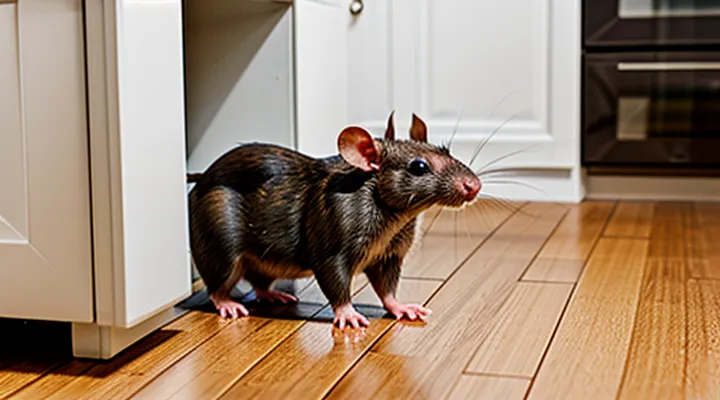
Understanding Your Rat Problem
Signs of a Rat Infestation
«Droppings and Urine»
Rat infestations leave visible evidence in the form of droppings and urine, both of which pose significant health hazards. Droppings resemble small, black or brown pellets, typically 0.5–0.8 cm long, and accumulate in concealed areas such as behind appliances, within insulation, and along baseboards. Urine creates a strong, musky odor and stains surfaces, especially porous materials.
Health risks associated with these excretions include transmission of hantavirus, leptospirosis, salmonellosis, and other bacterial infections. Contact with contaminated dust can trigger respiratory irritation, allergic reactions, and, in severe cases, pulmonary syndrome. Children and pets are particularly vulnerable due to their tendency to explore low‑lying spaces.
Effective management requires immediate identification, safe removal, and preventive actions:
- Wear disposable gloves, N‑95 respirator, and protective clothing before handling contaminated material.
- Damp‑wipe surfaces with a detergent‑water solution to prevent aerosolization of particles.
- Apply an EPA‑registered disinfectant (e.g., a 10 % bleach solution) to all affected areas; allow a contact time of at least 10 minutes.
- Seal and dispose of waste in double‑layered, leak‑proof bags; discard according to local hazardous‑waste regulations.
- Install stainless‑steel or sealed metal traps to reduce future droppings and urine production.
- Seal entry points (gaps, cracks, utility penetrations) with steel wool, metal flashing, or silicone caulk.
- Maintain low humidity levels (below 50 %) to deter rat activity and reduce urine condensation.
Routine inspection of hidden zones, combined with prompt sanitation, limits the spread of disease and supports long‑term rat control in residential settings.
«Gnaw Marks»
Rats leave distinctive gnaw marks on wood, plastic, wiring and food containers. These bite patterns are typically clean, shallow cuts with rounded edges, often appearing in a series of parallel lines. Presence of such marks indicates active foraging and a high likelihood of nesting nearby, prompting immediate intervention.
Effective response begins with identification and isolation:
- Inspect all structural elements for fresh gnaw marks; prioritize areas with exposed wiring or food storage.
- Seal entry points larger than a quarter‑inch using steel wool, cement or metal flashing.
- Remove damaged materials that cannot be repaired, preventing further access.
- Deploy snap traps or electronic traps directly adjacent to the identified gnaw zones.
- Apply rodent‑resistant sealing compounds to repaired surfaces to deter repeat chewing.
After removal of the infestation, thorough cleaning eliminates scent trails that attract new rodents. Disinfect surfaces with a bleach solution (one part bleach to nine parts water) and allow to dry completely. Regular monitoring of previously marked areas helps verify that gnaw activity has ceased and that control measures remain effective.
«Scratching Noises»
Scratching noises in walls, ceilings, or cabinets signal the presence of rats moving or gnawing on structural components. The sounds typically arise from rodents navigating confined spaces, nesting, or accessing food sources, and they often precede visible damage. Recognizing the pattern—intermittent, high‑pitched, and concentrated near hidden gaps—helps differentiate rat activity from other household noises.
Effective actions to curb audible disturbances include:
- Inspecting and sealing openings larger than a quarter‑inch with steel wool, cement, or metal mesh.
- Deploying snap traps or electronic traps in identified pathways, positioning them perpendicular to walls for optimal reach.
- Installing ultrasonic emitters calibrated to frequencies that irritate rodents without affecting humans or pets.
- Reducing clutter and removing food residues that attract foraging behavior, thereby limiting movement within concealed areas.
- Applying rodent‑repellent powders or natural deterrents such as peppermint oil on surfaces prone to gnawing.
Implementing these measures promptly reduces the likelihood of persistent scratching, protects structural integrity, and minimizes the need for extensive remediation.
«Rat Nests»
Rat nests represent the primary living sites where rodents rest, breed, and store food. Typical locations include concealed spaces behind walls, under floorboards, within insulation, and inside stored‑goods piles. The presence of shredded material, droppings, and gnaw marks indicates active nesting activity.
Identifying a nest requires systematic inspection:
- Examine structural voids for accumulated debris and urine stains.
- Follow gnaw tracks to potential entry points.
- Use a flashlight to reveal nesting material in dark corners.
- Deploy motion‑sensitive cameras to confirm nocturnal activity.
Removal involves eliminating both the structure and the attractants. Disassemble damaged insulation, discard contaminated debris in sealed containers, and thoroughly disinfect the area with a rodent‑approved sanitizer. After cleaning, seal all openings larger than ¼ inch with steel wool, caulk, or metal mesh to prevent re‑entry.
Preventive measures focus on denying resources that encourage nesting. Store food in airtight containers, maintain regular waste removal, and keep vegetation trimmed away from the building envelope. Routine inspections every 30 days sustain a nest‑free environment and support long‑term control efforts.
Why Rats Are a Problem
«Health Risks»
Rats inhabiting domestic environments pose significant health hazards. Direct contact with rodent saliva, urine, or feces can transmit bacterial infections such as leptospirosis, salmonellosis, and hantavirus pulmonary syndrome. Inhalation of aerosolized particles from dried droppings or nesting material may lead to respiratory irritation and allergic reactions, increasing the risk of asthma exacerbation. Bite wounds introduce pathogens into the bloodstream, potentially resulting in septicemia if untreated. Rodents also serve as vectors for parasites, including fleas, mites, and ticks, which can further spread diseases to humans and pets.
Key health concerns include:
- Bacterial diseases – leptospirosis, salmonellosis, plague.
- Viral infections – hantavirus, lymphocytic choriomeningitis.
- Parasitic infestations – fleas, mites, internal worms.
- Allergic and respiratory effects – asthma triggers, rhinitis from rodent dander.
- Food contamination – contamination of stored food supplies, leading to gastrointestinal illness.
Mitigating these risks requires prompt removal of rodent access points, regular sanitation of affected areas, and thorough disinfection using appropriate agents. Protective equipment, such as gloves and masks, should be employed when handling contaminated materials. Medical evaluation is advisable after any bite or exposure to rodent waste to ensure early detection and treatment of potential infections.
«Property Damage»
Rats inflict substantial property damage that compromises building integrity and increases repair costs. Their gnawing behavior targets structural components such as wooden beams, insulation, and drywall, creating holes that weaken load‑bearing elements. Electrical wiring is vulnerable; rats chew insulated cables, exposing conductors and raising the risk of short circuits and fire hazards. Food storage areas suffer contamination when rodents deposit urine, feces, and saliva, leading to spoilage and costly sanitation measures. Plumbing systems can be obstructed by nests and debris, resulting in leaks and water damage.
Effective prevention focuses on eliminating access points and reducing attractants. Implement the following measures:
- Seal gaps larger than ¼ inch around foundations, vents, and utility penetrations with steel wool, cement, or metal flashing.
- Install heavy‑duty latch mechanisms on doors and windows to deter entry.
- Store food in airtight containers made of glass or thick plastic; promptly clean spills and crumbs.
- Maintain a tidy exterior by removing debris, dense vegetation, and compost piles that provide shelter.
- Deploy snap traps or electronic devices in identified activity zones, positioning them away from children and pets.
- Schedule regular inspections of insulation, wiring, and structural elements to detect early signs of gnawing.
Addressing rat‑induced property damage requires a systematic approach that combines exclusion, sanitation, and targeted trapping. Prompt action curtails deterioration, safeguards assets, and minimizes long‑term expenses.
Prevention: Keeping Rats Out
Sealing Entry Points
«Inspecting Your Home's Exterior»
Inspecting the exterior of a residence provides the initial barrier against rodent intrusion. Identifying structural vulnerabilities and environmental conditions that attract rats allows targeted preventive actions.
Key inspection points:
- Cracks and gaps in foundation, walls, and roof eaves.
- Openings around utility penetrations, vents, and pipe sleeves.
- Overgrown vegetation, especially shrubs and vines that contact the building.
- Standing water or poor drainage that creates moist habitats.
- Outdoor trash containers lacking secure lids or positioned close to the structure.
After identification, implement corrective measures. Seal cracks with cement or steel mesh, install metal flashing around vents, and use weather‑resistant caulk on pipe sleeves. Trim vegetation to maintain a minimum two‑foot clearance from the building envelope. Ensure proper grading directs water away from foundations, and place waste bins on impermeable surfaces with tight‑fitting lids. Regular re‑inspection, at least quarterly, confirms that previously addressed points remain secure and that new entry opportunities have not developed.
«Repairing Cracks and Holes»
Effective rat management in residential settings requires eliminating potential entry routes. Small openings in walls, foundations, and utility penetrations often serve as unnoticed pathways for rodents. Sealing these gaps reduces the likelihood of infestation and complements other control measures.
The first step involves a systematic inspection of interior and exterior surfaces. Look for linear fissures, gaps around pipes, and damaged caulking. Use a flashlight to reveal hidden cracks in basements and crawl spaces. Mark each location before proceeding to repairs.
- Select a durable filler appropriate to the substrate: hydraulic cement for masonry, expanding foam for irregular gaps, silicone sealant for flexible joints.
- Clean the area to remove dust, debris, and loose material.
- Apply the chosen product according to manufacturer instructions, ensuring full penetration into the void.
- Shape the repair with a putty knife or trowel to match surrounding surfaces.
- Allow the material to cure completely before exposing it to moisture or pressure.
Regular monitoring prevents new openings from developing. Re‑inspect high‑traffic zones after seasonal temperature changes, and address any fresh damage promptly. Maintaining a sealed environment sustains long‑term rodent exclusion.
«Covering Vents and Chimneys»
Effective rat control in residential environments requires sealing all potential entry points. Openings such as ventilation ducts and chimney flues provide direct pathways from the exterior to interior spaces, allowing rodents to access food sources, nesting sites, and shelter.
Securing vents involves installing durable barriers that resist gnawing. Preferred materials include stainless‑steel mesh with openings no larger than ¼ inch, reinforced hardware cloth, and rigid metal grates. Barriers must be fitted tightly around duct frames, with overlapping seams sealed using rodent‑proof caulk. Regular inspection ensures that gaps created by settlement or weather damage are promptly repaired.
Protecting chimneys demands a two‑fold approach: a weather‑tight chimney cap and an internal baffle. Caps composed of stainless steel or galvanized iron prevent rats from climbing the exterior shaft. Inside the flue, a copper or stainless‑steel baffle blocks upward movement while allowing smoke to escape. Installation steps include:
- Measuring chimney diameter to select appropriately sized cap.
- Securing cap with corrosion‑resistant screws and sealing joints with high‑temperature silicone.
- Fitting baffle within the flue, anchoring it to the chimney liner, and verifying clearance from combustible surfaces.
Maintenance routines should include cleaning debris from vent covers and checking cap integrity after severe weather. Prompt replacement of damaged components eliminates re‑entry risks and supports long‑term rodent exclusion.
Overall, «Covering Vents and Chimneys» represents a critical barrier strategy, reducing the likelihood of infestations by denying rats unobstructed routes into the home.
Maintaining a Clean Environment
«Proper Food Storage»
Proper food storage directly reduces the attraction of rodents to residential spaces. Food that remains sealed and inaccessible eliminates a primary source of sustenance, thereby limiting population growth and preventing infestation.
Effective storage practices include:
- Use airtight containers made of glass, metal, or heavy‑wall plastic for all dry goods, pet food, and cereals.
- Store perishables in the refrigerator or freezer, and keep the door closed when not in use.
- Position containers on elevated shelves, away from walls and floor level, to hinder gnawing access.
- Regularly inspect containers for cracks or compromised seals; replace damaged units promptly.
- Dispose of waste promptly in sealed bins; clean spills immediately to avoid residual odors.
Consistent application of these measures creates an environment where rats find few viable food sources, supporting broader rodent‑management strategies. «Secure storage prevents rodents from establishing a foothold» and contributes to long‑term home hygiene.
«Waste Management»
Effective waste management reduces food sources that attract rodents, thereby limiting population growth within dwellings. Secure storage of refuse prevents rats from accessing organic matter, a primary driver of infestation.
Key practices include:
- Seal all trash containers with tight‑fitting lids; replace damaged lids promptly.
- Transfer kitchen waste to sealed bins daily; avoid leaving food scraps overnight.
- Store compost in rat‑proof containers, preferably metal, with a secure lid.
- Remove pet food after each feeding; keep feeding stations off the floor.
- Regularly clean under appliances and behind furniture to eliminate hidden debris.
Consistent application of these measures creates an environment where rodents cannot locate sustenance, supporting broader control strategies and reducing the likelihood of reinfestation.
«Yard Maintenance»
Effective rat deterrence begins with systematic yard maintenance. Regular trimming of grass, shrubs, and trees removes shelter and travel pathways that rodents exploit. Removing leaf litter, mulch, and stacked firewood eliminates hiding spots and reduces food sources.
Key practices include:
- Cutting vegetation to a height of no more than 15 cm, creating an open perimeter that discourages nesting.
- Disposing of garden waste in sealed containers; compost piles should be covered with tight‑fitting lids and located away from the house.
- Storing garbage in rat‑proof bins equipped with metal lids and secure latches.
- Eliminating standing water by repairing irrigation leaks, draining puddles, and ensuring proper slope away from foundations.
- Clearing debris such as broken pallets, discarded appliances, and overgrown hedges that provide concealment.
Routine inspections reinforce these measures. Inspect fences, gates, and foundation cracks weekly; seal openings with steel wool and caulk to prevent ingress. Maintain a clean perimeter by sweeping away fallen fruit, seeds, and pet food, which otherwise attract rodents. Implementing these yard‑care protocols creates an environment hostile to rats, supporting broader residential pest‑management strategies.
Effective Rat Control Methods
Trapping
«Snap Traps»
«Snap Traps» are mechanical devices that kill rodents instantly by applying a rapid, forceful pressure to the neck or spine. The spring‑loaded bar releases when the baited trigger plate is disturbed, delivering a lethal blow that prevents escape and eliminates the risk of disease transmission from live captures.
High capture efficiency distinguishes these traps from glue boards or live‑catch cages. Studies show mortality rates exceeding 90 % when traps are correctly positioned and baited with attractive food sources such as peanut butter, dried fruit, or meat scraps. Immediate death reduces suffering and eliminates the need for secondary handling.
Safety measures protect occupants and pets. Place traps in concealed locations—behind appliances, inside wall voids, or beneath shelving—where non‑target animals cannot reach them. Secure the trap with a protective cover if children are present. Wear thick gloves when loading bait and disposing of carcasses to avoid contact with bloodborne pathogens.
Routine maintenance preserves performance. Check traps daily; remove dead rodents promptly, clean the trigger mechanism with disinfectant, and reset the spring tension before each new baiting cycle. Replace worn springs or broken bars to maintain lethal force. Dispose of carcasses in sealed bags, following local wildlife‑waste regulations.
Placement guidelines
- Position along walls, near known gnaw marks or droppings.
- Align the trigger plate perpendicular to the rodent’s travel path.
- Use multiple traps spaced 1–2 m apart in heavily infested zones.
- Avoid direct sunlight or extreme temperatures that may affect spring tension.
Proper use of «Snap Traps» integrates rapid elimination with minimal disruption to the household environment, offering a reliable component of any comprehensive rodent‑control strategy.
«Live Traps»
«Live Traps» provide a humane alternative for managing rat infestations inside residential premises. The devices consist of a cage or box with a one‑way entry mechanism that allows the animal to enter but prevents escape. Proper deployment maximises capture rates and minimizes stress for the captured rodent.
Key considerations for effective use:
- Placement near known activity trails, typically along walls, behind appliances, or in dark corners.
- Selection of bait that appeals to omnivorous rodents, such as peanut butter, dried fruit, or small pieces of meat.
- Regular inspection, at least twice daily, to remove captured rats promptly and prevent mortality.
- Secure containment during transport, using a ventilated carrier that restricts movement.
- Release at a distance of at least 5 kilometres from the residence, in a habitat offering shelter and food, in accordance with local wildlife regulations.
Advantages include avoidance of toxic substances, reduced risk of secondary poisoning, and compliance with animal‑welfare standards. Limitations involve the need for frequent monitoring, potential for trap avoidance after initial capture, and the requirement for responsible release procedures.
«Electronic Traps»
Electronic traps provide a rapid, contact‑free solution for domestic rat management. These devices detect rodent movement through infrared sensors or pressure plates and deliver a high‑voltage shock that incapacitates the animal instantly. The result is a humane, chemical‑free elimination method that prevents secondary poisoning and odor issues.
Key characteristics of effective electronic traps include:
- Sensor reliability – infrared or ultrasonic detectors must trigger consistently on target size while ignoring false activations from debris or small pets.
- Voltage output – a minimum of 3,000 V ensures immediate incapacitation; reputable models display voltage ratings on the unit.
- Power source – battery‑operated units offer portability, whereas plug‑in models guarantee continuous operation without battery replacement.
- Containment design – a sealed chamber prevents escape and facilitates safe disposal of deceased rodents.
When selecting a device, prioritize models with clear indicator lights or audible alerts that confirm a successful capture. Maintenance involves regular cleaning of the interior chamber to remove residue and checking sensor lenses for dust accumulation. Most manufacturers recommend a monthly inspection of battery health or power cord integrity.
Cost considerations reflect a balance between upfront price and long‐term savings. High‑capacity units, capable of holding multiple rodents, reduce the frequency of replacements and lower overall expenditure compared to disposable snap traps. Additionally, the absence of poisons eliminates the need for protective equipment and reduces health risks for children and pets.
Installation guidelines emphasize placement along established rat pathways: near walls, behind appliances, or in concealed corners. Position traps perpendicular to the wall, with the sensor facing the expected travel direction. Avoid locations with high ambient light, which can interfere with infrared detection.
Overall, electronic traps deliver a precise, low‑maintenance option for homeowners seeking to mitigate rat infestations without resorting to lethal chemicals or extensive manual labor. «Electronic Traps» thus represent a cornerstone technology in modern rodent control strategies.
«Placement and Baiting Strategies»
Effective rat control hinges on strategic placement of traps and bait stations. Proper positioning maximizes encounter rates while minimizing exposure to non‑target species. High‑traffic zones—such as along walls, behind appliances, and near food storage areas—receive priority. Traps should be set perpendicular to the wall, with the trigger side facing the rodent’s natural travel path. Bait stations are best installed at ground level, concealed within tamper‑resistant containers to prevent accidental contact by children or pets.
Key considerations for bait selection include palatability, durability, and safety. Protein‑rich foods (peanut butter, bacon bits) attract omnivorous rats, while grain‑based baits appeal to herbivorous variants. Bait should be refreshed every 48 hours to maintain potency and reduce spoilage. Placement density depends on infestation severity; a minimum of one trap per 10 square meters ensures adequate coverage.
Recommended deployment checklist:
- Identify active runways and nesting sites through droppings, gnaw marks, and path wear.
- Position snap traps or electronic devices along walls, 1–2 inches from the baseboard.
- Install bait stations in concealed corners, away from direct sunlight and moisture.
- Rotate bait types weekly to prevent habituation.
- Monitor and record capture data, adjusting placement based on activity patterns.
Baits and Rodenticides
«Understanding Types of Rodenticides»
Rodenticide selection is a critical component of any residential rat‑management program. Understanding the categories, modes of action, and safety profiles enables targeted control while minimizing risks to occupants and non‑target wildlife.
Anticoagulant rodenticides interfere with vitamin K recycling, leading to fatal hemorrhage. They are divided into two generations. First‑generation compounds (e.g., warfarin, chlorophacinone) require multiple feedings to achieve lethality, making them suitable for low‑density infestations. Second‑generation agents (e.g., brodifacoum, bromadiolone) are effective after a single dose and are preferred when rapid population reduction is necessary. Both groups persist in the environment; therefore, placement in tamper‑resistant bait stations is essential.
Acute toxicants act quickly, causing death within hours. Zinc phosphide releases phosphine gas upon ingestion, producing respiratory failure. Cholecalciferol (vitamin D₃) induces hypercalcemia, leading to organ failure after a short exposure period. These products are advantageous when immediate results are required, but they demand strict handling procedures due to their rapid toxicity.
A concise classification is presented below:
- First‑generation anticoagulants – multiple‑dose requirement, lower secondary poisoning risk.
- Second‑generation anticoagulants – single‑dose efficacy, higher persistence, elevated secondary poisoning potential.
- Zinc phosphide – acute gas‑producing toxicant, fast‑acting, suitable for outdoor use.
- Cholecalciferol – vitamin D₃ derivative, induces fatal hypercalcemia, limited environmental residue.
- Bromethalin – neurotoxicant disrupting cellular energy production, effective against resistant populations, moderate secondary risk.
Safety considerations include securing bait stations to prevent access by children, pets, and wildlife; adhering to label‑specified application rates; and monitoring for signs of secondary poisoning. Selecting a rodenticide aligned with infestation intensity, habitat characteristics, and regulatory constraints maximizes control efficiency while protecting human health and the ecosystem.
«Safe Use and Placement»
Safe placement of rodent control tools reduces accidental exposure and maximizes effectiveness. Traps should be positioned along walls, behind appliances, and near identified runways; rodents prefer concealed pathways and avoid open spaces. Bait stations require installation at least 1 meter above floor level to prevent access by pets and children, and should be anchored to prevent tipping.
Selection of devices influences placement strategy. Snap traps demand secure mounting on stable surfaces to avoid bounce‑back; glue boards must be affixed to vertical planes where rodents travel, never on horizontal surfaces where non‑target animals might step. Electronic devices emit ultrasonic frequencies; placement near power outlets ensures continuous operation without obstructing household traffic.
Guidelines for safe use:
- Verify that all products bear current certification labels before deployment.
- Keep instructions within arm’s reach for quick reference during maintenance.
- Store spare traps and baits in locked containers, away from food preparation areas.
- Conduct routine inspections weekly; remove damaged or malfunctioning units promptly.
- Replace bait every 30 days to maintain potency and limit degradation.
Adherence to these practices protects occupants while sustaining control efforts. «Keep traps out of reach of children» serves as a concise reminder for every household implementing rodent management.
«Risks to Pets and Children»
Effective rat control in a residence demands awareness of hazards that affect pets and children. Disease transmission, chemical exposure, and mechanical injury represent the primary categories of risk.
Diseases carried by rats include leptospirosis, hantavirus, and salmonellosis. Contact with urine, feces, or contaminated surfaces can lead to infection in both animals and youngsters. Children who explore low‑lying areas or handle food items are especially vulnerable.
Chemical hazards arise from rodenticides used to eliminate rodents. Ingesting bait, licking paws after contact, or inhaling dust can cause severe toxicity. Pets may be attracted to the scent of bait, while children may mistake pellets for candy.
Mechanical hazards stem from traps such as snap devices and glue boards. Accidental activation can result in lacerations or bruises. Unsupervised pets may become entangled in adhesive surfaces, and curious children might trigger a trap unintentionally.
Mitigation measures include:
- Placement of tamper‑proof bait stations, limiting access to «rodenticides» for non‑target species.
- Selection of enclosed snap traps that reduce accidental contact.
- Regular inspection of trap locations and prompt removal of captured rats to prevent secondary contamination.
- Education of household members about the appearance of rat droppings and the importance of hand‑washing after outdoor play.
- Veterinary consultation for pets exposed to rodent‑related environments, enabling early detection of disease.
Implementing these precautions minimizes the likelihood of adverse outcomes while maintaining effective rat management within the home.
Natural and Repellent Methods
«Peppermint Oil»
Peppermint oil contains menthol and menthone, compounds that stimulate the olfactory receptors of rodents and provoke avoidance behavior. Laboratory observations confirm that rats retreat from surfaces treated with a concentration of 5 % peppermint oil solution, indicating a reliable repellent effect when the scent is maintained.
Application methods:
- Dilute peppermint oil in water at a ratio of 1 ml oil to 20 ml water; add a few drops of mild detergent to improve adhesion.
- Soak cotton pads or cloth strips in the solution and place them in suspected pathways, near entry points, and around food storage areas.
- Refresh the pads every 48 hours, or sooner if the scent diminishes due to ventilation or cleaning activities.
- Combine with physical barriers, such as sealing cracks and installing snap traps, to enhance overall control efficacy.
Safety considerations include the non‑toxic nature of peppermint oil for humans and most domestic animals when applied externally. Direct ingestion or contact with open wounds must be avoided; keep treated materials out of reach of children and pets, and remove any residue before food preparation.
Limitations involve the transient potency of the aroma; continuous reapplication is required to sustain deterrence. Peppermint oil alone does not eliminate established infestations; integration with sanitation measures and mechanical trapping yields the most effective results. «Rats avoid peppermint‑scented environments», as documented in rodent behavior studies, supports its role as a supplemental repellent rather than a standalone solution.
«Ammonia»
Ammonia, a volatile nitrogen compound, emits a pungent odor detectable at concentrations as low as 5 ppm. The scent interferes with rats’ highly developed olfactory system, masking familiar trails and discouraging exploration of treated areas.
The irritant properties of ammonia affect the respiratory mucosa of rodents, causing discomfort and prompting avoidance behavior. When presented as a continuous source, the chemical reduces the likelihood of re‑entry into a habitat.
- Prepare a solution of 1 part household ammonia to 4 parts water.
- Soak absorbent cloths or disposable pads, place them in corners, behind appliances, and along known pathways.
- Re‑wet materials every 48 hours to maintain volatile concentration.
- For larger spaces, use a spray bottle to mist surfaces, focusing on entry points and nesting sites.
Safety measures are mandatory. Operate in well‑ventilated rooms; wear gloves and eye protection. Keep containers sealed when not in use. Store away from children, pets, and combustible materials. Avoid direct contact with skin to prevent irritation.
Ammonia provides a short‑term deterrent; it does not eliminate established colonies. Integration with sanitation, exclusion of entry points, and mechanical trapping yields a comprehensive control strategy. Continuous monitoring and periodic reapplication sustain effectiveness.
«Ultrasound Devices»
Ultrasound devices («Ultrasound Devices») emit high‑frequency sound waves that rodents find uncomfortable. The emitted frequencies typically range from 20 kHz to 70 kHz, a band beyond human hearing but audible to rats. When the device operates, rats experience a mild acoustic pressure that causes disorientation and avoidance of the treated area.
Effectiveness depends on several factors:
- Frequency selection matches the hearing range of the target species.
- Placement covers entry points, pathways, and nesting sites.
- Continuous operation prevents habituation; intermittent cycles reduce adaptation risk.
Limitations include:
- Walls, furniture, and other obstacles attenuate the ultrasonic field, creating shadow zones.
- Young rats may exhibit reduced sensitivity, diminishing deterrent impact.
- Devices do not eliminate an existing infestation; they only discourage further activity.
Safety considerations:
- Human exposure remains below audible thresholds, posing no health risk.
- Pets with sensitive hearing (e.g., cats, small dogs) may experience discomfort; relocate devices accordingly.
Selection criteria for reliable units:
- Adjustable frequency range to target specific rodent species.
- Certified ultrasonic output power ensuring adequate coverage.
- Built‑in timer for programmed on/off cycles.
Installation guidelines:
- Position devices at a height of 30–45 cm, directed toward open spaces.
- Install one unit per 10 m², adding extra devices in complex layouts.
- Verify that no large objects obstruct the direct line of sound.
Regular monitoring of rodent activity confirms device performance. If signs of activity persist, combine ultrasound treatment with sanitation measures and physical barriers for comprehensive control.
Professional Pest Control
«When to Call an Expert»
Rats can cause structural damage, contaminate food, and spread disease. When a household infestation exceeds the limits of DIY measures, professional assistance becomes essential.
Typical indicators that an expert should be engaged include:
- Repeated sightings after traps or bait have been deployed.
- Evidence of gnawing on wiring, insulation, or structural components.
- Presence of droppings in multiple rooms, especially in concealed areas such as attics or wall cavities.
- Unexplained electrical failures or short circuits.
- Persistent odors of urine or feces despite thorough cleaning.
Professional pest controllers possess certified rodenticides, specialized trapping equipment, and the training to assess entry points. Their interventions address the root cause, ensuring long‑term exclusion and compliance with health regulations.
Promptly contacting a qualified service after the above signs appear prevents escalation, reduces health risks, and protects property value. The decision to call an expert should be based on objective evidence rather than hope for a self‑resolved outcome.
«What to Expect from a Professional Service»
Professional rat‑control services begin with a thorough inspection of the property. Technicians identify entry points, assess infestation level, and document findings in a written report. This report outlines recommended interventions, expected timelines, and cost estimates.
The service typically includes:
- Trapping or baiting strategies selected according to species behavior and site conditions.
- Installation of exclusion devices such as door sweeps, sealants, and mesh screens to prevent re‑entry.
- Follow‑up visits to monitor trap success, replace consumables, and verify that activity has ceased.
Clients receive a detailed action plan that specifies:
- The type of control method employed and its rationale.
- The frequency and duration of scheduled visits.
- Safety precautions for occupants, pets, and food storage areas.
After completion, the provider supplies a post‑treatment summary. This document confirms eradication results, lists any remaining risk factors, and offers guidance for long‑term prevention, including sanitation practices and structural maintenance.
Post-Extermination Cleanup
Disposing of Dead Rats
Disposing of dead rats requires strict adherence to hygiene, safety, and legal guidelines. Improper handling can spread disease, attract predators, and create foul odors.
First, isolate the carcass. Wear disposable gloves, a mask, and protective clothing to prevent direct contact with bodily fluids. Place the dead rat in a sealed, puncture‑resistant bag; double‑bagging adds an extra barrier.
Next, choose an appropriate disposal method:
- Municipal waste – many jurisdictions allow sealed carcasses to be placed in regular trash. Verify local regulations; some areas require a specific “animal waste” collection service.
- Professional pest‑control service – licensed companies can retrieve and incinerate or render the carcass, ensuring compliance with health codes.
- Incineration – outdoor grills or burn barrels may be used where permitted. Maintain a temperature of at least 600 °C for a minimum of one hour to neutralize pathogens.
- Burial – permissible only on private property, away from water sources, and at a depth of at least 30 cm. Use a biodegradable container to aid decomposition.
After disposal, clean the work area thoroughly. Disinfect surfaces with a solution containing at least 1 % bleach, then rinse with water. Wash hands with soap for a minimum of 20 seconds, even if gloves were worn.
Maintain records of disposal dates and methods. Documentation assists in tracking pest‑control effectiveness and satisfies potential inspections by health authorities.
Sanitizing Affected Areas
Sanitizing areas where rats have been active eliminates residual pathogens and deters further infestations. Immediate cleaning removes urine, feces, and saliva that can contaminate food preparation surfaces, countertops, and floorboards. Use disposable gloves and a mask to protect against airborne particles during removal.
Effective sanitization follows a three‑step protocol:
- Removal: Gather all droppings, nesting material, and contaminated debris in sealed bags. Dispose of waste in an outdoor trash container with a tight‑fitting lid.
- Disinfection: Apply an EPA‑registered rodent‑specific disinfectant to all surfaces. Ensure the product remains wet for the contact time indicated on the label, typically 10–15 minutes.
- Drying and ventilation: After the disinfectant has acted, wipe surfaces with clean cloths and allow the area to dry completely. Increase airflow with fans or open windows to reduce humidity, which discourages rodent activity.
For porous materials such as upholstery, carpet, or insulation, removal and replacement are preferable to cleaning, as pathogens can embed deeply. Seal any cracks or gaps in walls, floors, and foundations before re‑installing new materials to prevent re‑entry.
Regular monitoring reinforces sanitation. Inspect high‑traffic zones weekly for fresh droppings or gnaw marks. Promptly repeat the sanitizing protocol if new evidence appears, maintaining a hygienic environment that reduces health risks associated with rodent exposure.
Preventing Re-infestation
After rats have been removed, the primary objective is to block conditions that allow their return.
Maintain a clean environment by eliminating food residues, storing pet food in sealed containers, and promptly disposing of garbage in tightly closed bins.
Seal all potential entry points; inspect walls, foundations, vents, and utility openings, then apply steel wool, caulking, or metal flashing to create durable barriers.
Install a systematic monitoring routine: place snap traps or electronic detectors in high‑risk zones, review capture data weekly, and adjust placement based on activity patterns.
Manage waste streams by keeping compost piles distant from the house, using rat‑proof lids, and regularly cleaning outdoor dining areas.
Adopt habitat‑modification practices such as trimming vegetation away from the building, removing debris piles, and ensuring proper drainage to reduce shelter opportunities.
Schedule quarterly professional inspections to verify the integrity of seals, evaluate bait station effectiveness, and update control strategies as needed.
Consistent application of these measures creates an inhospitable environment, substantially lowering the probability of a subsequent rat invasion.