
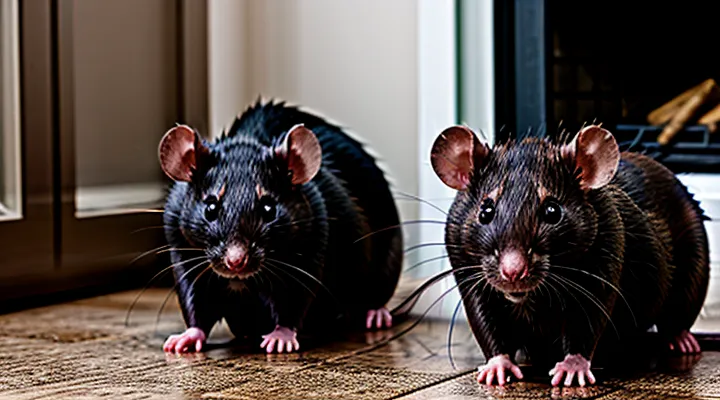
The Ideal Temperature Range for Rats
Optimal Ambient Temperature
Why Temperature Stability Matters
Temperature stability directly influences rat physiology. Fluctuations disrupt thermoregulation, causing rapid shifts in metabolic rate that alter energy consumption and body weight. Consistent ambient conditions support immune competence; sudden drops or rises suppress leukocyte activity and increase susceptibility to bacterial and viral infections.
Reproductive performance depends on a steady thermal environment. Stable temperatures maintain regular estrous cycles, improve sperm quality in males, and increase litter size and pup survival. Behavioral patterns, such as nesting and foraging, remain predictable only when temperature does not vary dramatically, reducing stress‑induced aggression and abnormal grooming.
Experimental reliability hinges on temperature control. Variable conditions introduce confounding factors that mask drug effects, genetic differences, or dietary interventions, compromising data validity. Uniform thermal settings also simplify cage management, allowing accurate calculation of feed conversion ratios and waste production.
Key reasons for maintaining temperature stability:
- Metabolic efficiency: minimizes unnecessary heat production and energy expenditure.
- Immune function: preserves optimal leukocyte activity and barrier integrity.
- Reproductive success: ensures regular cycles, viable sperm, and healthy litters.
- Behavioral welfare: reduces stress‑related behaviors and promotes natural activity.
- Research reproducibility: eliminates temperature‑related variability from experimental outcomes.
Implementing precise climate control equipment, monitoring devices, and alarm systems guarantees that the environment remains within the narrow range required for healthy, productive rats.
Consequences of Too Cold Environments
Maintaining an appropriate ambient temperature is essential for the health and productivity of laboratory rats. Temperatures below the species‑specific comfort range impose physiological stress that directly affects experimental outcomes.
- Hypothermia: core body temperature drops, leading to lethargy, impaired thermoregulation, and possible death.
- Metabolic slowdown: reduced enzymatic activity and slower digestion decrease weight gain and growth rates.
- Immune suppression: colder conditions diminish leukocyte function, increasing susceptibility to infections.
- Reproductive disruption: decreased fertility, irregular estrous cycles, and lower litter sizes are observed in chilled colonies.
- Behavioral alterations: increased nesting, reduced exploratory activity, and heightened aggression indicate discomfort.
- Elevated mortality: chronic exposure to low temperatures raises overall death rates, compromising colony stability.
These effects compromise data reliability, raise animal welfare concerns, and increase operational costs due to higher morbidity and replacement rates. Ensuring temperatures within the optimal range prevents the outlined adverse outcomes and supports consistent, reproducible research.
Risks of Overheating
Maintaining an appropriate ambient temperature is essential for rat health; exceeding the optimal range introduces several serious hazards.
- Heat stress manifests as rapid breathing, panting, and lethargy, indicating the animal’s inability to dissipate excess body heat.
- Dehydration follows when water consumption cannot compensate for increased evaporative loss, leading to reduced plasma volume and impaired organ function.
- Hyperthermia disrupts cardiovascular regulation, causing tachycardia and potential arrhythmias that may culminate in sudden death.
- Elevated temperatures weaken immune defenses, increasing susceptibility to bacterial and viral infections and prolonging recovery from injuries.
- Reproductive performance declines; females experience irregular estrous cycles, while males show reduced sperm quality and motility.
- Behavioral alterations, such as aggression or withdrawal, often precede physiological decline and can affect group dynamics in colony settings.
Prolonged exposure to temperatures above the recommended range therefore elevates mortality risk, compromises experimental reliability, and necessitates immediate environmental correction.
Factors Influencing Temperature Needs
Age and Health Considerations
Neonates and Pups
Maintaining proper thermal conditions for rat neonates and pups is essential for survival and growth. Newborn rats lack effective thermoregulation and depend on external heat sources until their fur and metabolic capacity develop.
- Ambient temperature should start at 30–32 °C (86–90 °F) during the first week of life.
- Reduce the temperature by 1–2 °C each subsequent week, reaching 24–26 °C (75–79 °F) by the fourth week.
- Provide a localized heat source, such as a heated pad or infrared lamp, covering only a portion of the cage to allow the young animals to move to cooler areas if needed.
- Monitor nest temperature with a calibrated thermometer; maintain a variance of no more than ±1 °C.
Insufficient warmth leads to hypothermia, reduced milk intake, and increased mortality. Excessive heat can cause dehydration and respiratory distress. Regular observation of pup behavior—vigorous activity, stable body weight gain, and absence of shivering—confirms that thermal conditions are appropriate. Adjustments should be made promptly in response to changes in litter size, ambient room temperature, or signs of thermal stress.
Elderly or Ill Rats
Elderly and ill rats require a stable thermal environment to support metabolism, immune function, and wound healing. The ambient temperature should be maintained between 21 °C and 24 °C (70 °F–75 °F). Temperatures lower than 20 °C increase the risk of hypothermia, while exceeding 25 °C can accelerate respiratory distress in compromised individuals.
Consistent temperature reduces the energy expenditure needed for thermoregulation, allowing more resources for recovery. Fluctuations greater than 2 °C within a 24‑hour period should be avoided; use a calibrated thermostat and verify readings with an independent thermometer placed at cage level.
Practical measures for senior or sick rats:
- Position cages away from drafts, air‑conditioning vents, and direct sunlight.
- Provide a localized heat source, such as a low‑intensity heating pad or ceramic heat emitter, covering no more than 25 % of the cage floor to prevent overheating.
- Ensure bedding is thick, low‑dust, and capable of retaining warmth without becoming soggy.
- Monitor humidity, keeping it between 40 % and 60 % to prevent respiratory irritation while allowing comfortable heat retention.
- Check temperature twice daily; adjust heating devices promptly if deviations are detected.
By adhering to these parameters, caretakers create a thermally supportive setting that minimizes stress and promotes the health of aged or ailing rats.
Environmental Variables
Humidity Levels
Maintaining appropriate humidity is essential for the health and comfort of laboratory and pet rats kept at the recommended temperature range. Relative humidity should be kept between 40 % and 60 % to prevent respiratory irritation, skin desiccation, and excessive microbial growth. Values below 40 % increase the risk of mucosal dryness and cracking of the nasal epithelium, while levels above 60 % foster mold, bacteria, and mite proliferation.
Stable humidity minimizes stress caused by rapid fluctuations. Aim for variations of no more than ±5 % over a 24‑hour period. Consistency can be achieved by:
- Using calibrated hygrometers to monitor conditions continuously.
- Employing humidifiers or dehumidifiers equipped with automatic control circuits.
- Sealing cages and rooms to reduce drafts and external moisture exchange.
- Performing regular maintenance on ventilation systems to ensure balanced air exchange without over‑drying.
Excessive humidity accelerates the decay of bedding and food, leading to ammonia buildup and odor problems. Conversely, overly dry air accelerates bedding degradation, requiring more frequent replacement. Adjust cleaning schedules according to observed humidity trends to maintain a hygienic environment.
When breeding colonies, slightly higher humidity (55 %–60 %) supports gestation and lactation, whereas adult maintenance groups tolerate the lower end of the range (40 %–50 %). Monitoring reproductive performance and offspring viability provides feedback on whether humidity levels are optimal for specific colony objectives.
Ventilation and Airflow
Proper ventilation directly influences the thermal environment of rat enclosures. Air movement removes excess heat generated by the animals and equipment, stabilizes ambient temperature, and prevents localized hot spots that can push the enclosure outside the desired thermal range.
Recommended airflow rates for standard rodent rooms range from 15 to 20 air changes per hour (ACH). Measuring devices such as anemometers or calibrated flow meters verify that supply and exhaust vents deliver the calculated volume. Consistent ACH maintains temperature uniformity across the space and reduces temperature gradients between cages.
Insufficient air exchange allows heat accumulation, leading to temperatures that exceed the optimal range for rats (approximately 20 °C – 24 °C). Elevated temperatures increase metabolic demand, stress levels, and the risk of heat‑related illnesses. Conversely, excessive airflow can cause drafts that lower cage temperature below the comfort zone, especially near vent openings.
Effective implementation includes:
- Installing high‑efficiency particulate air (HEPA) filters on supply ducts to preserve air quality while allowing adequate flow.
- Positioning cage racks perpendicular to airflow direction to promote even distribution.
- Using variable‑speed fans to adjust ACH according to seasonal temperature fluctuations.
- Monitoring temperature and humidity at multiple points within the room with calibrated sensors; integrating data into an automated control system ensures rapid response to deviations.
Regular maintenance of ventilation components—filter replacement, duct cleaning, and fan inspection—preserves performance and supports a stable thermal environment for the rodents.
Maintaining the Right Temperature
Heating Solutions
Safe Heat Sources
Rats require a stable ambient temperature typically between 18 °C and 24 °C; consistent warmth prevents stress and supports normal physiology. Selecting heat sources that deliver controlled, uniform heat without creating hot spots or combustion hazards is essential for laboratory and pet environments.
- Ceramic heat emitters – emit infrared radiation, provide steady warmth, and lack exposed elements that could be chewed.
- Thermostatically regulated heating pads – flat surface, low voltage, equipped with built‑in temperature control to maintain desired range.
- Heat lamps with enclosed glass shields – suitable for larger enclosures, deliver adjustable radiant heat while protecting rodents from direct flame.
- Warm water bottles – sealed containers filled with heated water, offer portable heat source for short‑term use; must be insulated to avoid surface burns.
Installation guidelines: position emitters at one end of the enclosure to create a temperature gradient, allowing rats to self‑regulate exposure. Maintain a minimum clearance of 5 cm between the heat source and cage walls to prevent overheating of bedding. Use a calibrated thermometer to verify zone temperatures daily.
Safety measures: inspect cords and protective casings for wear before each use; replace damaged components immediately. Ensure that all electrical devices meet local safety standards (e.g., UL, CE). Provide escape routes and cooler zones within the enclosure to avoid hyperthermia.
Routine maintenance: clean heat‑emitting surfaces weekly to remove debris that could impair heat distribution. Verify thermostat accuracy monthly by comparing with an independent temperature probe. Document temperature readings and any adjustments in a log for traceability.
Avoiding Direct Contact
Maintaining an optimal ambient temperature for rats—typically between 20 °C and 26 °C—requires precise environmental control. Direct contact between the animal’s body and external surfaces can disrupt heat regulation, leading to stress and physiological imbalance.
Key reasons to prevent direct contact include:
- Heat loss through conductive surfaces such as metal cages or cold bedding.
- Uneven temperature distribution caused by the animal’s weight pressing against one side of the enclosure.
- Increased risk of skin lesions and infection when the animal rests on abrasive or damp materials.
Effective strategies:
- Use cage liners made of insulating, non‑absorbent materials that separate the rat from the cage floor.
- Provide a layer of clean, dry bedding with sufficient depth to create a thermal buffer.
- Install temperature‑controlled platforms or hammocks that keep the animal elevated from colder surfaces.
- Regularly monitor cage temperature with calibrated probes placed at the animal’s head level, not directly on the cage floor.
- Rotate cages periodically to avoid localized cold spots caused by airflow patterns.
By eliminating direct contact with cold or conductive surfaces, the thermal environment remains stable, supporting the health and welfare of the rat colony.
Cooling Strategies
Hydration and Water Access
Rats housed within the recommended ambient temperature range (approximately 20‑24 °C) exhibit predictable water intake patterns. Below 20 °C, metabolic heat production reduces fluid loss, leading to a 10‑15 % decline in daily consumption. Above 24 °C, evaporative cooling increases demand; intake can rise by 20‑30 % at 27 °C and may double at temperatures approaching 30 °C. Adjusting water availability to match these shifts prevents dehydration and supports thermoregulation.
Reliable delivery systems are essential. Preferred devices include:
- Sipper bottles with stainless‑steel or polycarbonate spouts; they maintain flow at varied temperatures and resist rodent damage.
- Bottles equipped with anti‑spillage valves to limit waste when rats increase drinking frequency in warmer conditions.
- Water dispensers positioned at cage height that allows easy access without forcing the animal to stretch, reducing stress and encouraging consistent intake.
Maintenance procedures must address temperature‑related challenges. Condensation forms on bottle exteriors when ambient humidity rises; wiping excess moisture prevents bacterial growth and reduces the risk of water temperature fluctuations caused by evaporative cooling. Cleaning cycles should occur at least twice weekly, using mild, non‑residual detergents and thorough rinsing to avoid taste alteration, which can deter drinking.
Monitoring protocols reinforce proper hydration. Daily checks should record:
- Volume remaining in each bottle.
- Visible signs of leakage or blockage.
- Temperature of the water surface, measured with a calibrated probe if ambient conditions exceed 25 °C.
Comparing recorded consumption against established baselines (e.g., 30 ml per 100 g body weight per day at 22 °C) highlights deviations that may signal temperature stress or health issues. Prompt corrective actions—such as increasing bottle capacity, adjusting cage placement away from heat sources, or providing supplemental cool water trays—maintain hydration equilibrium throughout the temperature spectrum.
Air Circulation Methods
Effective air movement is essential for preserving a stable thermal environment in rat enclosures. Proper circulation distributes heat evenly, prevents localized hot spots, and reduces the risk of temperature spikes that can stress the animals.
- Passive ventilation: Openable windows or louvers allow natural airflow, equalizing indoor and outdoor temperatures without mechanical input. Position openings opposite each other to create cross‑drafts that move air through the cage area.
- Inline fans: Low‑speed fans installed in ductwork generate controlled airflow across the housing room. Select a fan with adjustable speed to match the required air exchange rate, typically 5–10 air changes per hour for small‑animal facilities.
- HVAC diffusers: Ceiling or wall diffusers connected to a central heating, ventilation, and air‑conditioning system supply conditioned air directly into the rat room. Balance supply and return ducts to maintain consistent temperature throughout the space.
- Air exchangers: Heat‑recovery ventilators (HRVs) or energy‑recovery ventilators (ERVs) introduce fresh air while retaining heat, minimizing energy loss and keeping ambient temperature within the desired range.
- Perforated shelving: Wire or slatted cage racks allow air to flow beneath and above each cage, eliminating stagnant layers that can cause temperature gradients.
When implementing any method, monitor airflow velocity at cage level; speeds above 0.2 m s⁻¹ may create drafts that lower perceived temperature for the rodents. Combine circulation with accurate thermostatic control to achieve the target thermal conditions reliably.
Monitoring and Troubleshooting
Recognizing Signs of Discomfort
Behavioral Cues
Rats display distinct behaviors that reveal whether the ambient environment meets their thermal needs. Accurate interpretation of these cues enables precise temperature management in laboratory and pet settings.
- Posture – relaxed, stretched body indicates comfort; hunching or curling tightly suggests cold stress.
- Nest construction – extensive bedding manipulation and thick nest formation signal attempts to conserve heat; minimal or absent nesting denotes adequate warmth.
- Activity level – sustained locomotion and exploration correspond with optimal temperature; reduced movement or lethargy often reflects cold or excessive heat.
- Grooming frequency – frequent grooming can be a response to overheating; sparse grooming may accompany cold conditions.
- Vocalizations – high‑pitched squeaks increase under thermal discomfort, particularly when temperature drops sharply.
- Thermoregulatory actions – seeking heat sources, such as lamps or warm corners, or moving to cooler zones, directly reflect the animal’s assessment of ambient temperature.
Each behavior provides a quantitative metric for environmental assessment. For example, a consistent pattern of tight curling combined with dense nest material typically warrants a temperature increase of 2–3 °C. Conversely, persistent grooming and avoidance of heated areas suggest the need to lower ambient temperature by a similar margin.
Routine observation should integrate these indicators into daily health checks. Record posture, nest quality, activity, grooming, vocalizations, and zone preference at set intervals. Compare trends against established baseline values for the specific rat strain to determine necessary adjustments. This systematic approach ensures that temperature conditions remain within the optimal range for physiological stability and experimental reliability.
Physical Symptoms
Rats exhibit distinct physiological responses when housed outside the optimal ambient temperature range.
- Reduced core temperature triggers shivering, huddling behavior, and decreased locomotor activity.
- Persistent cold exposure leads to peripheral vasoconstriction, manifested as pale extremities and delayed wound healing.
Elevated temperatures produce a different set of signs.
- Increased respiration rate, open-mouth breathing, and visible panting indicate thermoregulatory stress.
- Excessive salivation, drooling, and rapid heart rate accompany heat strain.
- Lethargy, loss of appetite, and diminished grooming correlate with prolonged overheating.
Additional observable effects include weight fluctuations, brittle or disheveled fur, and altered stool consistency. Monitoring these physical symptoms enables timely adjustments to environmental conditions, ensuring rat welfare and experimental reliability.
Responding to Temperature Extremes
Emergency Measures for Heat Stress
Heat stress can develop rapidly in rodents when ambient temperature exceeds their physiological tolerance, leading to dehydration, hyperthermia, and mortality. Immediate intervention is essential to prevent irreversible damage.
Emergency response protocol
- Relocate affected rats to a cooled environment (e.g., a room maintained at 18–20 °C) within minutes of symptom onset.
- Provide fresh, cool drinking water; consider offering electrolyte‑balanced solutions if dehydration is evident.
- Apply cool, damp cloths to the cage walls or use chilled pads beneath the cage to lower surface temperature without causing shock.
- Monitor core body temperature with a rectal probe; aim to reduce temperature to ≤38 °C before further action.
- If hyperthermia persists, administer subcutaneous sterile saline (10 ml/kg) to promote fluid balance, following veterinary dosage guidelines.
- Document the incident, including environmental readings, response times, and outcomes, to refine preventive measures.
Prompt execution of these steps restores thermal equilibrium and safeguards the health of the colony during temperature emergencies.
Addressing Hypothermia
Maintaining an ambient environment that prevents a drop in body temperature is essential for the health of laboratory and pet rats. When ambient conditions fall below the lower thermal comfort range, rats can develop hypothermia, which compromises immune function, reduces activity, and may lead to mortality.
Key indicators of hypothermia include shivering, huddling, reduced responsiveness, and a drop in core temperature below 35 °C (95 °F). Immediate assessment should involve measuring rectal temperature with a calibrated probe and observing behavioral signs.
Effective interventions:
- Raise ambient temperature gradually by 2–3 °C (3–5 °F) using thermostatically controlled heating devices.
- Provide nesting material (e.g., shredded paper, cotton) to allow self‑generated warmth.
- Offer a heated pad or ceramic heat plate, ensuring the surface temperature does not exceed 30 °C (86 °F) to avoid burns.
- Increase dietary energy density; high‑fat or high‑carbohydrate feeds supply metabolic heat.
- Reduce drafts by sealing gaps in cages, racks, and room ventilation.
If hypothermia persists after environmental adjustments, administer warmed sterile saline subcutaneously (approximately 10 ml/kg) and monitor temperature every 15 minutes until stabilization above 35 °C. Record all interventions for future reference and adjust housing protocols to keep ambient conditions within the optimal thermal band for rats.