
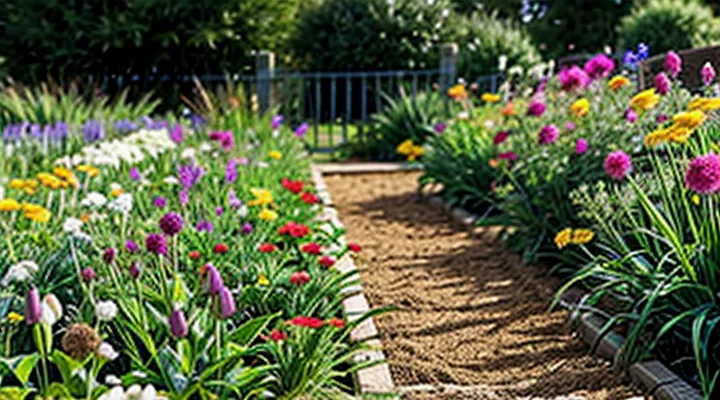
Understanding Field Mice in Your Garden
Identifying Field Mice «Signs and Damage»
Visual Confirmation «Spotting the Pests»
Accurate visual identification is the initial phase of any rodent‑control program for garden beds. Recognizing the presence of field mice before damage escalates enables timely intervention and reduces reliance on extensive chemical measures.
Observable indicators include:
- Fresh droppings, 3‑5 mm long, dark brown, found near plant bases, mulch, or along pathways.
- Gnaw marks on stems, seed heads, and wooden garden structures; characteristic semicircular bites with clean edges.
- Small, shallow runways in loose soil or compost, often crossing the same point repeatedly.
- Nests constructed from shredded leaves, grass, or paper, typically hidden under debris, in raised beds, or within dense ground cover.
- Presence of live or dead mice, especially near dusk or early morning when activity peaks.
Effective inspection follows a systematic routine:
- Conduct surveys during cool evenings or early mornings when mice are most active.
- Use a handheld flashlight to illuminate low‑lying foliage and soil crevices.
- Examine each plant row from both ends, noting any disturbances or signs listed above.
- Record observations on a simple grid map of the garden, marking locations of each indicator.
Documented evidence guides the selection of appropriate control methods, such as targeted trapping, habitat modification, or exclusion devices, and provides a baseline for measuring the success of subsequent actions.
Characteristic Damage «Chew Marks and Tunnels»
Field mice inflict two primary forms of damage on cultivated garden areas: surface chew marks and subsurface tunnel networks.
Chew marks appear as clean, shallow cuts on stems, leaves, and tender roots. The bites are uniform, often removing a narrow strip of tissue without crushing the plant. Repeated feeding creates ragged edges that impede photosynthesis and increase susceptibility to disease.
Tunnel networks develop beneath the soil surface. Mice excavate sinuous passages that disrupt root systems, loosen soil structure, and create voids that collapse under irrigation or heavy rain. Visible signs include raised ridges of soil, displaced mulch, and occasional piles of loose earth at tunnel entrances.
Both damage types compromise plant health, reduce yield, and create entry points for secondary pests and pathogens. Prompt identification and targeted control measures are essential to preserve garden productivity.
Field Mouse Biology and Behavior «Knowing Your Enemy»
Diet and Habits «What Attracts Them»
Field mice are omnivorous mammals whose foraging patterns bring them into cultivated areas. They consume seeds, grains, fruits, insects, and organic debris, moving primarily at night. Their keen sense of smell enables detection of food sources hidden beneath mulch or soil, while their ability to gnaw allows access to stored produce.
Typical attractants include:
- Seed heads of cereals, wheat, or barley left after harvest.
- Fallen fruit, berries, or vegetable scraps on the ground.
- Freshly planted seedlings with tender foliage.
- Compost piles rich in organic matter, especially those lacking a secure lid.
- Mulch, straw, or wood chips that conceal food and provide cover.
- Insect populations that serve as supplemental protein.
Behavioral traits that increase garden exposure are nocturnal activity, territorial scouting along hedgerows, and nesting in burrows close to dense vegetation. Mice exploit gaps in fencing, climb low walls, and use irrigation channels as travel routes. Understanding these dietary preferences and movement habits allows precise identification of high‑risk zones and informs targeted preventive measures.
Reproduction Cycle «Rapid Population Growth»
Field mice reproduce quickly, allowing populations to expand from a few individuals to dozens within weeks. Breeding begins in early spring when temperatures rise above 10 °C, and continues through late summer. Each female can produce multiple litters per season; gestation lasts roughly 19–21 days, and litters contain 5–8 pups on average. Off‑spring reach sexual maturity at 6–8 weeks, enabling a new generation to breed before the first generation’s reproductive period ends.
Key factors that accelerate growth include:
- Abundant seed and seedling availability providing constant food.
- Dense ground cover offering shelter from predators.
- Mild, moist soil conditions that protect nests.
These conditions create a feedback loop: plentiful food supports higher litter survival, while cover reduces predation, leading to successive, overlapping generations. In a typical garden plot, a single pair can generate over 200 individuals within three months if unchecked.
Effective mitigation relies on interrupting this cycle. Strategies focus on reducing food sources, limiting shelter, and preventing breeding:
- Remove fallen fruit, seeds, and weeds that serve as sustenance.
- Trim grass and mulch to expose ground, discouraging nest construction.
- Install physical barriers such as fine mesh around planting beds.
- Employ regular trapping to remove breeding adults before they produce litters.
By targeting the reproductive timeline and environmental supports, gardeners can prevent rapid population spikes and maintain a manageable mouse presence.
Prevention Strategies
Garden Hygiene «Keeping Them Away»
Eliminating Food Sources «Fallen Fruits and Seeds»
Removing fallen fruit and stray seeds deprives field mice of easy nutrition, directly limiting population growth in a garden. Prompt collection prevents the rodents from establishing a reliable foraging zone, which otherwise supports breeding cycles and seasonal expansion.
Effective practices include:
- Daily inspection of the planting area for dropped produce.
- Immediate removal of any fruit that contacts the soil.
- Use of a fine‑mesh rake to gather scattered seeds.
- Placement of collected material in sealed containers for composting or disposal.
- Installation of low‑profile barriers around beds to deter mice from entering from adjacent lawns.
Consistent execution of these steps reduces available food, weakens mouse colonies, and enhances the overall health of cultivated plants.
Removing Shelter «Weeds and Debris»
Effective control of field mice in a garden plot begins with eliminating the shelter they exploit. Weeds and scattered debris create dense cover, protect predators from sight, and maintain moisture that supports rodent nesting. Removing these elements directly reduces the number of viable hideouts and forces mice to seek less suitable habitats.
Regular maintenance disrupts mouse activity cycles. Manual weeding, careful raking, and prompt disposal of plant litter prevent regrowth and eliminate existing tunnels. Mulch applied in thin layers discourages burrowing while allowing soil aeration. Compost bins should be sealed, and organic waste stored in containers with tight-fitting lids to avoid providing additional refuge.
Practical steps:
- Inspect the plot weekly; identify and mark dense weed patches and accumulations of fallen leaves, twigs, or garden tools.
- Pull or cut weeds at the base, ensuring root removal to prevent re-sprouting.
- Rake the soil surface to expose and collapse any shallow burrows; collect the material in a compost pile that is turned regularly.
- Apply a calibrated layer of coarse mulch (no more than 2 inches) to suppress weed germination and deter digging.
- Store garden debris in sealed bags or bins; remove them from the plot promptly.
- Schedule a quarterly deep clean: remove all surface litter, till the soil to a depth of 6–8 inches, and reapply mulch as needed.
Consistent execution of these measures removes the primary shelter that supports field mice, thereby lowering their population density and protecting cultivated plants.
Physical Barriers «Excluding Access»
Fencing and Netting «Above-Ground Protection»
Above‑ground barriers provide a physical obstacle that prevents field mice from entering cultivated soil. Rigid wire mesh, such as 1/4‑inch galvanized hardware cloth, blocks the small bodies and claws of rodents while allowing water and air to pass. When installed directly over the planting area, the mesh should extend at least 12 inches beyond the plot’s perimeter and be anchored with sturdy stakes or buried a few inches to deter burrowing beneath the barrier.
Netting made from fine polypropylene or nylon strands offers a flexible alternative for irregularly shaped beds. The mesh size must not exceed ¼ inch to stop juvenile mice. Secure the netting to a perimeter frame using zip ties or stainless‑steel clips, and tension it to eliminate sagging that could create entry points. Overhead netting should be fastened to sturdy posts, creating a cage‑like enclosure that protects seedlings from climbing rodents.
Regular inspection maintains barrier integrity:
- Check for tears, rust, or displaced sections weekly.
- Repair damage with matching mesh and corrosion‑resistant fasteners.
- Clean debris that could conceal gaps or provide nesting material.
- Replace netting after prolonged UV exposure or physical wear.
Combined with proper sanitation and crop rotation, above‑ground fencing and netting form a reliable component of an integrated rodent‑control program for garden plots.
Underground Barriers «Root Protection»
Underground barriers designed for root protection create a physical separation between garden plant roots and burrowing field mice. The barriers consist of durable, rigid material—typically high‑density polyethylene or galvanized steel mesh—inserted at a depth of 15–20 cm below the soil surface. This depth exceeds the typical tunnel level of Mus musculus, preventing direct access to root zones while allowing water and nutrient flow.
Installation follows a straightforward sequence:
- Excavate a narrow trench around the perimeter of the planting area, maintaining a uniform width of 10 cm.
- Lay the barrier sheet with the mesh facing upward, ensuring continuous contact with the trench walls.
- Backfill the trench with native soil, compacting gently to eliminate gaps.
- Overlap adjacent barrier sections by at least 30 cm and seal the joint with soil‑grade tape to maintain integrity.
The barrier’s effectiveness relies on three factors: material rigidity, proper depth placement, and uninterrupted coverage. Rigid mesh resists chewing, while the specified depth places the barrier below the mice’s typical tunnel level. Continuous coverage eliminates entry points; any breach can become a focal point for re‑infestation.
Maintenance requires periodic visual inspection for soil erosion, barrier displacement, or damage caused by other pests. If erosion is observed, refill the affected area and compact the soil to restore the protective envelope. Replacement of compromised sections restores full functionality and sustains long‑term protection of garden roots from field mouse activity.
Companion Planting and Repellents «Natural Deterrents»
Repellent Plants «Herbs and Flowers»
Herbs and flowers that emit strong scents or bitter compounds deter rodents from entering cultivated areas, offering a natural, low‑maintenance strategy for reducing mouse activity in garden beds.
-
Mint (Mentha spp.) – releases menthol, a volatile oil unpleasant to rodents; spreads aggressively, so contain with edging.
-
Rosemary (Salvia rosmarinus) – aromatic needles contain camphor and rosmarinic acid; plant in sunny spots, prune regularly to maintain vigor.
-
Lavender (Lavandula angustifolia) – essential oil linalool repels mice; prefers well‑drained soil and full sun.
-
Thyme (Thymus vulgaris) – thymol content creates an unfriendly environment for pests; suitable for ground cover between rows.
-
Sage (Salvia officinalis) – bitter leaves emit cineole; thrives in moderately dry conditions.
-
Marigold (Tagetes spp.) – produces thiophenes that discourage rodents; plant along perimeter to create a chemical barrier.
-
Chrysanthemum (Chrysanthemum × morifolium) – contains pyrethrins, effective against small mammals; select hardy varieties for border planting.
-
Aster (Aster spp.) – fragrant foliage and nectar attract beneficial insects while deterring mice; suitable for late‑season planting.
-
Daisy (Bellis perennis) – low‑growth habit and mild bitterness contribute to deterrence; intersperse with vegetables for ground cover.
Effective deployment requires strategic placement: position aromatic herbs at the edges of the plot where mice first encounter the scent, and intermix repellent flowers among vegetable rows to interrupt foraging paths. Maintain plant health through regular watering, mulching, and removal of spent foliage to preserve volatile compound production. Avoid over‑watering, which can dilute scent intensity.
Integrating these species reduces reliance on chemical rodenticides, supports pollinator activity, and enhances overall garden biodiversity while keeping rodent pressure low.
Natural Repellents «Oils and Sprays»
Field mice regularly invade garden beds, gnawing seedlings and contaminating soil. Natural repellents based on concentrated oils and aqueous sprays offer a non‑chemical alternative that deters rodents without harming crops.
Essential oils with strong aromatic profiles—peppermint, clove, eucalyptus, and garlic—act as olfactory irritants. When diluted to 5 % in carrier oil or water and applied to the perimeter of planting rows, the scent creates an invisible barrier. Effective delivery methods include:
- Soaking cotton balls in diluted peppermint oil and placing them near vulnerable plants.
- Adding a few drops of clove oil to a watering can and misting the soil surface weekly.
- Sprinkling dried garlic powder around seedling zones and re‑wetting with a light oil solution after rain.
Aqueous sprays combine essential oils with mild surfactants to improve adhesion to foliage. A typical formulation consists of:
- 1 L water
- 10 mL peppermint oil
- 5 mL liquid dish soap (as emulsifier)
- Optional 20 mL white vinegar for added acidity
Mix the ingredients in a spray bottle, shake vigorously, and apply to plant stems and surrounding ground cover every 3–4 days during peak activity periods. Reapply after heavy rainfall.
These repellents pose minimal risk to beneficial insects, pets, and humans when used at recommended concentrations. Avoid direct contact with eyes and do not spray on edible parts shortly before harvest.
Integrating oil‑based deterrents with cultural controls—regular removal of fallen fruit, trimming of dense ground cover, and placement of physical barriers—enhances overall efficacy and reduces reliance on traps or synthetic poisons.
Control and Eradication Methods
Trapping «Humane and Lethal Options»
Live Traps «Catch and Release»
Live traps labeled “Catch and Release” offer a humane method for reducing mouse activity within garden beds. The devices capture rodents without injury, allowing gardeners to relocate them away from cultivated areas.
Effective traps share several design elements. They feature a sturdy cage of at least 10 × 10 × 12 cm, a sensitive trigger plate that activates with minimal pressure, and a smooth interior to prevent escape. Bait choices such as peanut butter, sunflower seeds, or dried fruit attract mice quickly; a small amount placed on the trigger plate maximizes capture rates.
Placement determines success. Position traps along established runways, near the base of plants, and close to shelter sites. Avoid direct sunlight and heavy foot traffic. Check traps twice daily; prolonged confinement increases stress and reduces release viability.
When releasing captured mice, follow these steps:
- Transport the cage to a site at least 200 m from the garden, preferably a wooded or field area with natural cover.
- Open the trap on the ground, allowing the animal to exit voluntarily.
- Observe the mouse for a few moments to ensure it leaves the immediate vicinity.
- Return the empty trap to the garden, resetting bait as needed.
Regular monitoring, prompt release, and strategic trap placement maintain low mouse populations while preserving ecological balance in the garden plot.
Snap Traps «Effective and Quick»
Snap traps provide a rapid, mechanical solution for reducing field‑mouse populations in vegetable and ornamental beds. The device relies on a spring‑loaded bar that delivers an instantaneous, lethal force when a mouse triggers the trigger plate. Because the mechanism does not involve poison, it eliminates the risk of contaminating edible crops and avoids secondary poisoning of predators.
Key characteristics of an effective, quick‑acting snap trap:
- High‑tension spring – generates sufficient force to ensure immediate incapacitation.
- Sensitive trigger – activates with minimal pressure, capturing even cautious rodents.
- Secure bait compartment – holds attractants such as peanut butter or grain without exposing them to the environment.
- Durable housing – resistant to moisture and soil, maintaining functionality throughout rainy periods.
- Easy disposal – hinged lid allows swift removal of captured mice, reducing handling time.
Implementation steps:
- Position traps along established runways, near burrow entrances, and adjacent to food sources.
- Bait each trap with a small amount of high‑fat attractant; avoid excess to prevent spillage.
- Set the trigger mechanism according to manufacturer instructions, ensuring the spring is fully tensioned.
- Check traps daily; remove captured rodents, reset the device, and replenish bait as needed.
- Rotate trap locations weekly to prevent mice from learning avoidance patterns.
When deployed consistently, snap traps achieve rapid population decline, limit crop damage, and maintain a safe, pesticide‑free garden environment.
Trap Placement «Strategic Locations»
Effective rodent control in a garden bed relies on precise trap positioning. Placement determines capture rates and minimizes disruption to plants and beneficial wildlife.
Select sites where mice travel regularly. Ideal points share three characteristics: proximity to food sources, access to shelter, and clear travel paths. Position traps near seed heads, root zones, or compost piles, but keep them out of direct contact with tender seedlings.
- Along the perimeter of the plot where mice enter from surrounding vegetation.
- Adjacent to the base of tall plants that provide cover, such as tomato stakes or cucumber trellises.
- Near moisture sources, including drip lines, low spots, or irrigation emitters.
- In the shadow of garden structures—shed walls, tool sheds, or raised‑bed frames—where mice seek shelter.
- Directly beneath or beside nesting material piles, such as shredded newspaper or straw mulch.
After installation, inspect traps daily, record captures, and relocate any unproductive devices. Replace bait promptly and rotate trap positions every two weeks to prevent habituation. Continuous monitoring sustains low mouse activity and protects crop yields.
Baits and Poisons «Chemical Solutions»
Rodenticide Types «Understanding the Risks»
Effective control of field mice in a garden requires precise knowledge of available rodenticides and the hazards they present. Selecting a product without understanding its mode of action, toxicity profile, and environmental impact can jeopardize beneficial wildlife, pets, and human health.
-
Anticoagulant rodenticides
• First‑generation (warfarin, diphacinone) – require multiple feedings, lower persistence.
• Second‑generation (brodifacoum, bromadiolone) – single‑feed lethal, high bioaccumulation. -
Metal phosphides
• Zinc phosphide – releases phosphine gas after ingestion, rapid action, limited residual risk. -
Vitamin D3 analogues
• Cholecalciferol – induces hypercalcemia, slower onset, low secondary toxicity. -
Acute neurotoxins
• Bromethalin – disrupts mitochondrial function, effective against resistant populations.
Each class exhibits distinct risk factors. Anticoagulants can persist in animal tissues, leading to secondary poisoning of predators and scavengers. Second‑generation compounds pose the greatest accumulation potential, demanding strict compliance with label restrictions. Metal phosphides generate toxic gas if baits are mishandled, creating inhalation hazards. Vitamin D3 agents may affect non‑target mammals that ingest bait inadvertently, though the risk is lower than with anticoagulants. Neurotoxins can cause irreversible damage to non‑target species if exposure occurs.
Safe application hinges on precise dosing, secure bait placement, and protective measures. Use bait stations that exclude birds and larger mammals, position them near mouse activity zones, and limit exposure to children and pets. Wear gloves and eye protection during handling, and record the amount applied for future reference. Monitor bait consumption regularly; discontinue use once activity declines to avoid unnecessary environmental loading.
Understanding the toxicology, persistence, and regulatory constraints of each rodenticide type enables informed decisions that protect garden productivity while minimizing collateral harm.
Safe Baiting Practices «Protecting Non-Target Animals»
Effective rodent control in a garden requires bait that eliminates field mice without harming birds, beneficial insects, or pets. Selecting a bait formulation that is specifically designed for small mammals reduces the likelihood of accidental ingestion by non‑target species.
Safe baiting practices rest on three principles: species‑specific toxicity, physical barriers, and precise placement. Toxicants approved for mouse control are typically low‑toxic to larger mammals and birds; however, the risk remains if bait is accessible. Physical barriers such as bait stations with entry slots sized for mice prevent larger animals from reaching the poison. Placement strategies keep bait away from foraging areas used by wildlife.
Practical steps:
- Use tamper‑resistant bait stations rated for mouse use only.
- Position stations along established mouse pathways, at least 2 m from bird nesting sites, butterfly host plants, and pet activity zones.
- Install stations at ground level or slightly recessed to discourage climbing by birds.
- Apply a minimal amount of bait, just enough to attract the target rodents.
- Mark each station with a visible indicator to facilitate regular inspection.
Regular monitoring ensures that only the intended pest consumes the bait. Inspect stations weekly, remove any uneaten bait, and replace with fresh product if activity declines. Document observations of non‑target interactions; adjust station locations or upgrade to more selective formulations if incidental exposure is detected. This disciplined approach maintains rodent suppression while preserving the garden’s broader ecosystem.
Natural Predators «Encouraging Wildlife»
Attracting Owls and Hawks «Birdhouses and Perches»
Attracting owls and hawks to a garden plot requires purposeful installation of birdhouses and perches that meet the hunting and nesting preferences of these raptors. Durable wooden or metal birdhouses should be mounted 12–15 feet above ground, facing a clear line of sight toward open fields or hedgerows. Entrance holes sized 4–5 inches accommodate medium‑sized owls such as the barn owl; larger openings (6–8 inches) suit hawks like the red‑tailed hawk. Secure the structures to sturdy posts or existing trees to prevent wobble in wind.
Perches function as observation platforms and resting spots. Install metal or natural‑branch perches at heights of 10–14 feet, spaced 20–30 feet apart to allow birds to scan for prey without obstruction. Position perches near water sources and away from dense shrubbery to maximize visibility. Ensure perches are firmly anchored and free of sharp edges that could injure the birds.
Maintenance guidelines:
- Inspect birdhouses quarterly for damage, parasite buildup, and debris.
- Replace worn nesting material annually; use untreated wood shavings or straw.
- Clean perches with a mild soap solution, rinse thoroughly, and dry before reinstalling.
- Monitor local wildlife regulations; obtain permits if required for nesting structures.
Benefits of this approach include natural suppression of rodent activity, reduced reliance on chemical controls, and enhanced biodiversity. By providing suitable habitats, owls and hawks establish territories that directly target field mice, leading to measurable declines in population density across the garden area.
Other Predators «Cats and Snakes»
Cats and snakes can serve as effective natural predators for field mice that invade garden beds. Domestic cats, when allowed outdoors under supervision, hunt small rodents by sight and scent, reducing mouse populations without chemical intervention. Garden‑friendly snake species, such as garter snakes, locate prey through heat detection and can eliminate mice that hide beneath mulch or in burrows.
Key considerations for employing these predators:
- Cat management: Provide shelter, water, and regular veterinary care; prevent predation on beneficial wildlife by selecting cats with a moderate hunting drive.
- Snake habitat: Maintain stone piles, log stacks, or dense groundcover to attract snakes; avoid pesticide use that could harm them.
- Safety: Ensure cats are vaccinated against rabies and parasites; verify that local regulations permit keeping non‑venomous snakes.
- Monitoring: Record mouse sightings before and after predator introduction to assess impact and adjust strategies accordingly.
Integrating cats and snakes into a garden’s pest‑control plan complements other measures such as habitat modification and trapping, creating a multi‑layered approach that sustainably suppresses mouse activity.
Long-Term Garden Management
Integrated Pest Management «A Holistic Approach»
Regular Monitoring «Early Detection»
Regular monitoring provides the earliest indication of field‑mouse activity, allowing swift intervention before populations expand. Inspectors should walk the garden perimeter and interior at consistent times each day, recording any fresh gnaw marks, droppings, or burrow openings. Documentation in a simple log—date, location, and observed signs—creates a reference for trend analysis.
Key components of an effective early‑detection routine include:
- Visual sweep of plant rows and mulch layers during early morning when rodents are most active.
- Placement of motion‑activated cameras at known entry points to capture nocturnal movement.
- Use of non‑lethal bait stations equipped with tracking powder to confirm presence without harming beneficial wildlife.
- Weekly review of trap catch records to identify shifts in capture rates.
Prompt response follows detection. When evidence appears, immediate steps involve sealing entry gaps, deploying targeted snap traps or live‑catch devices, and applying rodent‑repellent barriers around vulnerable seedlings. Maintaining the monitoring schedule ensures that any resurgence is caught at the initial stage, preventing widespread damage to the garden plot.
Adapting Strategies «Seasonal Adjustments»
Effective control of field mice in a garden plot requires distinct tactics for each season. In spring, when vegetation begins to emerge, mice seek shelter and food sources. Deploy dense mulches and straw barriers around seedling rows to block entry points. Install short‑length copper wire or hardware cloth at ground level to deter burrowing. Increase the presence of natural predators by installing raptor perches or encouraging barn owl nesting boxes.
During summer, abundant foliage provides cover and abundant seed heads attract rodents. Reduce shelter by regularly trimming low‑lying plants and removing excess debris. Apply non‑chemical repellents, such as powdered garlic or peppermint oil, along plant bases and pathways. Set snap traps or electronic devices in high‑traffic corridors, checking and resetting them daily.
In autumn, rodents store food for winter, increasing foraging activity. Harvest and dispose of fallen fruit, seeds, and weeds promptly. Replace mulch with coarse, sharp‑edged bark to discourage nesting. Position bait stations with low‑risk, rodent‑specific bait, ensuring they are inaccessible to pets and wildlife.
Winter conditions limit mouse movement, but underground nests persist. Seal cracks in garden borders, raised beds, and surrounding structures with silicone or steel wool. Maintain a thin layer of straw or shredded paper as a monitored trap surface; replace it regularly to expose any hidden activity. Consistent seasonal adjustments minimize population growth and protect garden crops throughout the year.
Garden Design for Pest Resistance «Future-Proofing Your Plot»
Crop Rotation «Disrupting Habitats»
Crop rotation replaces a single crop with a sequence of different species over successive growing seasons. This practice alters the soil environment, interrupts the life cycle of many pests, and reduces the availability of continuous food sources for field mice that forage in garden beds.
By regularly changing plant families, the structural complexity of the habitat shifts. Cover crops that provide dense ground cover are removed, and less favorable vegetation replaces them. The resulting loss of sheltered nesting sites and predictable foraging routes forces mice to relocate, lowering their population density in the targeted area.
Practical implementation:
- Alternate root vegetables (e.g., carrots, beets) with leafy greens (e.g., lettuce, kale) each year.
- Insert a non‑host crop such as beans or peas after a season of cereals to break seed availability.
- Include a period of bare soil or low‑growth cover (e.g., clover) to expose ground and reduce hiding places.
- Rotate plot sections on a three‑year cycle: high‑risk area → low‑risk area → rest period.
Elevated Garden Beds «Reducing Accessibility»
Elevated garden beds create a physical barrier that limits the ability of small rodents to reach the soil and plant roots. By raising the planting medium several inches above ground level, the direct path for field mice to enter the growing zone is interrupted, forcing them to navigate vertical obstacles that they typically avoid.
The effectiveness of this barrier depends on several construction details. A smooth, non‑porous support structure prevents mice from climbing. Continuous side walls without gaps eliminate footholds. A minimum height of 12–18 inches provides sufficient distance from the surrounding ground to discourage burrowing beneath the bed.
- Use metal or treated lumber with a smooth finish for frame edges.
- Install a solid, uninterrupted skirt around the perimeter, extending at least 2 inches below the bottom of the bed.
- Apply a thin layer of metal flashing or hardware cloth on the interior side walls to block climbing.
- Ensure all joints are tightly fastened; loose screws create entry points.
Materials that resist gnawing, such as PVC or hardened plastic, further reduce the risk of damage. When selecting soil mixes, incorporate coarse sand or small gravel to increase texture hardness, making it less inviting for rodents to dig.
Potential drawbacks include reduced ease of access for gardeners and increased construction cost. To mitigate limited accessibility, integrate removable panels or hinged sections that allow quick entry for planting and maintenance while retaining the barrier when closed. Additionally, position beds near existing structures—fences, walls, or raised pathways—to limit the distance mice must travel to reach the bed’s base.
Overall, elevated beds that incorporate smooth, continuous sidewalls, anti‑climb materials, and secure joints provide a reliable method for decreasing field mouse activity within a garden plot, while design adaptations can address the trade‑off between pest control and gardener convenience.