
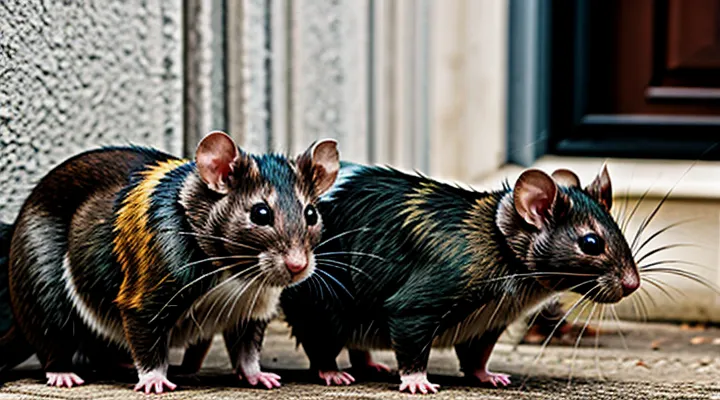
Understanding Rat Coat Genetics
Basic Principles of Heredity
Dominant and Recessive Genes
The variety of fur coloration in ornamental rats results from a defined set of genetic factors. Each factor corresponds to a specific allele that influences pigment production, distribution, or suppression.
Dominant alleles express their effect when present in a single copy. Common dominant genes include:
- A (agouti) – produces a banded hair pattern; masks recessive solid colors.
- B (black) – yields solid black coat; overrides most other colors except those controlled by epistatic loci.
- D (dilute) – lightens the intensity of black or brown pigments; visible in heterozygous form.
Recessive alleles require two copies to manifest. Frequently observed recessive genes are:
- c (albino) – eliminates all pigment, resulting in a white coat with pink eyes.
- c^ch (chocolate) – converts black pigment to a brown shade; expressed only when homozygous.
- e (extension) – restricts pigment to the extremities, producing a pointed pattern.
Interactions between dominant and recessive loci determine the final phenotype. When a dominant allele occupies the same pathway as a recessive one, the dominant effect prevails (e.g., B masks c^ch). Epistatic genes such as c can suppress pigment production entirely, overriding any color‑enhancing alleles. Heterozygous carriers of recessive genes appear phenotypically normal but transmit the allele to offspring, influencing litter composition.
For breeders, understanding the inheritance patterns of these alleles enables precise prediction of coat outcomes. By tracking parental genotypes, one can calculate expected ratios of each color type in progeny and maintain desired lines through selective mating.
Polygenic Traits
Polygenic traits arise from the combined action of several genes, each contributing a modest effect to the overall phenotype. In ornamental rodents, coat pigmentation exemplifies such a trait, because the visible hue results from the additive and interactive influences of multiple loci.
The genetic architecture of rat fur coloration includes major pigmentation genes (e.g., C, A, B) and a series of modifier loci that adjust intensity, pattern, and hue. Allelic variation at each locus produces incremental shifts in melanin synthesis, while epistatic interactions can suppress or enhance specific color components. The net phenotype reflects the sum of these contributions, producing a continuum rather than discrete categories.
Breeders who aim to produce specific color variants must consider the quantitative nature of inheritance. Selection based on phenotype alone yields modest progress; incorporating pedigree analysis and molecular markers improves predictive accuracy. Expected outcomes follow a normal distribution centered on the parental mean, with variance determined by the number of contributing loci and their effect sizes.
Common color manifestations derived from polygenic inheritance include:
- Agouti pattern: balanced expression of eumelanin and pheomelanin across the body.
- Dilute shades: reduced pigment production due to recessive alleles at modifier loci.
- Roan and sable: interspersed distribution of pigmented and non‑pigmented hairs, governed by multiple background genes.
- Tortoiseshell: mosaic of black and orange patches resulting from stochastic expression of X‑linked and autosomal factors.
Understanding the multilocus framework enables precise manipulation of coat coloration, allowing the development of novel aesthetic phenotypes while maintaining genetic health.
Gene Loci and Their Influence
A Locus: Agouti Series
The agouti series represents a genetic locus that determines the distribution of pigment along the hair shaft of decorative rats. At the molecular level, the agouti allele encodes a protein that regulates the switch between eumelanin (black) and pheomelanin (red) production during each growth cycle, resulting in a banded appearance where each hair exhibits a darker base, a lighter middle, and a darker tip. This pattern creates the characteristic “wild‑type” coloration, often described as brown or sable, and serves as the foundation for many derived coat types.
Phenotypic expressions of the agouti locus include:
- Standard agouti – uniform banding with a medium brown base and lighter mid‑shaft.
- Seal agouti – darker base and tip, producing a deep chocolate appearance.
- Cinnamon agouti – reduced eumelanin, yielding a reddish‑brown hue.
- Fawn agouti – lighter overall tone with pale mid‑shaft bands.
Breeding outcomes depend on the interaction between the agouti allele and other color genes. When paired with the non‑agouti (aa) genotype, the result is a solid coat lacking banding. Heterozygous combinations (Aa) retain the agouti pattern but may exhibit modifiers such as dilution or spotting, which alter hue intensity without disrupting the banded structure.
The agouti series also influences health considerations. Rats expressing the full agouti phenotype typically display robust melanin synthesis, which correlates with normal skin integrity and resistance to UV‑induced damage. Conversely, mutations that suppress agouti expression can predispose individuals to pigment‑related disorders.
Effective selection for specific agouti variants requires:
- Verification of genotype through pedigree analysis or molecular testing.
- Pairing of carriers with partners that complement the desired modifier genes.
- Monitoring of offspring for consistent banding and color intensity across multiple generations.
Understanding the agouti locus provides breeders with precise control over coat aesthetics while maintaining genetic stability within decorative rat populations.
B Locus: Black Series
The B Locus, commonly referred to as the Black Series, defines a distinct group of coat phenotypes in ornamental rats. It originates from a recessive allele that suppresses pigment production in the hair shaft, resulting in a uniform, deep black coloration across the entire body, including the whiskers, tail, and foot pads. The allele is denoted “b” and must be present in a homozygous state (b/b) to express the phenotype; heterozygous carriers (B/b) display the standard coloration of the breed.
Key characteristics of the Black Series include:
- Complete melanin inhibition, yielding a matte black coat without any visible pattern or shading.
- Darkened eye rims and pinkish skin visible through the fur, especially in areas of thin hair.
- Consistent coloration across successive generations when both parents are homozygous for the recessive allele.
- Compatibility with other recessive coat genes, allowing the creation of combined phenotypes such as black with hooded or sable markings when additional loci are homozygous.
Breeding strategies focus on confirming homozygosity through test crosses. Pairing a known black individual with a carrier (B/b) will produce approximately 50 % black offspring; pairing two carriers yields a 25 % probability of black progeny. Maintaining a record of genotype for each breeding pair minimizes unexpected coat outcomes and supports the development of stable black lines.
The Black Series contributes to the visual diversity of decorative rats, providing a striking contrast to lighter or patterned varieties and serving as a foundation for advanced genetic projects aimed at expanding the palette of ornamental coat colors.
C Locus: Color Restriction
The C locus is a single‑gene region that determines whether pigment can be deposited in the fur of ornamental rats. Functional alleles at this locus permit melanin synthesis, while recessive alleles produce a complete block, resulting in a white or albino appearance regardless of other color genes.
Allelic variants at the C locus are classified as follows:
- C (dominant): allows full expression of coat pigments; rats display the full spectrum of colors defined by additional loci.
- c (recessive): eliminates pigment production; the animal exhibits a uniform, unpigmented coat.
When a rat carries at least one dominant C allele, the phenotypic outcome of other color loci—such as Agouti (A), Black (B), or Dilute (D)—is manifested. In the homozygous recessive state (c/c), these loci become ineffective, and the coat remains devoid of coloration.
The restriction imposed by the C locus interacts with epistatic modifiers that can partially restore pigment in specific body regions, but such exceptions are limited to rare mutations not commonly used in breeding programs. Consequently, breeders rely on the presence of a dominant C allele as a prerequisite for achieving any desired hue or pattern in decorative rats.
D Locus: Dilution
The D locus controls dilution, a genetic mechanism that reduces the intensity of pigment produced by other coat‑color genes. When a functional allele is present, eumelanin (black pigment) is lightened to a chocolate or brown shade, while phaeomelanin (red pigment) is softened to a lilac or beige tone. Homozygous recessive individuals exhibit the full diluting effect; heterozygotes show intermediate shading, often appearing as a muted version of the base color.
Key characteristics of D‑locus dilution:
- Phenotype: black → chocolate, brown → lilac; red → beige, orange → peach.
- Inheritance: autosomal recessive; two copies required for complete dilution.
- Interaction: masks the expression of the B (brown) and C (color) loci, but does not alter pattern genes such as the agouti (A) or spotting (S) loci.
- Breeding impact: introducing a D allele into a line with strong pigment can create a broader palette for decorative purposes, while retaining the original pattern layout.
In practice, breeders use the D locus to expand the aesthetic range of ornamental rats, producing subtle, pastel coats that complement existing markings. Careful pairing of carriers ensures predictable outcomes and avoids unintended reversion to full‑strength pigmentation.
P Locus: Pink-Eyed Dilution
The P locus, commonly referred to as the pink‑eyed dilution gene, reduces melanin deposition in the hair shaft and ocular pigment. Homozygous recessive (pp) individuals display a uniform lightening of the coat, ranging from pale gray to near‑white, and characteristic pink irises caused by the absence of pigment in the retina. Heterozygous carriers (Pp) retain the standard coloration of the breed but may pass the dilution allele to offspring.
Phenotypic expression of the P locus is independent of the primary coat series but interacts with other dilution genes, such as the D (dilution) and C (albino) loci. When combined, the resulting coat may exhibit a further reduction in intensity, producing shades that differ from the classic pink‑eyed phenotype. Breeders must track the presence of the P allele in pedigrees to predict litter outcomes accurately.
Health considerations are minimal; the pink‑eyed dilution does not inherently affect vision or overall vitality. However, the lack of ocular pigment can increase sensitivity to bright light, necessitating environmental adjustments for affected rats.
Key points for breeders:
- pp genotype → pink‑eyed, diluted coat
- Pp genotype → normal coat, carrier status
- Interaction with other dilution loci modifies shade intensity
- No direct health risks, but increased light sensitivity may require dimmer housing conditions.
R Locus: Ruby-Eyed Dilution
The R locus, commonly referred to as Ruby‑Eyed Dilution, produces a distinct pale coat in ornamental rats. The genetic mutation reduces melanin production, resulting in a soft, almost pastel hue across the fur. Eyes appear ruby‑red due to the lack of pigment in the iris, a hallmark that distinguishes this phenotype from other dilutions.
Key characteristics of the Ruby‑Eyed Dilution include:
- Uniformly lightened coat, ranging from cream to very pale gray;
- Absence of dark markings on the head, body, and tail;
- Ruby‑colored irises, visible even in low‑light conditions;
- Reduced melanin in hair shafts, giving the fur a silky texture.
Breeding considerations are straightforward. The R allele is recessive; both parents must carry at least one copy for the trait to manifest. Homozygous individuals (RR) display the full ruby‑eyed phenotype, while heterozygotes (Rr) appear normal but serve as carriers.
Health implications are minimal. The dilution does not affect organ function or lifespan, though the lighter coat may require additional protection from harsh lighting to prevent skin irritation. Proper grooming and a balanced diet support optimal coat quality.
In practice, the Ruby‑Eyed Dilution adds a unique aesthetic to decorative rat collections, offering a striking contrast to more common solid and patterned coats.
S Locus: Spotting
The S locus governs the presence and distribution of white spotting on the fur of ornamental rats. The locus contains alleles that range from fully dominant (S) to recessive (s), producing a spectrum of patterns from extensive white patches to subtle accents.
Dominant S alleles generate large, well‑defined white areas that often overlay the base coat. Heterozygous individuals (S/s) display moderate spotting, while homozygous dominant rats (S/S) may exhibit extensive coverage, sometimes obscuring the underlying color entirely. Recessive s alleles result in a solid appearance, with no white spotting visible.
Spotting interacts with other pigment genes. When combined with the C locus (color), white patches may appear over any base hue, creating contrast that enhances visual appeal. The presence of the A locus (agouti) can influence the outline of white areas, producing sharper or feathered edges depending on allele combinations.
Common spotting patterns observed in decorative rats include:
- Blaze – a narrow white stripe running from the nose across the forehead.
- Patch – one or more irregular white spots on the sides or back.
- Tuxedo – white covering the chest, belly, and paws, leaving the back colored.
- Half‑mask – white covering the face and ears, with the rest of the body retaining the base color.
- Full mask – extensive white on the head and neck, often extending onto the shoulders.
Breeders use genetic testing or pedigree analysis to predict spotting outcomes. A simple Mendelian cross illustrates inheritance: mating two heterozygous (S/s) rats yields a 3:1 ratio of spotted to solid offspring, confirming the dominant nature of the S allele. When both parents are homozygous recessive (s/s), all progeny lack spotting, regardless of other color genes.
Spotting not only contributes to aesthetic variation but also affects market preferences. Rats with distinctive white patterns often command higher prices in specialty shows and pet markets, reflecting the visual impact of the S locus on overall fur appearance.
Common Coat Colors and Patterns
Self Colors (Solid Colors)
Black
Black fur in ornamental rats presents a uniform, matte appearance that distinguishes it from other pigmentation patterns. The coloration results from a recessive allele that suppresses melanin production, allowing the underlying pigment to appear as a deep, solid shade. Breeders must pair two carriers or two black individuals to achieve the phenotype, as heterozygous rats display the standard coloration.
Key characteristics of black-coated decorative rats include:
- Genetic inheritance: Recessive gene; both parents must contribute the allele for offspring to display black fur.
- Visual traits: Uniform darkness across the body, with minimal contrast in the tail, whiskers, and eyes; eyes often appear ruby or pink due to lack of pigment.
- Health considerations: No direct correlation between black coat and specific health issues; standard care practices apply.
- Breeding implications: Maintaining genetic diversity is essential; repeated use of black carriers can reduce heterozygosity in a colony.
- Popularity: Frequently selected for contrast in shows and exhibitions, providing a striking backdrop for accessories and grooming styles.
Proper nutrition, environmental enrichment, and regular veterinary check‑ups ensure that black-coated rats thrive equally with other color varieties.
Mink
Mink is a widely recognized fur coloration among ornamental rats, valued for its sleek, metallic sheen and uniform depth. The hue results from a dominant gene that suppresses the expression of the standard agouti pattern, producing a solid, dark brown coat with a subtle, iridescent finish. Breeders often select mink for its visual impact and consistency across litters.
Key attributes of the mink phenotype include:
- Uniform dark brown to black coloration with a glossy surface.
- Absence of the typical banded hair pattern found in wild‑type coats.
- Slightly thicker fur compared to standard colors, contributing to a richer texture.
Genetically, the mink allele (M) overrides the agouti (A) locus, making heterozygous (M/m) and homozygous (M/M) individuals display the same coat appearance. The allele is autosomal dominant; a single copy ensures the mink phenotype, while two copies do not alter the visual result.
When planning a breeding program, consider the following:
- Pair a mink carrier with a non‑mink partner to introduce genetic diversity without sacrificing the desired coat.
- Monitor litter outcomes for unexpected pattern reversion, which can occur if recessive alleles are present in the non‑mink line.
- Maintain consistent nutrition and environmental conditions, as the dense fur may require additional grooming to prevent matting.
Mink coats are stable across generations when the dominant allele is consistently present. Their distinctive luster makes them a staple in exhibitions and pet shows, where visual uniformity and texture are judged rigorously.
Chocolate
Chocolate, a product of roasted cacao beans, contains cocoa solids, cocoa butter, and varying amounts of sugar. Dark chocolate derives from high cocoa‑solid content, milk chocolate adds dairy, and white chocolate consists mainly of cocoa butter and milk solids. The manufacturing process determines the final hue, ranging from deep mahogany to pale ivory.
In the field of ornamental rodent coloration, chocolate tones serve as a reference palette. Breeders compare natural fur pigments to chocolate shades when describing sable, chocolate‑brown, and caramel varieties. The visual similarity simplifies communication among hobbyists and professionals.
- Dark chocolate (70 %+ cocoa) – corresponds to deep, almost black fur with a glossy sheen.
- Milk chocolate (30‑50 % cocoa) – matches medium‑brown coats featuring warm undertones.
- Caramel chocolate (30 % cocoa, higher milk) – aligns with light‑brown, honey‑colored pelage.
- White chocolate (no cocoa solids) – parallels creamy, off‑white fur found in albino or dilute variants.
Chocolate pigments remain stable under typical housing conditions. When used in safe, food‑grade dyes, they provide consistent coloration without adverse effects on rodent health. Proper formulation ensures that the pigment does not interfere with nutrition or hygiene.
Russian Blue
Russian Blue denotes a sleek, uniform slate‑gray coat with a subtle silver sheen, reminiscent of the feline breed bearing the same name. The hue results from a dilution of black pigment, producing a smooth, matte appearance that lacks any spotting or pattern. Genetic analysis shows that the Russian Blue coloration in rats is governed by a recessive dilution allele (d), which must be inherited from both parents to manifest.
Key characteristics of the Russian Blue coat include:
- Consistent grey shade across the entire body, from head to tail.
- Light‑colored whisker pads and under‑belly that contrast softly with the darker fur.
- Dense, short hair that retains the silvery luster without excessive grooming requirements.
Breeders seeking to produce Russian Blue specimens must pair two carriers of the dilution gene (Dd) or two homozygous dilutes (dd). Phenotypic verification is straightforward: the coat presents a uniform tone without the mottling seen in other color varieties.
Care considerations specific to this coloration are minimal; the short, dense fur resists matting and requires only routine cleaning. However, the subtle hue can make early detection of skin issues more difficult, so regular visual inspections are recommended.
Popularity among ornamental rat enthusiasts stems from the coat’s elegant simplicity and the ease of genetic inheritance when appropriate breeding pairs are selected. The Russian Blue remains a distinct option within the broader spectrum of decorative rat fur colors.
Platinum
Platinum coats exhibit a metallic sheen that reflects light with a silvery‑gray hue. The coloration results from a dilution of the black pigment combined with a modifier gene that reduces melanin density, producing a smooth, reflective surface.
Key attributes of the platinum phenotype:
- Uniform coloration across the entire body, including ears, tail, and whisker pads.
- Minimal patterning; any residual markings appear as faint, almost invisible specks.
- High contrast against traditional brown or white variants, enhancing visual appeal in exhibition settings.
Genetic considerations
The platinum trait follows an autosomal recessive inheritance pattern. Breeding two carriers (heterozygous for the platinum allele) yields a 25 % probability of producing a platinum offspring per litter. Homozygous individuals display the full metallic coat without additional modifiers.
Health and care implications
- No direct health risks linked to the platinum gene; however, the reduced melanin may increase susceptibility to UV‑induced skin irritation.
- Regular grooming removes loose fur and maintains the coat’s reflective quality.
- Adequate lighting in the habitat highlights the metallic sheen, aiding judges in competitive evaluation.
Market impact
Platinum rats command premium prices in specialty markets due to their rarity and striking appearance. Breeders prioritize genetic testing to confirm carrier status and avoid inadvertent loss of the allele in breeding programs.
Champagne
Champagne describes a light, creamy hue that appears on the fur of decorative rats. The coat exhibits a soft, off‑white base with subtle amber undertones, giving the animal a warm, elegant appearance. This coloration differs from pure white by retaining a faint, natural pigment that can be observed on the whiskers, ears, and tail.
Genetic background
- The champagne shade results from a dilution of the standard brown or chocolate pigment.
- A single recessive allele is responsible for the reduced melanin production.
- Homozygous individuals display the full champagne effect; heterozygous carriers may show a lighter brown tone.
Breeding considerations
- Pairing two carriers of the dilution gene guarantees a 25 % chance of producing champagne offspring per litter.
- Breeders must verify the genetic status of both parents to avoid unintended combinations that could produce undesirable coat patterns.
- Maintaining line health requires monitoring for associated traits, as the dilution gene does not influence vigor or lifespan.
Show standards
- Judges assess the uniformity of the creamy coloration across the entire body.
- Acceptable variations include slight shading on the dorsal line; excessive dark patches disqualify the specimen.
- The texture of the fur must remain smooth and glossy, without signs of alopecia or brittleness.
Care recommendations
- Regular grooming removes loose hairs and preserves the coat’s sheen.
- A balanced diet rich in essential fatty acids supports skin health and enhances the subtle amber highlights.
- Environmental temperature should remain stable; extreme cold can cause the light fur to appear dull.
Fawn
Fawn is a light, warm brown hue resembling the coat of a young deer. In ornamental rats it appears as a uniform, soft coloration that may range from pale tan to a richer, amber shade, depending on the concentration of the underlying pigment genes.
The fawn phenotype results from a dilution of the standard brown pigment (agouti) by the recessive d (dilution) allele. When two carriers of the d allele are bred, approximately 25 % of offspring display the fawn coat, while the remaining litter members exhibit the standard brown or other colors.
Key characteristics of fawn decorative rats:
- Uniform, muted brown tone without distinct markings.
- Slightly lighter underparts that blend smoothly with the dorsal color.
- Minimal contrast, giving a subtle, elegant appearance suitable for show standards that favor solid colors.
Breeding considerations:
- Both parents must carry the d allele; testing for carrier status enhances predictability.
- Pairing a fawn individual with a non‑carrier reduces the likelihood of fawn offspring but retains the allele in the population.
- Maintaining genetic diversity is essential; avoid repeated use of the same d‑carrier lines.
Care implications:
- The light coat does not affect health, but it can show dirt more readily; regular grooming helps preserve the clean look.
- Sunlight exposure does not alter the hue, but excessive UV may cause fading over time.
When evaluating fawn rats for exhibition, judges typically assess:
- Consistency of the color across the entire body.
- Absence of stray spots or unwanted markings.
- Quality of the fur—smooth, dense, and well‑aligned.
Fawn remains a popular choice among breeders seeking a gentle, understated palette for decorative rats, offering both visual appeal and straightforward genetic management.
Beige
Beige decorative rats display a light, warm hue ranging from creamy sand to soft fawn. The coloration results from reduced expression of the agouti gene combined with a diluted pheomelanin pigment, producing a uniform, low‑contrast coat that lacks the darker bands typical of wild‑type patterns.
Key characteristics of beige rats include:
- Uniform coloration across the dorsal and ventral surfaces, with minimal variation in shading.
- A genetic profile that often involves the dilution (d) allele on a recessive red or agouti background.
- Compatibility with most standard health and temperament standards for exhibition animals.
Breeders seeking beige specimens prioritize the following practices:
- Pairing carriers of the dilution allele to increase the probability of producing homozygous offspring.
- Monitoring litter outcomes for any unintended pigment mutations, such as amber or lilac, which may arise from additional modifier genes.
- Maintaining consistent nutrition and grooming routines to preserve the coat’s softness and prevent discoloration caused by oil buildup.
In show environments, beige rats are valued for their subtle elegance and the way they highlight structural features such as head shape and musculature. Judges often award points for clean, even coloration and the absence of stray dark patches. Proper lighting during evaluation accentuates the coat’s gentle tone without creating false contrast.
Overall, beige represents a stable, aesthetically pleasing option within the spectrum of decorative rat fur colors, offering both visual appeal and reliable genetic predictability for experienced breeders.
Lilac
Lilac fur in ornamental rats presents a dilute, pastel hue that results from the interaction of the chocolate (b) and dilute (d) genes. The phenotype appears as a soft, muted purple‑gray, distinct from standard chocolate or blue coats.
The genetic mechanism follows a recessive inheritance pattern. Both parents must carry at least one copy of the dilute allele (d) and the chocolate allele (b) for offspring to express the lilac color. A typical breeding scheme includes:
- Pairing a chocolate‑dilute (bb dd) rat with a carrier of both traits (Bb Dd) to increase the probability of lilac pups.
- Testing progeny for the presence of the b and d alleles using phenotypic observation or DNA analysis.
- Maintaining separate lines to avoid inadvertent introduction of dominant colors that can mask the lilac expression.
Lilac coats are prized in exhibition circles for their rarity and visual appeal. Show standards often require:
- Uniform coloration without patches of darker or lighter shades.
- Smooth, glossy fur that reflects the subtle hue.
- Absence of genetic defects commonly linked to the dilute gene, such as cataracts.
Health considerations mirror those of other color variations; the dilute gene does not inherently increase susceptibility to disease, but breeders should monitor for ocular issues that occasionally appear in dilute lines.
Proper grooming enhances the lilac appearance. Regular brushing removes debris, distributes natural oils, and preserves the coat’s sheen. Environmental factors—low humidity and consistent temperature—prevent color fading caused by moisture or excessive heat.
Overall, lilac fur represents a specialized segment of the decorative rat color spectrum, requiring careful genetic planning, diligent health monitoring, and meticulous coat maintenance to achieve and sustain the desired aesthetic.
Agouti Colors (Banded Hairs)
Agouti
Agouti is a classic coloration pattern in ornamental rats, characterized by a banded hair structure that produces a speckled, earth‑tone appearance. Each individual hair contains three pigment sections: a dark base, a lighter middle, and a dark tip, resulting in a subtle, blended effect across the coat.
The pattern manifests in several variations, each distinguished by the intensity of the dark and light bands:
- Standard Agouti – balanced dark and light bands, producing a uniform, natural look.
- Siamese Agouti – darker extremities (ears, nose, tail) with a lighter body, due to temperature‑sensitive pigment expression.
- Mink Agouti – deeper, richer dark bands with a muted light band, yielding a glossy, darker overall tone.
- Harlequin Agouti – irregular patches of agouti interspersed with other colors, creating a striking mosaic.
Genetically, the agouti phenotype is governed by the A locus, where the dominant allele (A) dictates the banded hair structure. Homozygous recessive (aa) individuals display solid colors, while heterozygous (Aa) rats exhibit the full agouti pattern. Breeding strategies that maintain the dominant allele ensure the persistence of this coloration in decorative lines.
Cinnamon
Cinnamon coats display a warm, reddish‑brown hue that results from a moderate expression of the brown (b) allele combined with a dilution factor. The pigment appears uniform across the body, with slightly darker shading on the ears, tail, and dorsal line. Eyes are typically dark brown, providing contrast without disrupting the overall softness of the coloration.
Genetically, the cinnamon phenotype arises when a single copy of the b allele pairs with a recessive dilution gene (d). Breeders must ensure both parents carry the dilution allele; otherwise, offspring revert to standard brown or black patterns. Homozygosity for b produces a deeper chocolate shade, while heterozygosity yields the classic cinnamon appearance.
Practical considerations for showing or breeding cinnamon rats include:
- Verify the presence of the dilution gene in pedigree records before mating.
- Observe coat texture; cinnamon fur tends to be finer, requiring gentle handling during grooming.
- Match cinnamon individuals with complementary colors (e.g., ivory, silver) for contrast in exhibition groups.
- Monitor health; the coloration itself does not predispose specific ailments, but standard rat health protocols remain essential.
Amber
Amber rats display a warm, golden hue that ranges from light honey to deep caramel. The color results from a moderate expression of the yellow pigment (Y) combined with a dilution of the black pigment (B), producing a uniform, glossy coat without distinct markings. Breeders recognize amber as a distinct phenotype, separate from red or sable variations, because the pigment distribution creates a consistent shade across the body, ears, and tail.
The amber trait follows an autosomal recessive inheritance pattern. Two copies of the amber allele (yy) are required for full expression; carriers (Yy) appear normal but can pass the gene to offspring. When amber is paired with other color modifiers, such as dilute (d) or agouti (A), the resulting coats may shift toward lighter or mottled tones, but pure amber remains the most vivid when the allele is homozygous.
Key considerations for maintaining amber-coated rats:
- Health: No specific health issues are linked to the amber gene; standard care applies.
- Breeding: Pairing two amber individuals guarantees amber progeny; pairing a carrier with an amber yields a 50 % chance of amber offspring.
- Show standards: Judges assess coat uniformity, sheen, and absence of spotting; amber rats often meet these criteria when the coat is well-groomed.
- Market demand: Amber is popular among hobbyists for its striking appearance and ease of identification in litters.
Silver Agouti
Silver Agouti is a distinctive hue found in ornamental rats, characterized by a metallic sheen overlaying the classic agouti pattern. The base coloration follows the typical agouti distribution—dark bands on each hair shaft—while a silvery overlay reflects light, producing a shimmering effect that distinguishes it from standard agouti variants.
Genetically, Silver Agouti results from the interaction of the silver (Z) allele with the agouti (A) locus. The Z allele dilutes the black pigment in the hair shaft, allowing the underlying agouti banding to appear in a pale, almost metallic tone. Breeders must combine a carrier of the Z allele with an animal expressing the A allele to achieve the desired phenotype; homozygosity for Z typically leads to a solid silver coat, eliminating the agouti pattern.
Phenotypically, Silver Agouti displays the following traits:
- Hair shafts with a faint, reflective surface.
- Retention of the agouti banding, visible as subtle, darker segments within the silver background.
- Eyes ranging from amber to light brown, complementing the muted coat.
Health considerations remain consistent with other decorative rat varieties; the color modification does not introduce known hereditary issues. Proper nutrition, environmental enrichment, and regular veterinary oversight are essential to maintain overall wellbeing.
In breeding programs, Silver Agouti serves as a valuable addition to the palette of decorative rat colors, offering visual diversity while preserving the genetic stability of the agouti foundation.
Russian Blue Agouti
The Russian Blue Agouti pattern presents a silvery‑gray base overlaid with a subtle agouti banding that yields a soft, muted sheen. Each hair contains two pigment zones: a dark tip and a lighter middle, creating a gradient that mimics the natural coloration of wild rodents while retaining the refined appearance prized in ornamental breeding.
Genetically, the agouti trait is controlled by the A locus, where the dominant allele (A) produces the banded hair structure. The blue dilution results from the recessive d allele at the D locus, which reduces eumelanin intensity, shifting the dark tip toward a slate hue. Breeding two carriers of both A and d produces a predictable proportion of Russian Blue Agouti offspring, typically following a 1:2:1 Mendelian ratio for the dilution gene.
Key characteristics for identification:
- Base coat: pale, steel‑blue gray
- Hair tip: darker, charcoal‑black band
- Overall effect: uniform, low‑contrast coloration without stark patches
Considerations for breeders:
- Maintain homozygosity for the d allele to preserve the blue tone.
- Avoid crossing with strong melanistic lines, which can mask the agouti banding.
- Provide a diet rich in essential fatty acids to enhance coat luster and prevent dullness.
Health implications are minimal; the pattern does not predispose rats to pigment‑related disorders. Proper grooming and a clean environment sustain the coat’s visual quality and support the animal’s overall well‑being.
Marten
Marten fur, characterized by a dense, glossy coat ranging from sable brown to silvery gray, serves as a reference point for breeders seeking novel coloration in ornamental rats. The pigment composition of martens—high melanin concentration for dark tones and localized pheomelanin for lighter shades—mirrors the genetic mechanisms that produce similar hues in decorative rodents.
Key attributes of marten pelage relevant to rat coloration:
- Melanin density: Provides deep, uniform darkness that can be replicated through selective breeding of the b (black) allele in rats.
- Pheomelanin patches: Result in subtle amber highlights, analogous to the c (cinnamon) gene expression.
- Hair structure: Fine, slightly wavy fibers create a silky sheen, informing grooming standards for achieving comparable visual appeal in rats.
Applying these traits, breeders adjust allele combinations to emulate marten-inspired palettes, achieving:
- Sable-like coats: Dominant b allele with minimal dilution.
- Silver-gray patterns: Introduction of the d (dilution) allele alongside b for muted tones.
- Amber accents: Controlled expression of the c allele for warm highlights.
Understanding marten fur genetics assists in predicting phenotype outcomes, refining selective breeding programs, and expanding the aesthetic range of decorative rats.
Marked/Patterned Colors
Hooded
The hooded pattern presents a distinct contrast between a dark body and a lighter mask covering the head, shoulders, and often the forelimbs. Genetic analysis identifies the H allele as the primary driver, with incomplete dominance allowing variations in intensity and spread of the lighter area. Breeders observe that homozygous H/H individuals typically exhibit a broader, more uniform mask, while heterozygous H/h rats display a narrower, sometimes fragmented, coloration.
Phenotypically, the mask may range from pure white to pale cream, depending on interaction with other pigment genes such as the albino (a) or dilute (d) alleles. When combined with a dark base—commonly black, chocolate, or cinnamon—the result is a striking visual dichotomy prized in exhibition settings.
Key considerations for maintaining the hooded trait include:
- Selecting breeding pairs with confirmed H allele presence to ensure predictable inheritance.
- Monitoring for unintended dilution of the mask, which can occur if the d allele is introduced.
- Avoiding excessive inbreeding, as it may elevate the risk of recessive health issues unrelated to coat color.
Health implications specific to the hooded pattern are negligible; the allele does not affect organ function or lifespan. However, the high contrast can accentuate skin conditions such as dermatitis, making regular grooming and skin checks advisable.
Berkshire
The Berkshire decorative rat is distinguished by a solid black coat with a pronounced white blaze extending from the nose across the forehead to the eyes, often accompanied by a white chest patch. The coloration results from the interaction of the black (self) gene and the blaze pattern gene, both of which are autosomal recessive. Breeders seeking true‑bred Berkshire specimens must select parents that carry homozygous alleles for the blaze (bl) and the black coat (aa).
Key characteristics of the Berkshire phenotype include:
- Uniform black fur on the body, ears, and tail.
- A crisp, symmetrical white blaze that covers the facial mask and may include a white chest spot.
- Dark eyes that contrast sharply with the white facial markings.
- A compact, muscular body type typical of ornamental rat strains.
Genetic considerations:
- The blaze (bl) allele requires two copies to express; carriers (bl/+) display no white marking.
- The black coat (aa) is recessive to other colors; a rat with at least one dominant allele (A) will not exhibit the Berkshire black base.
- Crosses between Berkshire and non‑blaze, non‑black rats produce offspring that may carry hidden blaze or black alleles, allowing the re‑establishment of the phenotype in subsequent generations.
Breeding strategy:
- Pair two confirmed Berkshire rats to maintain the phenotype with a 100 % expected outcome.
- When introducing new bloodlines, mate a Berkshire with a known carrier of both bl and a recessive black allele; select offspring displaying the blaze and black coat for further breeding.
- Perform pedigree analysis to avoid inadvertent introduction of dominant color genes that could dilute the Berkshire appearance.
Overall, the Berkshire’s striking contrast between black fur and a precise white blaze makes it a popular choice for exhibitors seeking a classic, high‑impact coat pattern in decorative rats.
Irish
The Irish variety is a distinctive fur coloration pattern found in ornamental rats. It features a solid base coat of a deep, uniform hue—most commonly black, chocolate, or blue—overlaid with a glossy, silver‑shaded sheen that gives the coat a metallic appearance. The silver effect results from a dilution gene that lightens the hair shafts while leaving the underlying pigment intact, creating a striking contrast between the base color and the silvery overlay.
Genetically, the Irish pattern arises from a combination of the dilution allele (d) and the solid color allele (C). Breeders must pair a carrier of the dilution gene with a solid‑colored parent to produce offspring displaying the characteristic sheen. Homozygous dilution (dd) often leads to a fully diluted coat, which may be undesirable for the Irish phenotype, so careful selection of heterozygous individuals is essential.
Key characteristics include:
- Uniform base color without patches or markings.
- Silver sheen visible on the back, sides, and tail.
- Smooth, dense fur that reflects light uniformly.
- Consistent coloration across the body, with minimal variation.
When selecting Irish rats for exhibition, evaluate the following criteria:
- Evenness of the silver overlay across the entire coat.
- Absence of stray spots or color breaks.
- Health of the fur, indicated by a glossy texture and lack of bald patches.
- Conformation that supports the visual impact of the metallic sheen.
The Irish pattern is prized for its elegant, understated brilliance, making it a popular choice among hobbyists and show judges who value a clean, polished appearance. Proper breeding strategies and vigilant health monitoring ensure the preservation of this unique coloration across generations.
Capped
Capped coloration describes a distinct pattern in which the dorsal surface of a decorative rat exhibits a solid hue, while the ventral side remains white or a markedly lighter shade. The contrast is sharp, with the boundary between the two regions typically aligning with the animal’s midline. This pattern results from a specific allele that suppresses pigment deposition on the abdomen, allowing the underlying base color to dominate the back, tail, and ears.
Key attributes of the capped phenotype include:
- Uniform dorsal pigment ranging from black, chocolate, blue, to agouti varieties.
- Ventral region consistently white or near‑white, regardless of the dorsal shade.
- Clear demarcation line, often visible on the flank and neck.
- Compatibility with most other color modifiers, enabling combination with patterns such as blaze or saddle, provided the cap allele remains active.
Genetically, the cap gene is autosomal recessive; two copies are required for full expression. Heterozygous carriers display normal coloration but can transmit the trait to offspring. Breeders seeking capped individuals must pair two carriers or a carrier with a capped rat to achieve predictable results.
When evaluating a capped rat, observe the following:
- Consistency of the dorsal color across the head, back, and tail.
- Absence of pigment on the belly, including the chest and limbs.
- Sharpness of the transition line; fuzzy edges suggest incomplete expression.
Understanding the capped pattern assists in selective breeding programs aimed at producing visually striking decorative rats with a classic two‑tone appearance.
Masked
The masked pattern presents a distinct contrast between a dark facial and head region and a lighter body color. In ornamental rats, the mask typically covers the eyes, nose, and ears, extending onto the forehead and sometimes the whisker pads. The effect resembles a natural animal mask, providing a striking visual separation that breeders often highlight for exhibition purposes.
Genetically, the mask results from the interaction of the agouti (A) locus with the black (b) allele, modified by the presence of the modifier gene (M) that restricts melanin deposition to the cranial area. Rats carrying one copy of the modifier display a partial mask, while homozygous individuals exhibit a full, well‑defined mask. The expression can vary in intensity, producing shades from deep black to dark brown, depending on the underlying pigment genes.
Key characteristics of the masked coat include:
- Darkened facial patch covering eyes, nose, and ears.
- Light‑colored body, often white, cream, or dilute shades.
- Clear boundary between mask and body, with minimal feathering.
- Consistent mask across generations when both parents carry the modifier gene.
Breeding considerations focus on maintaining the modifier allele while balancing other color genes to avoid unwanted dilution or spotting. Pairing a masked rat with a non‑masked partner can produce offspring with partial or absent masks, useful for expanding the color palette within a breeding program.
Health implications are negligible; the mask does not affect physiological traits. However, the high contrast may accentuate ocular conditions such as cataracts, prompting regular eye examinations for rats with extensive facial pigmentation.
Dalmatian
The Dalmatian pattern consists of a white base coat overlaid with distinct black or brown spots that are evenly distributed across the body. Spot size ranges from small speckles to larger blotches, but each spot retains a clear, defined edge. The pattern originates from a recessive allele that requires homozygosity for expression; carriers display a solid coat but pass the trait to offspring when paired with another carrier.
Genetic considerations:
- Both parents must carry the Dalmatian allele for the phenotype to appear.
- Heterozygous pairings produce a 25 % probability of Dalmatian offspring per litter.
- Breeding two Dalmatian individuals increases the likelihood of homozygous offspring to 100 %.
Physical traits associated with the pattern:
- Skin under the spots appears pigmented, which can affect susceptibility to minor skin irritations.
- Grooming frequency remains comparable to solid‑coated rats; however, spotting may conceal early signs of fur loss, requiring regular inspection.
Aesthetic impact:
- The high‑contrast appearance makes Dalmatian rats popular in exhibition settings.
- Spot arrangement contributes to visual symmetry, enhancing the animal’s appeal for decorative purposes.
Health implications:
- No inherent health issues link directly to the Dalmatian coloration.
- Standard health monitoring protocols apply; attention to skin integrity around pigmented areas is advisable.
Roan/Husky
Roan, also known as husky, is a distinctive coloration pattern in ornamental rats characterized by a mixture of pigmented and white hairs that produce a blended, speckled appearance. The base hue may range from black, chocolate, or blue, while the interspersed white gives a frosted effect across the body, tail, and whiskers.
Genetically, roan results from the interaction of the dilution gene (d) with the agouti or solid color genes, producing a heterozygous expression that limits the concentration of pigment. Breeding two roan individuals typically yields a 25 % chance of solid offspring, a 50 % chance of roan, and a 25 % chance of a dilute solid, reflecting Mendelian ratios.
Key attributes of the roan/husky pattern include:
- Even distribution of white hair throughout the coat, avoiding large patches.
- Retention of the underlying color’s intensity, allowing black roan to appear as a dark, peppered shade.
- Consistent expression across generations when both parents carry the roan allele.
Breeders prioritize roan rats for their visual appeal and rarity among show standards. Maintaining the pattern requires careful selection to avoid diluting the phenotype into solid or overly white varieties. Health considerations are identical to those of other decorative rats; coat pattern does not influence susceptibility to common ailments.
Owners appreciate roan rats for their striking appearance and the ease of distinguishing individual animals within a litter. The pattern’s subtle contrast offers a balance between boldness and subtlety, making it a favored choice in exhibitions and pet collections.
Downunder
The term “Downunder” denotes a distinctive coloration pattern found in ornamental pet rats, characterized by a stark contrast between a bright dorsal stripe and a darker ventral area. Breeders recognize this pattern for its visual impact and genetic predictability.
- Dorsal stripe: vivid cream or light tan extending from the head across the back, often bordered by a thin line of darker pigment.
- Ventral side: deep chocolate, black, or slate hues covering the belly, limbs, and tail base.
- Tail: typically matches the ventral shade, providing a seamless transition from body to tail tip.
- Eyes: bright amber or reddish tones frequently accompany the Downunder pattern, enhancing overall contrast.
Genetically, the Downunder phenotype results from the interaction of the “agouti” locus with a recessive dilution gene that suppresses pigment expression on the dorsal surface while allowing full expression ventrally. Homozygous carriers display the full pattern; heterozygotes may exhibit a muted version or an entirely different coloration.
Breeding strategies prioritize pairing two carriers of the dilution allele to increase the probability of offspring expressing the Downunder pattern. Litters from such pairings typically yield a 25 % chance of full expression, a 50 % chance of carriers, and a 25 % chance of standard coloration.
Popularity among exhibitors stems from the pattern’s bold visual separation, which highlights the rat’s anatomy and facilitates clear judging criteria in competitive shows. The Downunder pattern also serves as a reliable indicator of genetic health when paired with sound breeding practices.
Uncommon and Rare Varieties
Merl
Merl is a decorative rat distinguished by a unique combination of pigmentation that exemplifies the breed’s diversity. The animal exhibits a base of silver‑blue fur overlain by a dense, white blaze extending from the forehead to the chest. This pattern results from the interaction of the dilute (d) gene with the white spotting (S) allele, producing a diluted silver background while preserving the stark contrast of the white marking.
Key genetic factors influencing Merl’s appearance include:
- Dilute (d) allele – reduces melanin intensity, converting black to silver‑blue.
- White spotting (S) allele – creates a distinct, unpigmented area on the head and chest.
- Agouti (A) locus – contributes to the subtle, peppered effect on the tail and hindquarters.
The phenotype remains stable across generations when breeders maintain homozygosity for the dilute allele and heterozygosity for the spotting gene. Breeding pairs that lack the dilute allele produce offspring with darker, non‑silver coats, while the absence of the spotting allele eliminates the characteristic white blaze.
Practical considerations for maintaining Merl’s coloration:
- Provide a diet rich in vitamin A and antioxidants to support pigment health.
- Avoid excessive exposure to ultraviolet light, which can fade the silver tone.
- Monitor for genetic disorders linked to the dilute gene, such as cataracts, and conduct regular ophthalmologic examinations.
Merl’s coat serves as a reference point for evaluating the effectiveness of selective breeding programs aimed at expanding the visual spectrum within decorative rat populations.
Velveteen
Velveteen presents a muted, plush hue reminiscent of soft, muted brown with subtle silver undertones. The coat appears densely furred, offering a matte finish that differs from glossy or iridescent varieties. Pigmentation derives from a combination of the dilute gene and a modifier that reduces melanin intensity, resulting in a smooth, velvety texture.
Key attributes:
- Color: muted brown with silver sheen, low contrast.
- Texture: densely packed, matte fur that feels soft to the touch.
- Genetic basis: requires the dilute allele (d) paired with a modifier (v) to achieve the velveteen effect.
- Breeding considerations: both parents must carry the dilute and modifier genes; homozygosity may lead to a lighter, less distinct shade.
Care implications:
- Grooming: regular brushing prevents matting, preserving the smooth appearance.
- Health: no direct health issues linked to the coloration, but dense fur can retain moisture; monitor for skin irritation.
- Display: the understated tone enhances decorative arrangements where subtle elegance is desired, complementing brighter or patterned companions.
Hairless (Considered a pattern/lack thereof)
Hairlessness in ornamental rats represents a deviation from typical fur development, classified by many registries as a pattern reflecting the absence of coat rather than a true coloration. The condition results from a recessive mutation that disables keratin production in the epidermal follicles, producing a smooth, hair‑free surface across the body.
The mutation follows Mendelian inheritance: two carriers produce a 25 % chance of a hairless offspring, a 50 % chance of a carrier, and a 25 % chance of a normally furred rat. Homozygous individuals display complete hairlessness, while heterozygotes retain standard fur but carry the trait.
Visually, hairless rats expose the underlying skin, which may appear pink, black, or pigmented according to the animal’s genetic background. Pigmentation patterns that would normally manifest in the coat become visible on the skin, allowing breeders to combine hairlessness with a wide range of base colors.
In competitive exhibitions, hairless specimens are entered under the “pattern” category. Judges assess skin condition, uniformity, and the clarity of any underlying pigment, treating the lack of fur as an equivalent to a distinct coat pattern.
Health considerations include heightened sensitivity to temperature fluctuations, increased risk of skin lesions, and the need for regular moisturization. Environmental controls—maintaining ambient warmth and low humidity—mitigate stress on the exposed epidermis.
Breeding strategies prioritize genetic diversity to prevent inbreeding depression. Recommended practices:
- Pair hairless individuals with carriers rather than with other hairless rats to maintain heterozygosity.
- Monitor skin health closely, providing a balanced diet rich in essential fatty acids.
- Document lineage meticulously to track the propagation of the hairless allele.
Overall, hairlessness functions as a recognizable pattern within the spectrum of decorative rat coloration, offering unique aesthetic possibilities while demanding specific management protocols.
Eye Colors Associated with Coat Colors
Black Eyes
Black eyes represent a distinct visual element that interacts with the fur hue of ornamental rats. The pigment concentration in the iris is genetically linked to melanin pathways that also influence coat coloration, resulting in a coordinated appearance when dark eyes accompany darker or contrasting fur tones.
Key characteristics of black eyes in decorative rats include:
- Genetic correlation: The same alleles responsible for eumelanin production in the coat often dictate the presence of solid black irises.
- Aesthetic impact: Dark irises enhance contrast against light‑colored fur, while providing a subtle blend with deep or solid coats, creating a cohesive visual profile.
- Breeding considerations: Selecting for black eyes typically involves pairing individuals with strong eumelanin expression; however, eye color may segregate independently, requiring careful pedigree analysis.
- Health relevance: Black irises do not indicate ocular pathology; they are a normal phenotypic trait, though excessive melanin can occasionally accompany sensitivity to bright light.
Understanding the relationship between eye pigmentation and coat hue enables breeders to predict the overall appearance of ornamental rats, ensuring that black eyes complement the desired fur palette while maintaining genetic health standards.
Ruby Eyes
Ruby eyes constitute a distinct pigment trait that often accompanies the rich palette of fur coloration in ornamental rats. The hue results from a high concentration of melanin in the iris, producing a vivid crimson that contrasts sharply with lighter coat shades such as ivory, silver, or pastel blues. Breeders recognize ruby eyes as an indicator of specific genetic lines, typically linked to the ruby (ru) allele, which follows autosomal recessive inheritance. Consequently, two carriers must be mated to produce offspring displaying the trait; otherwise, the eyes remain black or pink.
The presence of ruby eyes influences aesthetic selection in several ways:
- Enhances visual impact when paired with dark or saturated coat colors, creating a striking overall appearance.
- Complements pastel or dilute fur tones, offering a focal point that draws attention without overwhelming the coat pattern.
- Serves as a marker for lineage purity, allowing breeders to verify the transmission of desired genetic traits across generations.
Health considerations remain minimal; ruby-eyed rats exhibit normal vision and ocular health when provided with standard care. However, excessive exposure to bright light may cause temporary discomfort due to increased light sensitivity associated with the reduced melanin in the iris. Routine veterinary checks should include assessment of eye clarity and absence of cataracts, which are unrelated to the ruby pigment but may arise from unrelated genetic factors.
When planning breeding programs, record-keeping of genotype, coat color, and eye pigmentation is essential. Accurate documentation enables prediction of offspring phenotypes and supports the development of balanced, visually harmonious rat varieties that showcase both fur coloration and ruby eye brilliance.
Pink Eyes
Pink eyes in ornamental rats are a distinct ocular phenotype often linked to specific pigment genes. The lack of melanin in the iris results in a translucent tissue that reveals the underlying blood vessels, giving the eye a pink hue. This trait frequently appears in rats with white or light‑colored coats, where the same genetic pathways that suppress fur pigmentation also affect ocular pigmentation.
Genetic basis
- Mutations in the c (c locus) and h (h locus) genes reduce melanin production.
- Homozygous expression of these alleles typically produces a completely white coat and pink irises.
- Heterozygous carriers may display partial depigmentation, leading to blue or partially pink eyes.
Health implications
- Pink irises lack protective melanin, making the retina more sensitive to bright light.
- Rats with this trait may exhibit increased photophobia and require dimmer housing conditions.
- No direct correlation exists between pink eyes and systemic disease, but regular ophthalmic checks are advisable.
Breeding considerations
- Pairing two pink‑eyed individuals raises the probability of producing offspring with the same ocular phenotype and associated coat depigmentation.
- Introducing a pigmented partner can dilute the trait in subsequent generations, offering variety in fur and eye coloration.
- Maintaining accurate pedigree records helps predict the occurrence of pink eyes in litters.
Identification
- Pink eyes are most visible under natural or low‑intensity lighting; artificial fluorescence can obscure the hue.
- The iris appears uniformly pink, lacking the concentric rings typical of pigmented eyes.
- Examination of the coat alongside the eyes confirms the genetic link, as most pink‑eyed rats possess a white or very light pelage.
Odd Eyes
Odd eyes refer to the presence of two differently colored irises or a single iris split into distinct pigment zones within a single rat. In ornamental rodents, this trait commonly appears as one blue eye paired with a brown or amber eye, or as a sectoral division of color within one eye.
The expression of heterochromia is linked to the same pigment pathways that determine fur coloration. Mutations affecting melanin synthesis, such as the “c” (albino) and “e” (extension) alleles, can disrupt pigment deposition in the retina as well as in the coat. Breeders observing a correlation between dilute or agouti coat shades and the frequency of odd eyes often trace the phenomenon to shared genetic loci.
Key considerations for selective breeding:
- Record each litter’s eye phenotype alongside coat description to identify patterns.
- Prioritize matings that consistently produce the desired eye combination without compromising coat quality.
- Avoid excessive inbreeding; maintain genetic diversity to reduce the risk of recessive health issues.
Health implications are minimal when odd eyes arise from pigment variation alone. However, some cases involve ocular structural anomalies, such as cataracts or retinal degeneration. Routine ophthalmic examinations can detect secondary problems early, ensuring that visual function remains uncompromised.
Breeding for Specific Coat Colors
Ethical Considerations in Breeding
Breeding ornamental rats for specific fur hues raises several ethical issues that demand careful assessment. Selective breeding often intensifies genetic bottlenecks, increasing the prevalence of hereditary defects such as retinal degeneration, skeletal malformations, and immune deficiencies. These health risks compromise animal welfare and can lead to premature death or chronic suffering.
- Genetic diversity loss: concentrating alleles for particular pigment patterns reduces overall gene pool resilience.
- Painful phenotypes: certain coat mutations are linked to skin disorders, hypersensitivity, or impaired thermoregulation.
- Overproduction: high demand for novel color variants may result in surplus litters, many of which are euthanized or abandoned.
- Informed consent: owners frequently lack comprehensive knowledge of the long‑term health implications associated with extreme coloration.
Responsible breeders mitigate these concerns by implementing health‑screening protocols, maintaining breeding pairs with complementary genetic backgrounds, and limiting the number of offspring per litter. Transparency with prospective buyers about potential health issues and providing lifelong support further aligns breeding practices with humane standards.
Predicting Offspring Colors
Predicting the coat coloration of offspring in decorative rats relies on a clear understanding of the genetic mechanisms that govern pigment expression. The primary determinants are alleles at several loci, each contributing a distinct visual trait. When two individuals mate, the combination of parental genotypes produces a predictable range of phenotypes, provided that the inheritance patterns are known.
Key genetic principles include:
- Mendelian dominance – a dominant allele masks the effect of a recessive counterpart. For example, the allele for black fur (B) overrides the allele for brown fur (b).
- Co‑dominance – both alleles are expressed simultaneously, as seen in the agouti (A) and non‑agouti (a) interaction, which yields a speckled appearance when heterozygous.
- Epistasis – one gene can suppress the expression of another, such as the albino (c) allele that eliminates pigment production regardless of other color genes.
- Polygenic influence – multiple genes contribute additive effects, influencing shades of gray, cream, or patterned markings.
When predicting progeny colors, follow these steps:
- Identify the genotype of each parent at all relevant loci.
- Construct a Punnett square for each locus to enumerate possible allele combinations.
- Apply dominance, co‑dominance, and epistatic rules to each combination.
- Combine the results across loci to generate the full set of expected phenotypes.
- Calculate the probability of each phenotype by multiplying the independent probabilities from each locus.
For instance, a cross between a heterozygous black (Bb) agouti (Aa) rat and a homozygous brown (bb) non‑agouti (aa) rat yields:
- 25 % black agouti (Bb Aa)
- 25 % black non‑agouti (Bb aa)
- 25 % brown agouti (bb Aa)
- 25 % brown non‑agouti (bb aa)
If an albino allele (c) is present in either parent, all resulting offspring carrying at least one c allele will display an albino phenotype, overriding other color expressions.
Accurate predictions require comprehensive genotype records and awareness of possible mutations that can introduce novel hues. By systematically applying these genetic rules, breeders can anticipate coat outcomes and plan pairings that achieve desired aesthetic results.
Maintaining Genetic Diversity
Genetic diversity underpins the stability of coat‑color phenotypes in ornamental rats. A broad allelic pool reduces the risk of inadvertent fixation of deleterious mutations that can compromise health, fertility, or the expression of desired pigmentation traits.
Breeding programs that prioritize diversity employ several practical measures:
- Rotate breeding pairs across multiple lines rather than repeatedly using the same individuals.
- Incorporate outcrosses with unrelated stock to introduce novel alleles while preserving existing color patterns.
- Track pedigree data to avoid unintentional inbreeding coefficients above 6 %.
- Maintain a minimum effective population size of 50 breeding individuals to sustain heterozygosity.
Monitoring allele frequencies provides early warning of genetic drift. Molecular tools such as microsatellite markers or SNP panels enable precise assessment of genetic variation across loci linked to pigment production, including melanocortin‑1 receptor, tyrosinase, and dilution genes.
Long‑term preservation of color variety also benefits from cryopreservation of gametes. Banking sperm and embryos from genetically distinct founders creates a repository that can replenish dwindling lineages or reintroduce lost alleles.
In practice, transparent record‑keeping, systematic outcrossing, and regular genetic audits form a cohesive strategy that safeguards both the aesthetic diversity of fur coloration and the overall vitality of decorative rat populations.
Health Implications of Certain Coat Colors
Deafness in Roan/Husky Rats
Roan and husky coat patterns are linked to a high incidence of sensorineural deafness in decorative rats. The pigment dilution that creates these striking fur colors also disrupts the development of the inner ear, resulting in permanent hearing loss in a significant portion of affected animals.
The condition originates from mutations in the melanocortin‑1 receptor (MC1R) gene, which governs melanin production. When melanin synthesis is altered, the stria vascularis—responsible for maintaining ionic balance in the cochlea—fails to mature properly. This genetic pathway mirrors the mechanism observed in other mammals with pigment‑related deafness.
Typical manifestations include:
- Lack of startle response to sudden noises
- Absence of vocalizations during social interaction
- Unusual reliance on visual or olfactory cues for navigation
Auditory testing, such as brainstem evoked response audiometry (BERA), confirms the diagnosis. Physical examination alone cannot reliably differentiate deaf rats from hearing individuals, making objective testing essential for accurate assessment.
Breeders should implement the following practices to reduce prevalence:
- Perform BERA screening on all roan/husky litters before distribution.
- Exclude confirmed deaf individuals from breeding programs.
- Maintain detailed pedigrees that record auditory status alongside coat phenotype.
Adhering to these protocols limits propagation of the deafness allele while preserving the aesthetic qualities that make roan and husky coloration desirable in ornamental rodent populations.
Genetic Linkages to Health Issues
The pigmentation of ornamental rats is governed by a series of well‑characterized genes, each influencing melanin synthesis, distribution, or degradation. Mutations that alter coat appearance frequently affect physiological pathways, creating predictable health challenges.
Albinism results from loss‑of‑function mutations in the tyrosinase (TYR) gene, eliminating melanin production. Affected individuals display white fur and pink eyes, and they experience heightened sensitivity to ultraviolet radiation, increased risk of ocular abnormalities such as cataracts, and impaired visual acuity due to retinal hypopigmentation.
The cinnamon phenotype, linked to a missense mutation in the melanocortin‑1 receptor (MC1R) gene, reduces eumelanin levels while preserving pheomelanin. Rats with this coloration often present with reduced resistance to oxidative stress, manifesting as higher incidence of dermatitis and delayed wound healing.
The agouti pattern arises from regulatory variations in the agouti signaling protein (ASIP) gene, which modulates the switch between eumelanin and pheomelanin production. Certain agouti alleles correlate with endocrine disruptions, including altered cortisol rhythms and susceptibility to adrenal hyperplasia.
Dilution mutations, such as those affecting the melanophilin (MLPH) gene, produce pastel shades by impairing melanosome transport. These rats frequently exhibit dermatological issues, including alopecia and pruritus, due to compromised melanosome function in skin cells.
A concise overview of the most relevant genetic‑health associations:
- TYR loss‑of‑function (albinism): UV hypersensitivity, cataracts, visual deficits.
- MC1R missense (cinnamon): Oxidative stress vulnerability, skin inflammation.
- ASIP regulatory variants (agouti): Hormonal imbalance, adrenal pathology.
- MLPH disruption (dilution): Hair loss, itching, skin barrier defects.
Understanding these linkages enables breeders and veterinarians to anticipate disease risk, implement targeted monitoring, and apply preventive measures that mitigate the impact of color‑related genetic defects on rat health.
General Health and Well-being
The health of ornamental rats is directly linked to the condition of their coat pigments. Genetic variants that produce distinct fur patterns can also affect skin integrity, eye development, and immune responsiveness. Breeders must verify that coloration genes do not carry deleterious alleles before selecting for aesthetic traits.
Adequate nutrition supports both vibrancy of the pelage and overall physiological stability. A diet formulated with high‑quality protein, balanced fats, and essential vitamins—particularly A, E, and biotin—maintains hair sheen and reduces dermal lesions. Regular monitoring of weight and food intake prevents obesity, which can obscure coat quality and increase disease risk.
Environmental management reduces stress, which compromises fur health. Provide:
- Spacious, well‑ventilated cages with solid flooring to prevent foot injuries.
- Soft bedding material that does not trap moisture, limiting fungal growth.
- Enrichment objects that encourage natural grooming behavior without causing coat damage.
Preventive veterinary care, including quarterly health checks, parasite control, and vaccination where applicable, sustains the longevity of patterned fur and the animal’s well‑being. Early detection of skin infections or metabolic disorders allows prompt intervention, preserving both aesthetic attributes and systemic health.