
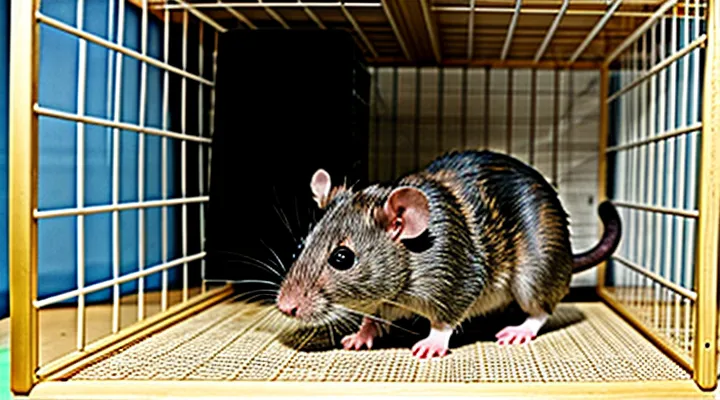
Understanding Rat Needs: Why Cage Choice Matters
The Importance of Space for Rat Welfare
Mental Stimulation and Exercise
Choosing an appropriate enclosure for a rat requires attention to the animal’s need for mental engagement and physical activity. A cage that is too small or constructed from unsuitable material restricts exploration, reduces problem‑solving opportunities, and limits safe movement, leading to stress and health issues.
Adequate floor space allows a rat to run, climb, and manipulate objects. Minimum dimensions should exceed 2 sq ft per animal, with additional height for vertical platforms. Materials such as stainless steel or powder‑coated metal provide durability and prevent chewing damage, while solid flooring eliminates gaps that could trap limbs. Transparent sections permit visual monitoring without disturbance, supporting a stable routine.
Enrichment items that promote cognition and exercise include:
- Multi‑level climbing structures (ropes, ladders, branches) securely attached to the cage walls.
- Puzzle feeders that require manipulation to release food, encouraging foraging behavior.
- Tunnels and hideaways made of chew‑resistant plastic or untreated wood, offering shelter and exploration routes.
- Wheels with a solid surface and a diameter of at least 12 inches to prevent spinal strain.
- Rotating toys or hanging objects that stimulate curiosity and encourage movement.
Regular rotation of these accessories prevents habituation and maintains engagement. Cleaning schedules must account for the chosen material; stainless steel tolerates frequent disinfection, while untreated wood may degrade if exposed to moisture.
In summary, optimal cage selection balances spaciousness, robust construction, and the capacity to integrate diverse enrichment tools. This combination supports the rat’s innate exploratory drive, enhances cognitive health, and reduces the risk of behavioral problems.
Preventing Stress and Behavioral Issues
Selecting an appropriate enclosure based on dimensions and construction material directly influences a rat’s stress levels and behavior. Adequate space permits natural locomotion, reduces territorial aggression, and supports exploratory activity. A cage that is too small forces repetitive movement, leading to stereotypic pacing and heightened cortisol release.
Material composition affects sensory comfort and hygiene. Solid, non‑porous surfaces such as powder‑coated metal or high‑grade acrylic prevent odor absorption and limit bacterial growth, both of which can provoke anxiety. Conversely, cages with wire floors or thin mesh expose rats to cold drafts and foot injuries, triggering avoidance behaviors and reduced activity.
Key considerations for stress prevention:
- Minimum floor area: 2 sq ft per adult rat; larger for groups.
- Height: at least 12 in to accommodate climbing and vertical enrichment.
- Bar spacing: ≤ ½ in to prevent paw entrapment.
- Material: smooth, easy‑to‑clean, non‑reactive surfaces; avoid rust‑prone metals.
- Ventilation: sufficient airflow without direct drafts on the animal.
Providing enrichment items—hides, tunnels, chewable objects—within the chosen enclosure further mitigates stress. Regular cage cleaning, consistent lighting cycles, and minimal handling disruptions maintain a stable environment, preventing the development of fear‑based or compulsive behaviors.
Factors Influencing Cage Size
Number of Rats
When housing multiple rats, cage dimensions must accommodate the total floor area required for each animal. A single rat needs at least 0.5 square feet of usable space; each additional rat adds the same minimum. Therefore, for three rats, the cage should provide no less than 1.5 square feet of unobstructed floor.
Material selection is influenced by the number of occupants. More rats increase wear on the cage walls, doors, and bedding trays. Durable plastics such as high‑density polyethylene resist chewing and scratching, while stainless‑steel frames prevent rust in humid environments. Wire cages with narrow spacing may sag under the weight of several active rats, compromising structural integrity.
Key considerations for determining cage capacity:
- Calculate floor space: 0.5 sq ft × (number of rats).
- Add extra area for enrichment items (toys, tunnels, nesting material).
- Choose a material that tolerates cumulative chewing and moisture.
- Verify that doors and locks remain functional under repeated use.
By matching the cage’s size and construction to the specific number of rats, owners ensure adequate space, durability, and a healthy environment.
Rat Size and Breed
Rats vary considerably in body length, weight, and activity level, factors that directly affect enclosure requirements. Adult common (brown) rats typically reach 9–11 cm body length and weigh 300–500 g, while fancy varieties such as the Dumbo or Rex may be slightly larger or heavier. Juvenile rats grow rapidly; a cage that fits a three‑month‑old will become inadequate within weeks.
When matching cage dimensions to a rat’s size, follow these guidelines:
- Minimum floor area: 0.5 sq ft per adult; larger breeds benefit from 0.75 sq ft or more.
- Height: at least 12 in to accommodate climbing; taller enclosures reduce stress for agile breeds.
- Multi‑level setups: add 0.25 sq ft per level for active rats, ensuring safe ramps.
Material selection depends on the rat’s chewing strength, which correlates with breed. Standard plastic cages resist gnawing by common rats but may be breached by larger, more robust breeds. Wire cages with stainless‑steel bars prevent escape and withstand heavy chewing, yet require solid flooring to avoid foot injuries. Acrylic enclosures provide visibility and durability but must be reinforced at joints for breeds with strong jaws.
In summary, assess the specific breed’s dimensions and chewing propensity, then allocate sufficient floor space, vertical height, and choose a material that balances durability with safety. This approach ensures a comfortable, secure habitat throughout the rat’s growth stages.
Activity Level
Rats that are highly active require ample floor space to explore, climb, and run without restriction. A cage that is too small will limit movement, increase stress, and potentially lead to health issues such as musculoskeletal strain. When evaluating enclosure dimensions, prioritize length and width over height, as rats spend most of their time on the ground level. A minimum floor area of 2 sq ft per adult rat is advisable; larger groups benefit from an additional 1 sq ft per extra animal.
Material choice influences how effectively an active rat can interact with its environment. Wire mesh provides ventilation but may flex under vigorous climbing, creating gaps that compromise safety. Solid acrylic or polycarbonate panels prevent distortion, allowing the rat to push and climb without structural deformation. However, fully solid walls can limit visual stimulation; integrating a transparent section with a sturdy frame offers both durability and external view.
Key considerations for active rats:
- Floor space: at least 2 sq ft per rat; increase proportionally for multiple occupants.
- Horizontal layout: rectangular or L‑shaped designs enable longer runways and varied pathways.
- Material rigidity: choose non‑flexing frames (metal or reinforced plastic) to withstand climbing forces.
- Ventilation: ensure airflow through mesh or perforated sections without sacrificing structural integrity.
- Enrichment attachment points: sturdy bars or corners that support wheels, tunnels, and hammocks.
Selecting an enclosure that matches the rat’s activity level reduces stress, promotes natural behaviors, and supports overall well‑being.
Optimal Cage Dimensions and Features
Minimum Recommended Cage Sizes
Single Rat
A single rat requires an enclosure that provides enough space for movement, exercise, and enrichment while preventing stress caused by confinement.
- Minimum floor area: 0.5 sq ft (≈ 46 in²). Larger dimensions, such as 1 sq ft, improve health outcomes.
- Height: at least 12 in to accommodate climbing and vertical exploration.
- Interior volume: 2 cu ft or more is recommended for long‑term welfare.
Material selection influences durability, hygiene, and safety. Metal cages with welded bars resist chewing and allow thorough cleaning; ensure bar spacing does not exceed 0.5 in to prevent escape. High‑density polyethylene containers are lightweight and easy to disinfect, but they must have a reinforced lid to withstand gnawing. Glass terrariums offer visibility and are inert, yet they are heavy and can shatter if mishandled. Untreated wood should be avoided because rats can ingest splinters and it absorbs odor.
Ventilation must be continuous and unobstructed; incorporate mesh panels or drilled holes that maintain structural integrity. Secure, lockable lids prevent accidental openings. Interior accessories—hides, tunnels, chew toys—should be made of safe, non‑toxic materials and be replaceable as they wear.
Choosing an enclosure that meets these dimensional and material criteria supports the physical health and behavioral needs of a solitary rat.
Pairs and Groups
When housing rats, the decision to keep them in pairs or larger groups directly influences cage dimensions and material requirements. A pair needs enough floor space to allow independent movement, grooming, and exercise without crowding, while a group of three or more demands additional area to prevent territorial disputes and ensure each animal can access food, water, and enrichment simultaneously.
- Minimum floor space per adult rat: 0.5 sq ft (≈46 sq in). Multiply by the number of occupants to determine the base requirement.
- Vertical space: at least 12 in height for climbing structures; larger groups benefit from multiple levels.
- Material strength: wire mesh must withstand collective chewing pressure; solid plastic or acrylic panels should resist scratches and provide clear observation.
Cage size must scale proportionally with the number of rats. For a pair, a floor area of 1 sq ft is sufficient, but a group of four requires a minimum of 2 sq ft, plus extra space for tunnels and hideouts. Overcrowding accelerates stress, increases the risk of injury, and compromises hygiene, making material durability a critical factor.
Selecting a cage that combines robust, chew‑resistant construction with adequate space for the intended number of rats ensures health, social stability, and longevity of the enclosure.
Bar Spacing Considerations
Preventing Escapes
A secure enclosure depends on precise design elements that stop a rat from finding any opening. Choose a cage with a latch system that locks firmly without gaps; double‑locking mechanisms are preferable because a single latch can be nudged open by a determined rodent. Ensure that the latch is positioned away from the animal’s reach and that the lock engages with a audible click, confirming closure.
Material choice influences escape risk. Metals such as stainless steel or powder‑coated aluminum resist chewing and retain structural integrity under repeated stress. If a wire mesh is used, select a gauge of 1 mm or smaller; larger openings allow paws to slip through and can be exploited as footholds. Solid plastic panels should be thick (minimum 5 mm) and free of cracks that could be widened by gnawing.
Key preventative features:
- Double‑locking latch placed on the rear or top of the door.
- Mesh size ≤ 1 mm, with reinforced corners.
- Metal or thick‑wall plastic construction, free of sharp edges.
- Seamless joins; welds or silicone‑sealed seams eliminate potential escape routes.
- Regular inspection schedule to detect wear, rust, or damage before it becomes a breach.
Implementing these specifications when selecting a rat’s habitat minimizes the chance of escape, supports safe handling, and promotes a stable environment for the animal.
Avoiding Injuries
When a rat’s enclosure is undersized, the animal may experience musculoskeletal strain, reduced mobility, and heightened stress. A cage that provides at least 2 sq ft of floor space per adult rat allows natural movement, grooming, and nesting without excessive climbing or squeezing.
Solid, non‑toxic materials prevent cuts and punctures. Wire mesh with openings larger than ¼ inch can snag paws and whiskers; use stainless steel or coated metal with a minimum ¼‑inch spacing. Acrylic or polycarbonate panels should be thick enough to resist cracking under the rat’s chewing activity.
Ventilation must be adequate yet safe. Direct airflow through large vents can cause drafts that chill the animal, while poorly ventilated cages foster ammonia buildup, leading to respiratory irritation. Install adjustable vents that deliver steady airflow without creating strong currents.
Maintain cage integrity through regular inspection. Replace cracked panels, rusted bars, or worn flooring immediately. Secure all connections with rust‑proof hardware to avoid loose parts that could become choking hazards.
Key injury‑prevention actions:
- Provide a minimum of 2 sq ft floor area per rat; increase space for multiple occupants.
- Select wire spacing ≤ ¼ inch; prefer solid panels for high‑chewing individuals.
- Verify material safety: stainless steel, coated metal, or impact‑resistant acrylic.
- Ensure ventilation without drafts; use adjustable vents.
- Conduct weekly inspections; repair or replace damaged components promptly.
By adhering to these specifications, the cage supports the rat’s physical health and minimizes the risk of injury.
Levels, Ramps, and Enrichment Opportunities
Vertical Space Utilization
Effective use of height expands usable area without increasing floor footprint, a critical factor when evaluating cage dimensions and construction for a pet rat. Rats naturally climb; providing multiple levels satisfies instinctual behavior and reduces stress caused by limited space.
Materials that support vertical platforms must combine strength with safety. Stainless‑steel wire with a 1‑mm gauge prevents bending while allowing airflow. Acrylic panels offer clear visibility but require reinforced edges to avoid cracking under the weight of climbing rats. Solid wood can serve as sturdy shelves if sanded smooth and sealed with non‑toxic varnish to prevent splinters.
Practical guidelines for integrating vertical space:
- Install at least two platforms spaced 6–8 inches apart, matching the average rat’s reach.
- Secure each level with brackets rated for a minimum of 2 lb load; rats can collectively exceed this weight.
- Ensure all openings between levels are no larger than ½ inch to prevent escape.
- Use chew‑resistant material for edges; replace any worn sections promptly.
- Maintain clear pathways for ventilation; avoid covering the entire cage interior with solid panels.
By prioritizing height, selecting appropriate construction materials, and adhering to safety standards, owners maximize enrichment while preserving the cage’s structural integrity.
Safe Ramp Materials
When a rat’s enclosure includes multiple levels, the ramp must support the animal’s weight, resist chewing, and prevent injury. Materials that meet these criteria combine durability with a non‑slippery surface.
- Solid hardwood (e.g., maple, birch) – dense enough to withstand gnawing, can be sanded smooth for traction.
- Untreated bamboo – naturally strong, lightweight, and resistant to moisture; requires regular inspection for splintering.
- Acrylic or polycarbonate panels – provide a rigid, chew‑resistant surface; can be textured with a fine grit to improve grip.
- Stainless‑steel mesh with a smooth finish – offers maximum durability, easy to clean, and eliminates splinter risk.
- PVC-coated wood – combines the structural stability of wood with a chew‑deterrent coating; the coating should be free of toxic additives.
Each option should be secured with stainless‑steel screws or brackets to avoid rust and maintain structural integrity. The ramp’s angle must not exceed 30 degrees; steeper inclines increase the likelihood of falls, regardless of material. Regularly inspect joints, edges, and surfaces for wear, and replace any component that shows signs of damage. Selecting a material that balances strength, safety, and ease of maintenance ensures the rat can move freely between cage levels without hazard.
Hammocks, Tunnels, and Toys
When adding accessories to a rat enclosure, the items must complement the cage’s dimensions and construction. Compatibility with the cage’s material prevents damage, while appropriate sizing ensures safe movement.
-
Hammocks
-
Tunnels
- Interior diameter should be at least 1.5 in (3.8 cm) to accommodate adult rats comfortably.
- Exterior material must be resistant to gnawing; acrylic or thick PVC are preferable to thin plastic.
- Length should not exceed the cage’s floor space, preserving open area for exploration.
-
Toys
- Wooden chew blocks must be untreated and sized to fit within the cage without blocking ventilation.
- Plastic puzzles should be free of small detachable parts that could be swallowed.
- Metal ladders require smooth edges and a coating that resists corrosion from urine.
Each accessory should be inspected regularly for wear, cleaned according to the cage’s material guidelines, and positioned to maintain clear pathways. Selecting items that respect the enclosure’s size and build promotes health and activity without compromising structural integrity.
Choosing the Right Cage Material
Wire Cages: Pros and Cons
Durability and Ventilation
When evaluating a rat enclosure, durability determines long‑term cost efficiency and animal safety. Frames constructed from powder‑coated steel resist rust and maintain structural integrity despite frequent cleaning. Reinforced corners and welded joints prevent warping under the weight of bedding and accessories. Plastic components should be high‑density, impact‑resistant, and free of cracks that could harbor bacteria. Replaceable panels allow targeted repairs without discarding the entire cage.
Ventilation directly influences air quality and respiratory health. Adequate airflow removes ammonia, moisture, and odors generated by waste and urine. Effective designs incorporate:
- Multiple mesh panels with openings no larger than 0.5 mm to prevent escape while allowing gas exchange.
- Adjustable vents positioned near the top of the cage to promote upward draft.
- Removable side doors that can be opened for cleaning without compromising ventilation during use.
Materials that combine strength with breathability, such as stainless‑steel wire mesh backed by solid flooring, provide a balanced solution. Regular inspection of mesh integrity and vent clearance ensures the enclosure remains both robust and well‑ventilated throughout its service life.
Cleaning Challenges
When selecting a habitat for a pet rat, the ease of maintenance becomes a decisive factor. Larger enclosures provide more space for bedding, toys, and feeding stations, but they also increase the volume of waste that must be removed. Smaller cages limit the amount of debris but can become saturated quickly, requiring more frequent cleaning cycles.
Materials directly influence how contaminants adhere to surfaces. Plastic cages are lightweight and smooth, allowing rapid removal of urine and droppings, yet some formulations can develop scratches where residue builds up. Wire cages with metal bars offer excellent ventilation, but the gaps can trap bedding particles, making thorough vacuuming necessary. Glass or acrylic units resist staining but may develop cloudy spots if cleaning agents are not compatible.
Key considerations for effective upkeep:
- Surface texture: Smooth finishes reduce scrubbing time; rough or porous coatings demand stronger detergents.
- Disassembly: Cages that break down into removable sections simplify deep cleaning of corners and hinges.
- Chemical resistance: Materials that tolerate mild bleach or enzymatic cleaners prevent odor accumulation without degrading the structure.
- Weight: Heavy units impede regular removal from the room, increasing the likelihood of postponed maintenance.
- Accessibility: Doors or sliding panels that open fully provide unobstructed access to the interior, reducing the need for tools.
Balancing size and construction choices minimizes labor while maintaining a hygienic environment for the animal. Selecting a model that aligns with these practical cleaning criteria supports both the rat’s health and the caretaker’s routine.
Potential for Bumblefoot
Rats kept in cages that are too small or constructed from inappropriate materials are prone to developing bumblefoot, a painful ulcerative pododermatitis. Limited floor space forces the animal to stand on a single foot for extended periods, increasing pressure on the plantar pads. Rough or abrasive surfaces—such as untreated wood, wire mesh without a protective liner, or corroded metal—damage the skin, creating entry points for bacteria.
Key factors that elevate the risk:
- Insufficient floor area: Less than 2 sq ft per rat leads to prolonged weight bearing on one limb.
- Hard, uneven substrate: Bare wire or splintered wood irritates the footpad.
- Poor hygiene: Accumulated waste and moisture soften skin, facilitating infection.
- Lack of enrichment: Absence of platforms or tunnels reduces opportunities for weight redistribution.
Preventive measures focus on cage design and maintenance:
- Provide a minimum of 2 sq ft of solid, non‑slippery flooring per animal; larger spaces further reduce pressure.
- Cover wire bottoms with a thick, chew‑safe liner such as corncob bedding, fleece, or recycled paper.
- Ensure the material is smooth, absorbent, and regularly changed to keep the environment dry.
- Incorporate multiple levels, ramps, and hideouts to encourage varied foot placement and lessen continuous load on any single pad.
- Conduct weekly health checks, looking for swelling, redness, or discharge on the feet; early detection permits prompt treatment.
Selecting a cage that balances ample space with a gentle, clean surface directly limits the incidence of bumblefoot, supporting the rat’s locomotor health and overall well‑being.
Plastic Cages: Pros and Cons
Ease of Cleaning
When evaluating a rodent enclosure, cleaning efficiency directly influences animal health and caretaker workload. A cage that facilitates quick removal of waste and residue reduces exposure to pathogens and minimizes time spent on routine maintenance.
- Smooth, non‑porous materials such as polycarbonate, acrylic, or coated metal prevent grime from adhering to surfaces.
- Modular designs with detachable trays or slide‑out floors allow waste to be emptied without disassembling the entire structure.
- Rounded corners and minimal crevices eliminate hidden spots where debris accumulates.
- Integrated drainage holes or built‑in water channels channel liquid waste away from bedding, simplifying mop‑down procedures.
Selecting a cage with these attributes shortens cleaning cycles. A typical regimen involves:
- Removing the food and water dispensers, then shaking out bedding into a waste bag.
- Sliding out the waste tray or floor panel, dumping contents, and rinsing with warm water and a mild, animal‑safe detergent.
- Wiping interior surfaces with a disposable cloth or scrub brush, focusing on corners and door seals.
- Reassembling components, refilling fresh bedding, and restoring accessories.
Materials that resist scratching maintain their smoothness over time, preserving the ease of cleaning throughout the cage’s lifespan. Regular inspection for wear ensures that the cleaning benefits persist, preventing the need for premature replacement.
Ventilation Concerns
Proper ventilation is essential for maintaining a healthy environment for a pet rat. Stagnant air promotes the buildup of ammonia from urine, which can irritate respiratory passages and increase the risk of infections. An enclosure must allow continuous exchange of fresh air while preventing drafts that could cause chill.
Material choice directly influences airflow. Wire mesh walls provide unobstructed circulation, whereas solid plastic panels restrict movement unless they incorporate vent holes or perforations. Perforated flooring enhances ventilation from below but may increase dust; a balance between airflow and cleanliness is required.
Cage size affects the volume of air available to dilute contaminants. Larger enclosures contain more air, reducing the concentration of harmful gases. However, even a spacious cage can suffer from poor ventilation if its design limits opening size or placement.
Key considerations for adequate ventilation:
- Use at least one side panel made of metal mesh or a plastic panel with multiple vent slots.
- Include a top vent or removable lid to facilitate upward airflow.
- Ensure vent openings collectively provide a minimum of 10 % of the cage’s surface area.
- Position the cage away from enclosed corners and avoid covering vents with bedding.
- Inspect vents regularly for blockages caused by nesting material or debris.
Symptoms of insufficient ventilation include persistent odors, increased rat sneezing or wheezing, and damp bedding. Addressing these signs promptly by improving airflow or increasing cage size prevents long‑term health issues.
Chewing Hazards
Rats naturally gnaw to keep teeth at a functional length; a cage that permits destructive chewing poses health and safety risks. Soft plastics, untreated wood, and painted metal can splinter, release toxic chemicals, or break under persistent bite forces. When a rat chews through a barrier, it may escape, injure itself, or ingest fragments that cause gastrointestinal blockage.
Key considerations for minimizing chewing hazards:
- Material durability – Choose stainless steel or powder‑coated metal mesh with a minimum bar spacing of ½ inch; these resist bite penetration and do not degrade over time.
- Surface safety – Avoid untreated pine or cedar, which contain aromatic oils harmful to rodents. Opt for hardwoods sealed with non‑toxic, water‑based finishes if solid wood is required.
- Structural integrity – Ensure corners and joints are reinforced with metal brackets; loose joints become focal points for gnawing.
- Size adequacy – Provide enough floor space (minimum 2 sq ft per adult rat) to reduce stress‑induced chewing of cage components.
Regular inspection of the enclosure for frayed wires, splintered wood, or worn coating is essential. Replace compromised parts promptly to maintain a secure environment and prevent accidental ingestion of debris.
Glass Aquariums: Why They Are Not Suitable
Poor Ventilation
Poor ventilation compromises a rat’s respiratory health, increases stress, and accelerates the spread of disease. Enclosed spaces that retain humidity create an environment where ammonia from urine accumulates quickly, damaging the delicate mucous membranes of a rat’s nose and lungs. Over time, chronic exposure leads to respiratory infections, reduced immunity, and lower lifespan.
Typical indicators of inadequate airflow include persistent odors, visible condensation on cage walls, and frequent sneezing or nasal discharge among the occupants. To assess ventilation, measure the air exchange rate: a well‑ventilated enclosure should replace the internal air volume at least once every hour. Materials such as solid plastic or dense wood restrict airflow, while wire mesh, perforated panels, and breathable substrates promote circulation.
Practical steps to improve ventilation:
- Choose cages with metal bars or mesh covering a substantial portion of the sides and roof.
- Incorporate adjustable vents or small openings that can be opened during warm weather and closed when temperatures drop.
- Avoid placing the cage near walls or furniture that block airflow; maintain a clearance of at least two inches on all sides.
- Use bedding that absorbs moisture without becoming soggy; replace it regularly to prevent ammonia buildup.
- Position the cage in a well‑ventilated room, preferably with a window or mechanical exhaust system that provides fresh air without drafts directly on the animals.
By prioritizing air movement alongside appropriate size and construction material, the enclosure supports optimal health and comfort for pet rats.
Limited Climbing Opportunities
Rats need vertical space to express natural climbing behavior. When a cage provides only a few low platforms, the animal’s ability to explore height is restricted, which can lead to reduced activity levels and increased stress.
A cage that limits climbing must compensate with other enrichment features, such as tunnels, chew toys, and ample floor area. However, without sufficient vertical structures, the rat cannot fully utilize its agility, making the enclosure less suitable for long‑term welfare.
Key factors to evaluate when assessing limited climbing potential:
- Platform height – platforms should be at least 4–6 inches above the floor to allow a comfortable ascent and descent.
- Surface texture – rough, non‑slippery material supports secure foot placement.
- Accessibility – ramps or ladders must connect each level without steep angles that discourage use.
- Material durability – sturdy plastic or coated wood prevents breakage under repeated climbing.
Choosing a cage with adequate vertical space reduces the need for supplemental enrichment and aligns the enclosure’s dimensions with the rat’s natural propensity for climbing. Failure to provide this dimension may require additional accessories, increasing cost and maintenance.
Ammonia Buildup
Ammonia accumulates in a rat enclosure when urine and feces decompose, releasing nitrogenous compounds that convert to gaseous ammonia. High concentrations irritate respiratory passages, weaken immune defenses, and can cause chronic lung disease. The rate of buildup depends on cage volume, ventilation, and the surface material that contacts waste.
Larger cages dilute ammonia by providing more air space per animal. A cage that offers at least 0.5 cubic feet of free volume per rat reduces peak concentrations during the first 24 hours after cleaning. Materials such as solid plastic or coated metal prevent urine from soaking into porous surfaces, limiting the substrate for bacterial conversion. Porous wood or untreated wire mesh retain moisture, accelerating ammonia production.
Effective control measures include:
- Daily spot cleaning of wet spots to remove fresh urine.
- Full substrate change every 2–3 days for bedding types that retain moisture.
- Installation of a ventilation system that exchanges cage air at a minimum of 30 air changes per hour.
- Use of absorbent, low‑dust bedding such as paper pulp, which binds moisture without releasing additional particles.
Monitoring can be performed with inexpensive ammonia test strips placed near the cage opening. Readings above 10 ppm indicate insufficient ventilation or cleaning frequency and warrant immediate adjustment of cage size, material choice, or maintenance schedule.
Essential Accessories and Setup
Substrate Options
Safe and Absorbent Materials
When evaluating cage construction, prioritize materials that resist moisture penetration and avoid toxic emissions. Durable polymers such as high‑density polyethylene (HDPE) provide a non‑porous surface that prevents liquid seepage and can be cleaned without degradation. Anodized aluminum offers similar impermeability while remaining lightweight and rust‑free.
Absorbent bedding must complement the cage’s structural material. Safe options include:
- Unbleached paper pulp: high absorbency, low dust, biodegradable.
- Aspen shavings: low aromatic oils, moderate absorbency, minimal splinter risk.
- Hemp fibers: natural antimicrobial properties, excellent moisture retention, no harmful residues.
Materials that release volatile compounds, such as untreated pine or cedar, should be excluded because aromatic oils can irritate the respiratory system. Sealants and paints must be explicitly labeled as “food‑grade” or “non‑toxic” to prevent leaching.
Regular maintenance extends the effectiveness of safe and absorbent components. Replace bedding once it reaches saturation, and inspect cage walls for cracks or warping that could compromise barrier integrity. Selecting non‑reactive, moisture‑resistant construction together with proven absorbent substrates ensures a hygienic environment that supports the rat’s health.
Avoiding Dust and Scented Options
When selecting a cage for a rat, eliminating dust‑producing and scented materials safeguards respiratory health and reduces stress. Dust from untreated wood, pressed paper, or cheap plastics can become airborne with routine cleaning, irritating the delicate nasal passages of rodents. Rats inhale millions of particles daily; chronic exposure may lead to sneezing, nasal discharge, or pneumonia. Choose cage components made from solid, non‑porous plastic, stainless steel, or seasoned hardwood that has been sanded smooth and sealed with a non‑toxic, odorless finish. Verify that any coating is labeled “food‑grade” and free of volatile organic compounds.
Scented products, including aromatic bedding, cleaning agents, or fragranced cage liners, interfere with a rat’s keen sense of smell, which it relies on for navigation, communication, and detecting predators. Artificial odors can mask pheromone signals, causing agitation and aggressive behavior. Opt for unscented, absorbent bedding such as plain paper pulp, aspen shavings, or hemp. Use plain water‑based cleaners without added fragrance; rinse thoroughly to prevent residue.
Practical steps to avoid dust and scent:
- Inspect cage material specifications; reject any item listed as “pressed wood,” “particle board,” or “PVC with additives.”
- Purchase bedding labeled “unscented” and “dust‑free.” Test a small amount by shaking; visible particles indicate unsuitable material.
- Clean with a mild, unscented soap solution; rinse until suds disappear.
- Store supplies in airtight containers to prevent contamination from ambient odors.
By adhering to these guidelines, the cage environment remains clean, breathable, and neutral, supporting the rat’s natural behaviors and overall well‑being.
Food and Water Dispensers
Heavy Ceramic Bowls
Heavy ceramic bowls provide a stable feeding surface for rats, reducing the likelihood of tipping during active exploration. Their mass discourages gnawing, as rats cannot easily displace or chew through the material, extending the lifespan of the bowl. Ceramic’s non‑porous surface resists absorption of liquids and odors, simplifying sanitation; a brief wash with mild detergent removes residue without compromising the surface.
When selecting a bowl, match the diameter to the cage’s floor area. A bowl that occupies no more than 10 % of the enclosure floor ensures ample space for exercise and nesting. Depth should accommodate a standard rat portion of wet food without overflow, typically 1–2 cm for dry kibble and 2–3 cm for fresh produce.
Consider the following practical points:
- Weight: 1–2 kg per bowl prevents displacement but remains manageable for routine cleaning.
- Material safety: Ensure the ceramic is lead‑free and glazed with food‑grade coating to avoid toxin exposure.
- Compatibility: Verify that the bowl’s base does not scratch or crack the cage’s substrate, especially when using wire mesh or plastic flooring.
- Replacement cycle: Heavy ceramic units can remain functional for several years; monitor for cracks or glaze wear that could harbor bacteria.
Integrating a heavy ceramic bowl aligns with the broader criteria of cage size and construction material, supporting a hygienic environment while minimizing maintenance demands.
Chew-Proof Water Bottles
Chew‑proof water bottles are a practical requirement when assembling a rat enclosure. Rats constantly gnaw, so a bottle that resists biting prevents leaks, contamination, and frequent replacement. Selecting a bottle that matches the cage’s dimensions ensures the drinking spout remains accessible without obstructing the interior space.
Compatibility with cage size influences placement. A bottle that protrudes beyond the cage’s side wall can interfere with climbing structures or limit the floor area available for bedding. Measuring the external diameter of the bottle and comparing it to the cage’s side panel openings guarantees a secure fit and preserves usable space.
Material choice directly affects durability and hygiene.
- Stainless steel – completely chew‑proof, easy to sterilize, resistant to corrosion.
- Heavy‑duty polymer – engineered with reinforced walls, lighter than metal, may retain odors if not cleaned regularly.
- Tempered glass – unbreakable under gnawing pressure, transparent for visual monitoring, fragile under impact.
Each material presents a trade‑off between weight, cleaning effort, and cost. Prioritizing chew resistance while aligning the bottle’s size with the cage’s interior dimensions results in a reliable water supply and contributes to an overall well‑designed rat habitat.
Hiding Spots and Nesting Material
Cardboard Boxes and PVC Pipes
When evaluating non‑traditional enclosures, the primary criteria remain interior volume and material safety. Cardboard boxes and PVC pipes each meet these criteria in distinct ways.
Cardboard boxes provide ample floor space when sized appropriately. A box with internal dimensions of at least 12 × 12 × 12 inches offers sufficient room for an adult rat to turn, climb, and nest. The corrugated structure supplies natural ventilation, but it degrades when exposed to moisture; therefore, a waterproof liner or regular replacement is required. The material is lightweight, inexpensive, and easy to modify with tunnels or platforms, yet it lacks long‑term durability and may harbor mold if not kept dry.
PVC pipes serve as modular climbing elements rather than primary habitats. Sections with an internal diameter of 4 inches allow a rat to navigate comfortably; larger diameters (6 inches) accommodate two rats side by side. Pipe length determines vertical space; a 24‑inch segment creates a vertical run comparable to a small ladder. PVC is chemically inert, easy to sanitize with mild detergent, and resistant to chewing, though sharp edges must be filed to prevent injury. The rigid walls limit horizontal floor area, making pipes unsuitable as sole living quarters without supplemental base platforms.
A combined approach leverages the strengths of each material: a cardboard base provides spacious floor area and nesting opportunities, while PVC tubes furnish vertical enrichment and secure climbing pathways. Ensure the cardboard base rests on a stable platform to prevent sagging, and attach PVC sections with non‑toxic silicone to avoid gaps. Regular inspection for wear, moisture damage, and chewing marks maintains a safe environment.
In summary, cardboard boxes deliver generous floor space and low cost but require moisture management; PVC pipes offer durable, hygienic climbing structures with limited floor area. Integrating both elements creates a balanced enclosure that satisfies size requirements and material safety for a healthy rat.
Shredded Paper and Fabric Scraps
Shredded paper and fabric scraps serve as both bedding and enrichment for rats, directly influencing the dimensions and construction of a suitable enclosure. Their bulk requires sufficient floor area to prevent overcrowding, while their texture encourages natural foraging behavior.
When evaluating cage size, account for the volume of loose material. A minimum of 0.5 cubic feet of shredded substrate per rat ensures adequate coverage without compromising movement. Larger groups demand proportionally greater space, otherwise the bedding becomes compacted and loses its insulating properties.
Compatibility with cage material affects durability and hygiene. Metal cages provide superior ventilation, reducing moisture buildup from fabric fibers, but may rust if exposed to damp paper. High‑density polyethylene resists absorption and simplifies cleaning, yet can retain odor if fabric scraps are not removed regularly. Wooden frames require sealed interiors to prevent warping caused by moisture from shredded bedding.
Practical guidelines:
- Allocate at least 4 sq ft of floor space per rat when using shredded paper or fabric.
- Choose cages with smooth, non‑porous surfaces to facilitate waste removal.
- Replace bedding weekly to avoid ammonia accumulation.
- Inspect metal components for corrosion when moisture is present.
- Use fabric scraps made from natural fibers to minimize static and lint.
By aligning the quantity and type of shredded paper and fabric with appropriate cage dimensions and material properties, owners create a safe, comfortable environment that supports rat health and natural behavior.
Maintaining a Healthy Cage Environment
Daily Cleaning Routines
Spot Cleaning
Spot cleaning refers to the targeted removal of waste, urine stains, or food debris from specific areas of a rat enclosure without dismantling the entire habitat. This practice minimizes disruption to the animal, reduces stress, and maintains hygiene between full cleanings.
Cage dimensions dictate the accessibility of problem spots. Larger enclosures provide ample space for the rat to move away while a small cage may require quicker removal of contaminants to prevent rapid buildup. In compact habitats, spot cleaning should occur at least once daily; in spacious setups, a twice‑daily schedule suffices for high‑traffic zones such as feeding stations and nesting corners.
The material of the cage influences both the cleaning agents that can be used and the technique applied.
- Plastic or acrylic surfaces: tolerate mild, unscented detergents; wipe with a soft cloth to avoid scratches.
- Wire mesh: permits the use of diluted vinegar solutions; apply with a disposable wipe, ensuring the solution does not pool in the mesh.
- Glass: allows for stronger, non‑abrasive cleaners; use a non‑scratch sponge and rinse thoroughly to prevent residue.
Effective spot cleaning follows a consistent routine:
- Identify stained or soiled area.
- Remove any loose debris with a paper towel.
- Apply appropriate cleaner based on cage material.
- Scrub gently with a suitable tool (cloth, sponge, or wipe).
- Rinse or wipe away cleaning solution completely.
- Dry the area with a clean towel before allowing the rat back into the space.
Adhering to these guidelines ensures that each targeted cleaning maintains overall cage cleanliness while respecting the rat’s environment and the structural properties of the enclosure.
Food and Water Refreshment
When selecting a rat enclosure, the dimensions and construction material directly influence the design of feeding and watering stations. A cage that is too small restricts bowl placement, forcing the animal to compete for resources and increasing the risk of spillage. Materials such as solid plastic or coated metal prevent water leakage onto the substrate, simplifying sanitation and reducing bacterial growth.
Key considerations for food and water provision:
- Bowl size: Choose containers that hold at least 30 ml of water and 10 g of dry food; larger bowls accommodate adult rats and reduce refill frequency.
- Placement: Position bowls on opposite sides of the cage to prevent crowding and to allow each rat unobstructed access.
- Material compatibility: Use non‑porous, chew‑resistant dishes; acrylic and stainless steel resist gnawing and do not retain odors.
- Cleaning efficiency: Select cages with removable tray sections, enabling quick removal of wet bedding and easy dish washing.
- Ventilation: Ensure adequate airflow around feeding areas to keep food dry and prevent mold formation.
A spacious enclosure constructed from durable, non‑absorbent material supports stable feeding stations, promotes consistent hydration, and facilitates routine maintenance, all of which contribute to optimal rat health.
Weekly Deep Cleaning
Disinfection Procedures
Disinfection reduces pathogen load in a rat enclosure, directly affecting animal health and experimental reliability. Proper procedures must align with the cage’s dimensions and construction material to ensure thorough coverage without damaging surfaces.
- Remove bedding, food, and debris before applying any solution.
- Choose a disinfectant compatible with the cage material (e.g., stainless steel tolerates stronger agents than plastic).
- Prepare the solution at the manufacturer‑specified concentration; deviations compromise efficacy or cause corrosion.
- Apply the disinfectant to all interior surfaces, paying special attention to corners, mesh panels, and lock mechanisms.
- Maintain the recommended contact time; insufficient exposure leaves viable organisms.
- Rinse thoroughly with clean water to eliminate residual chemicals that could irritate the rats.
- Air‑dry the cage completely before re‑introducing bedding and animals; moisture promotes bacterial growth.
- Record each cleaning event, including date, disinfectant used, concentration, and contact time, to track compliance and identify trends.
Routine disinfection, performed after each full‑cage change and weekly for long‑term use, preserves a sanitary environment regardless of cage size or material.
Substrate Replacement
When a rat’s enclosure is built with the proper dimensions and construction material, the choice of substrate becomes a critical factor for health and comfort. Substrate must be able to absorb waste, control odor, and provide a safe surface for digging, while also being easy to replace without compromising the cage’s structural integrity.
Key considerations for substrate replacement include:
- Absorbency: High‑capacity substrates reduce the frequency of full‑cage changes.
- Dust level: Low‑dust options prevent respiratory irritation.
- Compatibility: Materials such as wood‑chip bedding may react with certain cage plastics, causing discoloration or weakening seams.
- Hygiene: Substrate that can be sterilized or safely disposed of minimizes bacterial growth.
A practical schedule typically involves spot‑cleaning soiled areas daily and performing a complete substrate overhaul every two to four weeks, depending on the substrate’s absorbency and the number of occupants. During a full change, remove all debris, wash the cage interior with a mild, non‑toxic cleanser, rinse thoroughly, and allow it to dry before adding fresh substrate.
Selecting a substrate that aligns with the cage’s size and material ensures consistent environmental control, supports the rat’s natural behaviors, and simplifies long‑term maintenance.
Recognizing Signs of Cage-Related Issues
Respiratory Problems
Rats are prone to respiratory infections, and the enclosure directly influences air quality and disease risk.
A cage that is too small restricts airflow, allowing moisture and waste to build up. Limited space also forces rats to remain close to their bedding, increasing exposure to dust and ammonia released from urine. Both factors irritate the nasal passages and lungs, creating conditions for bacterial or viral infection.
Materials that absorb moisture or release volatile compounds exacerbate respiratory problems. Untreated wood can harbor mold, while painted surfaces may emit fumes. Metal cages with rust or sharp edges cause irritation and can corrode, releasing particles into the air. Non‑porous plastics that are difficult to clean may retain residue, fostering bacterial growth.
Practical measures to protect rat respiratory health:
- Choose a cage with a minimum floor area of 1 sq ft per animal; larger enclosures provide better ventilation.
- Ensure the cage has multiple openings or a mesh side panel to promote air exchange.
- Use bedding made from low‑dust, absorbent materials such as paper‑based products; avoid cedar or pine shavings.
- Select cage components that are chemically inert, smooth, and rust‑free; stainless steel or powder‑coated metal frames meet these criteria.
- Clean the enclosure daily, replace soiled bedding weekly, and disinfect surfaces with a mild, non‑irritating solution.
By matching cage dimensions and construction to these guidelines, the likelihood of respiratory disease in pet rats is markedly reduced.
Skin Irritations
When a rat’s enclosure is too small, constant contact with cage walls creates pressure points that can lead to abrasions and dermatitis. Oversized cages reduce the need for the animal to navigate tight passages, decreasing friction‑related skin damage.
Material choice directly influences dermatological health. Smooth, non‑porous plastics prevent bacterial colonization and are easy to sanitize, lowering the risk of infection‑driven irritation. Conversely, untreated wood may release tannins that irritate sensitive skin and can harbor mold if not properly sealed.
Key considerations for preventing skin problems:
- Flooring surface: Opt for solid, water‑resistant platforms; avoid wire mesh that rubs paws and belly.
- Corner design: Rounded edges minimize chafing during movement.
- Cleaning agents: Use fragrance‑free, mild disinfectants; harsh chemicals can exacerbate dermatitis.
- Ventilation: Adequate airflow reduces humidity, limiting fungal growth that irritates skin.
Selecting an appropriately sized enclosure with a smooth, sealed interior and well‑designed edges mitigates the primary sources of rat skin irritation. Regular inspection of the cage for wear, sharp edges, or moisture buildup is essential for maintaining dermatological health.
Behavioral Changes
Choosing an enclosure that provides adequate floor space and appropriate construction material directly influences a rat’s activity patterns, social interaction, and stress indicators. A cage that is too small restricts locomotion, leading to reduced exploration, increased grooming, and heightened aggression toward cage mates. Insufficient vertical space eliminates climbing opportunities, which in turn diminishes natural foraging behavior and may cause stereotypic pacing.
Material composition affects tactile perception and thermal regulation. Wire mesh with a fine gauge allows ventilation but can cause footpad injuries if the spacing is excessive, prompting excessive licking and self‑mutilation. Solid plastic surfaces reduce foot injuries but may retain humidity, encouraging damp bedding and respiratory distress, reflected in lethargy and decreased vocalization. Rats housed on textured surfaces exhibit more frequent nesting and burrowing activity, indicating comfort and reduced anxiety.
Observable behavioral changes linked to cage dimensions and material include:
- Decreased exploration and increased idle time in cramped cages.
- Elevated aggression or dominance displays when visual barriers are absent.
- Excessive self‑grooming or barbering when footpad discomfort occurs.
- Reduced nesting and burrowing when substrate contact is limited.
- Increased vocalizations and rapid breathing in environments with poor temperature control.
Selecting a cage that balances spacious floor area, sufficient height, and a material that supports healthy foot and skin conditions promotes normal exploratory behavior, stable social dynamics, and low stress levels.