
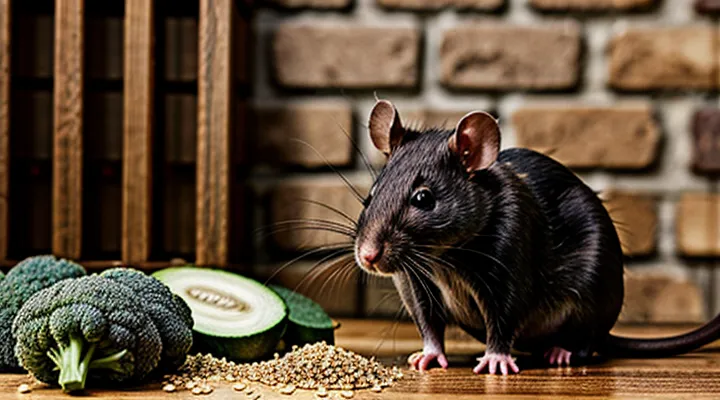
Understanding Rat Nutritional Needs
Essential Dietary Components
Proteins and Amino Acids
Proteins supply the amino acids required for tissue growth, maintenance, and metabolic functions in rats. Adequate protein intake supports muscle development, immune competence, and enzymatic activity. When formulating a rat diet that includes grains and vegetables, balance animal‑derived and plant‑derived protein sources to meet the species’ nutritional profile.
Key amino acids for rats include lysine, methionine, threonine, and tryptophan. These must be present in sufficient quantities because rats cannot synthesize them. Deficiencies can lead to reduced growth rates and impaired reproduction.
Practical protein options for a mixed diet:
- Cooked lean poultry (e.g., chicken breast) – high in lysine and methionine.
- Boiled eggs – rich in tryptophan and provide a complete amino acid spectrum.
- Low‑fat dairy products such as cottage cheese – source of casein and essential amino acids.
- Soybean meal – plant protein with a favorable lysine content; use in moderation to avoid excess phytoestrogens.
- Cooked lentils or split peas – supply threonine and additional fiber.
- Whole grain products (e.g., rolled oats, brown rice) – contribute modest protein and complement amino acid profiles when paired with other sources.
When integrating these ingredients, aim for a total protein level of 14–18 % of the diet’s dry matter, aligning with laboratory rodent standards. Adjust proportions based on the rat’s age, reproductive status, and activity level to ensure optimal amino acid availability.
Fats and Fatty Acids
Fats supply the majority of caloric energy for laboratory and pet rats and support cell membrane integrity, hormone synthesis, and insulation. Rats cannot synthesize the essential fatty acids linoleic (omega‑6) and alpha‑linolenic (omega‑3) acids; these must be present in the diet. A balanced ration typically provides 5–10 % of total calories from fat, with a ratio of omega‑6 to omega‑3 close to 5:1 to promote optimal growth and reproductive performance.
Common dietary sources that complement grain‑based feeds and vegetable offerings include:
- Sunflower seed oil – rich in linoleic acid, easily mixed into mash or pellet formulations.
- Flaxseed oil – high in alpha‑linolenic acid, useful for enhancing omega‑3 content.
- Fish oil – provides eicosapentaenoic acid (EPA) and docosahexaenoic acid (DHA), beneficial for neural development.
- Small amounts of animal fats (e.g., chicken or beef tallow) – supply saturated fatty acids that improve palatability and energy density.
Excessive fat intake leads to obesity, hepatic lipidosis, and reduced fertility. Fat quality deteriorates when exposed to heat, light, or oxygen; therefore, store oils in airtight containers at low temperature and add them to the diet no more than 24 hours before feeding. Monitoring body condition scores and adjusting the fat proportion when grain or vegetable components change ensures that rats receive a nutritionally complete regimen.
Carbohydrates and Fiber
Carbohydrates supply the primary energy required for a rat’s rapid metabolism, while dietary fiber maintains intestinal motility and supports a healthy gut microbiome. Both nutrients must be balanced to prevent obesity and digestive disturbances.
-
Whole grains such as oats, barley, and brown rice
-
Legume seeds including lentils and split peas
-
Starchy vegetables like sweet potatoes and carrots
-
Fresh fruits in moderation, for example apples and berries
-
Leafy greens such as kale, romaine lettuce, and spinach
-
High‑fiber vegetables like broccoli, zucchini, and bell peppers
-
Timothy or orchard hay, offered daily in small quantities
-
Commercial fiber supplements designed for small rodents, when natural sources are insufficient
A typical rat diet allocates 55‑65 % of calories to carbohydrates and 5‑10 % to crude fiber. Provide fresh carbohydrate items in limited portions to avoid excess sugar, and ensure constant access to fiber‑rich material to promote regular bowel movements. Adjust quantities based on the animal’s age, activity level, and health status; younger or highly active rats tolerate higher carbohydrate loads, whereas older or less active individuals benefit from increased fiber to aid digestion.
Vitamins and Minerals
Rats require a balanced supply of vitamins and minerals to support growth, reproduction, and immune function. Essential nutrients can be obtained from a variety of staple foods, including cereals, legumes, and fresh produce.
Vitamin A, necessary for vision and epithelial health, is abundant in carrots, sweet potatoes, and red bell peppers. Deficiency may cause night blindness and skin lesions. Vitamin D, which regulates calcium absorption, is scarce in plant matter; modest supplementation or exposure to natural sunlight is advisable to prevent bone disorders. Vitamin E, an antioxidant protecting cell membranes, is found in wheat germ, sunflower seeds, and leafy greens. Insufficient intake can increase susceptibility to oxidative stress.
B‑complex vitamins support metabolism. Thiamine (B1) occurs in whole grains and peas; riboflavin (B2) is present in spinach and broccoli; niacin (B3) is supplied by oats and barley; pyridoxine (B6) is abundant in bananas and lentils; cobalamin (B12) is virtually absent from plant sources and must be provided through fortified diets or animal‑derived treats.
Key minerals include calcium, phosphorus, magnesium, potassium, iron, zinc, and selenium. Calcium sources are kale, bok choy, and fortified grain mixes; phosphorus is plentiful in beans and whole‑grain cereals. The calcium‑to‑phosphorus ratio should approximate 1:1 to maintain skeletal integrity. Magnesium, required for enzymatic reactions, is found in pumpkin seeds and quinoa. Potassium, essential for nerve function, is supplied by beetroot and cucumbers. Iron, needed for hemoglobin synthesis, is present in lentils and fortified pellets; excessive iron can cause toxicity, so levels must be monitored. Zinc, supporting wound healing, is available in soybeans and whole‑grain breads. Selenium, a trace element with antioxidant properties, is found in Brazil nuts and must be limited to prevent selenosis.
A concise nutrient plan may include:
- Whole‑grain base (e.g., rolled oats, barley) for B‑vitamins and minerals.
- Daily portion of mixed vegetables (carrots, kale, bell peppers) for vitamins A, C, K, and calcium.
- Small amount of seeds or nuts (sunflower, pumpkin) for vitamin E, magnesium, and zinc.
- Fortified pellet or supplement providing vitamin D and cobalamin.
Regular analysis of feed composition and periodic health checks ensure that rats receive adequate micronutrients while avoiding excesses that could lead to toxicity.
Core Diet Components: Pellets and Blocks
Why Commercial Foods Are Crucial
Commercial rat foods deliver a precisely formulated nutrient profile that matches the physiological requirements of laboratory and pet rodents. The ingredient ratios are calculated to supply adequate protein, essential fatty acids, fiber, vitamins, and trace minerals, eliminating the guesswork associated with homemade mixes. Consistency across batches guarantees that each feeding provides the same caloric density and micronutrient content, which is vital for reproducible research outcomes and stable health in captive colonies.
Safety standards applied during production reduce the risk of contaminants such as molds, mycotoxins, and pesticide residues. Packaging protects the product from moisture and oxidation, extending shelf life and preserving nutrient integrity. The convenience of ready‑to‑use pellets or blocks minimizes preparation time, limits exposure to pathogens, and supports accurate portion control.
Key advantages of commercial rat diets:
- Balanced macro‑ and micronutrient composition
- Batch‑to‑batch uniformity
- Certified absence of harmful contaminants
- Long‑term storage stability
- Simplified feeding protocols
These attributes make commercial formulations indispensable for reliable nutrition management in rat husbandry.
Choosing a Quality Pellet
Ingredient Analysis
When evaluating individual ingredients for a rat diet, focus on nutrient profile, digestibility, and safety. Grains such as wheat, oats, and barley supply carbohydrates and soluble fiber; verify that they are whole‑grain and free from mold. Legumes, including lentils and chickpeas, contribute protein and B‑vitamins but contain lectins that may irritate the gastrointestinal tract if not cooked. Root vegetables like carrots and sweet potatoes offer beta‑carotene and potassium; select fresh, pesticide‑free specimens and limit portions to prevent excess sugar. Leafy greens such as kale, spinach, and romaine deliver calcium, magnesium, and antioxidants; monitor oxalate levels, especially in spinach, to avoid mineral binding. Fruit pieces—apple, pear, berries—provide vitamins and natural sugars; serve in moderation to prevent obesity. Fats from seeds (sunflower, pumpkin) and small amounts of animal‑derived oil supply essential fatty acids; ensure low‑sodium and avoid saturated‑fat heavy sources.
Key considerations for each ingredient:
- Macronutrient balance – proportion of carbs, protein, fat appropriate for a small omnivore.
- Fiber content – soluble and insoluble fiber to support gut motility.
- Vitamin and mineral density – presence of vitamin A, C, D, calcium, phosphorus, and trace elements.
- Anti‑nutrients – oxalates, phytates, lectins that may impair absorption.
- Contaminants – pesticide residues, mycotoxins, heavy metals.
- Palatability – texture and taste that encourage natural foraging behavior without reliance on added sweeteners.
By systematically comparing these factors, a caretaker can construct a balanced menu that meets physiological needs while minimizing health risks.
Nutritional Guarantees
When selecting a diet for pet rats, the primary guarantee must be that every batch provides a complete and balanced nutrient profile. Manufacturers achieve this by formulating feeds to contain precise levels of protein, fat, fiber, vitamins, and minerals, each measured against established rodent nutrition standards. Consistency in formulation ensures that rats receive the same nutritional value from one package to the next, eliminating variations that could affect growth, reproduction, or immune function.
Key nutritional guarantees include:
- Protein content calibrated to 14‑20 % of the diet, supporting muscle development and tissue repair.
- Essential fatty acids (omega‑3 and omega‑6) at 2‑4 % of total calories, promoting brain health and skin integrity.
- Fiber supplied by whole grains and vegetable fibers, maintaining gastrointestinal motility and cecal fermentation.
- Vitamin complex encompassing A, D, E, K, and the B‑vitamin group, each meeting or exceeding the minimum recommended daily allowance for adult rats.
- Mineral balance of calcium, phosphorus, magnesium, zinc, and selenium, formulated to a strict Ca:P ratio of approximately 1:1 to prevent skeletal disorders.
Compliance with regulatory guidelines, such as the Association of American Feed Control Officials (AAFCO) nutrient profiles for laboratory rodents, provides an external verification of these guarantees. Independent laboratory testing of each production lot confirms that nutrient concentrations fall within the specified tolerance ranges, and that contaminants—including heavy metals, mycotoxins, and pesticide residues—remain below detectable limits. This systematic quality control framework assures owners that the food they provide will consistently meet the physiological needs of their rats.
Storage and Freshness
Proper storage preserves nutritional value and prevents health risks for pet rats. Keep dry foods such as grains, seeds, and pellets in airtight containers made of glass or heavy‑wall plastic. Seal the lid tightly after each use to block moisture and insects. Place the container in a cool, dark area where temperature stays between 60 °F and 75 °F (15 °C–24 °C). Avoid locations near ovens, direct sunlight, or drafts, which can raise humidity and accelerate spoilage.
Fresh produce requires separate handling. Wash vegetables and fruits thoroughly, then dry them before storage. Store cut items in sealed bags or containers with a paper towel to absorb excess moisture. Refrigerate leafy greens at 40 °F (4 °C) and use them within two to three days. Discard any produce that shows wilting, discoloration, or a sour odor, as these signs indicate bacterial growth.
Maintain a rotation system to use older supplies first. Label each container with the purchase date and expected shelf life: dry foods generally remain safe for six months to a year, while frozen grains can be kept indefinitely if sealed properly. When extending storage, consider freezing bulk grains in freezer‑safe bags; thaw only the portion needed for the day to avoid repeated temperature fluctuations.
Key practices for preserving freshness:
- Airtight, opaque containers for dry foods
- Cool, stable temperature environment
- Separate, refrigerated storage for fresh vegetables
- Regular inspection for mold, odor, or texture changes
- Date labeling and systematic rotation of supplies
Grains and Seeds: Staple Additions
Safe Grains for Rats
Cooked Grains
Cooked grains provide a reliable source of carbohydrates, protein, and fiber for laboratory and pet rats. Heat treatment eliminates antinutritional factors present in raw cereals, improves digestibility, and reduces the risk of bacterial contamination.
Suitable grains include:
- White rice, cooked until soft, without added salt or oil.
- Oatmeal, prepared with water only; avoid instant flavored varieties.
- Quinoa, rinsed and boiled until tender; discard the saponin coating.
- Barley, simmered until mushy; ensure no added preservatives.
When incorporating cooked grains into a rat’s diet, follow these guidelines:
- Limit grain portions to no more than 20 % of total daily intake to prevent excess weight gain.
- Cool the food to room temperature before offering; hot food can cause oral burns.
- Serve in small, bite‑size portions to encourage natural foraging behavior.
- Store leftovers in airtight containers in the refrigerator for up to 48 hours; discard any moldy or foul‑smelling material.
Potential concerns include high glycemic load and the presence of residual gluten, which may affect rats with sensitivities. Rotate grain types regularly and supplement with fresh vegetables, protein sources, and occasional treats to maintain a balanced nutritional profile.
Sprouted Grains
Sprouted grains provide a highly digestible source of energy for rats. The germination process increases the availability of vitamins, minerals, and essential amino acids while reducing antinutrients such as phytic acid. Incorporating sprouted barley, wheat, oats, or millet into a rat’s diet enhances growth, supports immune function, and promotes healthy gut flora.
Key nutritional advantages
- Elevated levels of B‑complex vitamins (B1, B2, B6, folate)
- Increased concentrations of vitamin C and vitamin E
- Higher concentrations of readily absorbable minerals (iron, zinc, magnesium)
- Presence of enzymes that aid carbohydrate breakdown
Preparation guidelines
- Rinse whole grains thoroughly to remove debris.
- Soak grains in water for 6–12 hours, depending on size.
- Drain and place grains in a breathable container; keep at room temperature.
- Rinse twice daily; allow 2–4 days for sprouts to reach ½‑inch length.
- Rinse final product and pat dry before offering.
Safety considerations
- Use only organic, pesticide‑free grains.
- Discard any sprouts showing mold, foul odor, or discoloration.
- Limit daily sprouted grain portion to 10–15 % of total food intake to prevent excess carbohydrate consumption.
- Introduce new sprouted varieties gradually, monitoring for digestive upset.
Storage recommendations
- Store dry grains in airtight containers at cool temperatures.
- Keep sprouted grains refrigerated and use within three days.
- Freeze excess sprouts in small portions for up to one month; thaw before feeding.
Sprouted grains, when integrated with balanced pellets, fresh vegetables, and occasional protein sources, form a comprehensive dietary component that meets the nutritional demands of laboratory and pet rats alike.
Seeds in Moderation
High-Fat Seeds
High‑fat seeds such as sunflower, pumpkin, and safflower provide a dense source of energy for laboratory and pet rats. Each gram supplies approximately 5 kcal, primarily from lipids that support thermoregulation and rapid growth phases.
Nutritional composition:
- Fat: 45–55 % of total calories, rich in unsaturated fatty acids.
- Protein: 15–20 % of weight, containing essential amino acids.
- Fiber: 5–8 % of weight, aiding gastrointestinal motility.
- Micronutrients: Vitamin E, selenium, and trace minerals.
Benefits include accelerated weight gain during weaning, enhanced coat condition, and improved reproductive performance. Excessive inclusion can lead to obesity, hepatic lipidosis, and reduced intake of essential carbohydrates and vitamins. Balance is achieved by limiting seeds to no more than 10 % of the total diet on a dry‑matter basis.
Practical guidelines:
- Offer seeds as a supplemental treat rather than a staple component.
- Rotate seed types weekly to prevent nutrient imbalances.
- Store seeds in airtight containers at 4–10 °C to preserve fatty acid integrity.
- Monitor body condition scores weekly; adjust portions if weight exceeds 20 % above target.
When integrated with a balanced grain‑vegetable base, high‑fat seeds contribute valuable caloric density without compromising overall dietary quality.
Beneficial Seeds
Beneficial seeds provide essential nutrients that complement a balanced rat diet. They supply protein, healthy fats, fiber, vitamins, and minerals in concentrations that support growth, reproduction, and immune function.
Key advantages of incorporating seeds include:
- Protein enrichment – seeds such as sunflower, pumpkin, and hemp contain 20‑30 % protein, aiding muscle development and tissue repair.
- Essential fatty acids – omega‑3 and omega‑6 fatty acids from flax and chia seeds promote cardiovascular health and reduce inflammation.
- Fiber content – high‑fiber seeds improve gastrointestinal motility and help maintain a stable gut microbiome.
- Micronutrient supply – seeds deliver zinc, iron, magnesium, and vitamin E, contributing to bone strength and oxidative protection.
When selecting seeds for rats, observe the following guidelines:
- Choose raw or lightly roasted varieties without added salt, sugar, or flavorings.
- Limit portion size to 1‑2 % of total daily intake to avoid excess caloric density.
- Rotate seed types weekly to ensure a diverse nutrient profile and prevent dietary monotony.
- Store seeds in airtight containers at cool temperatures to preserve freshness and prevent mold growth.
Integrating beneficial seeds alongside grains, vegetables, and protein sources creates a comprehensive feeding regimen that meets the metabolic demands of pet and laboratory rats alike. Regular monitoring of body condition and activity levels confirms the effectiveness of the seed component within the overall diet.
Vegetables: A Source of Vitamins and Fiber
Recommended Vegetables
Leafy Greens
Leafy greens supply rats with essential vitamins, minerals, and dietary fiber that support vision, immune function, and digestive health. The high water content also aids hydration, reducing the need for supplemental liquids.
Commonly safe options include:
- Romaine lettuce
- Spinach (in limited amounts)
- Kale
- Swiss chard
- Arugula
- Dandelion leaves (grown pesticide‑free)
Preparation guidelines:
- Rinse thoroughly under running water to remove soil and residues.
- Remove thick stems; offer only tender leaves.
- Chop into bite‑size pieces to facilitate consumption.
- Serve fresh; discard any wilted or discolored portions within a few hours.
Feeding frequency should balance nutritional benefits with calorie control. Offer a small handful of mixed greens three to four times per week, adjusting portions based on the animal’s weight and activity level. Excessive leafy greens can introduce oxalates or calcium overload, potentially leading to urinary complications.
Storage recommendations:
- Keep washed greens in a perforated bag or container with a damp paper towel.
- Refrigerate at 35‑40 °F (2‑4 °C) and use within two days.
- Avoid airtight sealing, which accelerates spoilage.
By selecting appropriate varieties, preparing them correctly, and monitoring intake, caretakers can integrate leafy greens into a balanced rat diet without compromising health.
Root Vegetables
Root vegetables provide a dense source of carbohydrates, fiber, vitamins, and minerals that complement a balanced diet for pet rodents. Their natural sweetness and texture encourage chewing, which supports dental health.
- Carrots: high in beta‑carotene, moderate sugar content, suitable for daily inclusion in small portions.
- Sweet potatoes: rich in complex starches, vitamin A, and potassium; best offered cooked to improve digestibility.
- Parsnips: supply vitamin C and folate; raw pieces should be thinly sliced to prevent choking.
- Beets: contain iron and antioxidants; limit to occasional servings due to high sugar levels.
- Turnips: provide calcium and glucosinolates; serve raw or lightly steamed.
Preparation should eliminate contaminants and enhance safety. Wash vegetables thoroughly, peel when the skin is thick or treated with chemicals, and cut into bite‑size cubes or strips. Cooking methods such as steaming or boiling soften fibers, making nutrients more accessible and reducing the risk of gastrointestinal upset. Avoid adding salt, oil, or seasonings.
Potential issues include excessive sugar, which can lead to obesity or diarrhea, and the presence of natural toxins in certain varieties. Feed root vegetables in moderation—no more than 10 % of the total daily intake—and monitor for signs of digestive disturbance. Exclude raw potatoes and any sprouted roots, as they contain solanine, a harmful compound. Rotate different root vegetables to provide a varied nutrient profile and prevent palate fatigue.
Other Safe Options
Rats accept a range of safe foods beyond the typical grains and vegetables, allowing owners to diversify nutrition without compromising health.
- Fresh fruits such as apple slices, blueberries, and banana pieces (remove seeds and cores, limit to 10 % of total intake).
- Protein sources: boiled egg white, cooked chicken breast, and plain low‑fat yogurt (no added sugars or flavorings).
- Legumes: cooked lentils, peas, and chickpeas, offered in small portions to avoid excess gas.
- Nuts and seeds: unsalted almonds, sunflower seeds, and pumpkin seeds (provide only a few pieces per week due to high fat content).
- Commercial rat treats formulated specifically for rodents, ensuring balanced vitamins and minerals.
- Small amounts of cheese or cottage cheese, preferably low‑fat, as occasional enrichment.
Preparation guidelines: wash all fresh produce thoroughly, remove pits and skins that could cause choking, and cook animal proteins without oil, seasoning, or salt. Serve foods at room temperature and store leftovers in the refrigerator for no more than 24 hours. Monitor each rat for changes in stool, weight, or behavior after introducing new items; discontinue any food that provokes digestive upset.
Preparing Vegetables
Washing and Cutting
Proper preparation of rat food begins with thorough cleaning. Rinse grains, legumes, and fresh produce under running water to remove soil, pesticide residues, and microbial contaminants. For items with tougher surfaces, such as carrots or sweet potatoes, soak for two to three minutes before scrubbing with a soft brush. After rinsing, pat dry with a clean cloth or paper towel to prevent excess moisture that can promote mold growth.
Cutting shapes the food to a size rats can handle safely and encourages natural foraging behavior. Use a sharp, sanitized knife to produce pieces no larger than a quarter of an inch for small rodents and up to half an inch for larger, adult rats. Uniform cuts promote even chewing and reduce the risk of choking.
- Wash all vegetables and fruits immediately before preparation; do not pre‑soak for extended periods.
- Use a separate cutting board for raw produce and for any processed grains to avoid cross‑contamination.
- Remove inedible parts (stems, seeds, cores) before cutting.
- Store washed, cut portions in airtight containers in the refrigerator for no more than 24 hours; discard any that develop discoloration or odor.
Cooking Methods
When preparing meals for pet rodents, cooking technique directly influences nutrient availability, texture, and digestibility. Select methods that preserve vitamins, limit harmful compounds, and produce a consistent consistency that small mammals can easily consume.
Boiling and steaming retain most water‑soluble vitamins while softening fibrous vegetables. Use low‑heat water, limit exposure to three minutes, and cool food before serving to prevent burns. Baking at moderate temperatures (180 °C/350 °F) enhances flavor in grain‑based mixes without generating excessive acrylamide; limit baking time to ten minutes and avoid charring. Microwaving offers rapid heating; apply short bursts (30‑45 seconds) and stir frequently to ensure even temperature distribution. Raw preparation is suitable for leafy greens and certain root vegetables, provided they are washed thoroughly and chopped into bite‑size pieces to avoid choking hazards.
Key considerations for each method:
- Nutrient retention: Steaming > boiling > baking > microwaving.
- Safety: Cool cooked items to room temperature; discard any food that remains hot.
- Palatability: Introduce one cooking style at a time to monitor acceptance.
- Hygiene: Use dedicated utensils; sterilize containers before storage.
Avoid adding salt, oil, or seasonings. Store freshly prepared portions in airtight containers, refrigerate for no more than 48 hours, and discard any leftovers showing signs of spoilage. Consistent application of these cooking practices supports balanced nutrition and promotes healthy digestion in rats.
Vegetables to Avoid
Rats require a diet that supplies essential nutrients while avoiding foods that can cause digestive upset or toxicity. Certain vegetables contain compounds that rats cannot process safely, leading to health problems such as diarrhea, kidney strain, or liver damage.
- Potatoes (raw or green): contain solanine, a toxic glycoalkaloid.
- Rhubarb leaves: high oxalic acid levels can precipitate kidney stones.
- Tomato leaves and stems: also rich in solanine and tomatine, both harmful in large amounts.
- Eggplant (raw): contains solanine similar to potatoes.
- Avocado flesh: contains persin, which can cause respiratory distress in rodents.
- Spinach (large quantities): oxalates may interfere with calcium absorption and increase kidney load.
- Beet greens: oxalic acid concentration poses a risk to renal function.
- Kale (excessive portions): glucosinolates may affect thyroid function over time.
Feeding rats these vegetables, even in small amounts, increases the likelihood of adverse reactions. Substituting safe alternatives such as carrots, broccoli, or bell peppers ensures a balanced and non‑toxic diet.
Fruits: Healthy Treats in Moderation
Safe Fruits for Rats
Berries
Berries provide a natural source of sugars, vitamins, and antioxidants that complement a balanced rat diet. Their moisture content supports hydration, while the fiber aids digestive health.
Typical nutritional values per 100 g:
- Calories ≈ 50 kcal
- Carbohydrates ≈ 12 g (predominantly fructose)
- Vitamin C ≈ 10 mg
- Vitamin K ≈ 5 µg
- Dietary fiber ≈ 2 g
- Minimal fat and protein.
Preferred varieties for laboratory and pet rats include:
- Blueberries – low acidity, high antioxidant capacity.
- Strawberries – rich in vitamin C, moderate sugar.
- Raspberries – high fiber, delicate texture.
- Blackberries – abundant anthocyanins, moderate seed size.
Feeding guidelines:
- Offer 1–2 g of fresh berries per 100 g of body weight each day.
- Limit to three servings per week to prevent excess sugar intake.
- Provide only washed, pesticide‑free fruit; discard any bruised or moldy portions.
Preparation steps: rinse thoroughly under running water, pat dry, remove stems, and cut into bite‑size pieces. Store in a sealed container in the refrigerator for no more than 24 hours; frozen berries may be thawed briefly before serving but should not be refrozen.
Cautions: high sugar concentration can lead to obesity and dental decay if overfed. Some rats exhibit sensitivity to the seeds of raspberries and blackberries; monitor for gastrointestinal upset and remove seeds if necessary. Berries should never replace staple foods such as grains, legumes, or leafy vegetables.
Stone Fruits (Pitted)
Stone fruits are fleshy drupes that contain a hard pit; common varieties include peaches, plums, apricots, cherries, and nectarines. The pits must be removed before offering the fruit to rats.
These fruits provide simple carbohydrates, water, and a range of micronutrients. Typical profiles per 100 g of edible flesh include 9–12 g glucose and fructose, 1–2 g dietary fiber, 10–20 % of the daily requirement for vitamin A, 5–15 % for vitamin C, and small amounts of potassium and iron.
Benefits for rats consist of rapid hydration, support for vision through vitamin A, and antioxidant protection from vitamin C. The high moisture content also assists in maintaining urinary tract health.
Potential drawbacks involve elevated sugar levels that can promote weight gain and dental decay if offered excessively. Unremoved pits pose choking hazards and contain cyanogenic compounds; even small fragments can be toxic. Residues of pesticides or waxes on the skin may irritate the gastrointestinal tract.
Guidelines for safe inclusion:
- Offer 1–2 g of pitted fruit per 100 g of body weight, equivalent to a quarter of a small plum or a thin slice of peach.
- Limit to 2–3 times per week.
- Wash thoroughly, peel if the skin is waxed, and ensure all pits are completely removed.
- Observe the animal for signs of digestive upset after the first feeding.
Other Acceptable Fruits
Rats thrive on a varied diet that includes a range of safe fruits. Incorporating these options enhances hydration, provides essential vitamins, and adds natural sweetness without excessive sugar.
- Apple (core removed, skin optional) – source of fiber and vitamin C; offer ¼‑½ slice daily.
- Blueberries – rich in antioxidants; a handful (5‑7 berries) three times per week.
- Strawberries (hull removed) – supply vitamin C and folate; 1‑2 small pieces twice weekly.
- Pear (seedless, skin optional) – provides dietary fiber and copper; ¼ slice once a week.
- Kiwi (peeled) – high in vitamin K and potassium; quarter piece weekly.
- Melon (cantaloupe, honeydew, watermelon, rind removed) – hydrating and low‑calorie; 1‑2 cubes two to three times weekly.
- Raspberries – contain vitamin C and manganese; 3‑4 berries twice weekly.
- Blackberries – offer fiber and vitamin E; 3‑4 berries twice weekly.
- Peach (pit removed) – source of vitamin A and B‑complex; thin slice once weekly.
Guidelines for fruit inclusion:
- Introduce new fruits gradually; observe for digestive upset.
- Limit total fruit intake to no more than 10 % of the overall diet to prevent excess sugar.
- Serve fresh, washed fruit; discard any bruised or mold‑affected portions.
- Avoid seeds, pits, and skins of fruits known to contain cyanogenic compounds (e.g., cherry pits, apricot kernels).
- Store leftovers in the refrigerator for no longer than 24 hours to maintain freshness and prevent bacterial growth.
By adhering to these parameters, caregivers can safely enrich a rat’s menu with a diverse selection of acceptable fruits, supporting optimal health and well‑being.
Quantity and Frequency
When feeding rats, balance between portion size and feeding schedule determines health, growth, and behavior. Small mammals have high metabolic rates; excess calories lead to obesity, while insufficient intake causes weight loss and nutrient deficiencies.
General guidelines
- Daily dry feed (grains, pellets): 15–20 g per adult rat; adjust upward for juveniles or breeding females.
- Fresh vegetables and fruits: 10–15 g total per day, divided into two servings to encourage chewing and hydration.
- Treats (nuts, seeds, commercial snacks): no more than 5 g per day, limited to occasional use.
Frequency
- Provide a constant supply of dry feed; rats will nibble throughout the day and night.
- Offer fresh produce twice daily, ideally morning and evening, removing uneaten portions after 4 hours to prevent spoilage.
- Schedule treat sessions no more than three times per week, spacing them evenly.
Monitoring
- Weigh rats weekly; adjust quantities by 2–3 g if weight changes exceed 5 % of target.
- Observe stool consistency; soft or watery feces indicate excess moisture or over‑feeding of fruits.
- Check for chewing activity; reduced gnawing may signal insufficient fiber, prompting a modest increase in vegetable portions.
By adhering to these portion sizes and feeding intervals, caregivers maintain optimal body condition, support dental health, and promote a stable digestive environment for rats.
Fruits to Avoid
When selecting fresh produce for pet rodents, exclude fruits that pose digestive, toxic, or metabolic risks. High acidity, elevated sugar content, or inherent toxins can lead to gastrointestinal upset, kidney strain, or severe poisoning.
- Citrus (oranges, lemons, limes, grapefruits): Acidic juice irritates the stomach lining and may cause diarrhea.
- Grapes and raisins: Contain an unidentified toxin that can cause acute renal failure.
- Cherry, apricot, plum, and peach pits: Cyanogenic glycosides in the seeds release cyanide when chewed.
- Avocado (especially the skin and pit): Persin toxin damages heart and respiratory tissues.
- Bananas (in excess): High sugar load promotes obesity and can trigger loose stools.
- Apples (seeds): Seeds contain cyanogenic compounds; the flesh is safe only in moderation.
- Mango skin: Contains irritants that may cause dermatitis or digestive distress.
Providing only safe fruit portions, such as small pieces of berries or peeled melon, reduces the likelihood of adverse health effects while still offering nutritional variety.
Proteins: Supplemental Sources
Cooked Meats
Cooked meats can supplement a rat’s diet by providing high‑quality protein, essential amino acids, and readily digestible fats. Because laboratory and pet rats have limited ability to synthesize certain nutrients, a modest inclusion of cooked animal tissue helps meet their metabolic requirements.
When offering cooked meats, follow these guidelines:
- Use lean cuts such as chicken breast, turkey, or lean beef; trim visible fat and skin.
- Cook thoroughly to an internal temperature of at least 74 °C (165 °F) to eliminate pathogens.
- Cool the meat to room temperature before serving; avoid hot or chilled portions.
- Portion size should not exceed 5 % of the daily caloric intake, roughly a pea‑sized piece for a 200‑gram adult rat.
- Remove any bones, cartilage, or gristle that could cause injury or obstruction.
- Store leftovers in a sealed container in the refrigerator for no more than 24 hours; discard any meat that shows signs of spoilage.
Potential concerns include excessive sodium, added seasonings, and the risk of nutrient imbalance if meat replaces too many plant foods. Avoid processed products such as ham, bacon, or sausages, which contain preservatives, high salt levels, and unhealthy fats. Regularly monitor body condition and adjust portions if weight gain or loss occurs.
Eggs
Eggs provide a high‑quality protein source for pet rats, delivering essential amino acids, vitamins A, D, E, and B‑complex, as well as minerals such as selenium and iron. The nutrient density of eggs supports muscle maintenance, immune function, and overall vitality.
Raw eggs pose a salmonella risk and contain avidin, a protein that interferes with biotin absorption. Cooking eliminates pathogens and deactivates avidin, making the egg safe for consumption. Boiled or scrambled eggs without added salt, oil, or seasoning are the most suitable preparations.
Rats tolerate small portions; excessive egg intake can lead to obesity or digestive upset due to high fat content. Introduce eggs gradually to monitor tolerance and avoid sudden dietary changes.
Feeding guidelines:
- Offer a quarter of a hard‑boiled egg (approximately 6 g) 2–3 times per week.
- For younger rats, reduce the portion to a thin slice (about 3 g) and observe for any adverse reaction.
- Ensure the egg is fully cooled before serving to prevent burns.
- Combine egg pieces with a regular grain or vegetable component to maintain a balanced diet.
Eggs should complement, not replace, the core diet of grains, legumes, and fresh vegetables. Regular rotation of protein sources prevents nutritional imbalances and keeps the diet varied.
Dairy Products
Yogurt and Cheese
Yogurt and cheese can be incorporated into a rat’s diet when offered in limited quantities. Both dairy products provide protein, calcium, and beneficial bacteria, but their high fat content and potential lactose intolerance require careful management.
- Plain, unsweetened yogurt supplies live cultures that support gut health; a teaspoon per day is sufficient for an adult rat.
- Low‑fat, low‑salt cheese such as cottage cheese or mozzarella delivers calcium without excessive sodium; a small cube (approximately 2 g) can be given two to three times weekly.
- Full‑fat or flavored varieties introduce unnecessary calories and added sugars, which may lead to obesity and dental issues.
- Lactose‑sensitive rats may develop diarrhea after dairy consumption; monitor stool consistency and discontinue if symptoms appear.
- Store dairy items refrigerated and discard any that have been left at room temperature for more than two hours to prevent bacterial growth.
Introduce dairy gradually, observe the animal’s reaction, and combine with a balanced base of grains, seeds, and vegetables to maintain overall nutritional adequacy.
Plant-Based Proteins
Plant-based proteins are essential components of a balanced rat diet, providing amino acids required for growth, tissue repair, and metabolic processes. Legumes, soy products, peas, and lentils deliver the highest protein concentrations among plant sources, typically ranging from 20 % to 40 % of dry matter.
- Soybean meal – complete amino‑acid profile, high digestibility, low cost; limit to 10 % of total diet to avoid excess phytoestrogens.
- Pea protein isolate – rich in lysine, minimal antinutrients after heat treatment; suitable for 5–8 % inclusion.
- Lentil flour – moderate protein, fiber‑rich; advisable to combine with other protein sources to balance methionine levels.
- Chickpea meal – provides arginine and threonine; use no more than 7 % to prevent digestive upset.
Anti‑nutritional factors such as trypsin inhibitors and phytates are present in raw legumes. Heat processing (steaming or extrusion) deactivates these compounds, improves protein availability, and reduces the risk of gastrointestinal disturbances. After cooking, allow the material to cool before mixing with the rat’s regular grain or vegetable base.
Recommended protein contribution from plant sources: 15 %–25 % of the total diet on a dry‑matter basis for adult rats; up to 30 % for growing or breeding individuals. Monitor body condition and fecal consistency; adjust inclusion rates if rats exhibit weight loss or soft stools.
Combining plant proteins with modest animal-derived ingredients (e.g., dried insects or fish meal) can correct limiting amino acids such as methionine and cysteine, ensuring a complete nutritional profile without relying heavily on animal products.
Foods to Avoid: A Critical List
Toxic Foods
Chocolate
Chocolate is a common human treat that should never be offered to pet rats. The product contains theobromine and caffeine, both of which rats metabolize poorly. Even small quantities can cause rapid heart rate, tremors, seizures, and potentially fatal arrhythmias.
- Theobromine toxicity threshold for rats: approximately 100 mg per kilogram of body weight.
- Typical milk chocolate (≈45 mg theobromine per 100 g) can exceed this limit when a 200‑gram rat consumes only a few grams.
- Dark chocolate (≈200 mg theobromine per 100 g) reaches toxic levels even faster.
Symptoms of ingestion appear within 30‑60 minutes and may include hyperactivity, panting, vomiting, and loss of coordination. Veterinary intervention is required promptly; treatment focuses on decontamination, supportive care, and monitoring cardiac function.
For a balanced rat diet, prioritize grains, seeds, legumes, and fresh vegetables. Safe protein sources include boiled eggs, cooked chicken, or commercial rat treats formulated without stimulants. Maintain a clear separation between human sweets and rat food containers to prevent accidental exposure.
Avocados
Avocados can be offered to pet rats as an occasional supplement, not as a staple. The fruit’s flesh contains monounsaturated fats, vitamin E, potassium, and a modest amount of fiber, all of which contribute to energy intake and cellular health.
The high fat content raises the caloric density of a rat’s diet; a single teaspoon of avocado flesh supplies roughly 25 kcal, which can quickly exceed the daily energy requirement for a small adult rat. Additionally, the fruit includes a small concentration of persin, a compound tolerated by rodents at low levels but potentially harmful in large doses. The pit and skin are non‑digestible and must be removed to prevent obstruction or choking.
Safe inclusion follows three guidelines: (1) limit portions to no more than ½ teaspoon per serving; (2) offer the flesh only once or twice a week; (3) present it fresh, washed, and cut into bite‑size pieces, ensuring the pit and skin are absent. Monitor the animal for signs of gastrointestinal upset after each exposure.
Key considerations for using avocado in a rat’s diet:
- Nutrients: monounsaturated fat, vitamin E, potassium, fiber.
- Risks: excess calories, possible persin sensitivity, choking hazard from pit/skin.
- Frequency: ≤ 2 times per week, ≤ ½ teaspoon each time.
- Preparation: remove pit and skin, serve fresh, cut into small pieces.
When administered within these parameters, avocado provides a flavorful, nutrient‑rich treat without compromising the overall dietary balance of pet rats.
Citrus Peels
Citrus peels can be included in a rat’s diet when offered in moderation and properly prepared. They provide a source of vitamin C, dietary fiber, and small amounts of potassium and calcium, which support immune function and digestive health. However, the high acidity and essential oil content may irritate the gastrointestinal tract if given excessively.
Nutritional profile (per 10 g fresh peel)
- Vitamin C: ~5 mg
- Fiber: ~1 g
- Potassium: ~15 mg
- Calcium: ~2 mg
- Essential oils (e.g., limonene): trace amounts
Benefits
- Enhances antioxidant intake.
- Contributes to gut motility through fiber.
- Offers flavor variety, reducing monotony.
Risks
- Acidic pH can cause mouth or stomach irritation.
- Limonene may be toxic at high concentrations.
- Pesticide residues pose health hazards if peels are not washed.
Preparation guidelines
- Select organic or thoroughly washed fruit to eliminate pesticide residue.
- Remove any remaining seeds, as they contain trace cyanogenic compounds.
- Slice peels thinly to reduce chew resistance.
- Offer a small portion (no more than 5‑10 g) two to three times per week.
- Observe the rat for signs of digestive upset; discontinue if symptoms appear.
Integrating citrus peels as an occasional supplement complements a balanced diet that primarily consists of grains, legumes, and vegetables, ensuring nutritional completeness while preventing overexposure to acidic compounds.
Unhealthy Foods
Sugary Snacks
Sugary snacks, such as candy, chocolate, and sweetened biscuits, contain high concentrations of simple carbohydrates and added sugars. Rats metabolize these compounds quickly, leading to rapid spikes in blood glucose followed by sharp declines, which can cause stress, hyperactivity, or lethargy.
Excessive sugar intake interferes with calcium absorption, promotes dental decay, and contributes to obesity. Laboratory studies show that diets rich in simple sugars increase the risk of insulin resistance and liver fat accumulation in rodents. Consequently, sugary treats do not provide essential nutrients required for growth, reproduction, or immune function.
When a sugary item is offered, limit it to a maximum of 1 % of the total daily caloric intake and provide it no more than twice a week. The portion should not exceed a single 2‑gram piece, and the treat must be removed after 30 minutes to prevent prolonged exposure.
Consider healthier alternatives that satisfy a rat’s desire for sweetness while delivering nutritional value:
- Small pieces of fresh fruit (apple, pear, berries) – low in added sugar, high in fiber and vitamins.
- Unsweetened dried fruit (e.g., apricot) – limited to one slice per week.
- Natural fruit puree mixed with standard pellet feed – diluted to reduce sugar density.
Overall, sugary snacks should remain occasional indulgences, not regular components of a rat’s diet. Proper monitoring of portion size and frequency protects against metabolic disorders and maintains optimal health.
High-Salt Items
High-salt foods present a significant health risk for pet rats. Excess sodium can lead to hypertension, kidney strain, and dehydration, which reduce lifespan and impair reproductive performance. Rats process sodium far less efficiently than humans, making even modest amounts potentially harmful.
Common items with elevated salt content include:
- Processed meats (e.g., bacon, ham, salami)
- Snack chips and pretzels
- Cheddar cheese and other aged cheeses
- Canned soups and stews
- Commercially prepared pet treats labeled “savory” or “flavored”
These products should be excluded from a rat’s diet. If a small accidental ingestion occurs, monitor the animal for excessive thirst, lethargy, or abnormal urination and consult a veterinarian promptly.
To meet sodium requirements, provide only natural, low‑salt foods such as fresh vegetables, fruits, and whole grains. A balanced diet that avoids the items listed above supports cardiovascular health, optimal renal function, and overall vitality in rats.
Processed Human Foods
Processed human foods are a common temptation for rat owners, yet they require careful selection to avoid health risks. Rats thrive on diets that supply balanced protein, fiber, and micronutrients; many processed items fail to meet these standards.
- High‑fat snacks such as chips, crackers, and fried foods provide excessive calories and can trigger obesity, hepatic lipidosis, and cardiovascular strain.
- Sugary products, including candy, soda, and baked desserts, promote rapid weight gain, dental decay, and dysglycemia.
- Salty items—pretzels, seasoned nuts, and processed meats—elevate blood pressure and increase the likelihood of renal complications.
- Preservatives and artificial additives (e.g., BHA, BHT, MSG) may cause gastrointestinal irritation and allergic reactions in sensitive individuals.
- Caffeinated or alcoholic beverages are toxic; even small doses can lead to tremors, seizures, or fatal outcomes.
Safe incorporation of processed human foods demands strict limits. If a veterinarian approves occasional treats, choose items with minimal additives, low fat, and low sugar. Acceptable examples include:
- Plain, unsalted popcorn (air‑popped, no butter).
- Small pieces of whole‑grain, low‑sugar cereal without artificial coloring.
- Unflavored, low‑fat cheese in modest quantities.
Each serving should not exceed 5 % of the rat’s total daily caloric intake. Monitor weight, coat condition, and fecal consistency after introducing any new food. Immediate discontinuation is advised if signs of distress appear.
Introducing New Foods
Gradual Introduction
When expanding a rat’s diet, introduce each new item slowly to allow the digestive system to adjust and to monitor tolerance. Begin with a small portion—approximately one teaspoon for a single adult rat—mixed with familiar feed. Observe the animal for 24‑48 hours; any signs of diarrhea, reduced appetite, or abnormal behavior indicate that the food may be unsuitable or that the introduction rate is too rapid.
A systematic approach minimizes stress and reduces the risk of nutritional imbalances:
- Select a single new ingredient (e.g., a specific grain, legume, or vegetable).
- Add the chosen amount to the regular diet for three consecutive days.
- Record intake and health indicators daily.
- If no adverse effects appear, increase the portion by 25 % each subsequent week, maintaining the same observation period.
- After successful integration, repeat the process with the next ingredient, keeping the total new‑food proportion below 20 % of the overall diet.
Consistent documentation and gradual scaling ensure that rats develop a balanced palate while maintaining optimal gut health.
Monitoring for Reactions
When introducing new grains, legumes, or vegetables to a rat’s diet, systematic observation is critical to detect adverse responses. Record the animal’s intake, stool consistency, and activity level for at least 48 hours after each dietary change. Compare these data with baseline measurements taken during a stable feeding regimen.
Key indicators of intolerance or toxicity include:
- Reduced food consumption or refusal of the offered item
- Diarrhea, soft stools, or blood in feces
- Lethargy, tremors, or uncoordinated movements
- Unexplained weight loss or rapid gain
- Respiratory distress, such as wheezing or labored breathing
If any of these signs appear, discontinue the suspect food immediately and revert to the previous diet. Document the reaction, the specific food component, and the time of onset. Consult a veterinarian to determine whether the issue stems from a specific ingredient, a contaminant, or an underlying health condition, and to obtain guidance on safe alternatives. Continuous monitoring ensures that dietary selections support optimal health while minimizing risk.
Variety vs. Consistency
Providing rats with a varied diet introduces a broader range of nutrients, while a consistent regimen simplifies monitoring intake and prevents digestive upset. Both approaches influence health, behavior, and waste management.
- Variety supplies essential vitamins and minerals that may be scarce in a single food source; leafy greens add calcium, while whole grains contribute fiber and B‑complex vitamins.
- Consistency ensures predictable caloric intake, reduces the risk of over‑feeding, and makes it easier to detect changes in appetite that signal illness.
Balancing the two strategies involves rotating a core staple—such as rolled oats or wheat bran—with scheduled additions of fresh vegetables and occasional protein treats. A weekly schedule, for example, might include daily staple feed, three days of mixed greens, and one day of fruit, maintaining nutritional completeness without overwhelming the digestive system.
Monitoring body weight, coat condition, and fecal consistency provides feedback on whether the current mix meets the animal’s needs. Adjustments should be made based on measurable outcomes rather than anecdotal preference.
Dietary Considerations for Specific Rat Needs
Growing Pups
When raising rat pups, the diet supplied during the first three weeks determines growth rate, immune development, and weaning success. Pups rely entirely on the dam’s milk until day 14; after that, solid food must be introduced gradually to avoid digestive upset and to support rapid tissue formation.
A balanced solid diet for young rats should include:
- Complex carbohydrates such as rolled oats, barley, and wheat bran; these provide sustained energy and fiber for gut motility.
- Protein sources like soymeal, dried mealworms, or low‑fat casein; target a minimum of 18 % protein to sustain muscle growth.
- Vegetable matter including finely shredded carrots, broccoli florets, or spinach; supplies vitamins A, C, and K, which are critical for cellular differentiation.
- Essential fats from flaxseed oil or fish oil; deliver omega‑3 fatty acids that aid neural development.
- Mineral supplements containing calcium, phosphorus, and magnesium in a 1.2 : 1 ratio; prevent skeletal deformities.
Introduce solids by dusting the dam’s bedding with a thin layer of the mixed diet, allowing pups to explore the texture while still nursing. Increase the proportion of solid feed daily, monitoring weight gain of at least 2 g per day after weaning. Maintain fresh water at all times; dehydration rapidly impairs growth in juvenile rats.
Avoid foods high in simple sugars, excessive salt, or strong spices, as these can cause gastrointestinal distress and compromise nutrient absorption. Regularly inspect the diet for mold or rancidity; contaminated feed introduces toxins that hinder development.
By adhering to a structured feeding program that progresses from grain‑based staples to nutrient‑dense vegetables, breeders ensure that rat pups achieve optimal size, health, and behavioral readiness for independent life.
Pregnant and Lactating Does
Pregnant and lactating does require a diet that supplies additional protein, calcium, and energy while maintaining a balanced intake of carbohydrates and fiber. The nutritional plan should build on the baseline regimen for adult rats, emphasizing high‑quality grains, fresh vegetables, and supplemental nutrients.
Protein sources such as soybeans, lentils, and low‑fat cottage cheese increase fetal development and milk production. Aim for a protein contribution of 20–25 % of total calories, compared with 14–18 % for non‑reproductive adults. Calcium is critical for skeletal formation and milk synthesis; include fortified grain mixes, calcium‑rich greens (kale, broccoli), and a mineral block delivering 1 % calcium by weight.
Energy density must rise to support gestation and nursing. Incorporate calorie‑dense grains like rolled oats and quinoa, limiting simple sugars to prevent obesity. Fiber from carrots, celery, and beet pulp promotes gut motility and reduces the risk of gastrointestinal blockage.
A practical feeding schedule:
- Provide measured portions of fortified grain blend twice daily.
- Offer a rotating selection of fresh vegetables, ensuring at least one calcium‑rich item per day.
- Supplement with a high‑protein pellet or soft cheese once daily.
- Maintain constant access to clean water and a mineral supplement containing phosphorus, magnesium, and trace elements.
Monitor body condition weekly; adjust portion sizes if weight gain exceeds 2 % per week during gestation or if lactating does shows signs of depletion. Discontinue high‑fat treats and limit seeds or nuts, which can skew the nutrient balance. This regimen sustains reproductive performance while preventing common deficiencies in pregnant and nursing rats.
Senior Rats
Senior rats require diets that address reduced metabolic rate, dental wear, and declining organ function. Energy intake should be modest to prevent obesity, while nutrients must support bone health, kidney efficiency, and gastrointestinal motility. Protein levels can remain comparable to younger adults, but sources should be highly digestible and low in fat.
Grains provide carbohydrate energy and fiber but must be offered in limited quantities. Whole‑grain options such as rolled oats, brown rice, and quinoa deliver soluble fiber that aids digestion without excessive calories. Processed or sugary cereals should be avoided because they can exacerbate weight gain and glycemic spikes.
Vegetables supply essential vitamins, minerals, and additional fiber. Dark leafy greens (e.g., kale, spinach) furnish calcium, magnesium, and antioxidants that counteract age‑related oxidative stress. Soft, low‑oxalate vegetables—carrots, zucchini, and peeled cucumber—are easier for senior rats with worn incisors to chew and digest. Introduce new vegetables gradually to monitor tolerance and prevent diarrhea.
Supplementation may be necessary when natural food sources are insufficient. Calcium carbonate or bone meal can maintain skeletal integrity; omega‑3 fatty acids from fish oil support cardiac health; and probiotic powders enhance gut flora stability. All supplements should be administered according to veterinary dosage guidelines.
Practical food list for senior rats
- Rolled oats (¼ cup per day)
- Cooked brown rice (small portion)
- Quinoa, rinsed and lightly steamed
- Kale, finely chopped (handful)
- Spinach, lightly wilted (handful)
- Carrot strips, peeled
- Zucchini, diced
- Peeled cucumber, sliced
- Low‑fat plain yogurt (½ tsp) for probiotic boost
- Calcium supplement (as directed)
Water must be fresh, clean, and readily available at all times. Monitor body condition weekly; adjust portions if weight deviates from the optimal range. Regular veterinary check‑ups ensure that dietary adjustments align with the animal’s health status.
Rats with Health Conditions
Rats with medical conditions require diets that address specific physiological challenges while maintaining overall nutritional balance.
Common health issues include obesity, insulin resistance, dental overgrowth, respiratory infections, and gastrointestinal disturbances. Each condition demands adjustments in macronutrient ratios, fiber content, and moisture levels.
- Obesity or insulin resistance: limit high‑glycemic grains; replace with low‑glycemic seeds (e.g., quinoa, millet) and increase leafy greens such as kale and romaine.
- Dental overgrowth: provide chewable fibers like carrot sticks, celery ribs, and unsweetened dried apple slices to promote natural tooth wear.
- Respiratory infections: avoid dusty grains; offer moist vegetables (cucumber, zucchini) and soaked pellets to reduce inhalation of irritants.
- Gastrointestinal disturbances: increase soluble fiber through cooked pumpkin, peeled sweet potato, and psyllium husk; reduce raw beans and legumes that may cause gas.
- Kidney strain: restrict protein from animal sources; emphasize moderate‑protein legumes (lentils, split peas) and ample water‑rich vegetables (lettuce, bell pepper).
Regular weight checks, stool observation, and blood glucose monitoring are essential. Adjustments should be made under veterinary guidance to prevent nutrient deficiencies and to align the diet with the rat’s evolving health status.
Hydration: Always Essential
Water Bottle vs. Bowl
Providing a reliable water source is a non‑negotiable aspect of rat husbandry. Two delivery systems dominate the market: the hanging sipper bottle and the open water bowl. Each system influences hygiene, consumption monitoring, and cage ergonomics in distinct ways.
Water bottle advantages
- Sealed reservoir reduces contamination from bedding, droppings, and external pollutants.
- Minimal spillage prevents soggy substrate and preserves cage dryness.
- Volume indicator allows precise tracking of daily intake.
- Compatible with standard wire‑mesh cages; occupies little floor space.
Water bowl advantages
- Immediate access encourages frequent drinking, beneficial for highly active individuals.
- No moving parts; eliminates risk of broken sipper tubes.
- Suitable for cages lacking a suitable attachment point for bottles.
- Allows simultaneous placement of multiple bowls for group housing, reducing competition.
When choosing between the two, evaluate the following factors:
- Hygiene: Bottles protect water from debris but require regular cleaning of the sipper tip. Bowls expose water to contaminants; daily replacement is advisable.
- Leakage risk: Bottles may develop cracks or loose seals, leading to hidden leaks. Bowls are prone to tipping, especially in multi‑rat enclosures.
- Monitoring: Bottles provide a clear visual cue of consumption trends. Bowls lack measurable indicators, necessitating weight checks or visual estimation.
- Cage design: Wire‑mesh cages with side bars accommodate bottles easily. Plastic or deep‑base enclosures may lack secure attachment points, favoring bowls.
- Cost and durability: Bottles involve a higher initial outlay and occasional part replacement; bowls are inexpensive but may need frequent replacement due to wear.
For rats housed in clean, well‑ventilated cages with reliable attachment points, a sipper bottle offers superior contamination control and intake tracking. In environments where attachment is problematic, or where rats display aggressive drinking behavior that could dislodge a bottle, a shallow stainless‑steel bowl provides a practical alternative. Regular sanitation—daily for bowls, weekly for bottles—remains essential regardless of the chosen system.
Ensuring Fresh Water Supply
Fresh water is a non‑negotiable component of a rat’s diet. Rats consume up to 10 % of their body weight in water each day; insufficient supply leads to dehydration, kidney strain, and reduced food intake. Provide a leak‑proof bottle with a stainless‑steel or BPA‑free plastic sipper. Position the bottle at a height that allows the animal to reach the spout without stretching, and verify that the nozzle opens fully when the rat licks.
Maintain water quality through a strict routine. Change the water at least once every 24 hours; more frequently in warm environments. Rinse the bottle, sipper, and tubing with warm, unscented soap, then rinse thoroughly to remove residues. Disinfect monthly with a 1 % diluted hydrogen peroxide solution, followed by a complete rinse. Avoid chlorinated tap water; let it sit for 12 hours or use filtered water to reduce chlorine and heavy metals.
Monitor consumption to detect health issues early. Record daily intake and look for sudden drops, which may indicate illness or equipment failure. If a bottle malfunctions, replace it immediately with a clean alternative.
- Use a water bottle rather than an open dish to prevent contamination.
- Keep the bottle at a consistent temperature; avoid placement near direct sunlight or drafts.
- Inspect the sipper for cracks or blockages before each refill.
- Provide a backup water source in case of equipment failure.
Electrolyte Solutions (When Necessary)
Electrolyte solutions are required only when a rat shows signs of dehydration, diarrhea, or excessive heat stress. Dehydration reduces blood volume, impairs organ function, and can be fatal if untreated.
Indications for use
- Watery feces persisting more than 24 hours
- Lethargy, sunken eyes, or dry skin
- Elevated body temperature above 39 °C (102 °F) with rapid breathing
Common formulations
- Commercial rodent electrolyte mixes, balanced for sodium, potassium, calcium, and magnesium
- Homemade solution: 1 liter of water with 1 teaspoon (5 g) of table salt, 1 teaspoon (5 g) of baking soda, and 1 teaspoon (5 g) of dextrose
Preparation guidelines
- Dissolve ingredients completely in warm water.
- Cool to room temperature before offering.
- Store in a sealed container for no more than 24 hours.
Administration
- Provide free access to the solution alongside regular water.
- For severely dehydrated rats, use a syringe (0.5 ml) to deliver 0.1 ml per 10 g body weight every 30 minutes until normal drinking resumes.
Precautions
- Do not replace regular drinking water permanently; electrolyte solution is a short‑term supplement.
- Monitor intake; refusal may indicate underlying illness requiring veterinary care.
- Avoid high‑salt concentrations; excessive sodium can cause hypernatremia.
When to discontinue
- Normal hydration signs return (elastic skin, moist nose, active behavior).
- No improvement after 12 hours of treatment; seek professional assistance.
Proper use of electrolyte solutions supports recovery from acute fluid loss without disrupting the overall dietary balance of rats.