
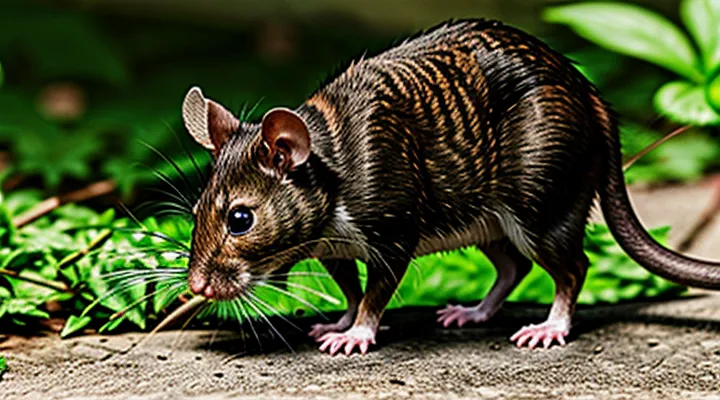
Understanding Sound Repellents
How Acoustic Repellents Work
Types of Frequencies Used
Effective rodent deterrents rely on acoustic emissions that fall within the hearing range of mice and rats, approximately 1 kHz to 90 kHz. The most common classifications of emitted frequencies are:
- Ultrasonic band (20 kHz – 100 kHz) – frequencies above the human audible threshold; most devices operate near 30 kHz to 50 kHz, targeting the peak sensitivity of rodent auditory receptors.
- High‑frequency audible band (10 kHz – 20 kHz) – audible to humans but still within rodent detection; useful in environments where ultrasonic attenuation is excessive.
- Low‑frequency audible band (2 kHz – 5 kHz) – primarily employed for “broadband” deterrence; less effective as rodents are less responsive at these levels.
- Broadband or sweep signals (2 kHz – 80 kHz) – continuous or pulsed sweeps that cover a wide spectrum, reducing habituation by preventing rodents from adapting to a single tone.
- Modulated or harmonic tones – combine a base frequency with harmonics or amplitude modulation to increase perceptual complexity.
Frequency selection influences penetration depth, attenuation by obstacles, and the likelihood of habituation. Ultrasonic emissions provide the greatest coverage without human disturbance but lose potency through dense materials. High‑frequency audible tones penetrate barriers more effectively yet may be audible to occupants. Broadband sweeps mitigate desensitization by varying spectral content, while modulated tones exploit rodent sensitivity to rapid changes in pitch and amplitude. Choosing the appropriate frequency profile requires assessment of the target environment, material composition, and the desired balance between efficacy and human comfort.
Mechanisms of Disruption
Sound repellents for rodents operate by interfering with the auditory system, provoking physiological and behavioral responses that discourage habitation. Targeted frequencies exploit the hearing range of mice and rats, typically 5–20 kHz, which aligns with their most sensitive auditory receptors. Emission of tones at these levels produces the following disruptive effects:
- Auditory overload: Continuous exposure exceeds the species’ comfortable sound intensity, leading to chronic stress and reduced activity.
- Neural desensitization: Irregular pulse patterns prevent the central nervous system from adapting, sustaining a heightened alert state.
- Behavioral aversion: Unpleasant acoustic cues trigger avoidance behavior, prompting relocation to quieter zones.
- Reproductive inhibition: Persistent stress hormones linked to sound disturbance can suppress breeding cycles, limiting population growth.
Effective devices combine variable frequency modulation with intermittent timing to avoid habituation. Acoustic output must maintain a decibel range above the species’ hearing threshold yet below levels that cause permanent hearing damage. Proper placement—near entry points, nesting sites, and feeding areas—maximizes exposure and ensures consistent disruption across the infestation zone.
Scientific Evidence and Efficacy
Studies on Ultrasonic Devices
Research on ultrasonic rodent deterrents focuses on frequency, intensity, and exposure duration as determinants of efficacy. Laboratory trials typically expose groups of mice or rats to continuous or pulsed ultrasonic emissions ranging from 20 kHz to 70 kHz, measuring changes in activity, feeding, and mortality. Results indicate that frequencies above 30 kHz produce the most consistent avoidance behavior, while intensities below 90 dB SPL rarely affect adult specimens.
Field investigations extend laboratory findings to residential and agricultural settings. Studies report a reduction of 30‑45 % in capture rates when ultrasonic units operate continuously for at least three weeks, provided devices cover the entire infested area without acoustic dead zones. Devices employing rotating or sweeping sound patterns achieve higher success than static emitters, likely because they prevent habituation.
Meta‑analyses of peer‑reviewed experiments reveal several constraints. First, efficacy diminishes after 2‑4 weeks as rodents acclimate to the signal. Second, ultrasonic waves attenuate rapidly in cluttered environments; concrete walls and furniture can reduce signal strength by up to 50 %. Third, efficacy varies between species; Norway rats (Rattus norvegicus) show weaker avoidance than house mice (Mus musculus) at comparable frequencies.
Practical guidance derived from the literature includes:
- Select units that emit frequencies between 35 kHz and 55 kHz at 95 dB SPL or higher.
- Ensure overlapping coverage to eliminate acoustic shadows.
- Rotate devices or program intermittent bursts to mitigate habituation.
- Combine ultrasonic deterrents with physical exclusion methods for maximal impact.
Overall, empirical evidence supports ultrasonic technology as a component of integrated rodent management, but not as a standalone solution. Continuous monitoring and periodic adjustment of sound parameters are essential to maintain effectiveness.
Limitations and Criticisms
Sound‑based deterrents exhibit several practical constraints. Ultrasonic devices often generate frequencies above the hearing range of humans but within that of rodents; however, the emitted sound diminishes rapidly with distance, limiting coverage to a few meters. Consequently, large or irregularly shaped areas require multiple units, increasing cost and maintenance.
Effectiveness varies among species and individuals. Laboratory studies show habituation after several days, during which rodents cease to respond to the signal. Field reports indicate that some populations remain unaffected from the outset, suggesting genetic or behavioral resistance.
Environmental factors reduce reliability. Soft furnishings, insulation, and clutter absorb ultrasonic waves, creating silent zones where pests can linger. Open spaces with high ceilings dilute the signal, rendering devices ineffective at floor level.
Regulatory and safety considerations restrict deployment. Certain frequencies overlap with those used in medical equipment or pet communication, raising the risk of unintended interference. Continuous exposure may cause stress or hearing damage in non‑target animals, including household pets and wildlife.
Economic assessments reveal limited return on investment. Manufacturers often advertise near‑instant eradication, yet empirical data show modest reductions in activity and no guarantee of complete exclusion. Replacement cycles typically span six to twelve months, adding recurring expense.
In summary, acoustic repellents face challenges of limited range, species‑specific tolerance, environmental attenuation, regulatory constraints, and questionable cost‑effectiveness. Users should weigh these drawbacks against alternative control methods before adoption.
Factors to Consider When Choosing a Repellent
Device Specifications
Frequency Range and Power
Effective acoustic deterrents rely on two technical parameters: the emitted frequency band and the acoustic power delivered to the target area. Rodents detect sounds from approximately 1 kHz up to 100 kHz, with peak sensitivity between 10 kHz and 30 kHz. Devices that generate ultrasonic waves above 20 kHz exploit the upper end of this range, where human hearing is negligible. However, the frequency must remain within the audible window of the specific pest species; for rats, frequencies near 15 kHz to 25 kHz produce the strongest aversive response, while mice respond to a broader span extending to 40 kHz. Selecting a frequency that matches the species’ auditory peak maximizes the deterrent effect and reduces the risk of habituation.
Acoustic power, expressed as sound pressure level (SPL) at the source, determines the radius over which the signal remains effective. Laboratory and field studies indicate that SPLs of 90–110 dB measured at 10 cm from the emitter sustain repellency up to 3 m under typical indoor conditions. Power considerations include:
- Wattage: Devices rated 5–15 W provide sufficient SPL without excessive heat.
- Supply type: Mains‑connected units ensure continuous output; battery‑powered models must balance capacity with SPL, often limiting operation to 30–45 minutes per charge.
- Beam pattern: Directional transducers concentrate energy, extending reach; omnidirectional emitters disperse power uniformly but require higher wattage to achieve comparable range.
- Duty cycle: Intermittent emission (e.g., 1 second on, 2 seconds off) conserves energy while preserving efficacy, provided the SPL remains above the threshold during active periods.
Matching the appropriate frequency band with a power level that guarantees the required SPL across the intended coverage zone is essential for a reliable rodent sound repellent.
Coverage Area
When evaluating a ultrasonic deterrent, the area it can affect determines how many units are needed and where they should be positioned. Manufacturers typically state a nominal coverage radius, but real‑world performance depends on room geometry, obstacles, and ceiling height.
- A rectangular space of 200 sq ft generally requires a device rated for at least 250 sq ft to compensate for furniture and walls that absorb sound.
- Open‑plan layouts allow a single unit to cover larger zones, while compartmentalized rooms often need multiple devices with overlapping fields.
- Ceiling height above 8 ft reduces effective range; devices designed for higher ceilings list a reduced square‑foot rating.
- Materials such as concrete, metal cabinets, or dense insulation diminish propagation, demanding placement closer to entry points.
Strategic placement maximizes coverage. Install the emitter at a central point on a wall opposite the primary entry, angled downward to direct waves toward the floor where rodents travel. In multi‑room environments, position units at each doorway to create a continuous barrier. Ensure the device is at least 12 inches away from large objects that could reflect or block ultrasonic waves.
If the specified coverage does not match the measured floor area, calculate the required number of units using the formula:
[ \text{Units needed} = \left\lceil \frac{\text{Total floor area}}{\text{Effective coverage per device}} \right\rceil ]
Round up to the nearest whole number to avoid gaps. Verify coverage after installation by observing rodent activity for several days; persistent sightings indicate insufficient overlap or unaddressed acoustic dead zones. Adjust positioning or add supplemental units until the entire target space is consistently exposed to the ultrasonic field.
Power Source Options
When selecting a sound deterrent for rodents, the power source determines reliability, installation complexity, and operating cost.
Mains‑connected units draw continuous power from household wiring. They provide uninterrupted operation, support higher output levels, and eliminate the need for periodic battery replacement. Installation may require a dedicated outlet or professional wiring, and they increase overall electricity consumption.
Battery‑driven devices offer flexibility in placement, especially in locations without convenient outlets. Disposable alkaline or lithium cells supply power for several weeks to months, depending on output intensity. Users must monitor voltage levels and replace batteries before depletion to avoid gaps in protection.
Rechargeable models combine portability with reduced recurring expense. Built‑in lithium‑ion packs can be recharged via a wall adapter or USB connection. Cycle life typically ranges from 500 to 1000 charges; performance degrades gradually, requiring eventual pack replacement.
Solar‑powered units integrate photovoltaic panels with a storage battery. They suit outdoor or semi‑outdoor environments where sunlight is abundant. Energy harvested during the day sustains night‑time operation, but output may fluctuate with weather conditions and panel orientation.
Hybrid systems pair mains electricity with a backup battery. Under normal conditions they run from the grid, while the battery engages during power outages, ensuring continuous coverage. This configuration adds cost but enhances resilience.
Key considerations for any power option include:
- Consistency of output: Stable voltage maintains the intended frequency range and acoustic intensity.
- Maintenance requirements: Battery replacement or panel cleaning introduces routine tasks.
- Installation constraints: Access to outlets, wiring regulations, and mounting surfaces affect feasibility.
- Total cost of ownership: Initial purchase price, electricity usage, and consumable replacements contribute to long‑term expense.
Choosing the appropriate power source aligns device performance with the specific deployment environment and user preferences.
Installation and Placement
Optimal Device Positioning
Effective sound repellents work only when the emitted ultrasound reaches the target areas without obstruction. Proper placement of the device maximizes coverage and ensures consistent exposure for rodents.
Place units close to known entry points such as doorways, cracks, and gaps in foundation walls. Position them within 12–18 inches of the floor, where mice and rats travel most frequently. Mount devices on interior walls rather than ceilings to reduce signal attenuation caused by furniture and ceiling fixtures.
Maintain a clear line of sight between the emitter and the surrounding space. Avoid placing the unit behind heavy objects, metal cabinets, or large appliances that can reflect or absorb ultrasonic waves. If multiple devices are required, arrange them so that their coverage zones overlap by 10–15 percent, eliminating blind spots without creating excessive redundancy.
Consider the geometry of the space. In rectangular rooms, locate the device at the midpoint of the longer wall to extend the sound field across the entire length. In irregularly shaped areas, use corner placement to direct the beam along adjoining walls, ensuring the acoustic path follows typical rodent routes.
Regularly inspect the placement area for new obstacles or changes in furniture arrangement. Adjust the device’s position promptly to preserve optimal coverage and maintain the deterrent effect.
Environmental Considerations
When evaluating ultrasonic deterrents for rodent control, assess their impact on non‑target wildlife. Devices that emit frequencies above 20 kHz generally avoid detection by most birds and mammals, reducing inadvertent disturbance. However, some insects and amphibians can perceive higher ranges; select units with adjustable frequency bands to limit exposure.
Consider energy consumption. Models powered by mains electricity draw continuous power, increasing carbon footprint. Battery‑operated units reduce grid demand but require regular replacement, generating waste. Opt for devices with low‑power standby modes and recyclable battery options where feasible.
Examine material durability and disposal. Repellents housed in recyclable plastics or metal casings simplify end‑of‑life processing. Avoid products with sealed, non‑recyclable components that contribute to landfill accumulation.
Evaluate interference with local ecosystems. Continuous high‑volume sound may alter animal communication patterns, especially in dense urban habitats. Choose devices that operate intermittently or incorporate motion‑activated triggers to minimize ambient noise.
Key environmental criteria:
- Frequency range compatible with target species, excluding non‑target organisms
- Energy efficiency and renewable power compatibility
- Recyclable construction materials
- Operational mode that limits unnecessary sound emission
By aligning these factors with pest‑management objectives, the selected ultrasonic solution minimizes ecological disruption while maintaining efficacy against mice and rats.
Safety and Ethical Concerns
Impact on Pets and Humans
Ultrasonic rodent deterrents emit high‑frequency sound waves that target the auditory sensitivity of mice and rats. The same frequencies intersect the hearing range of many domestic animals and, in some cases, extend into the lower audible spectrum for people.
Pets may react to the emitted sound in several ways:
- Dogs and cats detect frequencies up to 45 kHz; exposure can cause agitation, avoidance of treated areas, or temporary hearing fatigue.
- Small mammals, especially birds, respond to even higher frequencies; prolonged presence may lead to reduced feeding or nesting activity near the device.
- Sensitive individuals may exhibit stress‑related behaviors such as excessive barking, pacing, or scratching.
Human exposure is generally limited because most devices operate above the 20 kHz threshold of normal hearing. However:
- Devices that produce harmonic tones below 20 kHz can be heard, potentially causing irritation, headaches, or tinnitus after extended contact.
- Vibrations transmitted through walls or furniture may be perceptible, especially in quiet environments.
- Compliance with safety standards (e.g., IEC 60601‑2‑27) reduces the likelihood of adverse health effects.
Effective implementation requires:
- Selecting models with adjustable frequency ranges to stay above the audible limit for occupants while remaining effective against rodents.
- Positioning units at least 3 feet away from sleeping or resting areas for humans and pets.
- Monitoring animal behavior after installation and discontinuing use if distress signs appear.
Humane Rodent Control
Humane rodent control relies on methods that deter pests without causing injury. Sound deterrents fit this approach because they target auditory sensitivity rather than physical harm. Effective devices emit frequencies that mice and rats find uncomfortable, prompting them to vacate treated areas while leaving the animals unharmed.
Key factors for selecting a reliable acoustic repellent include:
- Frequency range: Devices should cover 20 kHz–80 kHz, encompassing the most disruptive tones for both species.
- Adjustable intensity: Variable volume allows adaptation to different environments and prevents habituation.
- Coverage area: Choose models rated for the square footage of the target space to ensure consistent exposure.
- Power source: Battery‑operated units offer flexibility; plug‑in models provide uninterrupted operation.
- Safety certifications: Verify compliance with electrical and wildlife safety standards to avoid accidental harm to non‑target species.
When evaluating options, compare specifications against the listed criteria, prioritize models with user‑tested efficacy data, and verify that the product’s warranty covers performance failures. This systematic assessment yields a sound repellent that aligns with humane pest‑management objectives.
Alternative and Complementary Methods
Integrated Pest Management Approaches
Trapping Solutions
Effective rodent control often combines acoustic deterrence with physical capture methods. When a sound‑based device is deployed, selecting appropriate traps ensures that any individuals that tolerate the noise are removed promptly, preventing population rebound.
Common trap categories include:
- Snap traps – spring‑loaded mechanisms that deliver instantaneous lethal force; suitable for single‑catch situations and easy to position near entry points.
- Live‑catch traps – cage‑style enclosures with baited entrances; allow relocation of captured animals and comply with humane‑catch regulations.
- Electronic traps – high‑voltage plates that incapacitate rodents quickly; provide visual confirmation of a kill and reduce handling risk.
- Glue boards – adhesive surfaces placed in concealed locations; effective for monitoring activity but less suitable for large infestations due to humane concerns.
Key selection criteria:
- Placement compatibility – traps should be positioned where the acoustic device concentrates its sound field, typically along walls, near burrows, or at known travel routes.
- Bait effectiveness – use attractants that remain potent despite exposure to ultrasonic frequencies; common choices are peanut butter, dried fruit, or commercial rodent lures.
- Safety considerations – ensure that traps do not interfere with household electronics or pose hazards to children and pets; electronic and snap models often include safety guards.
- Maintenance frequency – choose devices that allow quick inspection and reset, minimizing downtime and preserving the overall deterrent efficacy.
Integrating traps with a sound repellent system creates a layered defense. Acoustic devices discourage entry, while traps address any rodents that persist, delivering a comprehensive solution that reduces reliance on chemical poisons and accelerates population control.
Exclusion Techniques
Effective exclusion prevents rodents from entering a building, thereby reducing the need for continual acoustic deterrence. Identify all potential ingress points by conducting a thorough inspection of the interior and exterior. Focus on gaps larger than ¼ inch, as these accommodate both mice and rats.
- Seal foundation cracks with hydraulic cement or polyurethane sealant.
- Install metal flashing around utility penetrations, such as pipes and cables.
- Fit door sweeps on exterior doors and ensure weatherstripping is intact.
- Cover vent openings with fine mesh (¼ inch or smaller) that resists chewing.
- Repair deteriorated siding, broken tiles, and loose roofing material.
- Install rodent‑proof panels on crawl‑space and attic access points.
Combine exclusion with sound‑based repellent devices by positioning emitters in sealed zones where rodents cannot retreat. This placement maximizes acoustic exposure while eliminating refuge areas. Regular maintenance—re‑checking seals after seasonal weather changes—maintains the integrity of the barrier and sustains the effectiveness of the sound deterrent system.
When to Seek Professional Help
Signs of Severe Infestation
A severe rodent infestation presents clear, observable evidence that demands immediate, robust acoustic control. Recognizing these indicators prevents the problem from expanding beyond the reach of standard deterrents.
- Large, fresh droppings concentrated in kitchens, pantries, and storage areas
- Gnawed electrical wiring, insulation, or structural components
- Multiple, active burrows or nests within walls, attics, or crawl spaces
- Persistent, loud scratching or scurrying noises, especially at night
- Noticeable odor of urine or ammonia spreading through confined spaces
Each sign confirms a high population density and extensive habitat use. When such conditions exist, a sound‑based repellent must deliver:
- High decibel output capable of penetrating dense building materials
- Broad frequency range covering ultrasonic and audible tones to affect both mice and rats
- Continuous operation or programmable cycles to maintain pressure on the colony
- Sufficient coverage area to address multiple nesting sites simultaneously
Failure to match device specifications with the severity of these symptoms results in ineffective mitigation and prolonged damage. Prompt identification of the listed markers enables selection of a powerful acoustic solution that can suppress, and ultimately eradicate, a heavy rodent presence.
Expert Consultation
Expert consultation provides a systematic approach to identifying a sound‑based deterrent that reliably reduces rodent activity. Professionals assess site conditions, target species, and environmental constraints before recommending a specific ultrasonic device. Their analysis includes frequency range suitability, coverage area calculations, and compatibility with existing pest‑management protocols.
Key elements of a professional evaluation:
- Measurement of ambient noise levels to ensure the repellent’s signal will not be masked.
- Identification of the dominant rodent species, as frequency preferences differ between mice and rats.
- Calculation of device placement density to achieve overlapping coverage zones, eliminating blind spots.
- Review of safety standards to prevent adverse effects on non‑target animals and humans.
Consultants compile the data into a detailed implementation plan. The plan outlines equipment specifications, installation procedures, and monitoring schedules. It also defines performance metrics such as reduction percentage in rodent sightings and duration of efficacy, enabling objective verification of results.
After deployment, experts conduct periodic inspections and adjust device settings or positioning as needed. Their ongoing involvement ensures the ultrasonic system maintains optimal performance and adapts to changes in infestation patterns.