
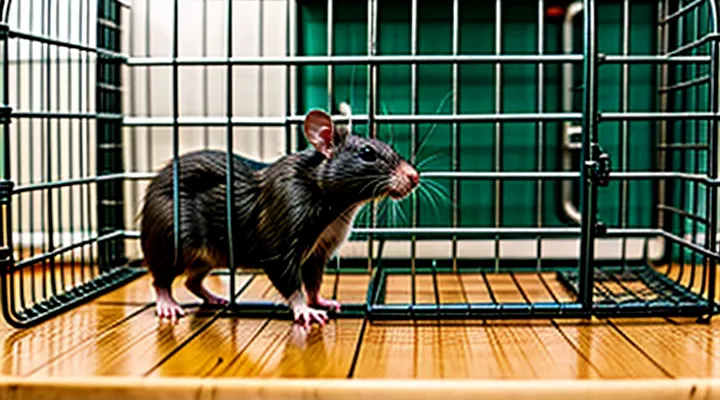
Understanding Rat Traps
Types of Traps
Snap Traps
Snap traps provide a rapid, mechanical solution for rodent control within enclosed environments. The mechanism consists of a spring‑loaded bar that releases upon contact with a trigger plate, delivering an immediate lethal force. Construction typically involves a durable plastic base, a metal spring, and a wooden or polymer bait holder, allowing reuse after each capture.
Key considerations when selecting a snap trap include:
- Trigger sensitivity adjustable to accommodate varying rodent sizes.
- Spring tension calibrated for consistent strike velocity, minimizing the risk of partial injury.
- Bait compartment design that isolates food from the trap body, reducing contamination.
- Material resistance to rust and corrosion, ensuring longevity in humid or outdoor settings.
- Compliance with local regulations regarding humane pest control methods.
Effective deployment requires placement along established rodent pathways, such as near walls, behind appliances, or within nesting areas. Position traps perpendicular to travel routes, with the trigger end facing the expected direction of approach. Regular inspection, typically every 24 hours, ensures timely removal of captured rodents and immediate resetting of the device. Proper disposal of deceased pests follows sanitary guidelines to prevent disease transmission.
Electronic Traps
Electronic traps provide a rapid, humane method for controlling rat populations within a cage‑type system. The device delivers a high‑voltage discharge when a rodent contacts the trigger plate, causing immediate incapacitation. This mechanism eliminates the need for bait, reducing the risk of accidental poisoning of non‑target species.
Key characteristics of electronic cage traps include:
- Power source – rechargeable lithium‑ion batteries or mains‑connected adapters supply the required voltage; battery capacity determines operational duration between charges.
- Safety features – insulated housing and automatic shut‑off prevent electric shock to handlers; some models incorporate a lockable door for secure removal of captured specimens.
- Capacity – interior dimensions accommodate multiple rats, allowing collection of several individuals before emptying the unit.
- Indicator system – visual or auditory alerts signal a successful strike, facilitating timely inspection and disposal.
- Durability – stainless‑steel construction resists corrosion and withstands repeated use in humid or outdoor environments.
When selecting an electronic cage trap, consider the following criteria:
- Voltage output – devices offering 2,000–3,000 V ensure swift incapacitation; lower voltages may result in prolonged suffering.
- Battery life – a minimum of 30 days of standby time is advisable for infrequent monitoring scenarios.
- Ease of cleaning – removable trays and smooth interior surfaces simplify decontamination and reduce pathogen exposure.
- Noise level – silent operation minimizes disturbance to occupants and wildlife.
- Regulatory compliance – verify that the model meets local pest‑control regulations and electrical safety standards.
Maintenance procedures consist of regular battery charging, periodic inspection of the trigger mechanism for debris, and thorough sanitation after each emptying cycle. Proper placement—along walls, near entry points, and in concealed pathways—maximizes contact rates while limiting access by pets or children.
Cost analysis should weigh the higher upfront investment against reduced expenses for bait, repeated trap purchases, and labor associated with manual kill methods. Over an extended period, electronic cage traps often achieve a lower total cost of ownership due to their reusability and minimal consumable requirements.
Glue Traps
Glue traps constitute a passive capture method that relies on a high‑adhesion surface to immobilize rodents. When a rat steps onto the coated area, its paws become stuck, preventing escape without the need for poison or bait.
Advantages include:
- Immediate immobilization upon contact
- Low purchase price per unit
- No requirement for attractants
- Suitability for confined or hard‑to‑reach locations
Disadvantages include:
- Lack of species selectivity, risking capture of non‑target animals
- Ethical concerns related to prolonged suffering
- Single‑use design, generating waste after each capture
- Difficulty in safe disposal of trapped specimens
Effective use requires careful placement on established runways, avoidance of areas frequented by pets or children, regular inspection to remove captured rodents, and replacement of traps after each capture. Selecting glue traps for a rat‑control program should align with the overall strategy of cage‑based trapping, balancing cost, convenience, and humane considerations.
Cage Traps
Cage traps provide a closed container that captures rats without the need for chemical agents. The device typically features a trigger mechanism, a secure door, and a compartment large enough to accommodate an adult rodent.
Various models exist. Live‑catch traps hold the animal unharmed for later release. Kill traps contain a lethal component that ends the pest’s life instantly. Hybrid designs combine a humane entry with a rapid dispatch system.
Key factors for selecting an appropriate trap include:
- Dimensions that match the target species’ size;
- Construction material resistant to gnawing, such as reinforced plastic or stainless steel;
- Compatibility with preferred baits, including grain, peanut butter, or commercial attractants;
- Safety features that prevent accidental closure when handling the device;
- Ease of disassembly for cleaning and maintenance.
Advantages of cage traps encompass reusability, elimination of poison hazards, and reduced risk of secondary poisoning to non‑target animals. The sealed environment also minimizes odor and mess.
Effective deployment requires strategic placement near walls, concealed pathways, and known activity zones. Bait should be positioned at the trigger point to ensure prompt activation. Traps must be inspected at least once daily to remove captured rodents and reset the mechanism.
Regular upkeep extends the trap’s service life. After each capture, disassemble the unit, rinse with hot water, and apply a mild disinfectant. Replace any worn components, such as springs or latches, before the next use.
Why Choose a Cage Trap?
Humane Capture
Humane capture focuses on trapping rats without causing injury. Effective cage traps incorporate smooth interior surfaces, rounded corners, and ventilation holes that prevent suffocation while allowing easy observation of captured animals. Bait selection influences capture rates; foods with strong odor and high fat content, such as peanut butter or dried fruit, attract rodents quickly and encourage entry without triggering panic.
Key considerations when selecting a cage trap for rats:
- Size: interior volume must accommodate adult rats (average length 20 cm) with room to move.
- Escape prevention: latch mechanism should close securely yet release without force when the trap is opened.
- Cleaning: removable tray or mesh simplifies disinfection and reduces stress for subsequent captures.
- Durability: reinforced plastic or stainless steel resists gnawing and maintains structural integrity.
Placement strategy enhances humane outcomes. Position traps along walls, near known runways, and away from high‑traffic human areas. Check traps at least twice daily to minimize confinement time; prolonged captivity can lead to dehydration and heat stress. When release is required, transport the animal in a ventilated container to a suitable outdoor location, preferably at least 500 m from the original infestation site, and open the trap gently to allow immediate exit.
Reusability
When evaluating a rodent cage trap, the capacity for repeated use determines overall performance and expense. Durable construction, such as reinforced steel or high‑density polymer, prevents deformation after multiple captures. Modular components enable rapid disassembly, facilitating thorough cleaning and swift reassembly without compromising structural integrity. Simple latch mechanisms and interchangeable bait stations reduce wear on critical parts, extending the service life of the device.
Key considerations for reusability include:
- Material resistance to corrosion and gnawing, ensuring the trap remains functional after repeated exposure to moisture and teeth.
- Compatibility with standard cleaning agents, allowing sanitation without degrading surfaces.
- Availability of replacement hinges or springs, permitting maintenance without full replacement.
- Design that tolerates repeated opening and closing cycles, preserving alignment and trap efficiency.
Initial purchase price must be weighed against long‑term savings. Higher upfront cost for a robust, reusable model often results in fewer replacements, lower cumulative expenditure, and reduced downtime for pest‑control operations. Additionally, the environmental impact diminishes as waste generation declines; fewer discarded traps translate to decreased landfill contribution and lower resource consumption for manufacturing new units.
Selecting a cage trap with proven reusability therefore enhances operational reliability, controls costs, and supports sustainable pest‑management practices.
Safety for Pets and Children
When selecting a cage trap for rodents, the foremost concern must be the protection of household pets and children. The device should prevent accidental contact, eliminate the risk of injury, and avoid exposure to harmful substances.
- Enclosed design that fully contains the captured animal, leaving no openings large enough for a cat’s paw or a child’s hand.
- Transparent or partially transparent walls to allow visual monitoring without direct interaction.
- Non‑toxic materials, free of sharp edges, rust, and chemical coatings that could leach onto fur or skin.
- Trigger mechanism positioned at a height unreachable by small children and out of reach for wandering pets.
- Secure locking latch that requires deliberate action to open, reducing the chance of accidental release.
Installation guidelines reinforce safety. Place the trap in a secluded area, such as behind furniture or inside a dedicated pantry, ensuring the location is inaccessible to pets and kids. Regularly inspect the trap for wear, broken components, or residual bait that could attract unintended species. Dispose of captured rodents promptly, following local health regulations, and clean the trap with mild soap and water to remove any biological contaminants. Continuous supervision and proper maintenance sustain a safe environment for all household members.
Catching Multiple Rats
When the objective is to capture several rodents with a single device, trap capacity becomes the primary criterion. A cage designed to hold multiple individuals must provide enough interior volume to prevent crowding, which can trigger escape attempts. Adequate ventilation, secure locking mechanisms, and a sturdy construction ensure that captured rats remain contained until removal.
Key factors to evaluate:
- Interior dimensions that accommodate at least three to five average‑size rats without restricting movement.
- Multiple entry points or a wide opening that allows simultaneous access, increasing capture probability when rats approach from different directions.
- A reliable trigger that releases the door instantly upon entry, reducing the chance of a partial capture that could allow escape.
- Easy‑to‑clean surfaces and removable trays to facilitate rapid disposal and prevent odor buildup that might deter additional visitors.
Placement strategy influences success rates. Situate the trap along established runways, near food sources, or adjacent to nesting sites. Align the bait at the far end of the cage to encourage full entry; common attractants include grain, peanut butter, or dried fruit, applied in a thin layer to avoid spillage.
Maintenance routines are essential for sustained performance. Inspect the locking latch after each capture, replace any damaged components, and sanitize the interior with a mild disinfectant. Regular checks prevent trap failure and maintain the effectiveness of the bait.
By prioritizing size, entry design, trigger reliability, and upkeep, a multi‑capture cage trap delivers consistent results in environments where several rats are active simultaneously.
Key Features of an Effective Cage Trap
Size and Material
Trap Dimensions
When selecting a cage‑type trap for rodent control, dimensions determine effectiveness and safety. The interior volume must accommodate the target animal without causing injury, while the entrance opening should be sized to allow easy entry yet prevent escape.
Key dimensional parameters include:
- Overall length, width, and height of the cage, typically ranging from 30 cm × 20 cm × 20 cm for small‑to‑medium models to 50 cm × 30 cm × 30 cm for larger variants.
- Entrance aperture size, often 5 cm × 5 cm, calibrated to the species’ shoulder width.
- Internal compartment clearance, at least 2 cm of free space around the animal to reduce stress.
- Minimum weight capacity, usually 500 g, ensuring structural integrity when the trap is triggered.
Compliance with these measurements enhances capture rates, simplifies placement in confined areas, and facilitates humane handling after capture.
Construction Material
Selecting an appropriate cage trap for rats requires careful evaluation of the construction material. Material choice determines durability, resistance to tampering, ease of cleaning, and safety for both the animal and the user.
- Stainless steel: highly durable, corrosion‑resistant, tolerates repeated sanitization, higher cost.
- Galvanized steel: strong, moderately resistant to rust, suitable for indoor use, lower price than stainless.
- Heavy‑duty plastic: lightweight, resistant to moisture, easy to disassemble, less robust against gnawing.
- Treated wood: inexpensive, can blend with interior décor, vulnerable to moisture and gnawing, requires regular inspection.
- Composite blends: combine strength of metal with flexibility of polymer, often engineered for pest control, price varies.
Environmental factors influence material performance. Exposure to humidity accelerates rust on untreated metal; UV radiation degrades certain plastics over time. Materials that tolerate high‑temperature cleaning agents reduce pathogen risk. Non‑toxic finishes prevent chemical exposure to captured rodents.
Selection criteria should align with trap placement and operational demands. Indoor installations benefit from corrosion‑resistant metals or sturdy plastics that withstand frequent cleaning. Outdoor traps require rust‑proof metals or UV‑stable composites to endure weather. Budget constraints may favor galvanized steel or heavy‑duty plastic, provided structural integrity meets the required load. Ultimately, the material must balance longevity, safety, and cost to ensure effective rodent capture.
Trigger Mechanism
Spring-Loaded Triggers
Spring‑loaded triggers operate by storing kinetic energy in a coiled metal spring that releases instantly when a rat activates the trigger mechanism. The rapid release drives a lever or platform, closing the cage door and confining the rodent without manual intervention.
Key advantages include:
- Immediate closure reduces escape risk.
- Mechanical simplicity limits the need for batteries or electronics.
- Consistent force ensures reliable activation across various rodent sizes.
When selecting a spring‑triggered cage trap, assess the following factors:
- Spring tension calibrated for target species; excessive force may cause injury, while insufficient tension can result in failure to close.
- Trigger sensitivity adjustable to prevent false activations caused by debris or non‑target animals.
- Construction material resistant to corrosion, especially in humid environments where rust could impair spring performance.
Maintenance procedures focus on preserving spring integrity. Regularly inspect for fatigue cracks, clean debris from the trigger area, and apply a light lubricant compatible with metal springs to prevent rust. Replace the spring assembly if compression loss exceeds manufacturer specifications.
Overall, spring‑loaded mechanisms provide a durable, efficient solution for rodent cage traps, combining rapid response with minimal maintenance requirements.
Trip Plate Triggers
Trip plate triggers constitute the primary activation mechanism in many rodent cage traps. When a rat steps onto the plate, its weight depresses the plate, releasing a latch that closes the cage door. This simple mechanical action provides rapid capture without reliance on electricity or complex sensors.
Key characteristics of trip plate triggers include:
- Sensitivity range – plates are calibrated to respond to weights between 100 g and 250 g, matching the typical mass of adult rats while ignoring lighter debris.
- Reset speed – spring‑loaded designs return to the open position within 0.5 seconds, allowing multiple captures in a short period.
- Durability – stainless‑steel or reinforced polymer plates resist corrosion and wear, maintaining consistent performance over thousands of cycles.
- Safety features – built‑in shielding prevents accidental closure on non‑target species and reduces risk of operator injury.
When evaluating cage traps that incorporate trip plates, consider the following factors:
- Plate material – stainless steel offers superior longevity; polymer plates reduce noise but may degrade faster under harsh conditions.
- Adjustment mechanism – models with adjustable tension enable fine‑tuning for different rodent sizes and activity levels.
- Cage size and ventilation – sufficient interior volume prevents stress‑induced escape; adequate airflow maintains humane conditions.
- Ease of cleaning – removable plates and smooth interior surfaces simplify disassembly and sanitation.
- Compatibility with bait – flat plate surfaces accommodate a variety of attractants without obstructing the trigger pathway.
Maintenance procedures focus on preserving trigger reliability. After each capture, inspect the plate for debris, verify spring tension, and lubricate pivot points with a light, non‑toxic oil. Replace worn plates promptly to avoid missed activations.
Overall, trip plate triggers deliver precise, low‑maintenance activation for cage traps targeting rats. Selecting a trap with adjustable, corrosion‑resistant plates, rapid reset, and ergonomic cleaning design maximizes capture efficiency while adhering to humane standards.
Door Design
Single-Door Traps
The category «Single‑Door Traps» consists of cages with one entry point that closes automatically when a rodent triggers the latch. The design typically incorporates a hinged door, a spring‑loaded latch, and a transparent front panel for visual monitoring.
Key benefits include a compact footprint, ease of placement in limited spaces, and a straightforward mechanism that reduces the likelihood of malfunction. The single entry reduces escape routes, making the device reliable for capturing individual rats.
Limitations involve reduced capacity for multiple captures and a higher chance of non‑target species entry when bait placement is not precise. The single door may also require more frequent checking to prevent stress or injury to captured animals.
Selection criteria:
- Material durability (e.g., stainless steel or heavy‑gauge plastic)
- Latch sensitivity adjustable to the target’s weight
- Size of interior chamber relative to average rat dimensions
- Availability of a secure lock for humane transport
Usage guidelines:
- Position trap along known rodent pathways, near walls or corners
- Bait with high‑fat attractants, securing it on the trigger plate
- Set latch tension according to manufacturer specifications
- Inspect daily; remove captured rodents promptly and reset the device
Safety considerations mandate wearing gloves during handling, disposing of captured rodents according to local regulations, and storing the trap out of reach of children and pets. Regular cleaning with mild detergent prevents odor buildup that could deter future captures.
Two-Door Traps
«Two‑Door Traps» provide a distinct capture method for rodent control. The design incorporates two separate openings: one entry chamber equipped with bait, and an opposite exit that remains blocked until the animal triggers the internal latch. This configuration allows the rat to enter voluntarily, then become confined without the possibility of immediate escape.
Key benefits include:
- Dual access reduces hesitation, encouraging quicker entry.
- Internal latch activates only after full body entry, decreasing false triggers.
- Transparent or mesh walls permit visual monitoring without opening the trap.
- Reusable construction lowers long‑term cost compared to disposable models.
Selection criteria focus on material durability, chamber dimensions, and safety features. Stainless‑steel frames resist corrosion and withstand repeated cleaning cycles. Chamber size must accommodate adult rats while preventing entry of non‑target species. Spring‑loaded latches should release smoothly yet hold securely under strain. Placement near established runways maximizes capture probability; positioning at wall junctions or near food sources aligns with typical rat movement patterns.
Maintenance procedures involve regular inspection, removal of captured specimens, and thorough sanitation. Disassembly should follow the manufacturer’s latch release instructions to avoid damage. Cleaning agents must be non‑toxic and compatible with the trap’s material to preserve structural integrity. After each use, re‑bait the entry chamber and verify latch function before redeployment.
Bait Placement Area
The bait placement area determines how quickly a rodent encounters the lure and triggers the mechanism. Proper positioning maximizes capture rates while minimizing escape opportunities.
Key factors for optimal bait placement:
- «Bait Placement Area» should be located along established runways, typically near walls, corners, or concealed pathways where rats travel.
- Surface material must allow secure attachment of the bait; smooth or slippery surfaces reduce adhesion and may cause bait loss.
- Height of the bait platform should align with the animal’s natural foraging posture, generally 2–4 cm above the floor.
- Shielding from non‑target species prevents interference; a narrow aperture or protective guard limits access to the intended pest.
- Ease of inspection and replacement facilitates regular maintenance, ensuring consistent attractant potency.
When evaluating cage traps, prioritize models that provide adjustable bait compartments, allowing precise control over the «Bait Placement Area» dimensions and orientation. This flexibility accommodates varying infestation levels and environmental constraints.
How to Select the Right Cage Trap
Considering the Rat Species
When selecting a cage‑type trap, accurate identification of the target rat species determines the most effective design and placement. Different species exhibit distinct sizes, climbing abilities, and habitat preferences, all of which influence trap dimensions, entry mechanisms, and bait selection.
- Norway rat (Rattus norvegicus) – Large body, ground‑dwelling, prefers burrows and low‑lying pathways. Requires spacious interior, wide entrance, and sturdy base to prevent escape.
- Roof rat (Rattus rattus) – Smaller, agile climber, frequenting elevated structures such as rafters and trees. Benefits from vertically oriented entry, smooth interior surfaces, and placement at higher levels.
- Black rat (Rattus rattus brunneus) – Similar to roof rat but often found in coastal or humid environments. Demands corrosion‑resistant materials and bait that withstand moisture.
Species‑specific behavior directly shapes trap configuration. Ground‑living rats need traps positioned along established runways, with entrance holes sized to accommodate larger heads while preventing premature triggering. Climbing species require entry points aligned with vertical movement, often employing funnel‑shaped openings that guide the animal upward into the capture chamber. Bait preferences also vary: Norway rats respond well to grain‑based attractants, whereas roof rats show higher interest in fruit or protein‑rich lures.
For optimal results, match trap dimensions to the average body length of the target species, select materials that resist gnawing and environmental degradation, and locate devices where the species’ natural routes intersect. Consistent monitoring and timely release of captured individuals complete the control process while minimizing stress on non‑target wildlife.
Location of Infestation
Indoor Use
When a rodent cage trap is deployed inside a dwelling, the device must fit the confined spaces typical of residential rooms. Compact dimensions allow placement behind furniture or within closets, while a sufficiently wide entrance accommodates adult rats without allowing escape.
Key attributes for indoor models include:
- Rigid, chew‑resistant construction that prevents damage to walls or furnishings.
- Secure locking mechanism that remains engaged after capture.
- Transparent or vented chamber for visual monitoring without opening the trap.
- Easy‑to‑clean interior surfaces that resist odor buildup.
Position the trap along established travel routes: close to walls, near food storage areas, and away from children’s play zones. Concealment behind baseboards or inside cabinets reduces visual disturbance while maintaining accessibility for regular checks.
Select bait that is both attractive to rats and safe for indoor environments. Common options comprise peanut butter, dried fruit, or small portions of meat; avoid substances that could stain surfaces or attract other pests.
Inspect the device at least once daily. Remove captured rodents promptly, disinfect the interior with a mild solution, and replace bait to sustain effectiveness. Ensure that the trap remains stable on flat surfaces to prevent tipping.
Safety considerations extend to the surrounding area. Verify that no cords or loose items can be chewed through, and confirm that ventilation openings do not allow escape. Choose models certified as humane, guaranteeing that captured rats remain alive until release or humane euthanasia.
Outdoor Use
When a cage trap is intended for outdoor deployment, the design must withstand variable weather conditions. Materials such as heavy‑duty plastic or stainless steel prevent corrosion caused by rain, humidity, and temperature fluctuations. Sealed joints and reinforced hinges protect the mechanism from moisture intrusion, ensuring reliable operation over extended periods.
Effective placement reduces the likelihood of escape and maximizes capture rates. Position traps near known rat pathways, close to food sources, and away from direct sunlight to avoid overheating. Elevating traps a few inches off the ground deters flooding and limits access by non‑target wildlife.
Bait selection influences success in an outdoor environment. Use durable attractants that resist spoilage, such as dry grain, peanut butter, or commercial rodent lures sealed in airtight containers. Refresh bait regularly to maintain potency despite exposure to insects and weather.
Durability considerations include:
- Robust construction with UV‑resistant coating
- Secure locking mechanism that remains functional after rain or snow
- Easy‑to‑clean interior to prevent disease buildup
- Non‑hazardous design to protect pets and children
Maintenance protocols require periodic inspection for rust, damage, and bait depletion. Clean the trap with a mild disinfectant after each capture, then dry thoroughly before redeployment. Replace worn components promptly to preserve efficacy.
Compliance with local regulations is mandatory. Verify that the selected cage trap meets regional wildlife protection laws and that placement does not obstruct public pathways or private property boundaries.
Durability and Weather Resistance
Durability determines long‑term effectiveness of a rodent cage trap. Materials such as galvanized steel, heavy‑gauge aluminum, or reinforced polymer resist deformation after repeated captures. Corrosion‑resistant coatings extend service life, preventing rust that could compromise structural integrity. When the trap is exposed to frequent handling, hinges and latch mechanisms must endure thousands of cycles without loosening or breaking.
Weather resistance is essential for outdoor deployment. A trap must repel water, resist UV degradation, and maintain functionality across temperature extremes. Features that enhance protection include:
- Sealed joints and welded seams to prevent moisture ingress.
- UV‑stabilized plastics or powder‑coated metal to avoid brittleness under sunlight.
- Insulated latches that operate reliably in sub‑zero or high‑heat conditions.
Choosing a model that combines robust construction with comprehensive weather shielding reduces replacement costs and ensures consistent performance regardless of climatic challenges.
Setting Up and Using Your Cage Trap
Baiting Strategies
Effective Baits
Effective baits increase capture rates in cage traps designed for rodents. Selecting an attractant that appeals to the target species’ feeding habits is essential for reliable results.
Key criteria for bait choice include:
- High protein or fat content, matching rats’ preference for energy‑dense foods.
- Strong odor that disperses quickly within the trap environment.
- Minimal mess to prevent trap contamination and preserve bait integrity.
- Resistance to gnawing, ensuring the bait remains intact until capture.
Commonly successful baits are:
- Peanut butter, thick enough to adhere to trap surfaces and rich in fat.
- Sunflower seeds, providing both protein and a robust scent.
- Dried fish flakes, offering a potent aroma that attracts nocturnal foragers.
- Commercial rodent attractants, formulated with synthetic pheromones and concentrated flavor compounds.
Application guidelines:
- Apply a thin, even layer of bait to the trigger plate or interior platform.
- Secure excess material to avoid spillage that could deter the animal.
- Replace bait every 48 hours to maintain freshness and potency.
- Position traps near known activity zones, such as wall junctions or food sources, to maximize encounter probability.
Bait Placement
Effective bait placement determines the success of a rodent cage trap. Position the bait near the trigger mechanism but not directly on it; this encourages the rat to approach the entry hole and activate the lever. Use a small amount—no more than a pea‑sized piece—to prevent the animal from removing the bait without entering the trap.
Key considerations for bait selection and positioning:
- Choose high‑protein or high‑fat foods such as peanut butter, bacon bits, or dried fruit; these attract rats more reliably than grain‑based options.
- Secure the bait on a disposable piece of cardboard or a thin slice of plastic; this creates a stable platform that slides easily when the trigger is released.
- Place the bait at the far end of the entry tunnel, ensuring the rat must fully enter the cage to reach it.
- Avoid strong scents from cleaning agents or pesticides near the bait; residual odors can deter activity.
Safety measures:
- Keep bait out of reach of children and non‑target animals by installing the trap in a concealed area, such as behind appliances or within wall voids.
- Replace bait daily to maintain freshness and reduce the risk of mold or decomposition, which could compromise trap performance.
Regular monitoring:
- Inspect the trap at least once every 12 hours; remove captured rodents promptly to prevent bait contamination.
- Adjust bait type or placement if capture rates decline, as rats may develop preferences or become wary of a particular scent.
Trap Placement
Identifying Rat Pathways
Identifying the routes rats use within a building provides the data needed to position cage traps effectively.
Common techniques for mapping movement include:
- Visual inspection of walls, floors and ceilings for gnaw marks, grease streaks and droppings.
- Application of non‑toxic tracking powder along suspected corridors, followed by observation of footprints.
- Installation of low‑power motion sensors that record activity times and directions.
- Use of infrared cameras to capture nocturnal travel patterns.
Key indicators of high‑traffic pathways are:
- Concentrated clusters of feces or urine stains.
- Repeated gnawing on structural elements such as baseboards, pipes and vent covers.
- Accumulation of debris or shredded material near entry points.
When pathways are documented, cage traps should be placed directly along these routes, with the entrance oriented toward the direction of travel. Positioning traps near identified choke points maximizes encounter probability and improves capture rates.
Secure Placement
Secure placement of a cage trap maximizes capture efficiency and minimizes risk to non‑target animals. Position the device along established rodent pathways, such as walls, baseboards, or behind appliances, where rats travel unobstructed. Ensure the trap is flush with the surface to prevent avoidance caused by gaps.
Select a location away from food preparation areas and human traffic to reduce accidental interference. Avoid placement near pet zones; rodents may be deterred by the presence of cats or dogs, and pets could trigger the mechanism unintentionally.
Anchor the trap firmly to prevent displacement. Use screws or heavy-duty adhesive strips to attach the base to a solid surface. Verify that the trigger mechanism remains unobstructed and that the bait compartment is fully sealed.
Key considerations for secure placement:
- Proximity to gnawing evidence or droppings
- Alignment with wall edges to channel movement
- Isolation from children’s reach and pet access
- Stable attachment to a durable substrate
Regularly inspect the trap’s position to confirm stability and adjust if environmental changes occur. Maintaining these conditions ensures consistent performance and safe operation.
Regular Monitoring
Regular monitoring ensures that cage traps remain effective and humane. After each deployment, examine the trap for structural integrity, bait freshness, and any signs of damage. Replace compromised components before the next use to prevent escape or injury.
Key monitoring actions include:
- Verify that the trigger mechanism operates smoothly; a sluggish response indicates wear.
- Check bait condition; stale or contaminated bait reduces attraction and may attract non‑target species.
- Inspect the enclosure for cracks or gaps; any breach allows rats to avoid capture.
- Record capture dates, locations, and numbers; data trends reveal peak activity periods and trap performance.
Consistent observation intervals, such as daily checks during active infestation and weekly inspections thereafter, maintain optimal trap function. Documentation of observations supports adjustments to placement strategy and informs decisions about trap rotation or replacement.
Maintenance and Ethical Considerations
Cleaning and Storage
Proper maintenance of a rodent cage trap determines its effectiveness and longevity. Regular cleaning eliminates odors that attract pests, prevents disease transmission, and preserves the structural integrity of the device. Correct storage protects the trap from damage, moisture, and contamination between uses.
Cleaning procedure
- Disassemble the trap according to the manufacturer’s instructions.
- Rinse all components with warm water to remove loose debris.
- Apply a mild detergent or enzymatic cleaner; scrub surfaces with a non‑abrasive brush.
- Rinse thoroughly to eliminate soap residues.
- Disinfect with a solution of 1 % bleach or a veterinary‑grade sanitizer; allow contact time specified on the product label.
- Air‑dry completely before reassembly to avoid moisture‑related mold growth.
Storage guidelines
- Reassemble only after all parts are fully dry.
- Place the trap in a sealed, airtight container or a zip‑lock bag to prevent dust ingress.
- Store in a cool, dry environment away from direct sunlight and extreme temperatures.
- Label the container with the date of last cleaning to facilitate rotation and compliance with hygiene protocols.
- Inspect the trap periodically for cracks, rust, or wear; replace compromised components promptly.
Adhering to these cleaning and storage practices ensures consistent performance, reduces the risk of reinfestation, and extends the service life of the cage trap.
Releasing Captured Rats
Local Regulations
Local regulations define the legal framework within which a rodent cage trap may be purchased, installed, and used. Compliance with municipal ordinances prevents fines, protects public health, and ensures that trapping methods meet established humane standards.
Key regulatory aspects to verify before acquisition:
- Licensing requirements for pest‑control devices issued by city or county authorities.
- Permitted trap designs, often limited to cages that prevent injury and allow live release.
- Mandatory labeling that includes manufacturer information, safety warnings, and disposal instructions.
- Restrictions on trap placement in public spaces, schools, or food‑handling areas.
- Procedures for the humane disposal or release of captured animals, frequently outlined in local animal‑welfare statutes such as «Animal Welfare Act».
- Reporting obligations for significant infestations, which may trigger inspections by health‑department officials.
Failure to adhere to these provisions can result in enforcement actions, including seizure of equipment or mandatory cessation of trapping activities. Verification of current ordinances through official municipal websites or direct contact with local health departments ensures that the selected cage trap remains lawful throughout its operational lifespan.
Release Distance
Release distance defines the space between the trap’s capture compartment and the point where the captured rodent is released. Proper measurement prevents escape, reduces stress, and minimizes the risk of re‑capture.
Key factors influencing the appropriate release distance include:
- Size of the containment area: larger enclosures allow greater distances without compromising control.
- Trap design: models with hinged doors or slide‑out trays require enough clearance for smooth operation.
- Operator safety: sufficient space reduces the chance of accidental contact during release.
- Rodent behavior: rats tend to flee quickly; a distance of 1–2 meters typically ensures effective disengagement.
Guidelines for optimal release distance:
- Measure from the trap’s exit opening to a solid, escape‑proof surface.
- Maintain a minimum of 0.5 meters in confined indoor settings; increase to 1.5 meters in spacious barns or warehouses.
- Adjust upward to 2 meters when using traps with bulky release mechanisms or when handling aggressive specimens.
- Verify that the release zone is free of obstacles that could impede the rodent’s exit.
Consistent application of these parameters enhances trap efficiency and promotes humane handling during the selection of a rat cage trap.
Preventing Future Infestations
Selecting an appropriate cage trap is only the first step toward lasting control of rodent activity. After a trap captures a rat, the environment must be altered to discourage re‑entry. Seal all entry points larger than a quarter‑inch; use steel wool, caulk, or metal flashing to block gaps around pipes, vents, and foundation cracks. Install door sweeps and weatherstripping on exterior doors to eliminate hidden pathways.
Maintain cleanliness in storage areas, kitchens, and waste disposal zones. Store food in sealed containers, keep countertops free of crumbs, and dispose of garbage in tightly lidded bins. Regularly inspect and clean the trap to prevent residual odors that could attract additional rodents.
Implement a monitoring schedule. Check traps daily, record capture locations, and review patterns to identify new breach points. Rotate trap placement periodically to cover previously untested zones. By integrating physical barriers, rigorous sanitation, and systematic observation, the likelihood of future infestations diminishes significantly.